Description
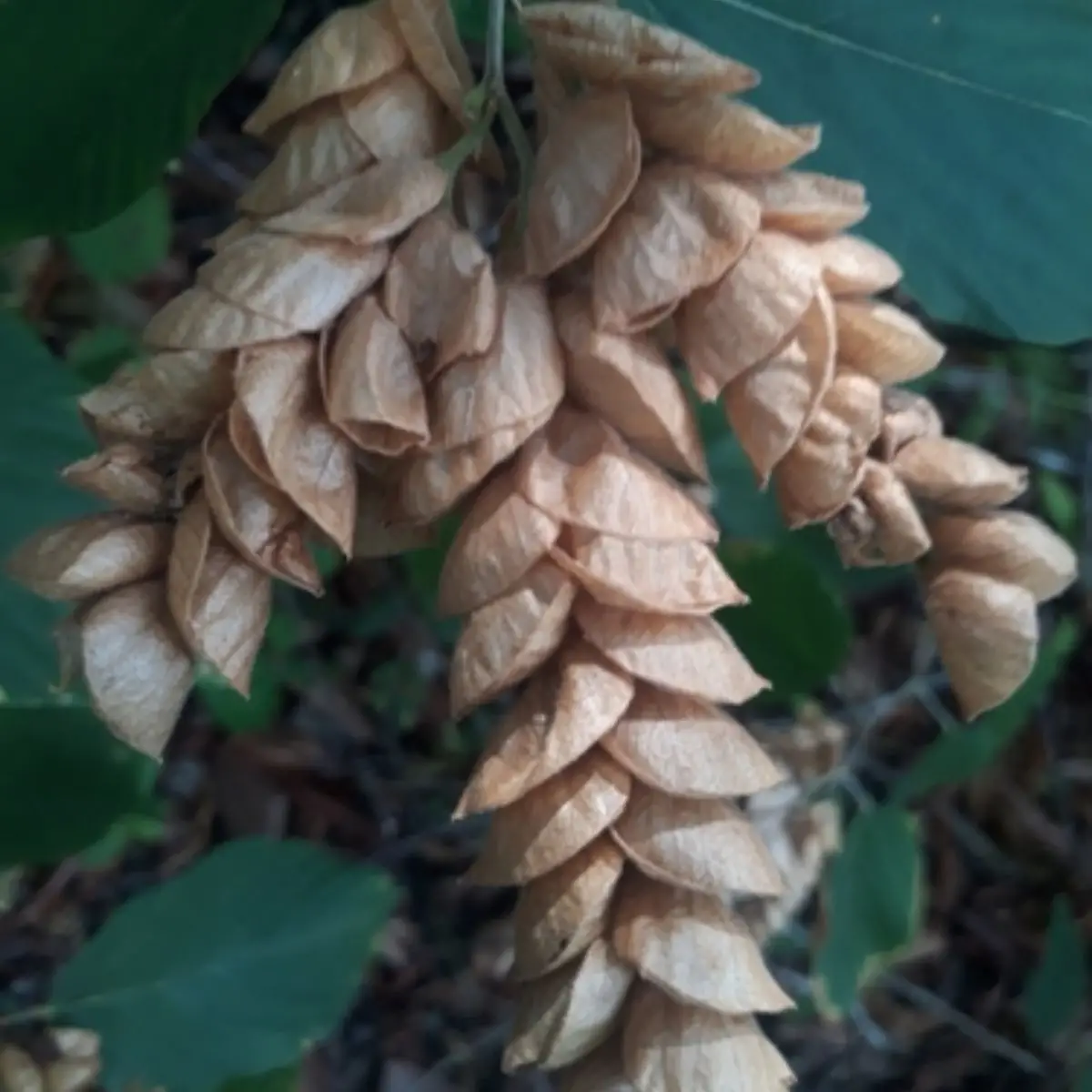
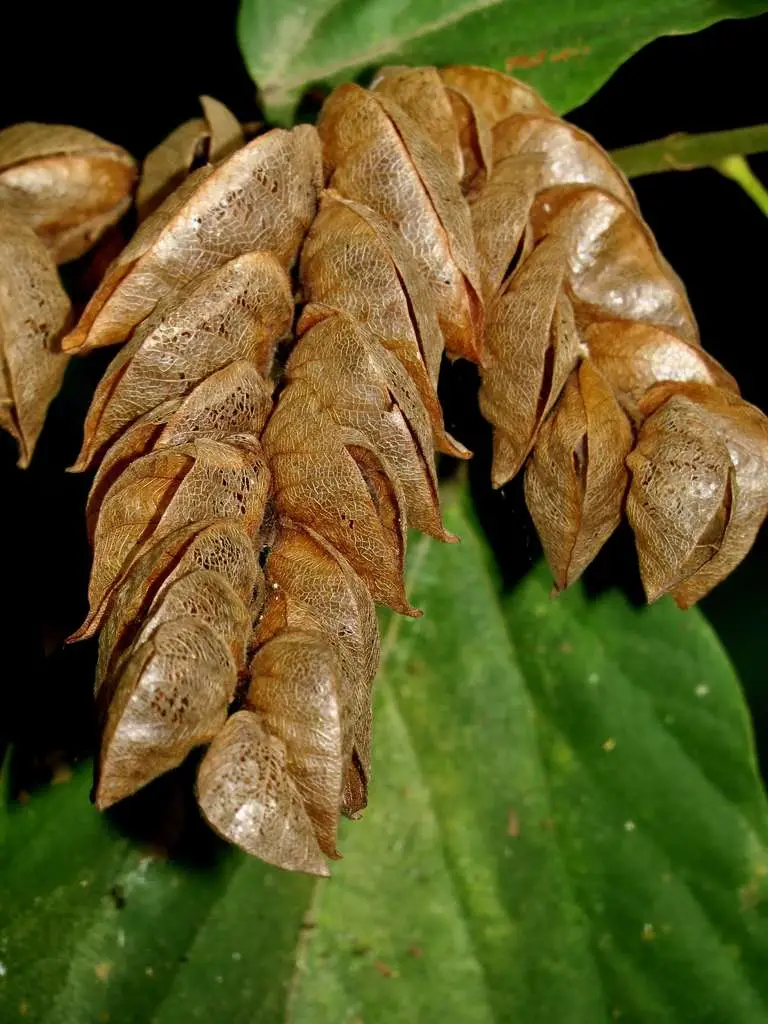
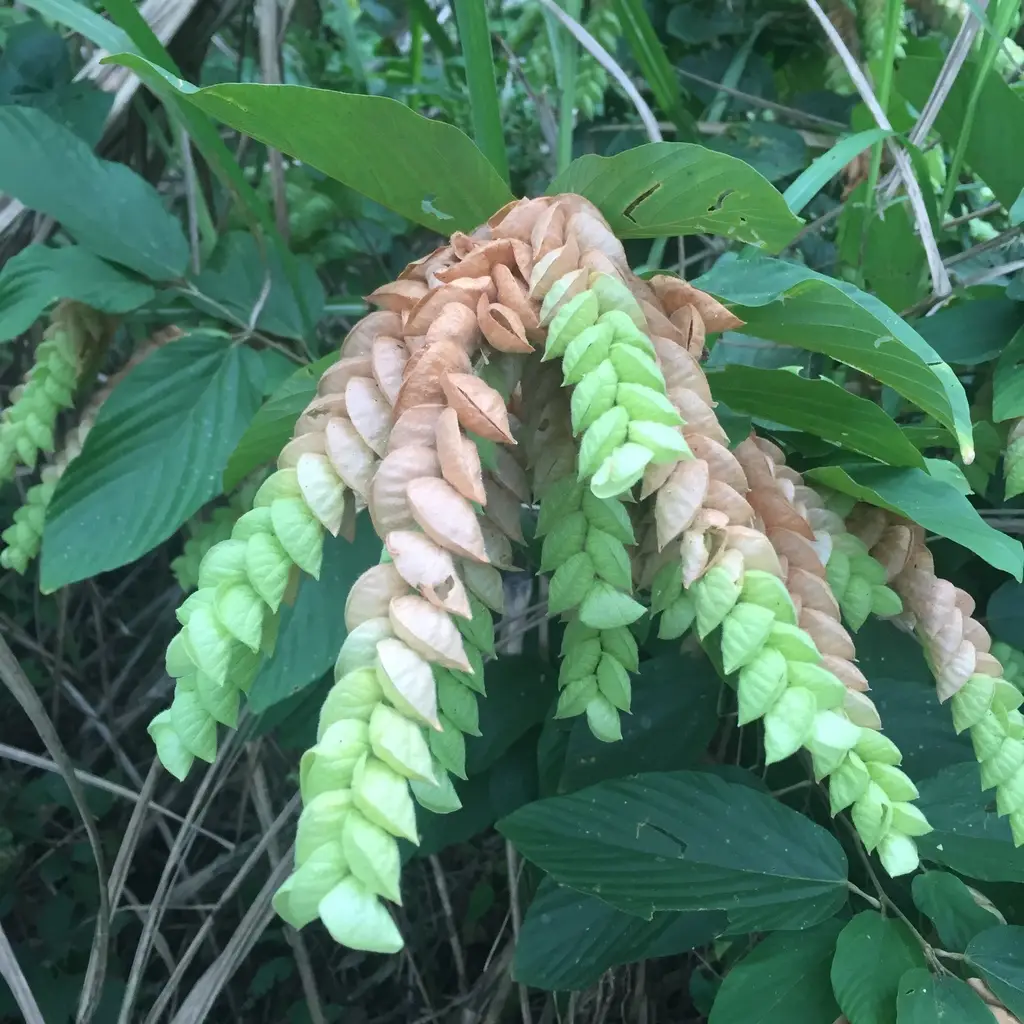
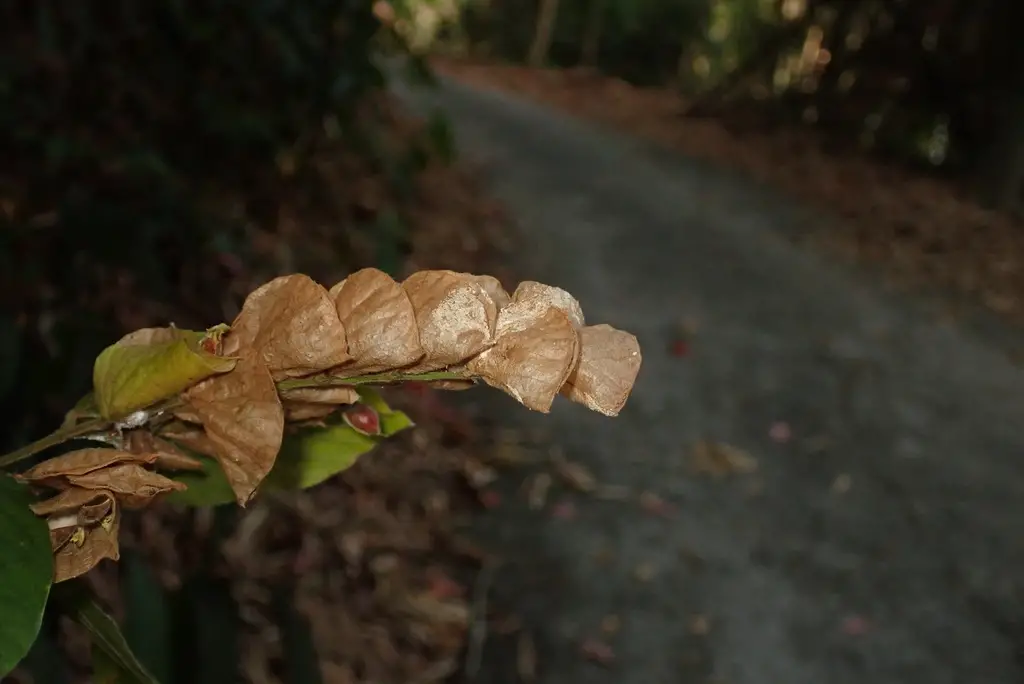
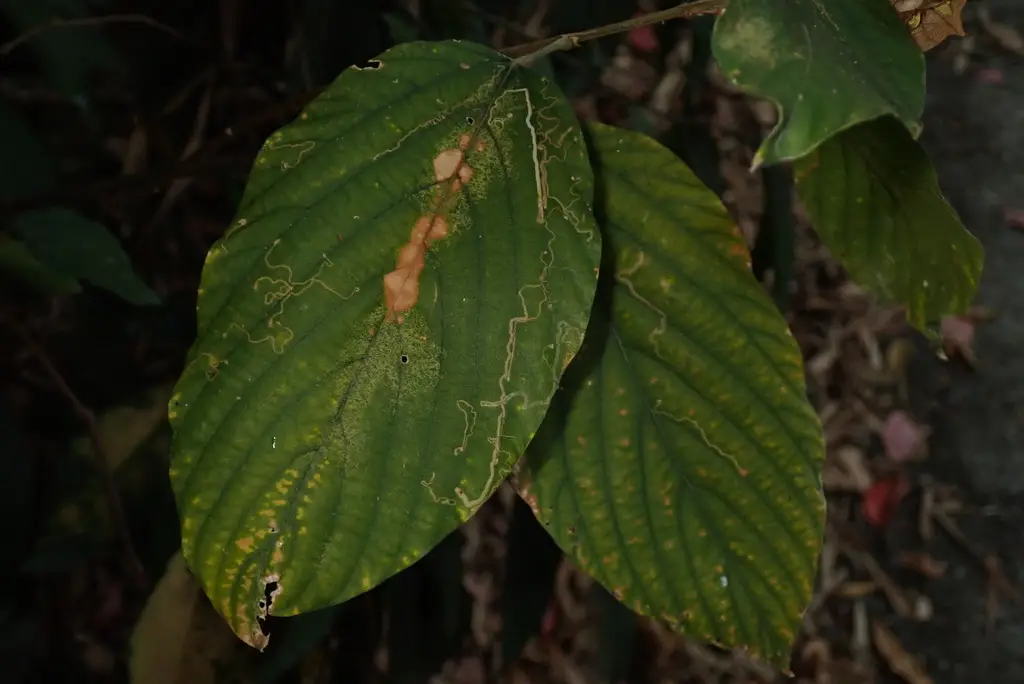
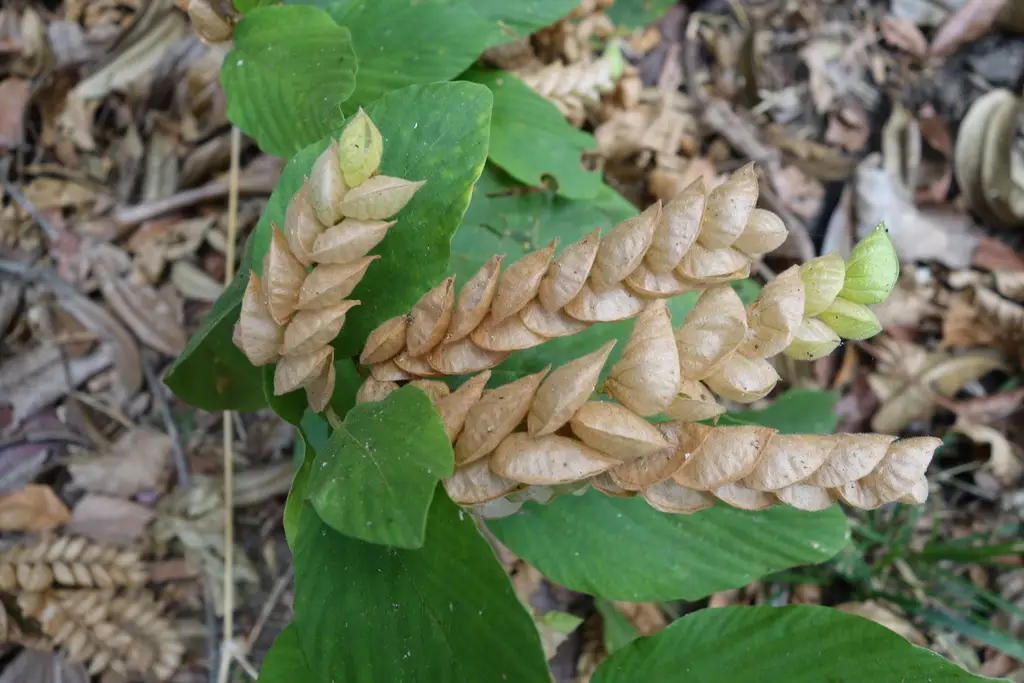
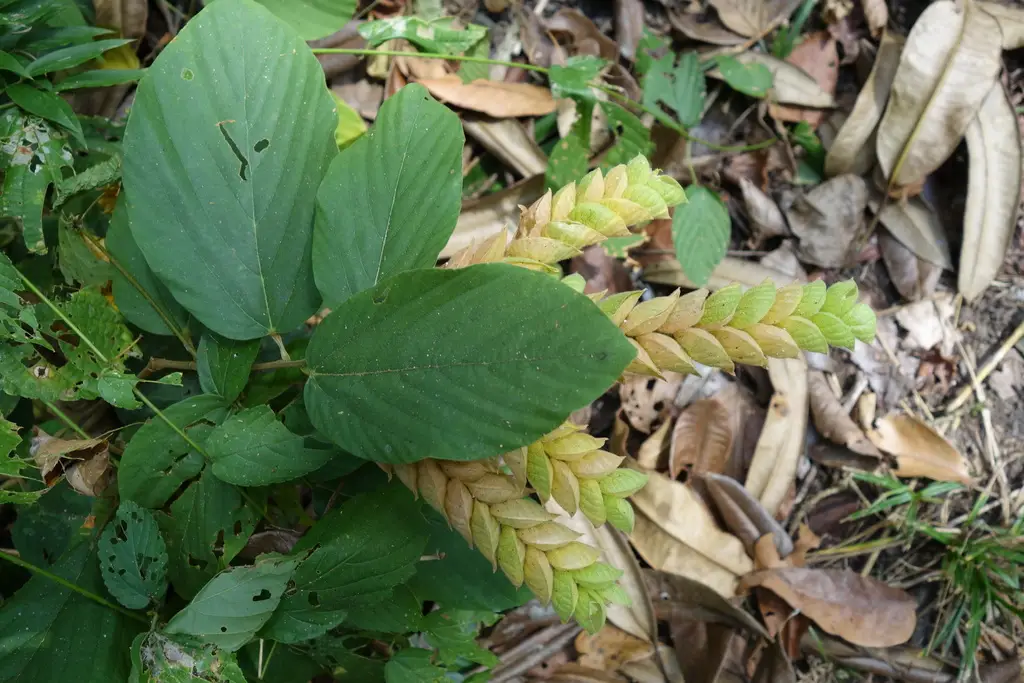
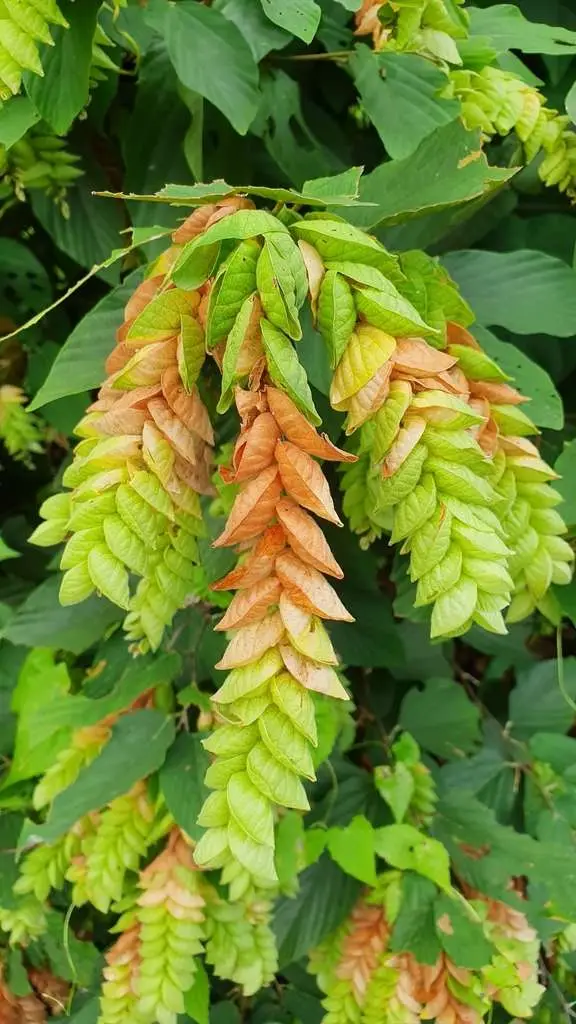
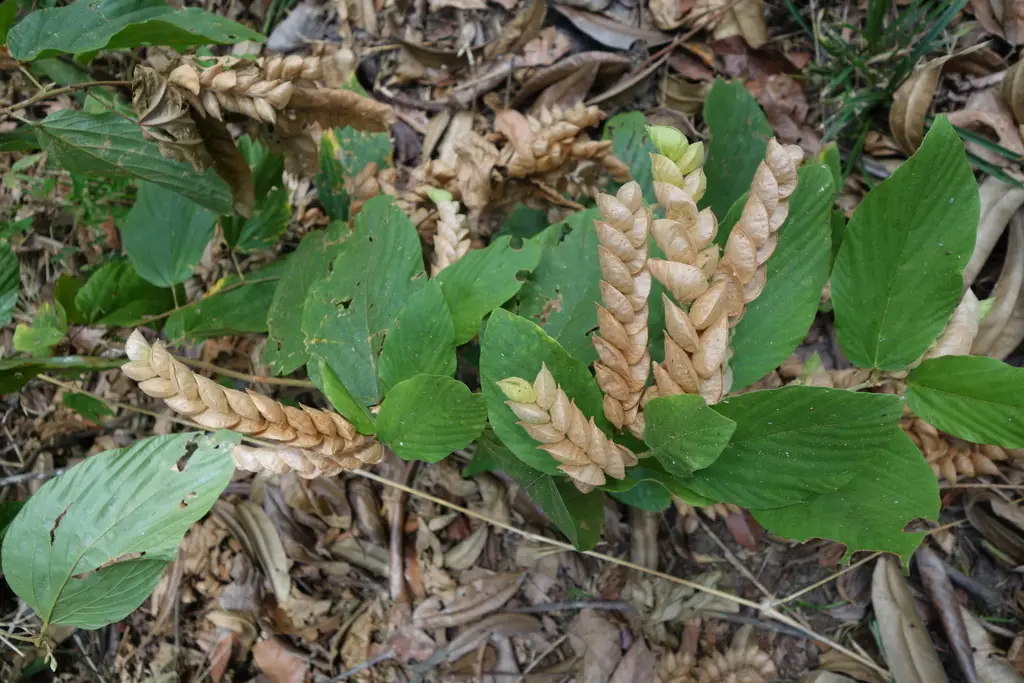
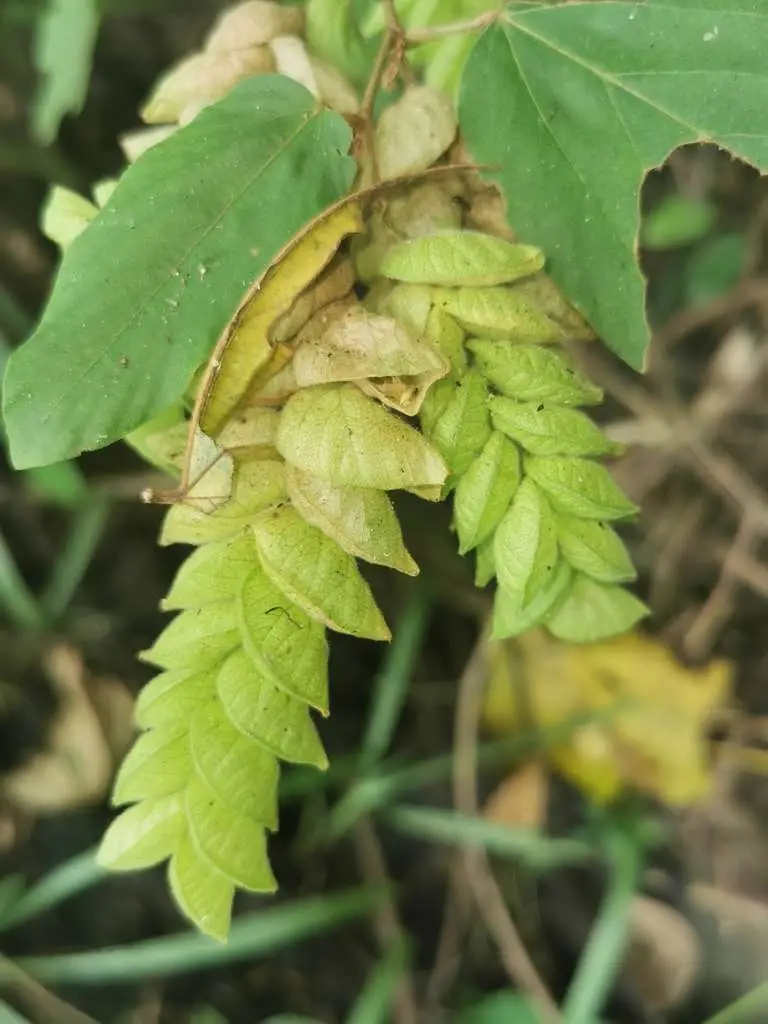
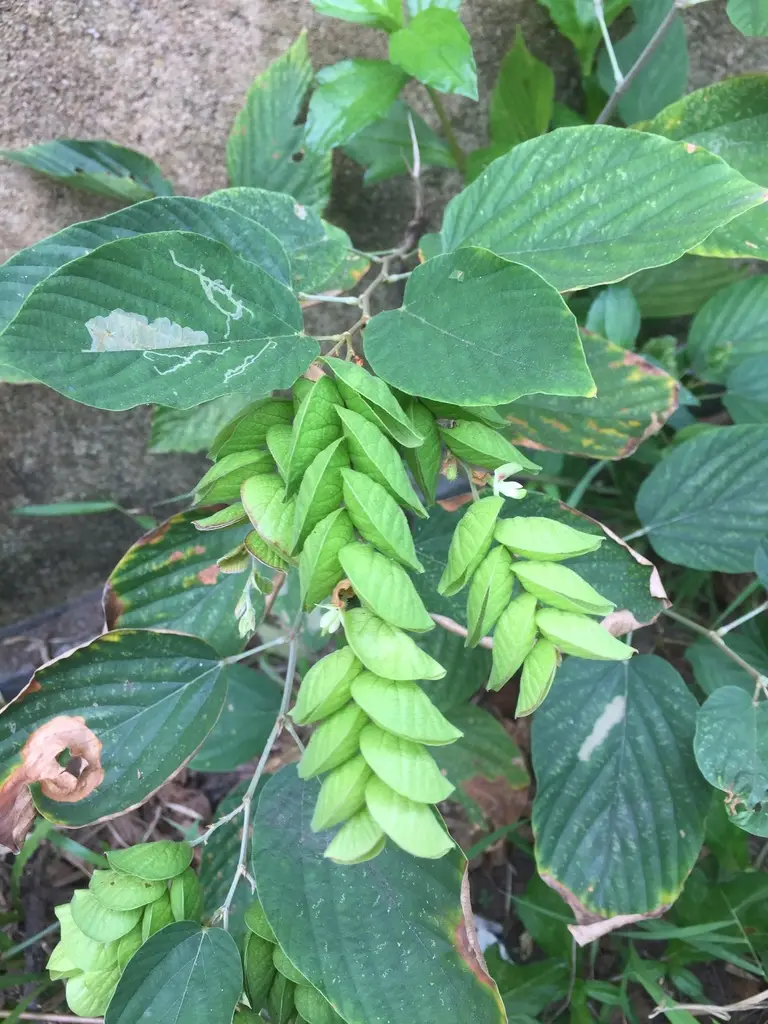
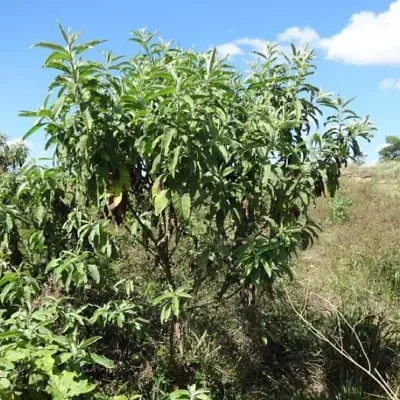
An upright or scrambling shrub to about 2 m tall with oblong leaves and terminal flower stalks with large, green bracts. It is widely distributed in secondary vegetation and disturbed areas from the Himalayas to tropical southeastern Asia between 200 and 1600 m. Flemingia strobilifera is an important medicinal plant and also makes a nice ornamental for tropical and some warm temperate climates.
In Bangladesh it is used as a traditional medicine to treat epilepsy, hysteria and fever. It is an essential part of the Bihu (??? ????) festival, during which the cattle are washed and gently beaten with twigs of this plant. It is known as makhiyoti (????????) in the north-eastern Indian state of Assam.
Germination Guide
🌍 South, East and Southeast Asia
Moderate
Flemingia strobilifera, commonly known as Wild Hops or Luck Plant, is a perennial legume shrub native to tropical and subtropical Asia with hard-coated seeds requiring pre-treatment
Germination
Germination time
Expect germination in
14 – 28 days
Substrate moisture
💧💧 High
Sowing depth
Lightly covered
Seed Pre-treatment
-
💧
Soaking — 12 hours
Soak in warm water for 12-24 hours after hot water treatment
-
🔨
Hot water scarification
Pour nearly boiling water on seeds, soak 12-24 hours in warm water. If seeds do not swell, make a nick in seed coat and soak additional 12 hours
-
📋
Additional notes
Seed scarification improves germination rates for dried stored seeds
Substrate & Container
Recommended substrate
well-draining loamy soil
Growing Tips
Keep seeds warm and moist after sowing. Seeds benefit significantly from scarification due to their hard seed coat. Plant in well-draining soil to prevent root rot
Only logged in customers who have purchased this product may leave a review.

Reviews
There are no reviews yet.