Description
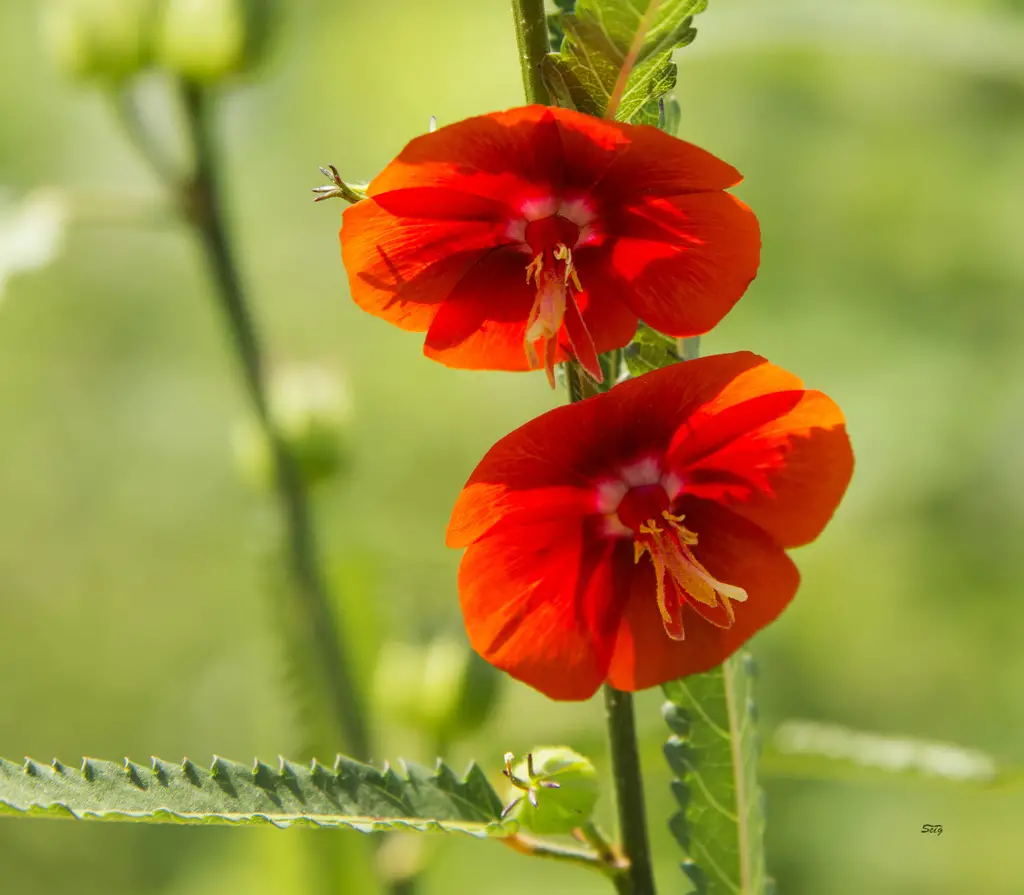
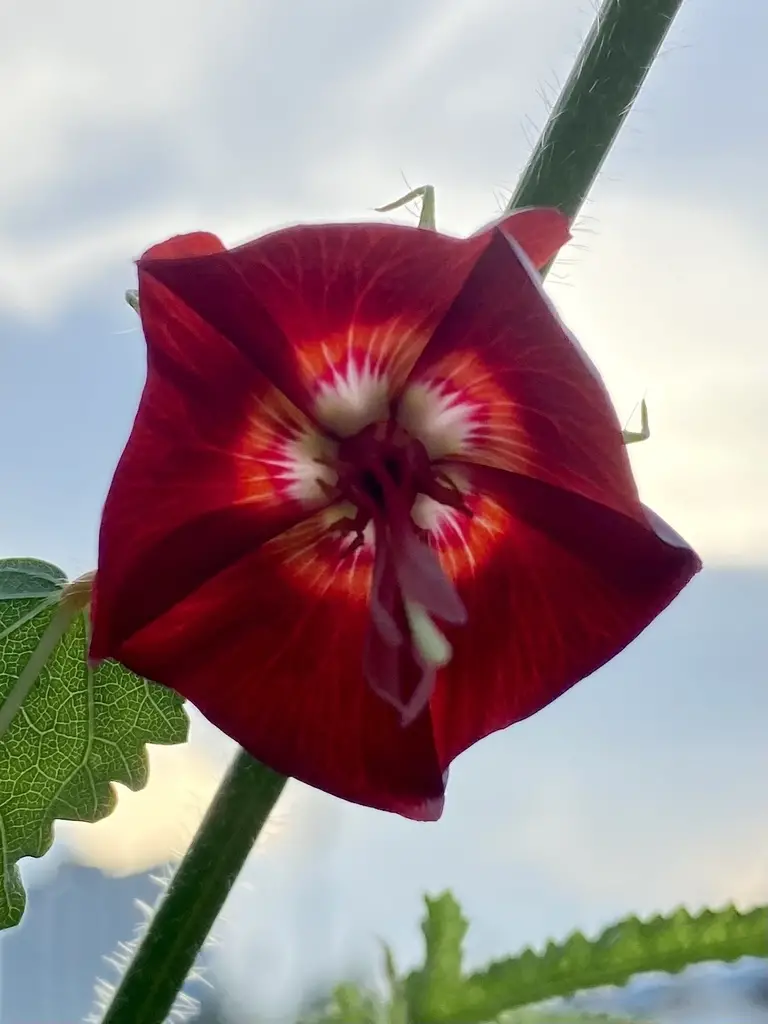
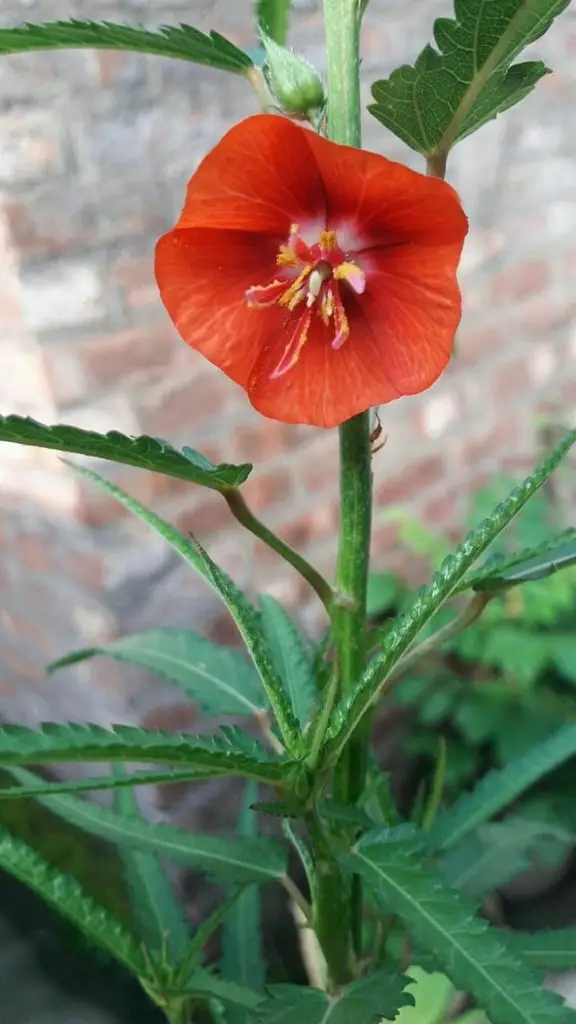
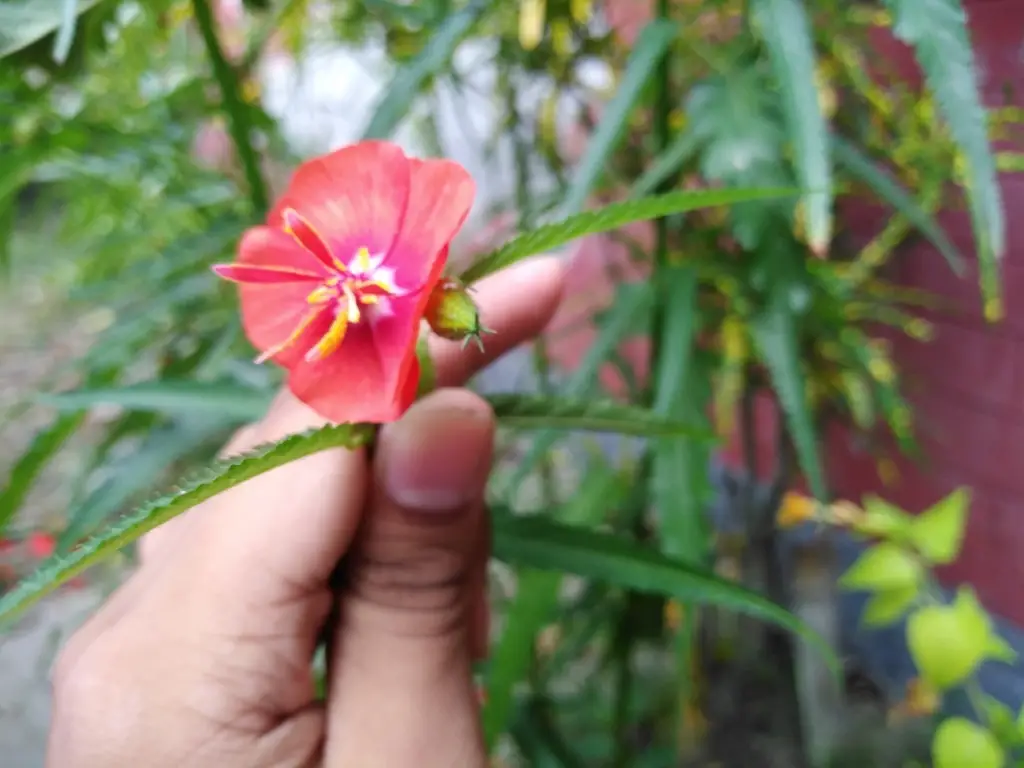
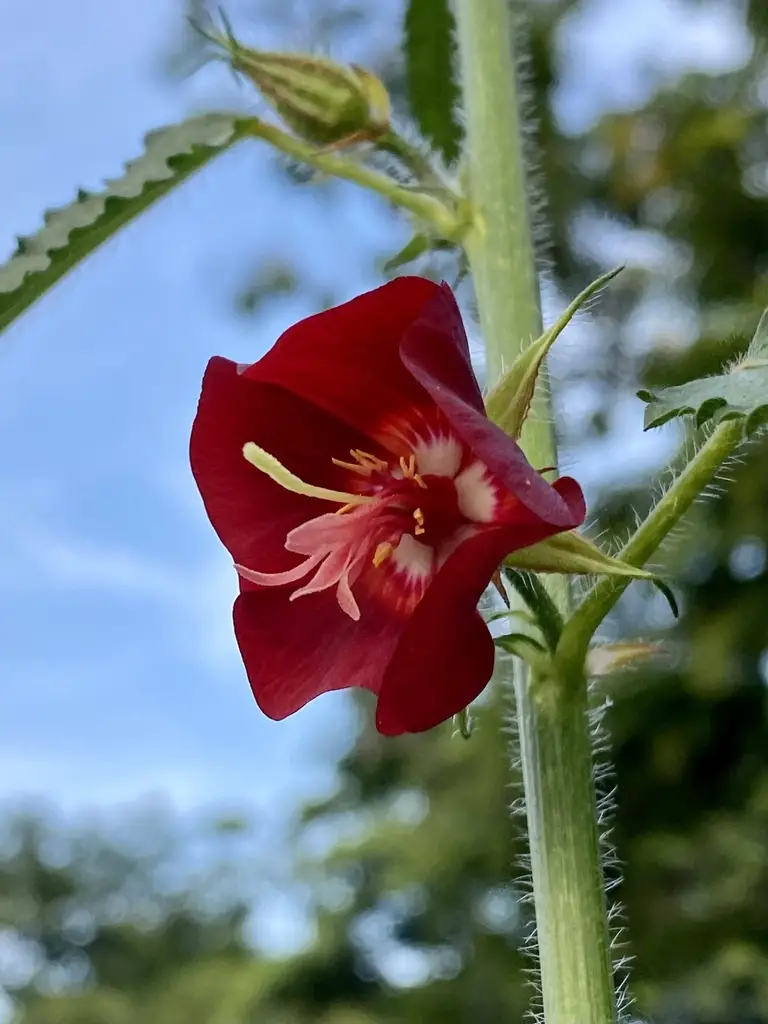
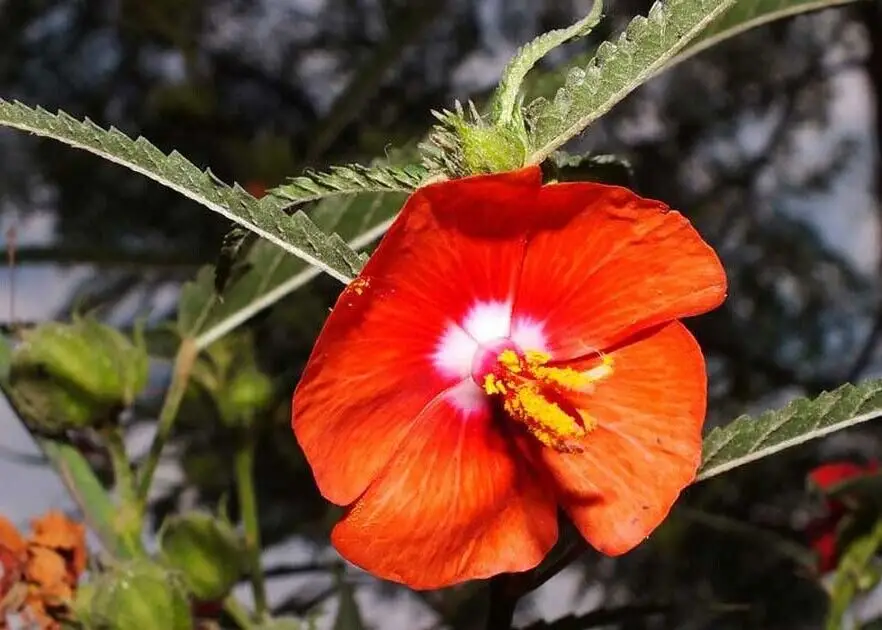
This is Pentapetes phoenicea, also known as Noon Flower, Midday Flower, Scarlet Mallow, Simine, Flor impia, and Copper Cups. This plant likes to live in full sun to partial shade where it grows to about 4 feet tall. The scarlet red blossoms are on display from late spring until the middle of Fall and they attract a wide array of birds, bees, and butterflies.
The flower is native to a wide region of tropical South Asia from Ceylon and India to northern Australia and the Philippines.
Germination Guide
🌍 Tropical South Asia, India, Philippines, northern Australia
Moderate
Pentapetes phoenicea, known as Noon Flower or Scarlet Pentapetes, is an annual herb from tropical South Asia. Seeds require hot water pretreatment to improve germination rates. This tender annual is frost and chilling sensitive and requires warm indoor conditions for successful propagation.
Germination
Germination time
Expect germination in
14 – 28 days
Temperature
Min 70°C
Ideal 75°C
Max 75°C
Substrate moisture
💧💧 High
Sowing depth
Lightly covered
Substrate & Container
Recommended substrate
moist growing medium
Recommended container
3-inch pots
Growing Tips
Sow indoors 6-8 weeks before last frost date. Keep growing medium moist. Seeds prefer warm temperatures around 75°F. Shallow sowing with light soil covering recommended. May require 2-4 weeks to germinate.
Only logged in customers who have purchased this product may leave a review.




Reviews
There are no reviews yet.