Description
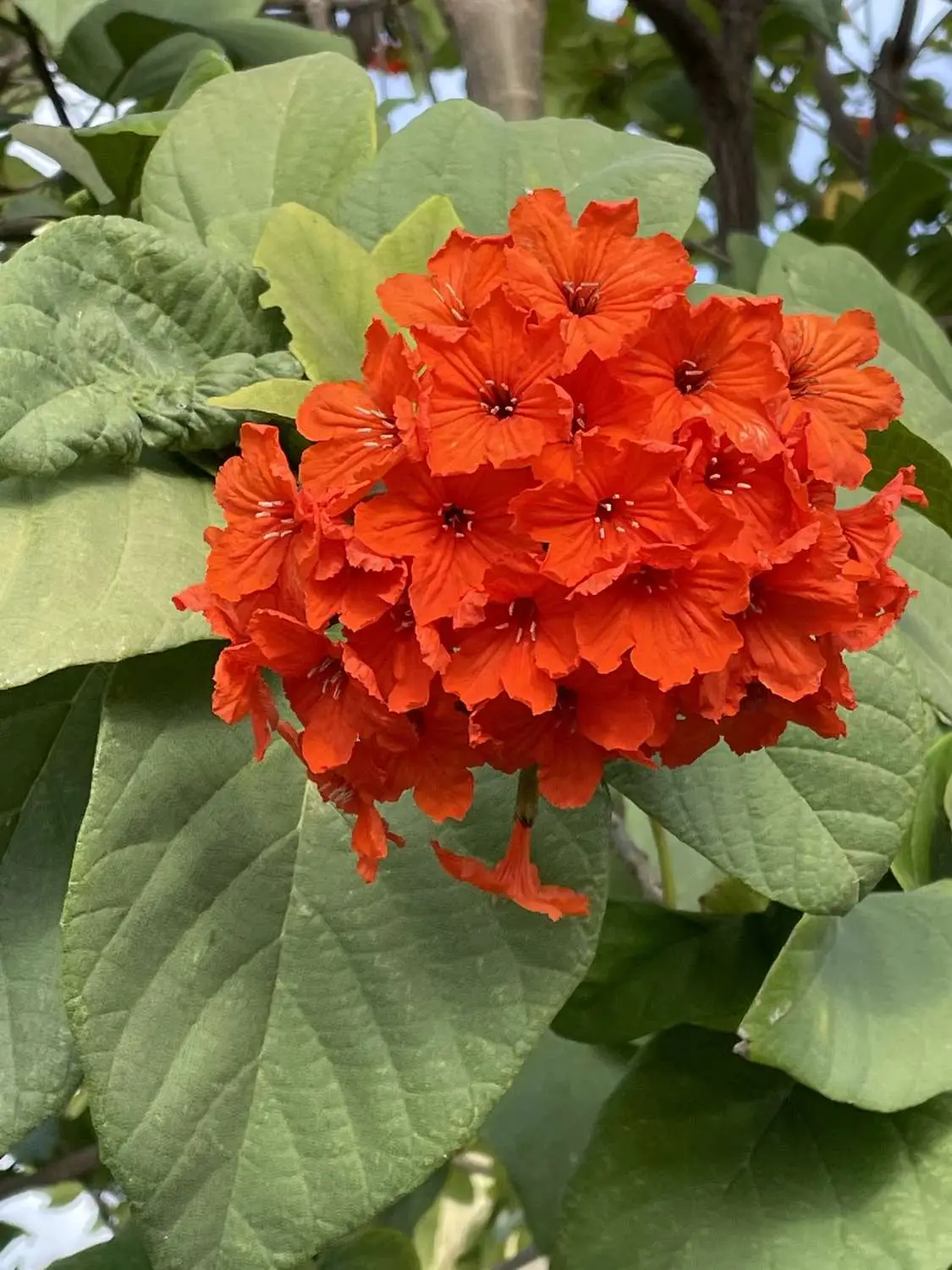
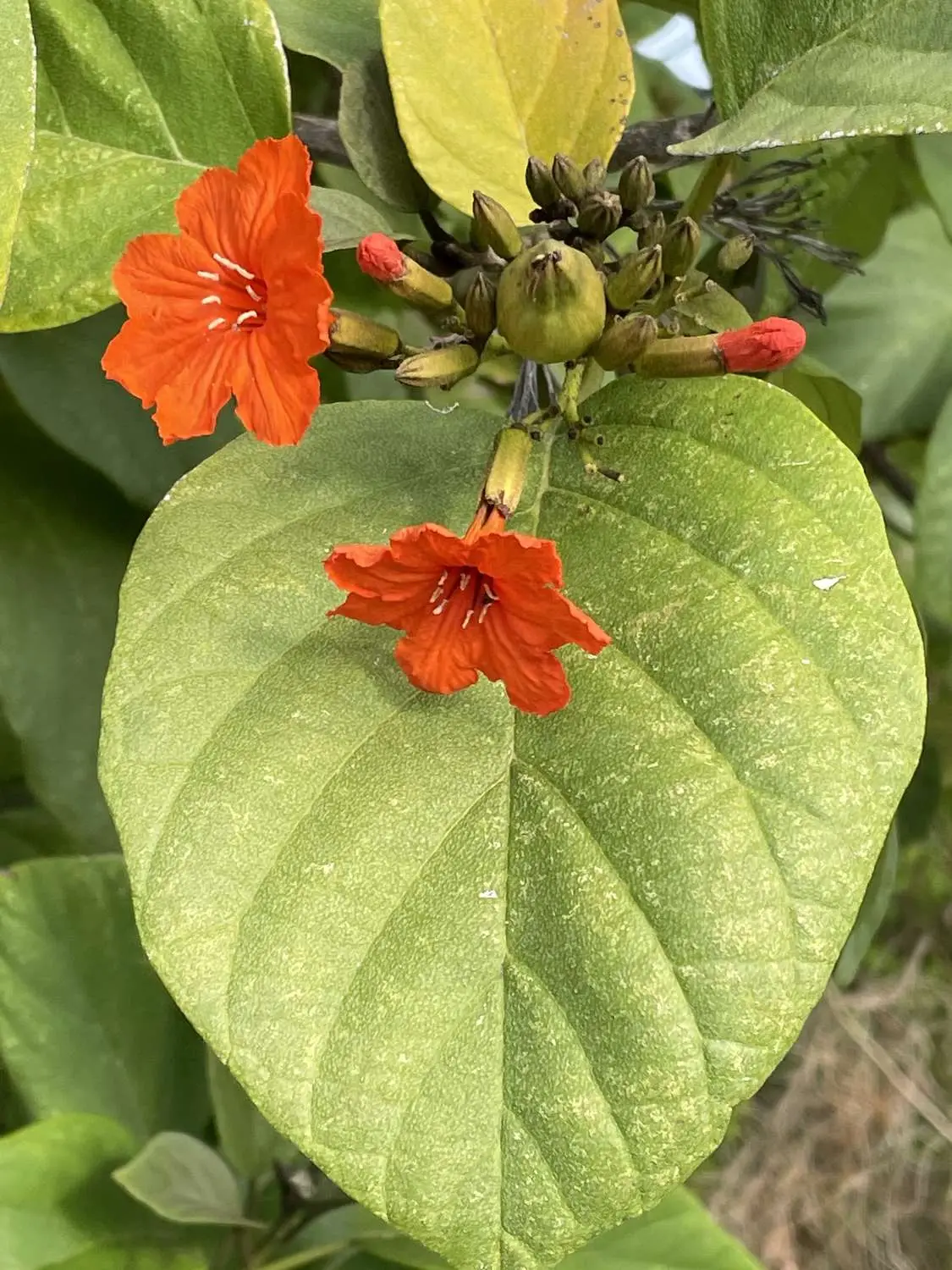
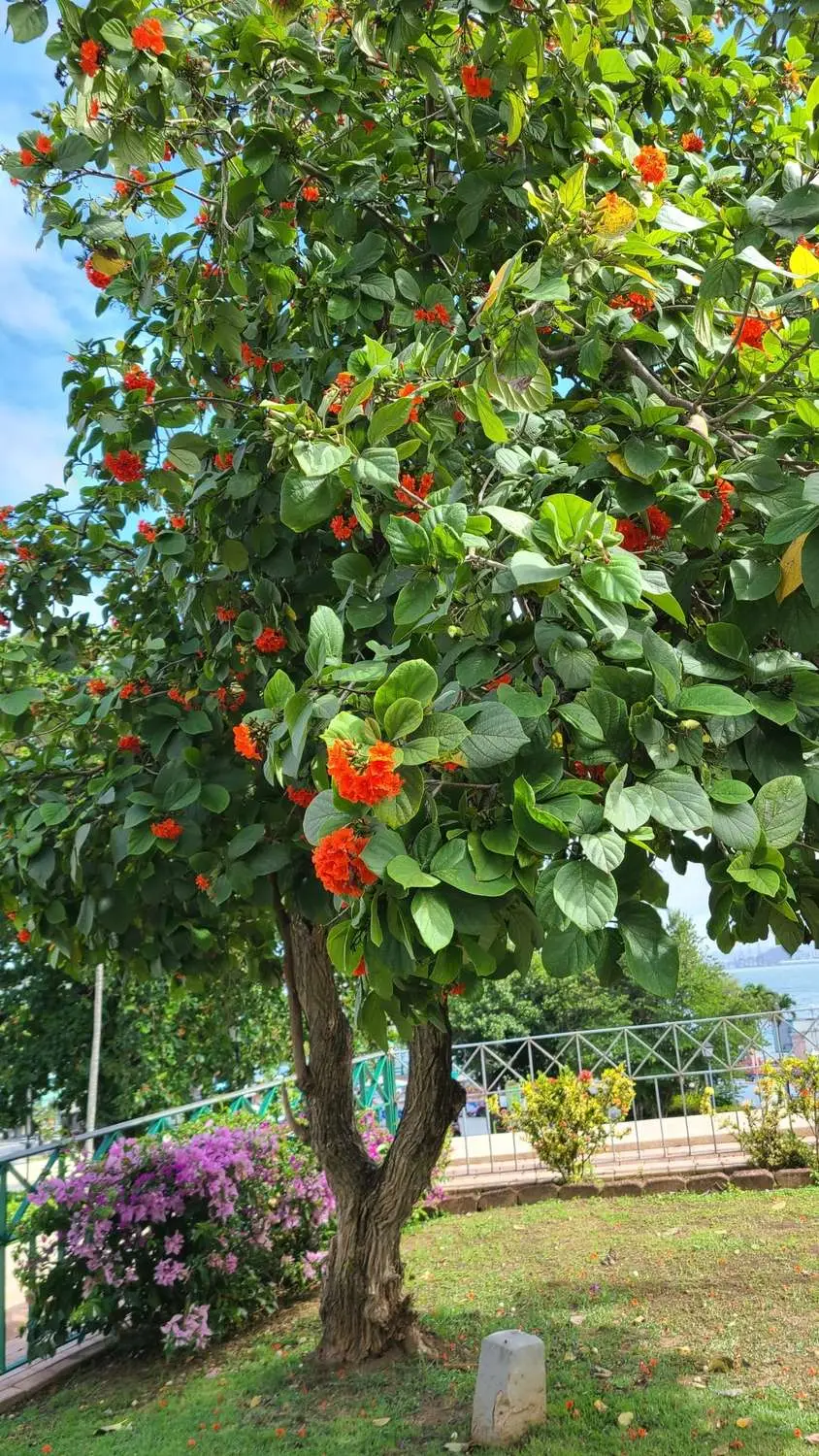
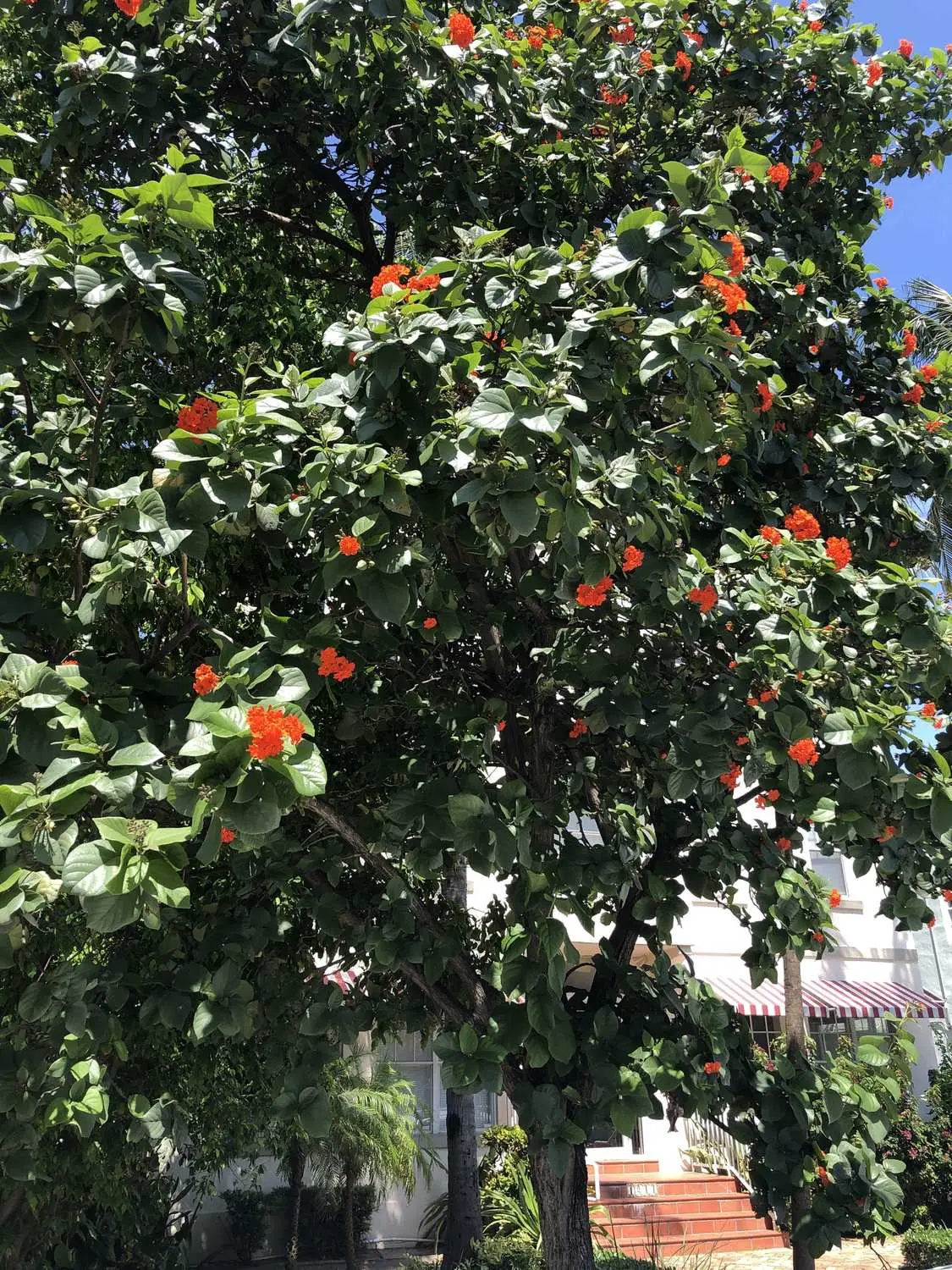
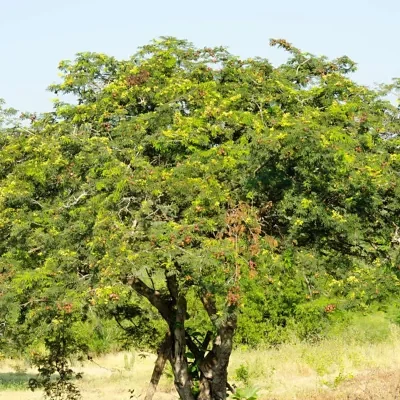
Cordia sebestena is a small, evergreen tree or large shrub native to the Caribbean and tropical Americas. It typically grows 3 to 8 meters tall, with a rounded crown and dense, rough-textured foliage. The leaves are large, dark green, and slightly coarse to the touch.
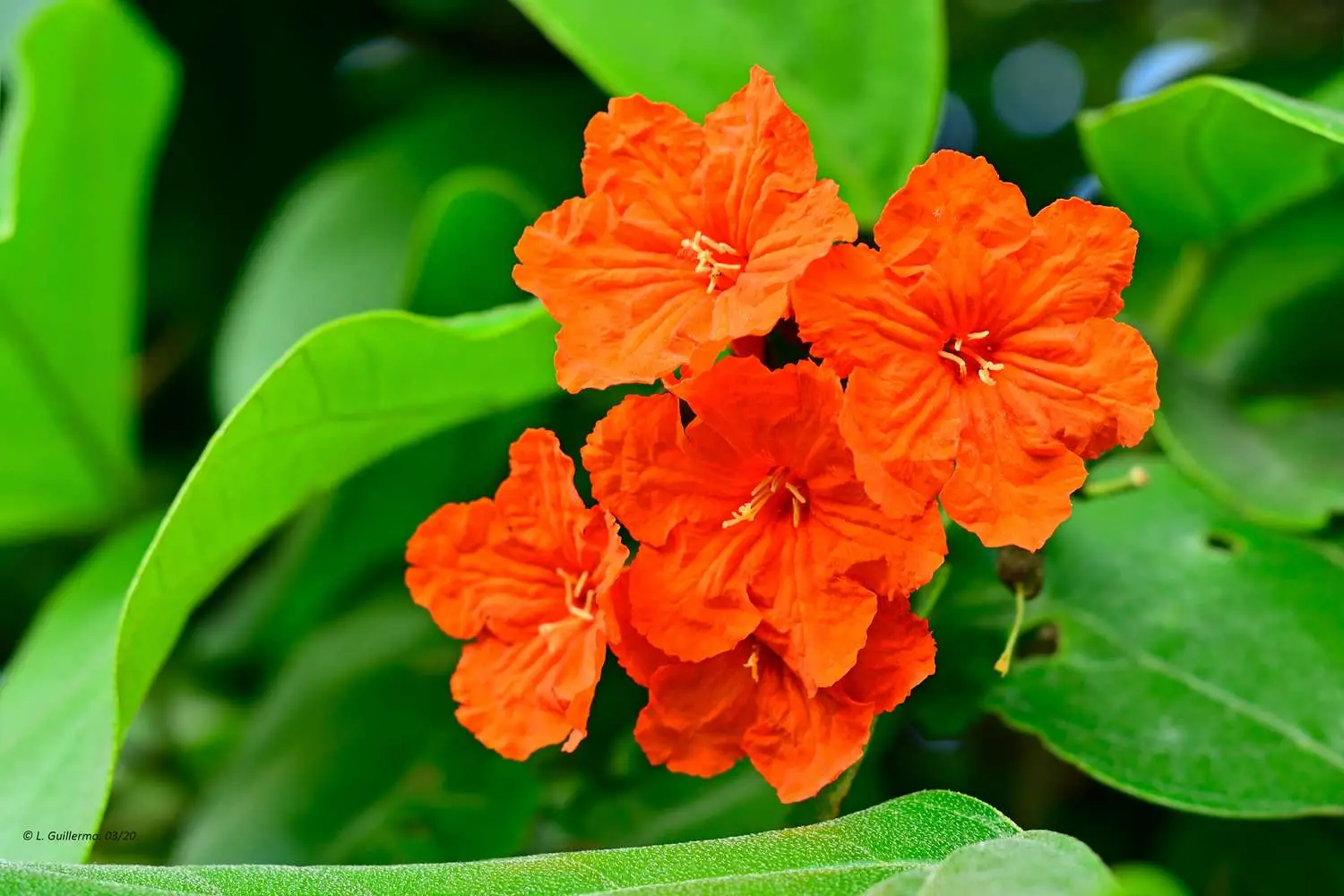
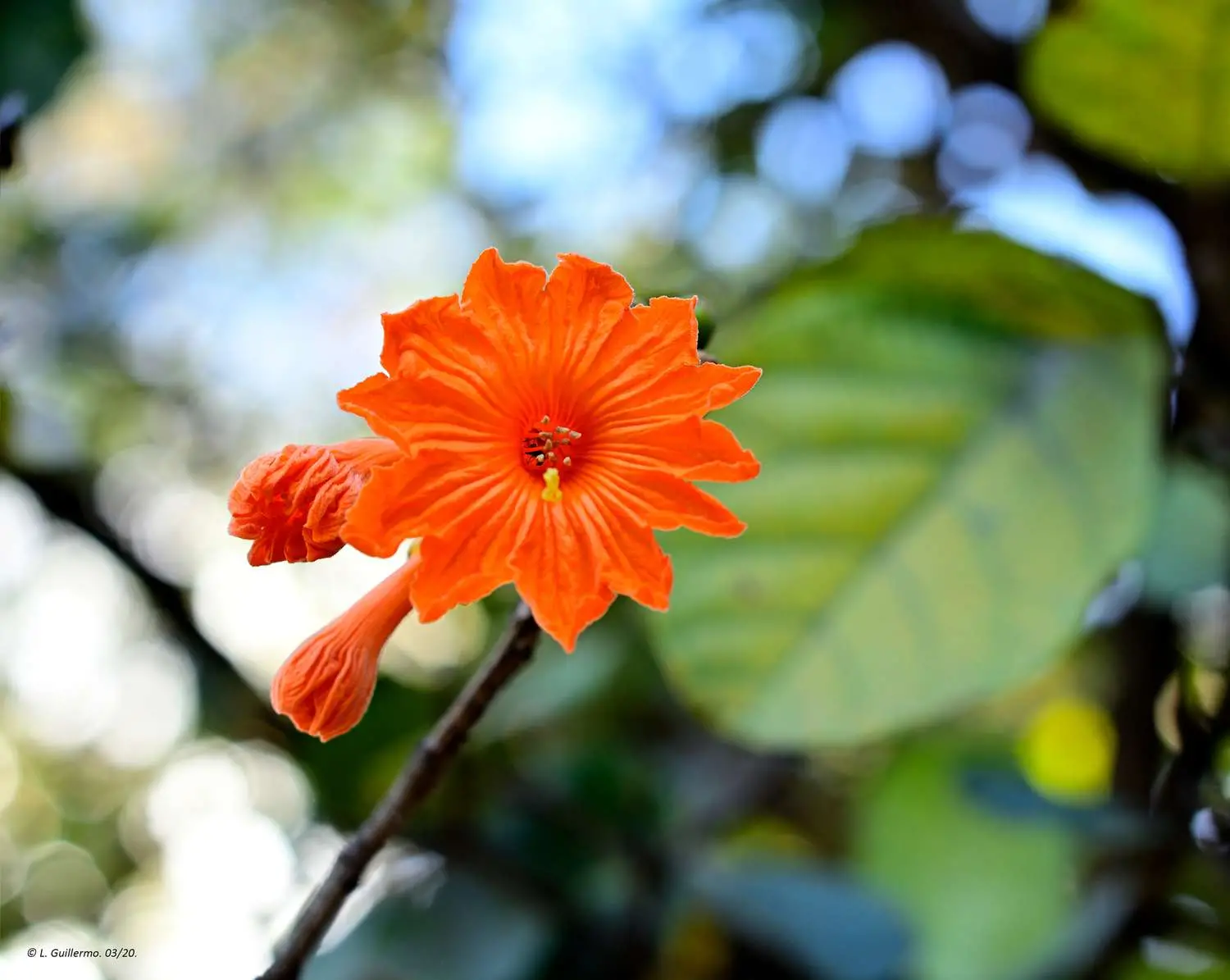
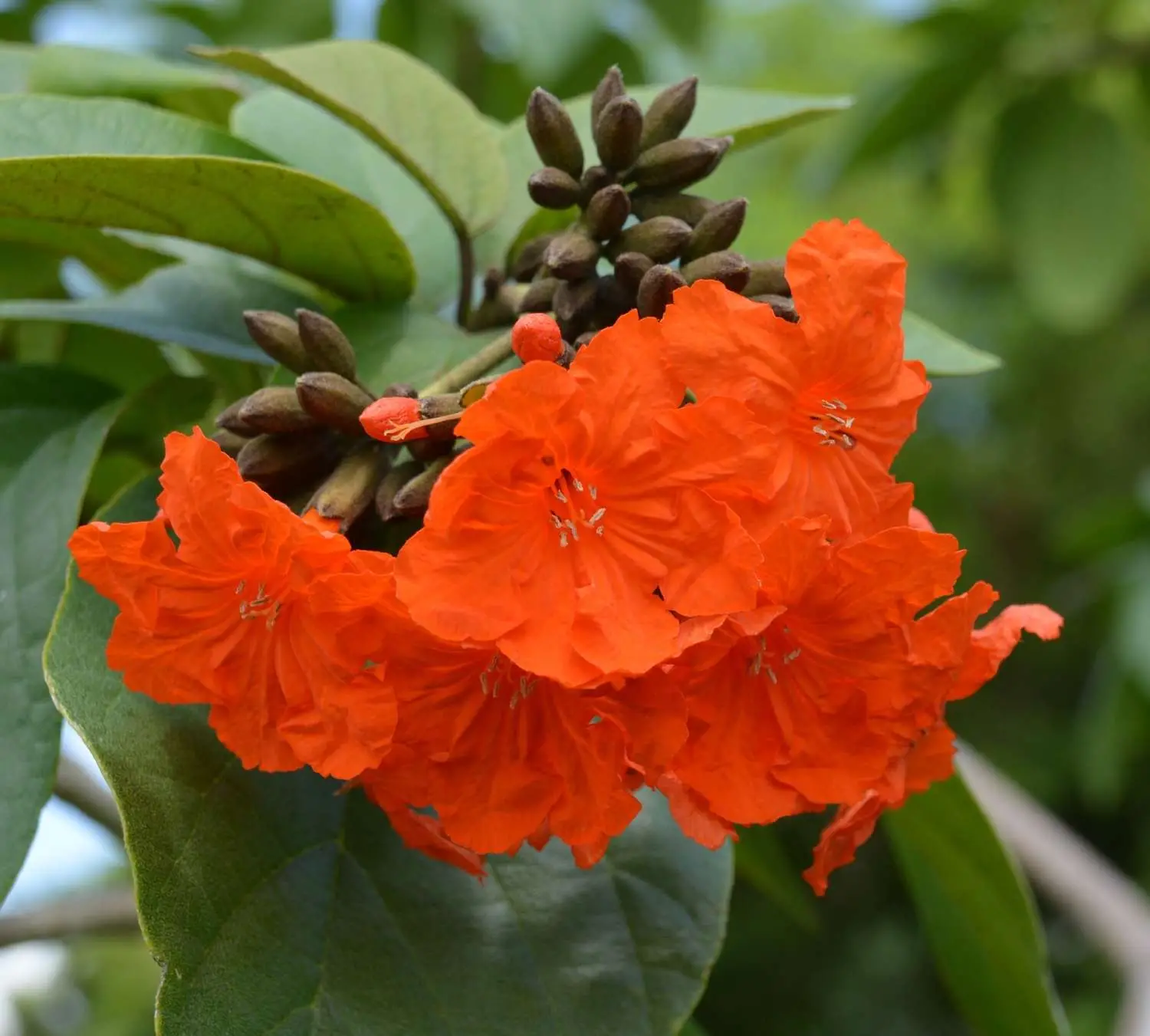
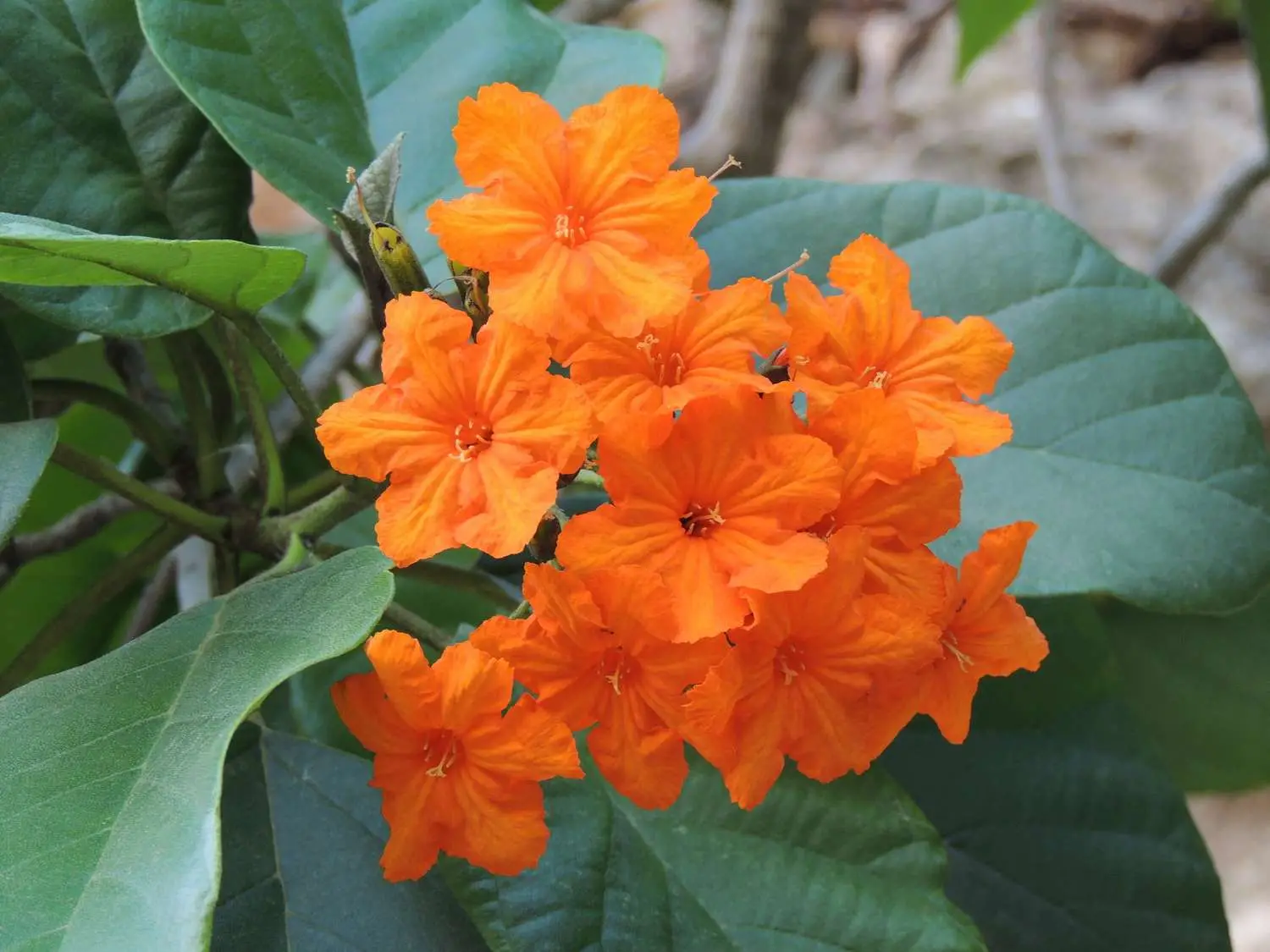
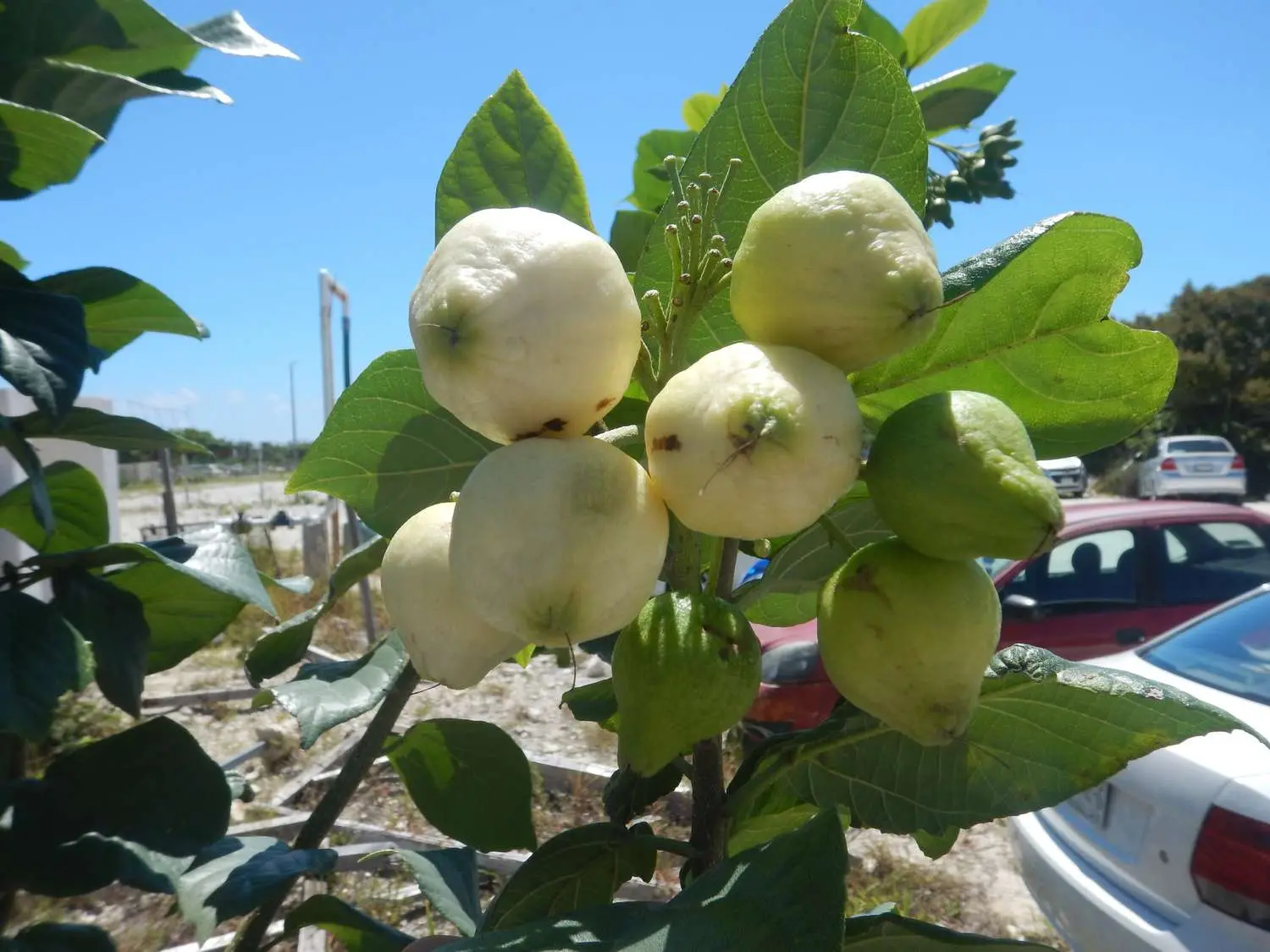
The tree is best known for its brilliant clusters of bright orange-red, funnel-shaped flowers that bloom throughout the year in warm climates, attracting hummingbirds and butterflies. Its small, white fruits are oval and slightly sticky when ripe.
Adapted to hot and coastal conditions, Cordia sebestena thrives in sandy, well-drained soils and full sun. It is drought- and salt-tolerant, making it an excellent ornamental tree for tropical and subtropical gardens, particularly in seaside landscapes.
Germination Guide
🌍 American tropics (Florida, Bahamas, Central America, Greater Antilles, Caribbean)
Moderate
Cordia sebestena is a tropical tree native to American tropics, commonly known as Geiger tree. Seeds are very slow to germinate naturally but germination can be accelerated with mechanical scarification.
Germination
Germination time
Expect germination in
7 – 21 days
Substrate moisture
💧 Medium
Sowing depth
Lightly covered
Seed Pre-treatment
-
🔨
Mechanical scarification
Seed scarification by lightly abrading the seedcoat speeds germination by allowing easier water ingress
-
📋
Additional notes
Seeds are very slow to germinate; mechanical scarification recommended
Substrate & Container
Recommended substrate
well-draining potting mix
Recommended container
pot
Growing Tips
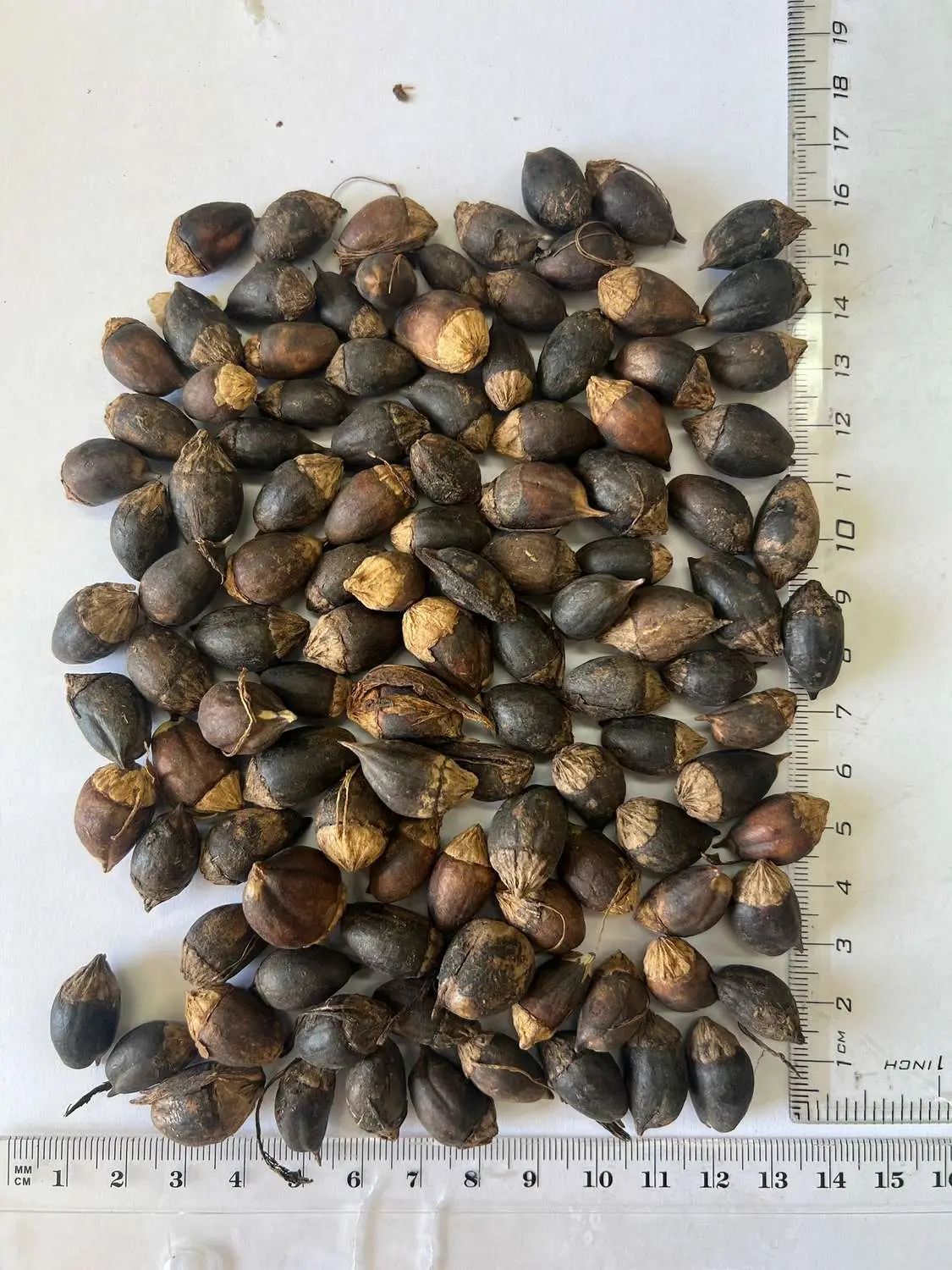
Soak fruits in water for 1-2 days to soften pulp and facilitate seed extraction. Keep soil moist after sowing. Place pot in warm, bright location with indirect sunlight. Once seedlings develop true leaves, transplant to larger pots or outdoors in sunny, sheltered location.
Only logged in customers who have purchased this product may leave a review.

Reviews
There are no reviews yet.