
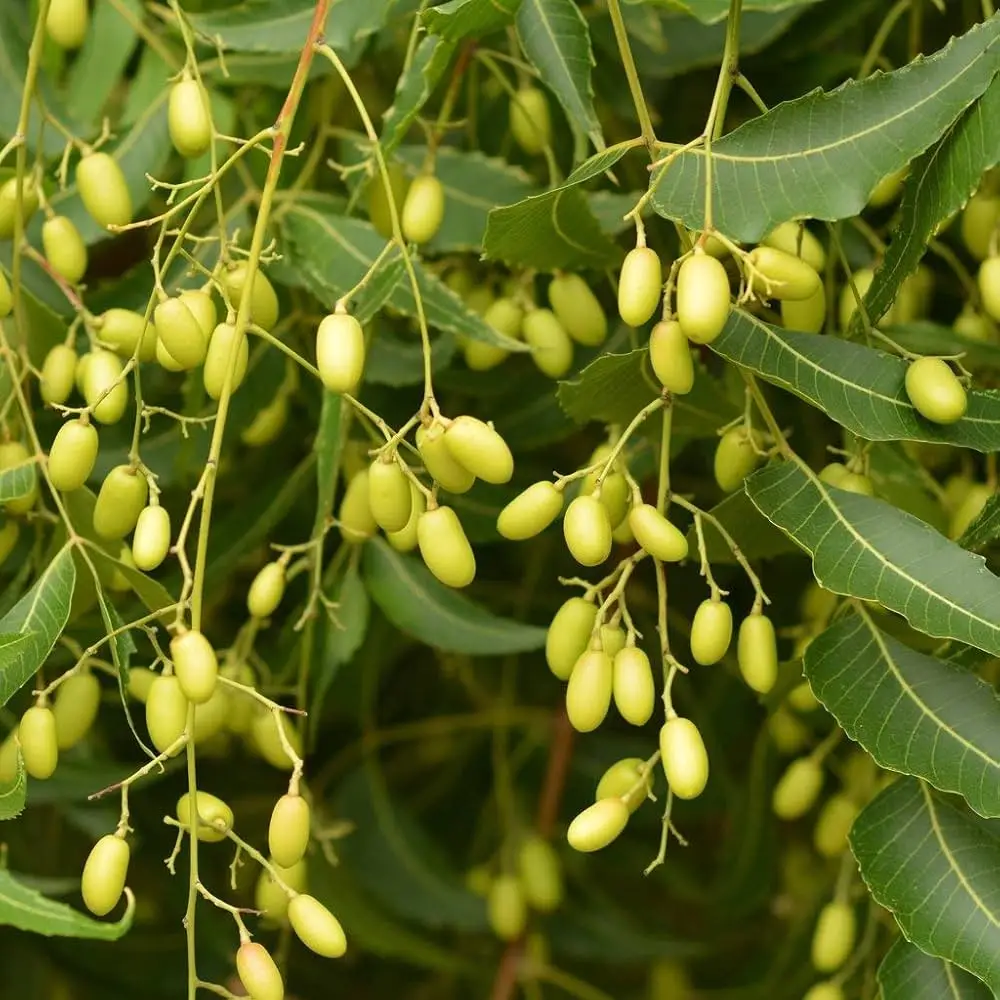
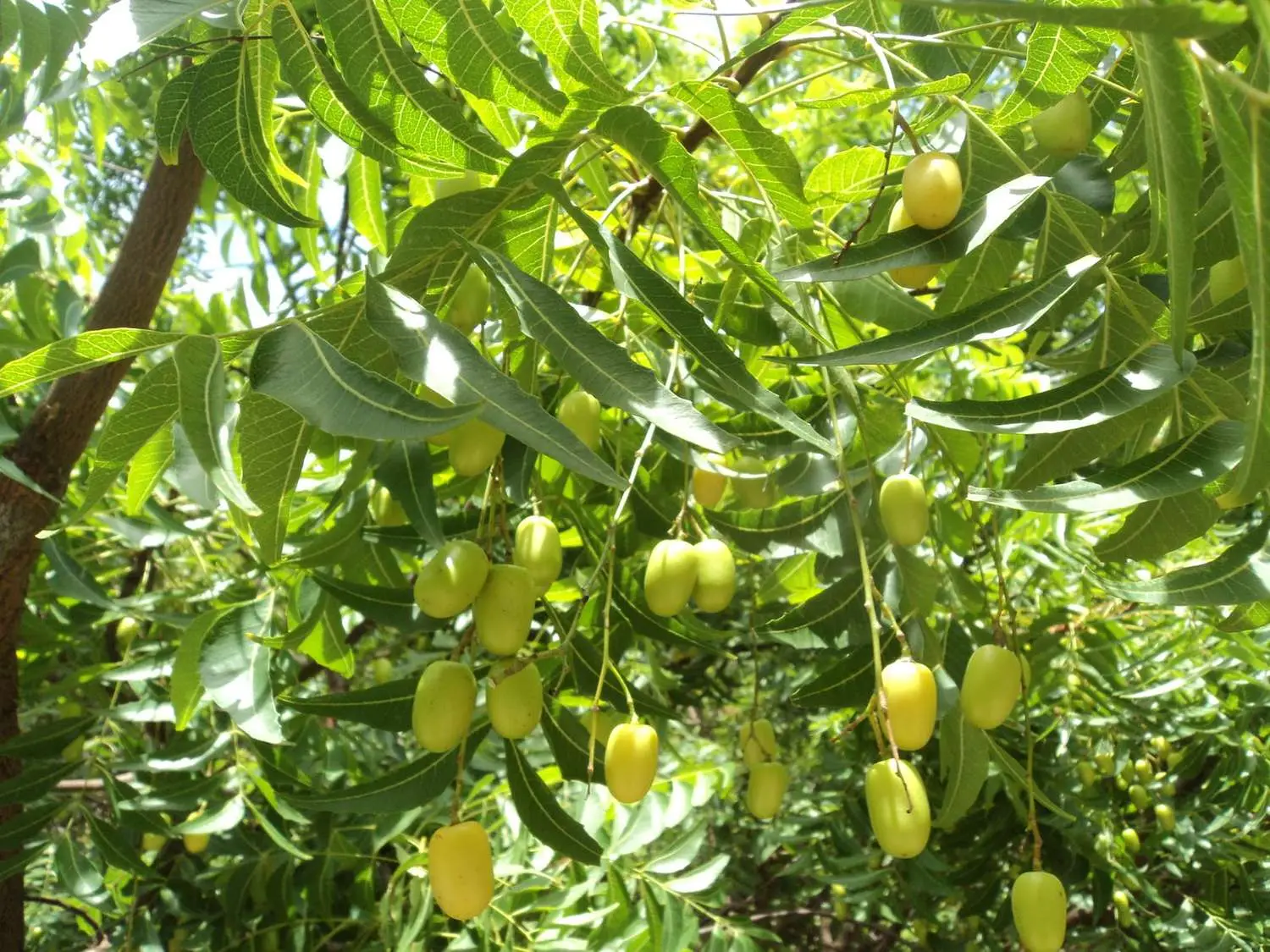
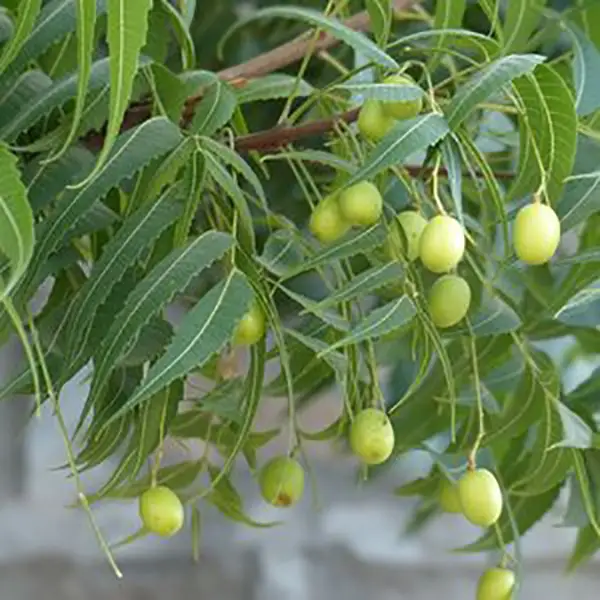
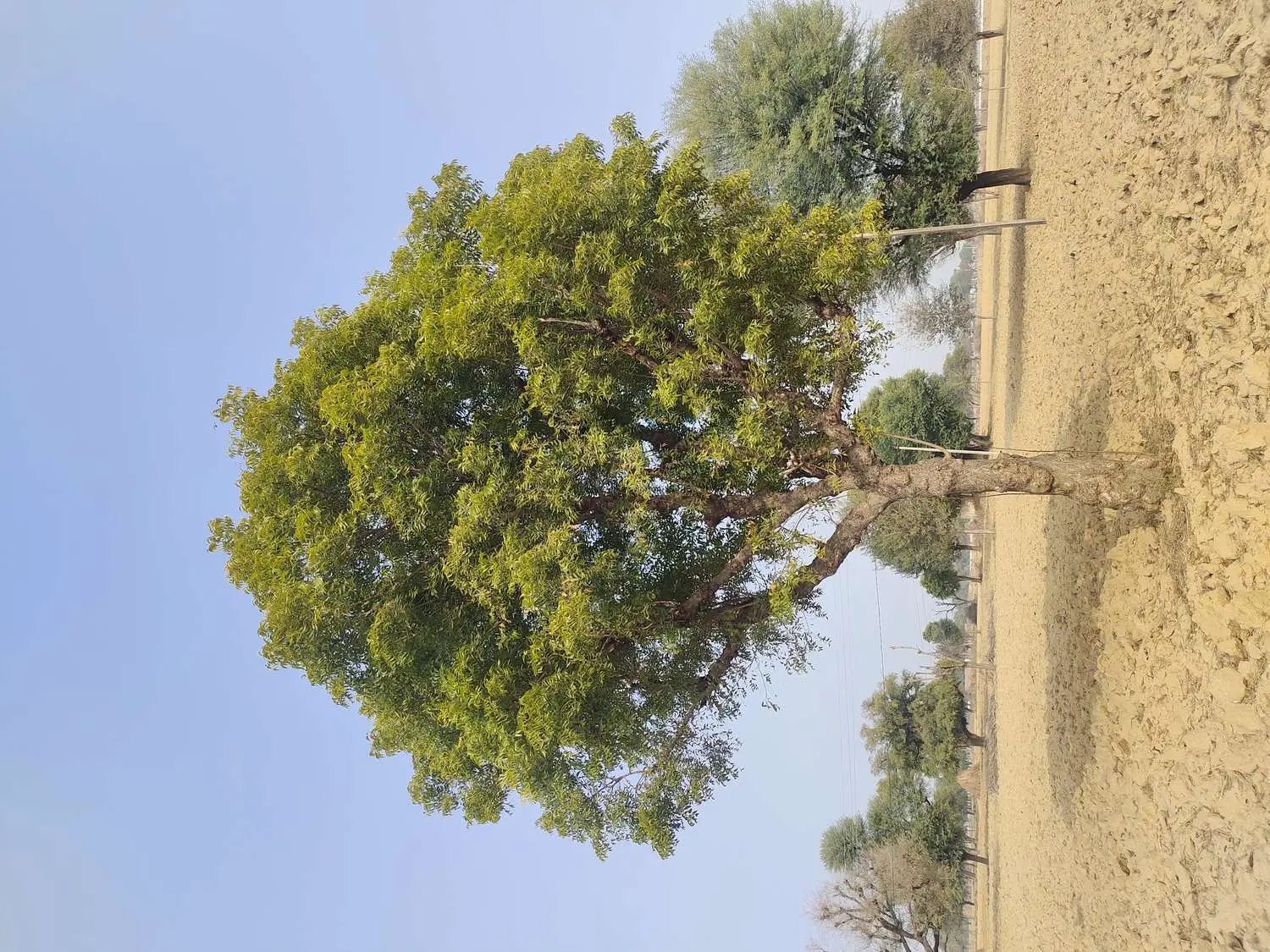
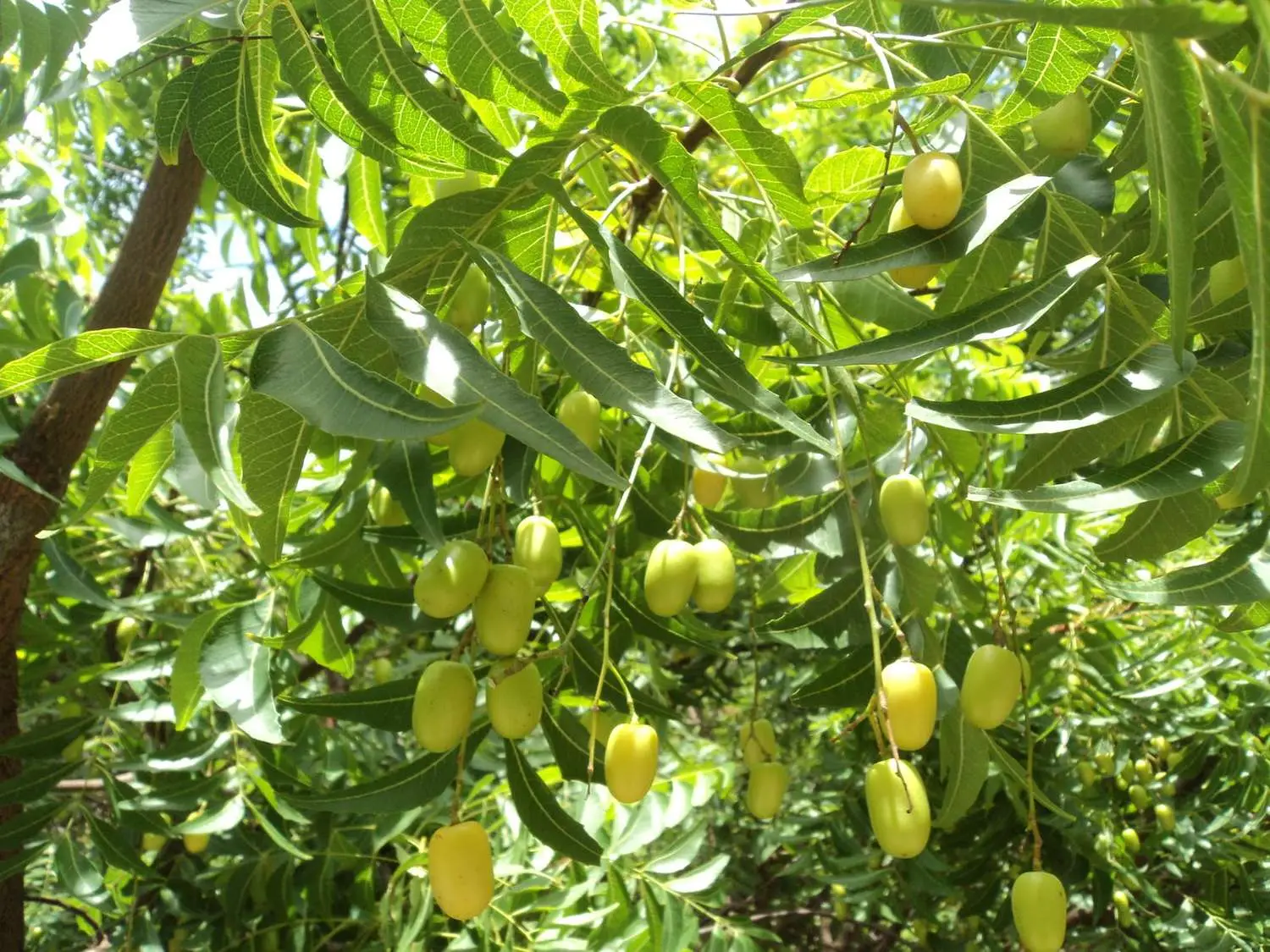
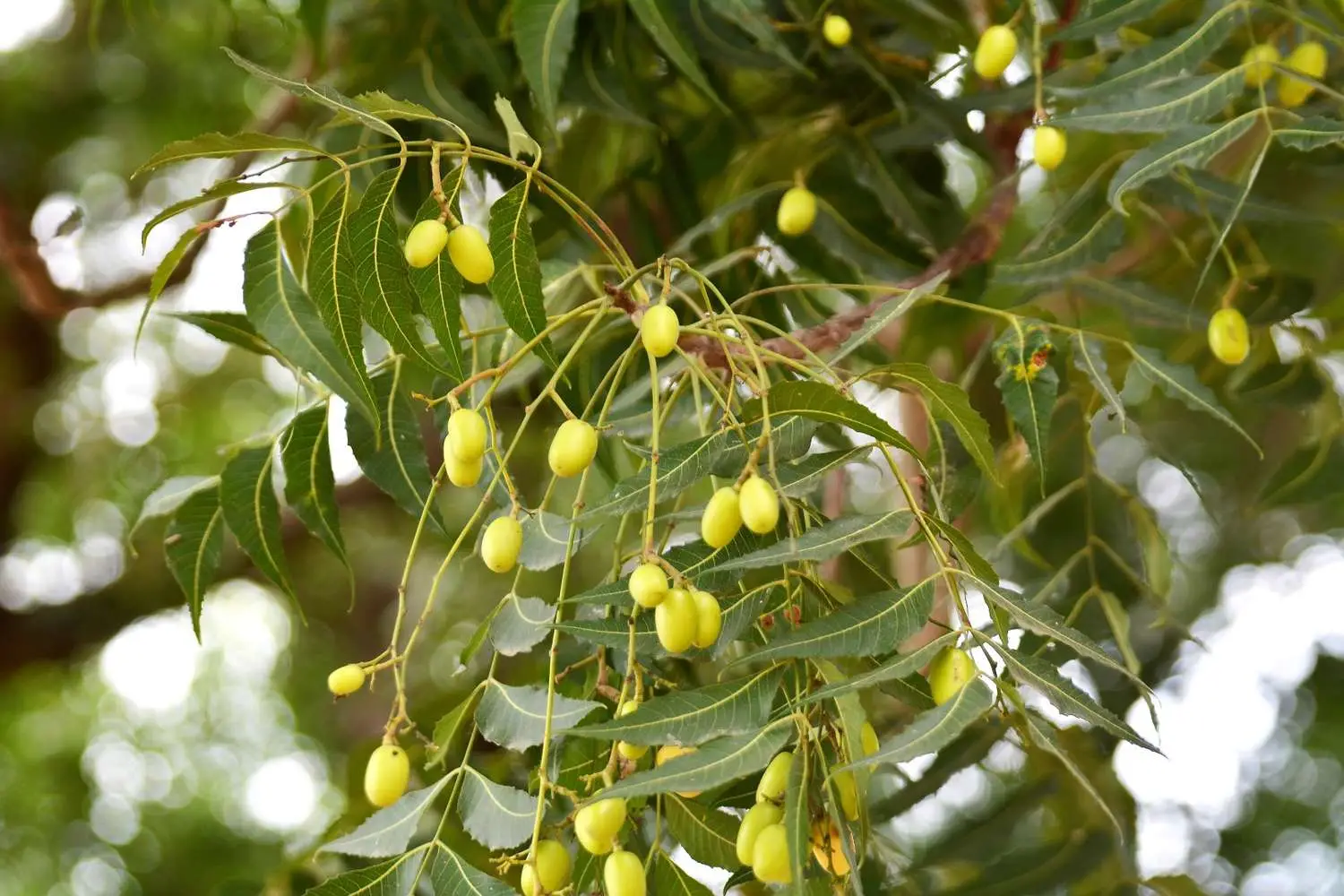
Grow the tree that does the work for you. Neem is your living pesticide factory—a fast-growing, drought-defying powerhouse that produces azadirachtin, the gold-standard natural insecticide trusted by organic gardeners worldwide. Fragrant white flowers, glossy evergreen foliage, and literal pest-fighting prowess in every leaf and seed. Easy from seed, thrives in heat and poor soil. Your garden’s most productive defensive weapon.
€1.92
This is the tree that changed agriculture. For centuries, neem has been the keeper of harvests across India and Asia—and now you can grow your own chemical-free guardian. Azadirachta indica isn’t just beautiful; it’s profoundly useful. The moment it establishes, it becomes a living, breathing source of nature’s most sophisticated bioactive compound: azadirachtin.
Neem comes from the Indian subcontinent, where it earned the Sanskrit name “Arishta”—”reliever of sickness”—and the Persian name “azad dirakht,” meaning “tree free from disease.” There’s wisdom in those ancient names. This tree doesn’t just survive drought, pests, and poor soil; it thrives where most trees surrender. It has been cultivated for over 4,500 years and was called the “Tree of the 21st Century” by the United Nations for its capacity to solve multiple global challenges. You’re planting legacy.
Here’s what makes neem the organic grower’s secret weapon: Unlike synthetic pesticides that leave residues and kill indiscriminately, neem oil and neem-based products work with surgical precision. The tree’s leaves, seeds, and fruit contain azadirachtin and related compounds that disrupt insect hormones, prevent larvae from maturing, stop insects from feeding, and inhibit their reproductive cycles—all while breaking down harmlessly in sunlight and posing virtually no toxicity risk to mammals. You extract cold-pressed oil from the seeds (30 kg of seeds yield 6–8 kg of pure oil), spray it on problem plants, and watch soft-bodied insects, spider mites, aphids, whiteflies, and mealybugs disappear. The same oil also works as a fungicide against rust, black spot, mildew, and anthracnose. Neem is the reason organic farmers sleep soundly. It’s approved for organic agriculture globally and increasingly mandatory in IPM (Integrated Pest Management) programs. This isn’t a trend; it’s the future of food security, and you’ll own the source.
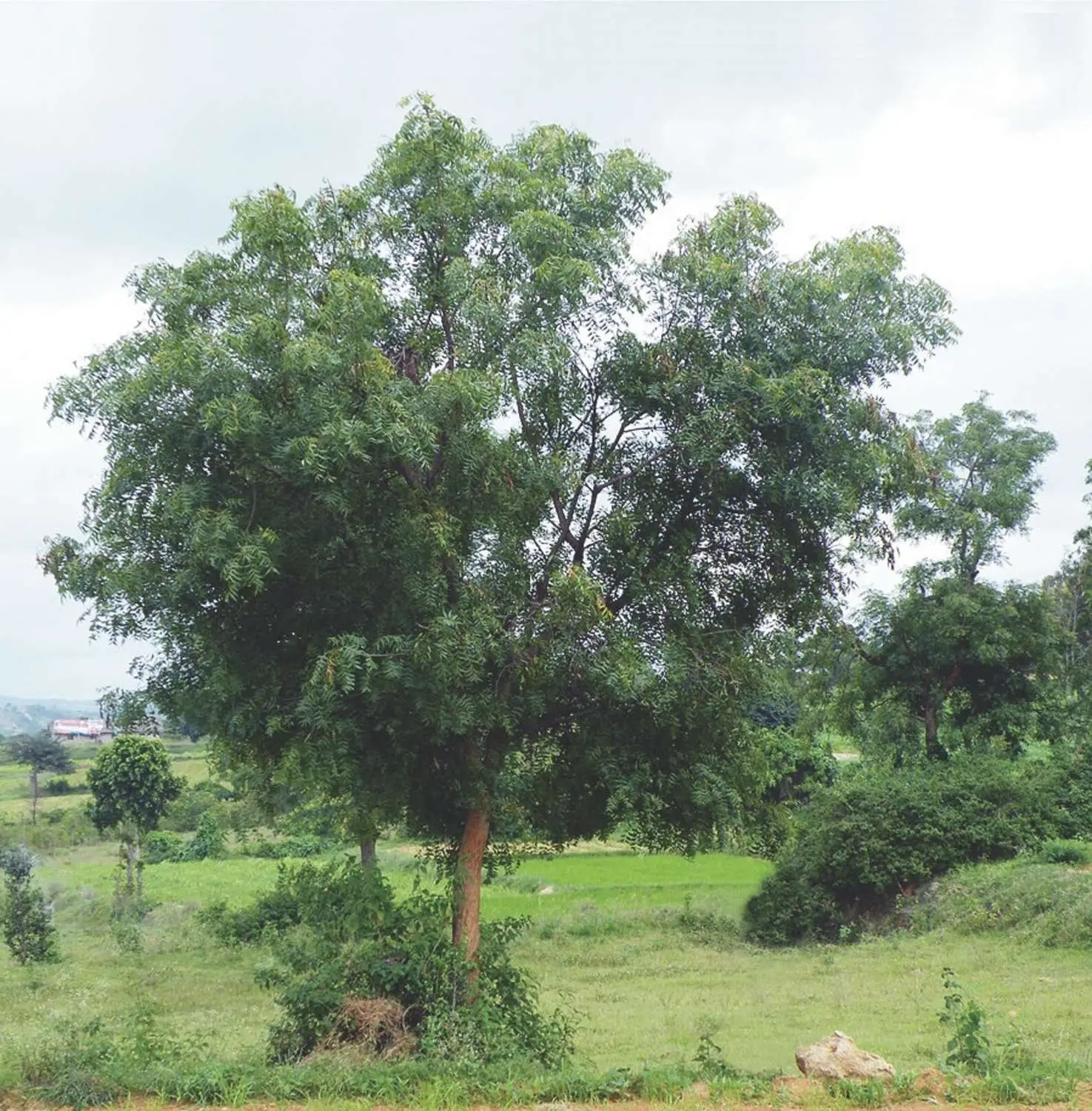
Growing neem from seed is surprisingly forgiving. This is a tree engineered by nature for resilience. It demands full sunlight and well-draining soil—give it those, and it will reward you with almost aggressive vigor. Neem tolerates extreme temperatures (thriving up to 50°C / 120°F), laughs at drought (surviving on as little as 150 mm annual rainfall once established), and adapts to rocky, sandy, or depleted soils that would kill most ornamentals. In tropical to warm subtropical climates (USDA zones 10a–12b, ideally between 21–32°C), it grows explosively—reaching 15–30 metres tall with a rounded crown spreading 20 metres across. Water sparingly; allow soil to dry between waterings. Avoid waterlogging at all costs. Neem seedlings establish fastest with weed-free conditions in the first season, but after that, the tree is nearly self-sufficient. In pots, use well-draining potting mix and bright indoor light; it will grow slower but steadily. Neem begins producing seeds as early as 3–5 years, and a mature tree yields 20+ kg annually. That’s 20 kg of future pesticide, ready for pressing and bottling.
Imagine planting a seed and watching it become the answer to every gardener’s prayer: a tree that grows fast, asks for little, beautifies your landscape with fragrant white flowers and glossy pinnate foliage, and gradually transforms into your private pharmaceutical factory for pest control. Neem isn’t just a plant; it’s an investment in independence from chemical agriculture. Every leaf, every seed, every drop of oil represents freedom—freedom from synthetic sprays, freedom from pest anxiety, freedom to grow food and flowers naturally. This is the tree that works while you sleep. Grow it from seed, and you’re not just planting a tree; you’re joining millennia of wisdom. The neem awaits.
Only logged in customers who have purchased this product may leave a review.
Reviews
There are no reviews yet.