
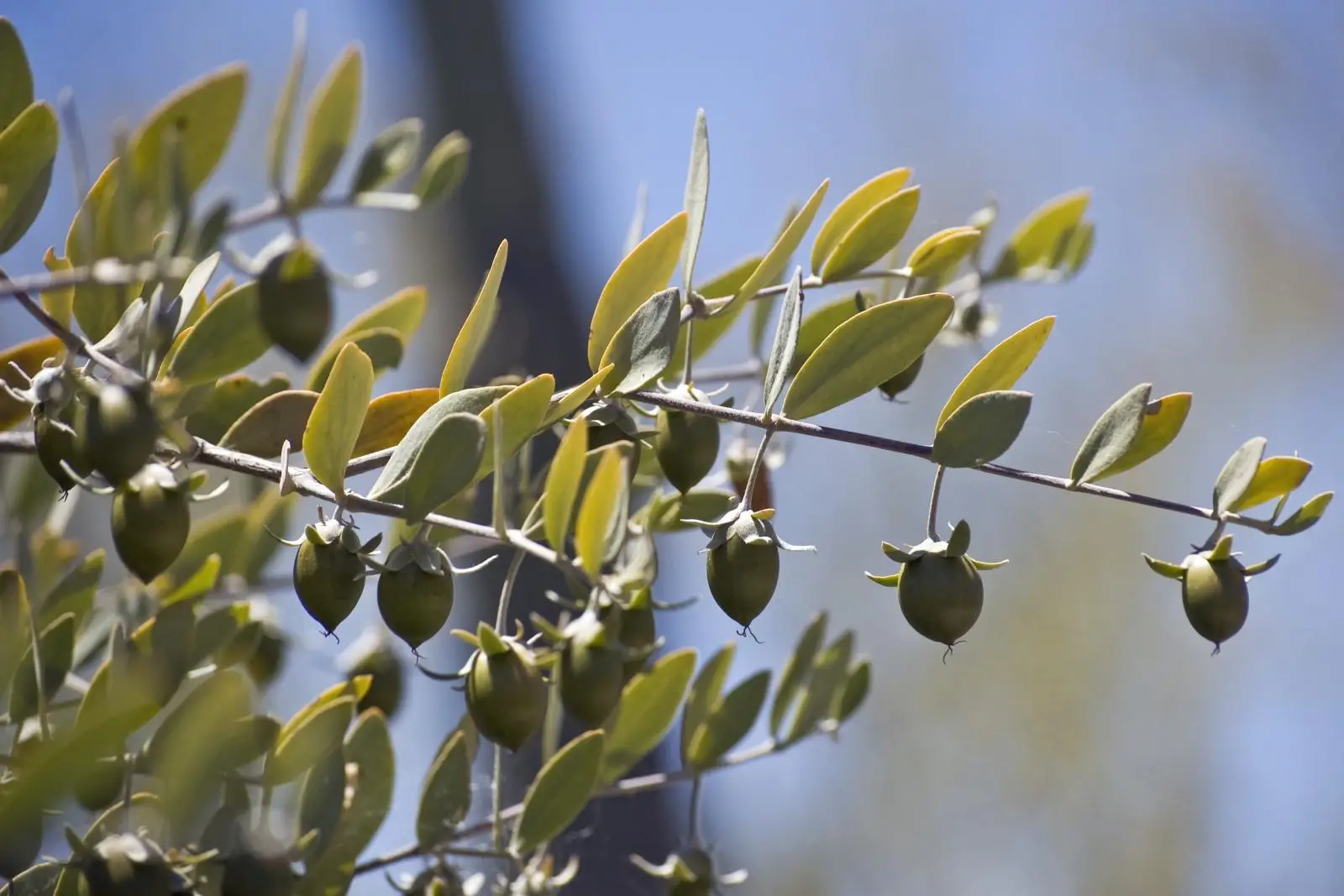
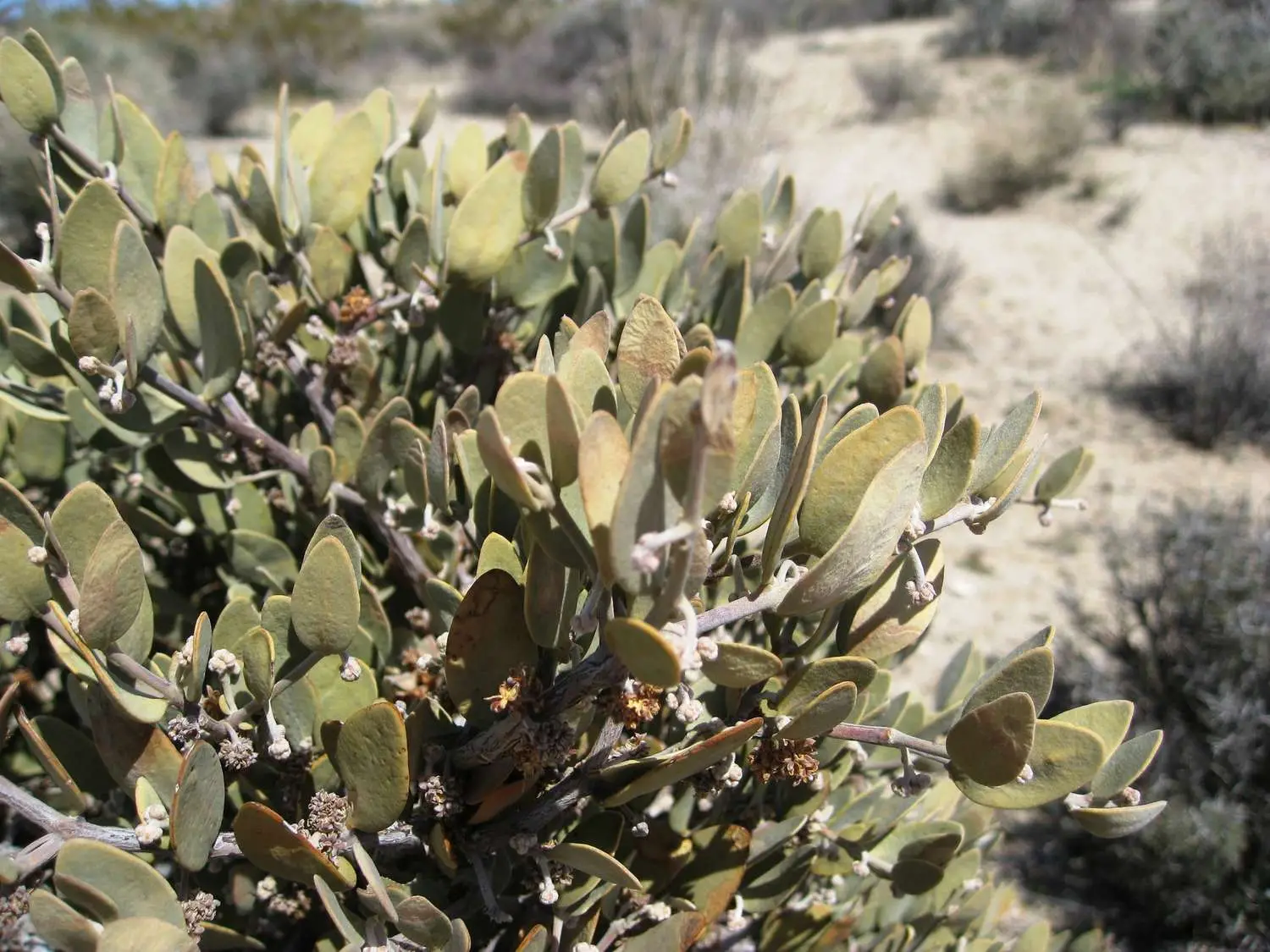
Grow your own liquid skincare treasure. Jojoba oil—the plant’s prized golden wax—mirrors human skin chemistry so perfectly it’s become the gold standard in cosmetics worldwide. Pure, stable, non-comedogenic: what dermatologists dream of. Easy to establish in hot, dry spots. Minimal water. Maximum impact. Start your oil-producing shrub from seed today.
Imagine owning the source of the world’s most coveted skincare oil—extracted from a single, elegant desert shrub that asks for almost nothing in return.
Simmondsia chinensis, the jojoba, is a marvel of desert adaptation and human desire colliding beautifully. Native to the Sonoran Desert—those scorched southwestern territories spanning California, Arizona, and Mexico—this evergreen shrub has thrived for centuries where water vanishes and heat reigns absolute. The Seri and Oodham peoples knew its value long before cosmetic science caught up, using the waxy fruit as an antioxidant salve for burns and skin wounds. History whispered the secret; the modern world screamed it from every luxury skincare bottle.
Here’s where jojoba becomes almost supernatural: its seeds contain a liquid wax—technically not an oil, but something rarer—that chemically mirrors human sebum so closely that your skin essentially recognizes it as its own. This isn’t marketing speak. The molecular structure is nearly identical to the oils your skin naturally produces. The result? Unparalleled absorption without greasiness. Non-comedogenic, anti-inflammatory, packed with vitamin E and ceramides—jojoba doesn’t clog pores, it heals them. A single shrub’s annual harvest yields seeds containing 50–60% pure wax by weight, and that wax is now found in 90% of commercial skincare products worldwide: serums, moisturizers, makeup, sunscreen, hair oils, even lubricants and biofuel. One plant. One seed. Infinite applications. Cultivators rave because jojoba oil is stable at high temperatures, resistant to rancidity, and never oxidizes—meaning products stay potent for years. Your homegrown supply becomes a small pharmaceutical factory.
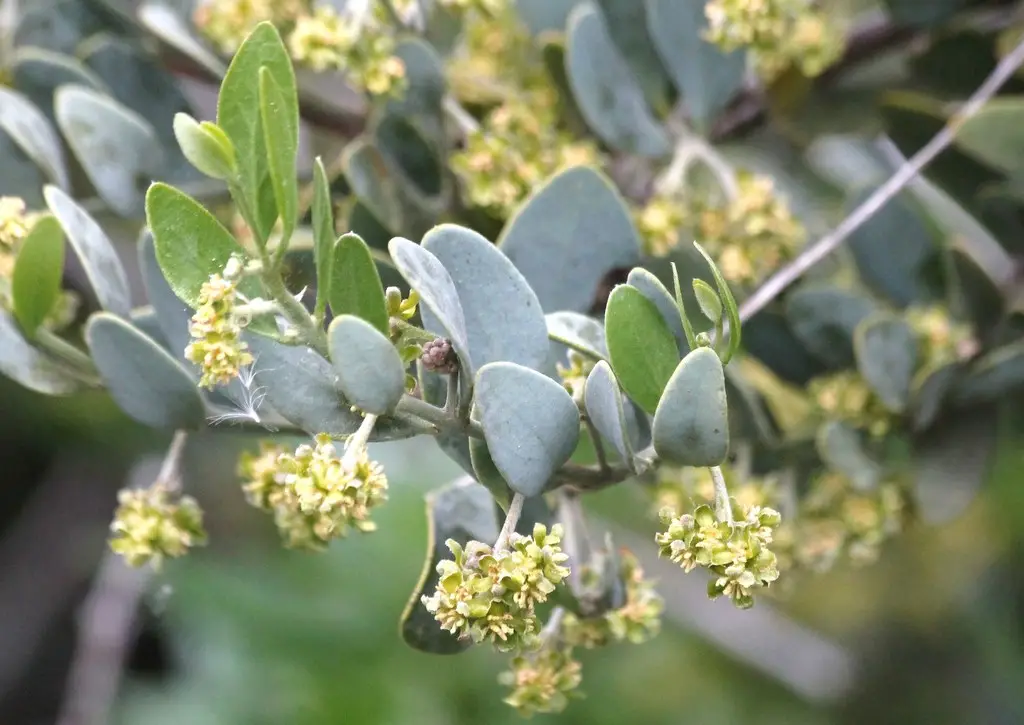
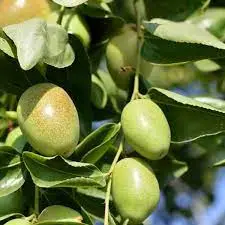
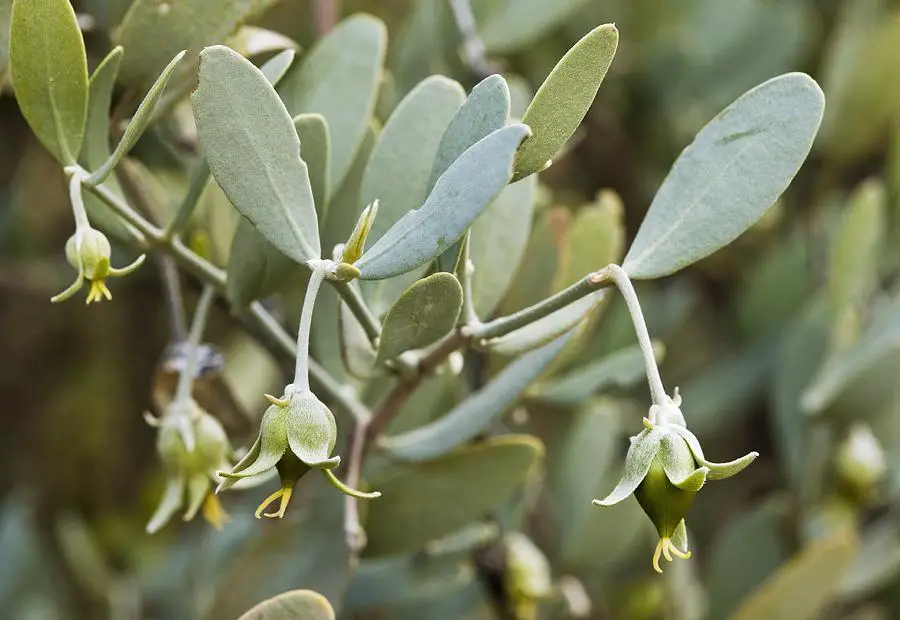
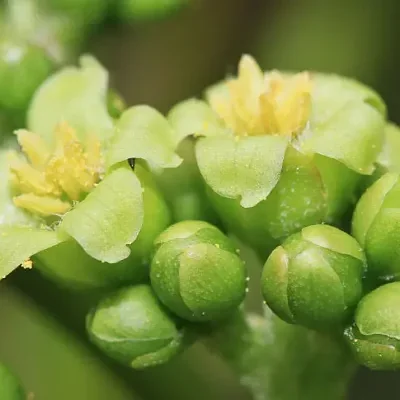
Growing jojoba is refreshingly straightforward once you embrace its desert nature. This is a plant that thrives on neglect. It demands full sun—the hotter the better—and well-drained soil; in fact, rich, amended soils are unnecessary and even counterproductive. Sandy, rocky, poor soils? Perfect. Water it regularly during establishment (the first growing season), then step back. Once mature, it survives on minimal rainfall or occasional deep watering. Mature plants can endure cold down to 15°F in established dormancy, though they prefer warmth. They’re slow-growing—patience is required, with sexual maturity arriving around 4–5 years—but that’s part of their appeal: permanence. This shrub lives over 100 years. No pests plague it. No diseases bother it. Plant it in a pot on a patio in a dry climate or in the ground in a xeriscape. It adapts. The foliage is thick, waxy, and grayish-green—almost silvery in harsh light—and the plant grows into a compact mound 3–7 feet tall. In spring, tiny pale green flowers appear (female plants) or yellowish-green clusters (male), followed by acorn-shaped brown fruits on pollinated female plants. These aren’t flashy ornamentals, but there’s an austere, honest beauty in their restraint.
Grow jojoba from seed because there’s poetry in it. You’re not just acquiring a plant; you’re becoming part of a global legacy of skincare revolution. Every seed contains possibility. Every mature female plant, with a male pollinator nearby, becomes a small oil refinery under your care. In five years, you’ll harvest your own jojoba fruit. In time, you’ll have enough to press oil, to understand why indigenous peoples and modern chemists both bow to this plant’s quiet power. Start from seed. Watch it grip the soil with its deep taproot, reach toward the desert sun, and slowly, patiently, become the source of the world’s most precious skincare elixir.
Only logged in customers who have purchased this product may leave a review.
Reviews
There are no reviews yet.