Description
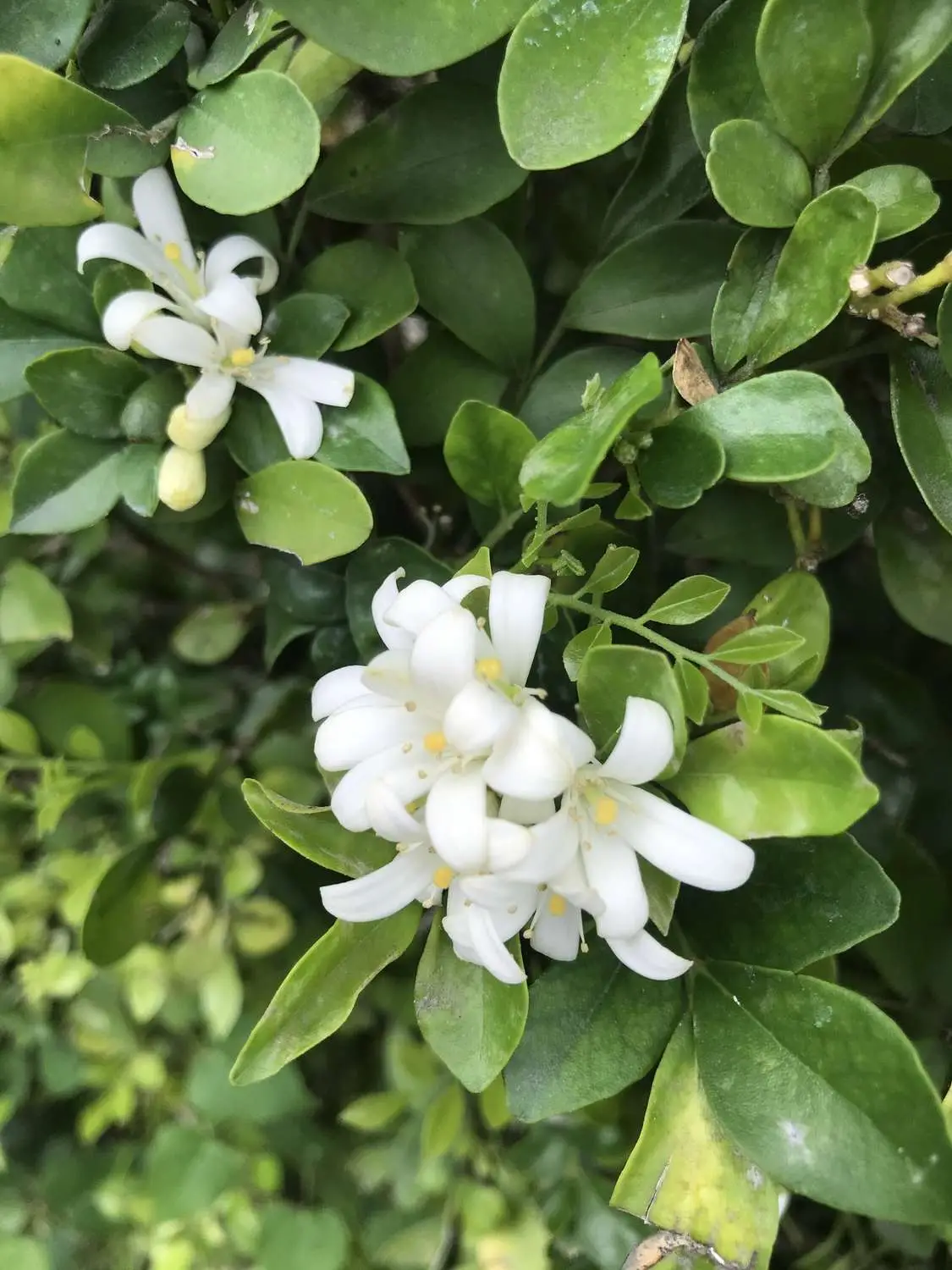
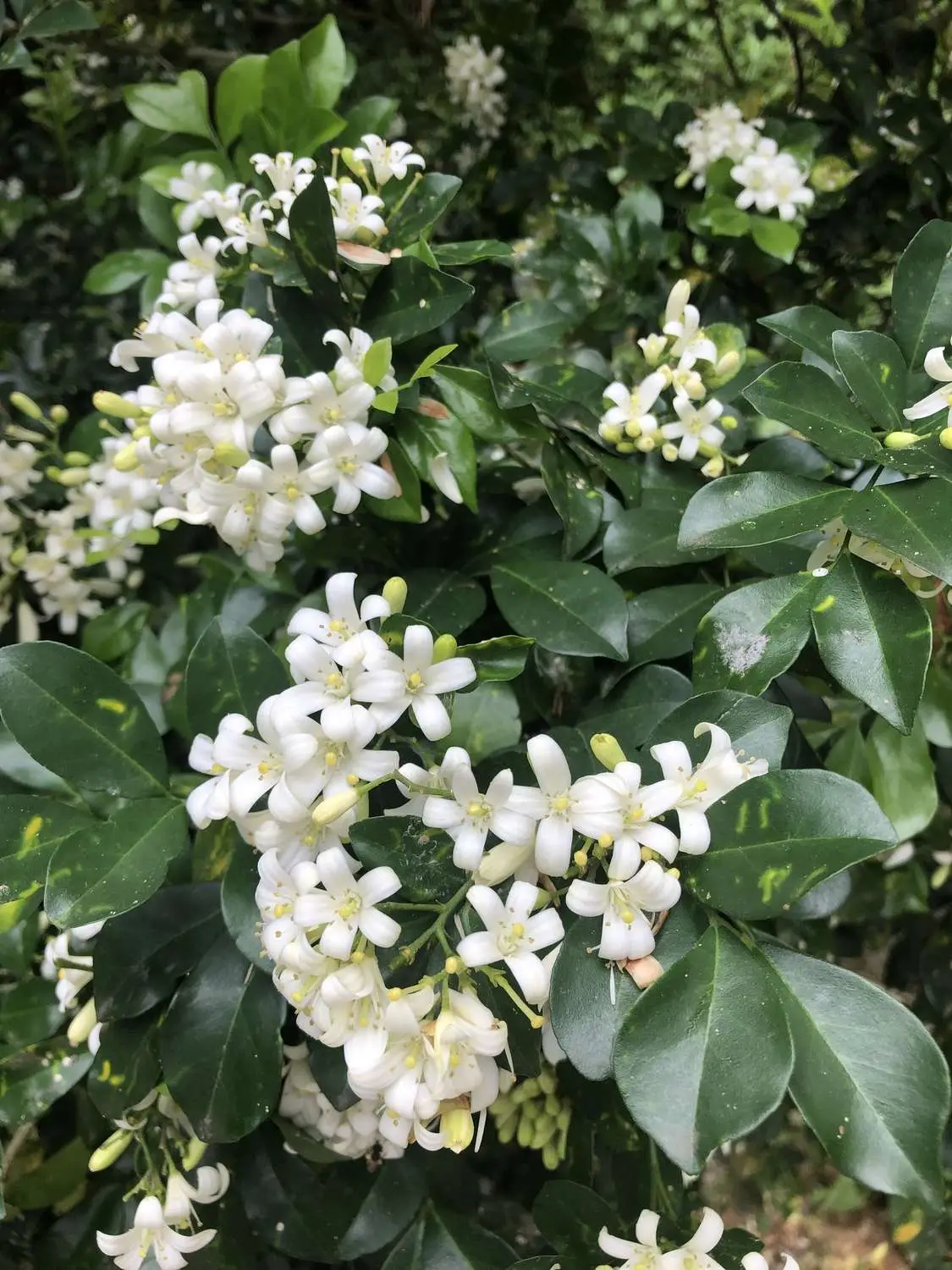
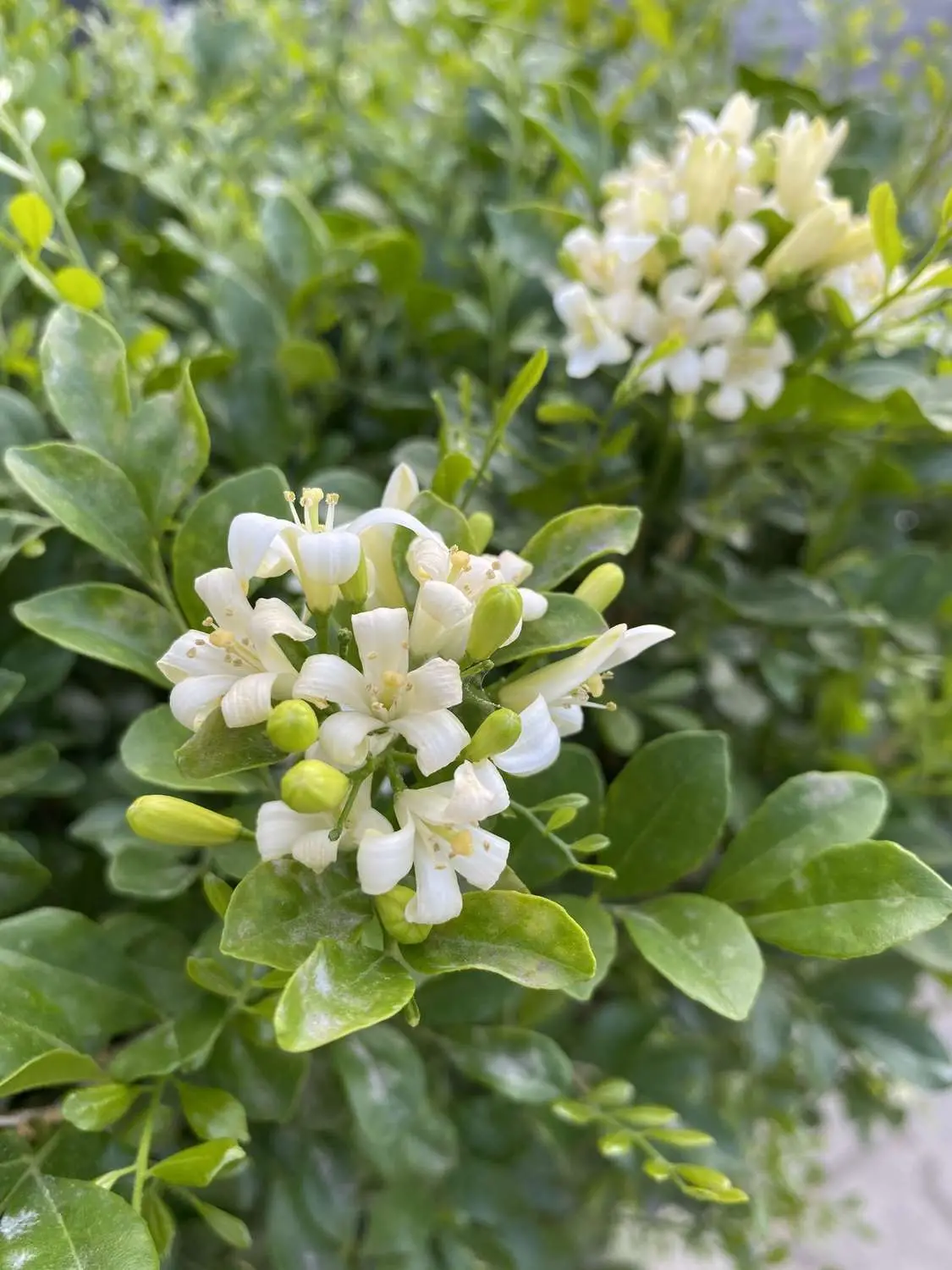
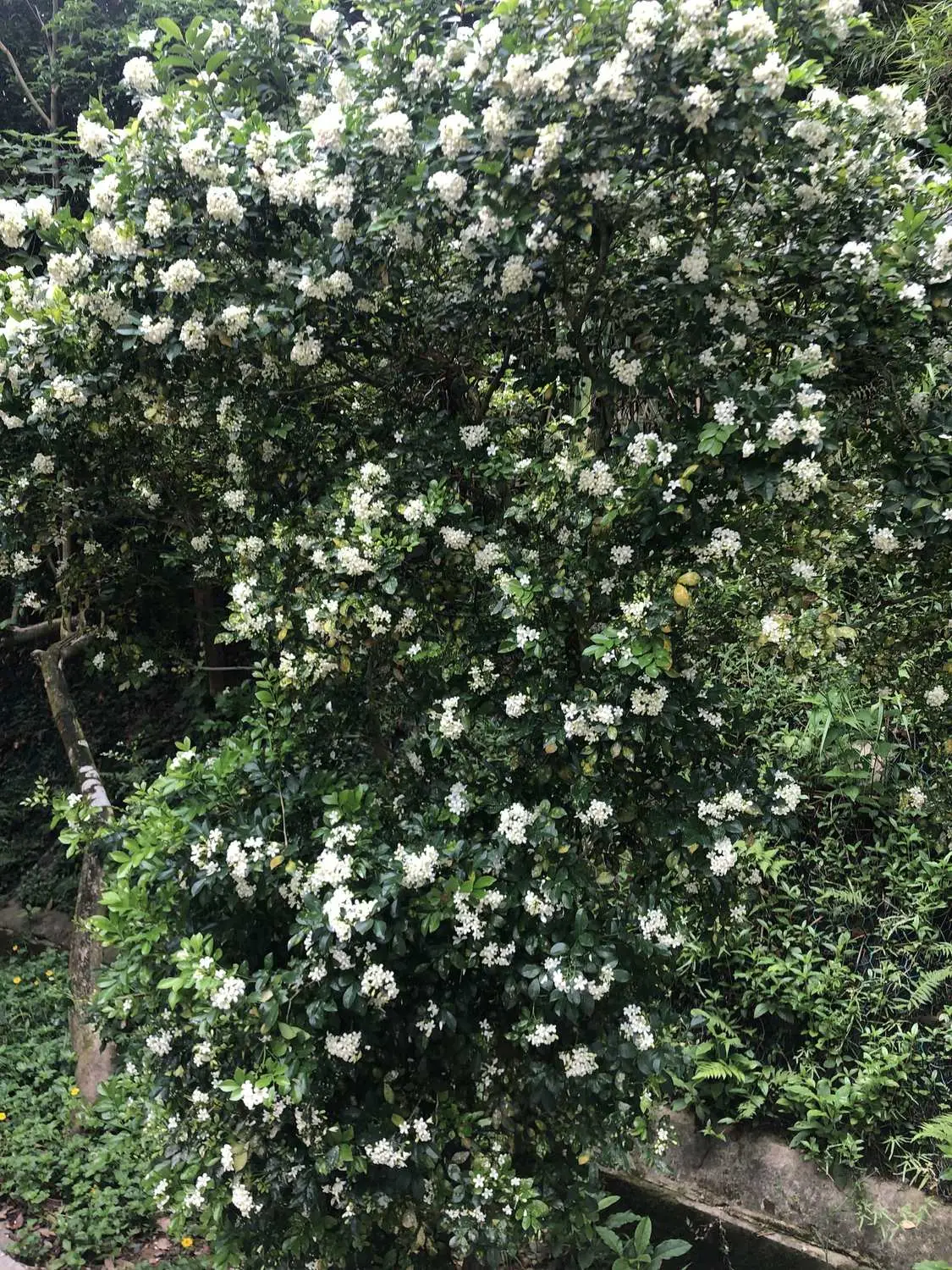
Murraya paniculata is an evergreen shrub or small tree native to South and Southeast Asia and widely cultivated in tropical and subtropical regions for its fragrant flowers and dense ornamental foliage. The plant typically grows 2 to 7 meters tall, forming a compact, bushy crown with glossy, dark green, pinnate leaves.
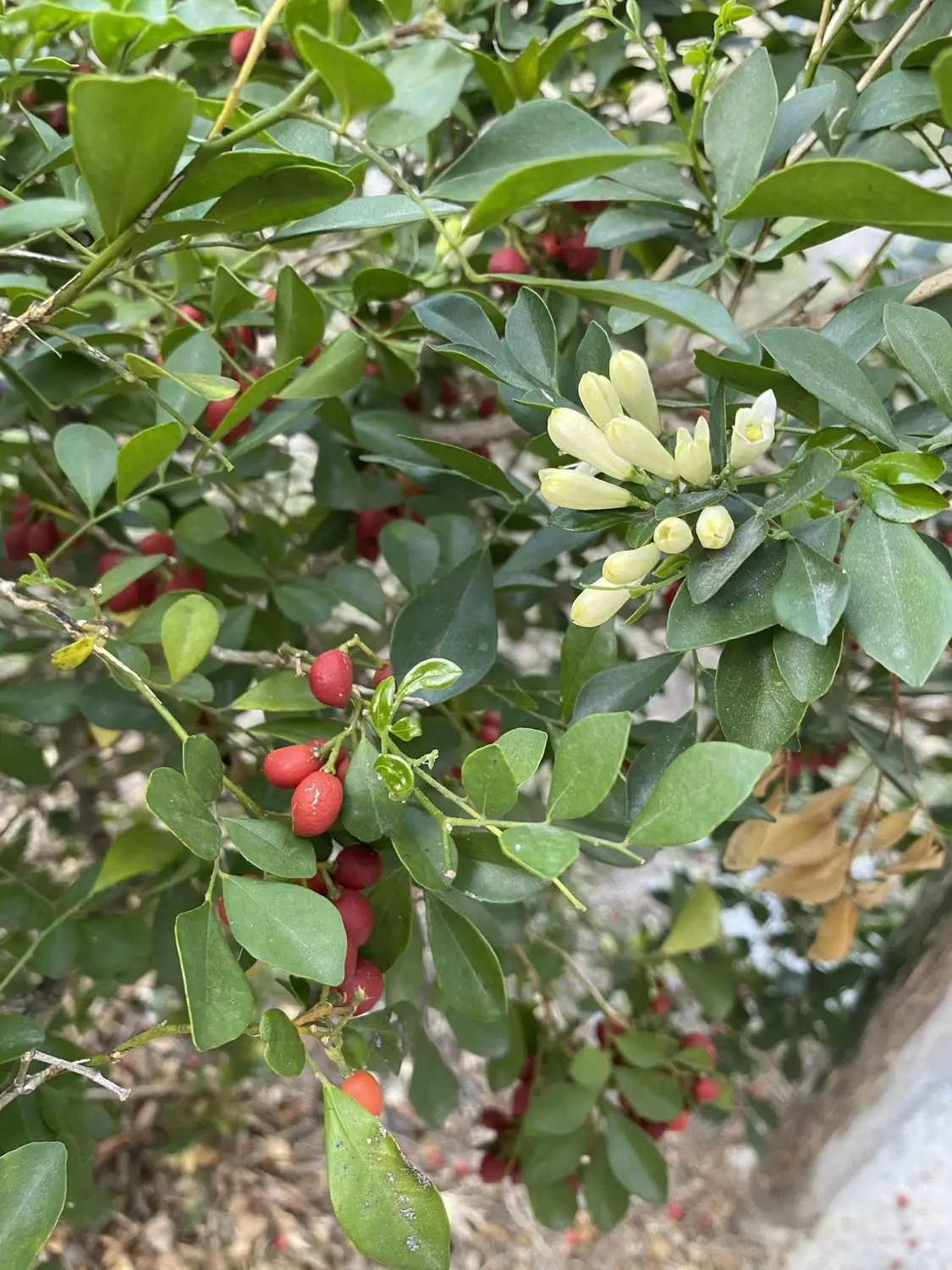
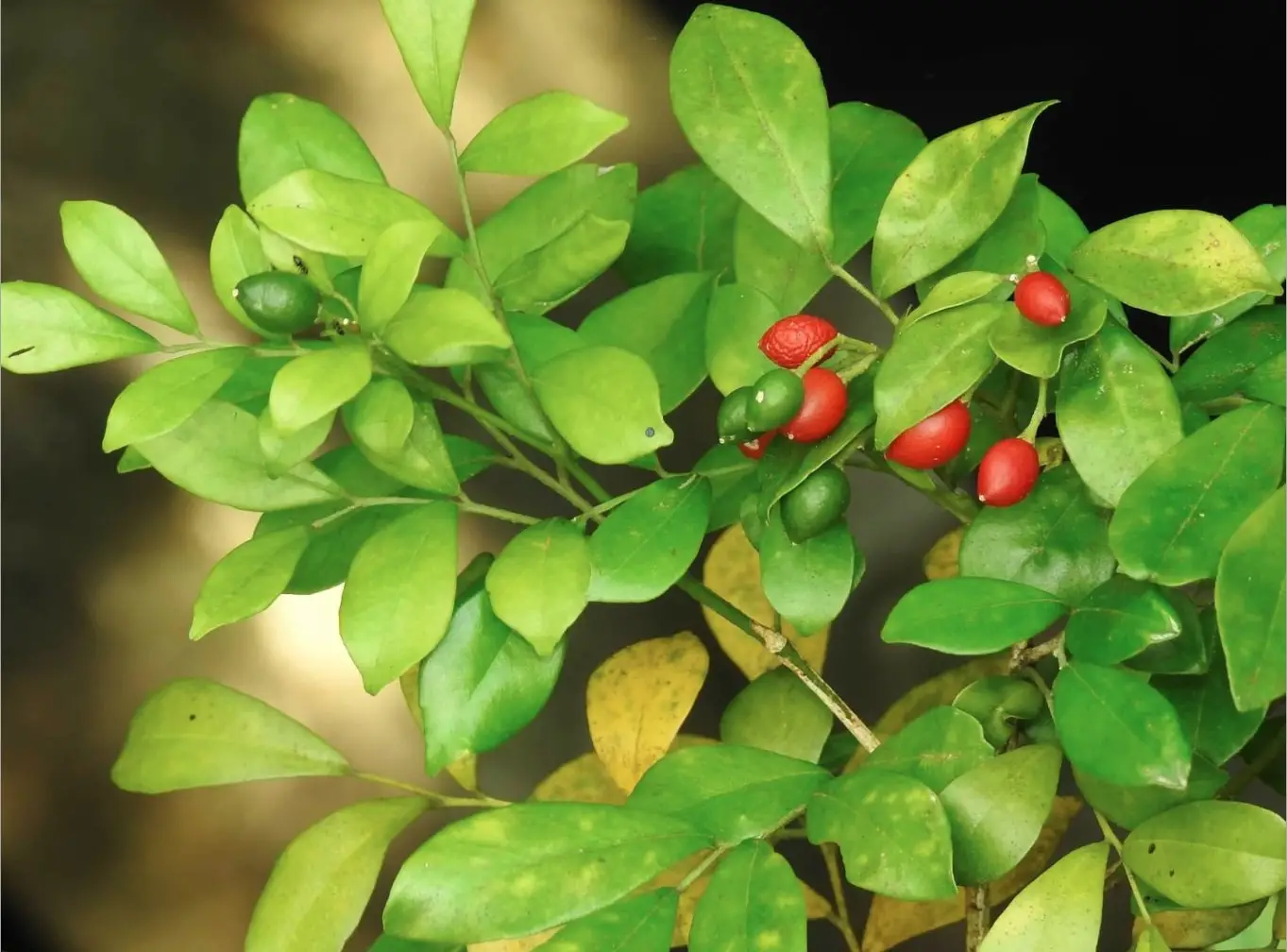
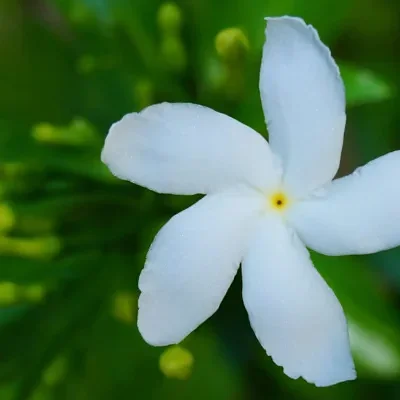
It produces abundant clusters of small, star-shaped white flowers that emit a strong, sweet fragrance reminiscent of orange blossoms. Flowering may occur several times throughout the year in warm climates. After flowering, small oval berries develop, turning bright orange to red when ripe.
This species thrives in full sun to partial shade and prefers well-drained, moderately fertile soil. It tolerates pruning very well, making it popular for hedges, ornamental borders, and container cultivation. The plant also attracts pollinators such as bees and butterflies.
Sow the seeds in spring to early summer when temperatures are warm, ideally between 22°C to 30°C. Seeds germinate best when cleaned of pulp and planted in moist, well-drained substrate. In tropical climates, seeds can be sown at almost any time of year if warmth and humidity are maintained.
Germination Guide
🌍 South Asia, Southeast Asia, southern China, and northern Australia
Moderate
Orange jasmine (Murraya paniculata) is a tropical evergreen shrub native to South and Southeast Asia, prized for its fragrant, small white flowers and ornamental foliage. Seeds germinate relatively easily with proper scarification and soaking, typically sprouting within 7-21 days under warm conditions. This species requires consistent warmth, moisture, and light to ensure successful germination and healthy seedling development.
Germination
Germination time
Expect germination in
7 – 21 days
Temperature
Min 21°C
Ideal 24°C
Max 27°C
Substrate moisture
💧💧 High
Sowing depth
Lightly covered
Seed Pre-treatment
-
💧
Soaking — 24 hours
Soak seeds in room-temperature water for 24 hours to hydrate and activate the embryo before sowing.
-
🔨
Mechanical scarification
Lightly scarify the seed coat using fine sandpaper or a nail file to enhance water absorption. Seeds have a hard outer coat that benefits from mechanical scarification.
-
📋
Additional notes
Mechanical scarification followed by 24-hour water soaking improves germination success rates.
Substrate & Container
Recommended substrate
Well-draining seed-starting mix: 50% peat moss or coconut coir with 50% perlite or coarse sand
Recommended container
Seed tray or pot with humidity dome or loose transparent cover to maintain moisture and humidity
Growing Tips
Apply mechanical scarification before soaking to break the hard seed coat. Bottom heat (heat mat set to 24-26°C) significantly improves germination rates. Maintain humidity at 70-90% using a humidity dome or loose cover. Provide bright, indirect light immediately after germination. Keep soil consistently moist but not waterlogged to prevent fungal issues. Ensure good airflow after sprouting to reduce disease risk. Transplant seedlings to individual containers when they develop 2-3 true leaves. Fresh seeds (recently extracted from fruits) germinate more reliably than older stored seeds.
Only logged in customers who have purchased this product may leave a review.

Reviews
There are no reviews yet.