Asparagus racemosus — Satavar | The Queen of Herbs for Women’s Vitality

Grow the most revered female tonic in Ayurvedic tradition—from seed. Satavar’s precious roots contain powerful saponins that balance hormones, enhance fertility, and support reproductive wellness for centuries. Delicate white flowers bloom reliably. Thrive it in well-drained soil, part shade. This adaptogen rewards patient growers with generations of healing medicine.

1.92

SKU: P-2014 Category: Tags: , ,

You May Also Like

Description

The name Shatavari translates to “one who possesses a hundred roots” or “she who possesses a hundred husbands,” highlighting its extensive root system and its profound connection to female health and vitality. You’re not simply growing an herb—you’re cultivating a living pharmacy that has supported women’s wellness for millennia.

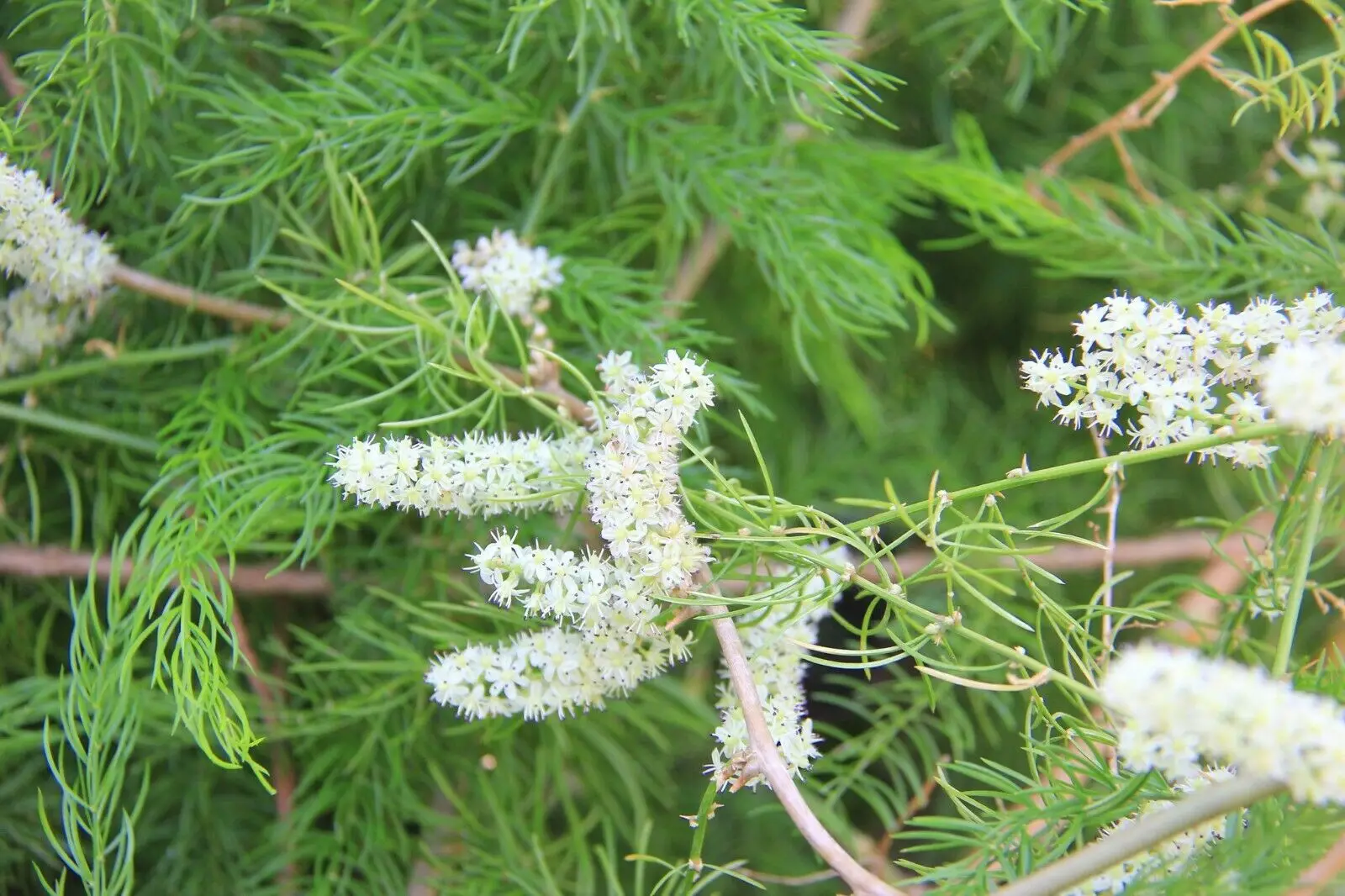
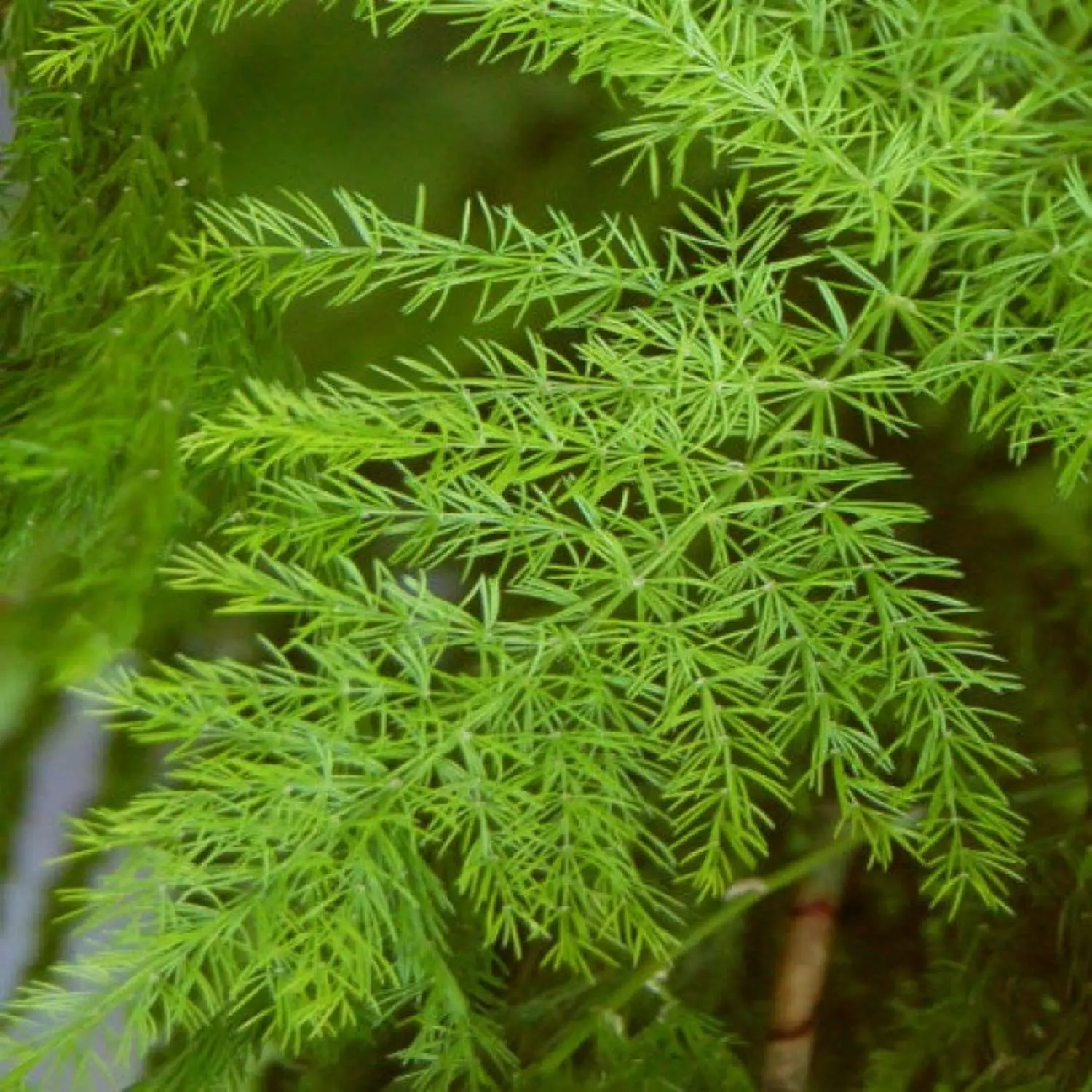
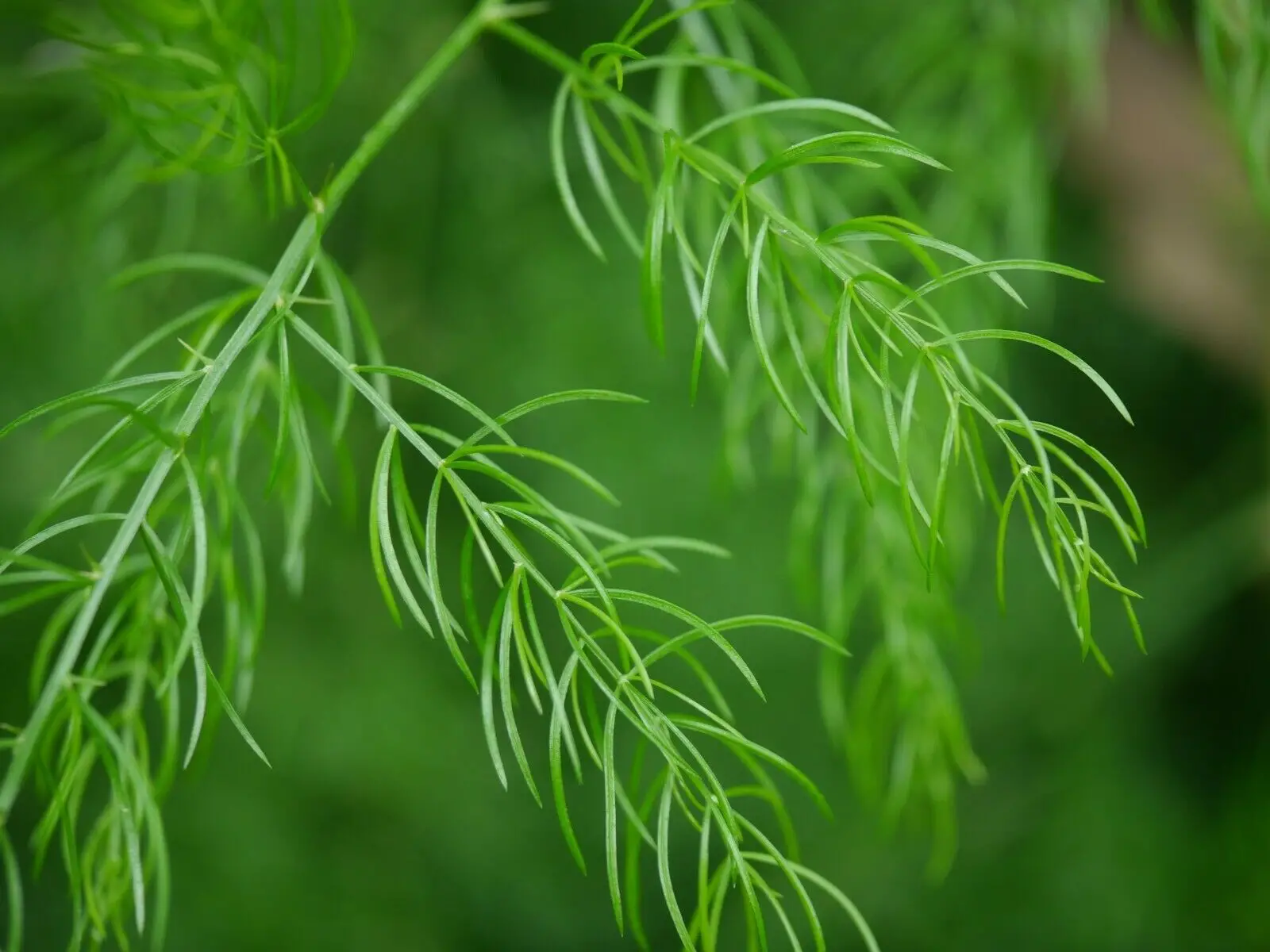
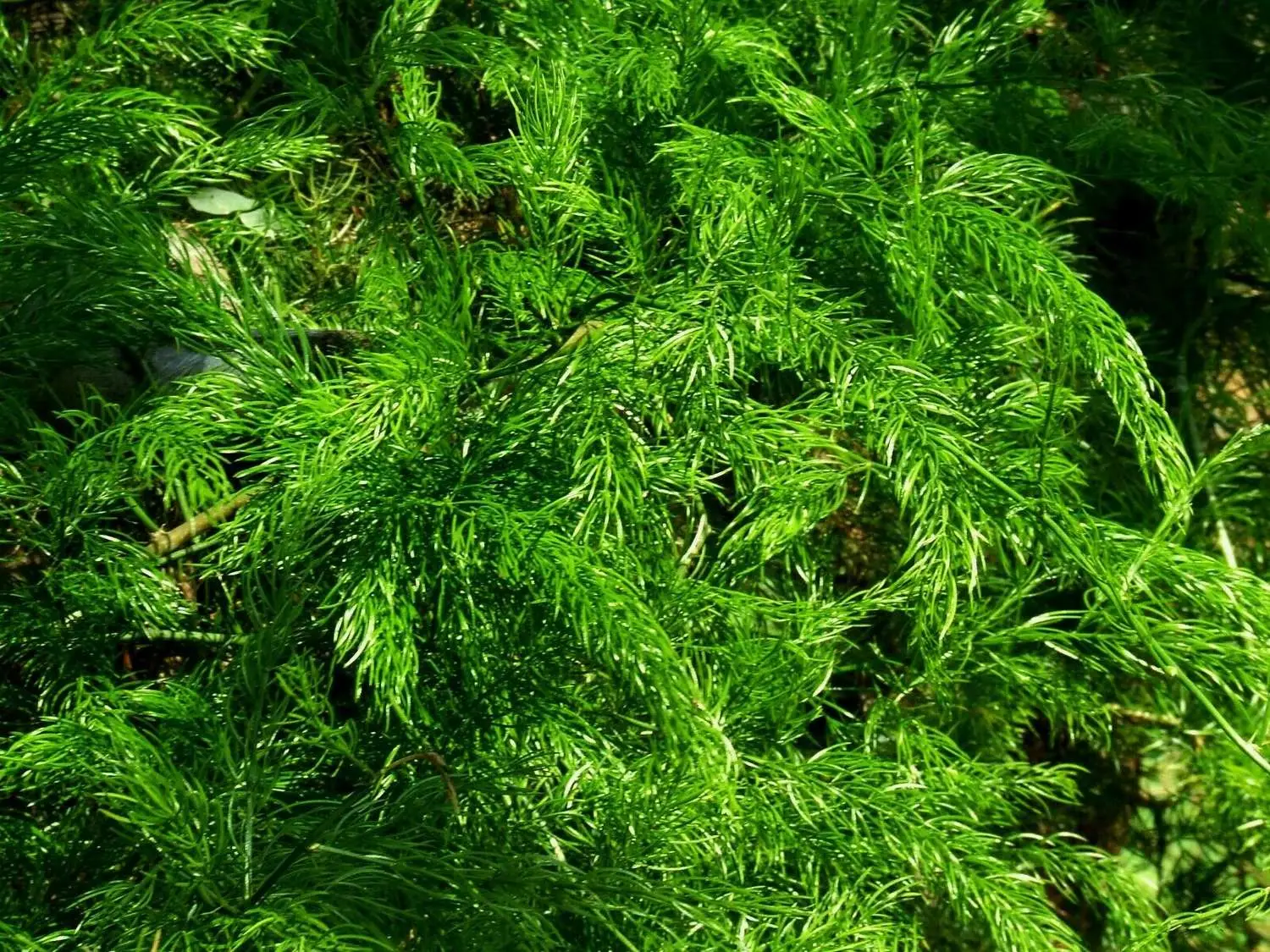
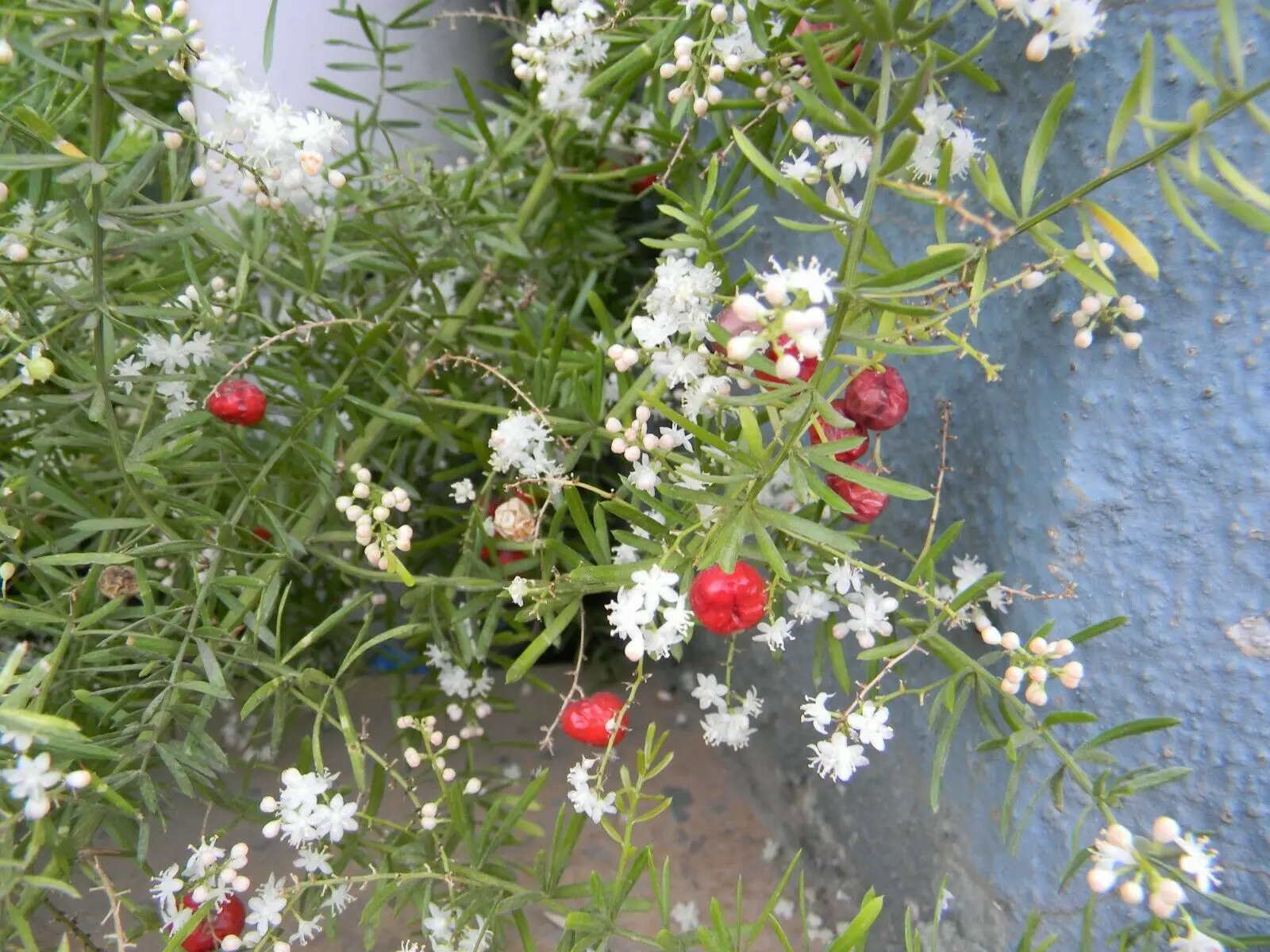
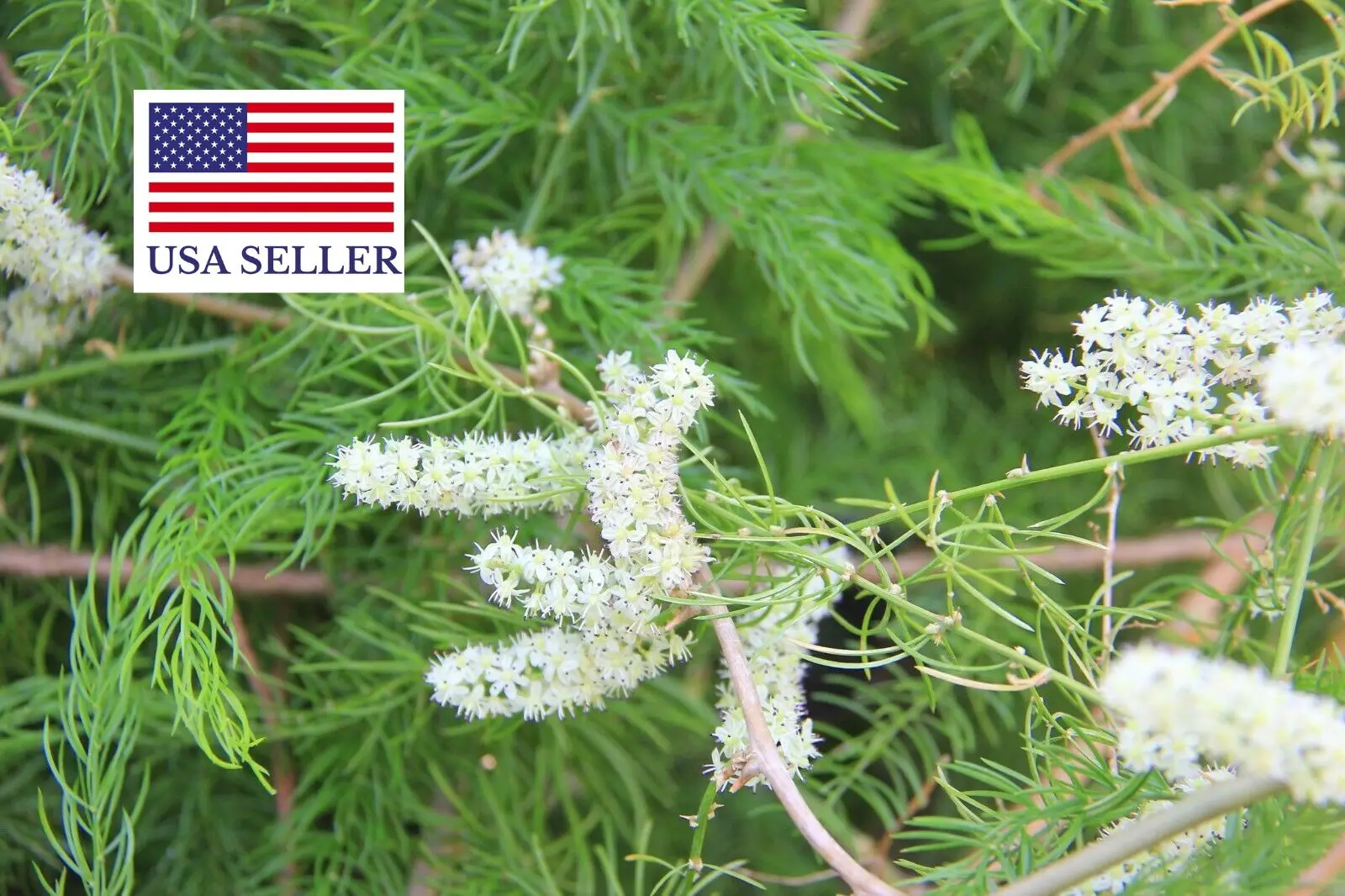
Asparagus racemosus, commonly known as Shatavari, is a versatile and highly revered herb in Ayurvedic medicine. Belonging to the Asparagaceae family, this perennial climbing plant is native to India, Sri Lanka, and other parts of Southeast Asia. In Ayurveda, Asparagus racemosus is called the “Queen of Herbs”. This isn’t flowery language—it’s recognition earned over thousands of years. Shatavari has small pine-needle-like phylloclades (photosynthetic branches) that are uniform and shiny green. In July, it produces minute, white flowers on short, spiky stems, and in September it fruits, producing blackish-purple, globular berries. The plant’s delicate, feathery beauty masks its profound medicinal richness.

Here is where Satavar’s magic truly lives: as a renowned tonic for the female reproductive system and contains natural precursors to female hormones that help to balance hormones, enhance fertility, promote conception and reduce menopausal and menstrual symptoms. It augments female fertility and reproduction by facilitating folliculogenesis and ovulation, preparing the uterus for conception, preventing miscarriages, functioning as a postpartum tonic by enhancing lactation and restoring uterine and hormonal homeostasis. Shatavarin IV, a steroidal saponin from Asparagus racemosus, exhibits potent pharmacological effects including antioxidant, anti-cancer, anti-inflammatory, cardioprotective, immunomodulatory, neuroprotective, antibacterial, antidiabetic and antihypertensive properties. Beyond women’s health, Asparagus Racemosus helps reduce bad cholesterol and promotes the generation of good cholesterol which helps reduce the risk of cardiovascular diseases. The roots contain steroidal glycosides, saponins (Shatavarins I, II, III, and IV), flavonoids, polyphenols, vitamins and alkaloids (racemosol).

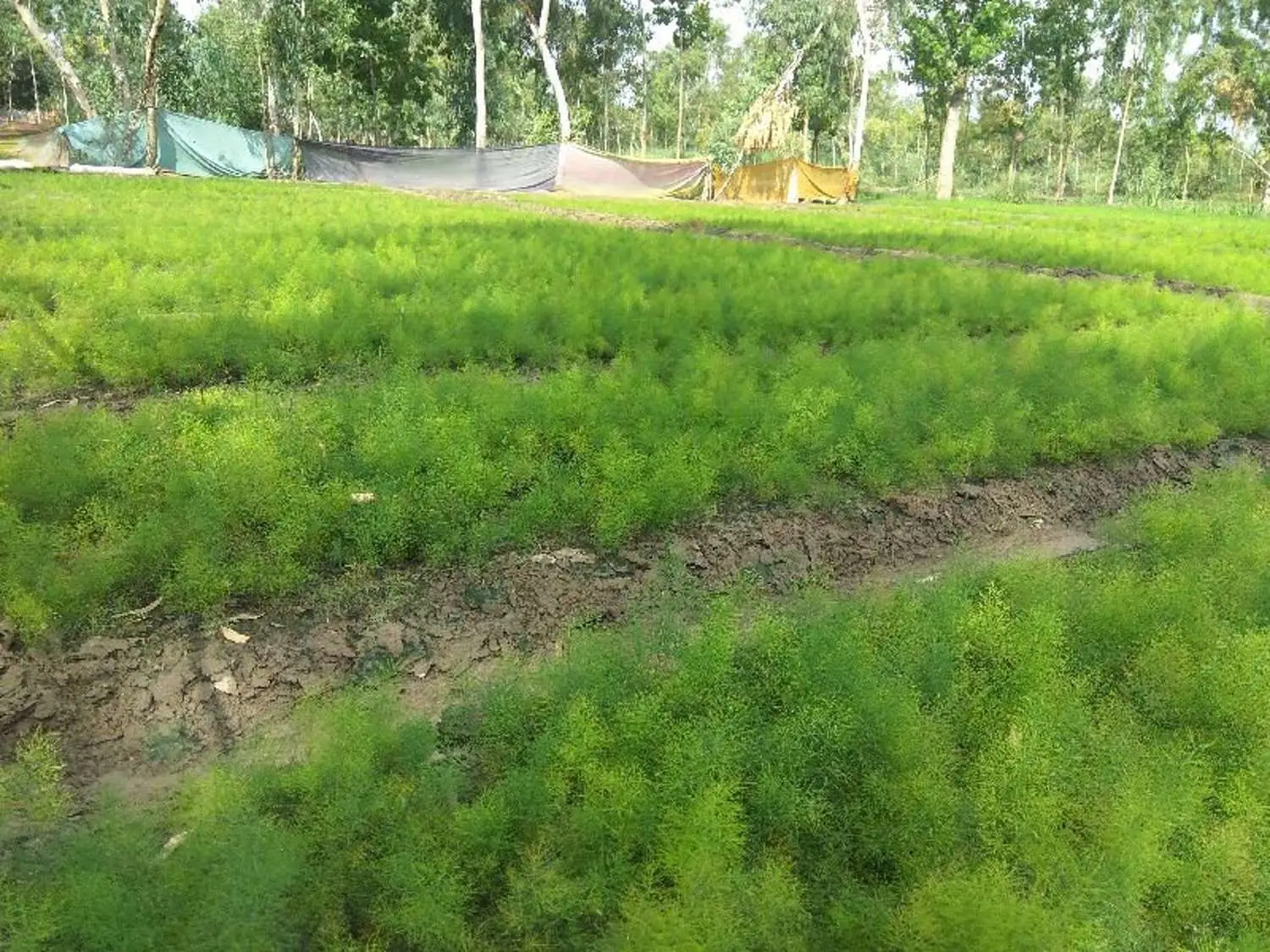
Growing Satavar rewards patience and care. By nature, Asparagus racemosus is a xerophytic plant and it grows well in semi-arid regions. Plants perform best in organically rich, consistently moist but well drained soils in part shade (bright indirect light or filtered sun). Avoid direct hot afternoon sun which may cause the leaves to yellow. Suitable for: light (sandy), medium (loamy) and heavy (clay) soils and prefers well-drained soil. Suitable pH: mildly acid, neutral and basic (mildly alkaline) soils. Asparagus racemosus is a PERENNIAL growing to 7 m (23ft). From seed, you’re launching a long-lived companion—it has an adventitious root system with tuberous roots that measure about one metre in length, tapering at both ends, with roughly dozens on each plant. These magnificent roots develop over years, each one a concentrate of active compounds.

Imagine: seeds becoming a climbing vine with fine, feathery foliage softening your garden or container. Summer white flowers humming with pollinators. And beneath the soil, a treasure chest of roots growing deeper, richer, more potent each season. This is Satavar—the herb that transforms a grower into a keeper of tradition, a guardian of women’s wellness rooted in living earth. Sow it now. Watch it become medicine.

Germination Guide

🌍 Tropical Africa through southern Asia (including Indian subcontinent) to northern Australia
Difficult

Asparagus racemosus (Shatavari) is a perennial medicinal plant native to tropical and subtropical regions of Asia and Africa. It has been used in Ayurvedic medicine for over 3000 years. Seeds suffer from physiological dormancy requiring pre-treatment for optimal germination.

Germination
Germination time
Expect germination in

7 – 180 days

Temperature

Min 20°C
Ideal 28°C
Max 29°C

Light
☁️ Indifferent

Substrate moisture
💧 Medium

Sowing depth
Lightly covered

Germination rate
86 %


Seed Pre-treatment
  • 💧

    Soaking — 24 hours
    Soak seeds in warm water (120°F) or at room temperature for 12-24 hours before sowing; water soaking alone at 24 hours achieves 86.50% germination in vivo
  • 🔨

    Chemical scarification
    20% sulfuric acid solution increases germination to 84-86%; hot water at 50°C also effective
  • 📋

    Additional notes
    Seeds exhibit physiological dormancy; chemical (sulfuric acid 20%) or hot water (50°C for 1 hour) treatments effective; gibberellic acid also stimulates but less effective than acid

Substrate & Container
Recommended substrate
Rich potting soil, seed raising mix, well-draining sandy loam preferred

Recommended container
Greenhouse or warm location with filtered sun; heat mat may be needed in cooler climates


Growing Tips
Fresh seeds not required; excellent results with 4-year-old seeds reported. Germination can be highly variable, ranging 17-60% without treatment but up to 86% with proper pre-treatment. Maintain warm, moist conditions throughout germination. Seedlings transplanted to individual pots when large enough to handle. Plant difficult from seed; considered dioecious in some forms requiring male and female plants for seed production.

Reviews

There are no reviews yet.

Only logged in customers who have purchased this product may leave a review.

Related Products