
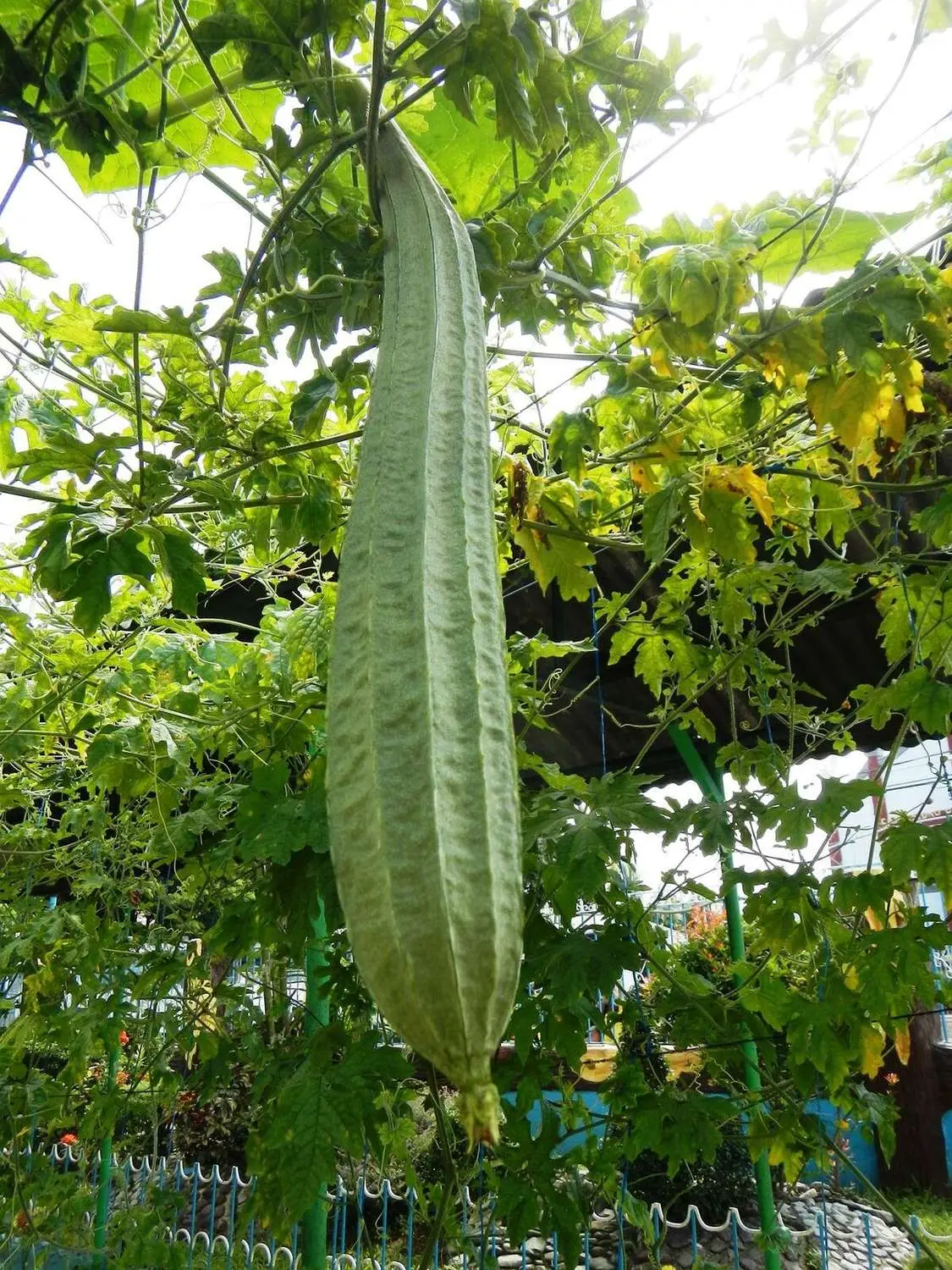
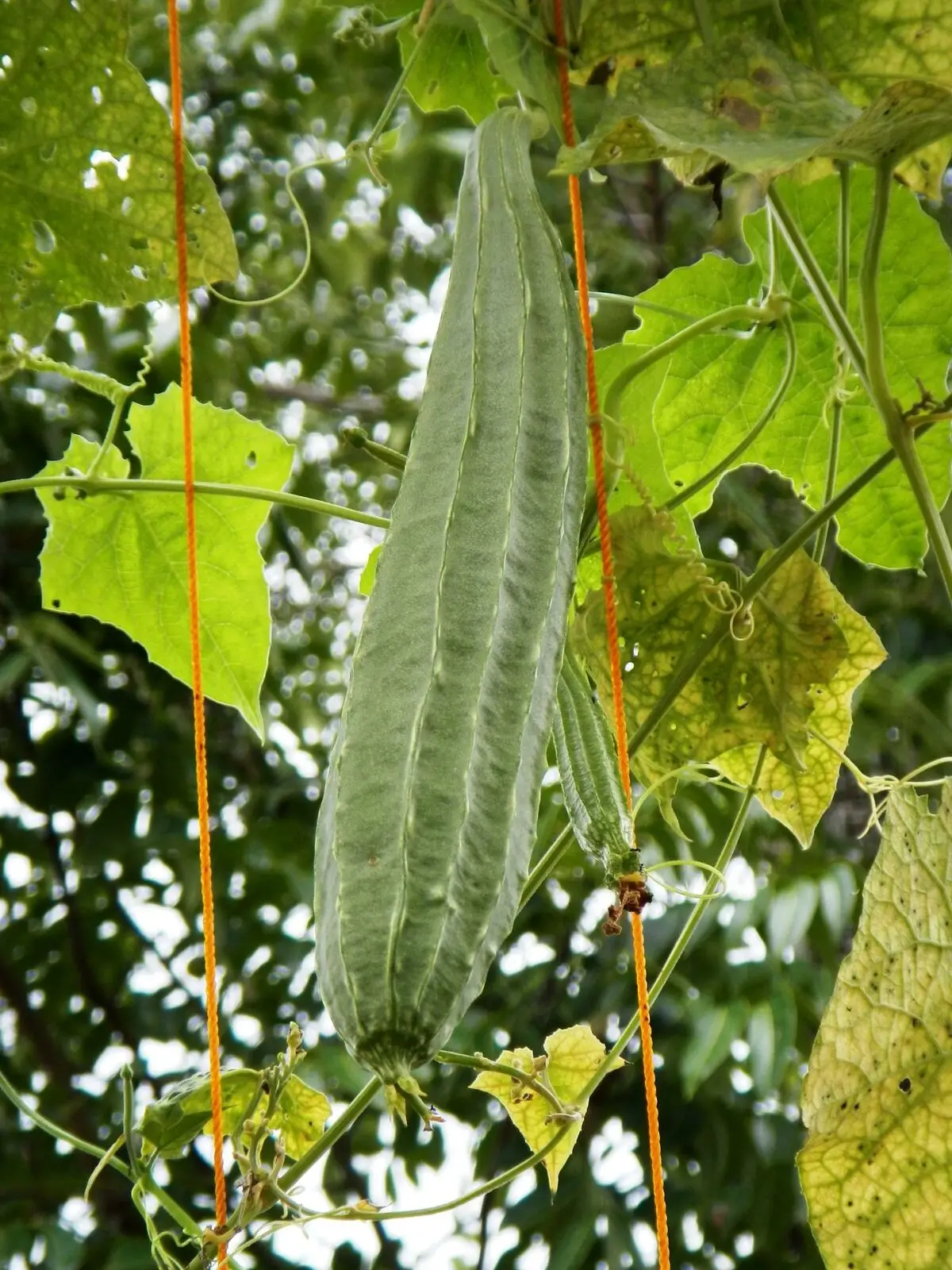
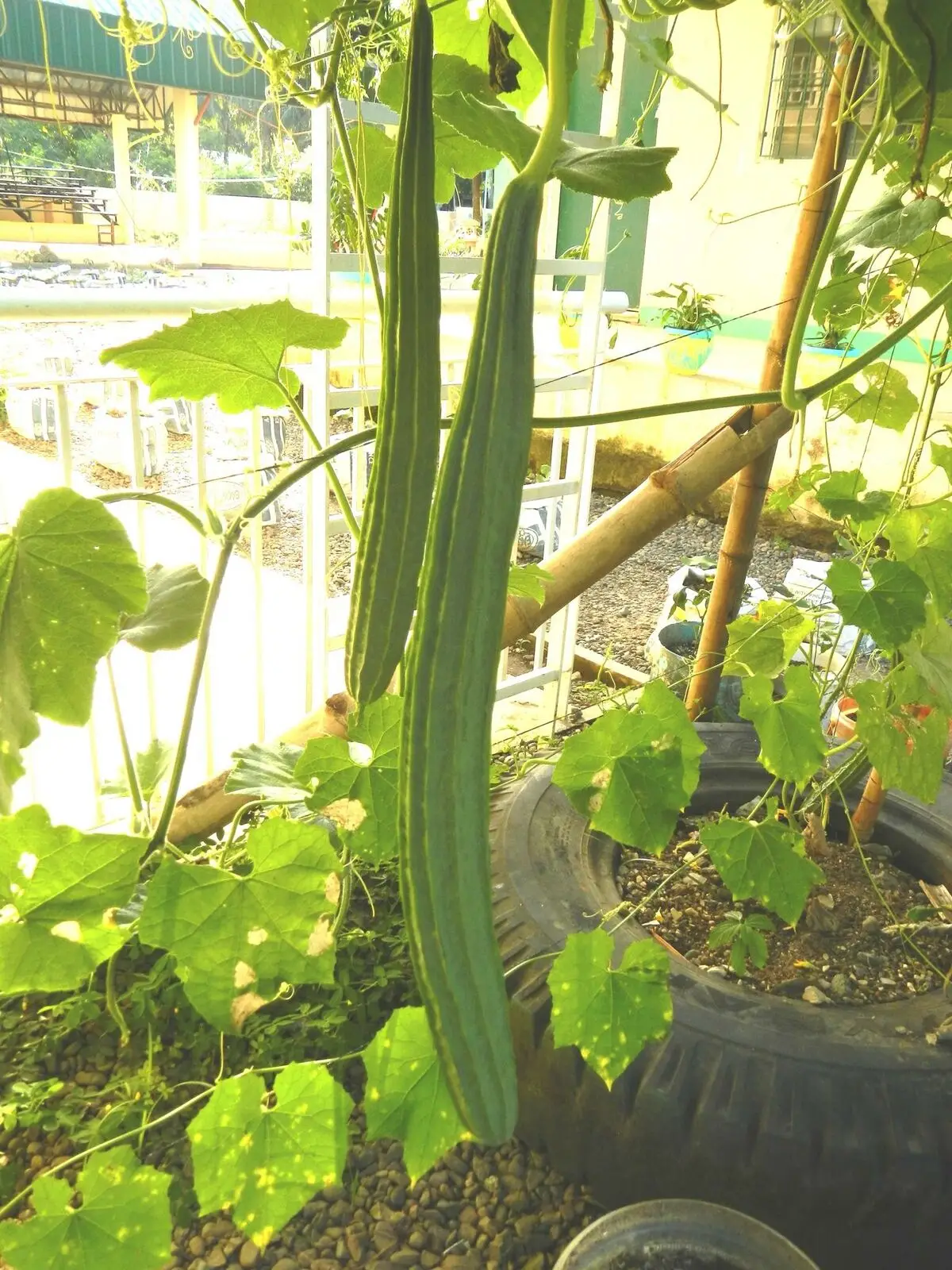
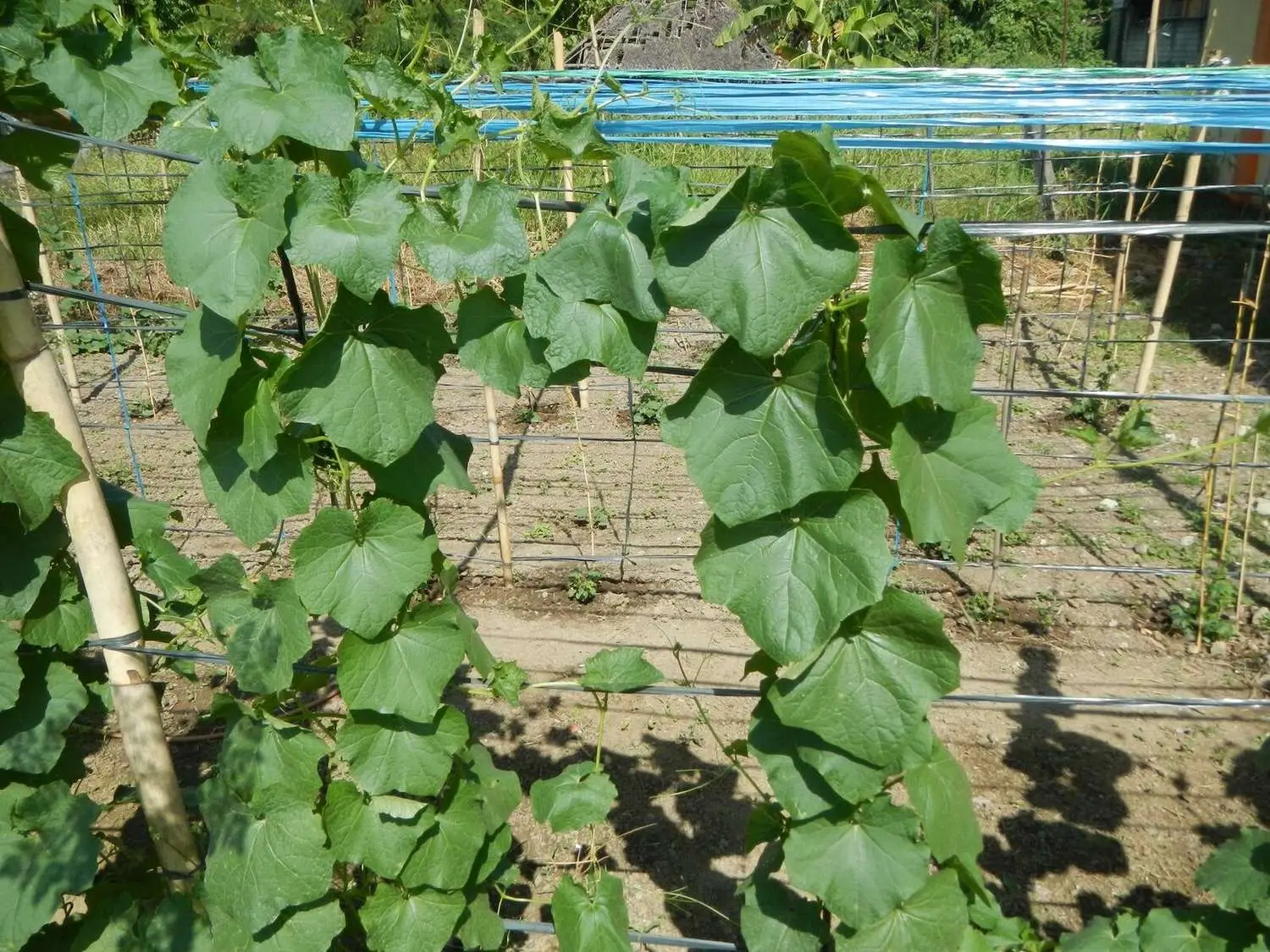
Grow your own Asian treasure: tender, delicate ridged gourds that taste like zucchini crossed with cucumber. Harvest young at 6-8 inches for silky stir-fries and soups, or wait for those massive lemon-yellow flowers and eat them like squash blossoms. Rich in vitamins A and C. Easy from seed in warm climates; rewarding and prolific.
€1.92
Imagine stepping into your garden on a summer evening to find glossy, ridged green fruits dangling alongside enormous lemon-yellow flowers that open as dusk falls—this is Luffa acutangula, the ridged loofah, one of Asia’s best-kept culinary secrets now waiting in your seed packet.
Originating in the lush gardens of India, this vigorous annual climber has traveled through Southeast Asia for centuries, treasured in Chinese, Vietnamese, Indian, and Malaysian kitchens alike. The ridged loofah earned its keep not just as ornament, but as a genuinely productive edible that earns its space in any garden. Its botanical name—acutangula, meaning “sharp-angled”—refers to those distinctive ten sharp longitudinal ridges that make it unmistakably elegant, a fluted green sculpture before it reaches your plate.
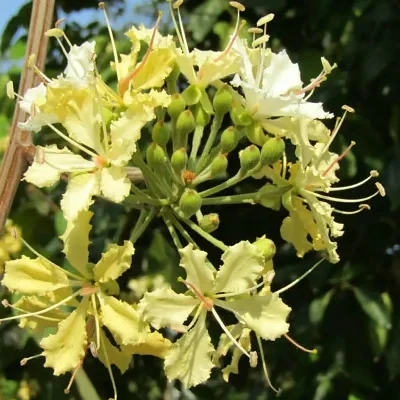
Here’s where Luffa acutangula sings: when harvested young at 6-8 inches, the pale green ridged fruits become silky, slightly spongy vegetables—tender enough to eat raw in salads, yet with enough character to absorb Asian-inspired flavors in stir-fries, curries, and soups. The flavor is mild, slightly nutty, reminiscent of tender zucchini or cucumber with a subtle sweetness that deepens with cooking. Nearly every part is edible: the young fruits can be steamed, boiled, stir-fried, or pickled; the delicate tendrils are eaten as greens; and the flowers—those magnificent 3-5 inch lemon-yellow blooms that unfurl in the evening—can be stuffed, sautéed, or used as a garnish, just like squash blossoms. The fruit is rich in fiber, vitamin A, vitamin C, and potassium, making it as nutritious as it is delicious. Unlike its smooth cousin Luffa aegyptiaca, acutangula was bred for flavor and culinary versatility, not sponge production—it’s the cook’s loofah, the gardener’s treasure.
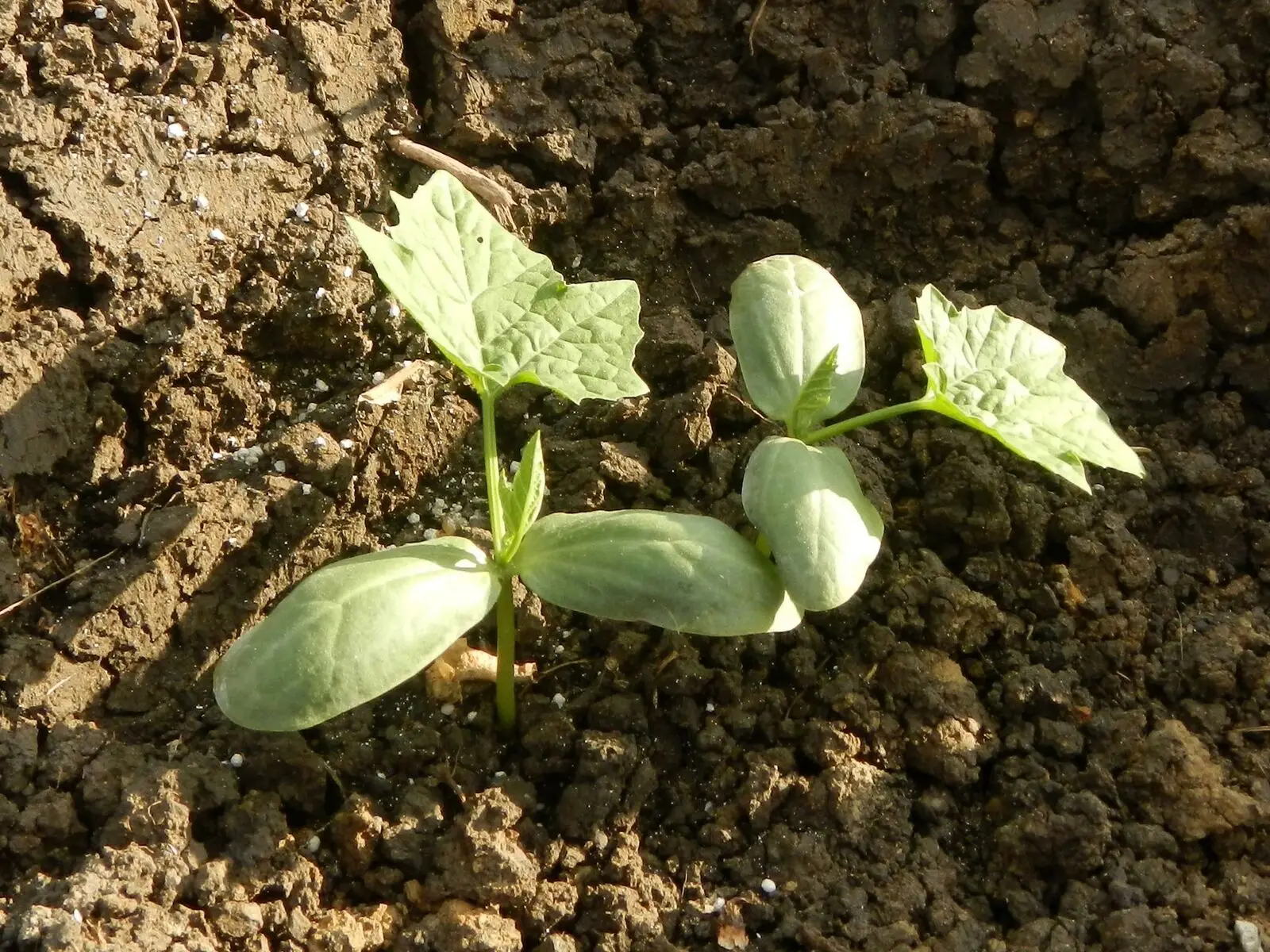
Growing Luffa acutangula is surprisingly straightforward in warm climates. It craves heat and sun—think of it as a vigorous climbing annual that thrives where summers are long, hot, and humid. Plant in rich, well-draining soil that leans toward loamy and sandy compositions, and position it where it catches full sun for 6-8+ hours daily. This is a climber that wants vertical real estate: provide a sturdy fence, trellis, or cattle panel and watch it scramble upward with enthusiasm. Water regularly but let soil dry slightly between waterings. The plant tolerates modest fertility but rewards regular feeding with a balanced 5-10-10 fertilizer every 2-3 weeks during the growing season. In cooler climates (zones 3-6), start seeds indoors 4-6 weeks before your last frost date—soak seeds in warm water for 24 hours first to encourage germination—and transplant out only when soil has warmed to at least 70°F and frost danger has absolutely passed. In zones 7-11, direct sow after frost danger vanishes and soil is warm. Young fruits appear 60-90 days from planting, though mature fruits for seed-saving require 100-140 frost-free days.
Grow Luffa acutangula from seed and you’re not just starting a plant—you’re opening a gateway to an entirely different culinary world. You’re planting evening-blooming flowers that attracted pollinators for centuries in Asian gardens. You’re growing resilience and abundance in one vigorous vine. Each ridged fruit you harvest young and tender is a small, delicious act of defiance against the ordinary. Your kitchen will smell of garlic and ginger and fresh greens. Your garden will buzz with bees drawn to those legendary yellow flowers. And when you bite into your first home-grown ridged loofah, tender and silky after a quick sauté, you’ll understand why gardeners in India, China, and Vietnam have treasured this plant for generations. Start your seeds now. The season is calling.
Only logged in customers who have purchased this product may leave a review.

Reviews
There are no reviews yet.