


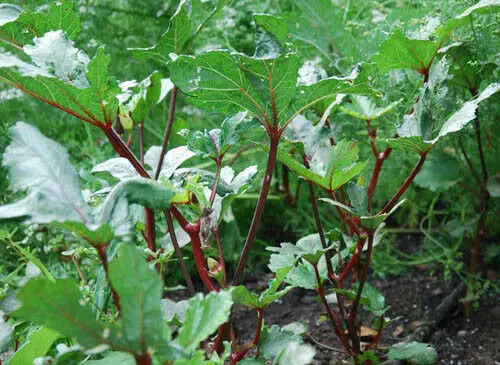
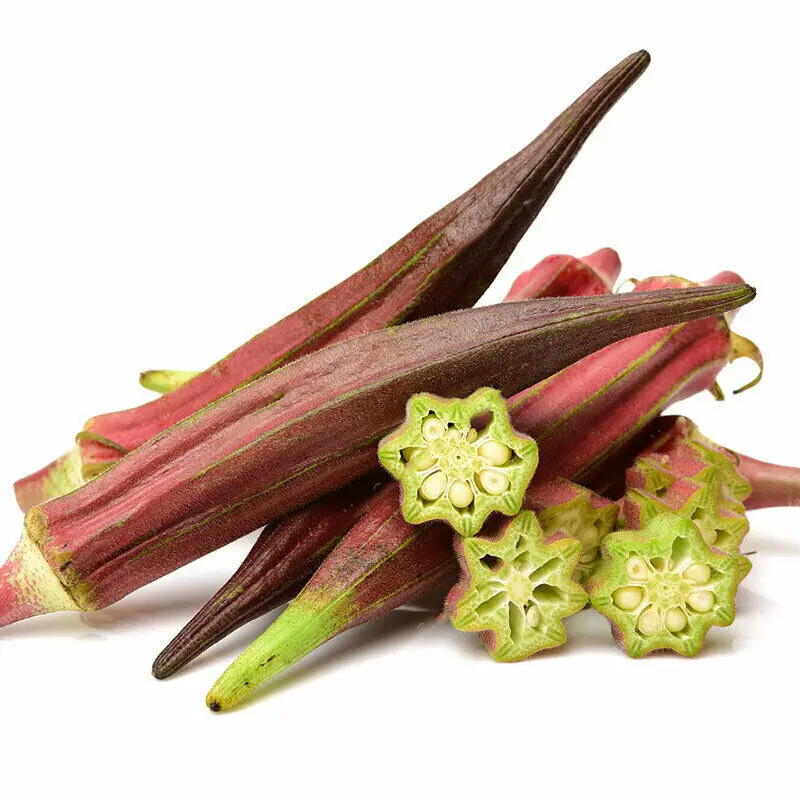


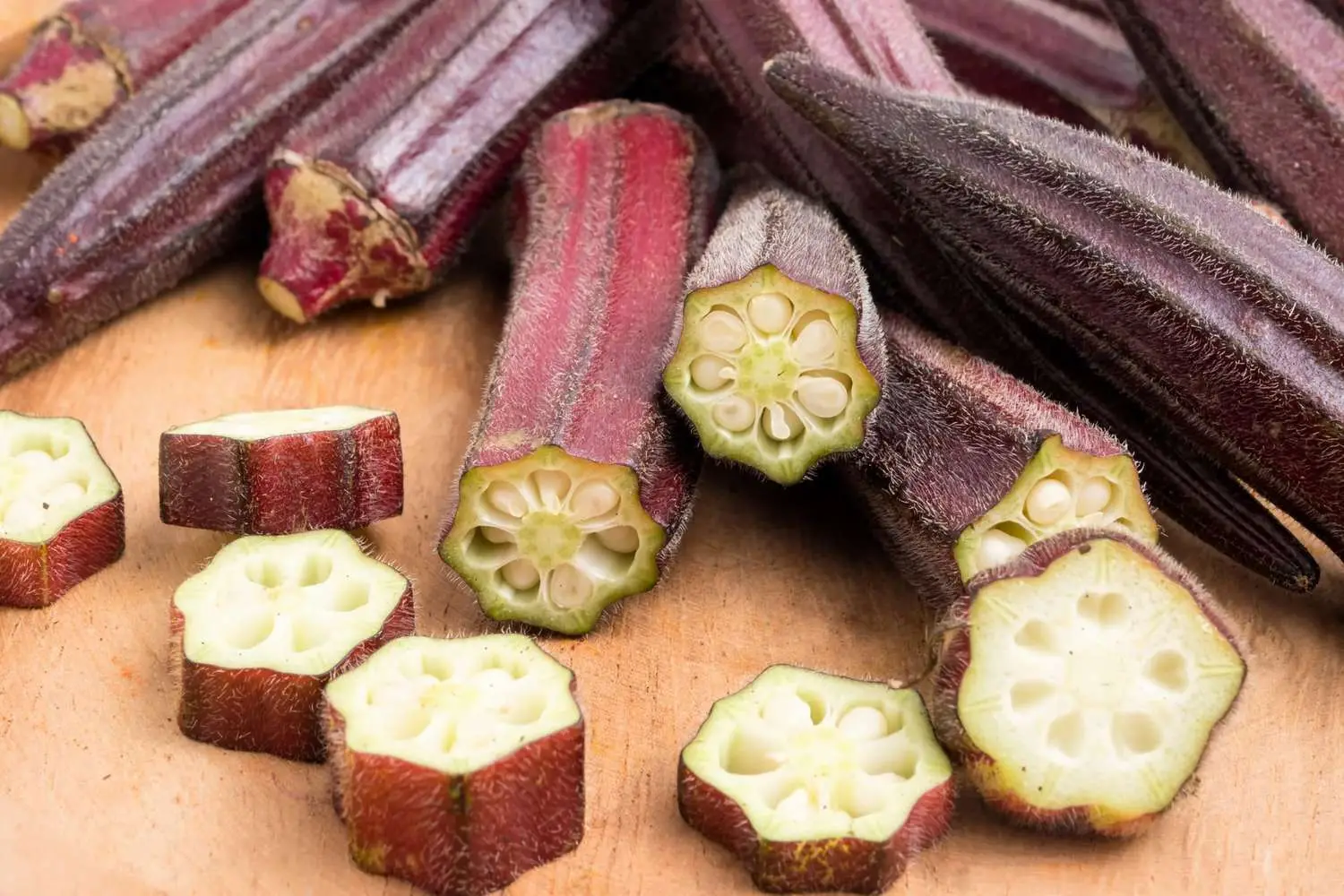
Harvest jewel-toned burgundy pods packed with vitamins C and K, tender and delicious roasted, fried, or pickled. Clemson University’s award-winning heirloom reaches 4-5 feet with creamy-yellow hibiscus flowers and deep red stems that rival ornamentals. Fast, reliable, and ready in 55-60 days. Grow from seed for abundance.
€1.92
Imagine pulling scarlet pods dripping with color straight from your garden—this is Red Burgundy Okra, the culinary and ornamental powerhouse that has captivated gardeners since its All-America Selections win in 1988.
Developed by Leon Robbins at Clemson University, Red Burgundy arrived as a revolution. Every element of this plant burns with visual drama: deep crimson stems, burgundy-tinged leaf ribs, and pods that hang like jewels among emerald foliage. The creamy-yellow flowers—large, hibiscus-like, pollinator-friendly—signal the abundance to come. Even the geometry of the plant works: a manageable 4-5 feet tall (sometimes reaching 6), it fits gardens of any size and even thrives in containers.
But beauty serves culinary brilliance here. Red Burgundy okra is a versatile ingredient that transforms your kitchen: slice young pods raw straight from the plant for peak crispness and mild, slightly sweet flavor; stir-fry for tender-crisp texture; roast for a satisfying snack; simmer into silky gumbos where its natural mucilage becomes a luxurious thickener; pickle for tangy, jewel-bright condiments. Harvest at 3-4 inches for maximum tenderness, or let them stretch to 6 inches—they remain edible and tender far longer than standard okra. Rich in vitamins C and K, fiber, and antioxidants, this unassuming pod carries serious nutritional weight. The key to perfect texture? High-heat cooking and acidic companions like lemon juice and tomatoes unlock crisp tenderness that converts okra skeptics.
Growing Red Burgundy is straightforward satisfaction. It craves heat and sun (6-8 hours daily), thriving in well-draining, fertile soil with slightly acidic to neutral pH (6.0-7.5). Once established, it’s drought-tolerant, though regular watering during hot spells guarantees the heaviest harvests. Direct sow after soil warms to 70°F, spacing plants 12-18″ apart, and germination erupts in 7-10 days at optimal 75-85°F temperatures. For early harvests, start seeds indoors 4-5 weeks before your last frost. Pick every 2-3 days once pods develop to encourage continuous, abundant production—you’ll harvest multiple times weekly from a single healthy plant.
This is heirloom okra that asks very little and delivers everything: visual drama for ornamental borders, dazzling color for the kitchen, abundant tender pods, and the satisfaction of growing a piece of African-Diaspora culinary heritage. Start from seed, and by midsummer you’ll understand why gardeners have cherished Red Burgundy for over 35 years.
Only logged in customers who have purchased this product may leave a review.
Reviews
There are no reviews yet.