
Benincasa hispida is a prominent ingredient in Ayurveda, used to treat ailments such as gastric ulcers and respiratory disorders. It has a unique cooling effect on the body, making it a staple in traditional medicine systems. In cuisine, it’s used in curries, soups, and sweet beverages like winter melon tea—but its real magic lies in centuries of healing wisdom. Th
Benincasa hispida’s story begins in ancient India around the Vedic period (1500–500 BCE), where Sanskrit texts like Charaka Samhita refer to a ‘Kushmanda’ fruit praised for balancing internal doshas. This is not a new discovery—this is a plant whose healing reputation spans millennia.
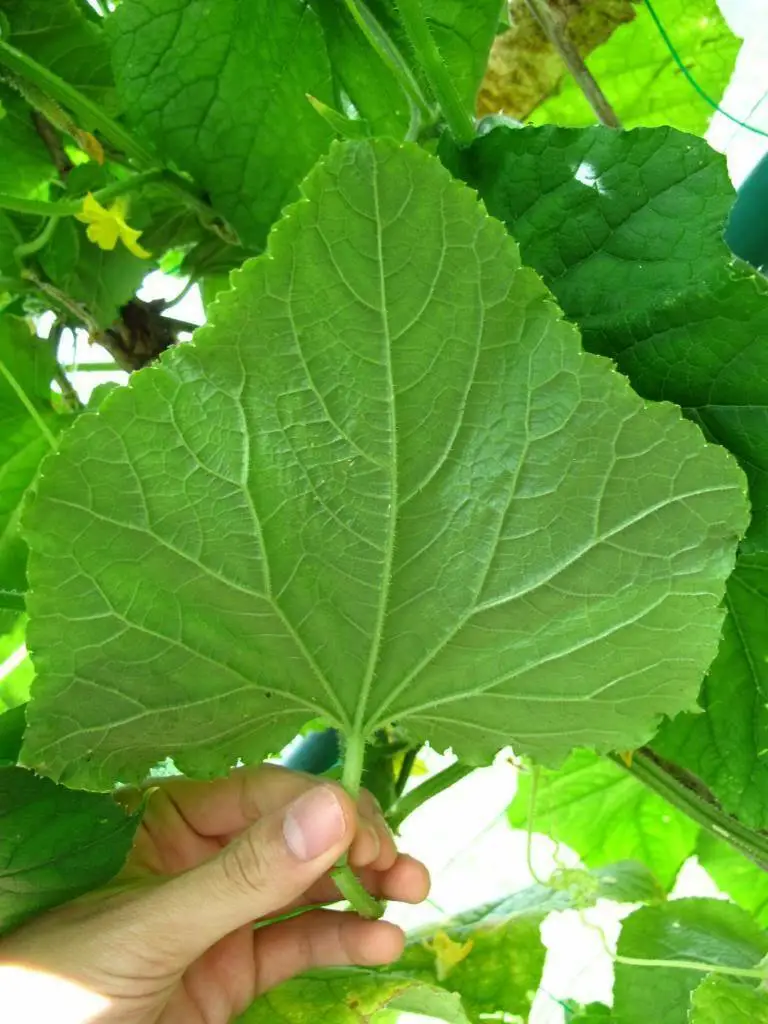
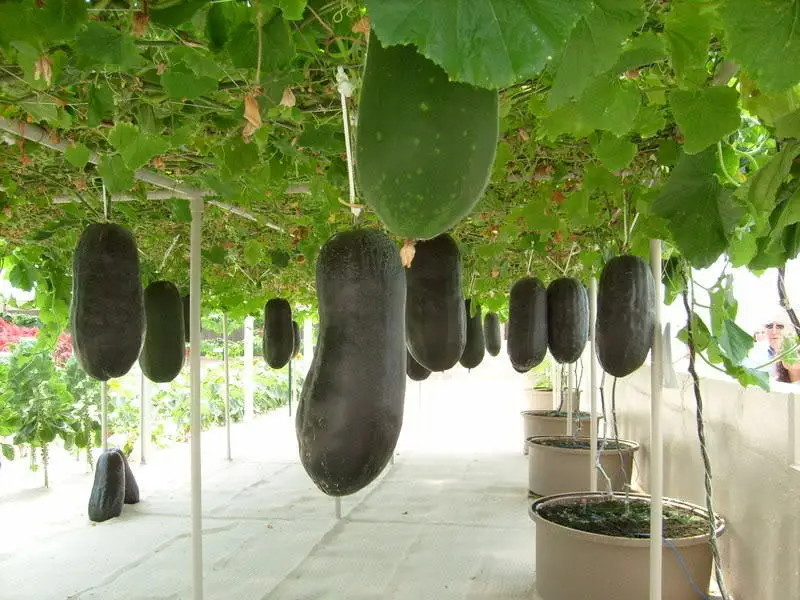
Native to South and Southeast Asia, Benincasa hispida is commonly grown throughout Asia, including Japan, Burma, Ceylon, Sri Lanka, and Java. It is an annual creeping vine with branched tendrils that will climb structures (with some support), cover fences or sprawl along the ground. What makes this species truly special is not just its origin, but its capacity to deliver real therapeutic benefit in an age where we’ve forgotten plant wisdom.
The healing power of winter melon is extraordinary. Ash gourd has been recognized for its diverse pharmacological properties, including antioxidant, anti-inflammatory, diuretic, antimicrobial, and neuroprotective effects. It is a prominent ingredient in Ayurveda and other traditional medicine systems, where it is used to treat ailments such as gastric ulcers, respiratory disorders, and metabolic imbalances. For centuries, people have used ash gourd for its incredible health benefits, from promoting weight loss to improving digestion, and it has a unique cooling effect on the body. In medieval times, Ayurvedic practitioners recommended its juice to treat symptoms of urinary disorders, phlegmatic coughs, and even as a gentle laxative. B. hispida has been used in traditional medicine to treat neurological diseases, kidney disease, fever, and cough accompanied by thick mucus and to fight intestinal worms. Its seeds, pulp, and rind have all demonstrated therapeutic potential. When you grow this from seed, you’re cultivating medicine itself—every part of the plant becomes an ally for your wellness.
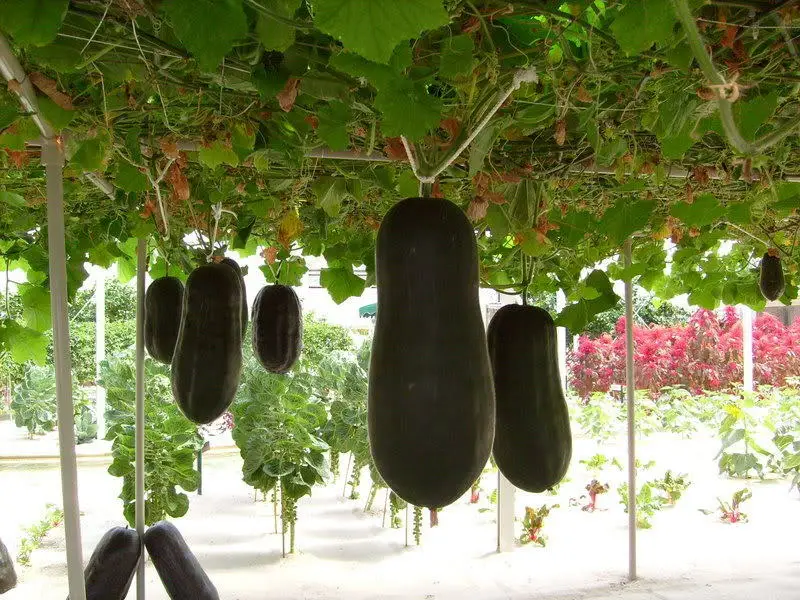
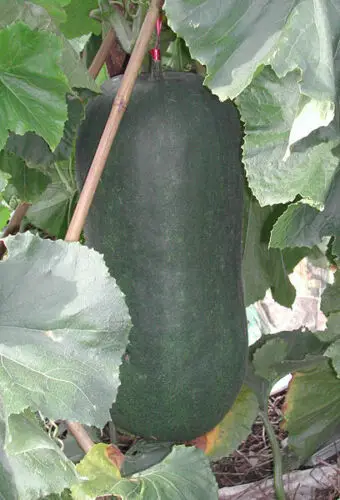
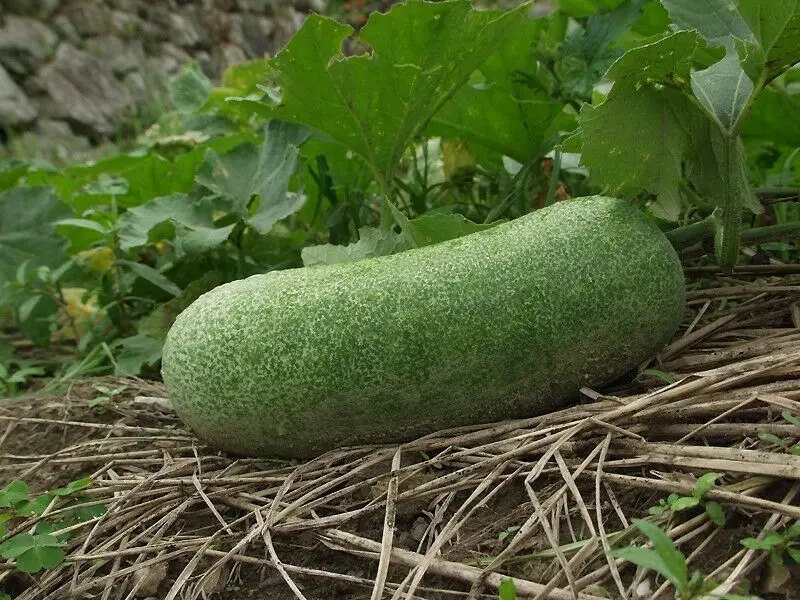
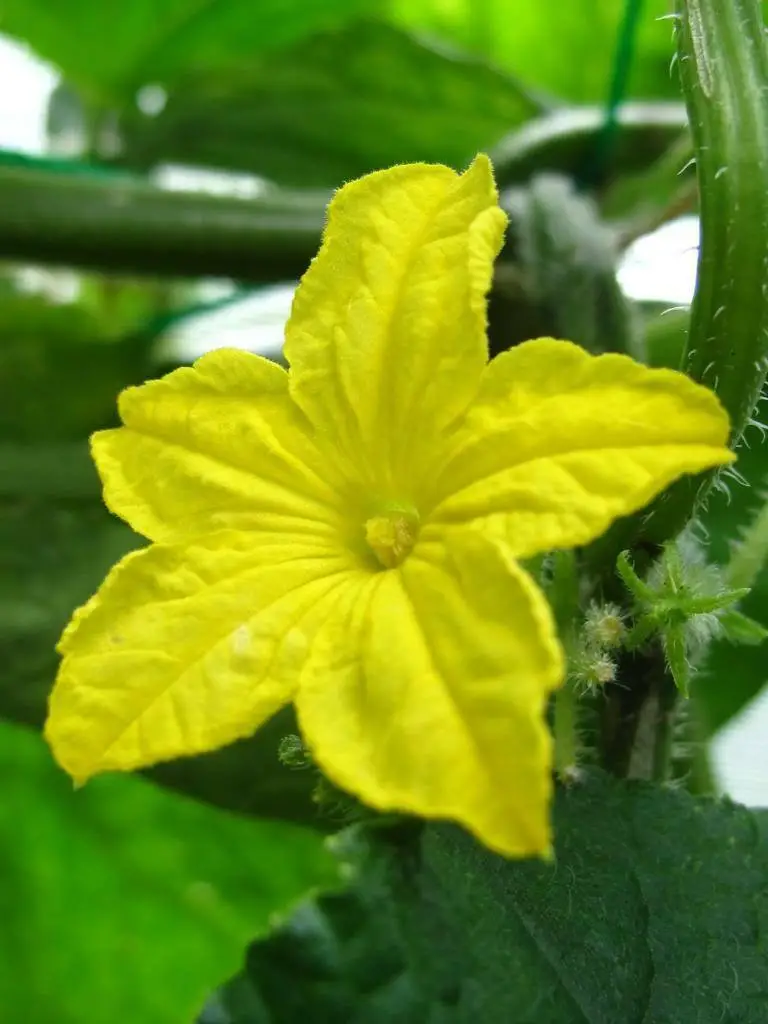
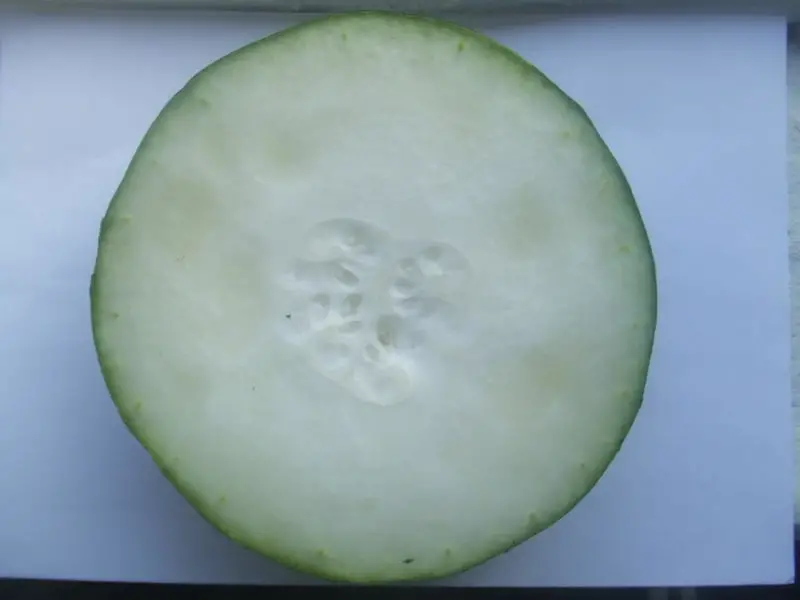
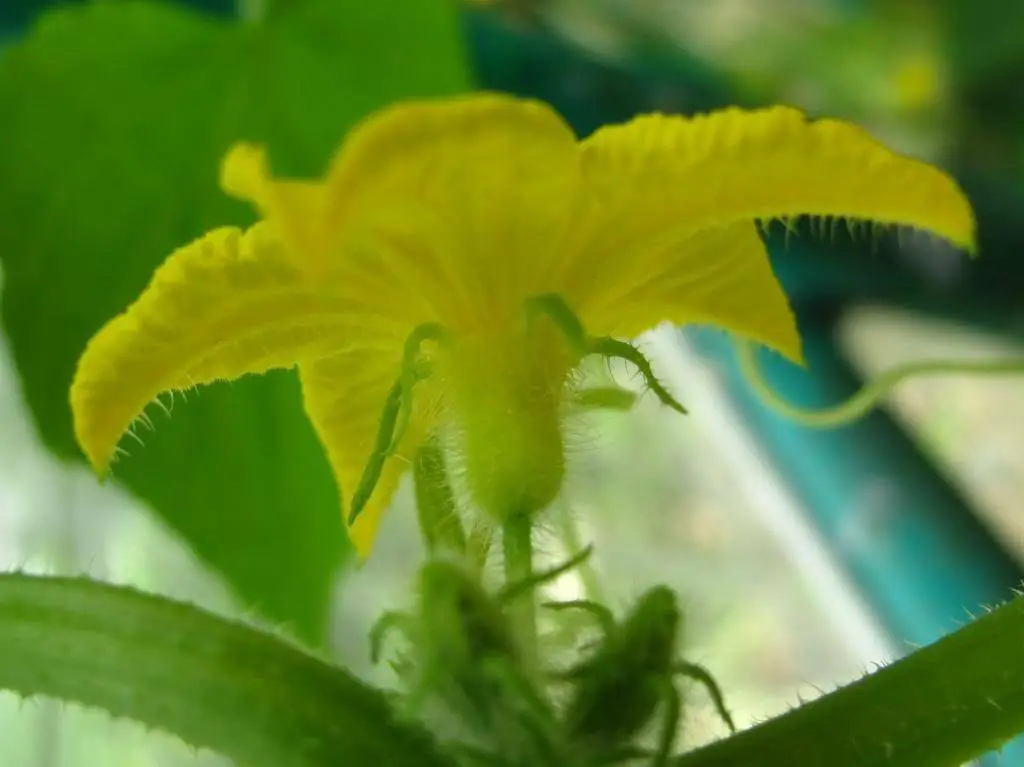
Of course, it’s also a culinary treasure. The plant produces golden yellow flowers (to 3 1/2″ wide) that signal the arrival of its magnificent fruit. Its pods are fuzzy when immature and develop gray, waxy matter on their surface upon maturity; hence the name ash or wax gourd. The plant is particularly noted for its large, elongated fruits, which can reach up to 40 inches in length, with a waxy coating that provides a long shelf life, and they are typically light green, maturing to a darker green. The white flesh is crisp and juicy. In Indian cuisine, it is used in curries, sweets (such as petha), pickles, and stews, while in Chinese and Southeast Asian cooking, it is a common ingredient in soups, stir-fries, and sweet beverages like winter melon tea. The flesh is crisp and mild in flavor when young, becoming increasingly sweet as it matures.
Growing winter melon from seed is refreshingly straightforward. Winter melon thrives in full sun, so pick a spot in your garden that gets at least 6-8 hours of direct sunlight every day. Prepare the soil by adding organic matter like compost or well-rotted manure, and winter melon prefers well-draining soil. The optimal temperature for fast growth of winter melon is 25°C – 30°C. Benincasa hispida is valued for its adaptability, long shelf life, and resistance to pests, making it a viable crop in both subsistence and commercial farming systems. You don’t need a greenhouse, exotic techniques, or specialist knowledge—just warmth, sun, and patient hands.
Imagine harvesting a melon so large it becomes an event, knowing that within its crisp white flesh lies centuries of healing tradition
Only logged in customers who have purchased this product may leave a review.

Reviews
There are no reviews yet.