
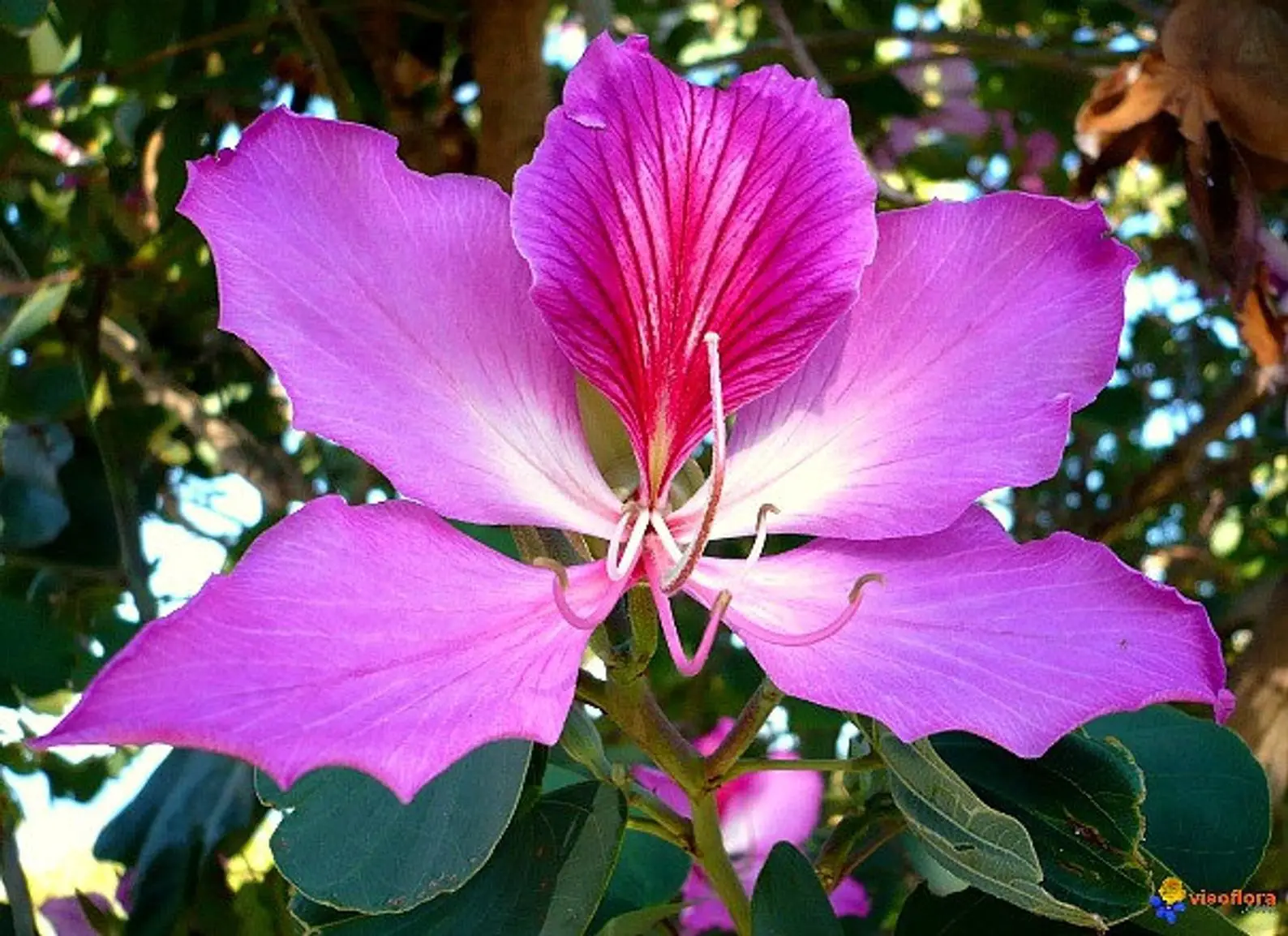
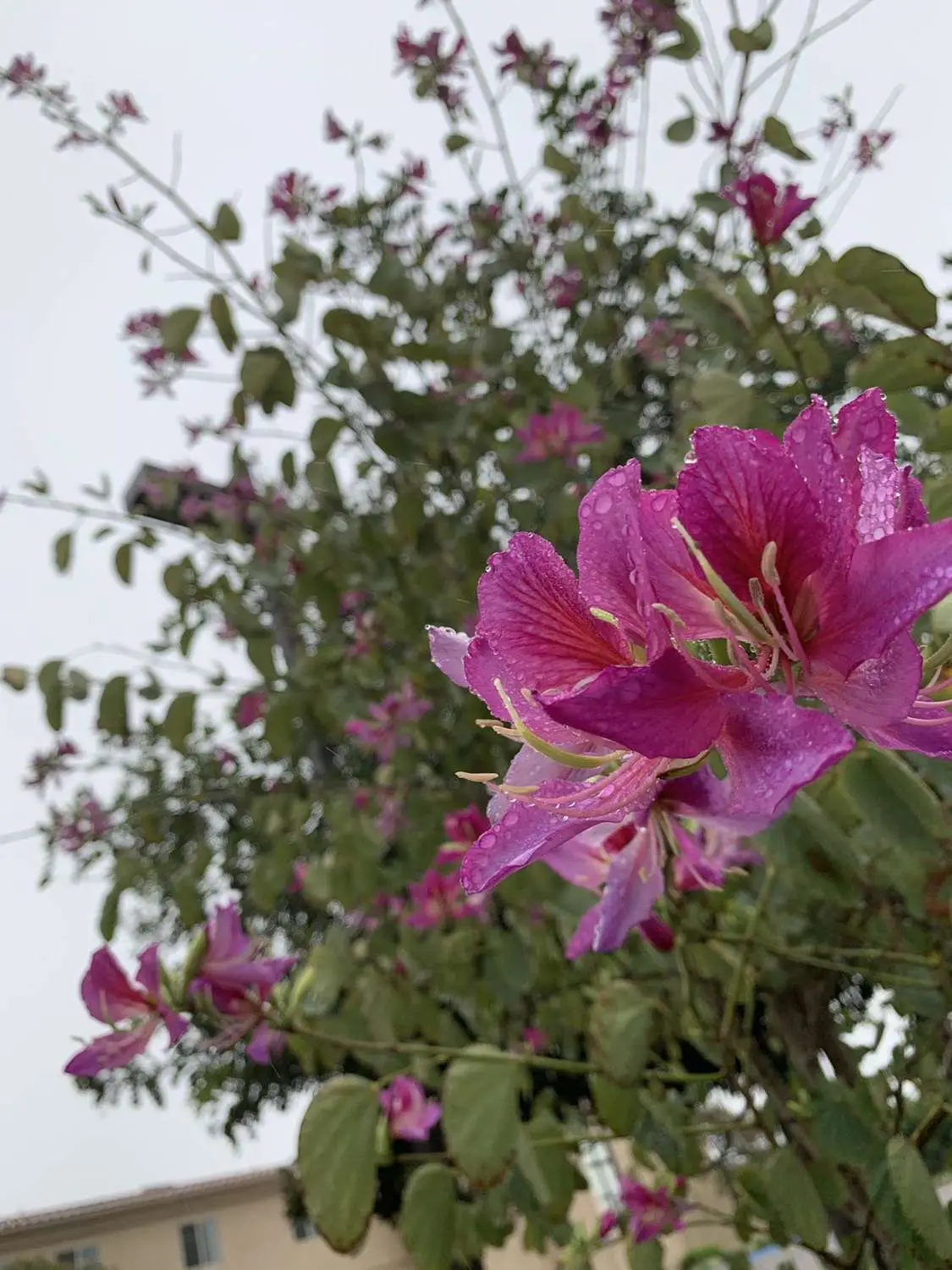
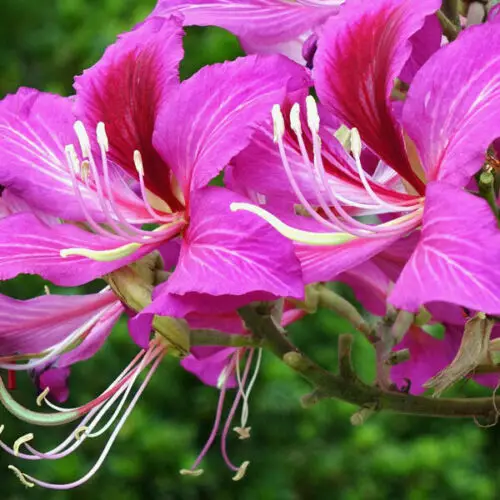
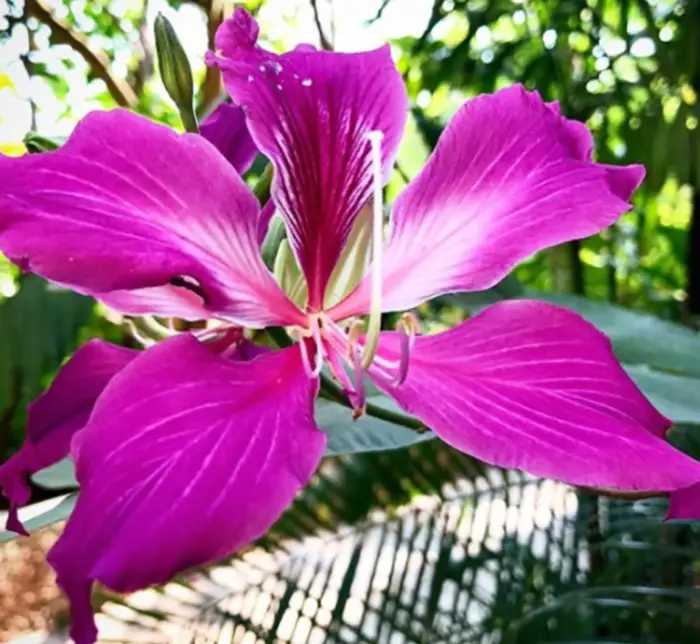
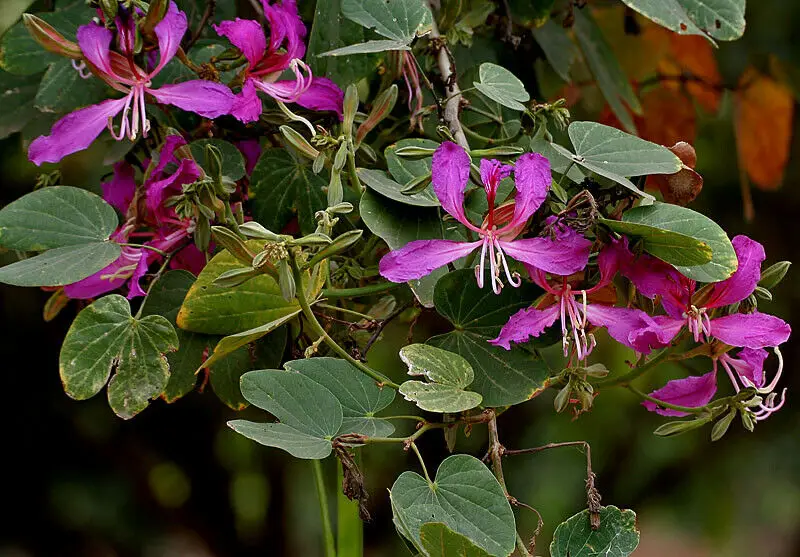
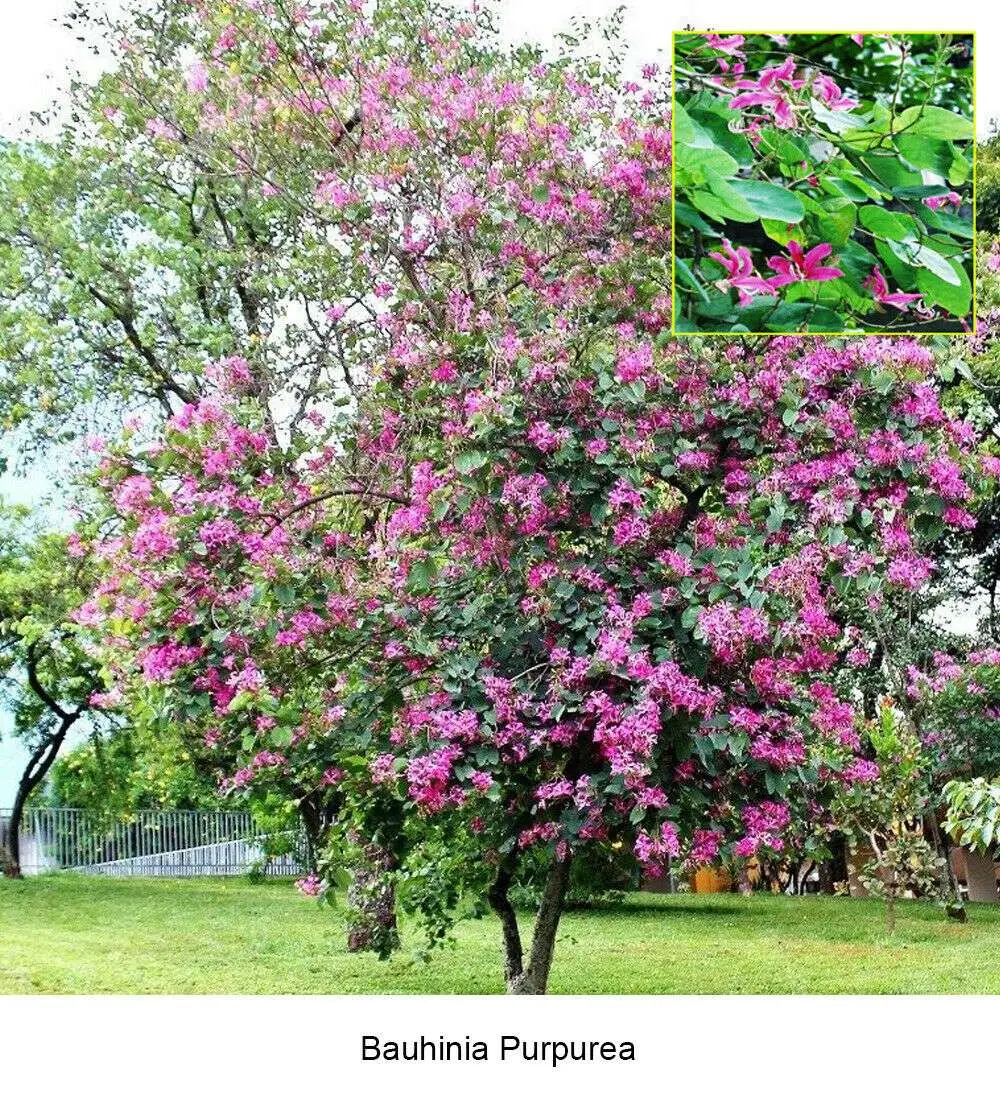
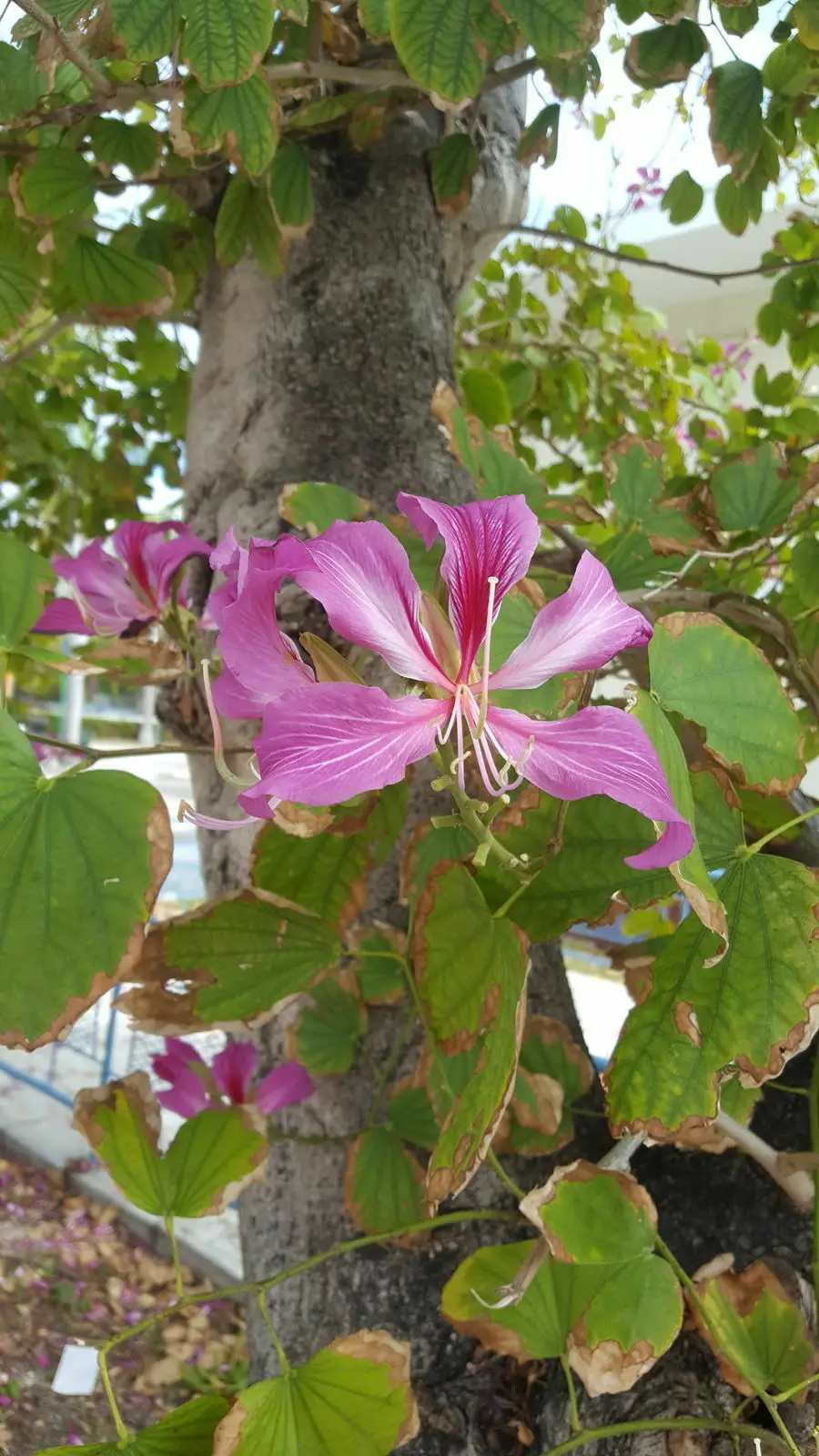
Grow a living pharmacy: this stunning orchid tree yields edible leaves, flowers, and buds used for centuries in Ayurvedic medicine and Southeast Asian cuisine. Boil the vibrant purple flowers for tea, pickle the buds for curries, harvest young leaves rich in vitamins and minerals. Plus spectacular orchid-like blooms in autumn and easy cultivation in full sun—medicinal beauty meets ornamental drama. Raise it from seed.
€3.41
Imagine stepping into your garden in autumn and finding yourself surrounded by hundreds of delicately fragrant, five-petaled blossoms—each one a shade of purple, pink, or lavender, arranged with such precision they mimic exotic orchids. This is Bauhinia purpurea, and it’s far more than a pretty face.
Native to the Indian subcontinent and Southeast Asia, Bauhinia purpurea is a deciduous tree with a storied past. Across centuries, it earned its reverence in Ayurvedic medicine systems, Traditional Chinese medicine, and rural kitchen gardens from Kerala to Myanmar. The Bauhinia genus itself was named by botanists after two Swiss brothers, Jean and Gaspard Bauhin—and the two-lobed butterfly-shaped leaves are said to honor their bond. Here is a plant with real heritage, not manufactured allure.
But this is where Bauhinia purpurea truly sings: it is a complete food and medicine plant. Young leaves, flower buds, and the fragrant flowers themselves are cooked and eaten across India and Southeast Asia, rich in dietary fiber, proteins, vitamin C, calcium, and iron. Pickle the flower buds for curries with a subtle, fresh bite. Steep fresh flowers as a mild laxative tea or to cool the system during hot months—traditional practitioners in Burma and Tamil regions have done this for generations. The tender seed pods can be braised like okra. The bark, leaves, and flowers deliver documented anti-inflammatory, antidiabetic, antioxidant, and antimicrobial properties; modern research is confirming what traditional healers have always known. This is food as preventative medicine, beauty as wellness—a tree that feeds you while it decorates your landscape.
Growing Bauhinia purpurea is refreshingly straightforward. It thrives in full sun and well-drained soil of almost any type—sandy, loamy, even clay works fine as long as drainage is good. The tree is remarkably drought-tolerant once established; in fact, it flowers *better* on dry soils, so avoid overwatering. It tolerates heat, humidity, and a range of soil pH. Plant in spring, water regularly during establishment, then step back and watch it grow fast. Within a few years from seed, you’ll have a medium-sized specimen (3–10 meters) that can also be trained as a bonsai for container growing. Position it where you want drama—as a specimen accent, screening plant, or shade tree. September through November, when the blooms arrive, your patience will be handsomely rewarded.
Grow Bauhinia purpurea from seed and you become a keeper of an ancient lineage—a living bridge between ornamental gardens and healing traditions. Every flower that opens feeds your eye; every leaf you harvest feeds your body. This is not just a tree; it’s an inheritance. Plant it now.
Only logged in customers who have purchased this product may leave a review.
Reviews
There are no reviews yet.