Description
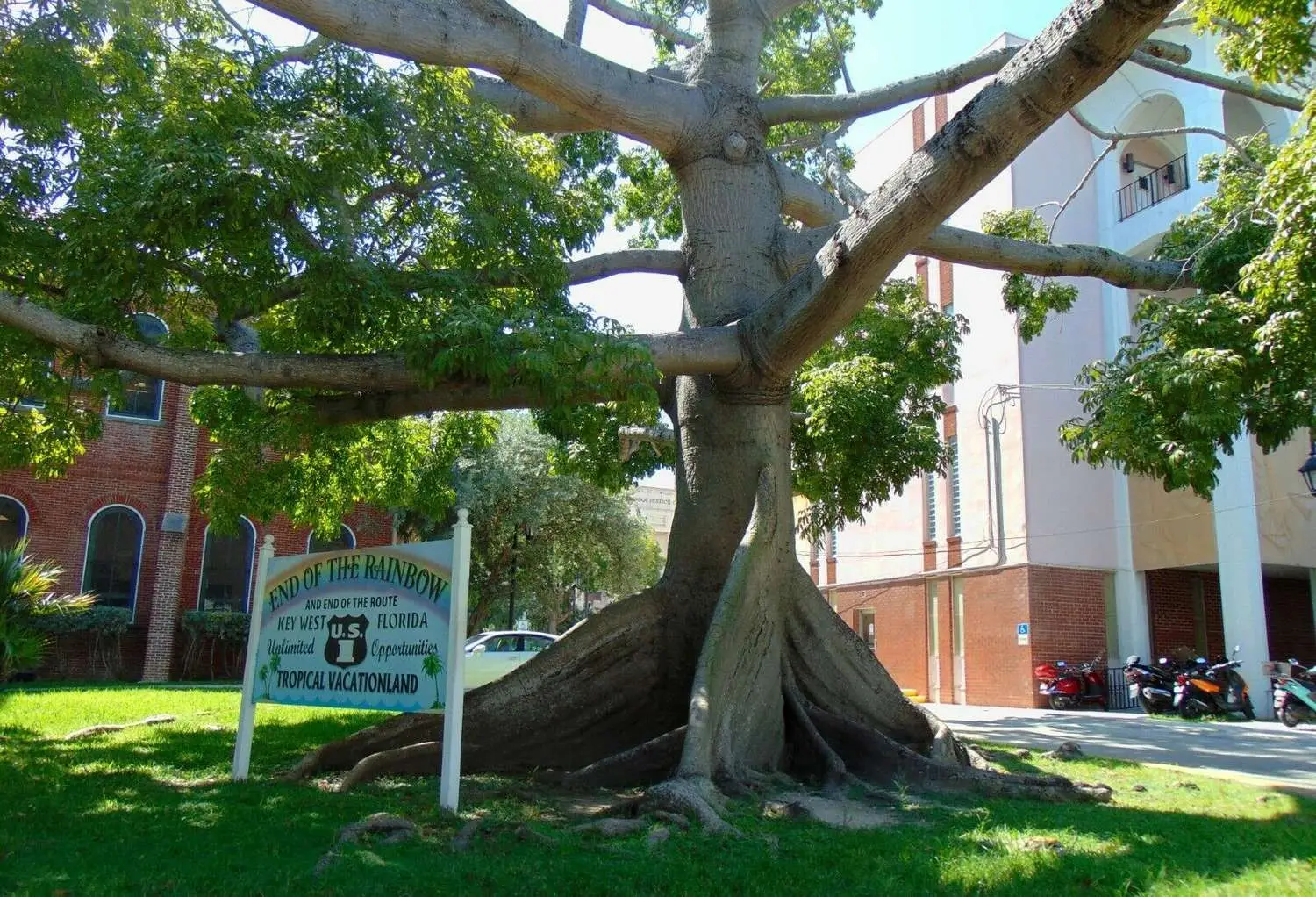
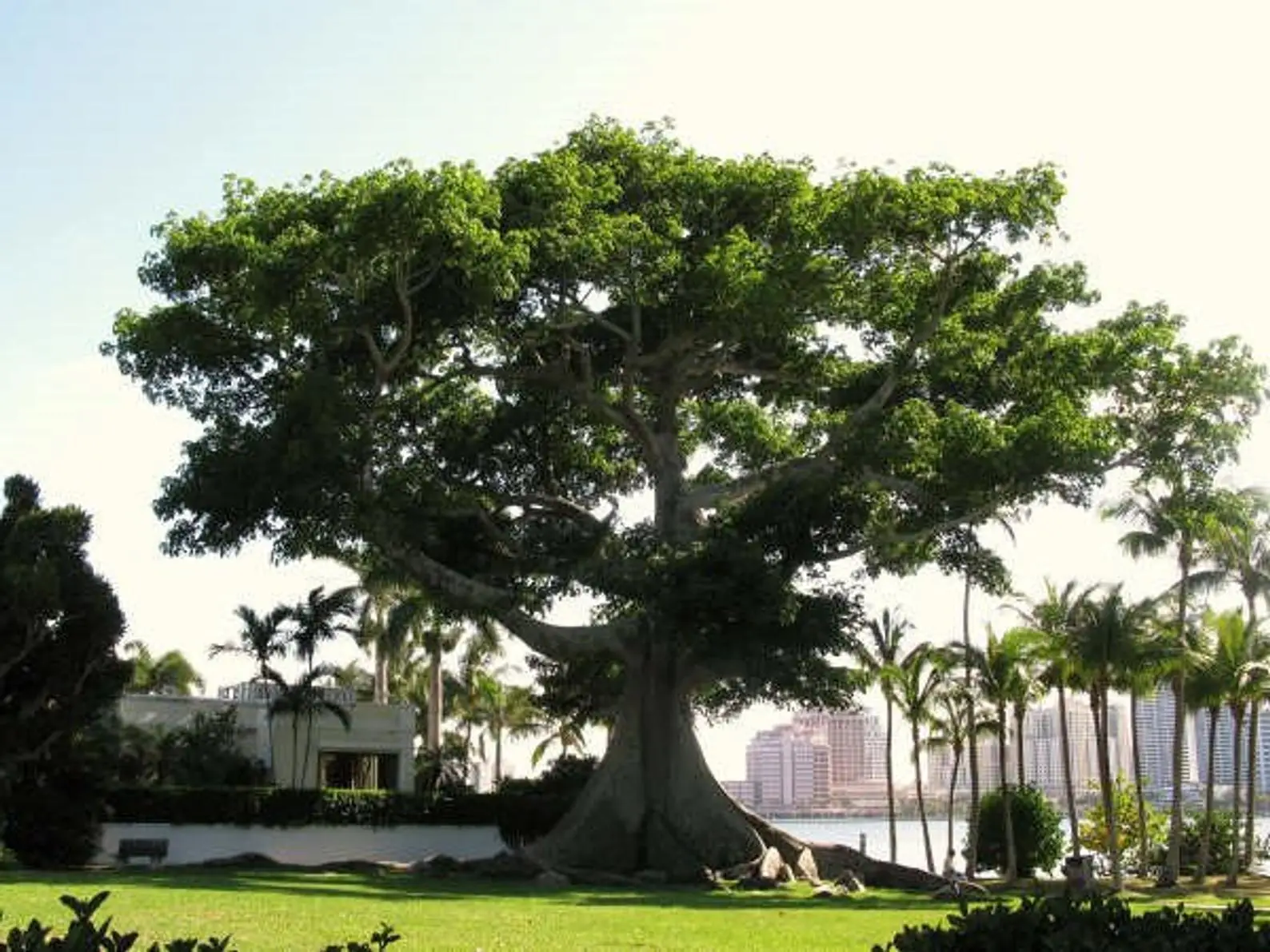
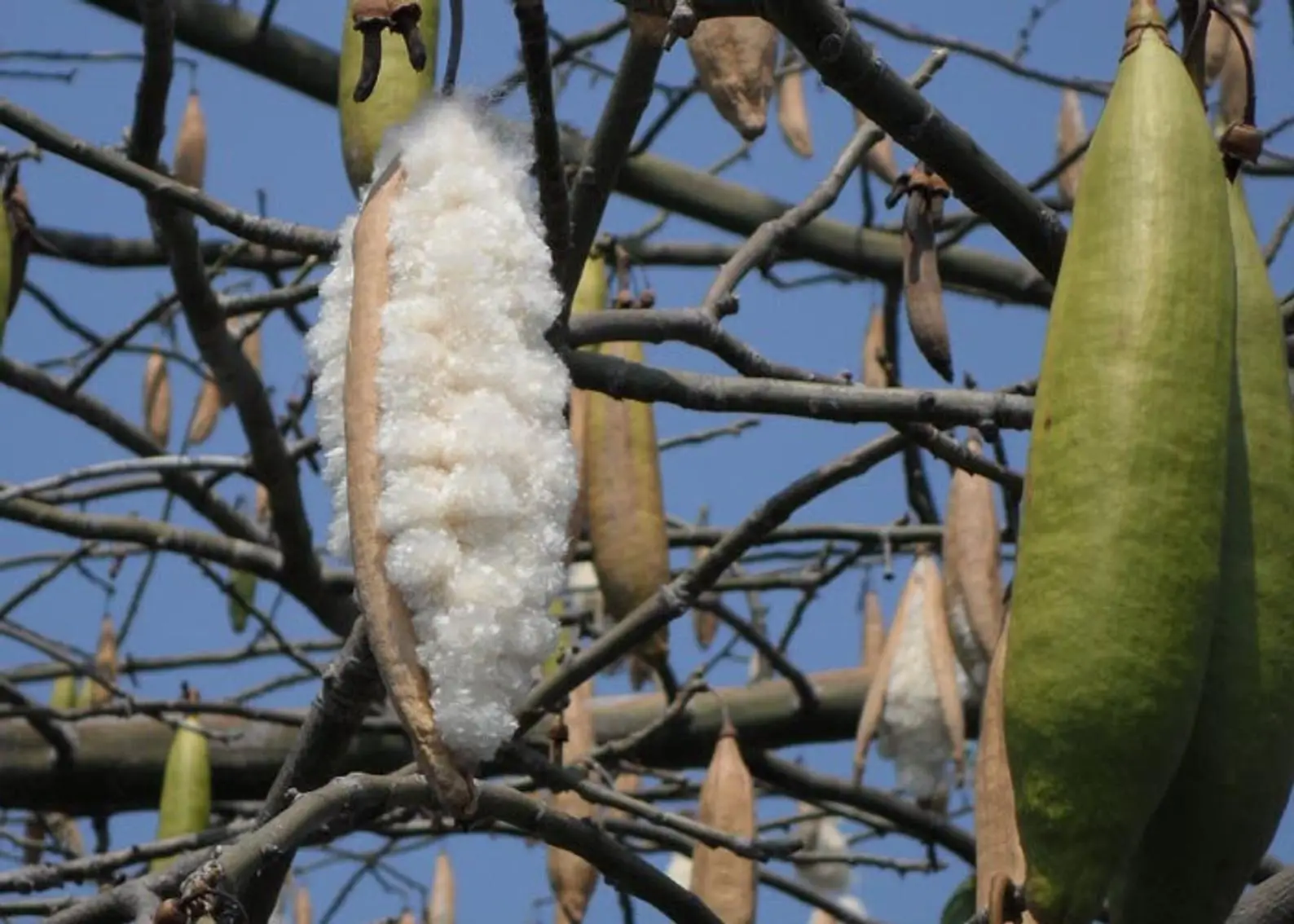
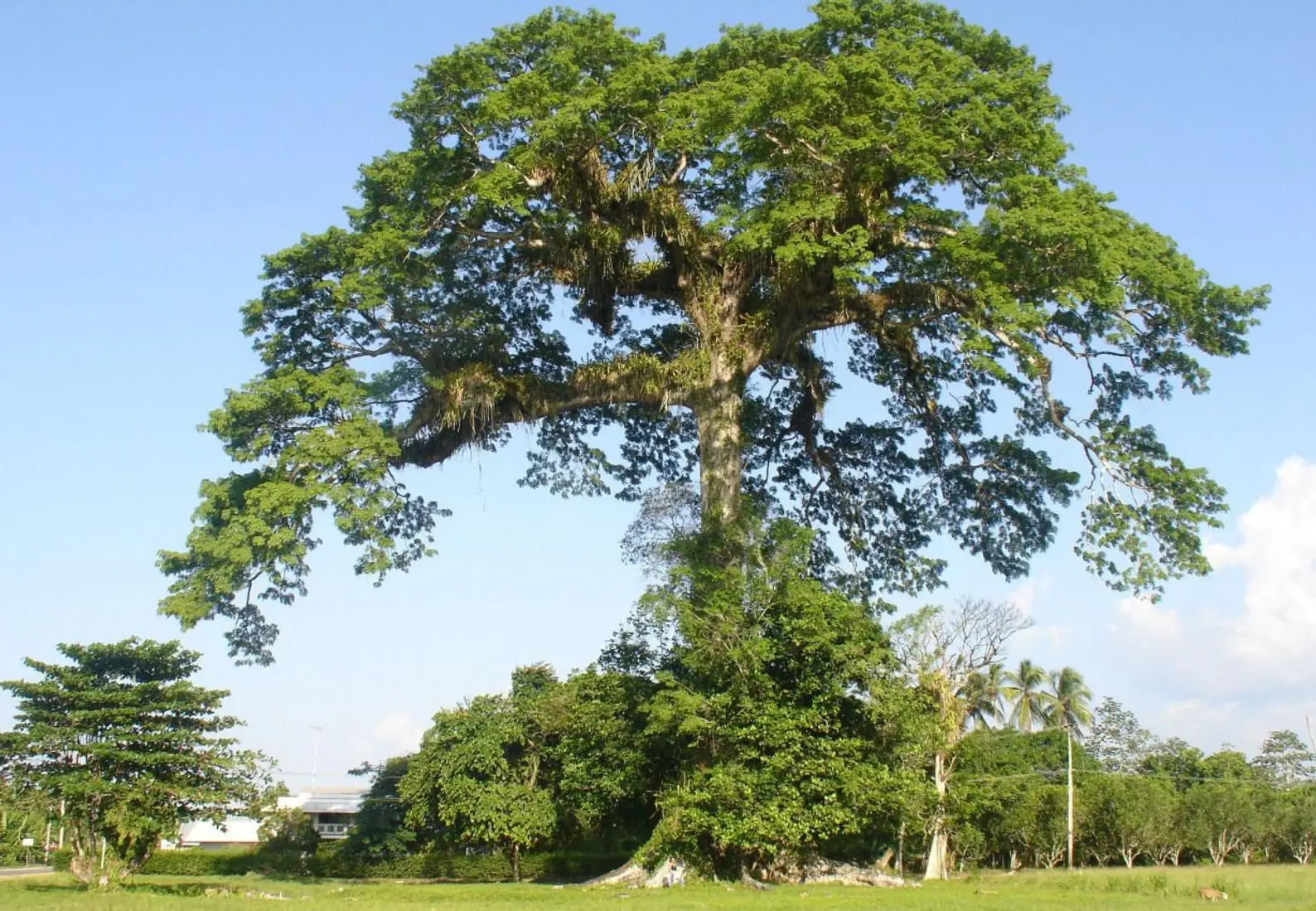
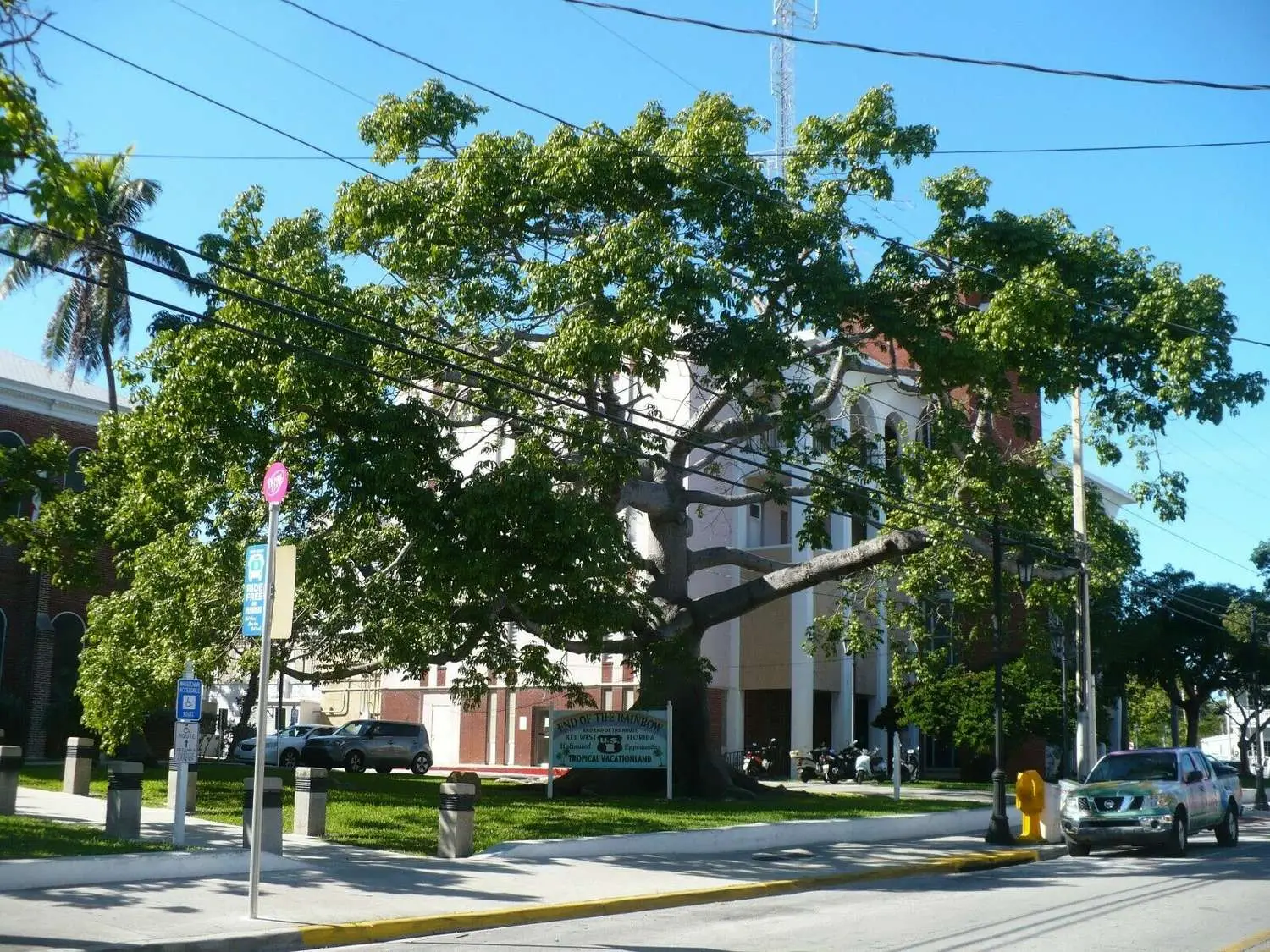
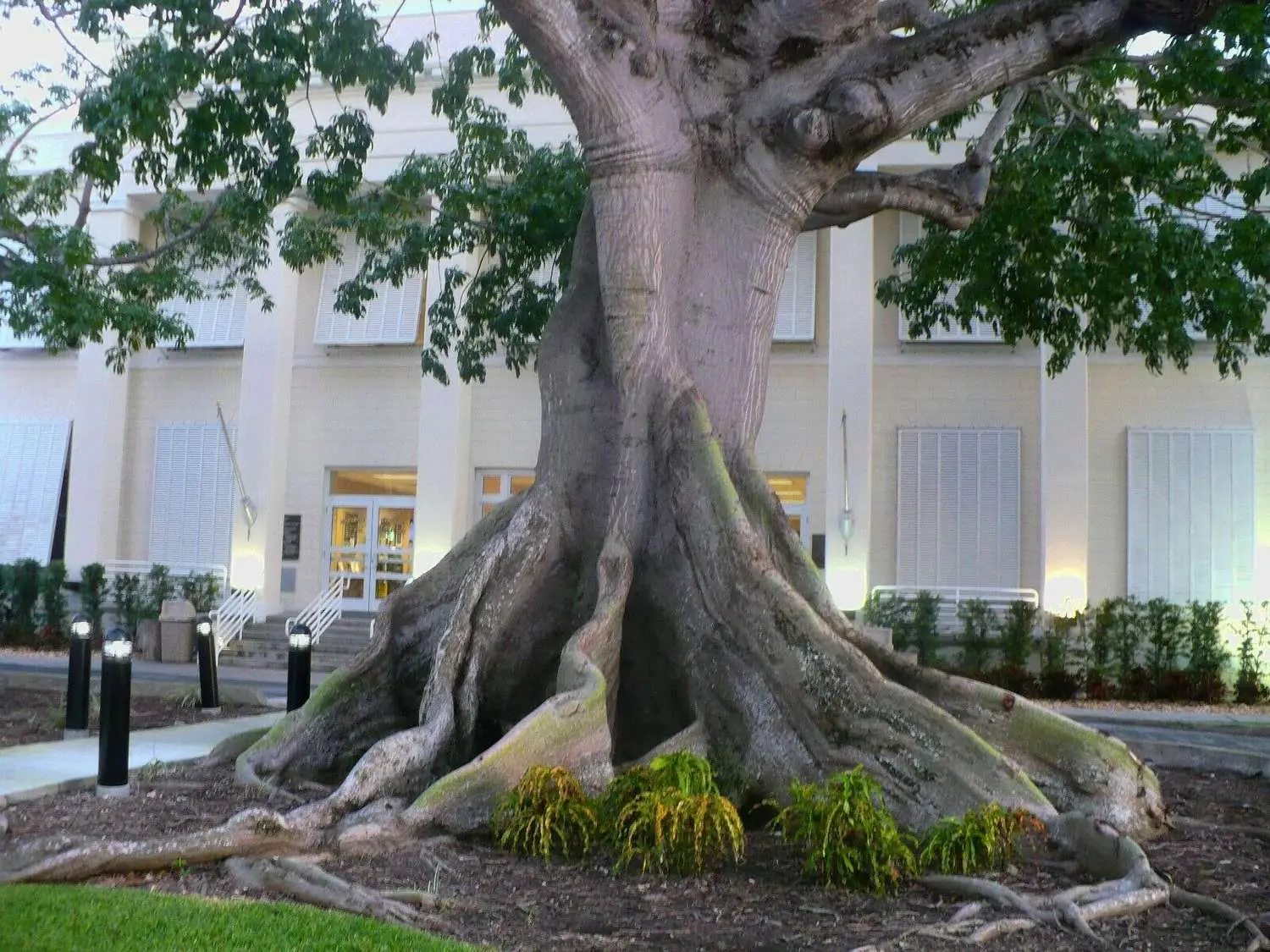
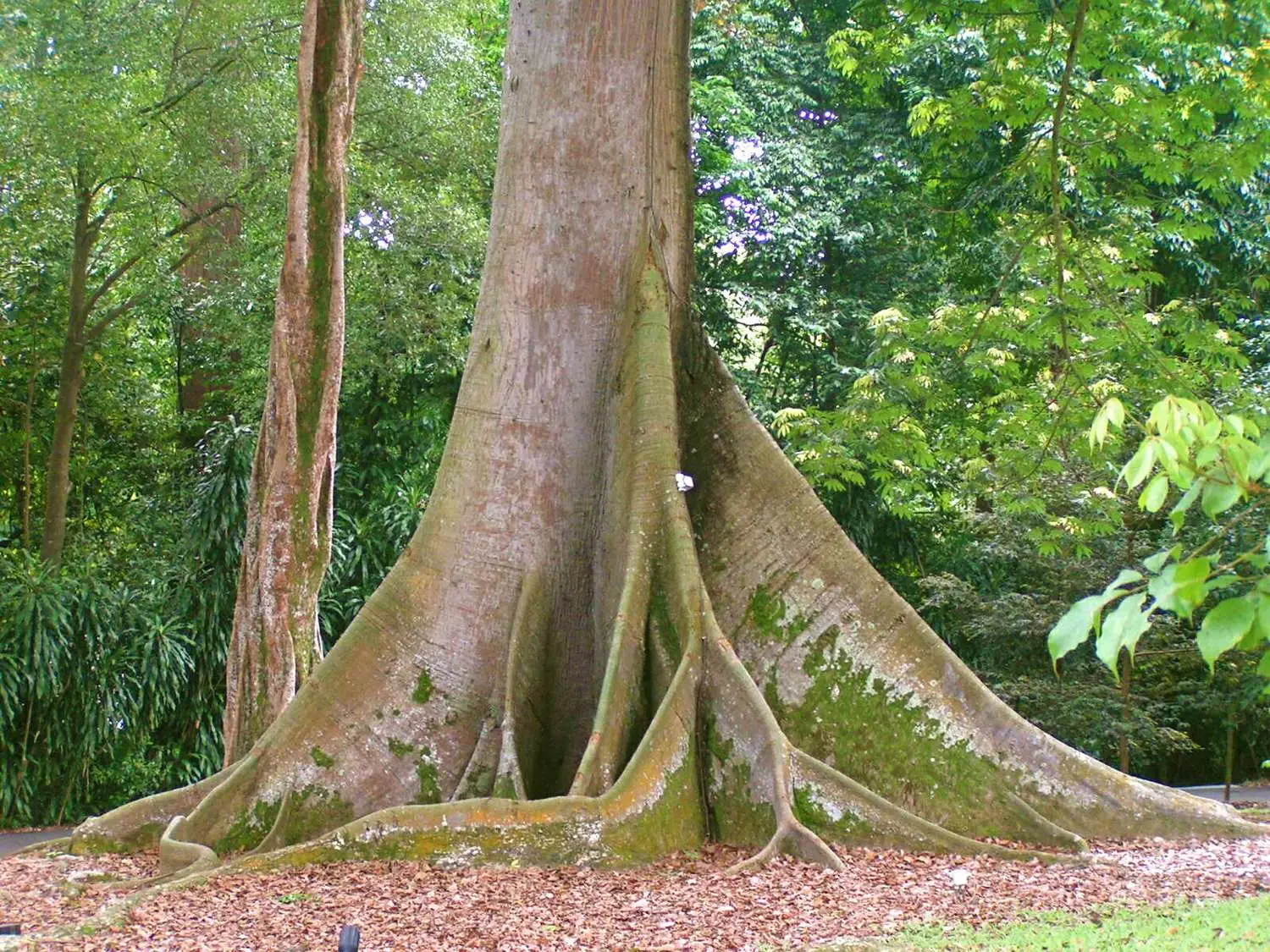
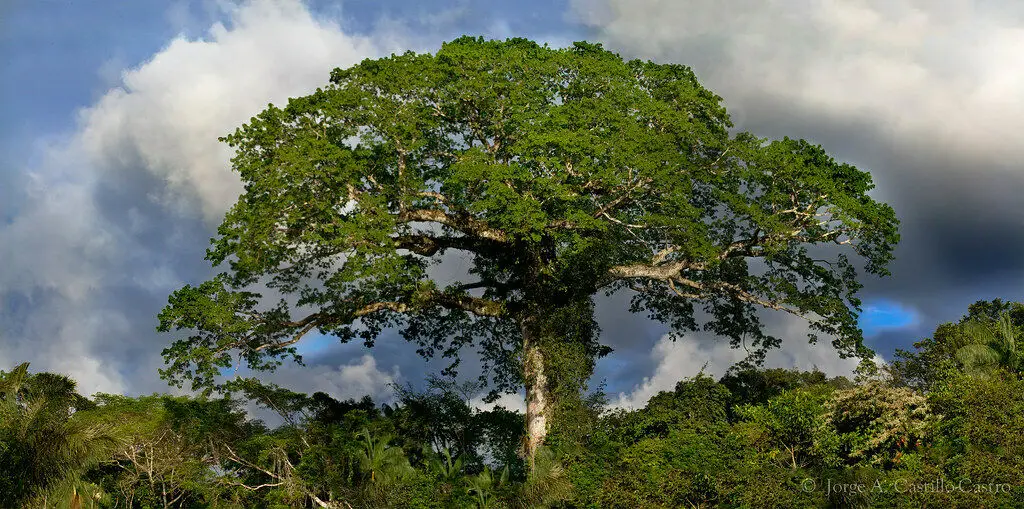
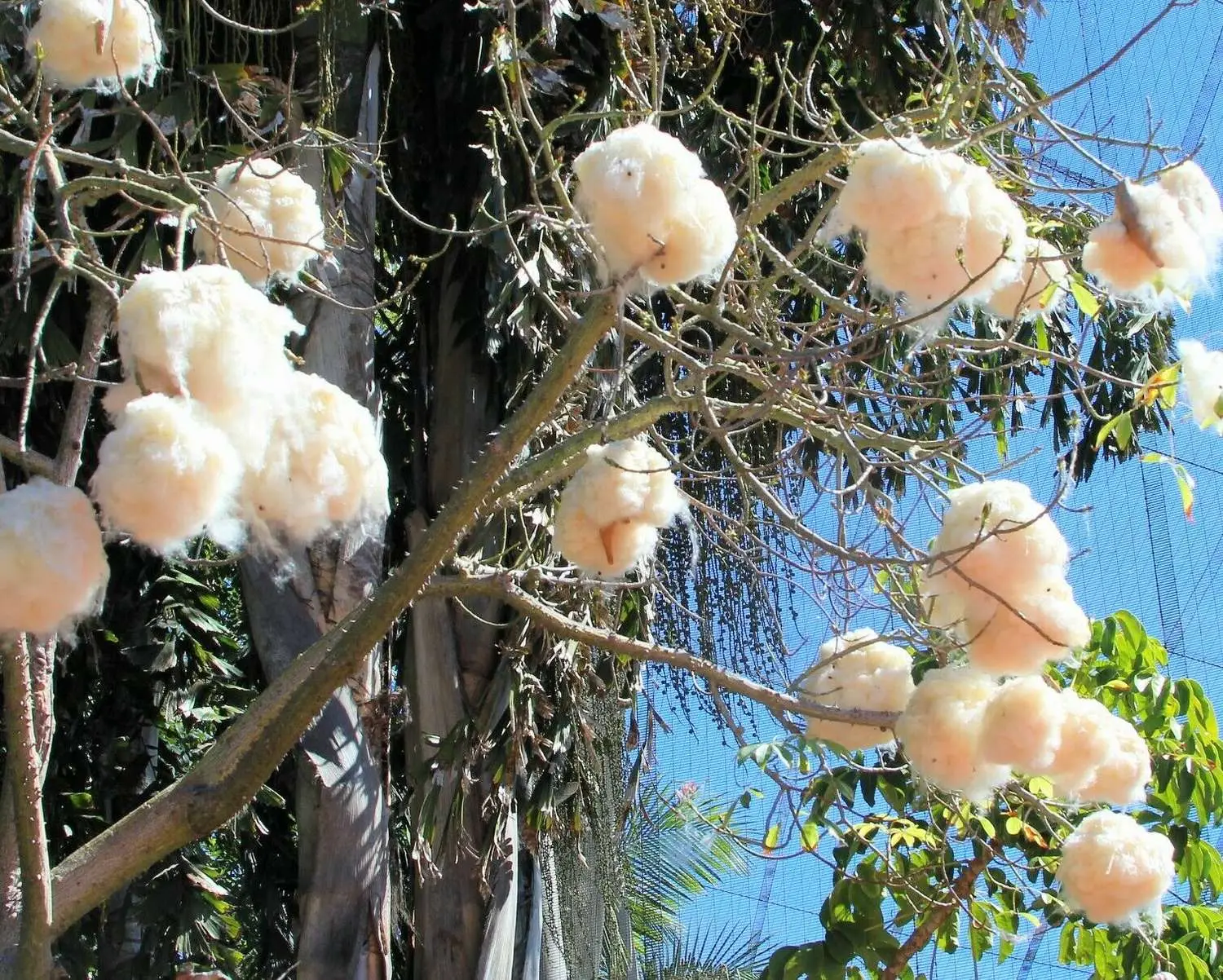
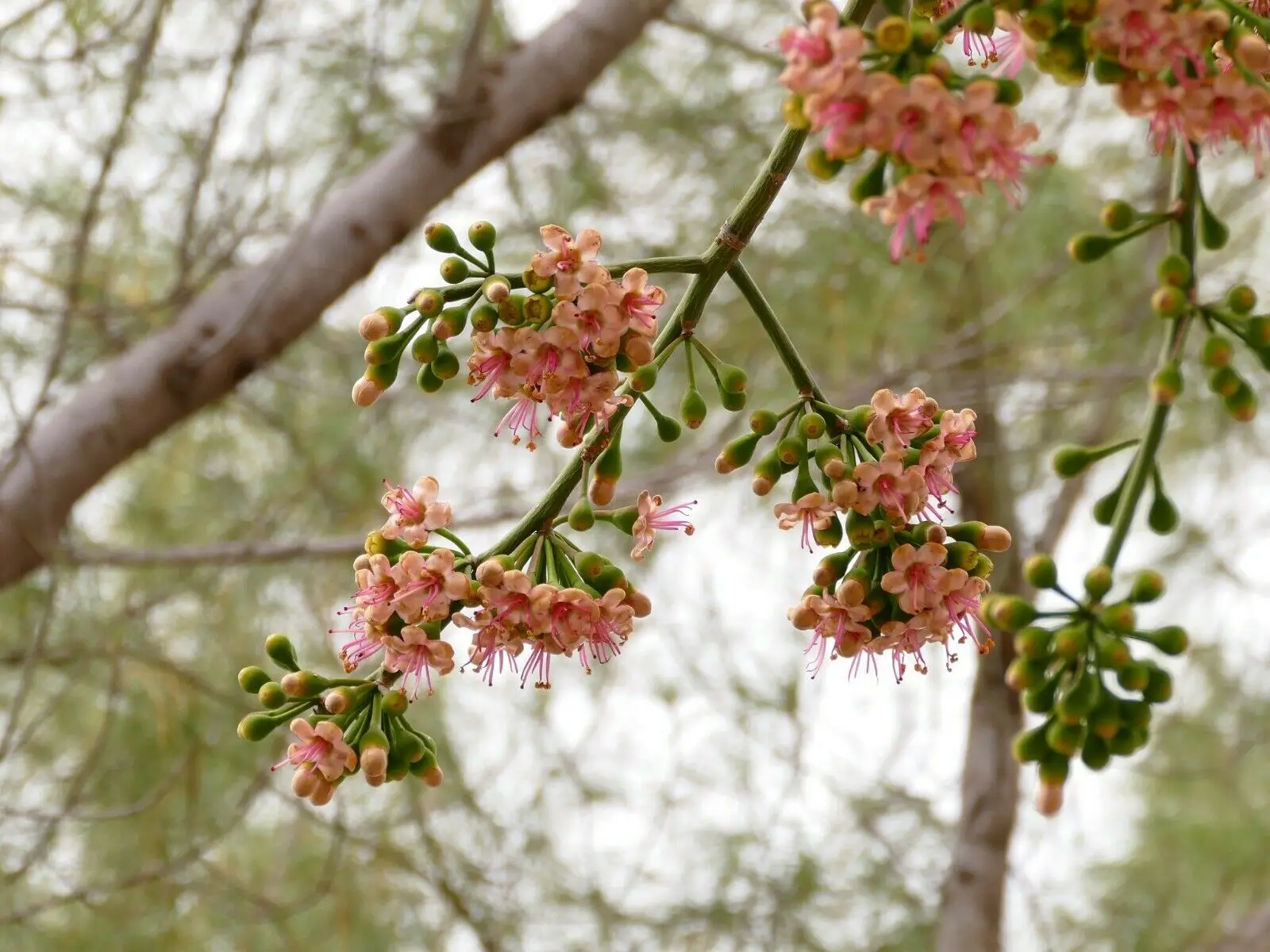
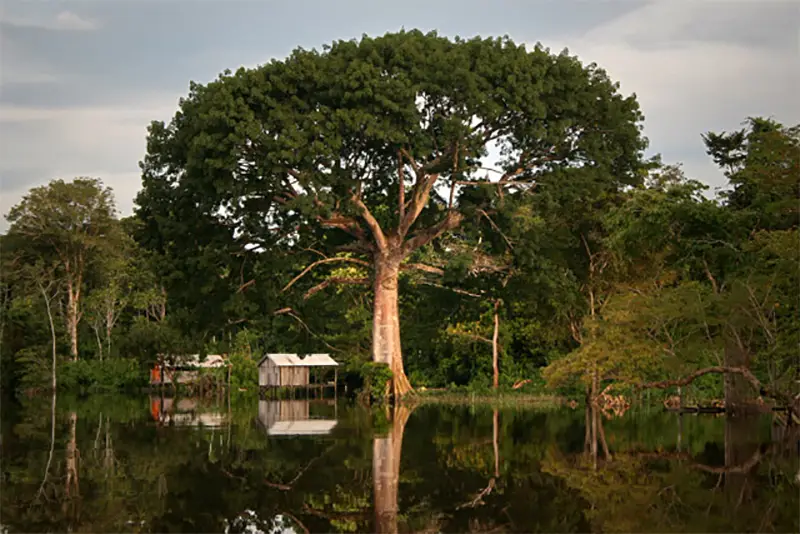
A giant, dry deciduous tree that can reach 75 m tall with palmate leaves and a distinctly buttressed trunk that is spiny when young. The small flowers are followed by large pods filled with round, black seeds and water repellent fibers that are collected for pillows, upholstery, life vests and the like. Native to lowland rainforests and gallery forests in Central and western South America to 450 m, it is widely cultivated elsewhere in the tropics.
Germination Guide
🌍 Central America, northern South America, Mexico, Caribbean, West Africa
Moderate
Ceiba pentandra, commonly known as kapok tree or silk-cotton tree, is a large tropical deciduous tree native to Central America, northern South America, and West Africa. Seeds exhibit dormancy and benefit from pre-treatment for improved germination rates.
Germination
Germination time
Expect germination in
14 – 42 days
Temperature
Min 15°C
Ideal 25°C
Max 30°C
Substrate moisture
💧💧 High
Sowing depth
Lightly covered
Seed Pre-treatment
-
💧
Soaking — 48 hours
Seed soaking for 24-48 hours recommended. Cold water soaking for 2 days optimal, achieving highest germination rates.
-
🔨
Hot water scarification
Hot water scarification most effective; dip in almost-boiling water followed by 12-24 hour soak. Cold water immersion for 2 days achieves 95% germination. Mechanical scarification for 25-35 minutes also effective.
-
❄️
Cold stratification — 28 days at 5°C
-
🔥
Smoke/Fire treatment
In wild, bush fire causes simultaneous germination of seeds
-
📋
Additional notes
Seeds exhibit some degree of dormancy and benefit from pre-treatment. Without pre-treatment, germination is slow (less than 10% one month after sowing), continuing for 3-4 months.
Substrate & Container
Recommended substrate
sandy loam, well-draining seed raising mix with agricultural sand
Recommended container
seedling trays or small pots
Growing Tips
Seeds are light-dependent for germination. Maintain high humidity initially, then gradually decrease moisture to harden off seedlings. Avoid waterlogging. Ideal substrate temperature: 18-24°C for germination, but optimal growth temperature 25-30°C. Seedlings reach 29 cm in 6 weeks under optimal conditions. Keep soil moist but not boggy to prevent rot/mould.
Only logged in customers who have purchased this product may leave a review.



Reviews
There are no reviews yet.