
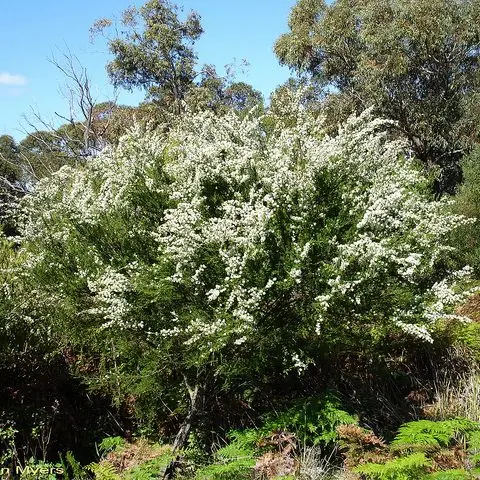
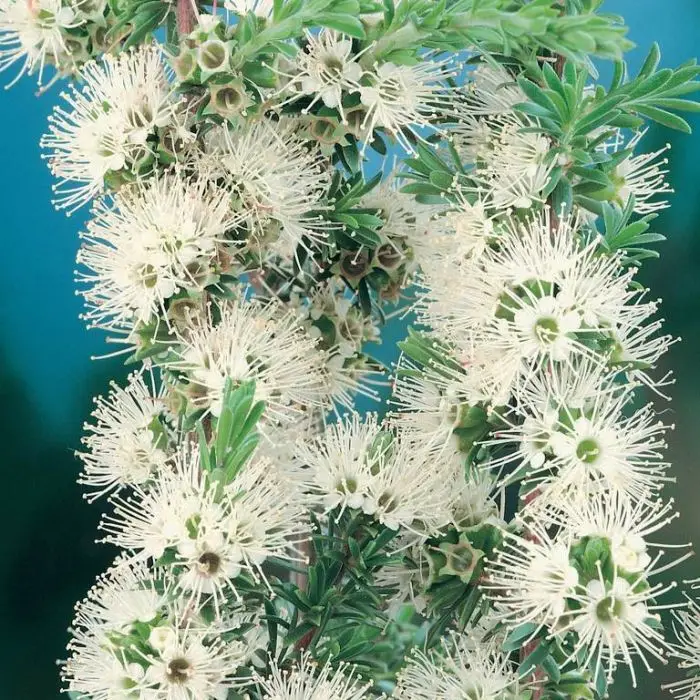
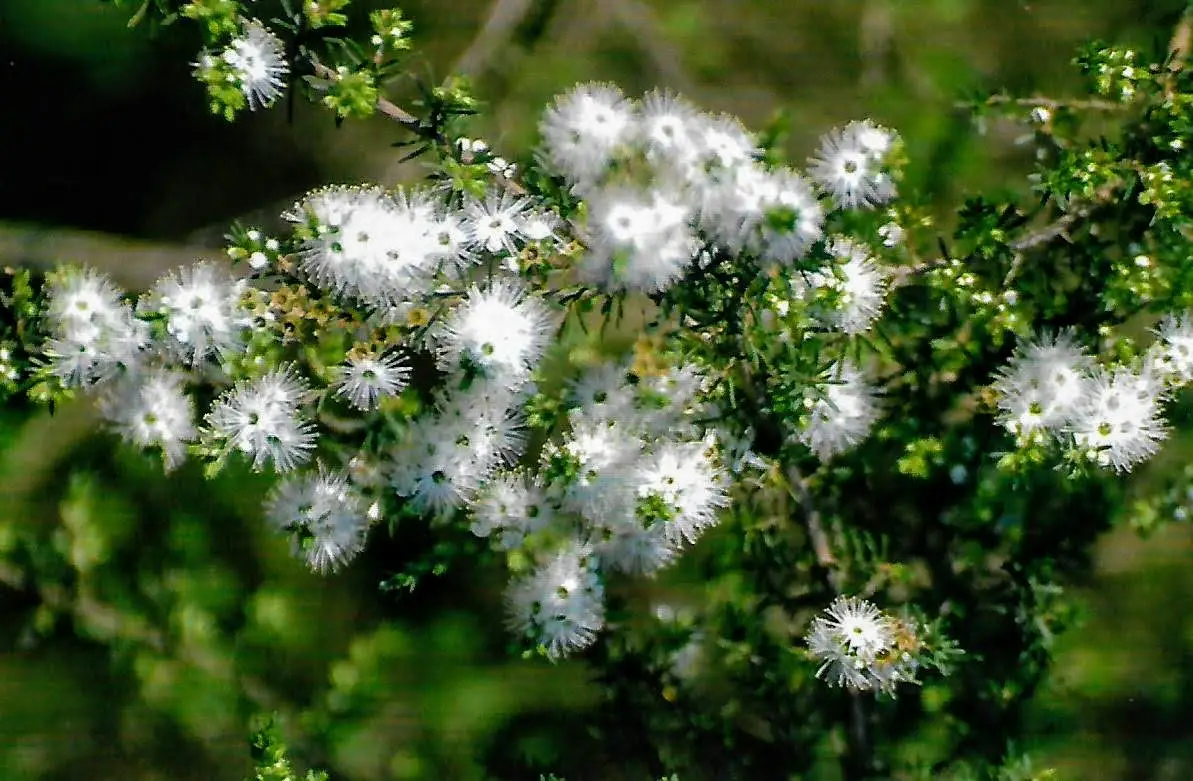
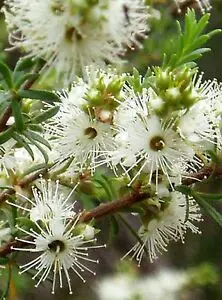
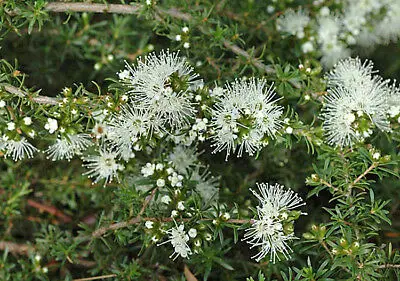
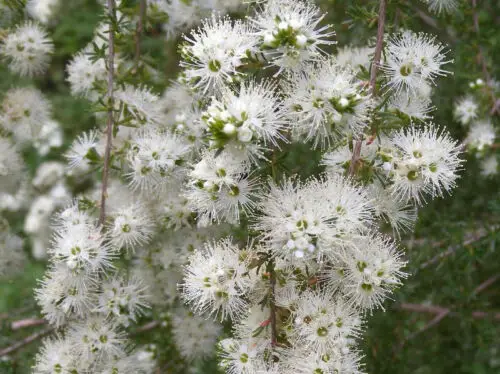
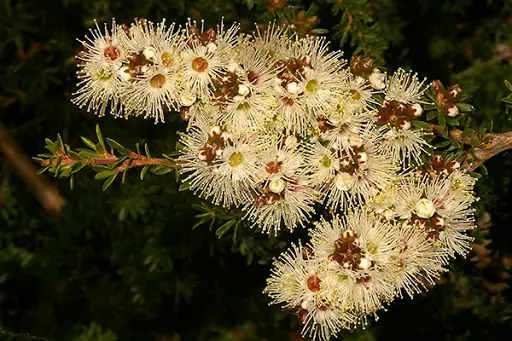
Grow your own medicinal treasure. Kunzea ambigua’s aromatic leaves yield precious essential oil prized for pain relief, anti-inflammatory power, and therapeutic depth. Fragrant white spring blooms, drought-hardy once established, fast growth from seed. A heritage Australian native now sourced by aromatherapists worldwide—cultivate it in your own garden.
€1.92
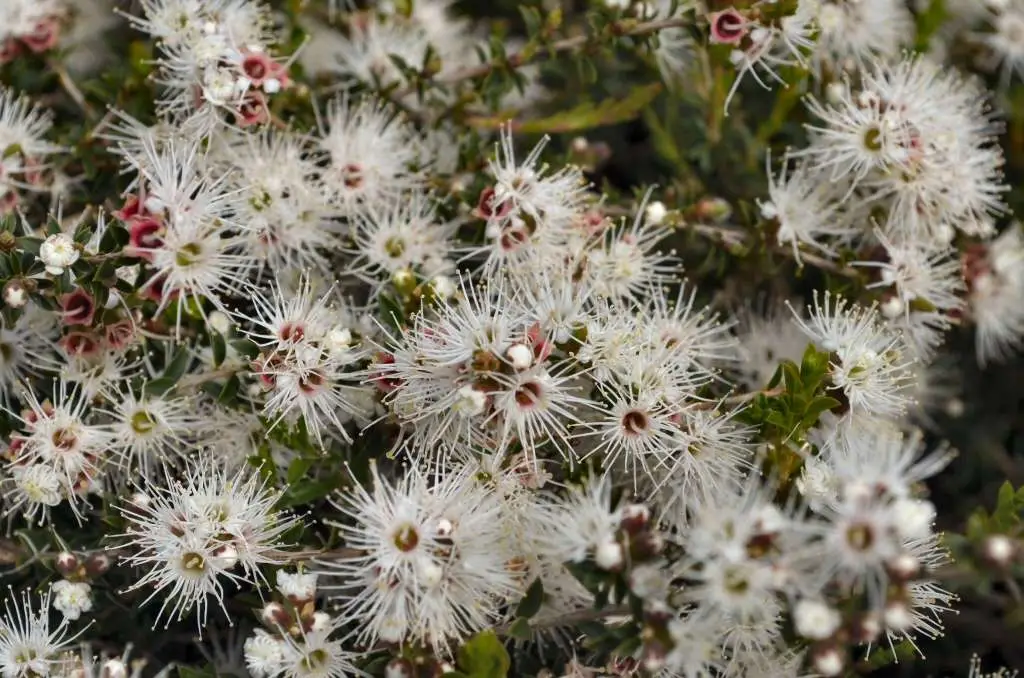
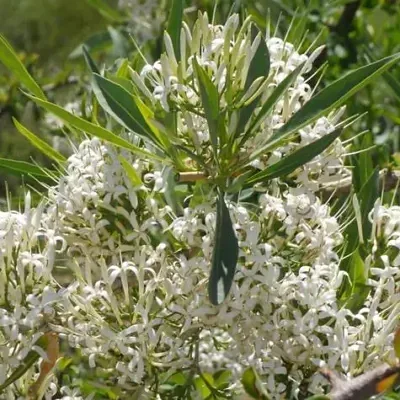
Imagine stepping into your garden in spring and breathing in waves of honey-scented sweetness while golden bees work frantically across clouds of white flowers. This is Kunzea ambigua—a plant with a secret that’s about to transform how you think about homegrown medicine.
Native to the windswept coasts and wild heathlands of southeastern Australia—Tasmania, Victoria, and New South Wales—this evergreen shrub was among the very first Australian natives ever introduced to English gardens. What early botanists recognized, and what the indigenous peoples of Australia have known for centuries, is that this unassuming plant contains a power within its aromatic foliage that rivals the most celebrated medicinal herbs. The species name, ambigua, derives from Latin meaning “obscure,” a poetic reference to its graceful, weeping growth habit—branches that arch like they’re bowing to some invisible audience.
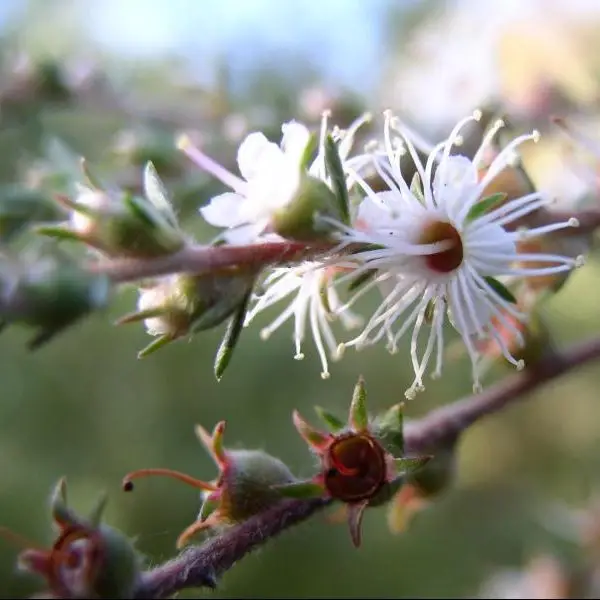
But here’s where Kunzea truly shines: its essential oil. Steam-distilled from the leaves and flowering parts, this precious liquid gold delivers anti-inflammatory, antiseptic, and analgesic properties that have made it increasingly sought by aromatherapists, massage professionals, and natural wellness practitioners worldwide. Unlike the harsher tea tree (a distant cousin), Kunzea’s oil is gentler on sensitive skin while delivering comparable—or superior—therapeutic power. It’s the oil that naturally relieves the deep ache of arthritis and rheumatism when massaged into weary joints; it’s what clears mental fog and restores focus; it’s the aromatic healer that traditionally treated wounds, infections, respiratory complaints, and muscular pain. Modern wellness brands have already discovered it, incorporating Kunzea oil into premium skin creams, therapeutic body balms, and spa-grade formulations. When you grow Kunzea from seed, you’re not just planting a shrub—you’re cultivating your own apothecary. Every leaf carries the potential for extraction, every flower crown that forms from September through January offers future distillation. Some growers harvest and dry the foliage for personal tea blending; others commission small-batch oil extraction. The honey-scented leaves themselves are edible and steeped into a wonderfully aromatic, floral tea with hints of eucalyptus and citrus. And as a bonus: bees adore it, making Kunzea an excellent honey plant that supports pollinators.
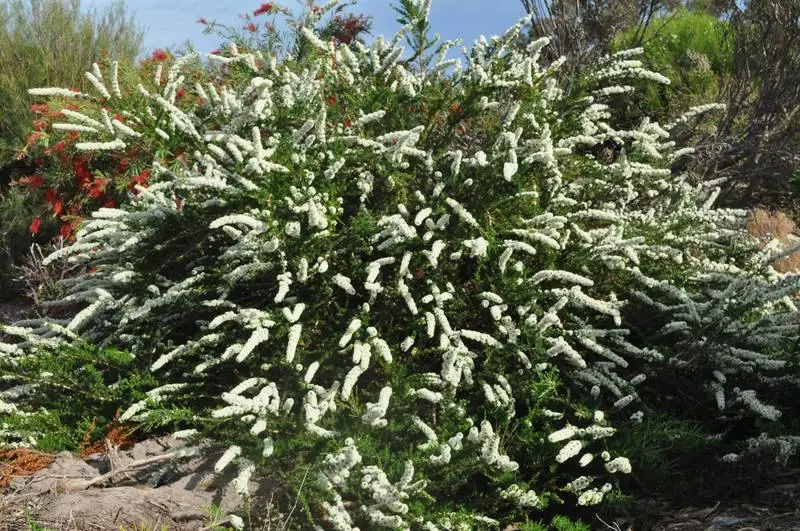
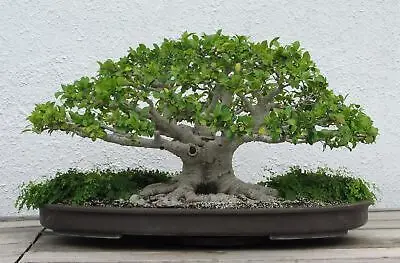
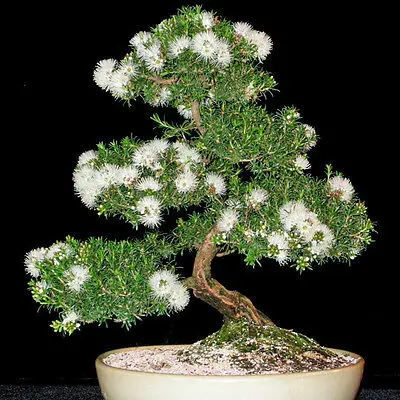
Growing Kunzea ambigua is remarkably straightforward—this is a plant that practically thrives on neglect. It demands full sun to light shade and absolutely requires well-drained soil (sandy loam is ideal), but once established, it becomes drought-tolerant and asks little of you. Young plants are vigorous growers, often reaching 1–2 meters in their first year, eventually forming a spreading shrub 2–5 meters tall depending on conditions. Water deeply during the establishment phase, then step back and let the plant do what it evolved to do. It tolerates moderate to heavy frost, adapts to poor or sandy soils that would frustrate other plants, and seems almost immune to the pests and diseases that plague tender specimens. Prune lightly after flowering to encourage a compact, bushy form and next season’s abundant blooms. In temperate and Mediterranean climates, Kunzea thrives outdoors year-round. For cooler regions, container cultivation works beautifully—it even makes a striking small bonsai specimen.
Hold a seed in your palm. It’s impossibly small, an entire future of fragrant white flowers, therapeutic oil, and gentle, persistent growth compressed into something you could almost lose. Plant it in well-draining seed-raising mix at the ideal germination temperature of 18–22°C, keep it gently moist but not waterlogged, and within weeks you’ll witness the first tender leaves unfurling. By spring, your seedling will be putting on growth. Within months, you’ll be surrounded by the unmistakable honey-scent that draws bees from blocks away. Within a year, you’ll have a sturdy y
Only logged in customers who have purchased this product may leave a review.
Reviews
There are no reviews yet.