
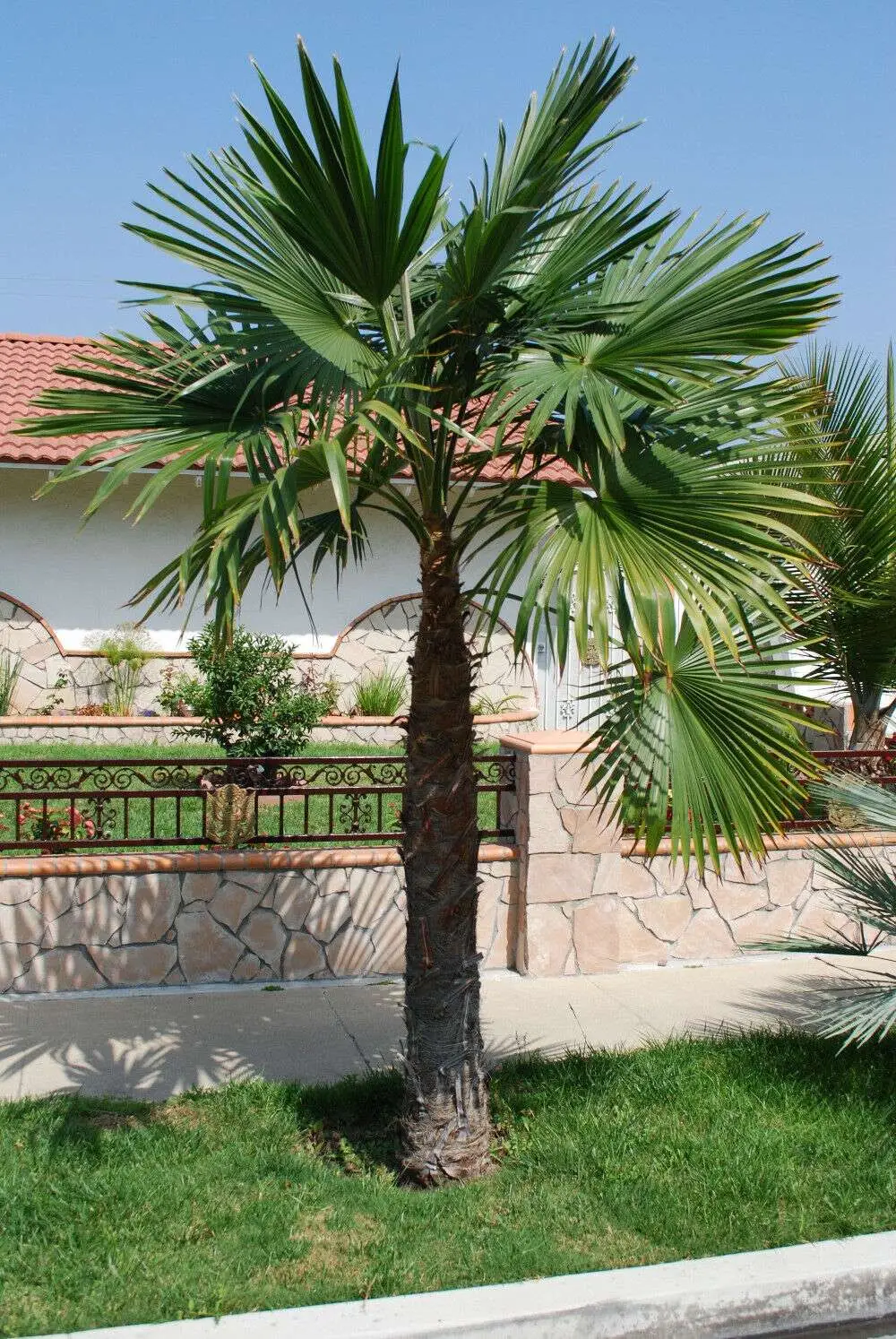
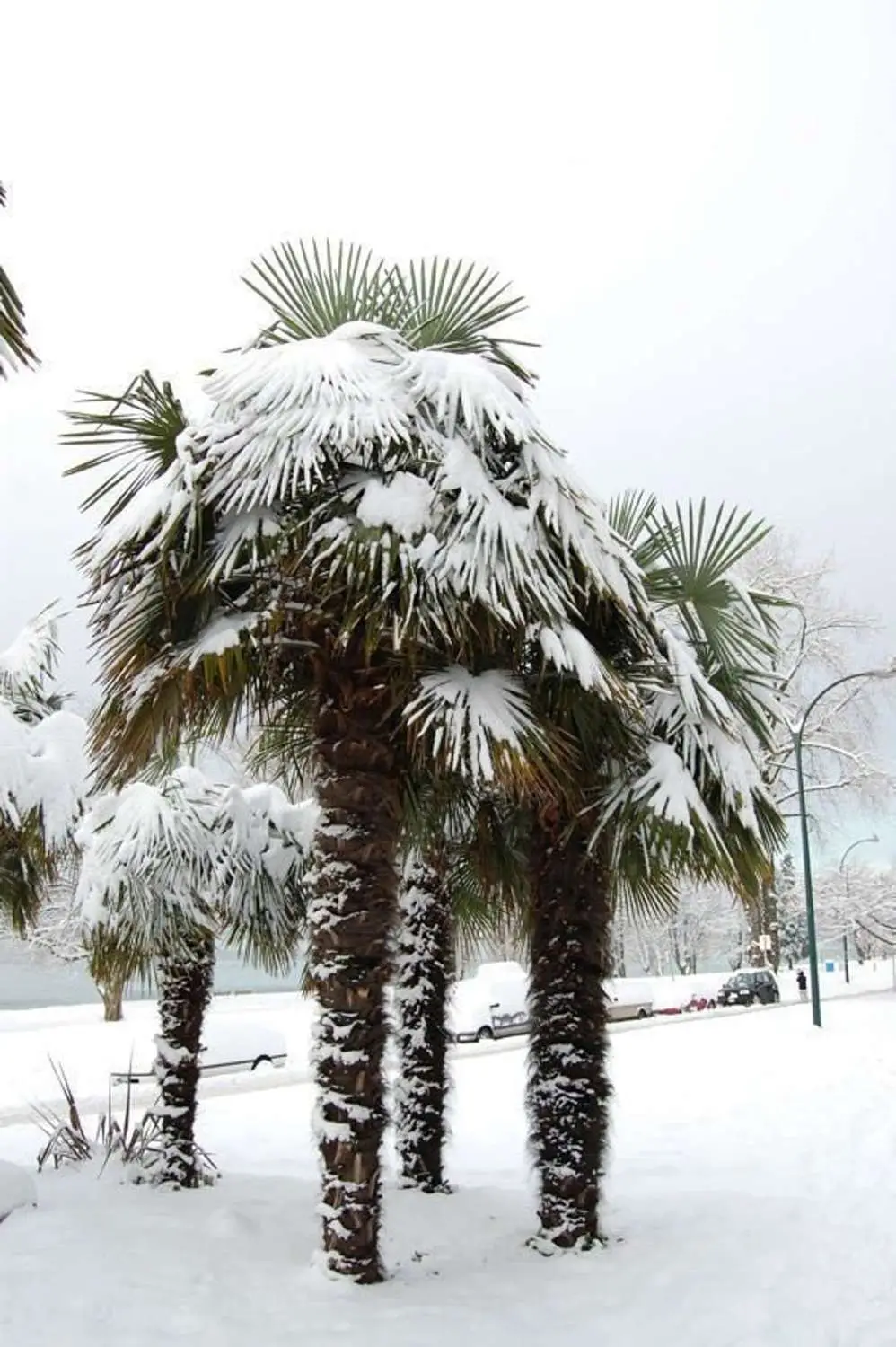
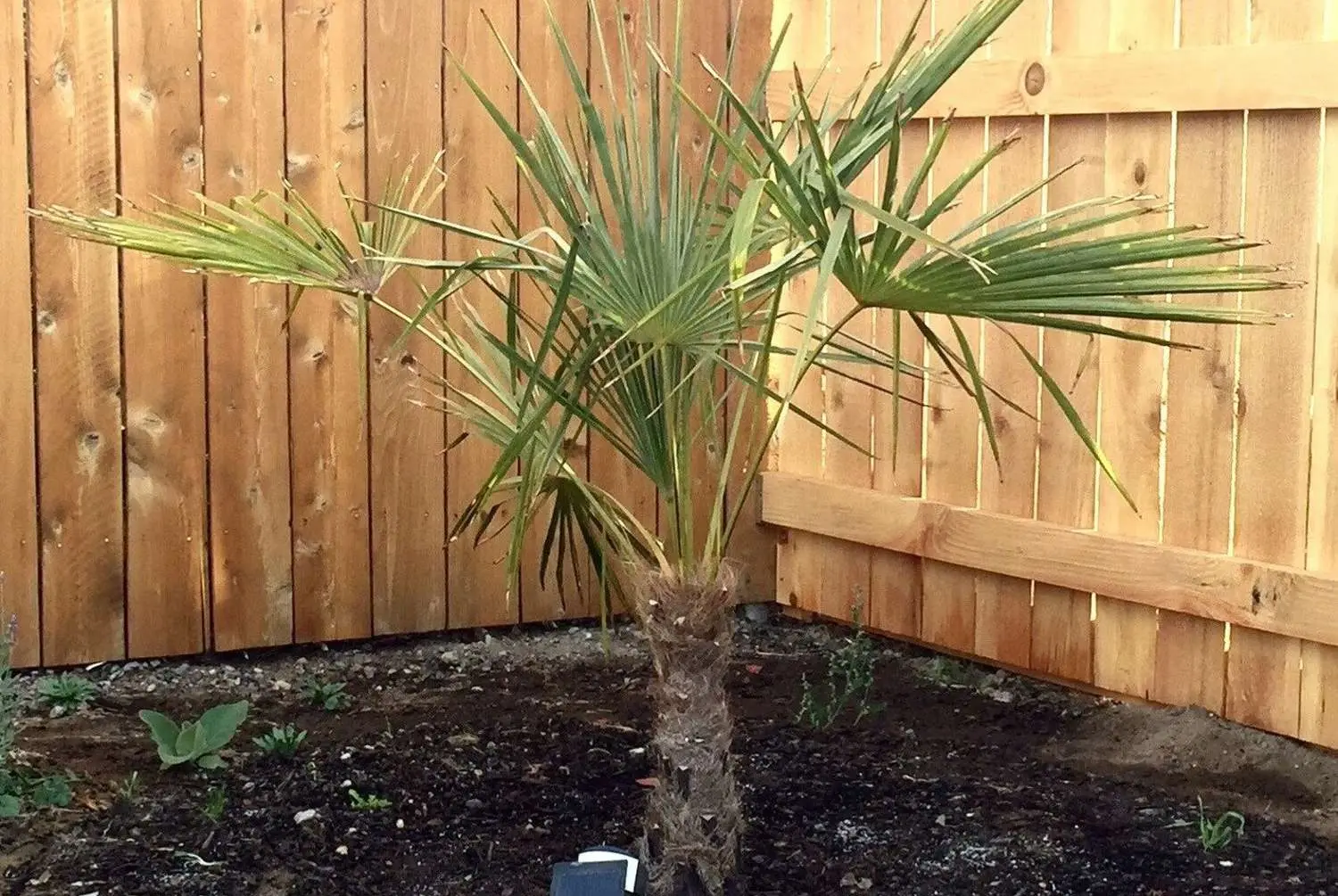
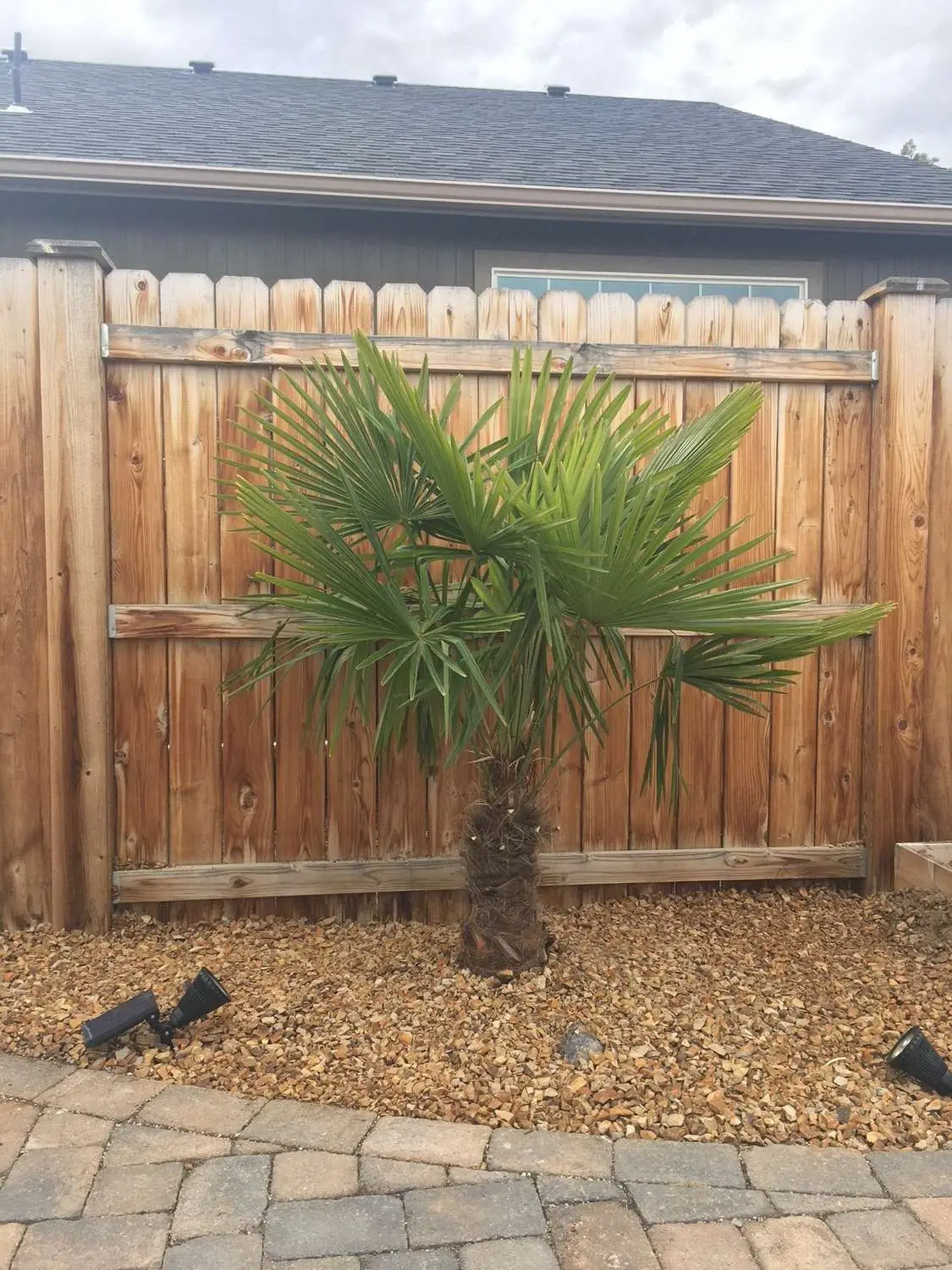
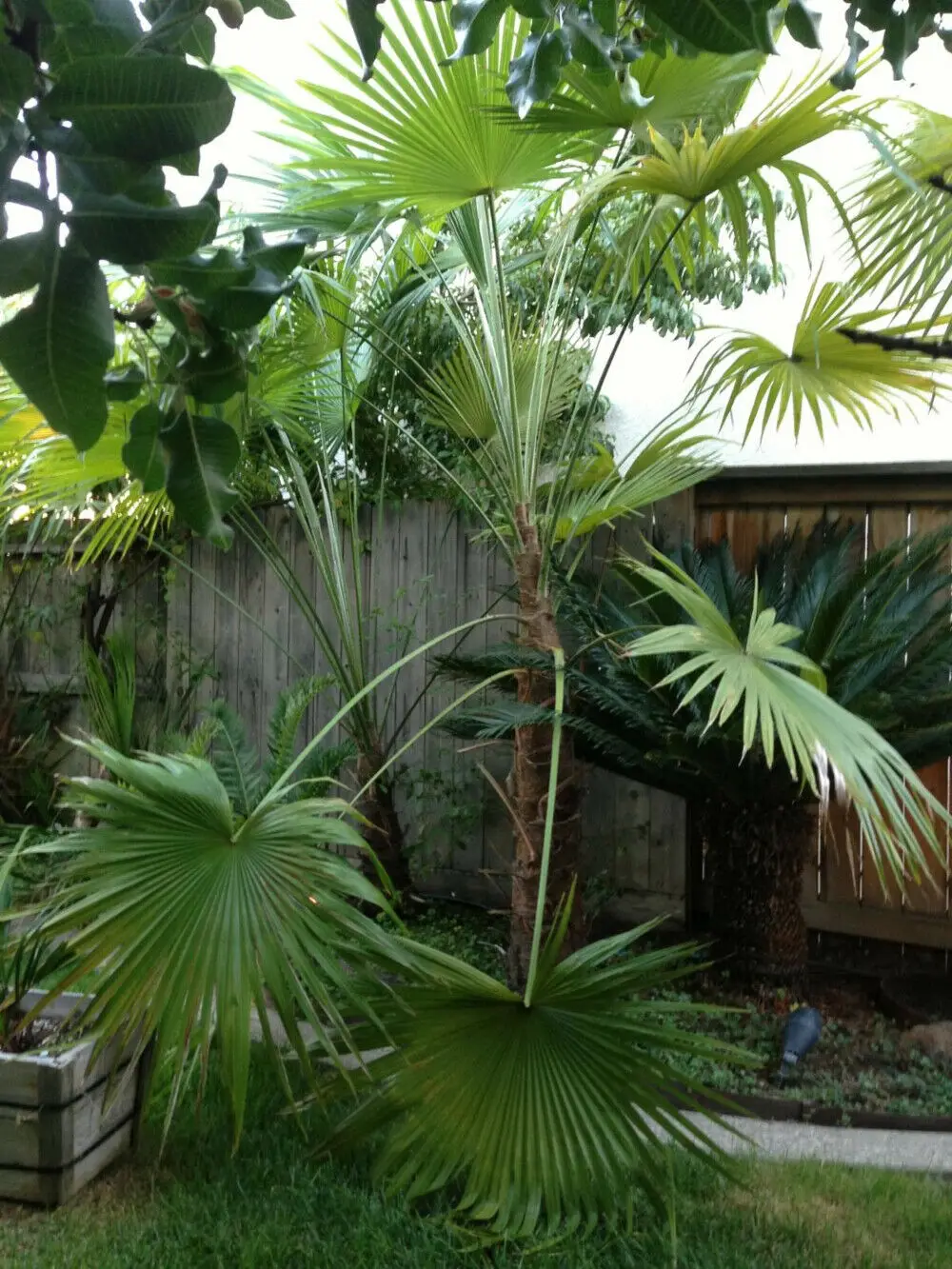
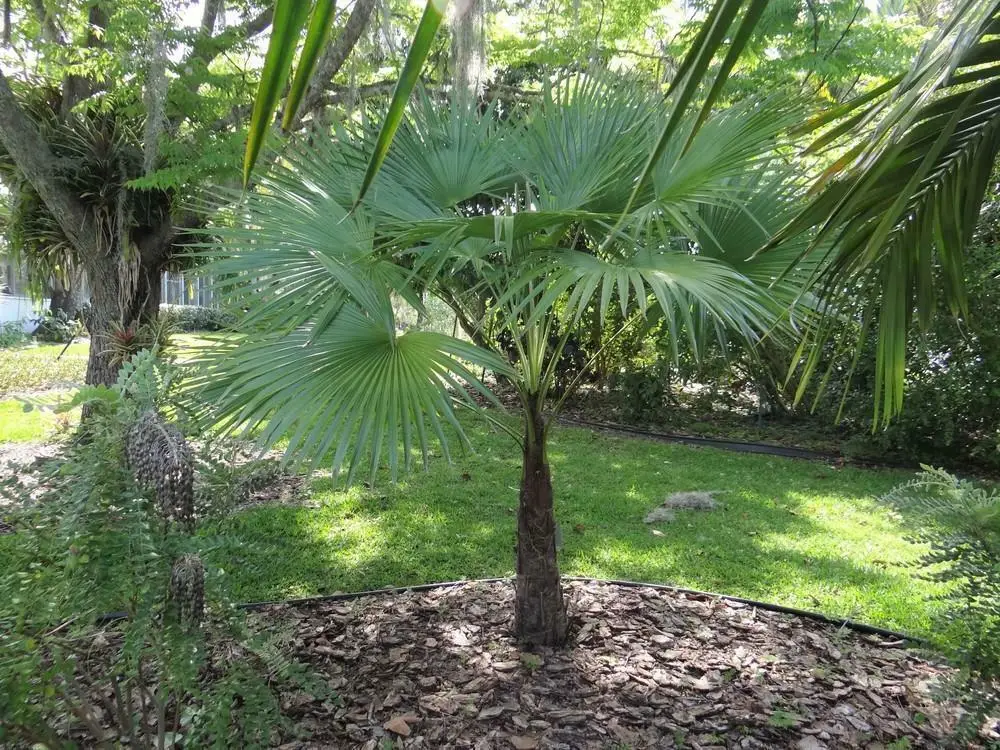
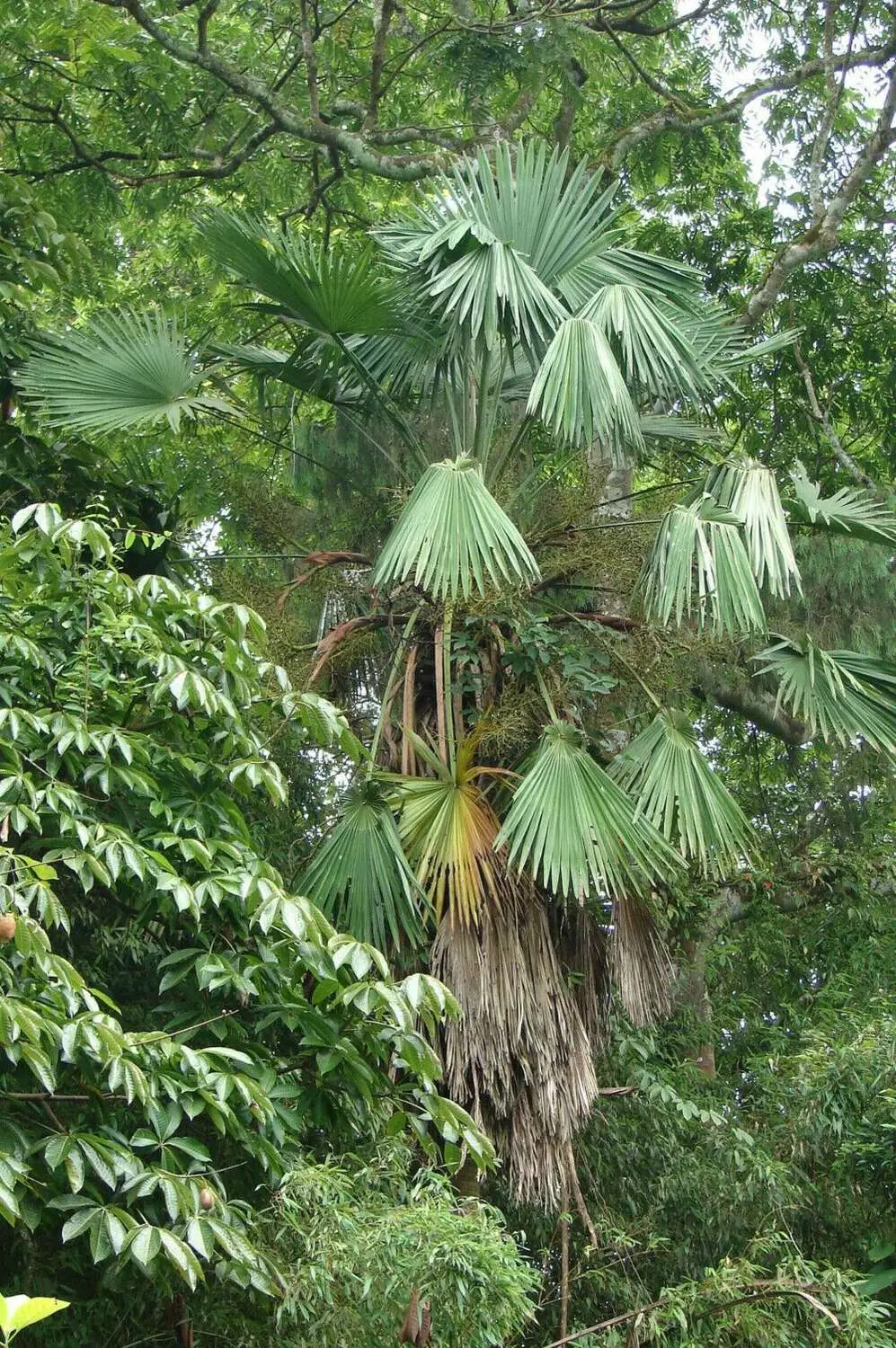
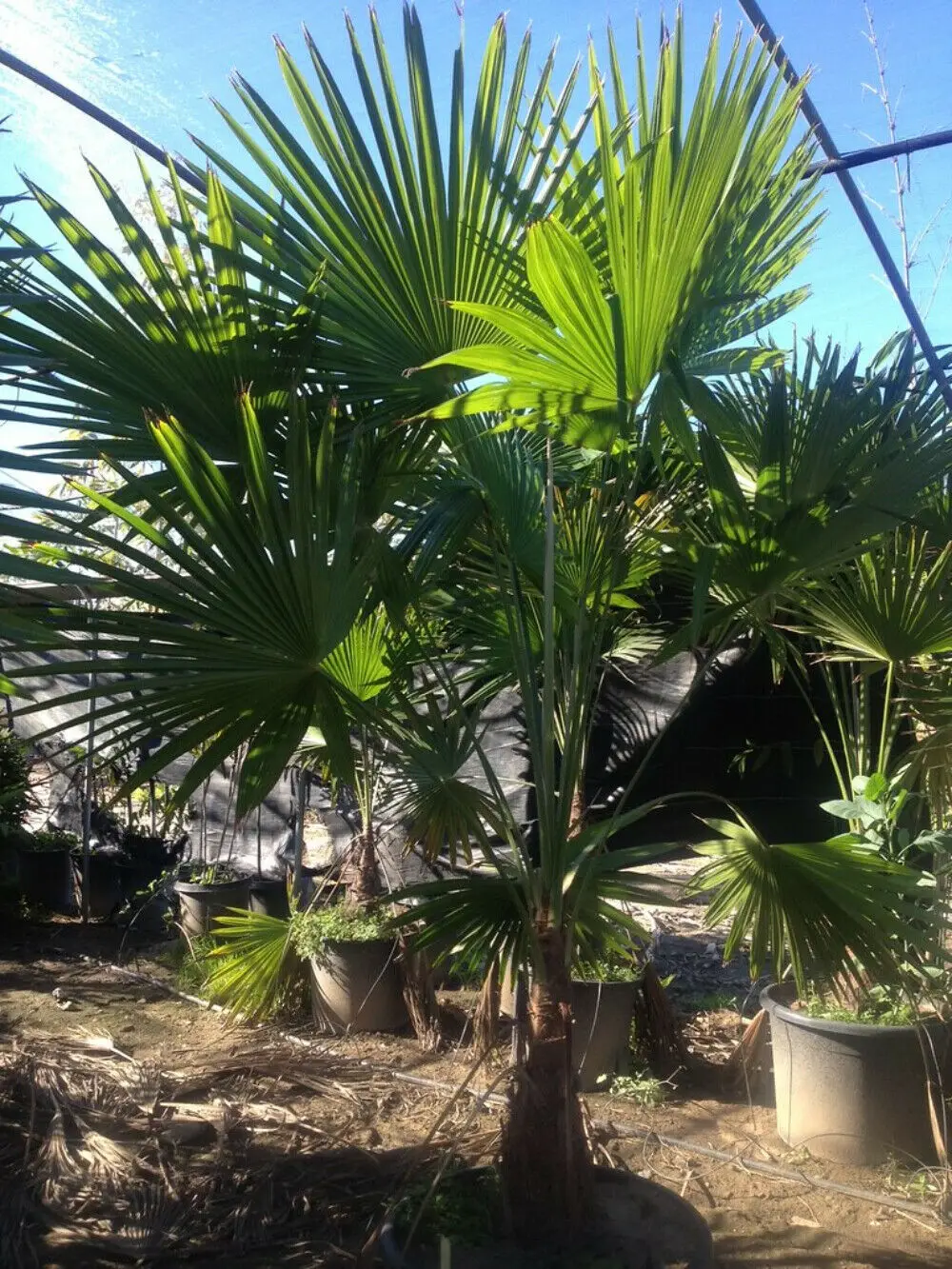
Discover the Windamere Palm—a recently rediscovered Himalayan rarity with massive, nearly-circular leaves that command attention. Broad, silvery-backed segments create unmatched tropical drama, while proven hardiness to -12°C shatters the myth that true palms can’t survive cold. Easy to grow from seed. Plant your own architectural masterpiece.
€3.43
The Windamere Palm was first discovered in cultivation at the gardens of the famous Windamere Hotel in Darjeeling, India—a location so singular that it became the palm’s namesake. Formally photographed and collected for the first time only in 1992 during the Royal Botanic Garden Edinburgh Sikkim Expedition, this is a palm with genuine botanical romance. Remaining in the wild in just one tiny, heavily altered location in the Sikkim Himalayas in north-east India, which is immediately threatened by destruction, it has only recently been introduced into cultivation—you’re not just growing a houseplant, you’re stewarding botanical heritage.
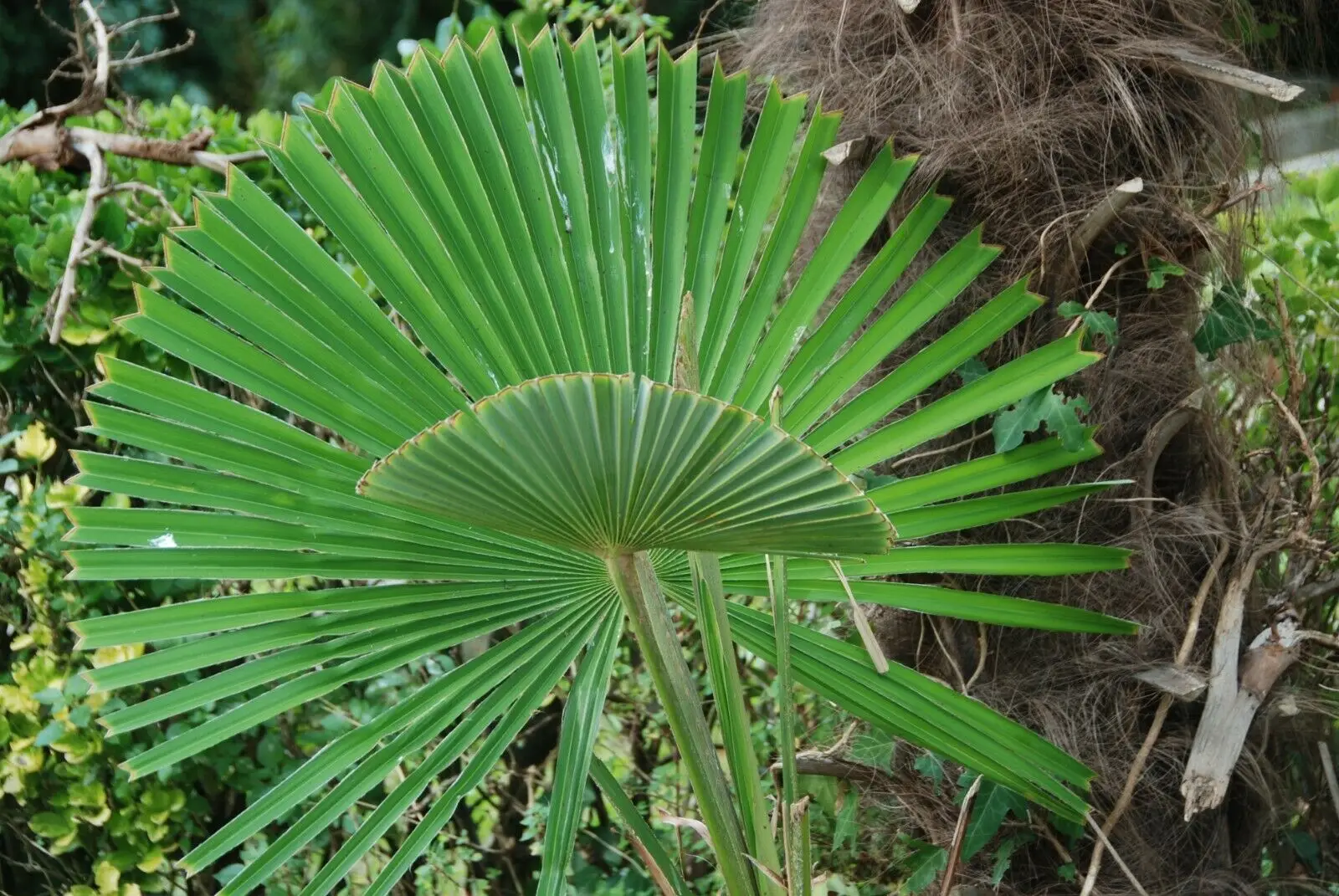
Native to the Darjeeling region’s subtropical mountain forests at elevations of 1,800–2,400 meters in the eastern Himalayas, Trachycarpus latisectus inhabits areas with distinct monsoon influence, heavy summer rainfall, and cool winters with occasional frost, growing on north-facing slopes alongside rhododendrons, oaks, and magnolias. This Himalayan pedigree shaped every aspect of its constitution—a palm built for rigor, not coddling. The species is distinguished by its impressive leaves—the largest in the genus—palmate, measuring 100–150 cm in diameter, nearly circular to slightly wider than long, with the blade divided to about one-third of its length into 45–60 segments that are notably broad (hence ‘latisectus’ = broad segment), 4–6 cm wide, rigid, and dark green above with a silvery-glaucous underside. Unlike finely-cut palms that feel delicate, every leaf is a bold, leathery statement—solid, architectural, utterly commanding. The broad, silvery-backed leaves and thick, fibrous trunk create year-round architectural interest.
This is purely ornamental, but ornamental done perfectly. The Windamere Palm stands as one of the most magnificent hardy palms available to gardeners, combining exceptional cold tolerance with spectacular ornamental qualities, with its massive, broad-segmented leaves creating an unmatched tropical presence even in temperate climates. No special uses, no culinary applications, no medicinal claims—just pure, unapologetic beauty. Grow it for what it *is*: a rare, recently-rediscovered masterpiece that brings the Himalayas into your garden. Flowering occurs in summer on mature plants with beautiful bright yellow flowers, and female plants produce numerous black-violet fruits—seasonal punctuation to the architectural performance.
Its tolerance of temperatures down to -12°C (possibly -15°C) when established makes it suitable for cultivation in USDA zones 7b-11, with successful cultivation centered on three critical factors: excellent drainage (absolutely essential), consistent moisture during growth, and protection from extreme heat rather than cold. Trachycarpus latisectus is cultivated as an ornamental with seeds considered very easy to germinate—they should be soaked for at least 12 hours, then placed in a mixture of moist peat with perlite or vermiculite within a plastic bag, and kept at 18–28°C, with viable seeds sprouting between two and ten months. The tree grows quickly and easily, requiring rich and loamy but well-drained soil, with young plants best grown under some shade. As it does not have an invasive root system, it also grows well in containers, making it perfect whether you have a temperate garden or simply want to nurture something extraordinary indoors for years before planting it out. The early years demand attention—protection from harsh winds, thoughtful watering—but it’s a beautiful species well worth persevering with.
Start from
Only logged in customers who have purchased this product may leave a review.

Reviews
There are no reviews yet.