
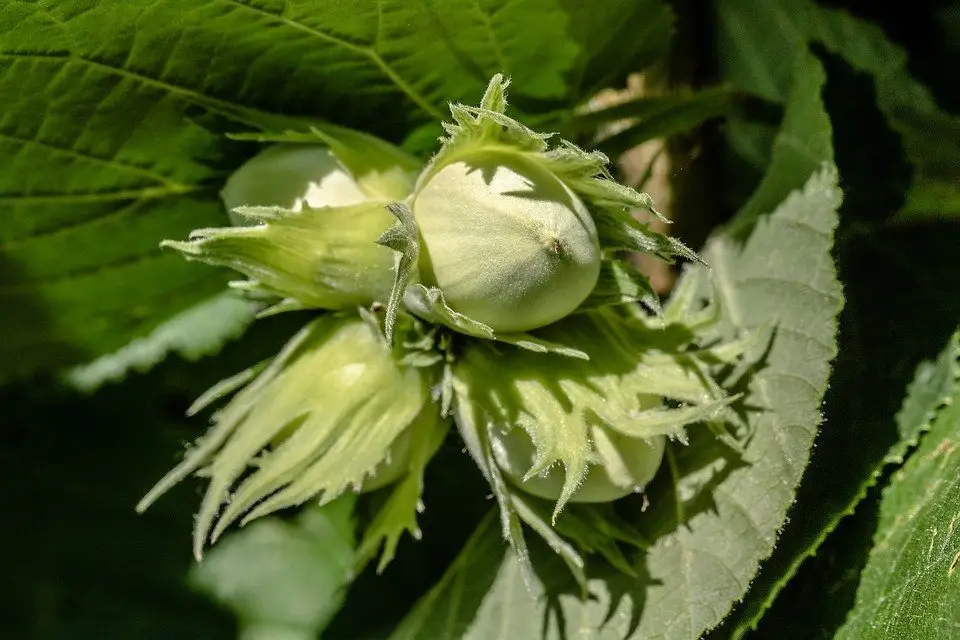
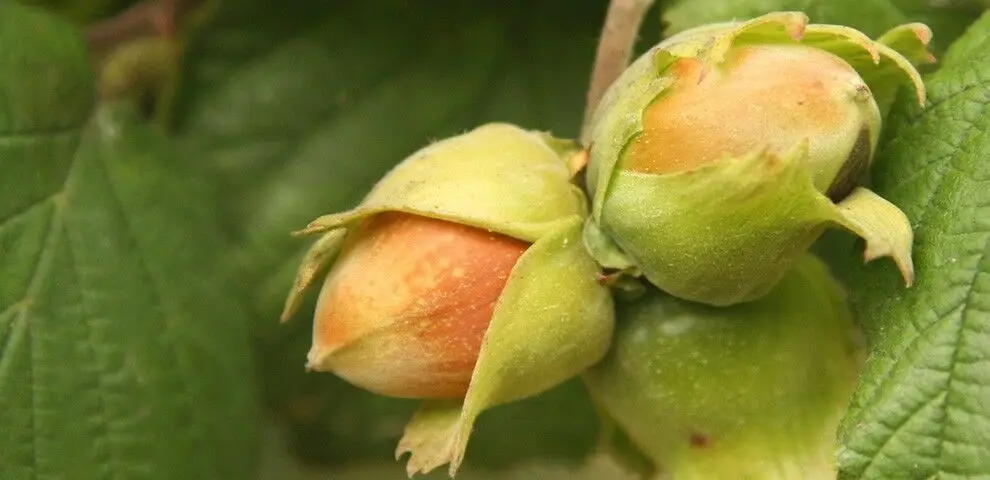
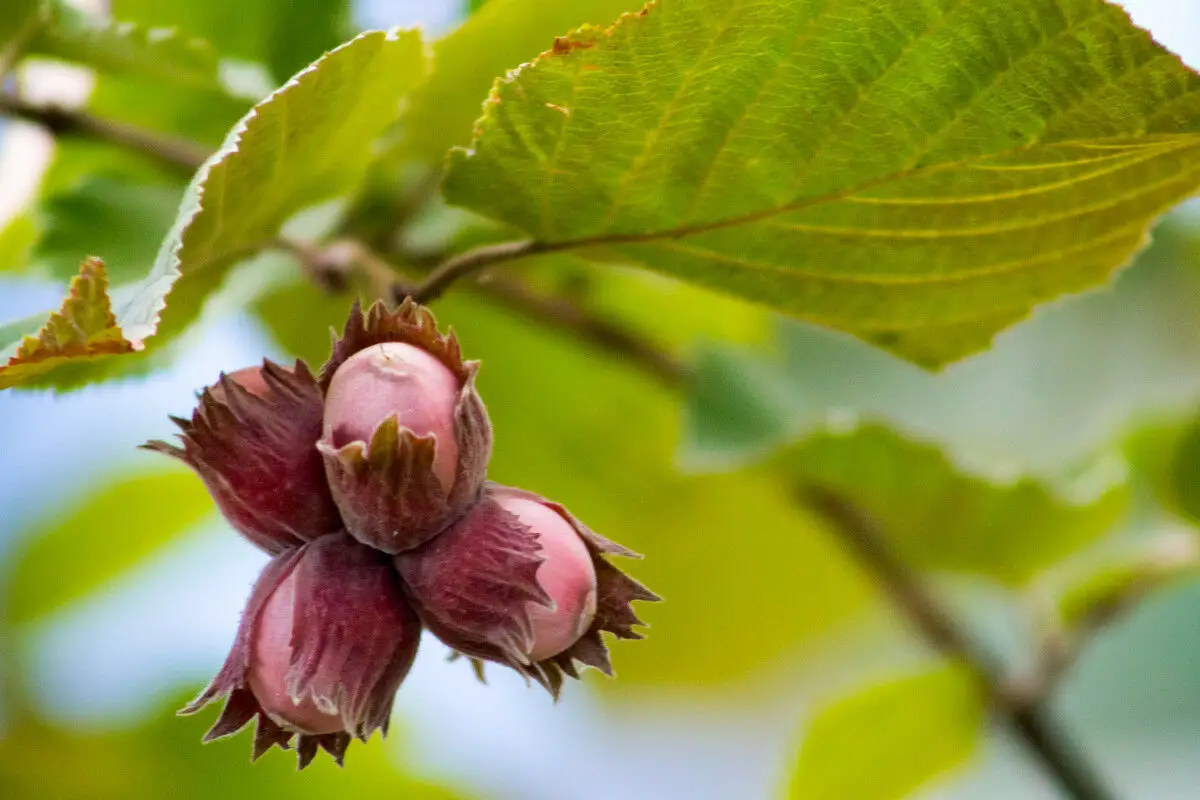
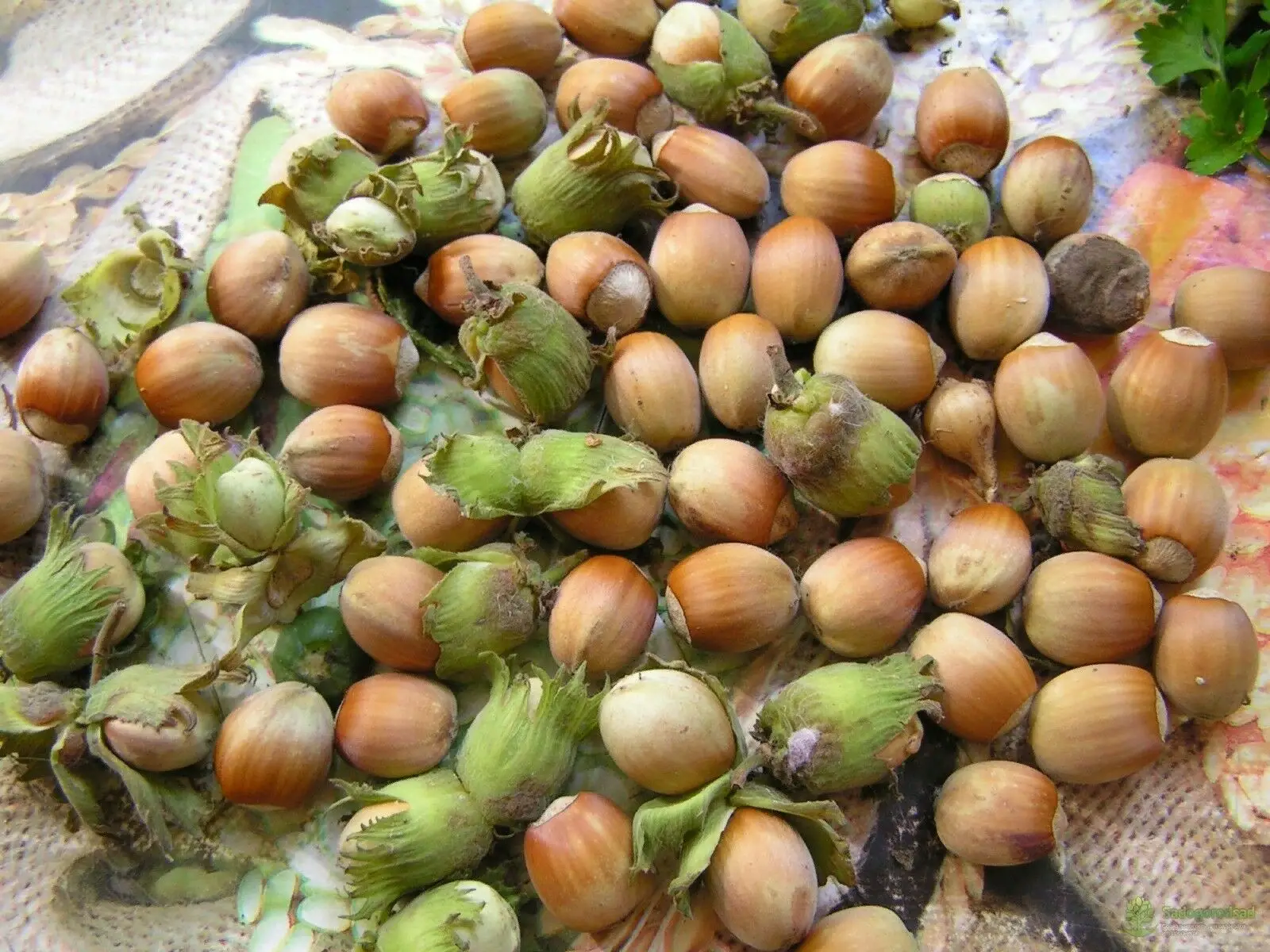
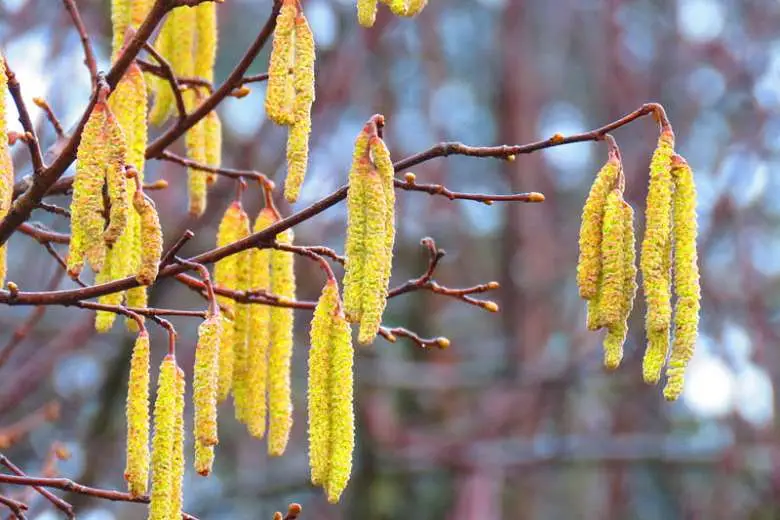
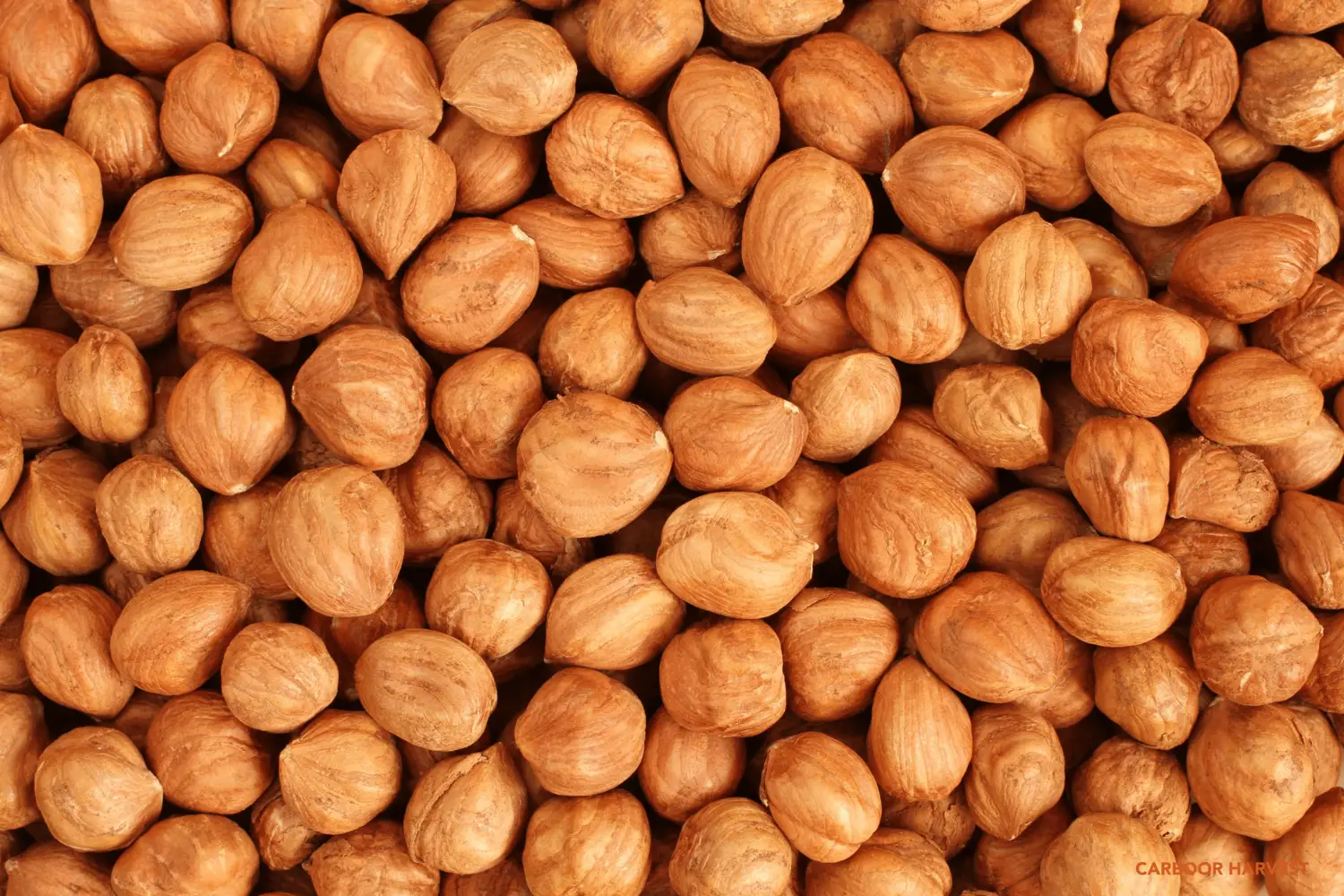
Grow the world’s most beloved edible nut from seed. Corylus avellana rewards patient hands with rich, buttery hazelnuts—roasted, raw, or ground into silk-smooth pastes—plus a winter-long display of golden catkins that dance before the leaves return. This temperate-climate treasure thrives in full sun and well-drained soil, producing generous harvests within 3–5 years. Begin your hazelnut legacy today.
€5.77
Corylus avellana is the gateway to a life of nutted abundance—a shrub that gives back year after year, century after century. From a single seed, you’re cultivating an edible monument; from a mature tree, a harvest that transcends seasonality and speaks to survival, pleasure, and history all at once.
Native to the woodlands and hedgerows of Europe and Western Asia, Corylus avellana carries centuries of human partnership in its very wood. The species name—avellana—traces back to the ancient Italian town of Avella, prized since Roman times for its hazel groves. The Greek poet Virgil himself praised the skill required to grow them well. That’s not idle poetry: hazelnuts have fed civilizations. Chinese manuscripts from 5,000 years ago sing their praise. Medieval and early modern Europeans—from Kent to Stockholm—harvested them for export and estate wealth. These aren’t just nuts; they’re heirlooms.
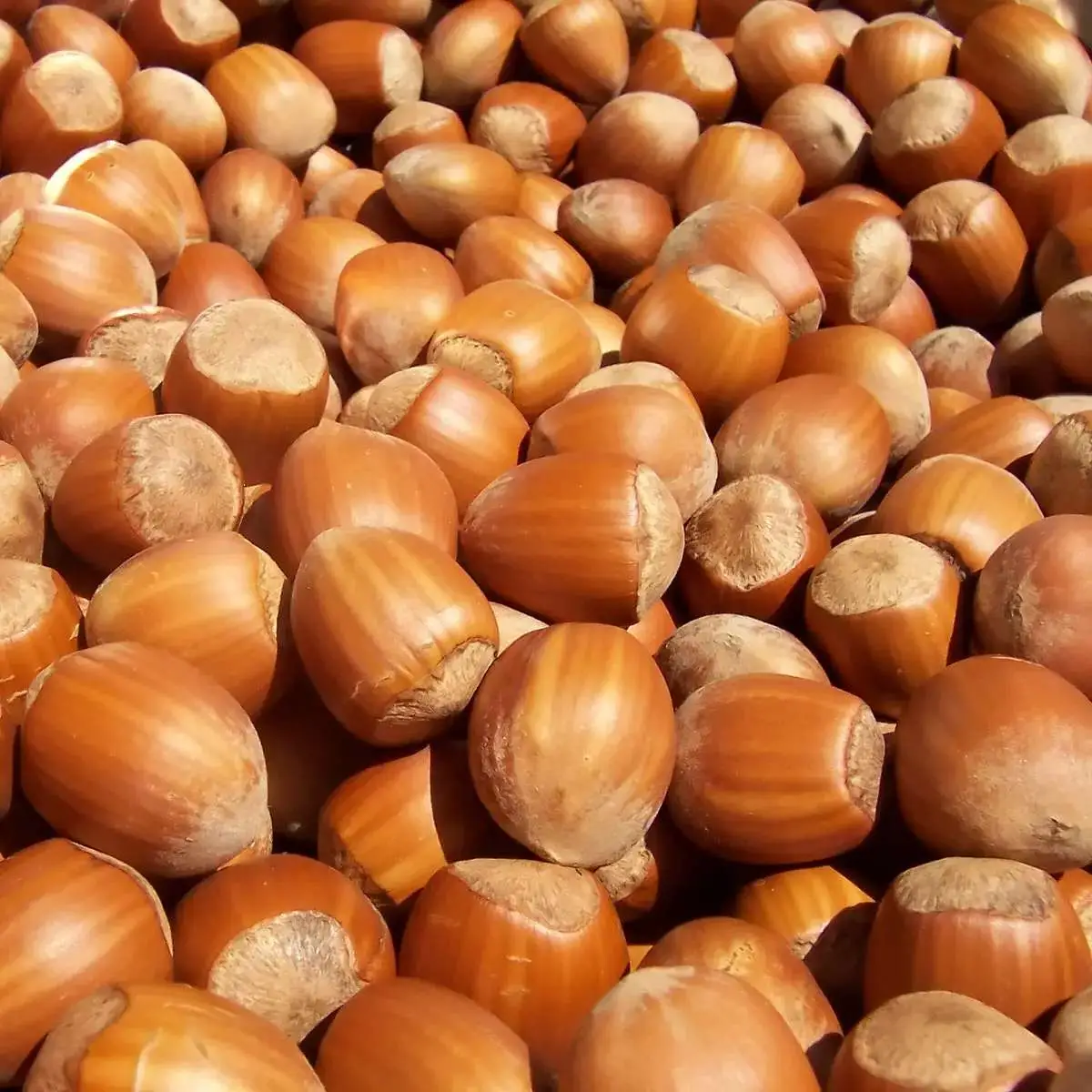
But here’s where passion meets practicality: the culinary power of Corylus avellana is almost supernatural. The kernel is edible raw, roasted, or ground into a pale butter that rivals anything commercial chocolate makers can achieve. Hazelnuts are rich in monounsaturated fats, vitamin E, and bioactive phenols that support heart health and cognitive function. You can press them for oil that anchors salads, blend them into milk that rivals any store brand, grind them into flour for baking, infuse them into spirits (Frangelico did)—or simply crack and eat them whole, warm from the shell. The flavor is nutty, buttery, complex, with a depth that makes hazelnuts the natural companion to chocolate, caramel, and dark roasts. This is the nut that built Nutella’s empire. Imagine harvesting your own. Imagine a bowl on your table, your own hands inside the husk. Unlike almonds or walnuts, hazelnuts don’t compete for industrial attention; they remain honest, artisanal, almost intimate. Grow them and you’re not just farming—you’re joining a 5,000-year continuum of deliberate pleasure.
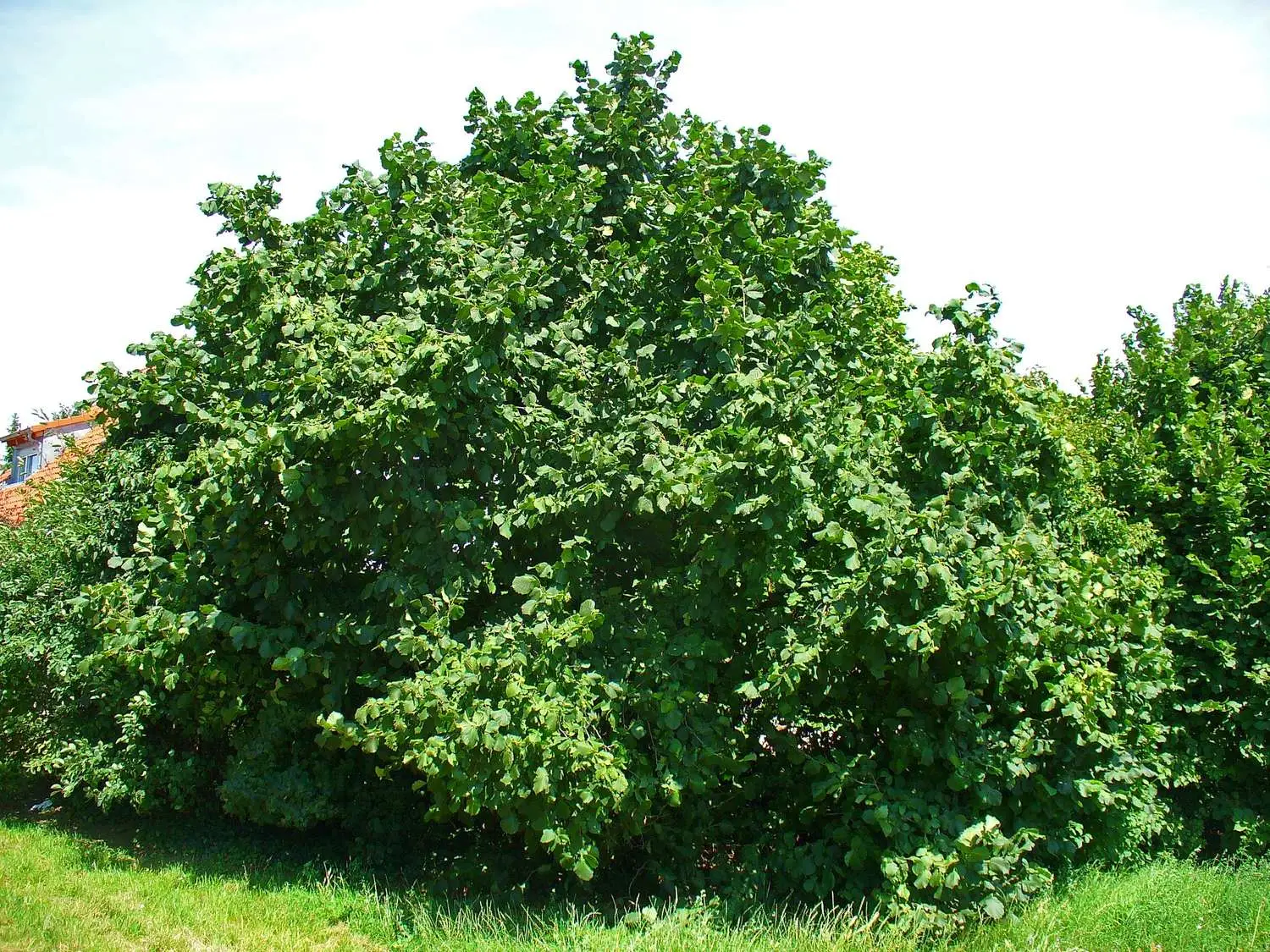
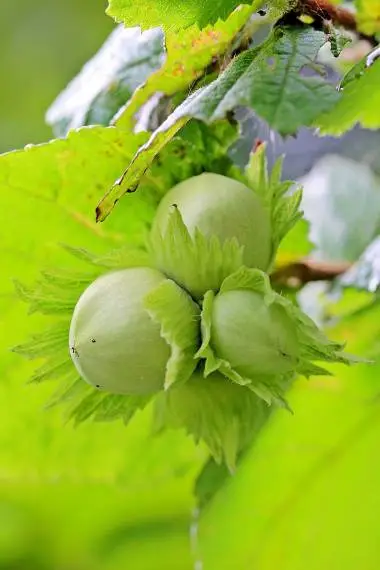
Growing Corylus avellana is surprisingly forgiving for a tree that yields such treasure. Plant in full sun—at least 6–8 hours daily feeds the sugar in the nuts—in well-drained, loamy soil with a pH around 6.0–6.8. The shrub is deciduous and hardy, tolerating temperate winters without drama. Water deeply during establishment (especially the first season), then rely on natural rainfall in humid climates. The plant grows 3–4 meters tall in managed form, but you control the shape: prune for a multi-stemmed shrub, or develop a single trunk. Bonsai enthusiasts have discovered that Corylus avellana converts beautifully to miniature form, producing real nuts on trees mere feet tall—a winter-blooming specimen that doubles as a functional food garden. Mature trees can live 40–60 years or longer with light coppicing. Expect your first nuts in 3–5 years, with production ramping steadily after. Note: hazels are wind-pollinated and need a second compatible variety nearby for nut set, so plan for two trees (or two cultivars) if yield matters.
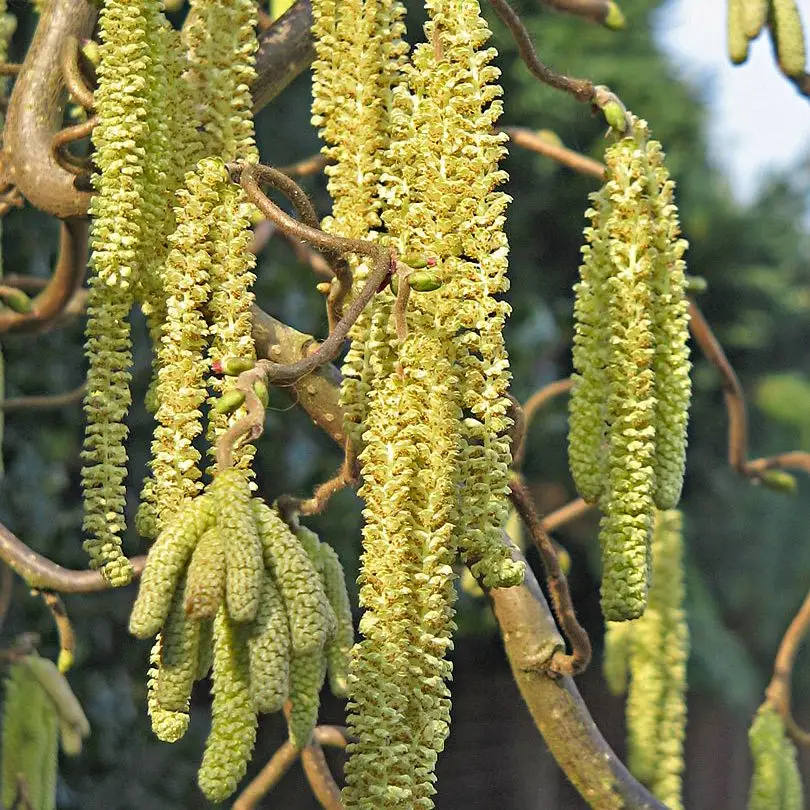
Start from seed and you’re not rushing. You’re joining an ancient practice—one that rewards patience with autonomy, beauty, and a taste of genuine nourishment. The golden male catkins will arrive in your first dormant season, a promise of springs to come. By your fifth season, you’ll harvest your first intimate bowlful—hazelnuts you grew from a seed no bigger than a thought. That’s not just gardening. That’s alchemy.
Only logged in customers who have purchased this product may leave a review.
Reviews
There are no reviews yet.