
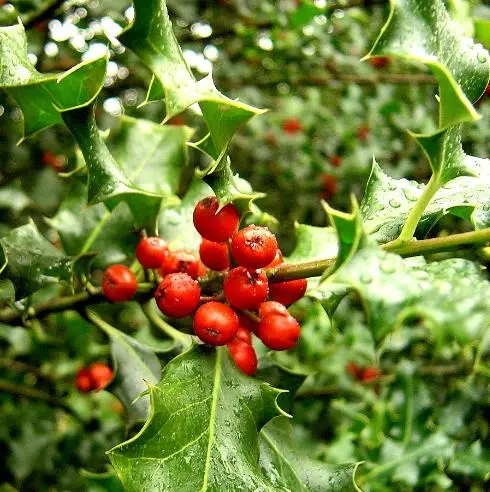

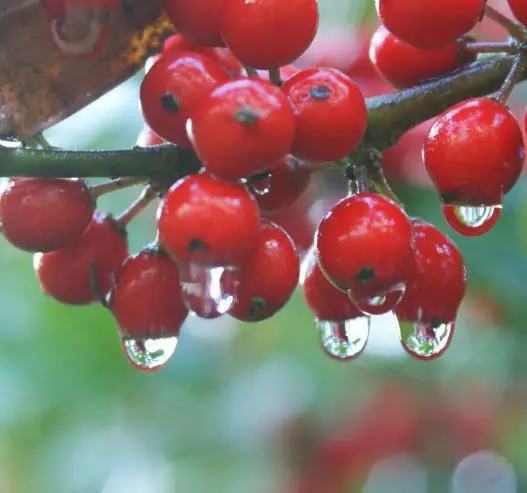
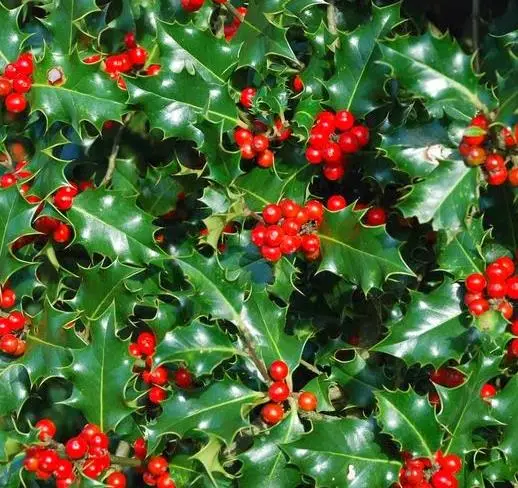
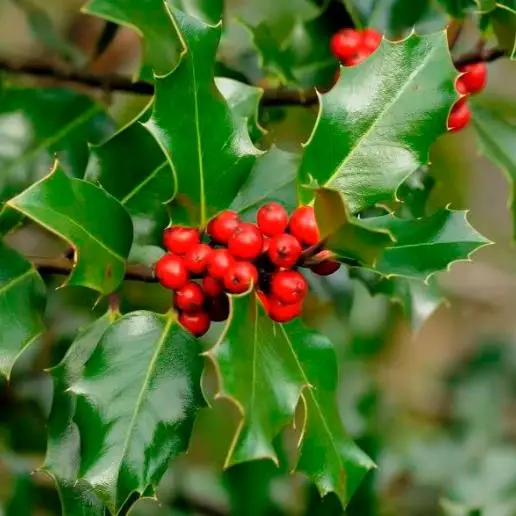
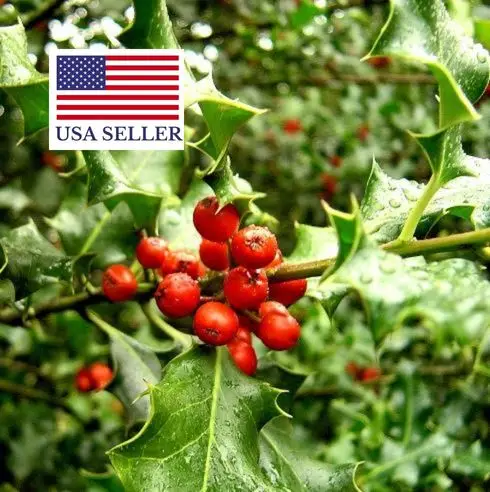
Grow the icon of winter—a living masterpiece of obsidian-bright foliage and scarlet berries that transform your garden into a sanctuary for hungry bees and birds. This easy-to-grow evergreen thrives in nearly any soil, bringing year-round structure and unmatched seasonal drama. Female plants produce those legendary ruby drupes that poets have sung about for centuries. Start from seed and watch a legend take root.
€1.92
Imagine a tree that has captivated gardeners for over a thousand years, that European kings planted as a symbol of eternal life, and that continues to steal the show in winter when everything else surrenders to frost.
Ilex aquifolium—the English Holly—is the archetype, the original, the gold standard of winter ornamentals. Native to the forests of western and southern Europe, it is one of the precious few native hardwood evergreens of the British Isles, a pioneer species that claims the margins of forests and thrives in conditions where other plants fail. Its botanical name itself tells the story: *aquifolium* means “needle-leaved,” a poetic reference to the architecture that makes this plant unmistakable and unforgettable.
But what truly distinguishes English Holly in the modern landscape is its unparalleled role as a living gateway for pollinators and wildlife. The tiny, creamy-white flowers that emerge in late spring are irresistible to bees, wasps, flies, and butterflies—a precious nectar source when so many gardens have become ecological deserts. Once fertilized by these vital insects, female plants explode into clusters of brilliant red berries (or occasionally golden yellow or orange) that persist through the entire winter. These fruits become a critical food source for birds when natural resources are scarcest: thrushes, robins, finches, and countless other species depend on holly’s generosity during the frozen months. The spiny foliage offers shelter and nesting sites that predators cannot penetrate. A single mature Holly can sustain an entire neighborhood’s bird population through winter—a gift of life wrapped in emerald armor.
Visually, the plant is absolutely stunning. Leaves are thick, leathery, glossy as patent leather, with a deep forest-green that never fades. Young plants often display dramatic spiny margins—nature’s own defense system—while mature trees may produce smoother leaves, a fascinating adaptation that scientists now understand as epigenetic expression: the plant literally switches its genes on and off in response to grazing pressure and environmental stress. The bark is smooth and silver-grey, aging into textured elegance. When berries arrive, they sit like rubies against that obsidian foliage, providing a color contrast so pure it seems almost unreal. For gardeners who long for winter interest when autumn leaves are gone and spring seems impossibly distant, Holly is salvation.
Growing English Holly is remarkably forgiving. The plant accepts almost any well-drained soil—clay, sand, loam, even nutrient-poor ground—and thrives in partial shade to full sun. It is hardy to USDA Zone 6 and tolerates a wide range of conditions, asking only that you avoid waterlogged roots (the one genuine hardship it cannot abide). Growth is slow and steady, never aggressive, making it perfect for long-term planning. Once established, it requires minimal care: no fussy fertilizer regimens, no constant pruning, no pest outbreaks. The tree grows 30–50 feet if left unpruned, but responds beautifully to shaping, making it ideal as a specimen tree, a formal hedge, a topiary canvas, or a container plant for those with smaller gardens. Many cultivars offer stunning variegated foliage—creamy white margins, golden edges, silvery centers—giving you endless aesthetic options. Over 200 cultivars exist; few plants offer such rich ornamental variety.
Note: Holly is dioecious, meaning male and female flowers live on separate plants. To ensure those legendary berries appear, plant a female specimen alongside a compatible male pollinator. This is not a burden—it is an opportunity. Imagine cultivating both the fruit-bearer and the pollen-donor, participating directly in the dance of reproduction that brings birds and bees to your garden every winter.
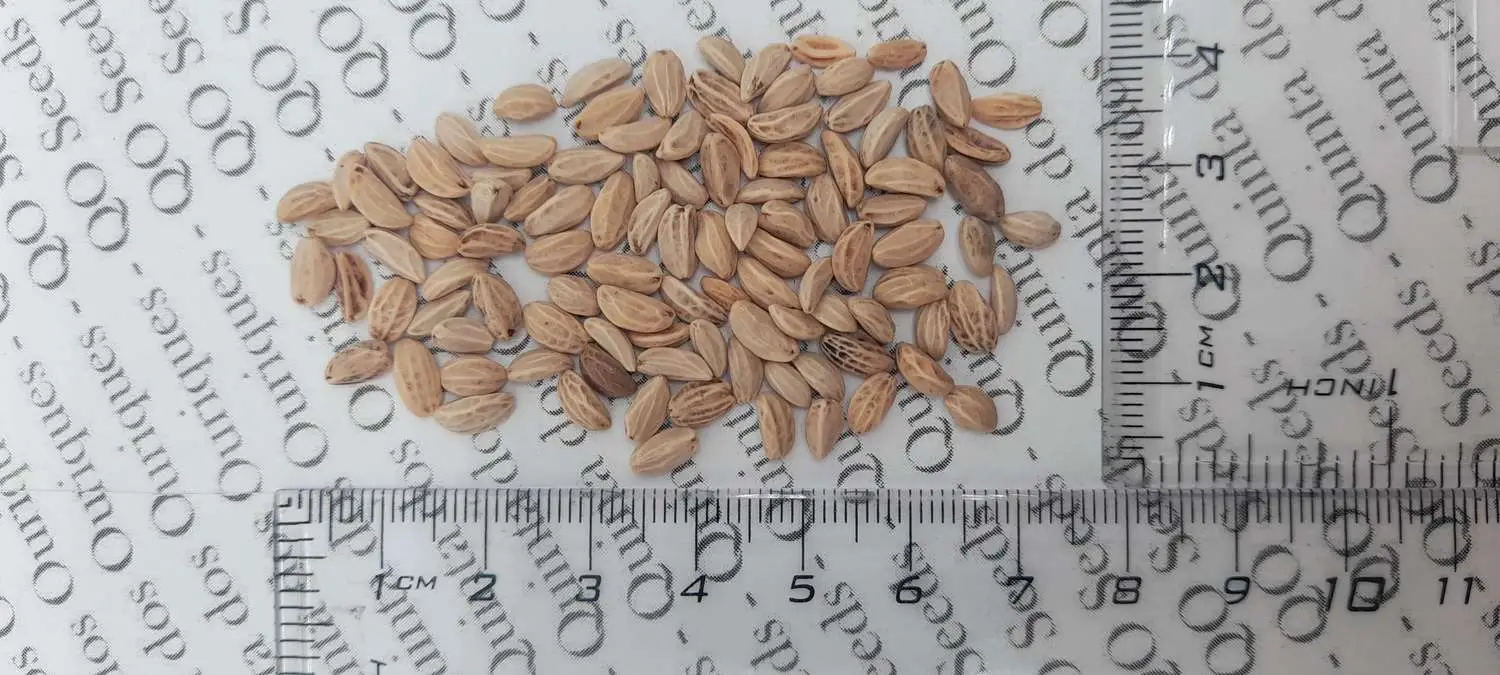
From seed, Holly teaches patience and persistence—virtues any true gardener understands. The seeds require warm stratification followed by a cold period before germination, a journey tha
Only logged in customers who have purchased this product may leave a review.
Reviews
There are no reviews yet.