
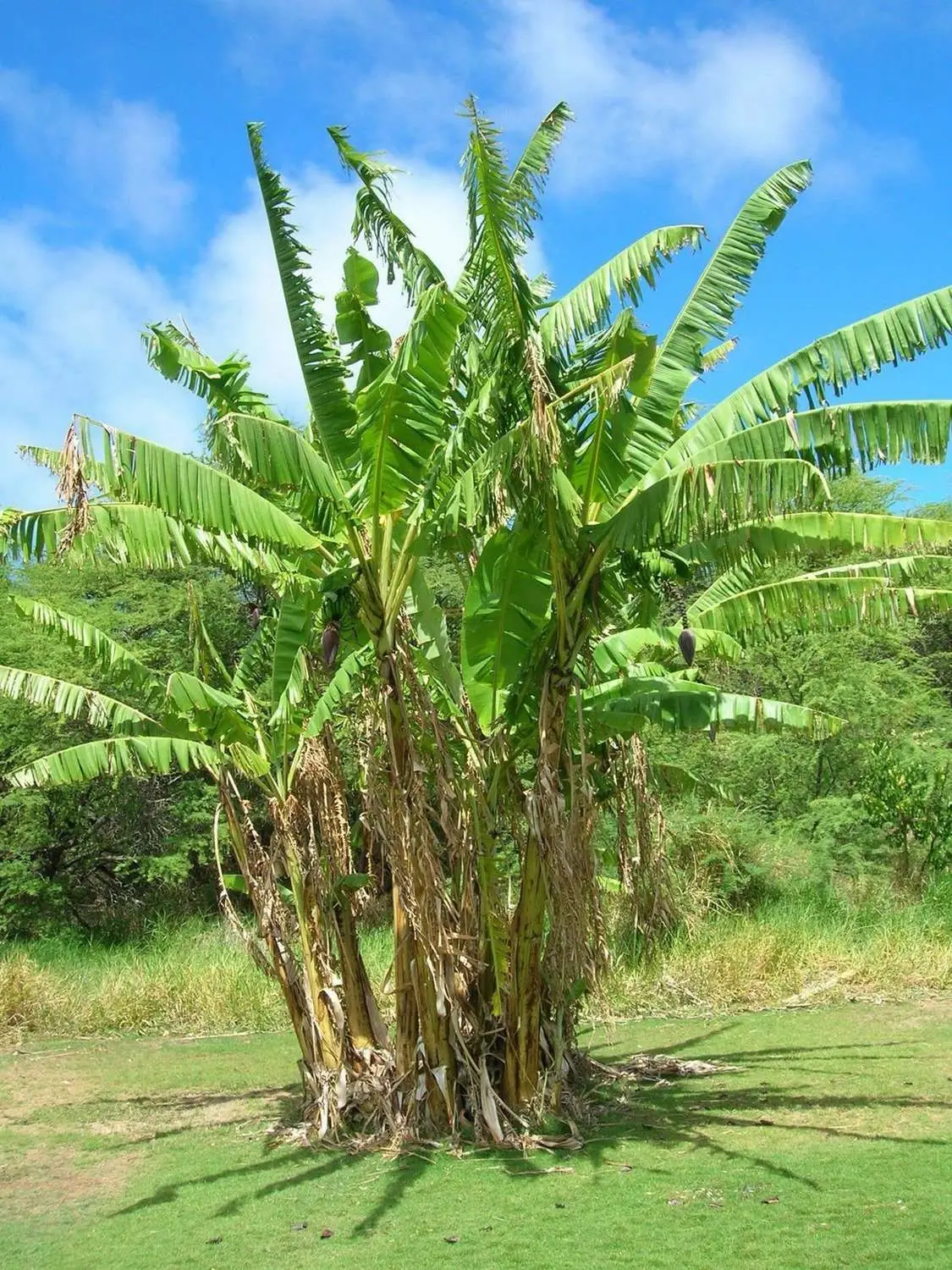
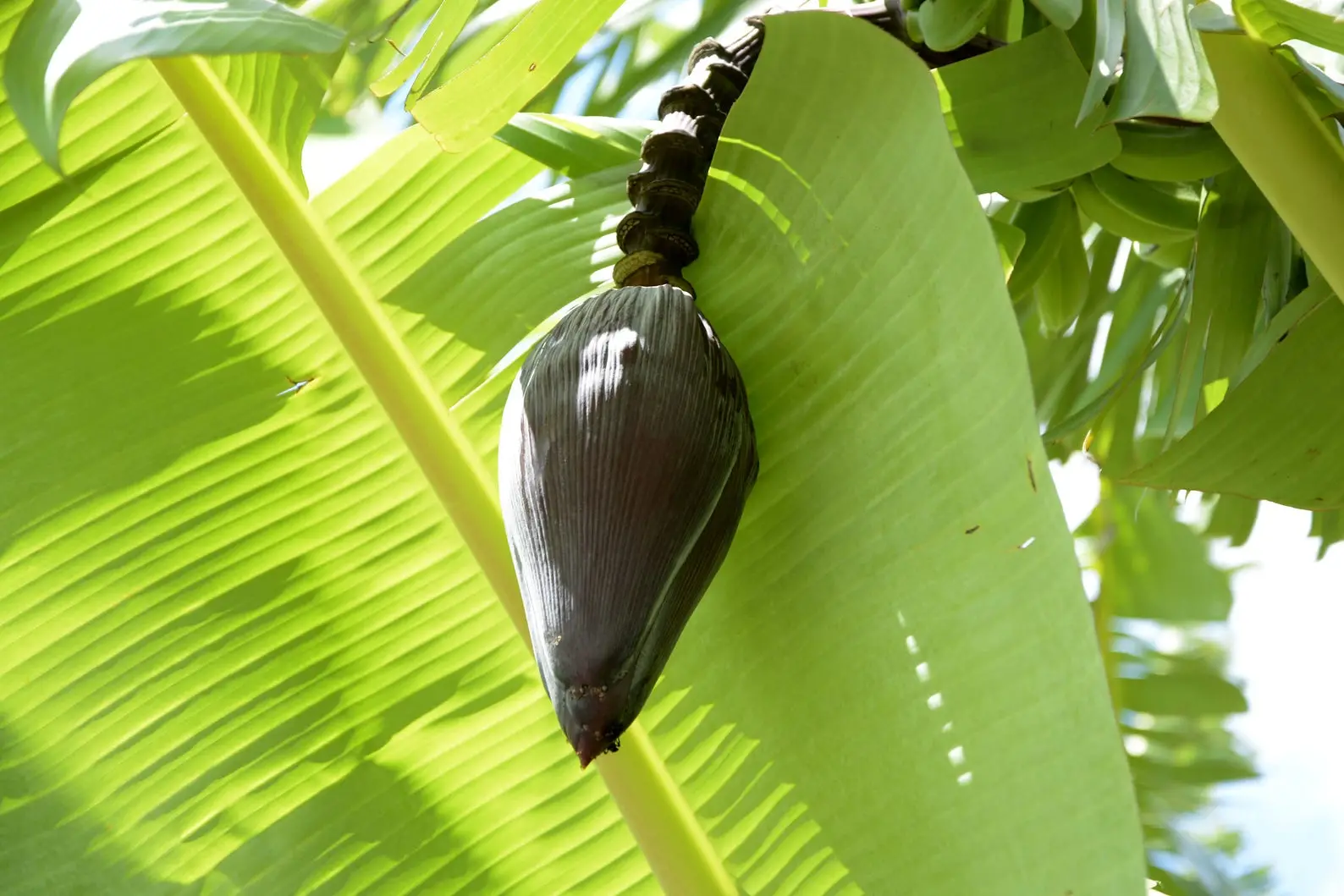
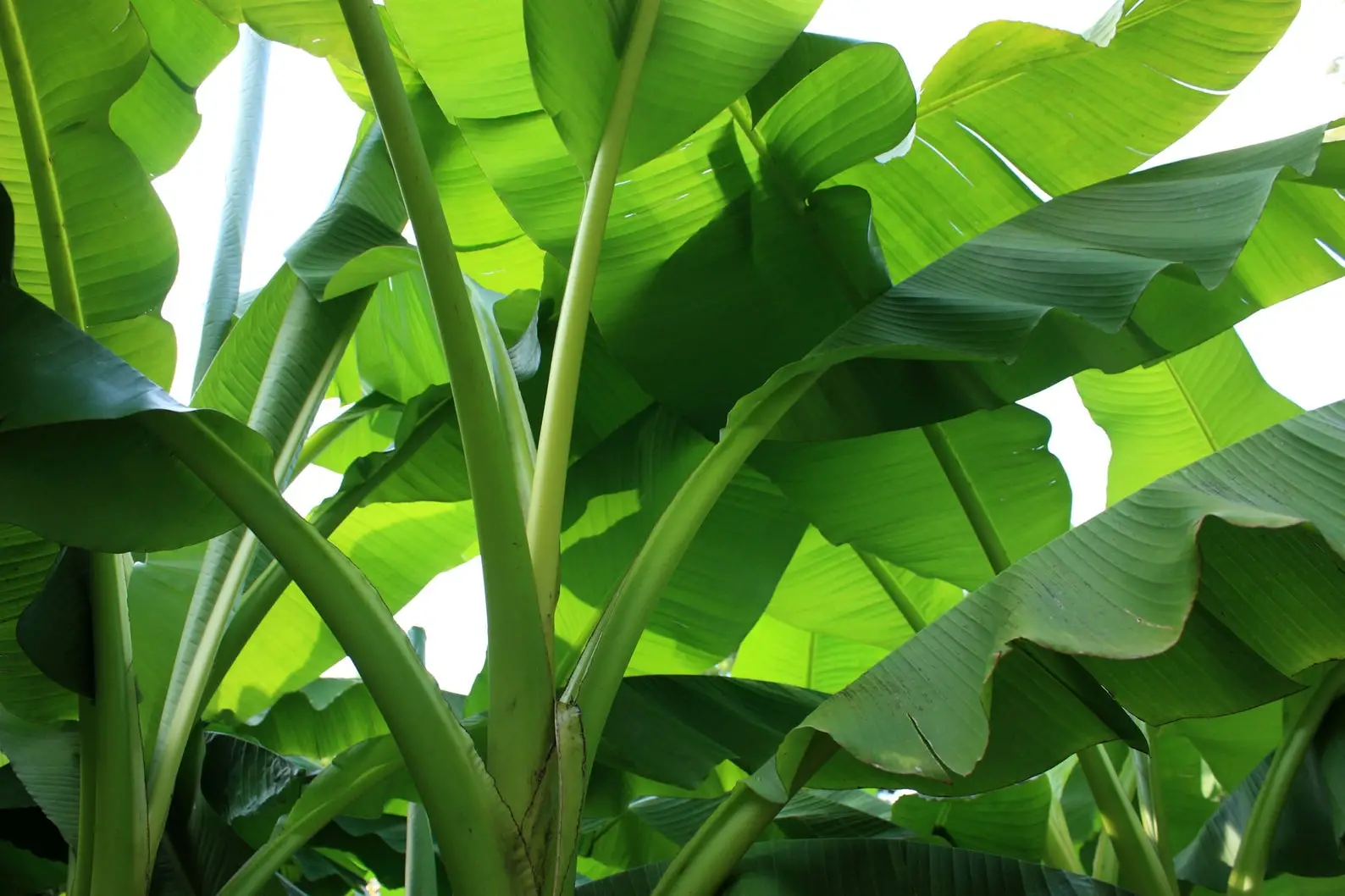
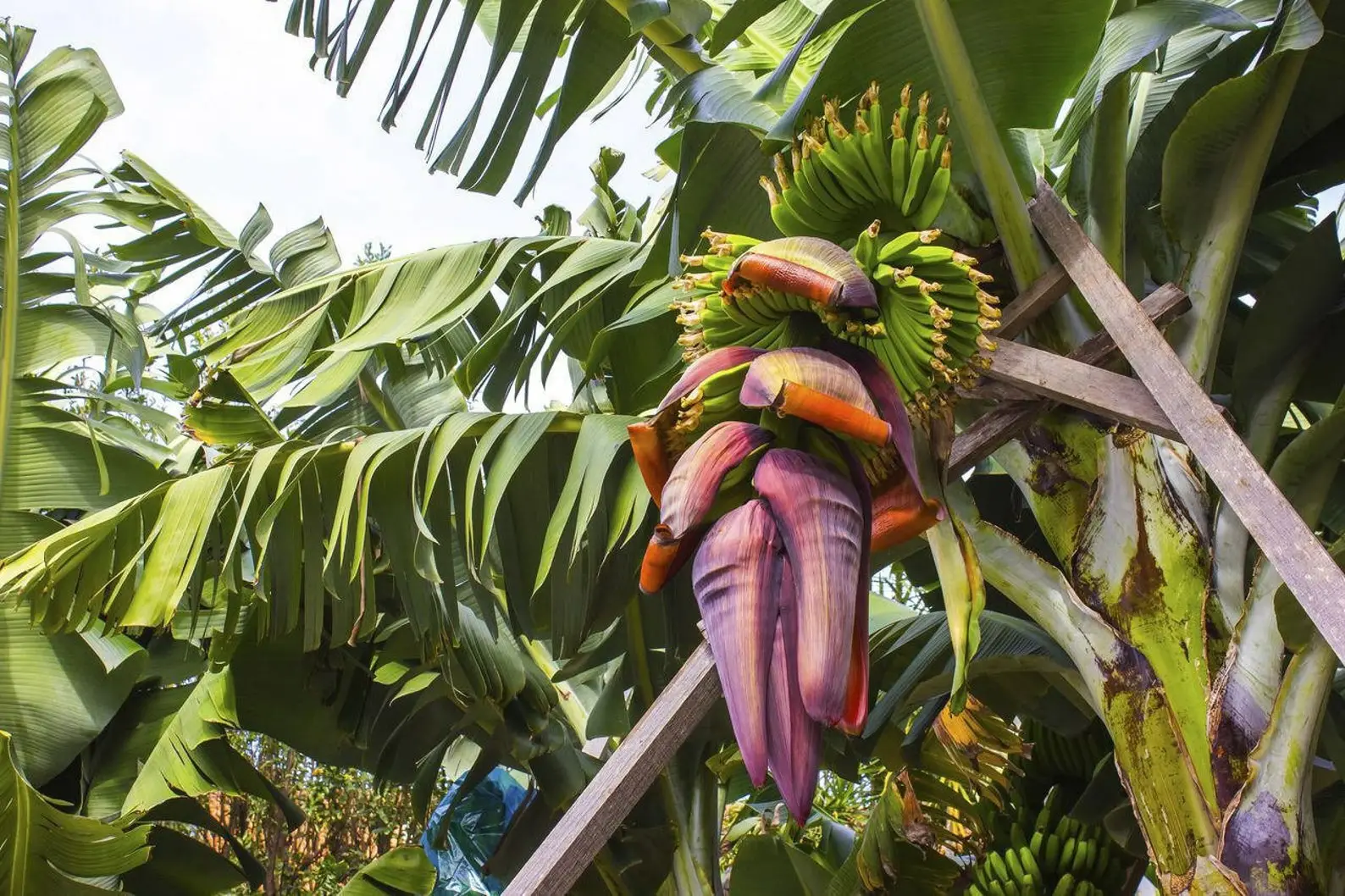
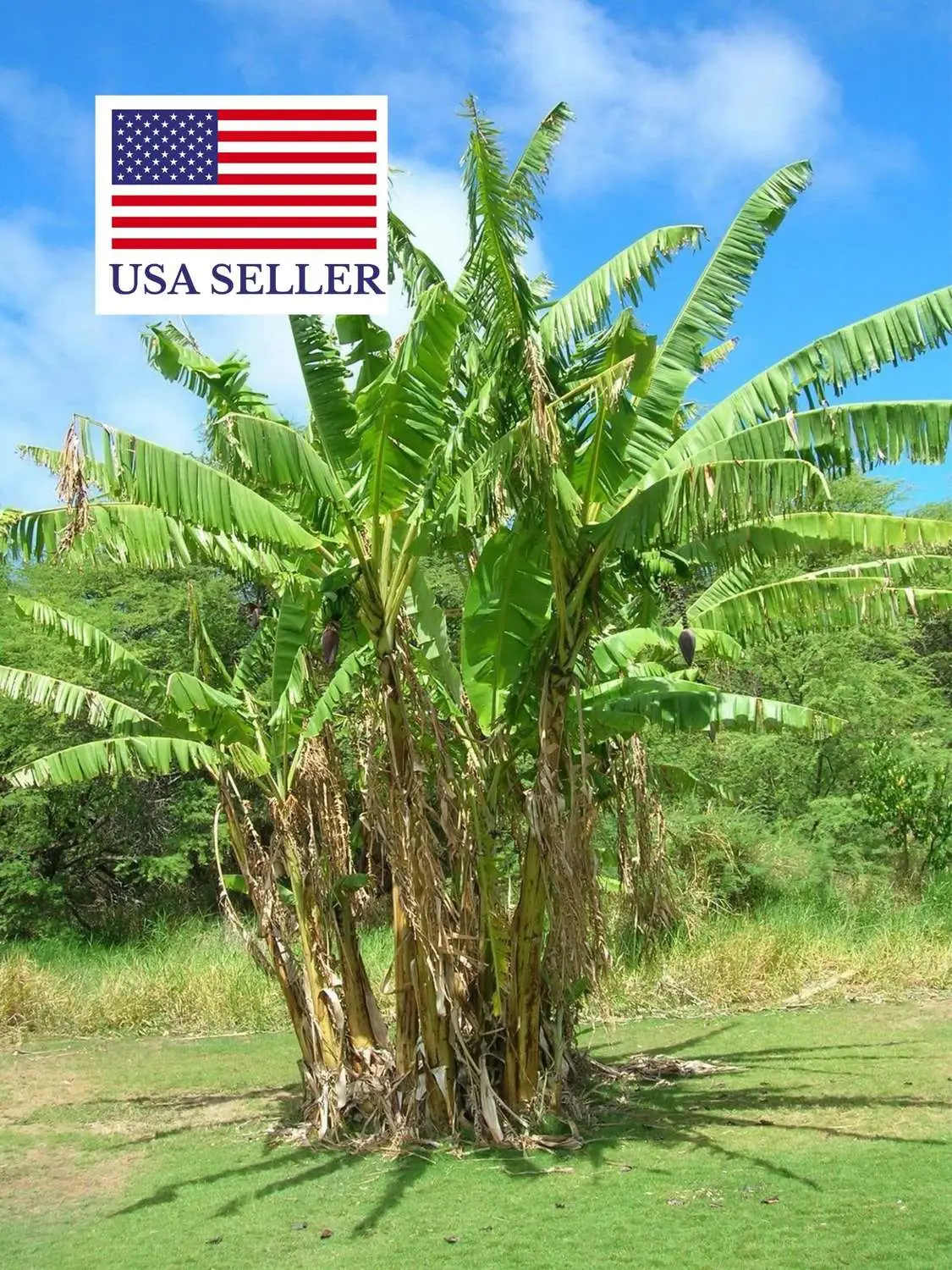
A living sculpture with reddish-brown pseudostems that blush nearly black in sunlight and leaves that blaze from jade above to gunmetal-purple below. This rare, recently rediscovered Himalayan banana turns heads as a container specimen or garden centerpiece. Fast-growing, moderately cold-hardy, and pure drama. Start from seed and watch the transformation unfold—from green sprout to architectural masterpiece.
€3.50
You’ve seen a thousand green banana plants. This isn’t one of them.
Musa cheesmanii—a wild banana rediscovered after nearly 60 years in obscurity—is nature’s answer to the collector who wants living sculpture, not just greenery. This is a plant that demands a second look, then a third.
**The Lost Himalayan Gem**
Native to the cloud-wreathed forests of northeastern India, Musa cheesmanii vanished from cultivation for decades before recent efforts brought it roaring back into the world. Unlike tropical bananas bred for fruit (and frankly, predictability), this vigorous species evolved in variable highland conditions—which means hardier bones, richer pigmentation, and the kind of character that separates a specimen plant from background wallpaper. It shares ancestry with the famously cold-tolerant Musa sikkimensis, inheriting that same resilience without sacrificing drama.
**The Ornamental Show: Where Beauty Becomes a Personality**
This is where Musa cheesmanii transforms from interesting to unforgettable. The pseudostems—those magnificent false trunks—emerge bright reddish-brown, but in strong sunlight, they develop an almost-black polish, as if lacquered. The leaf stalks echo this darkness, creating a cohesive color story that reads as sophistication rather than mere plants. Above them, the leaves themselves tell a two-faced tale: brilliant bright green above, with a pale midrib, then flipped over to reveal a silvery-grey undersurface shot through with prominent brown-purple veins. When leaves catch the light or wind, you see both faces—contrast, depth, visual interest. In a garden full of predictable green, this banana becomes the focal point, the conversation piece, the proof that you know something the neighbors don’t.
Yes, it will occasionally produce small whitish-green fruits—not edible, but charming as ornamental accents. The real reward is the foliage, the form, and the quiet satisfaction of cultivating a true rarity.
**Growing Your Cheesman’s Banana: Easier Than Its Exclusivity Suggests**
Here’s the good news: despite its exotic provenance and rare-plant mystique, Musa cheesmanii is a vigorous, obliging grower. Give it bright, direct light (it craves full sun to develop that mesmerizing dark coloring), warm temperatures, and well-draining, fertile soil enriched with organic matter. Water regularly during the growing season, but allow the soil to dry slightly between waterings—this is not a fussy swamp plant. Outdoors, it thrives in USDA zones 9–12; in cooler climates, containerize it and bring it to shelter before hard frost. In truly cold-climate gardens, that’s a reasonable trade for what you get: a show-stopping summer specimen that lives better than any mere houseplant.
The plant grows fast, reaching 5–6 meters (15–20 feet) with the right support and room. Its clustered growth habit means dense, full form rather than a lanky stalk. For those in smaller spaces, containers work beautifully—and you’ll find yourself moving it to catch the best light, the best angle, the best look.
**Grow It From Seed: The Collector’s Privilege**
There is something irreplaceable about starting a rare plant from seed. You’re not buying a commodity; you’re acquiring living potential, watching a legendary banana emerge from dormancy under your hand. Scarify the seed lightly, soak in warm water for 48 hours, then sow in warm, moist seed mix. Germination is slow and erratic—some seedlings appear in weeks, others take patience—but this is part of the charm. You’re not growing something mass-produced. You’re nurturing an heirloom, a rediscovery, a plant that nearly vanished and now sits in your care. When that first true leaf unfurls, you’ll understand why collectors obsess over Musa cheesmanii.
Only logged in customers who have purchased this product may leave a review.

Reviews
There are no reviews yet.