
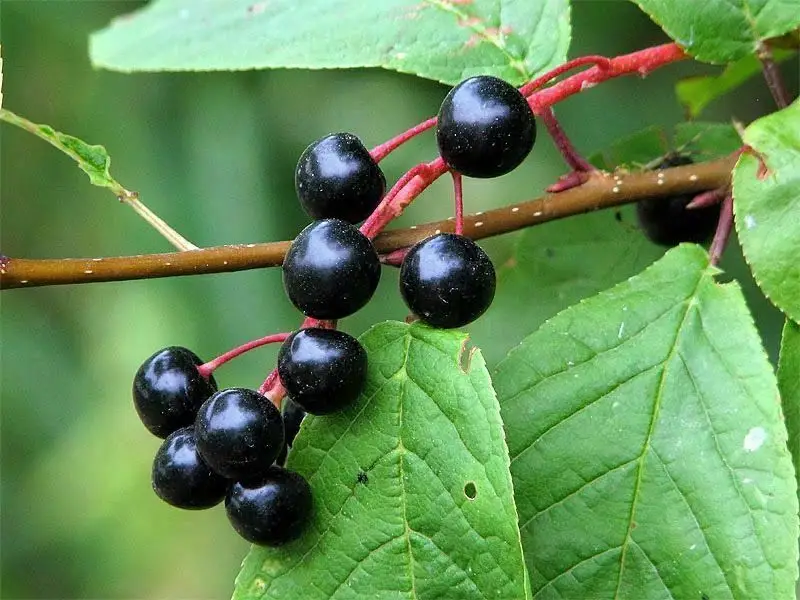
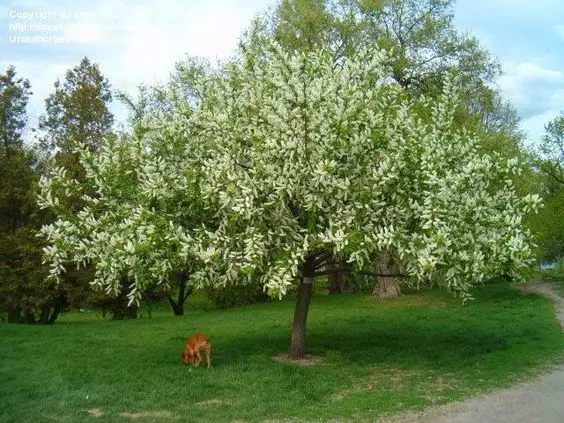
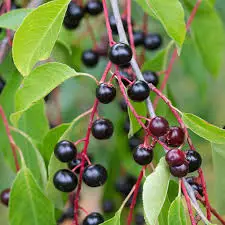
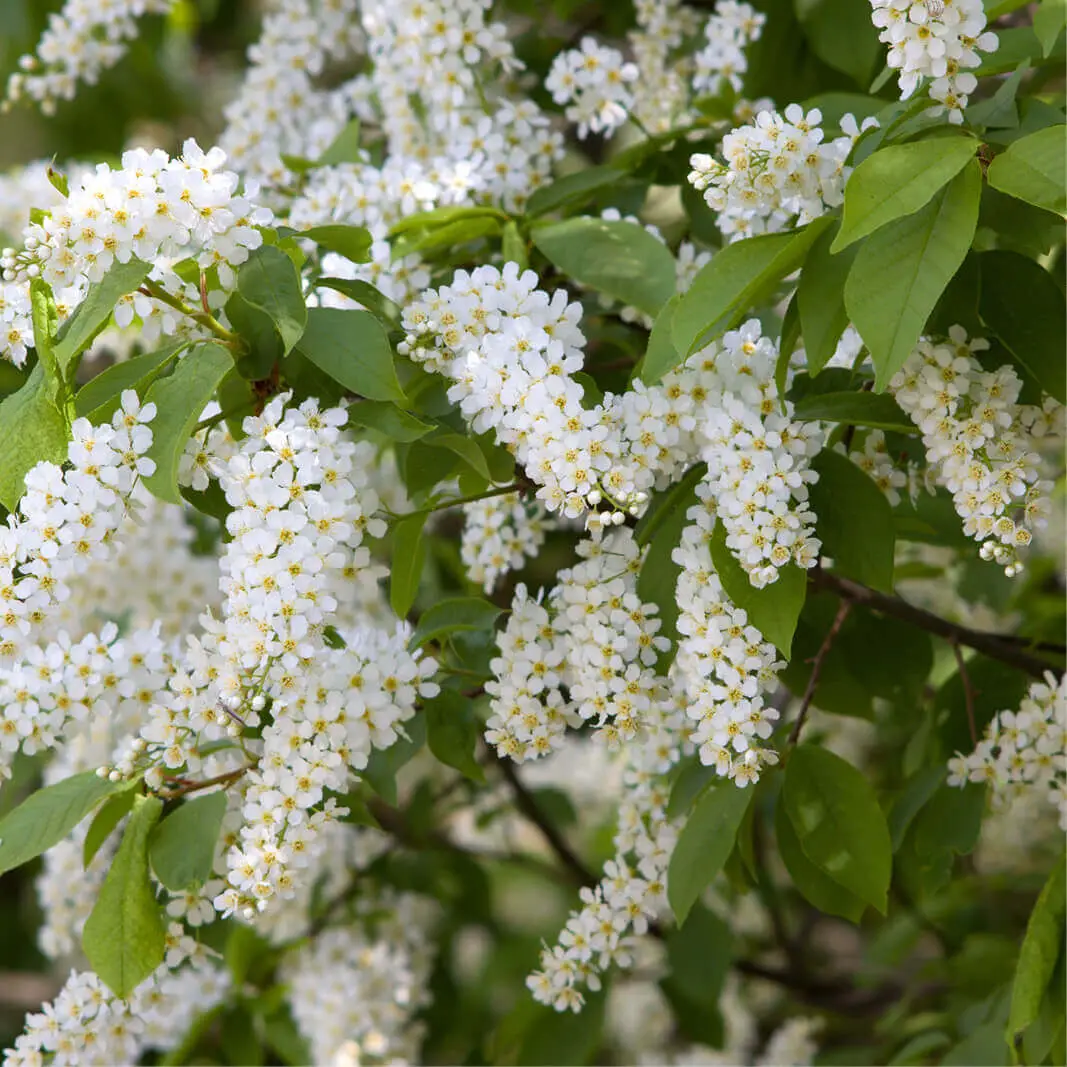
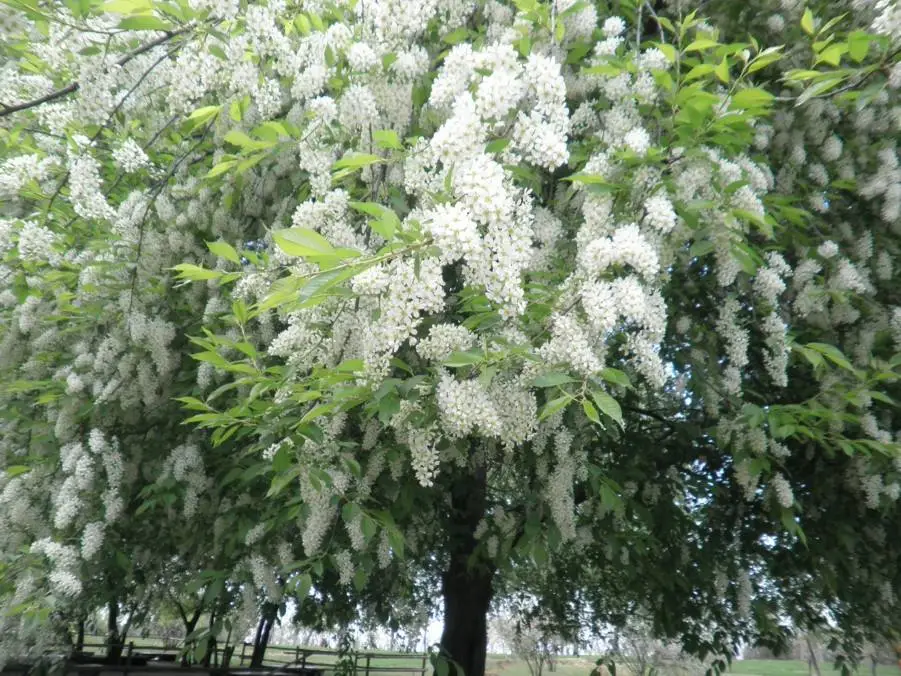
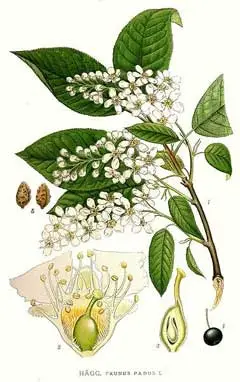
Late spring transforms into a cloud of fragrant white flowers—petals that taste of almonds, nectar that bees adore. The small black cherries follow, bitter to humans but eagerly eaten by birds. But this tree harbors a secret: in Eastern Europe, the dried fruits are ground into flour for tart fillings, and Russians make bird cherry liqueur. Increasingly, craft distillers a
€3.56
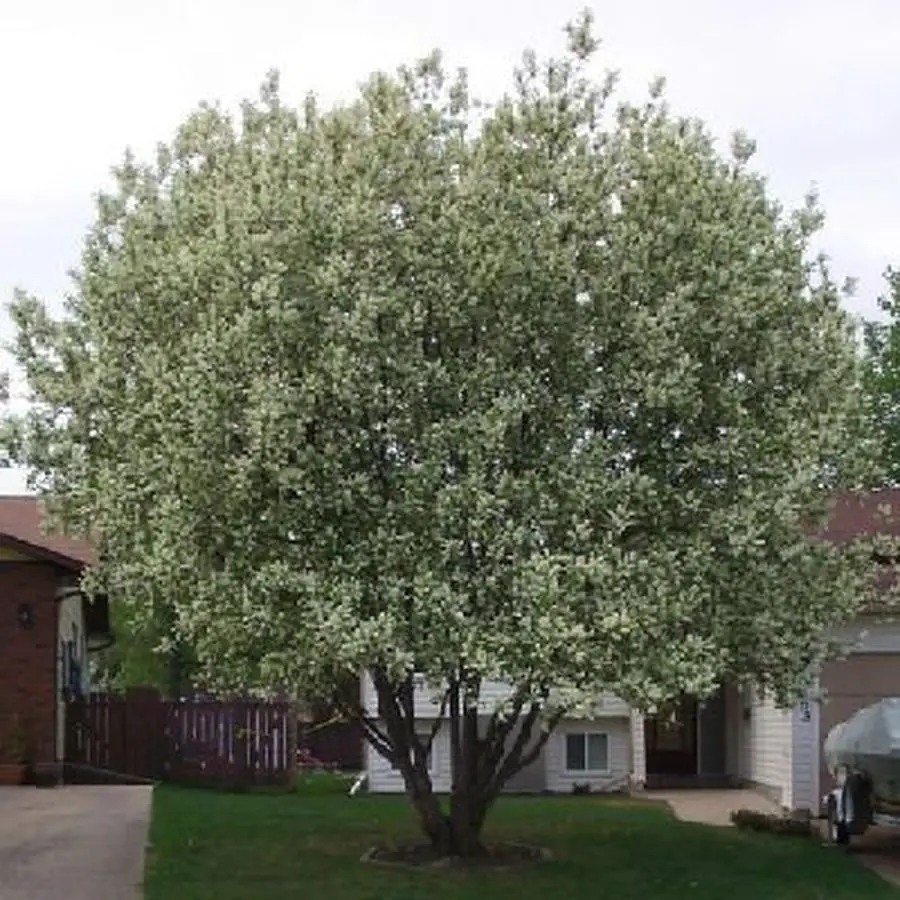
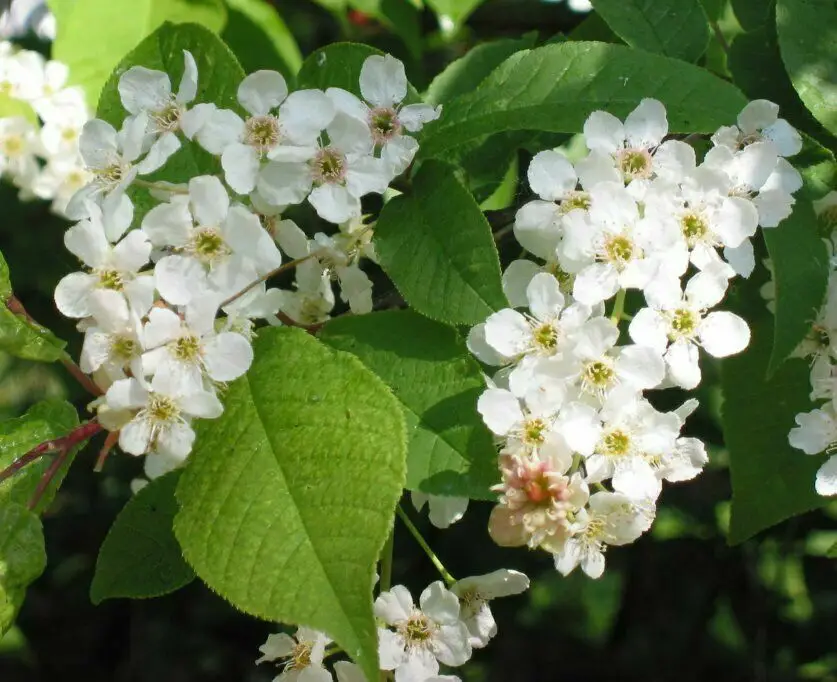
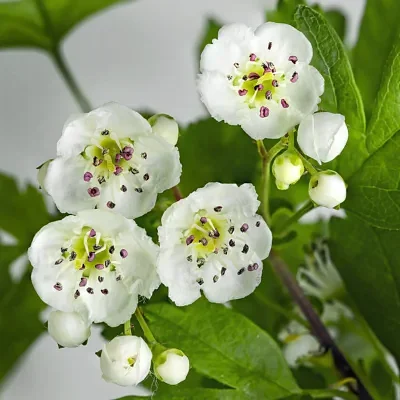
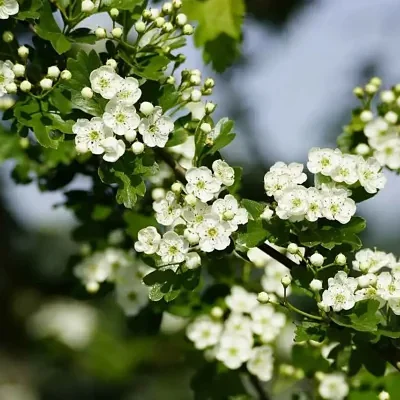
The visual impact of the bird cherry during blooming season is enhanced by the stark contrast between the dark branches and the profuse white flowers, making it a visually striking addition to the landscape. Flowers appear in April and are heavily scented, white with five petals, measuring 8–15mm across. But there is far more to love here than spring spectacle.
Bird cherry stones found in different archaeological contexts throughout Europe indicate that communities were eating fruit of the tree from the Mesolithic period (c. 8000-4000 BC) onwards. European bird cherry has been known since the Middle Ages for its medical/food use and high health-promoting value. Native to temperate Eurasia from the British Isles to Japan, this is a tree with millennia of human connection woven into its very wood.
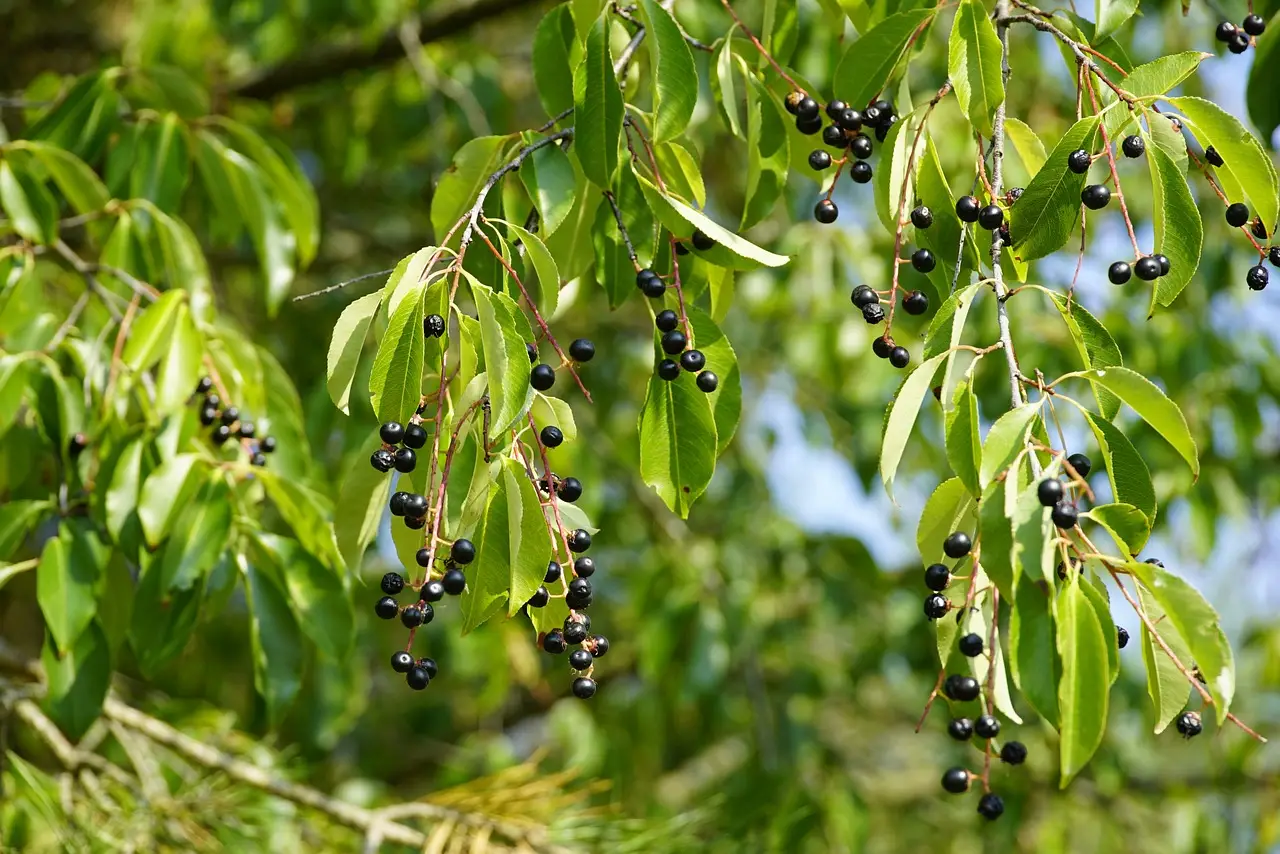
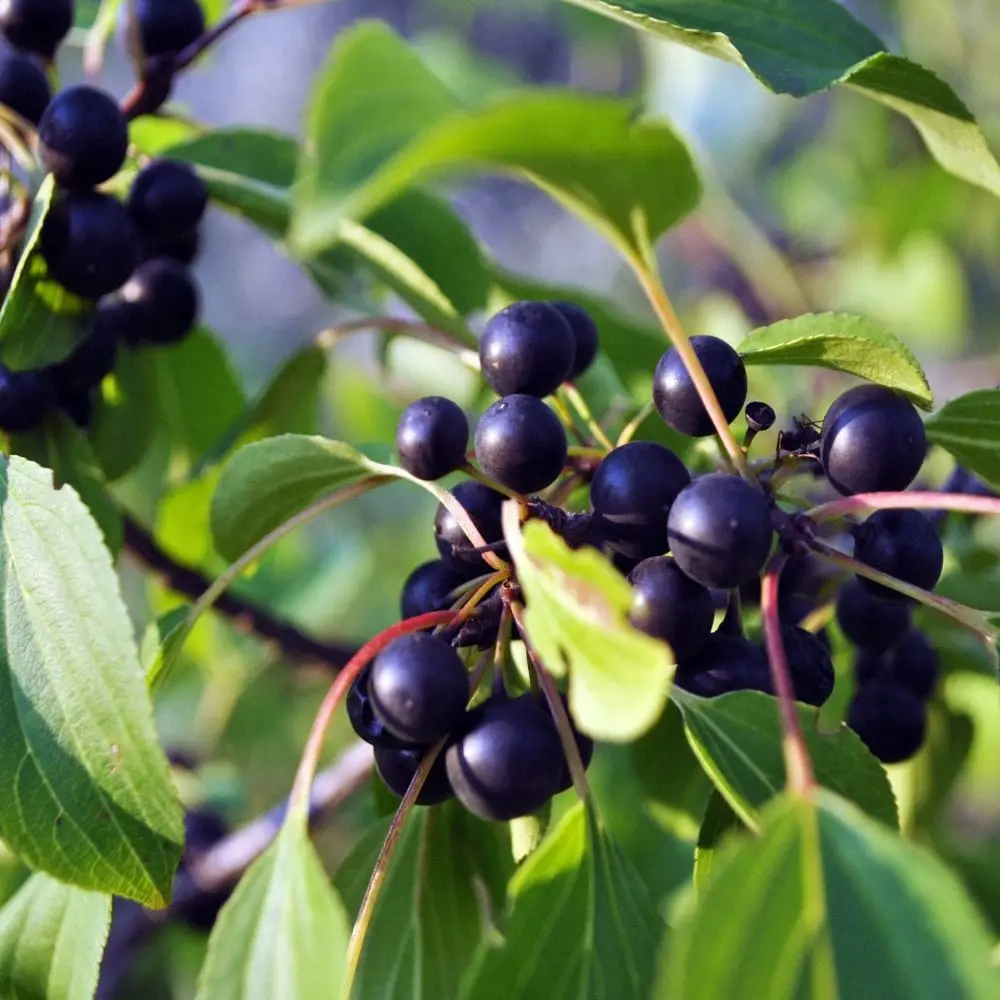
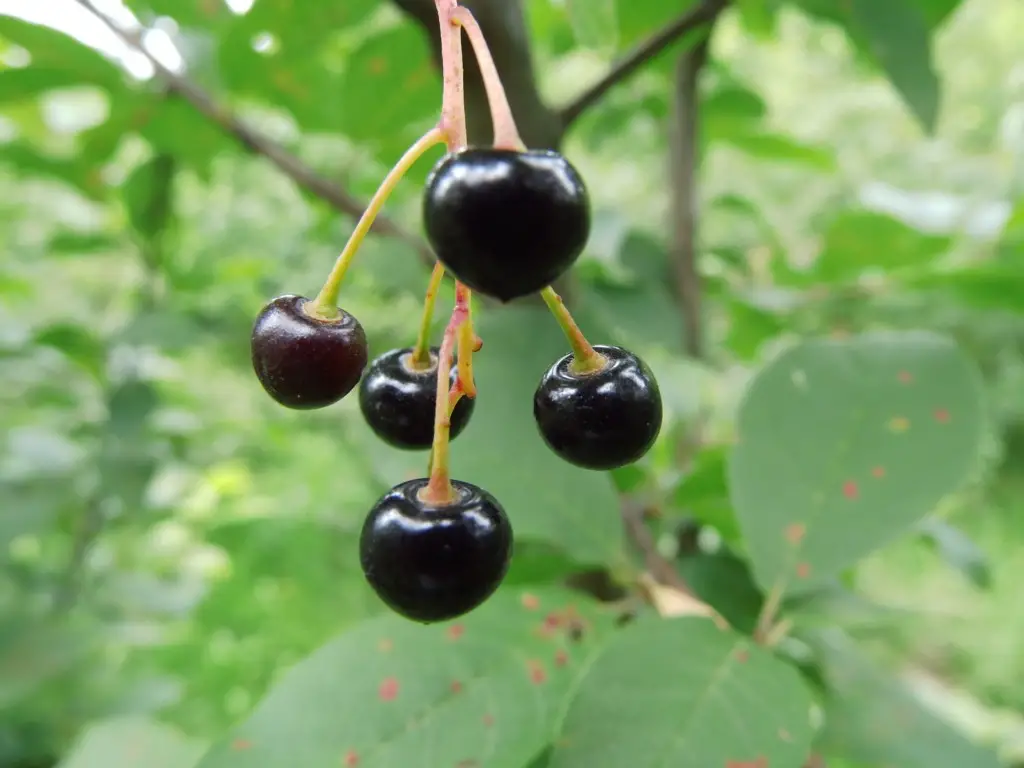
The fruit is where Prunus padus becomes truly special. The fruit is rich in anthocyanins and other health-promoting agents, similarly to berry and other common fruits reported as antioxidant rich sources, and particularly useful as fresh functional foods or fruit-derived products (e.g., juices, fruit drinks, wines). The flavor is distinctly astringent and slightly bitter with a hint of sweetness, often compared to a mix of cherries and prunes with a dry, tannic quality; the aroma is rich and woody with notes of almond and spice, which mellows when cooked or processed, revealing subtle sweetness. In Eastern and Northern Europe, people usually dry, crush, and grain the fruits, use them in tart fillings or mix them up with flour for baking, and Russians make bird cherry liqueur or thickened juices. The black fruits can be used for making liqueur or for dyeing wool. Most thrilling for the modern gardener: despite being bitter and having toxic stones, Bird Cherry has long been used to flavour spirits. Today, distillers all over Scotland are making ‘botanical’ gin, with the Speyside Distillery creating Byron’s Gin with bird cherry as a signature botanical. Imagine harvesting your own fruit for craft beverages, jams, and traditional preparations. The bioactive compounds from bird cherry are not only important components for cheap natural food suitable for consumption, but could also be valuable substances for pharmaceutical products due to their antioxidative potential.
Cultivation is delightfully forgiving. Prunus padus is tough, hardy, and easy to grow in most soils except waterlogged ground. It prefers full sun to part shade and adapts to a range of soil types, provided they have medium drainage. It is an extremely tough tree which will grow in the harshest environments, coping well with wet ground, tolerating exposure and winds, and growing best in moist loamy fertile soils. Propagated from seed, which requires 90-120 days cold-moist stratification and germinates readily in spring. It is hardy to UK zone 3, making it suitable for cold climates. Beyond the fruit’s culinary magic, it offers nectar-rich flowers that attract pollinators such as bees and butterflies, while its cherries provide food for birds and other wildlife. The flowers smell like almonds, and the sweet nectar gathered by honey bees makes great-tasting honey. The leaves offer a vibrant green hue that turns to yellow or red shades in the fall, providing seasonal interest.
Grow Prunus padus from seed and you’re joining centuries of foragers, healers, and now craft artisans who understood this tree’s quiet genius. Watch your seedling mature in
Only logged in customers who have purchased this product may leave a review.
Reviews
There are no reviews yet.