Description
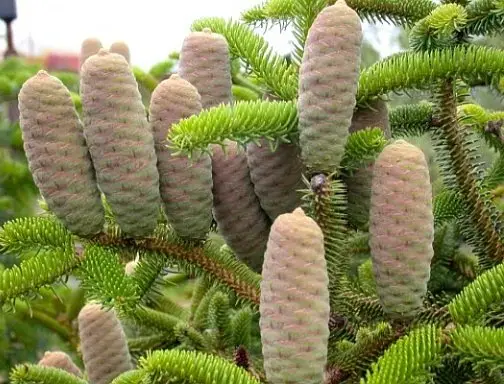
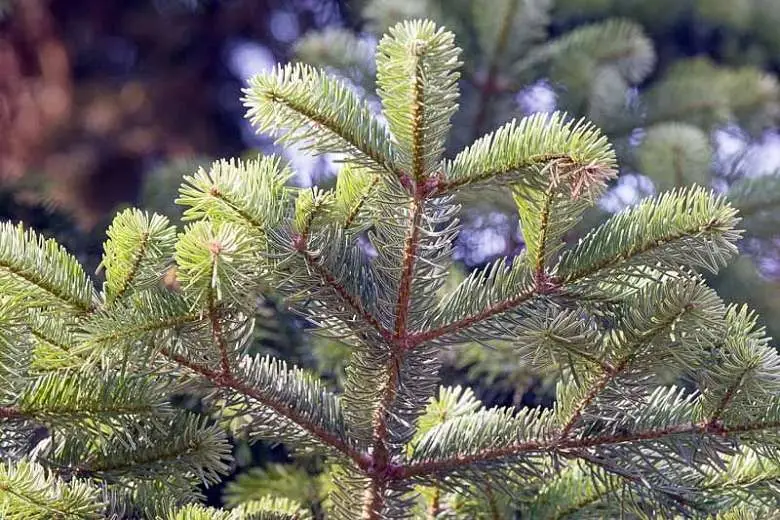
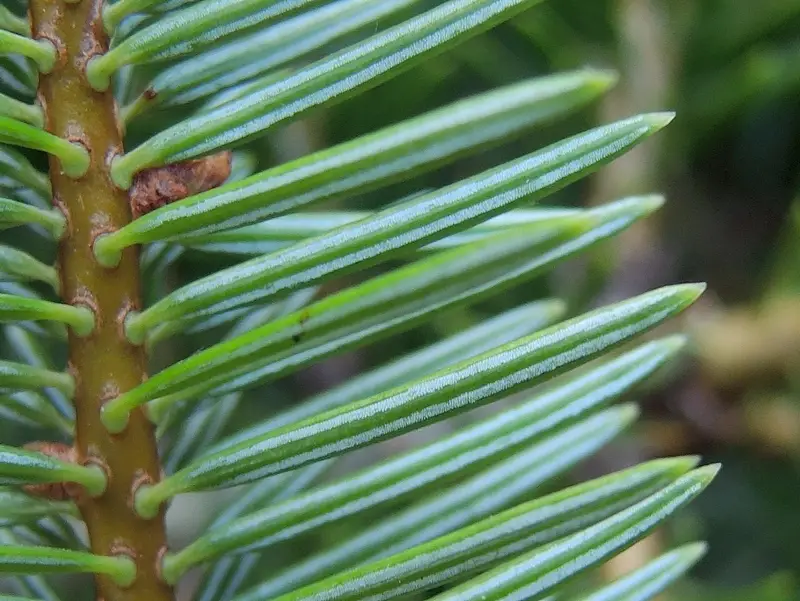
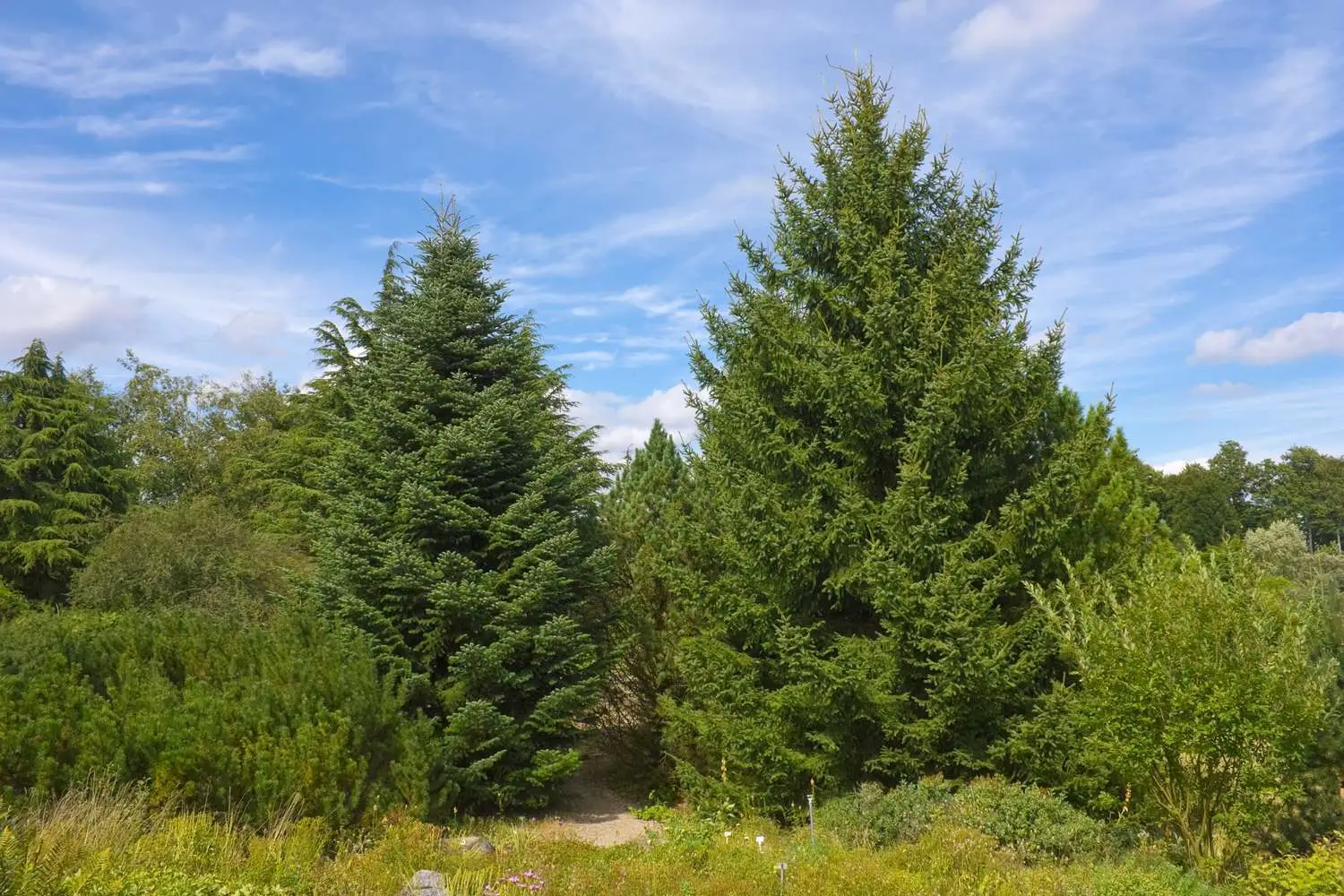
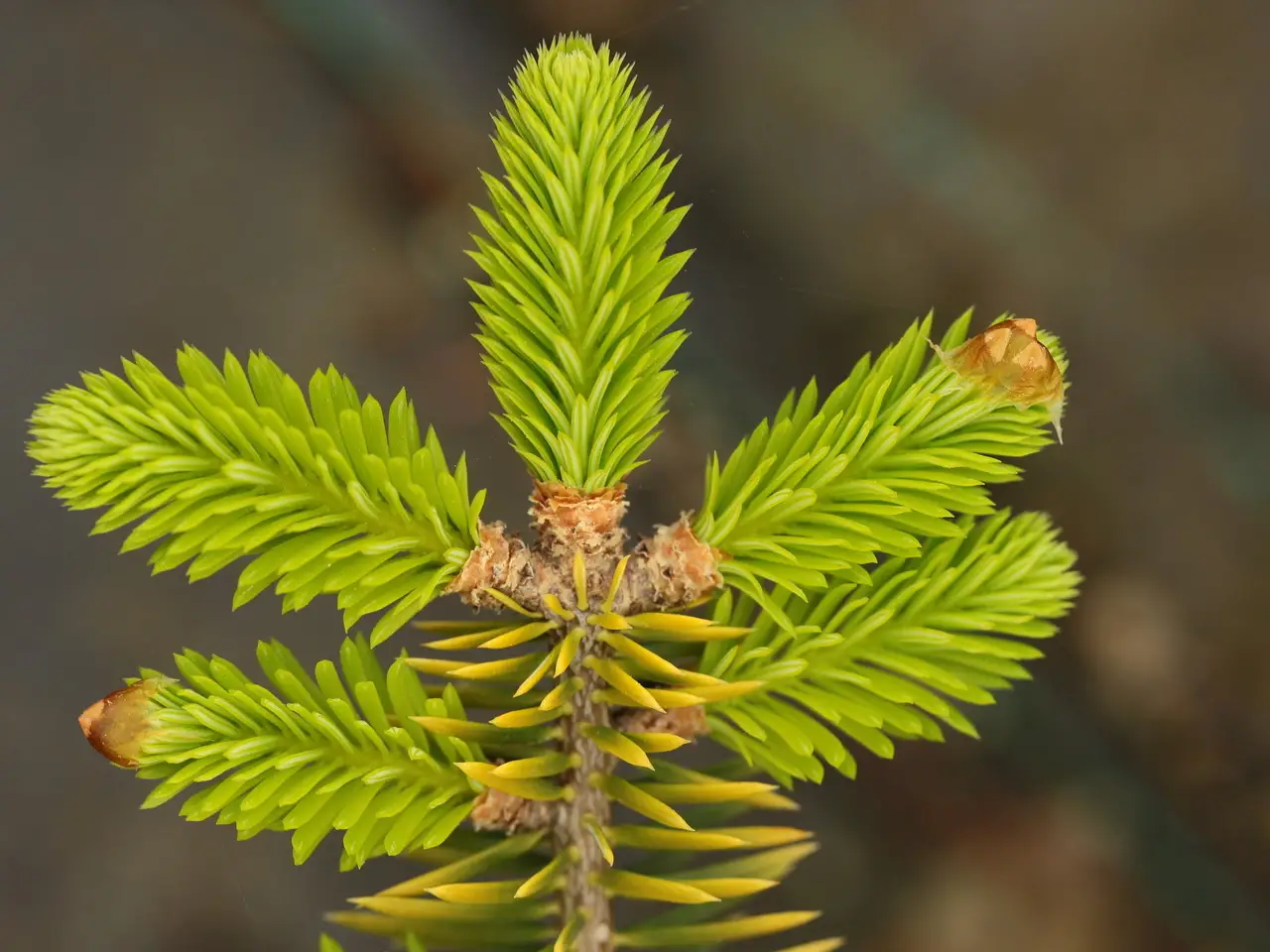
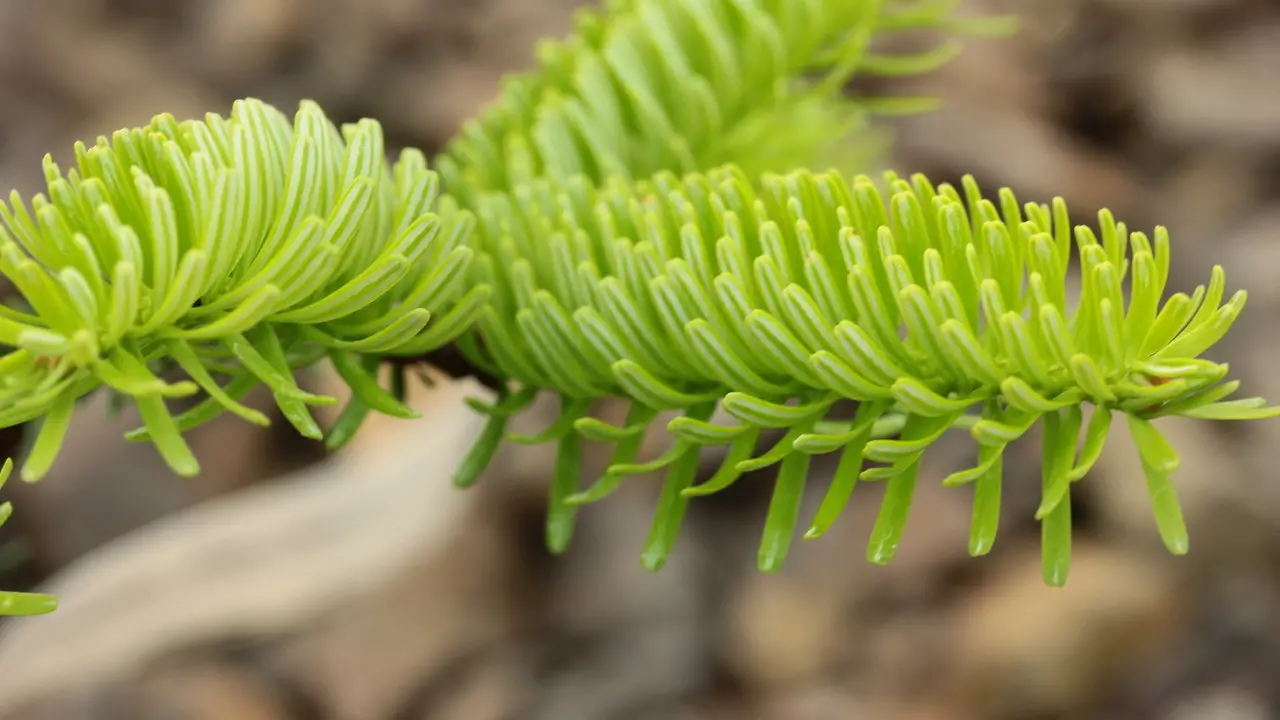
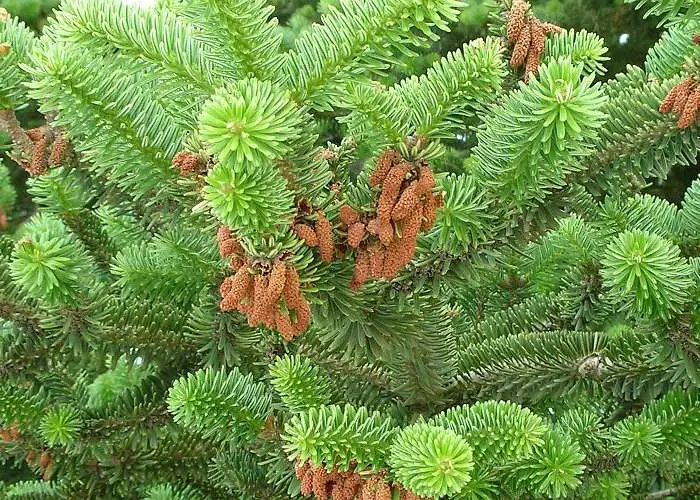
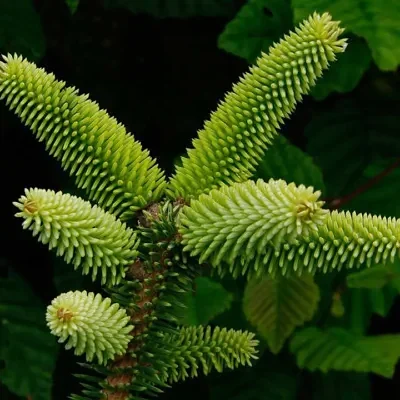
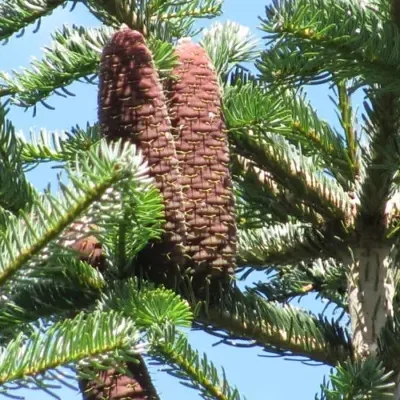
An imposing, large conifer to about 40 m (130 ft.) tall, native to the mountains of Greece between 800 and 2000 m (2600 and 6600 ft.) with dense, dark green, needlelike foliage to 3.5 cm (1 in.) long. A robust specimen tree for the temperate garden in USDA Zones 5 to 9.
Germination Guide
🌍 Mountains of Greece, including Peloponnese and the island of Cephalonia
Moderate
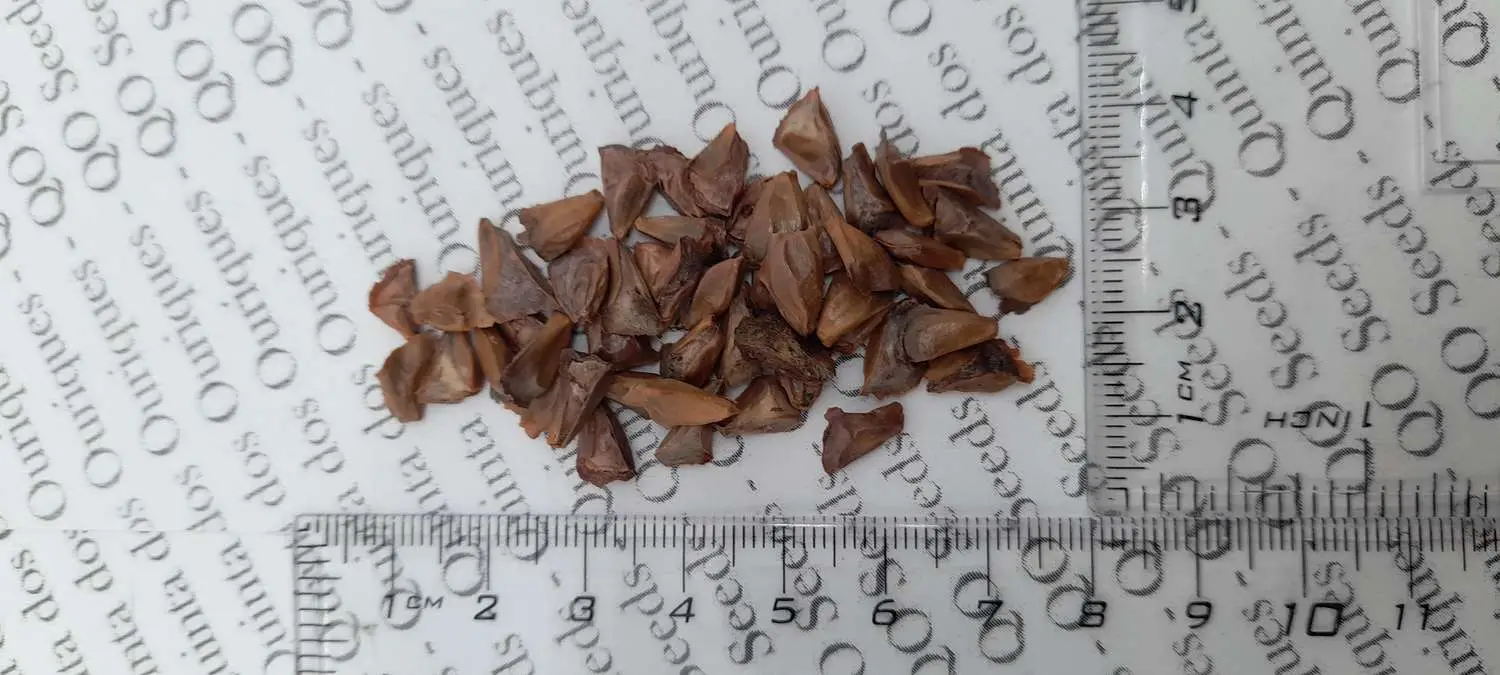
The Greek Fir (Abies cephalonica) is a medium-sized evergreen conifer endemic to the mountains of Greece, prized for its conical form and dense, dark green foliage. This species exhibits seed dormancy requiring cold stratification of 30 days at 4°C to achieve reliable germination, which typically takes 6-8 weeks at 20°C. While germination can be variable, proper pre-treatment significantly improves both germination rate and seedling uniformity.
Germination
Germination time
Expect germination in
42 – 56 days
Temperature
Min 5°C
Ideal 20°C
Max 25°C
Substrate moisture
💧 Medium
Seed Pre-treatment
-
💧
Soaking — 24 hours
Soak seeds in room temperature water for 24 hours, then drain completely before placing in cold stratification.
-
🔨
Hot water scarification
Soak seeds in room temperature water for 24 hours before stratification and sowing.
-
❄️
Cold stratification — 30 days at 4°C
-
📋
Additional notes
Cold stratification is essential for even, improved germination. Keep seeds moist but not waterlogged during stratification.
Substrate & Container
Recommended substrate
General potting compost or seed raising mix
Recommended container
Seed trays, plug trays, or pots with drainage holes; cold frame recommended
Growing Tips
Always soak seeds in room temperature water for 24 hours before stratification. Maintain consistent moisture (moist but not waterlogged) during the 30-day cold stratification period. After stratification, sow seeds 3/8 inch deep in moist potting compost and firm the soil. Mulch the seedbed lightly. Germination begins within 4-8 weeks at room temperature. Keep seedlings well-watered and free of weeds; avoid dense sowing to prevent damping-off disease. Young seedlings benefit from protection from extreme temperatures and full sun exposure initially.
Only logged in customers who have purchased this product may leave a review.


Reviews
There are no reviews yet.