
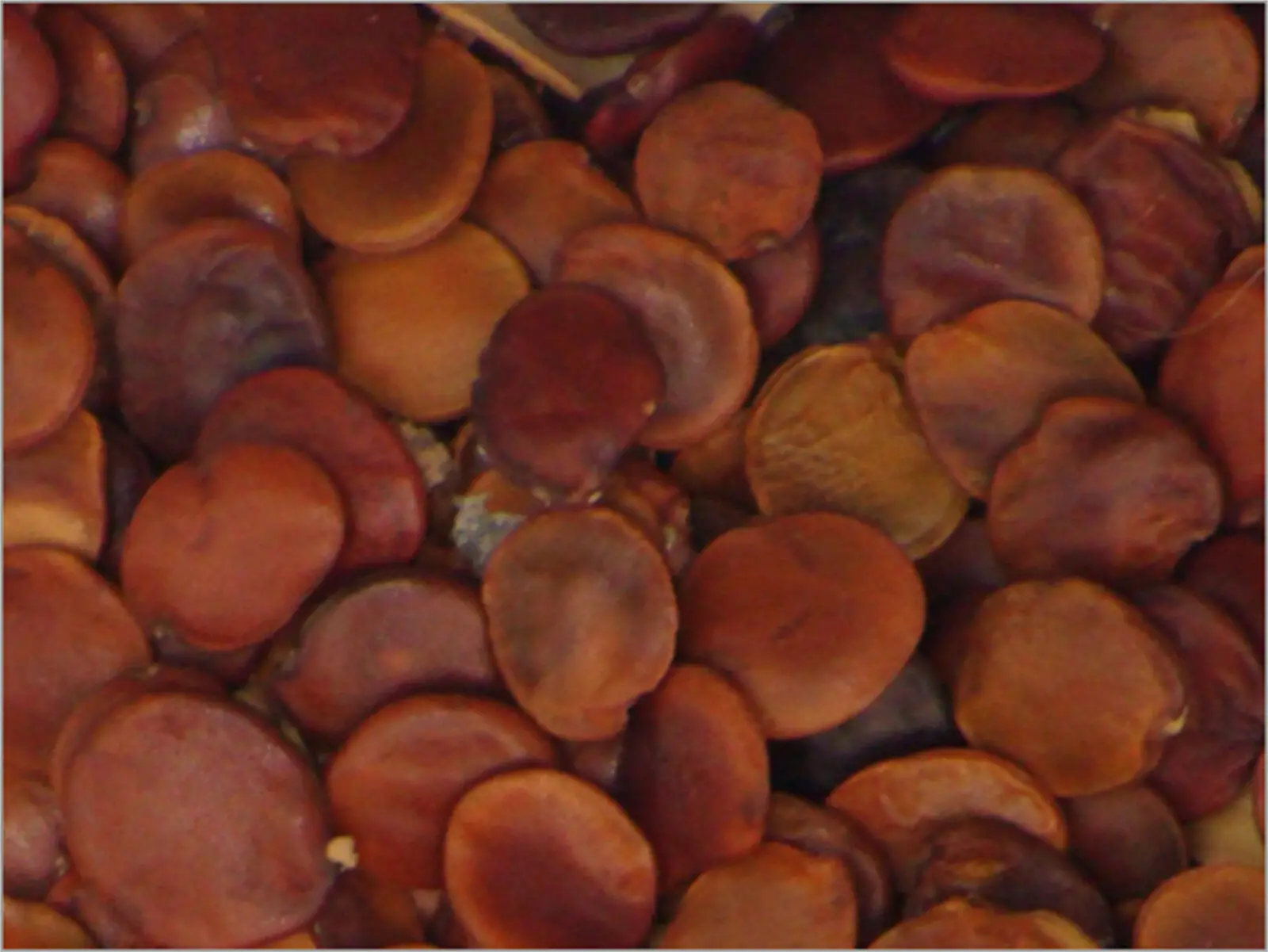
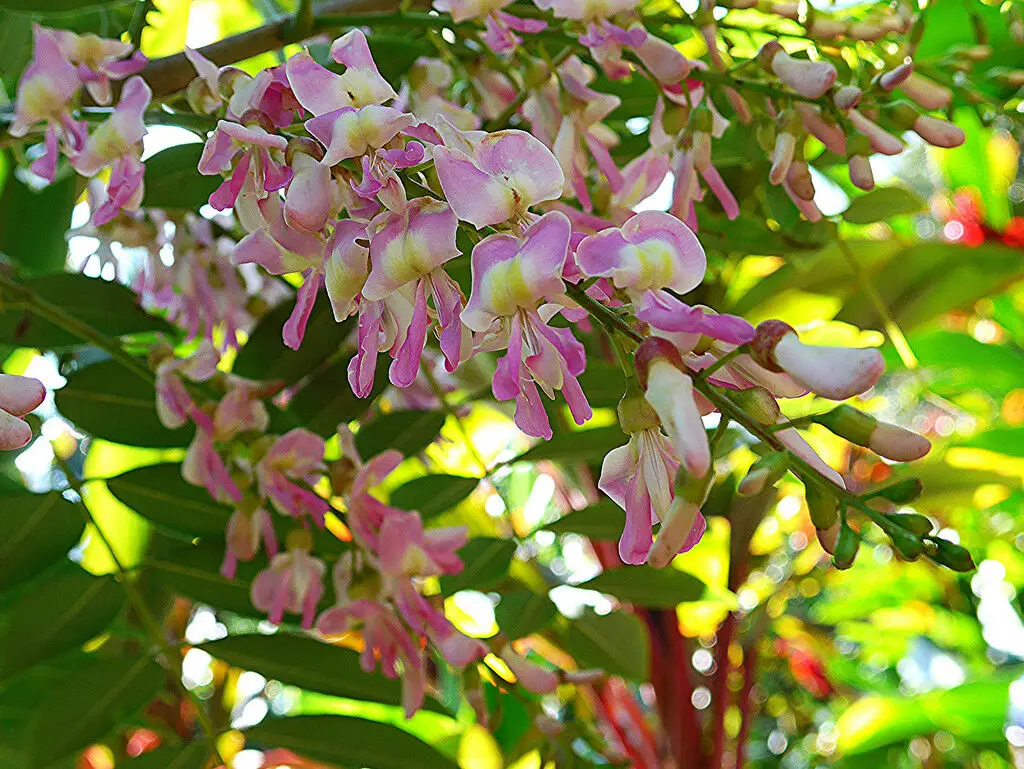

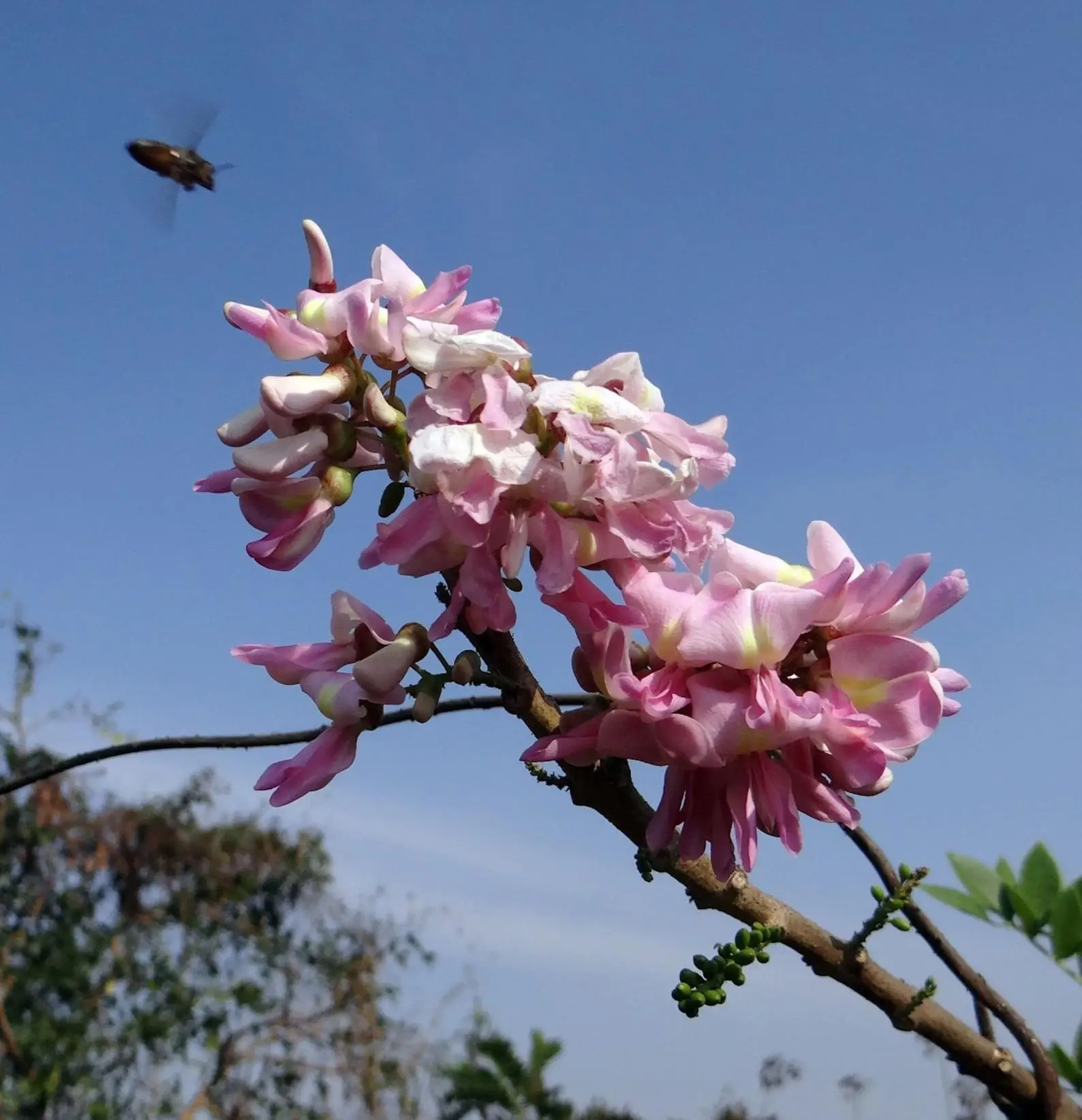
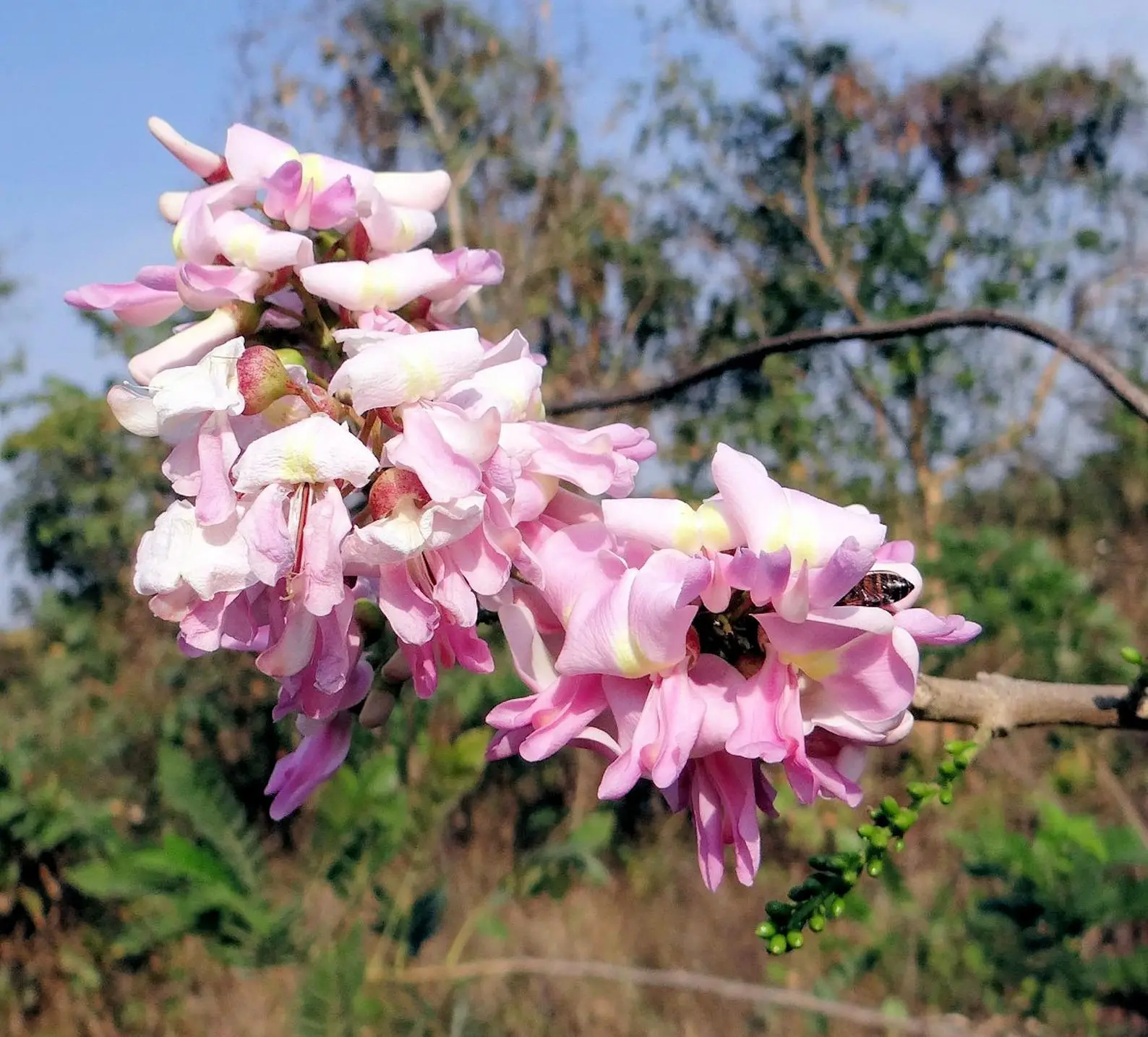
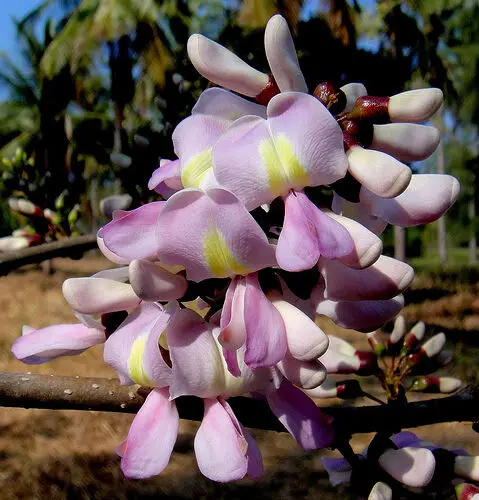
Transform degraded soil into fertile ground. This nitrogen-fixing legume tree naturally restores what industrial agriculture strips away—and blooms with stunning pink flowers. Intercrop with your existing crops for up to 3x yield increase, zero chemical fertilizers. Thrives in poor soil. Grow from seed and rebuild your land’s future.
€2.20
You’re holding a solution to one of agriculture’s deepest problems—and it grows faster than you’d expect.
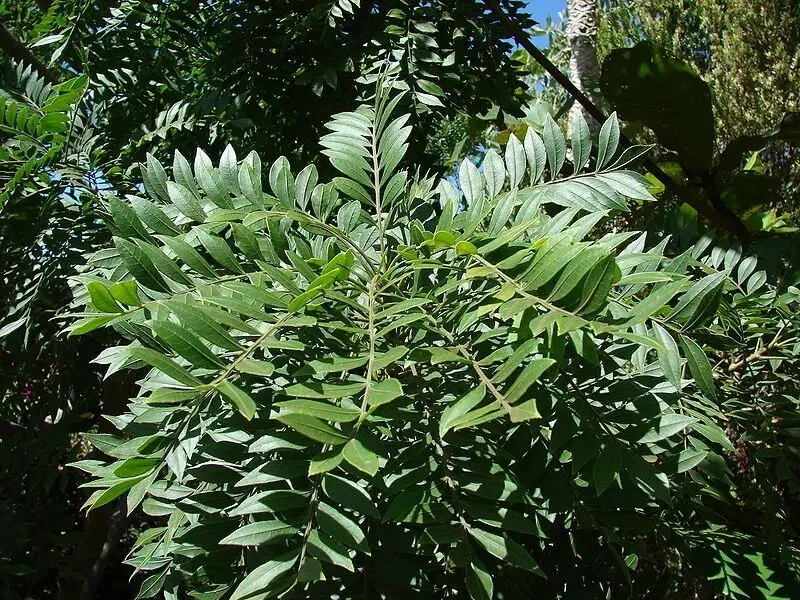
Gliricidia sepium, known as Quickstick across tropical regions, is the tree that farmers in Africa, South America, and Southeast Asia are quietly planting to rewire their relationship with soil. Native to Mexico and Central America’s dry forests, this medium-sized legume has traveled the tropics for good reason: it actually works.
But here’s what sets it apart—the nitrogen-fixing magic. While other trees are merely ornamental, Gliricidia forms symbiotic partnerships with Rhizobium soil bacteria to pull nitrogen directly from the atmosphere and deposit it into the earth. Plant it in your field, and you’re installing a biological fertilizer factory that runs on sunlight. Research shows that when Gliricidia is intercropped with maize, soybean, or groundnut, crop yields increase more than twofold. In Zambia’s agroforestry trials, maize grain yields tripled. In cocoa-growing regions, this tree is so indispensable it earned the name “Madre de Cacao”—Mother of Cocoa. It shades the delicate cacao plant while simultaneously enriching the soil beneath it. The fallen leaves decompose into green manure; the pruned branches become fodder or fuel. Nothing is wasted.
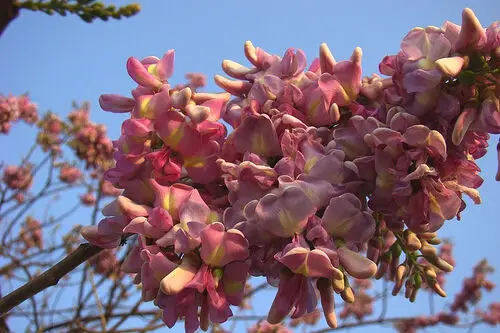
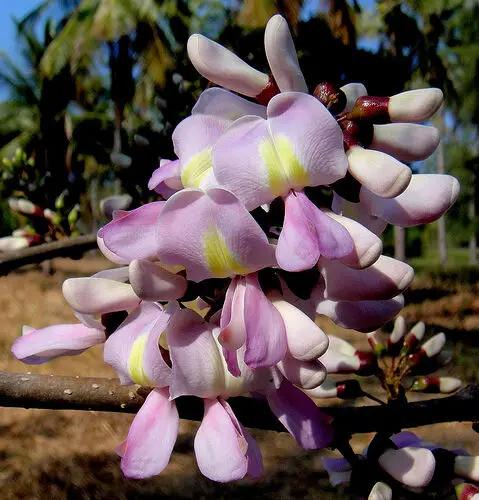
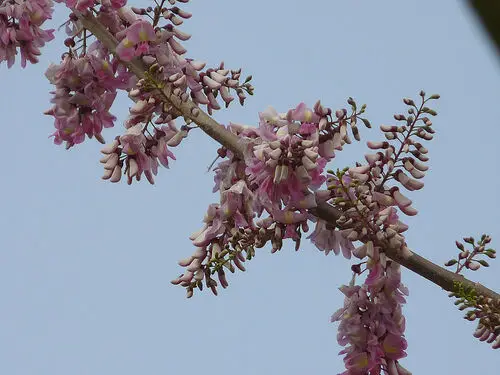
What makes Gliricidia your secret weapon for soil restoration is its versatility in degraded landscapes. It thrives where other trees struggle—in acidic, alkaline, and infertile soils that have been leached by years of monoculture. Studies demonstrate that total soil nitrogen increases at rates of 180 kg per hectare in the top soil layer when Gliricidia is established. If you prune it regularly, each year’s growth captures 31–39 kg of atmospheric nitrogen per hectare—nitrogen that belongs in your soil, not sold to you in bags. Use the pruned shoots as green manure, mulch, or biochar, and watch your neighboring crops respond with vigor they never showed before. The tree also attracts dense populations of bees to its bright pink-lilac flowers (which appear in dense clusters on bare branches), making it a powerhouse for honey production and pollinator support. Farmers report increased bee activity and stronger honey yields—a bonus income stream from the same tree improving their soil.
Growing Gliricidia from seed is surprisingly straightforward. It’s a fast-growing pioneer species that doesn’t demand much—well-draining soil helps, but it tolerates poor conditions better than most. It prefers tropical warmth (15–30°C optimal, but tolerates up to 42°C) and will thrive in warm zones with moderate to good water availability during establishment. Once established, it becomes deeply resilient. The trees develop both deep vertical roots (anchoring the plant) and spreading horizontal networks that prevent erosion and stabilize slopes—critical for reforestation and land recovery. Soak seeds in hot water for 24 hours before sowing to speed germination. Expect rapid growth; many farmers see harvestable biomass within the first year. You can manage it as a living fence, a shade tree, an alley crop dividing your field into productive strips, or a standalone nitrogen factory. It responds well to pruning and coppicing, sprouting multiple stems from cut branches.
Imagine walking through your field two years from now and seeing it transformed. The soil is darker, alive with microbial activity. Your crop yields have doubled or tripled without increased chemical inputs. Your bees are thriving. Your income has grown while your environmental footprint has shrunk. That’s not a fantasy—it’s the Gliricidia difference. This is the tree that’s reshaping smallholder agriculture across the tropics. Grow it from seed. Watch it work. Let it heal your land while it feeds your family and your bees.
Only logged in customers who have purchased this product may leave a review.


Reviews
There are no reviews yet.