
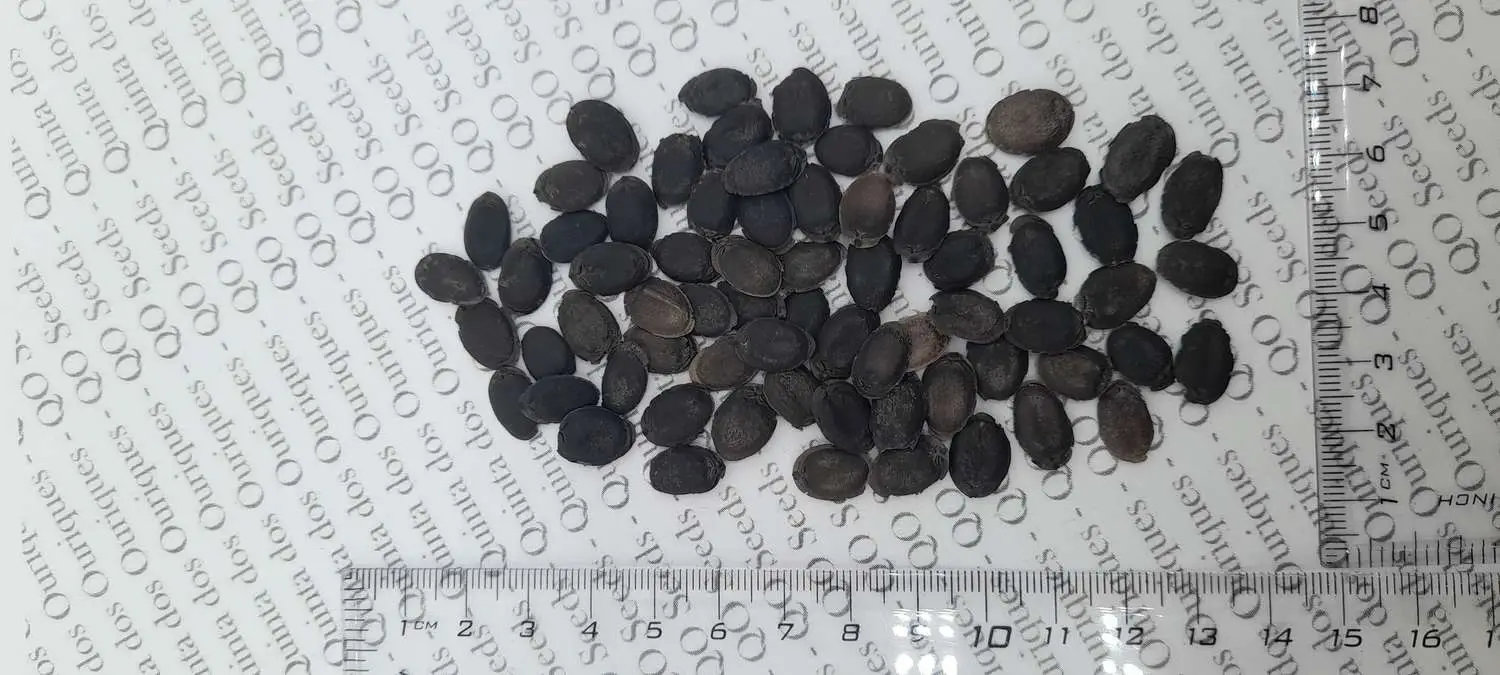
Stop buying plastic sponges. Grow Luffa cylindrica from seed and harvest your own fully biodegradable natural loofah in one season. This vigorous vining gourd produces striking yellow flowers, edible young fruits, and when mature, reveals a perfect fibrous sponge network inside. Full sun, warm climate, sturdy trellis—and you’ll have an endless supply of exfoliators. Easy to grow. Life-changing to use.
€1.92
Imagine harvesting your own natural sponges straight from the garden, completely plastic-free and 100% biodegradable.
Luffa cylindrica, the legendary sponge gourd, originates from the tropical and subtropical regions of South and Southeast Asia, where it has been cultivated for over 1,600 years in China alone—prized by ancient Pharaohs and Queens for its skincare magic. This vigorous climbing vine belongs to the Cucurbitaceae family (cousin to cucumbers and squash) and has captivated gardeners worldwide with its dual-purpose brilliance: it’s both an edible vegetable and the source of nature’s most beloved exfoliating sponge.
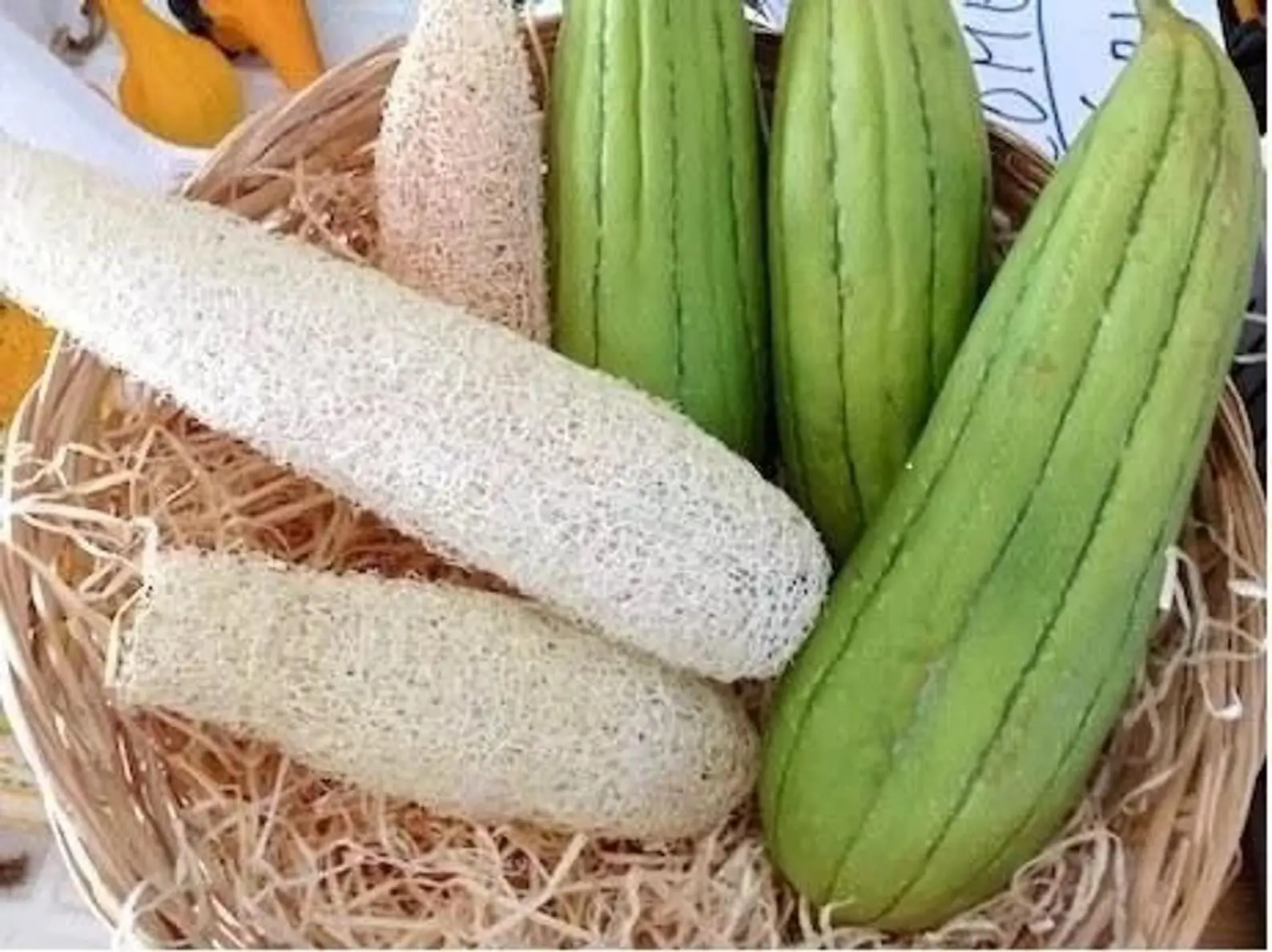
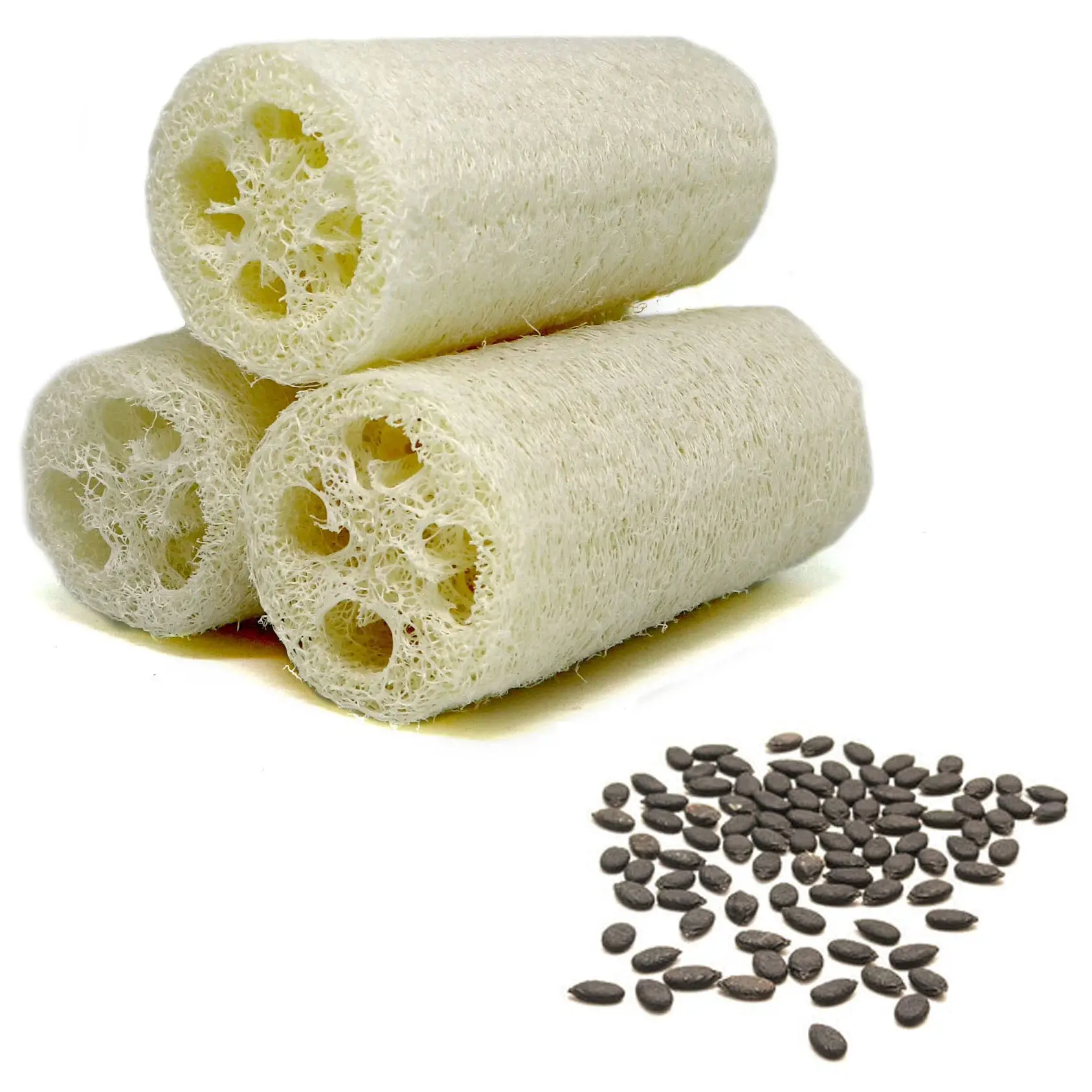
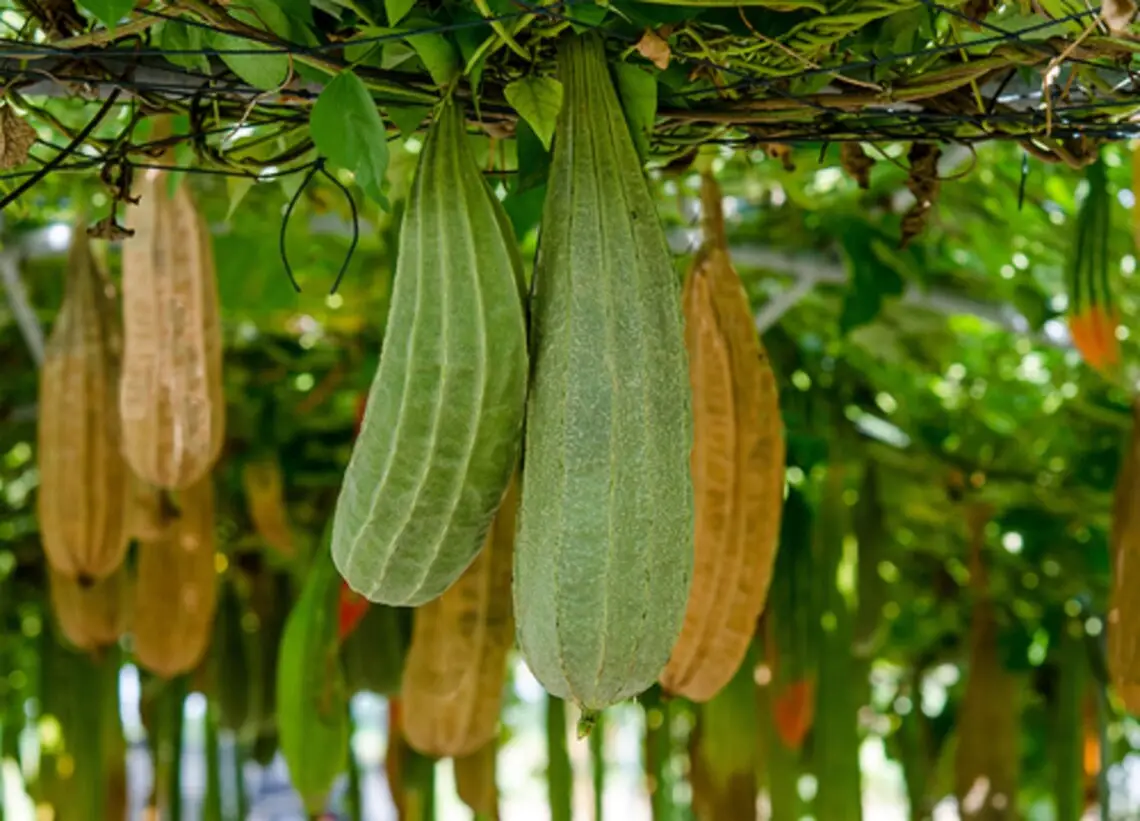
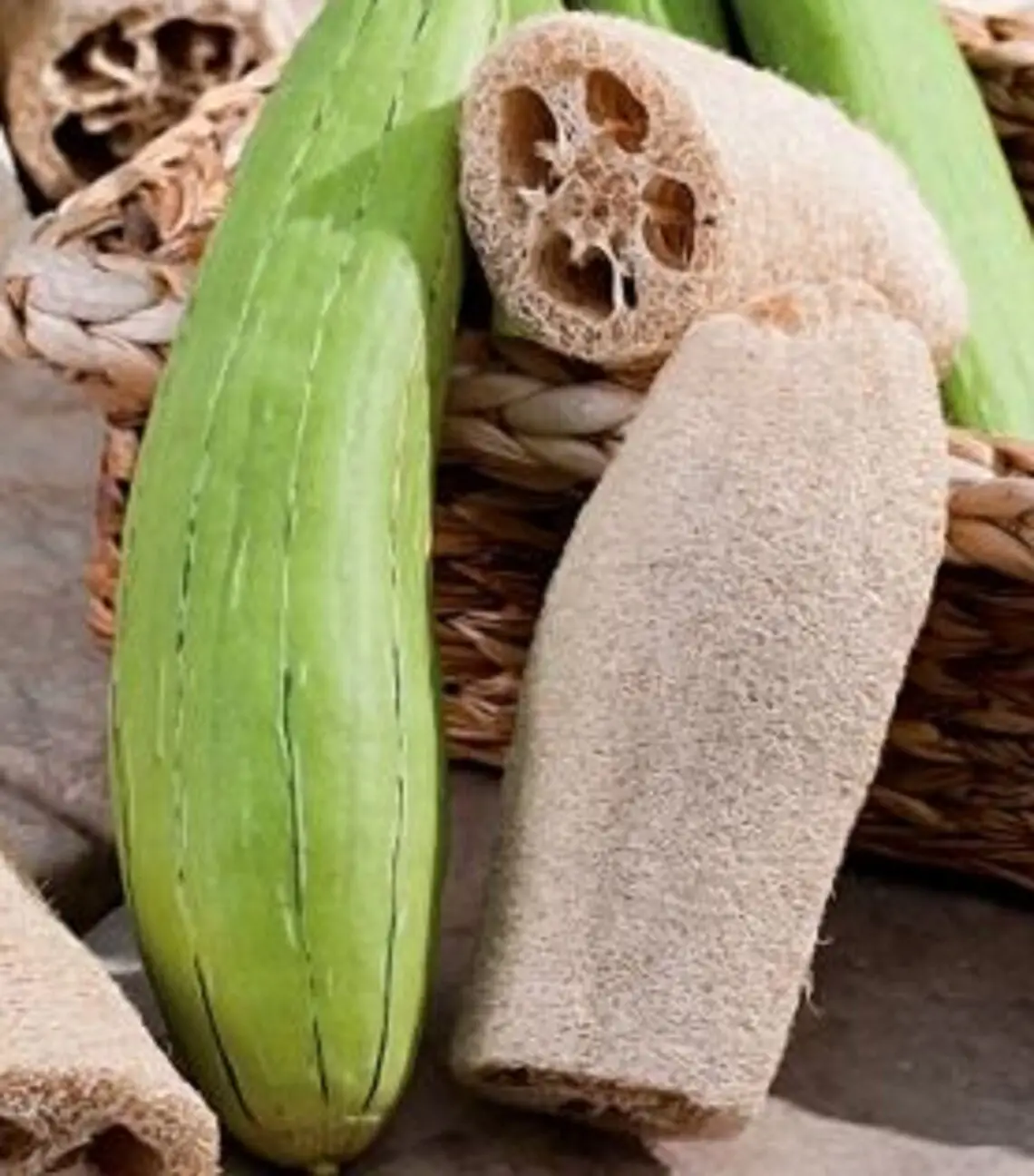
Here’s the magic: when you allow the fruit to mature fully on the vine, the flesh dries down to reveal an intricate network of fibrous xylem bundles—a perfect, ready-made sponge that costs you nothing but a little patience. Each gourd becomes a gentle, effective body scrub that removes dead skin, improves circulation, and works for kitchen cleaning too. Unlike sea sponges (which require marine farming and years to grow), luffa reaches full maturity in just 150–200 frost-free days. It’s the definition of sustainable luxury. Beyond the sponge, young tender fruits are delicious eaten as a vegetable—delicate, mild-flavored like zucchini—and the leaves, flowers, and seeds have been used in traditional medicine for centuries, valued for their anti-inflammatory, antioxidant, and wellness-supporting properties. One plant gives you skincare, food, medicine, and a natural scrubbing tool.
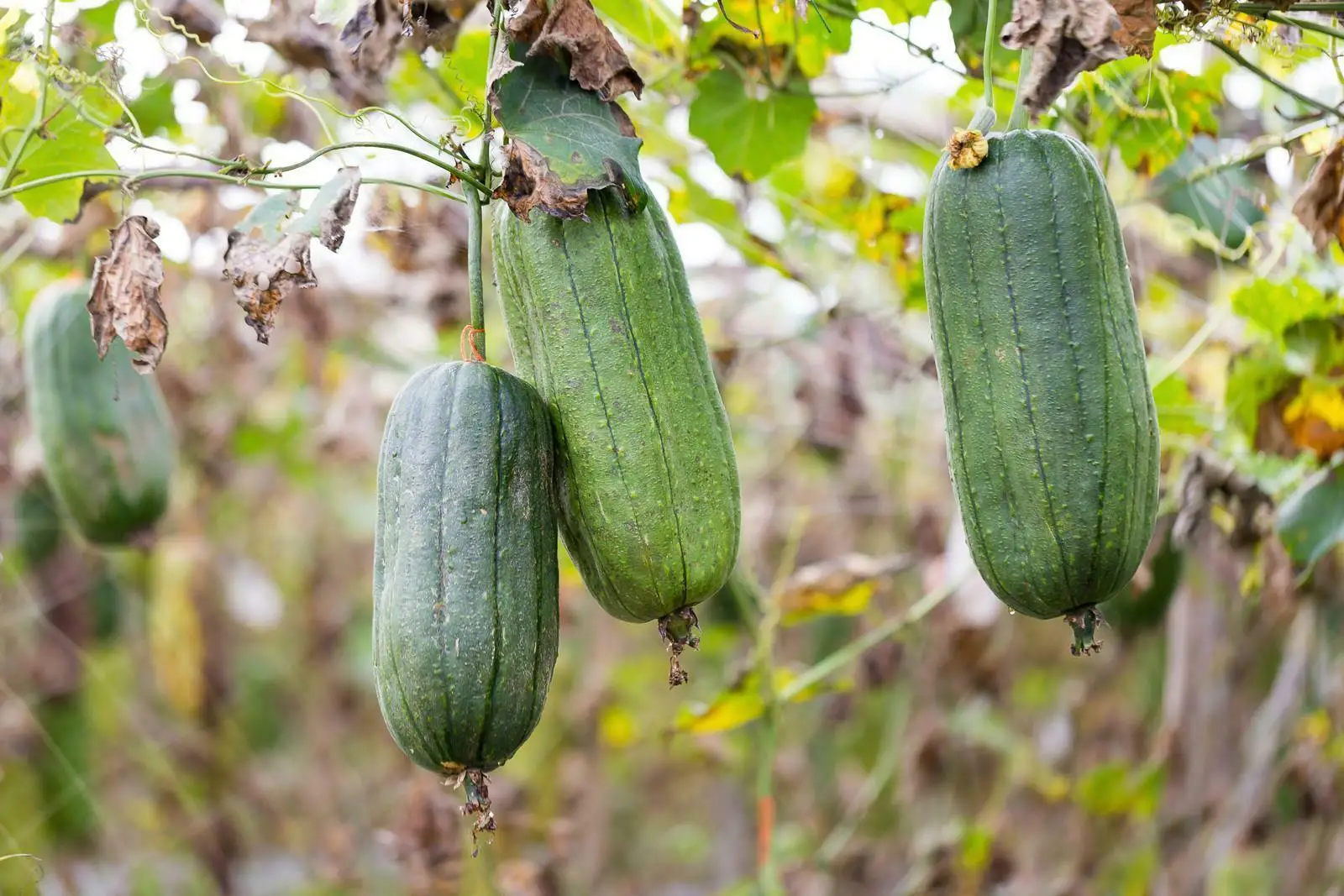
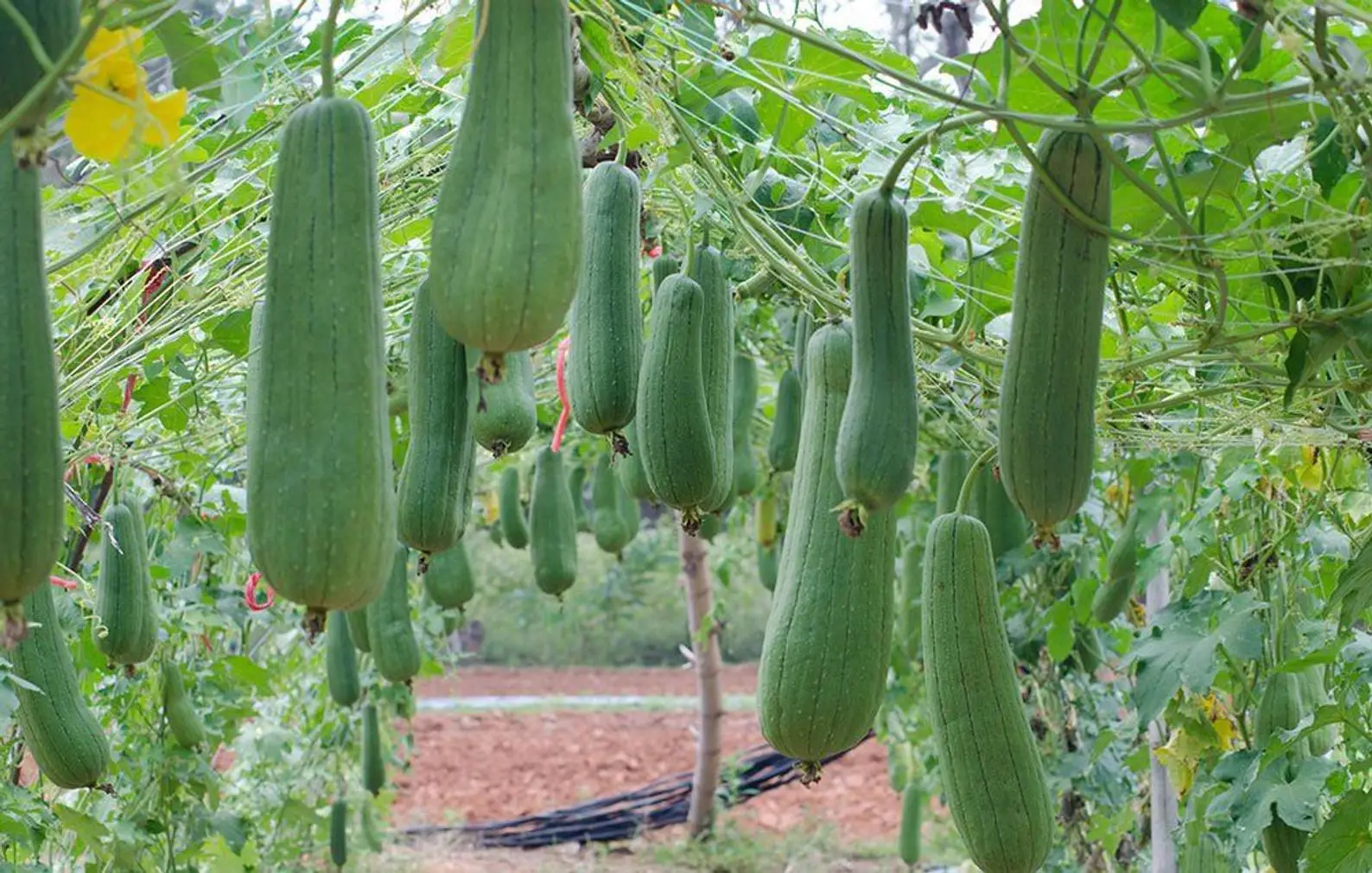
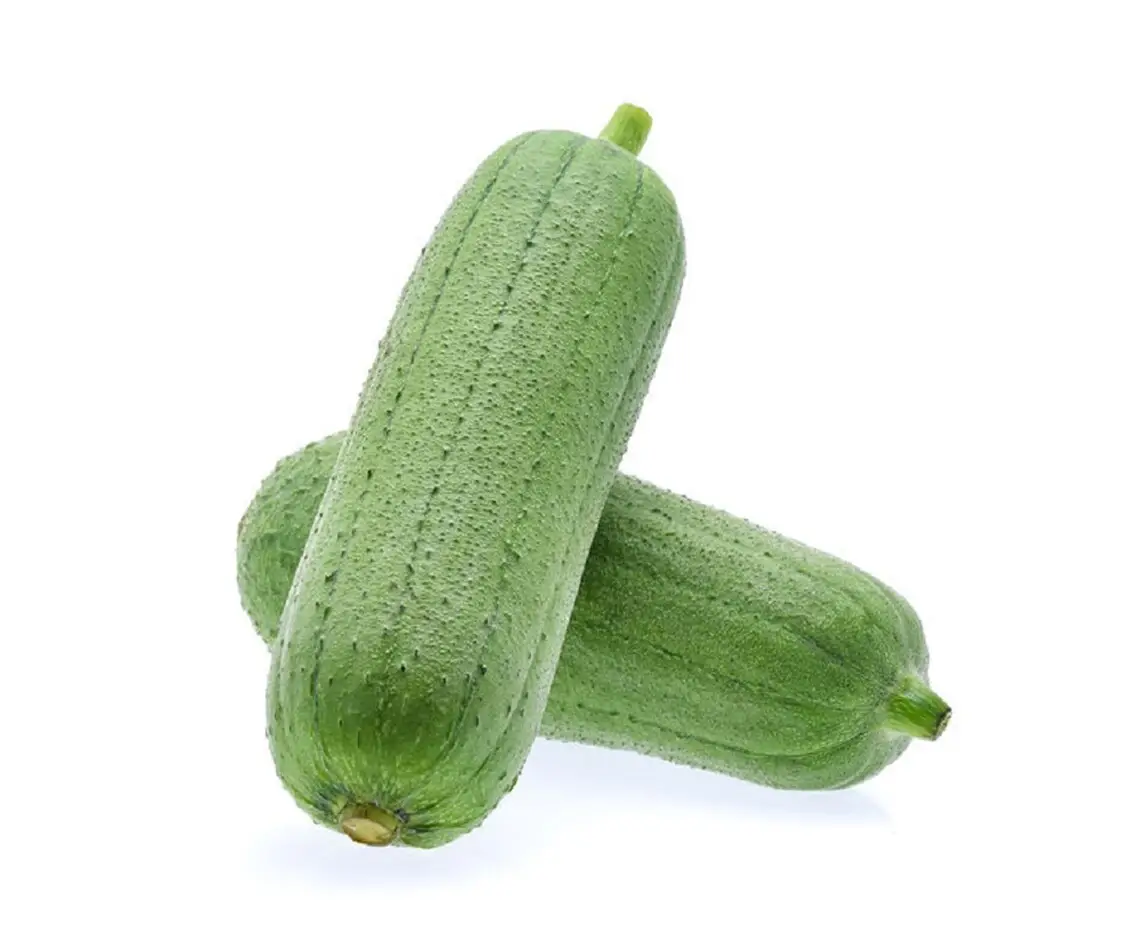
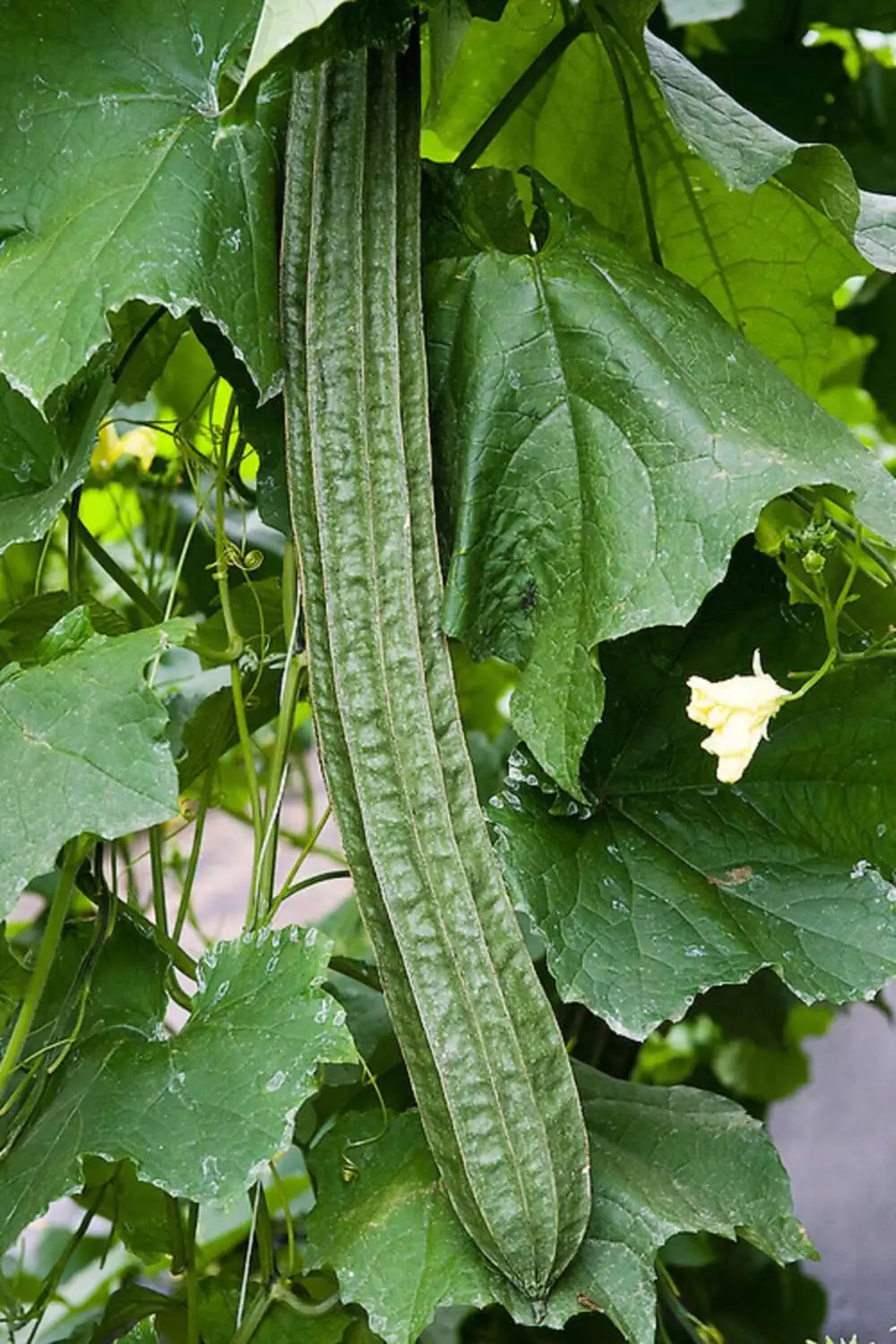
Growing luffa is rewarding and straightforward for a warm-climate gardener. Plant seeds directly in well-draining, rich soil once the ground is warm, or start indoors 4–6 weeks before your last frost if you’re in zones 5–6. The vine loves full sun—at least 6–8 hours daily—and needs a sturdy vertical support (trellis, fence, or pergola) to climb. Water consistently but don’t waterlog; keep soil moist, never soggy. Feed occasionally with balanced fertilizer. Within weeks, brilliant golden-yellow flowers appear, attracting bees and pollinators. The fruits develop, elongating to 12–24 inches, and as summer turns to autumn, the skin darkens. When it’s hard and tan-brown, harvest and hang to dry completely. Peel away the outer skin, rinse out the seeds, and you have a perfect natural sponge—or let it stay on the skin for a rustic look. The beauty is in the simplicity: this plant asks for warmth, sun, and support, and rewards you generously.
Grow Luffa cylindrica from seed this season and join centuries of gardeners who knew the joy of cultivating their own wellness tools. Plastic-free. Nature-made. Entirely your own.
Only logged in customers who have purchased this product may leave a review.

Reviews
There are no reviews yet.