
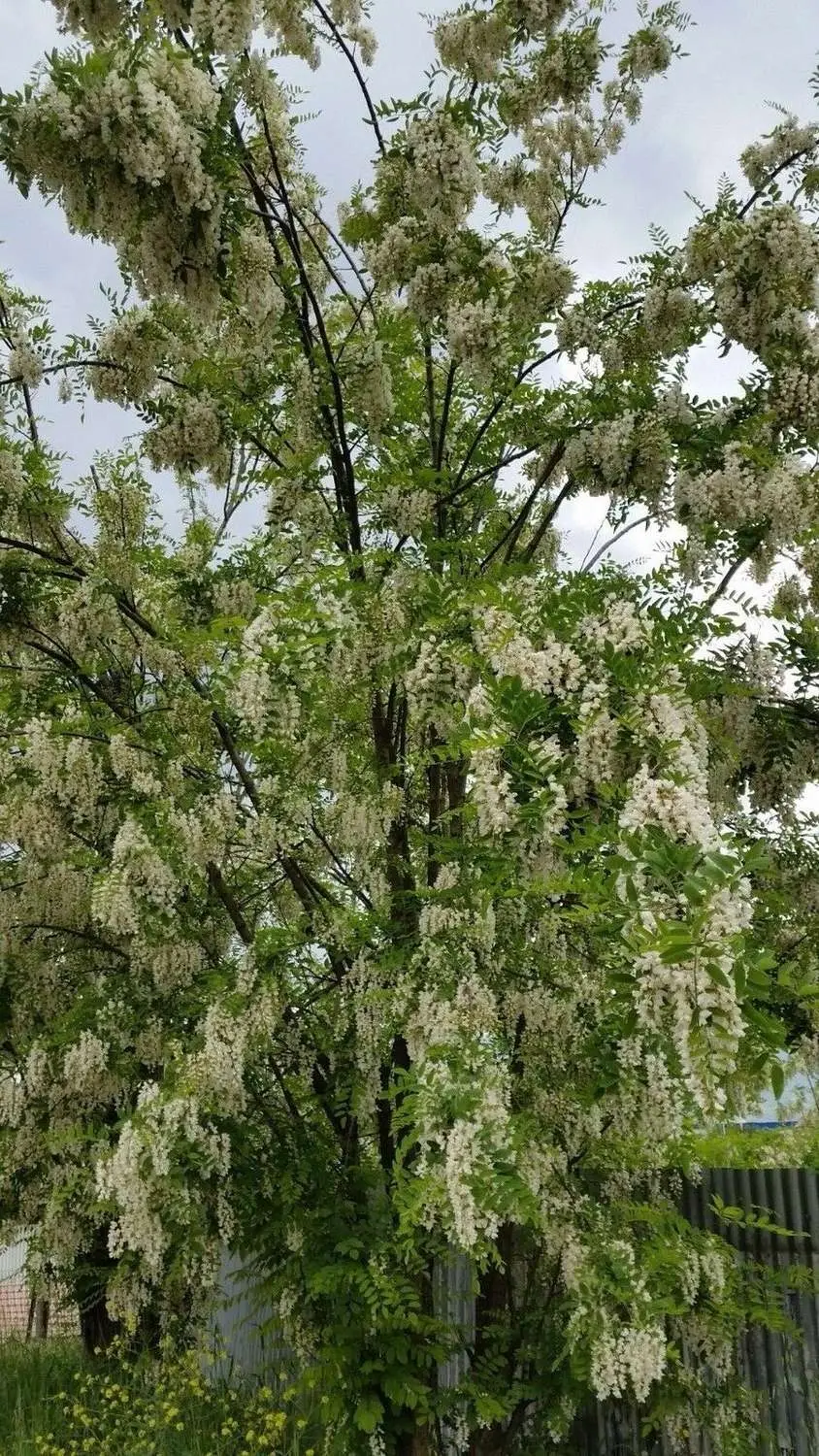
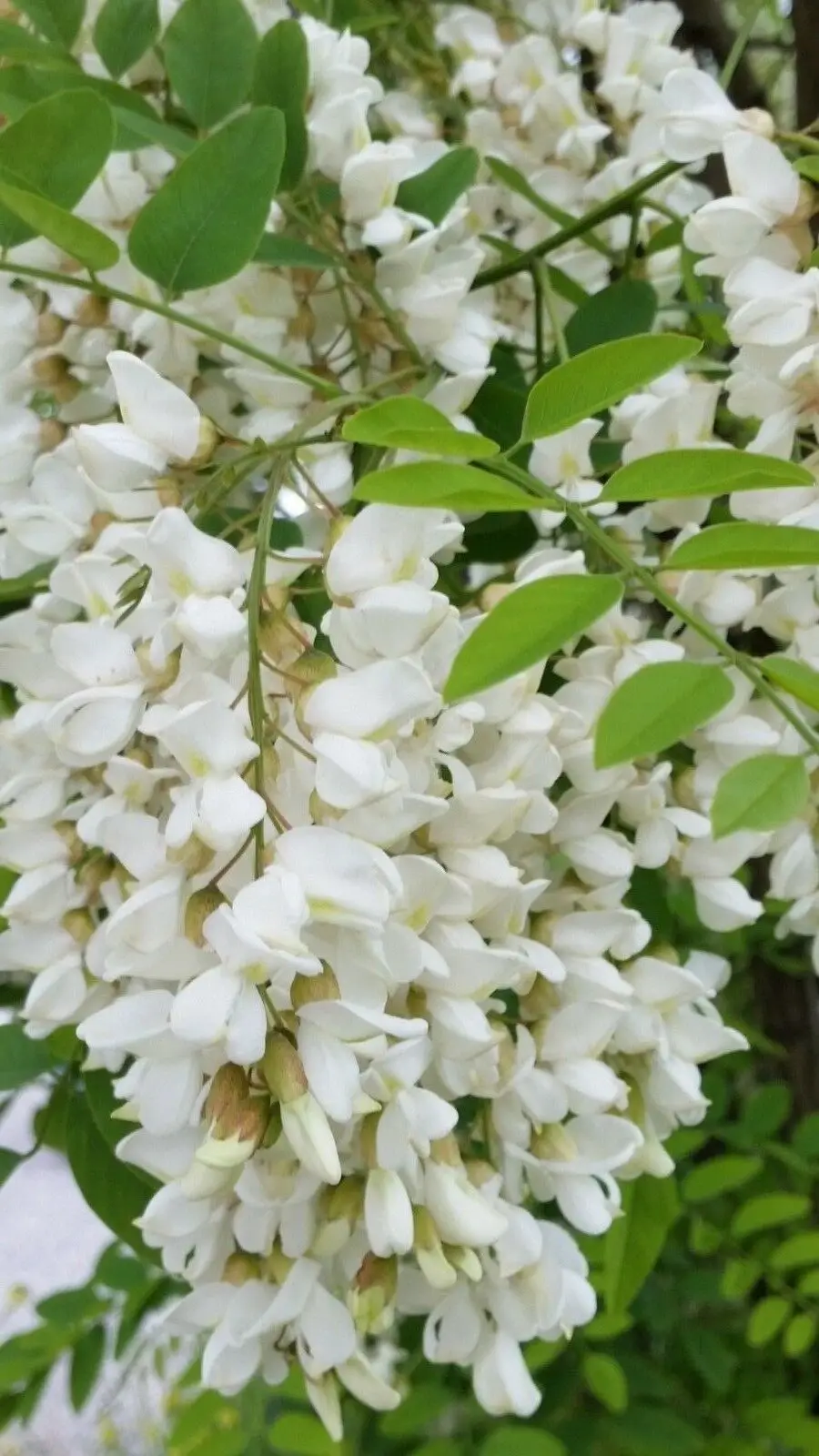
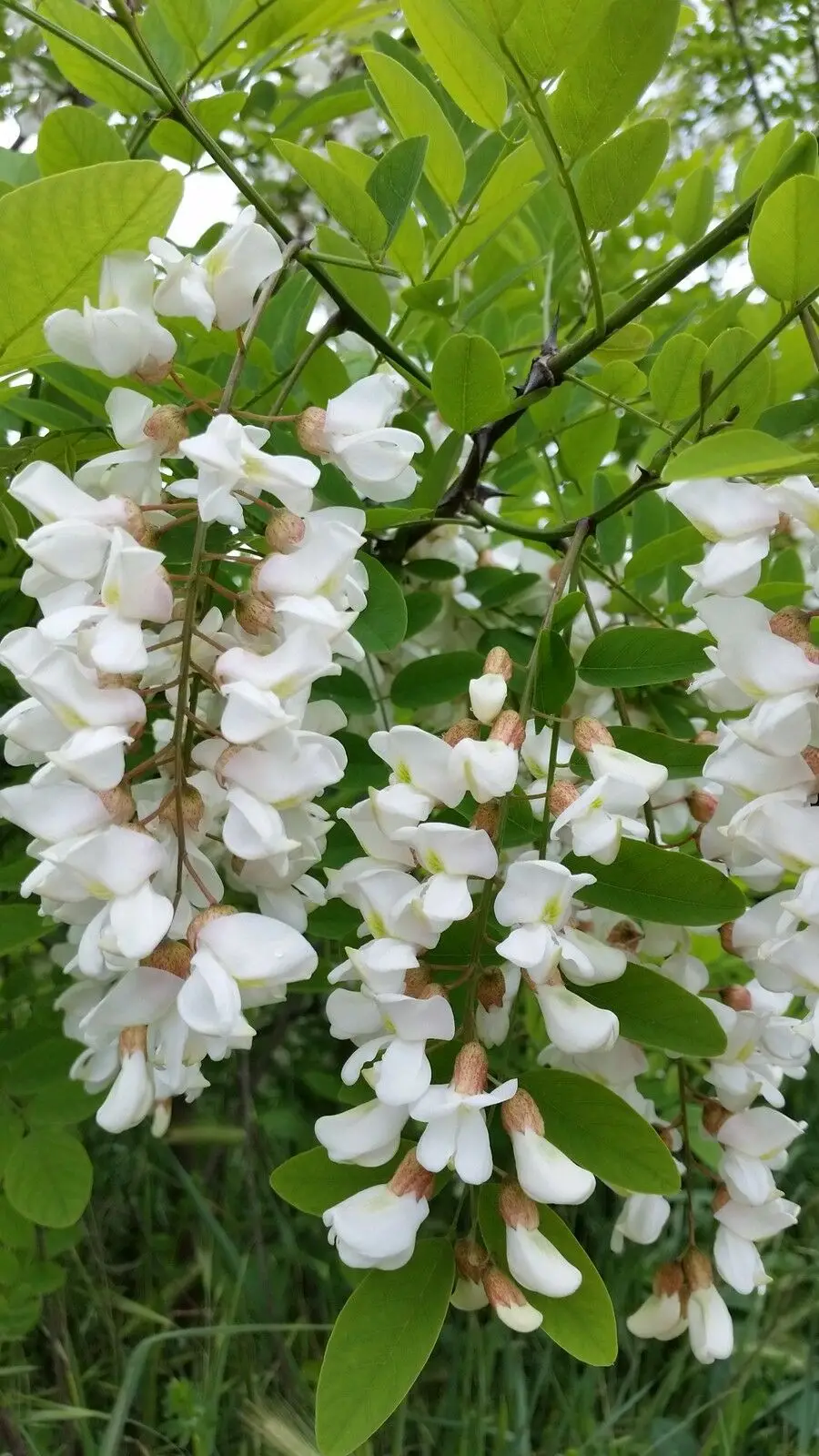
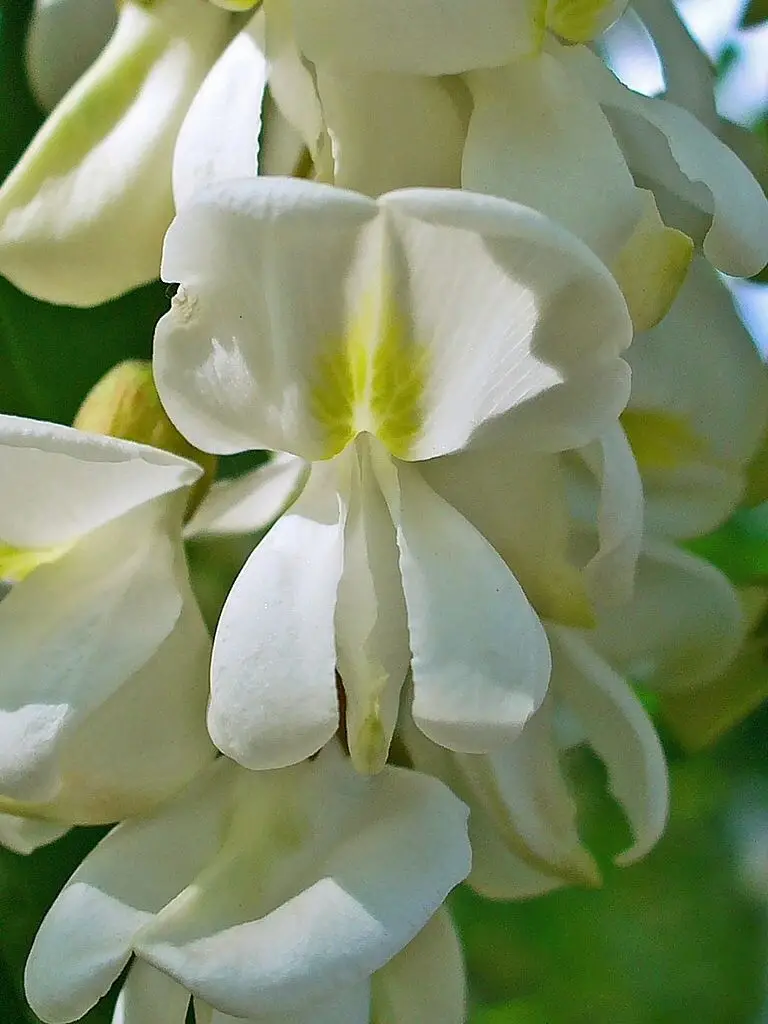
Imagine cascading white blossoms in spring that bees cannot resist—and neither will you. Robinia pseudoacacia is the legendary source of acacia honey, that rare, light-as-glass, vanilla-forward nectar that commands devotion from beekeepers worldwide. Ten magical days of fragrant bloom yield the most exquisite honey harvest. Grow from seed and watch the magic unfold—this vigorous, adaptable tree laughs at poor soil and thrives almost anywhere.
€1.92
Grow the flower that produces the world’s most coveted honey—and transform your garden into a beekeeper’s paradise.
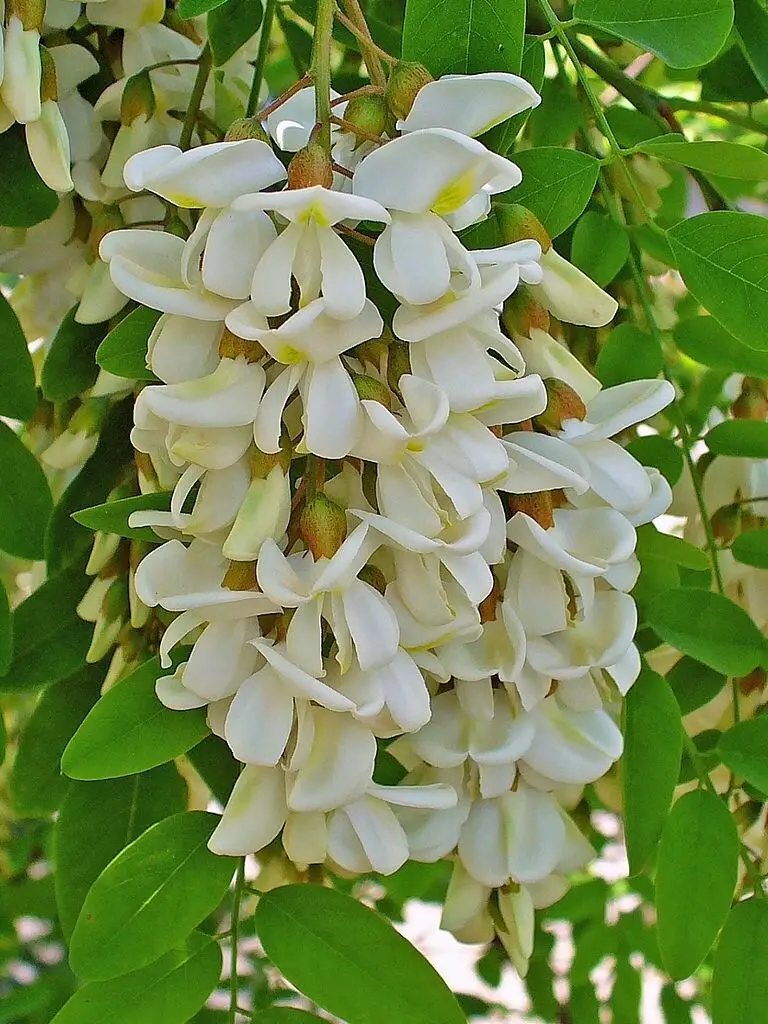
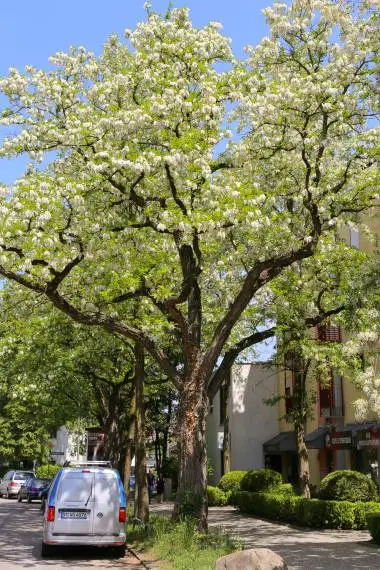
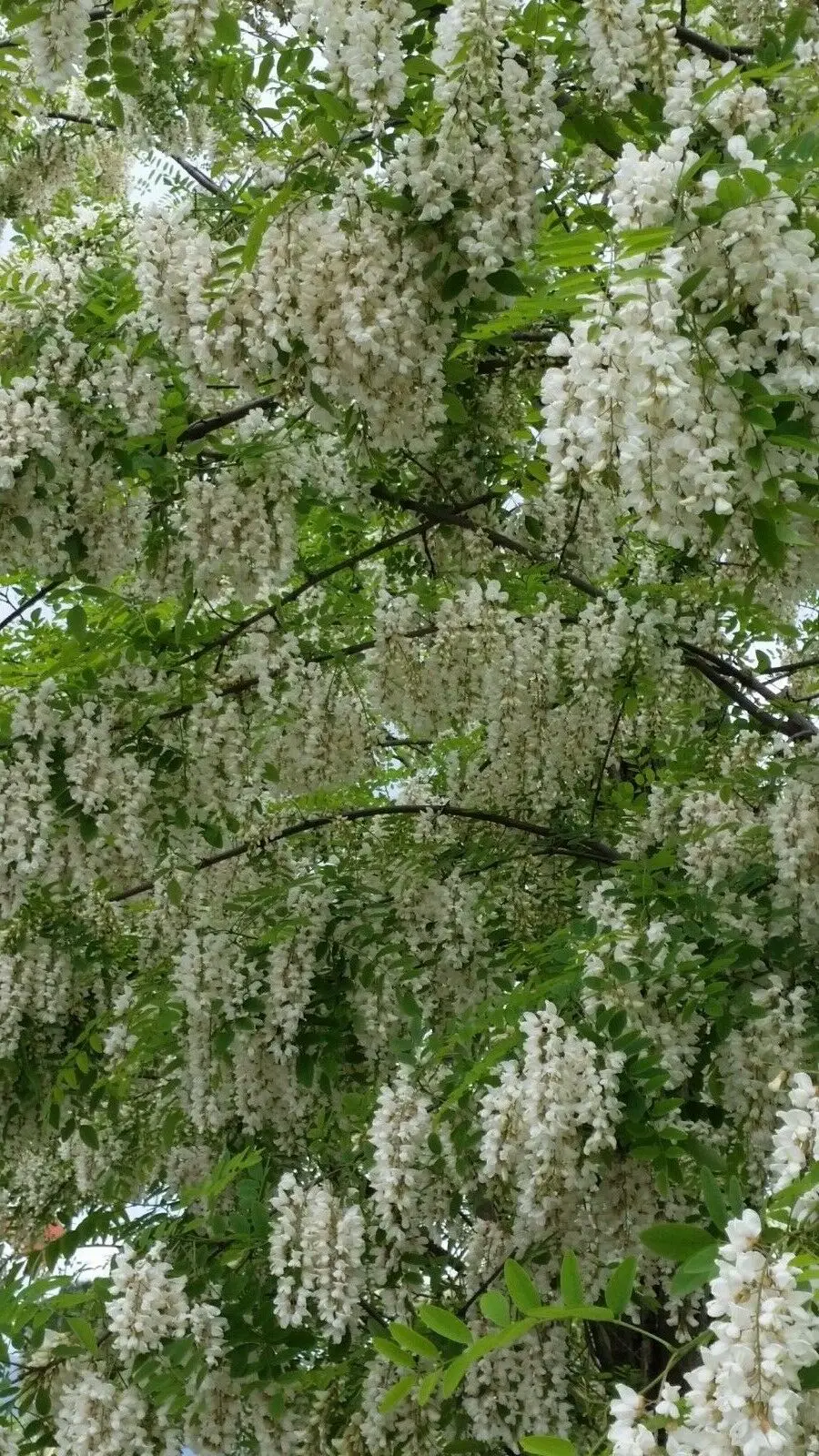
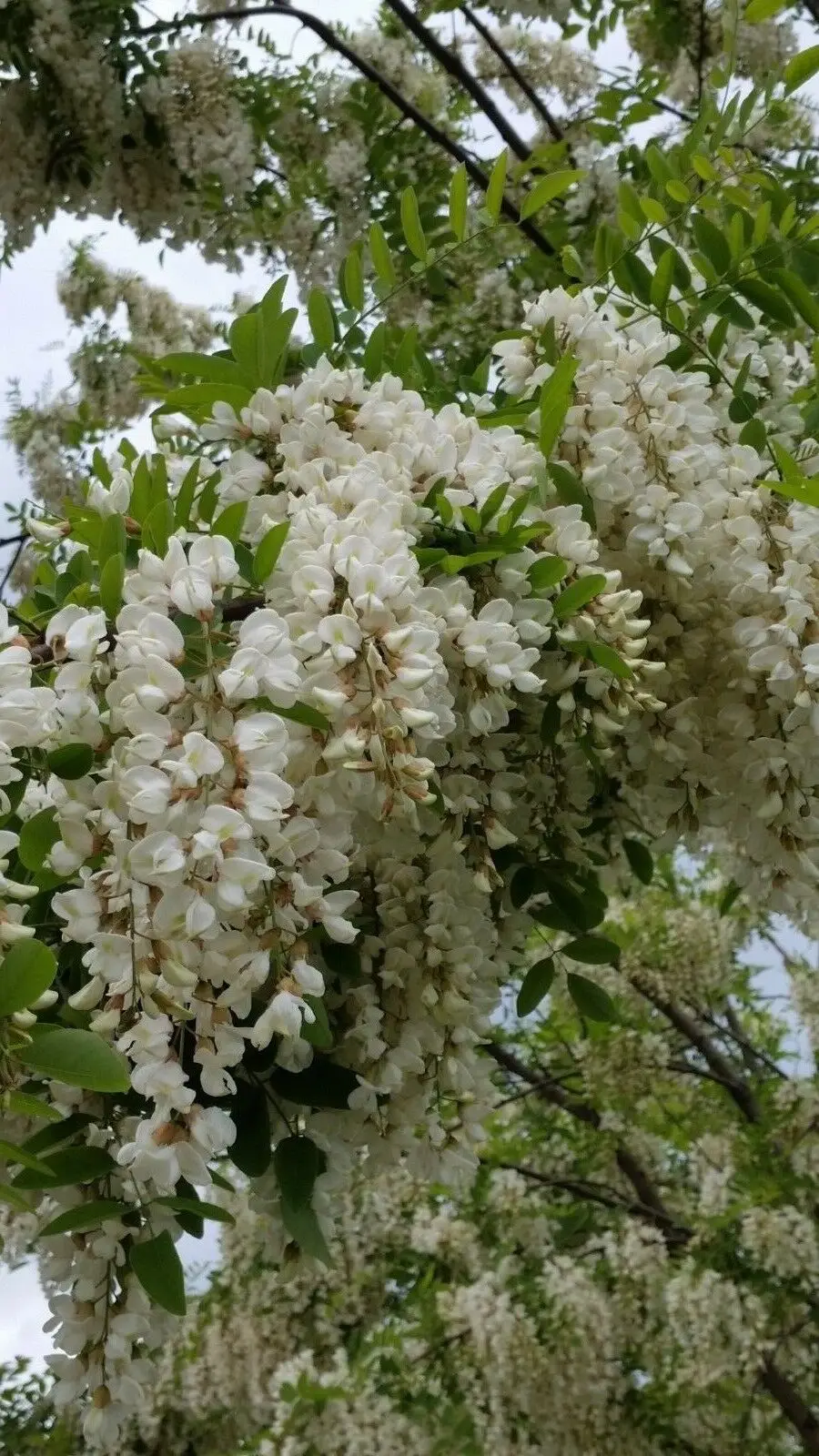
Robinia pseudoacacia is a medium-sized hardwood deciduous tree native to the Appalachian Mountains, though it has been beloved and widely cultivated across North America and Europe for centuries. The moment you glimpse a mature black locust in bloom, you understand why: cascading white flowers that smell like wisteria mixed with something sweet you can’t name. Pendulous white clusters known as racemes, often reaching 4 to 8 inches in length, adorn the tree in late spring to early summer. Dark green foliage that turns yellow in autumn provides year-round beauty, while thick, deeply furrowed bark that is often dark brown to grayish-brown in color with deep furrows that run vertically along the trunk, creating prominent, interwoven ridges that give the bark a rope-like or cable-like appearance.
But here’s the secret that has captivated beekeepers for generations: this tree is the true source of what the world calls acacia honey. Black locust is a major honey plant in the eastern US, and in many European countries, it is the source of the renowned acacia honey. Black locust trees bloom for ten days. May into June, depending on how warm spring comes—a fleeting window of pure nectar magic. The honey produced is fruity and fragrant, ranging from water white to lemon yellow to yellowish green. More remarkably, the honey is high in fructose so it can be stored for long periods without crystallizing. The flavor itself is ethereal: light, floral, vanilla-forward. Delicate without being weak. Fruity undertones, hints of almond, maybe nutmeg if you’re paying attention. Long vanilla finish that doesn’t turn bitter. Whether you’re a serious beekeeper seeking premium monofloral nectar, a culinary enthusiast who understands that this honey is known for its light color, delicate sweetness, and floral aroma with subtle vanilla notes, making it a rare and sought-after honey variety, or simply someone who wants to feed pollinators while creating living beauty—this tree is for you. This makes black locust honey a bit of a special treat when it is available.
Beyond the honey, black locust is a powerhouse of ecological and practical gifts. One of the most striking features of the black locust is its fragrant flowers. These flowers are usually white or sometimes yellowish, forming drooping clusters known as racemes. Blooming in late spring to early summer, they emit a sweet aroma that is highly attractive to bees and other pollinators. In fact, the flowers of the Black Locust are edible and can be used in various culinary preparations, such as fritters and pancakes. In Liguria, Italy and Romania the flowers are sometimes used to produce a sweet and perfumed jam. Additionally, the tree has nodules of nitrogen-fixing bacteria on its roots which make it an excellent species for re-vegetating poor or damaged soils. In addition, its tolerance for low pH has made the tree useful for strip-mine reclamation sites. This is a tree that literally heals the land while it feeds the bees.
Now the practical magic: black locust is remarkably easy to grow. Black locust grows quickly and averages 40-70 feet tall at maturity, establishing itself with impressive vigor. It flourishes in well-drained soil and full sun, making it a resilient choice for urban environments. The tree tolerates poor soils, drought, and urban pollution without complaint—in fact, it *improves* the soil a
Only logged in customers who have purchased this product may leave a review.
Reviews
There are no reviews yet.