Description
The Melianthus major produces a nectar so dark and thick that it appears almost black—a visual and culinary wonder that will stop you in your tracks.
Native to the Western, Eastern and Northern Cape Provinces of South Africa, this is a plant steeped in botanical history. The species was introduced to horticulture in Holland in 1673, and only named by Linnaeus in 1753. The genus name Melianthus means ‘honey flower’, from the Greek meli, meaning ‘honey’ and anthos, ‘flower’, referring to the nectar-rich flowers—a name that has captivated gardeners for centuries.
But here’s what makes this plant truly remarkable: The flowers produce an abundance of nectar and are pollinated by birds, and are also visited by bees and Melianthus is said to produce good honey. The plant produces large amounts of black nectar, which can literally drip from the flowers. This isn’t just ornamental beauty—it’s a living nectar factory that transforms your garden into a haven for pollinators. Watch sunbirds, honeybees, and native insects flock to your border throughout spring and summer. If you keep bees, this is a trophy plant. If you simply love bees, it’s essential.
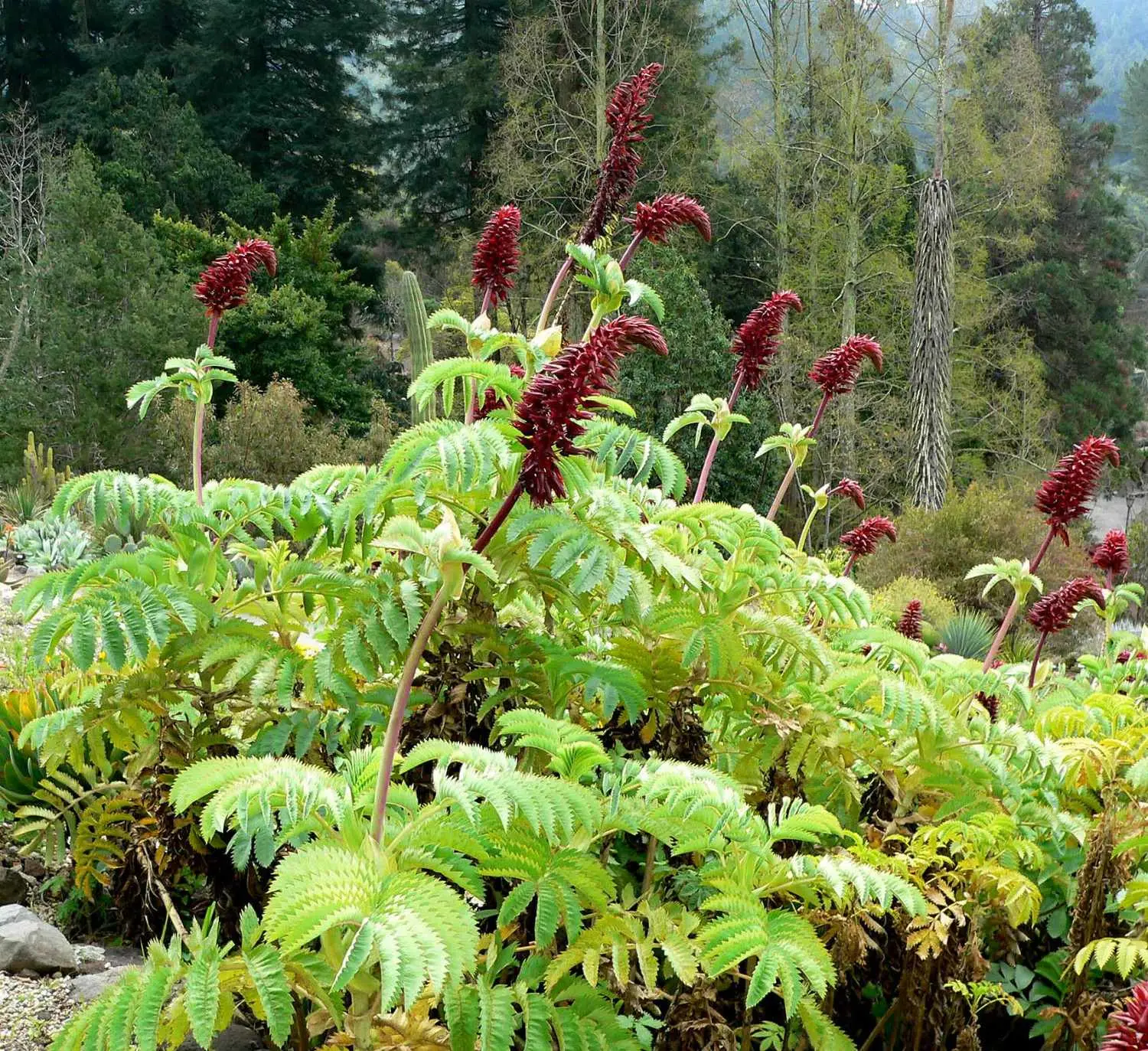
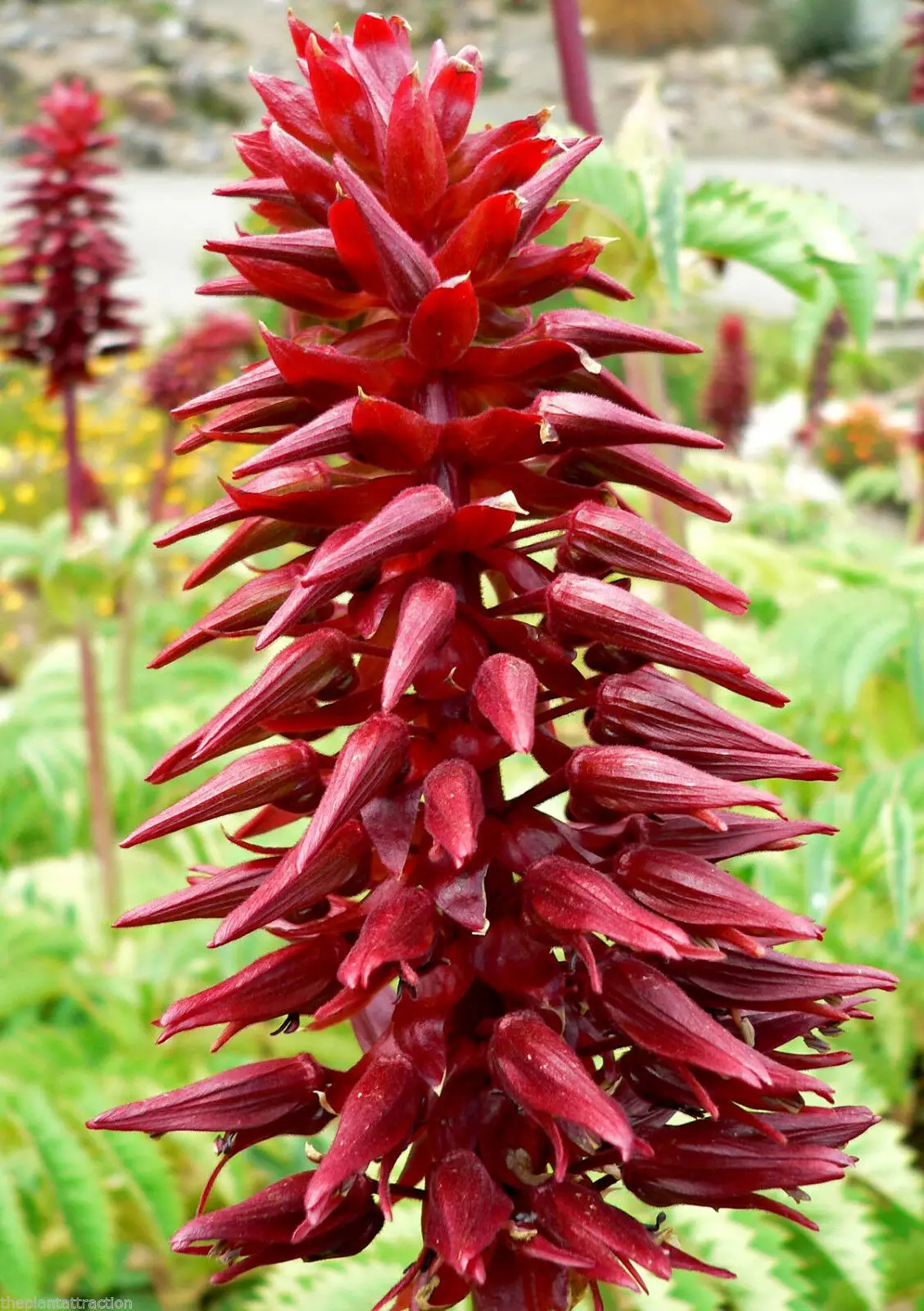
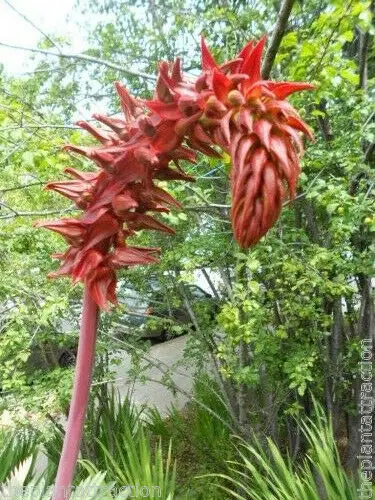
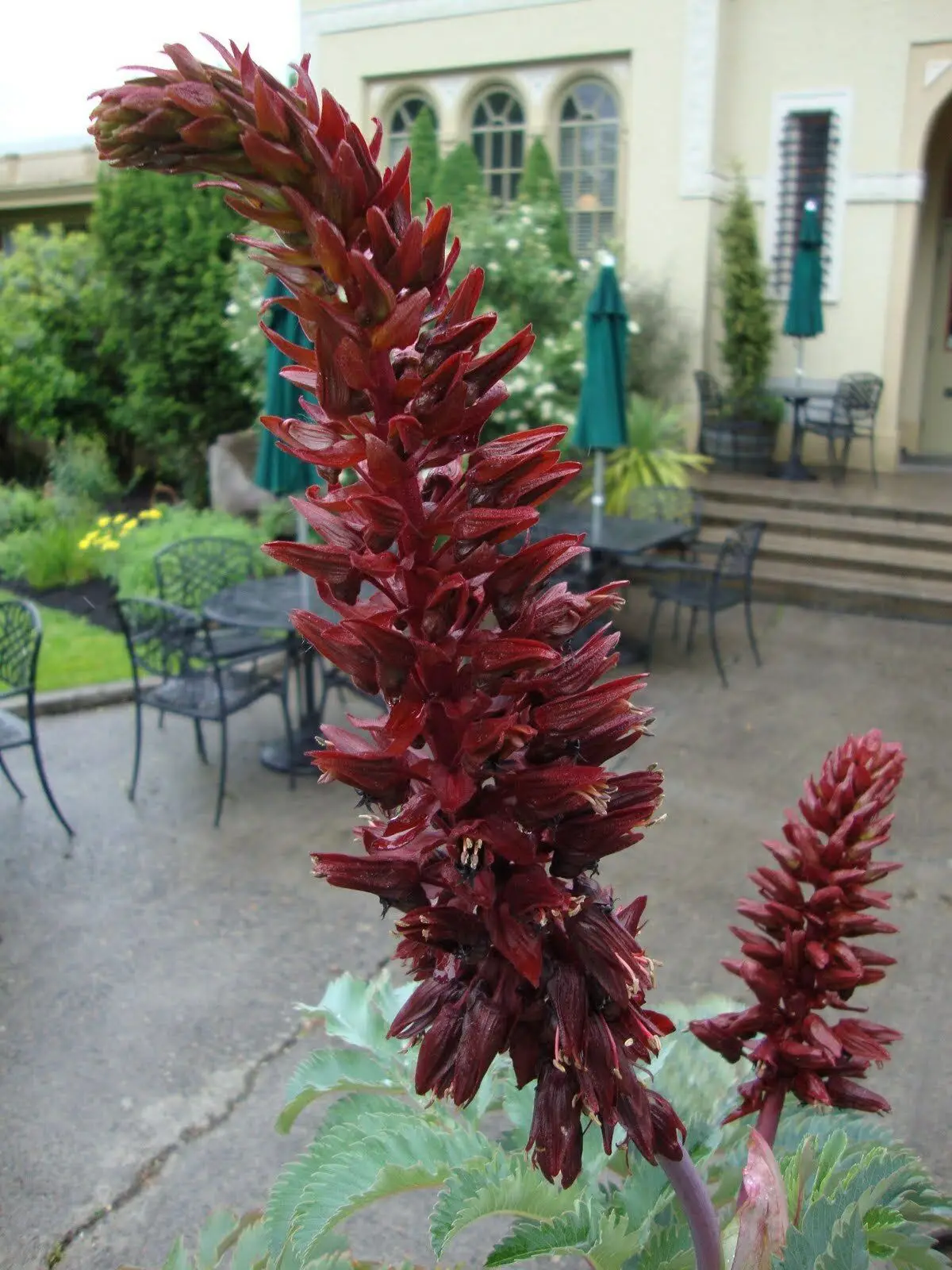
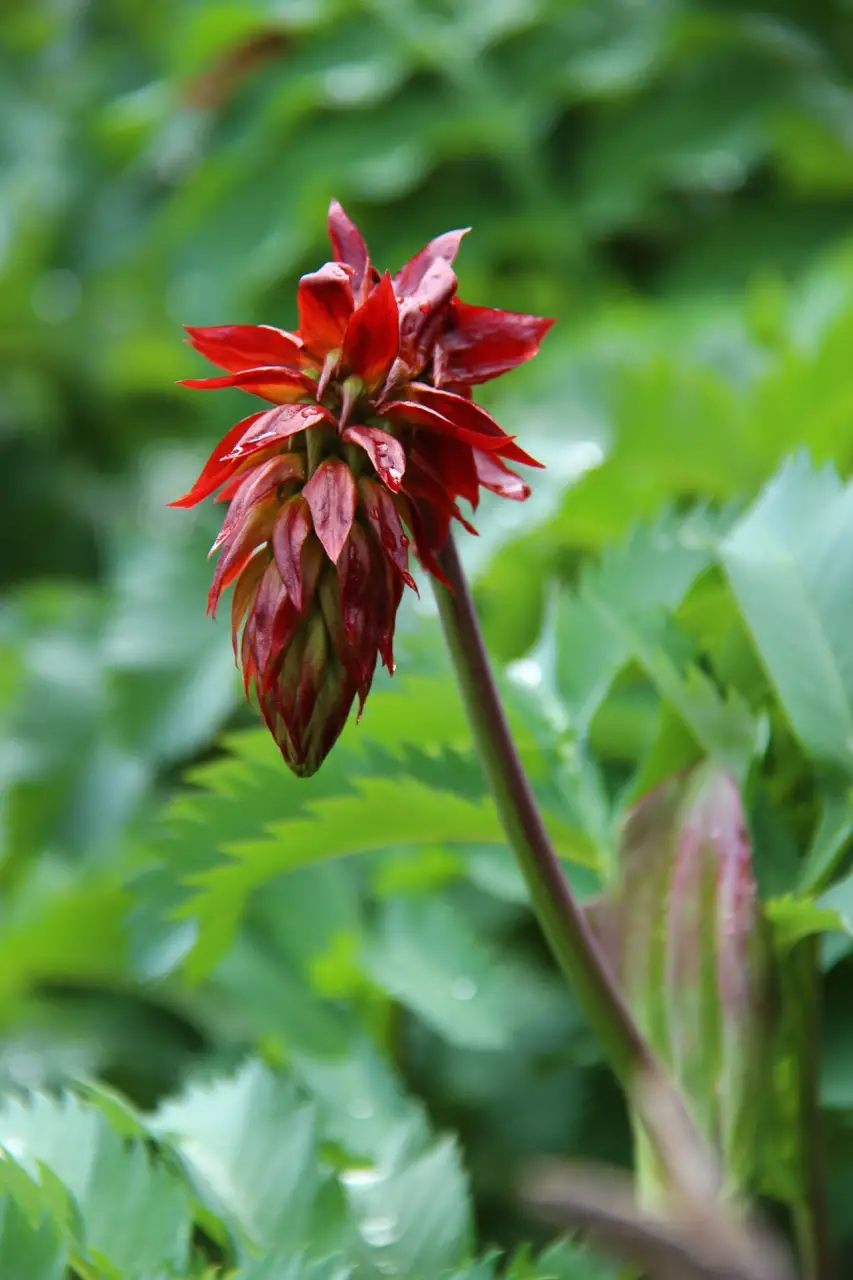
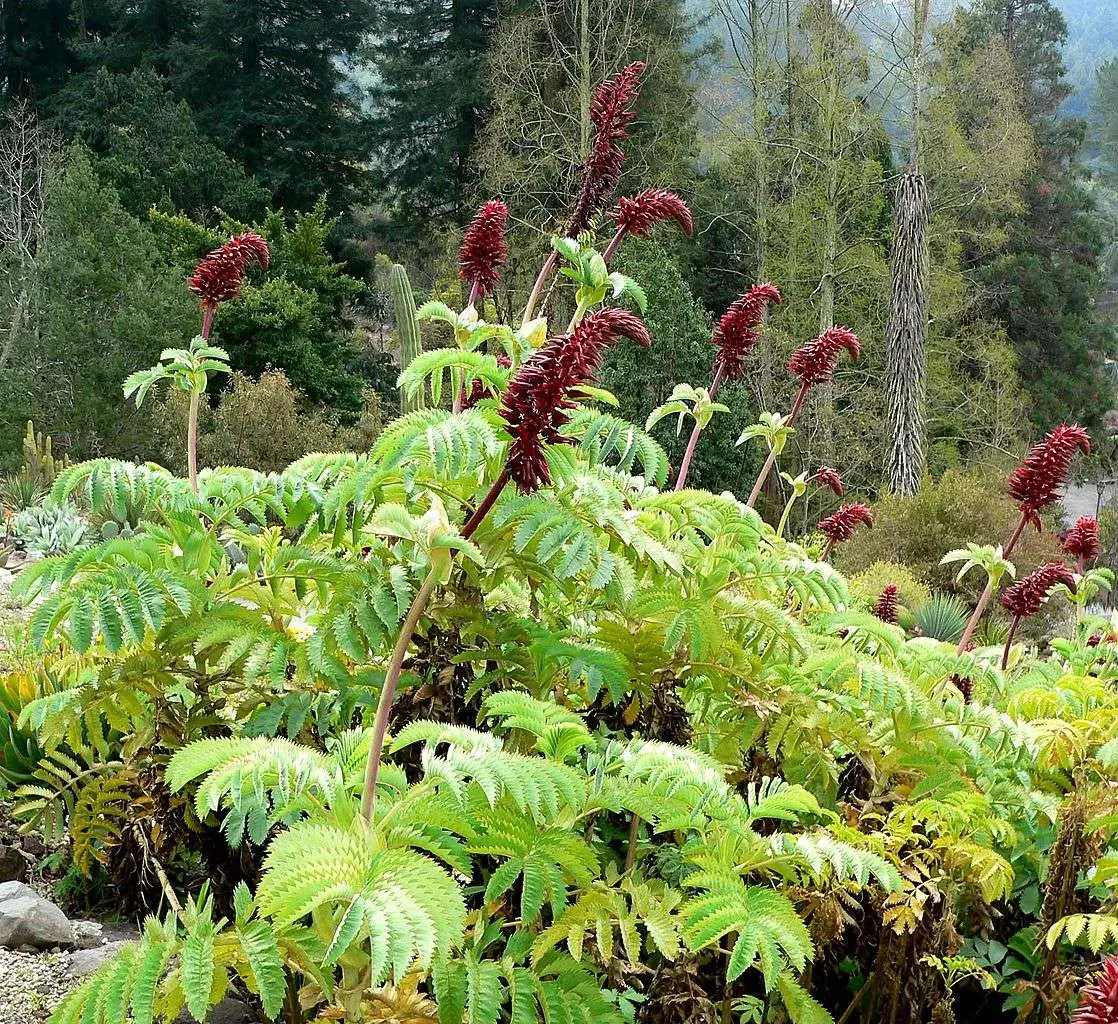
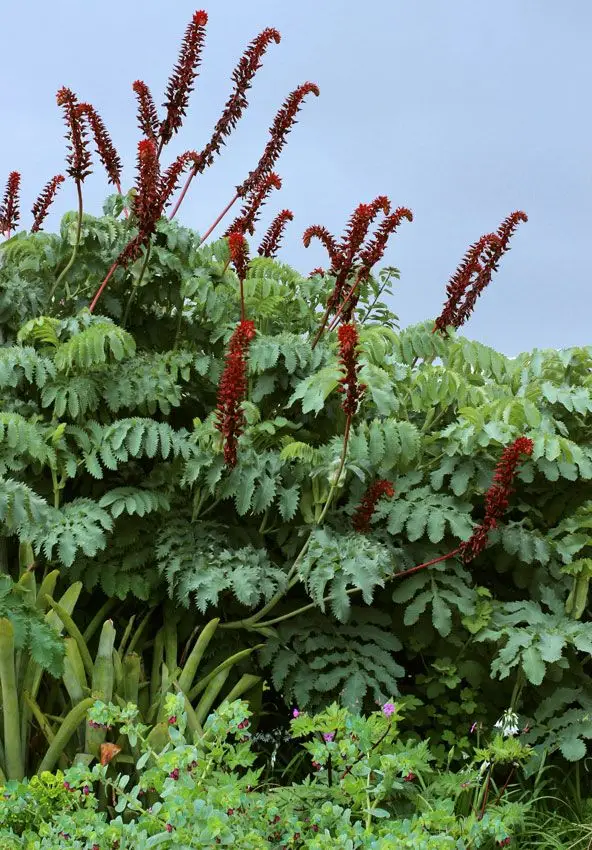
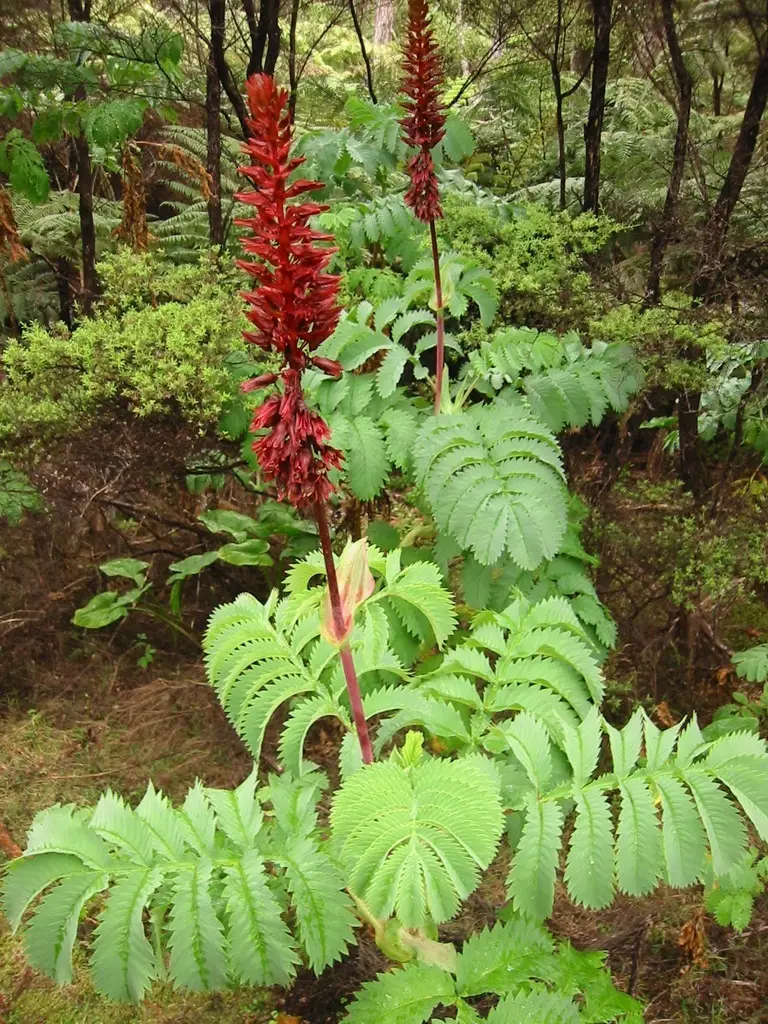
The visual architecture alone justifies growing this marvel. It grows to 2–3 m tall by 1–3 m wide, with pinnate blue-green leaves 30–50 cm long, which have a distinctive musky odour. Dark red, nectar-laden flower spikes, 30–80 cm in length, appear in spring. Its leaves exhale an odor between peanut butter and cocoa when crumpled—a quirky sensory bonus that makes this plant unforgettable. It is a recipient of the prestigious Award of Garden Merit of the Royal Horticultural Society.
Melianthus major is an easy garden plant, grown worldwide for its lush, attractive foliage. It prefers a warm, well-watered, sunny position, with good drainage, and although quite tough and adaptable, it will flourish in deep, rich soil, especially if given plenty of water. Melianthus grows fast and will make a show within a few months. Start from seed and you’ll have a mature specimen, bursting with character, by mid-summer. It thrives in containers, loves borders, and adapts beautifully to Mediterranean and subtropical gardens. Once established it requires no supplemental watering—a hardy, rewarding performer that grows stronger each season.
Cultivate this from seed and you’re not just growing a plant—you’re cultivating a living bridge between your garden and the natural world. Every bloom will hum with life. Every black drop of nectar will tell the story of bees finding their feast. This is the plant serious gardeners return to, season after season.
Germination Guide
🌍 Southwestern Cape, South Africa
Easy
Melianthus major is an evergreen shrub from South Africa with striking blue-green foliage. Fresh seed germinates readily within 3-4 weeks at warm temperatures. Seeds have high oil content and should be protected from rodents.
Germination
Germination time
Expect germination in
21 – 90 days
Temperature
Min 15°C
Ideal 20°C
Max 22°C
Substrate moisture
💧 Medium
Sowing depth
Lightly covered
Seed Pre-treatment
-
❄️
Cold stratification — 21 days at 4°C
-
📋
Additional notes
For stored seeds that fail to germinate, apply cold stratification at 3-4°C for 3-4 weeks, then return to 20-22°C to germinate
Substrate & Container
Recommended substrate
well-drained seed compost, peat, vermiculite, sand or milled bark
Recommended container
seed trays or pots
Growing Tips
Fresh seed germinates more reliably than stored seed. Light enhances germination. Seeds can be pressed into damp compost and sealed in plastic for warm propagation. Keep soil moist but not waterlogged.
Only logged in customers who have purchased this product may leave a review.


Reviews
There are no reviews yet.