Description
Height: 50 – 60 cm
Brightness: full sun, partial shading
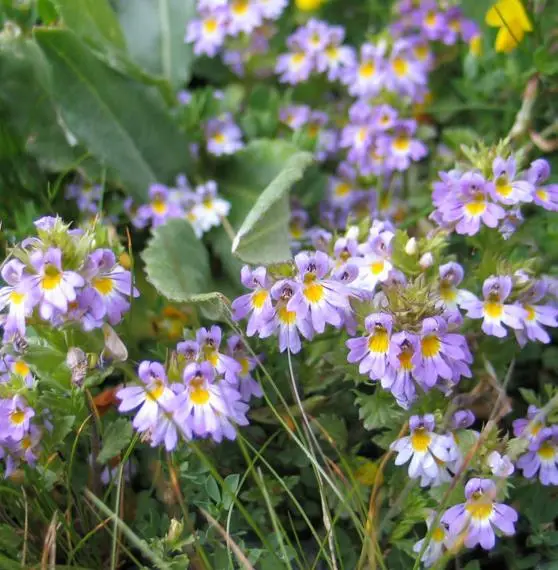
Flowering: white and lilac
Euphrasia rostkoviana (synonym euphrasia officinalis), is a semi-parasitic plant (it contains chlorophyll, but obtains water and minerals from its host) in grasses and other plants, its common name refers to the use of the plant in the treatment of eye infections, which it usually comes in the form of a compress and eye drops.
The species generally grows in alpine and sub-alpine meadows and, together with grasses
The name euphrasia is derived from the Greek euphrosyne, who was one of the goddesses of the three destinations and was known for her joy and youthfulness. Although known to the ancient Greeks, it was only in the 14th century that it was then mentioned as a cure for all ills of the eye. It is then considered one of the main plants used in eye disorders in general and mainly to relieve conjunctivitis and blepharitis.
Its medicinal properties are reported far beyond vision, such as astringent, analgesic, anesthetic, antiallergic, antispasmodic, anti-inflammatory, treatment of sinusitis and ear congestion, healing, among others.
The parts of the plant used include the leaves, the stem and the flowers. The leaves are also used in cooking.
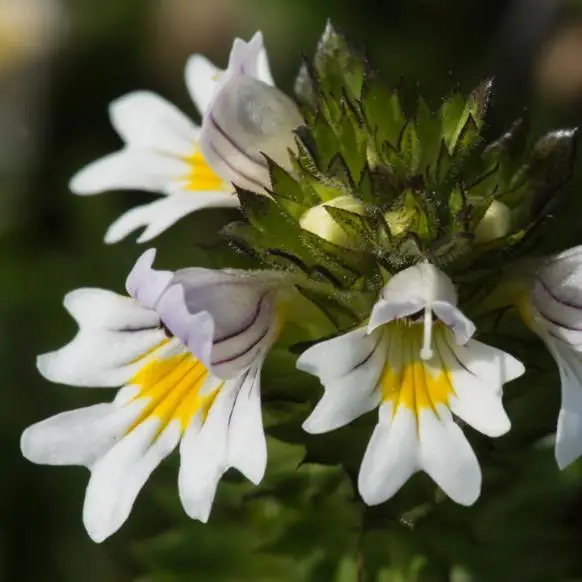
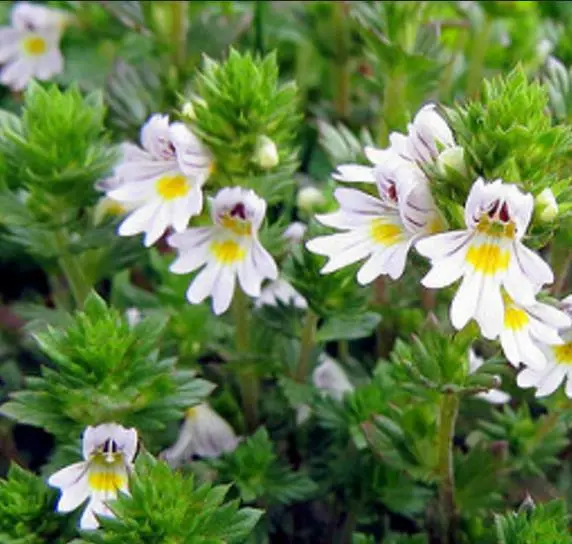
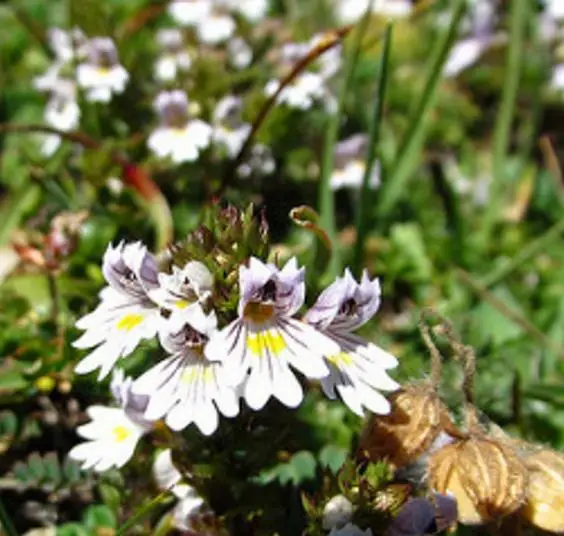
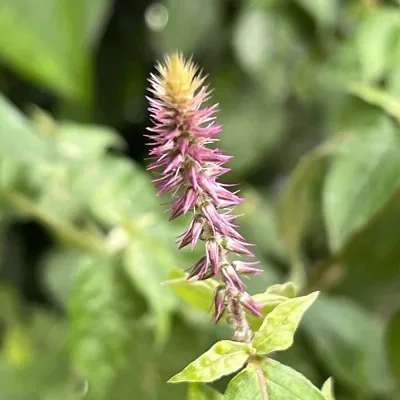
Its flowers have the lower petal in the shape of a lip and are white, dotted with lilac and the yellow brush strokes act as a guide for pollinating insects.
Germination Guide
🌍 Most of Europe, northern Mediterranean region
Difficult
Euphrasia rostkoviana, commonly known as eyebright or sticky eyebright, is a semi-parasitic annual herb native to Europe and the Mediterranean region. It exhibits physiological dormancy requiring cold stratification to initiate germination, typically needing exposure to temperatures around 5°C. Seeds should be sown on the surface of moist, well-drained soil in proximity to suitable host plants such as grasses, as the species depends on root parasitism for vigorous growth and flowering.
Germination
Germination time
Expect germination in
21 – 70 days
Temperature
Min 4°C
Ideal 5°C
Max 15°C
Substrate moisture
💧 Medium
Substrate & Container
Recommended substrate
Well-drained sandy soil or moist soil; prefers chalk or limestone
Recommended container
Seedling tray or direct sowing in field near grass host plants
Growing Tips
Sow seeds in autumn (October-November) or spring (March-April) after cold stratification. Seeds can be sown on damp filter paper or blotting paper and refrigerated. Germination may be variable and slow, taking up to 10 weeks; germination rates as low as 10-20% are common. Plant near compatible host grasses (Poa annua, P. nemoralis, Agrostis species) for best results. Keep soil consistently moist but not waterlogged. Do not fertilize heavily as this increases competition with hosts. Avoid overly compact soil. Seeds retain viability for extended periods but decline over time in storage.
Only logged in customers who have purchased this product may leave a review.


Reviews
There are no reviews yet.