FREE SHIPPING OVER €30 FREE SHIPPING OVER €30

Cymbopogon flexuosus — East Indian Lemongrass | Citral-rich essential oil, medicinal herb, culinary treasure

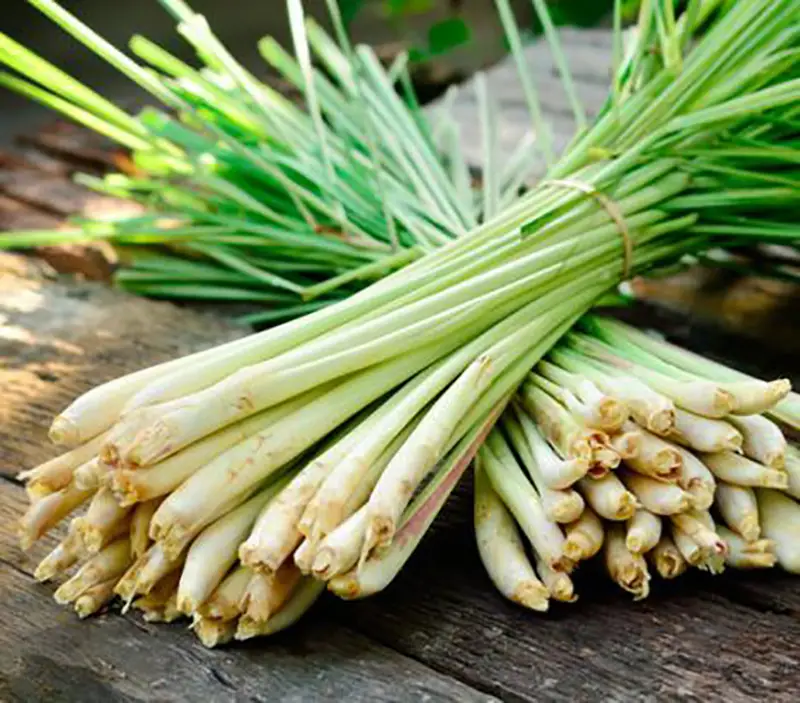
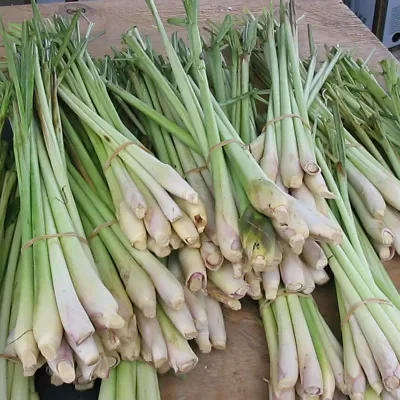
Crush a leaf and breathe in pure lemon—this is Cymbopogon flexuosus, the true East Indian lemongrass prized worldwide for its potent essential oil. Its leaves burst with citral, the aromatic compound that powers perfumes, cosmetics, and natural remedies. Steep it for tea to soothe digestion and calm inflammation, or harvest the oil to create your own premium products. Easy to grow in warm climates and surprisingly forgiving—from seed to aromatic abundance

2.57

You May Also Like

Description

East Indian Lemon Grass is a perennial, herbaceous grass famous around the world for both its culinary and medicinal uses. But here’s what sets it apart: this is *the* lemongrass that produces the most commercially valuable essential oil on the planet.

Native to Cambodia, Vietnam, Laos, India, Sri Lanka, Myanmar, and Thailand, Cymbopogon flexuosus has been cultivated for centuries in its ancestral lands. In India, it is integral to traditional Ayurvedic medicine, where lemongrass is used to treat a wide range of conditions, from fevers to digestive issues. Large-scale cultivation of East Indian lemongrass had already begun in its native region of India decades prior to modern globalization. Today it grows across Africa, Asia, the Americas—wherever heat and sun align.

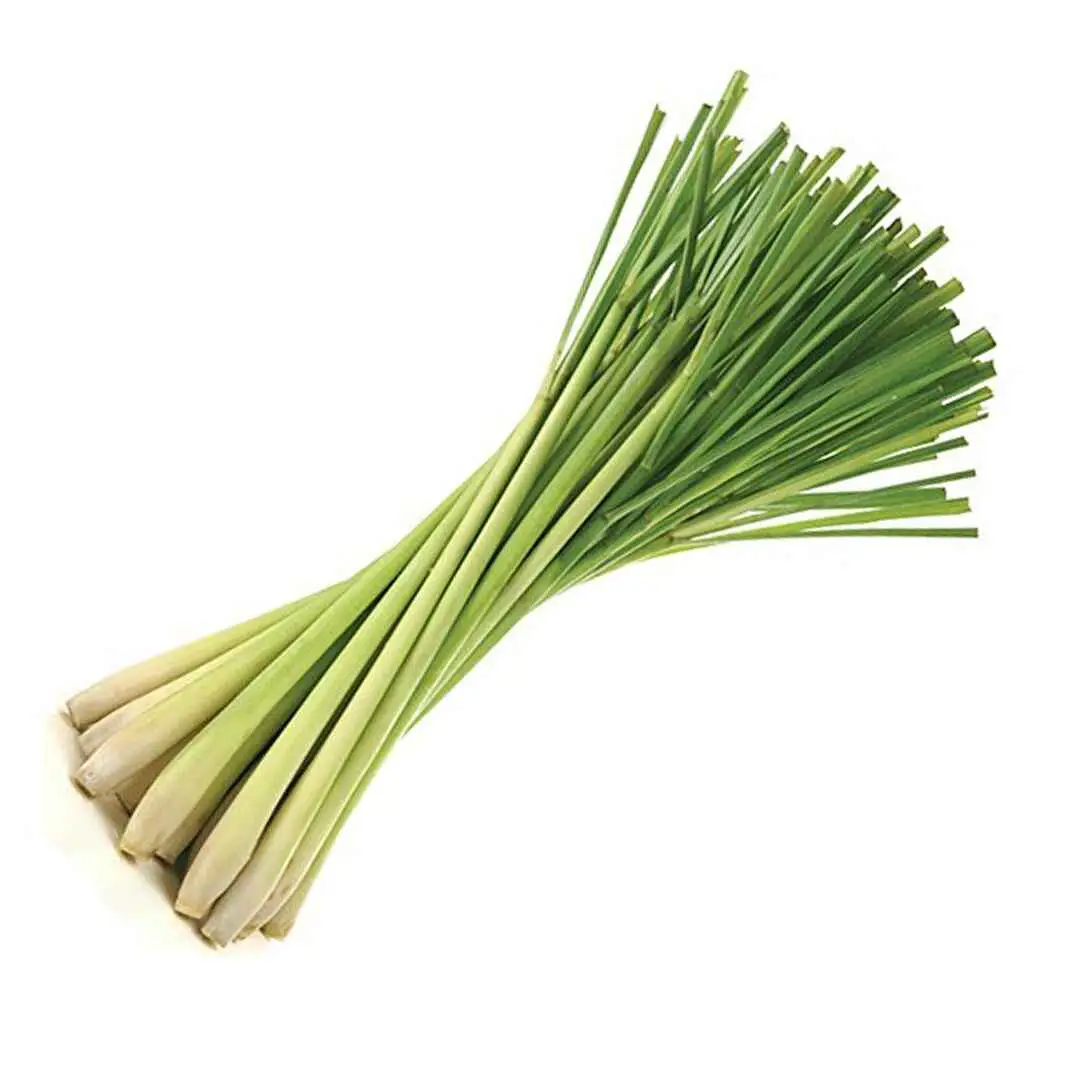
The magic lies in the oil. C. flexuosus is considered one of the primary species extensively cultivated worldwide owing to its essential oil’s high citral concentration, which ranges between 65 and 85%. The oil is rich in citral, myrcene and limonene, giving lemongrass both its characteristic sharp citrus scent and its bioactive mosquito-fighting power—in studies, protection time has been shown to be in the range of 60–120 minutes. This is why the genus Cymbopogon yields essential oils of high quality widely applied in perfumery, food industries, cosmetics, soaps, deodorants and pharmaceutical products. The leaves and essential oil are used in traditional medicine to treat arthritis, digestive concerns, for antiseptic wound care, diabetes control, fever and headaches. The plant has been employed for its antifungal and antibacterial characteristics, making its essential oil a valuable commodity. Grow your own distillery: every leaf is a tiny factory of therapeutic compounds. You can create handmade soaps, natural insect repellents, healing salves, or simply infuse the leaves into tea—lemongrass is widely used in cooking, especially in Thai, Vietnamese, and Indian dishes, adding a refreshing citrus flavor to soups, curries, teas, and marinades.

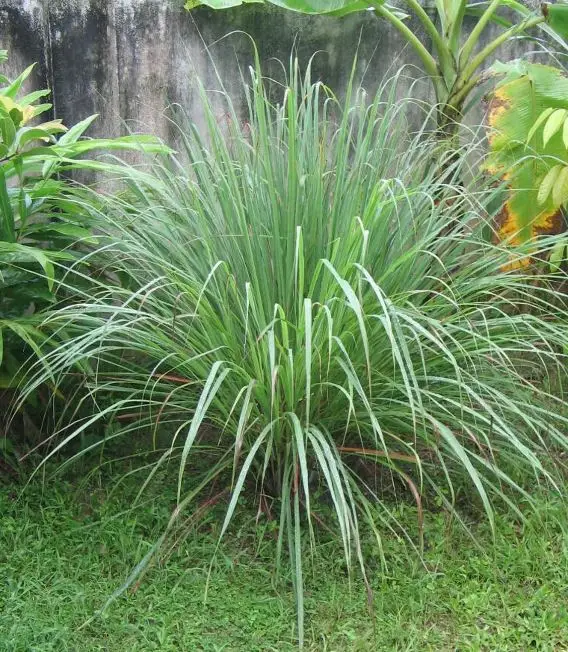
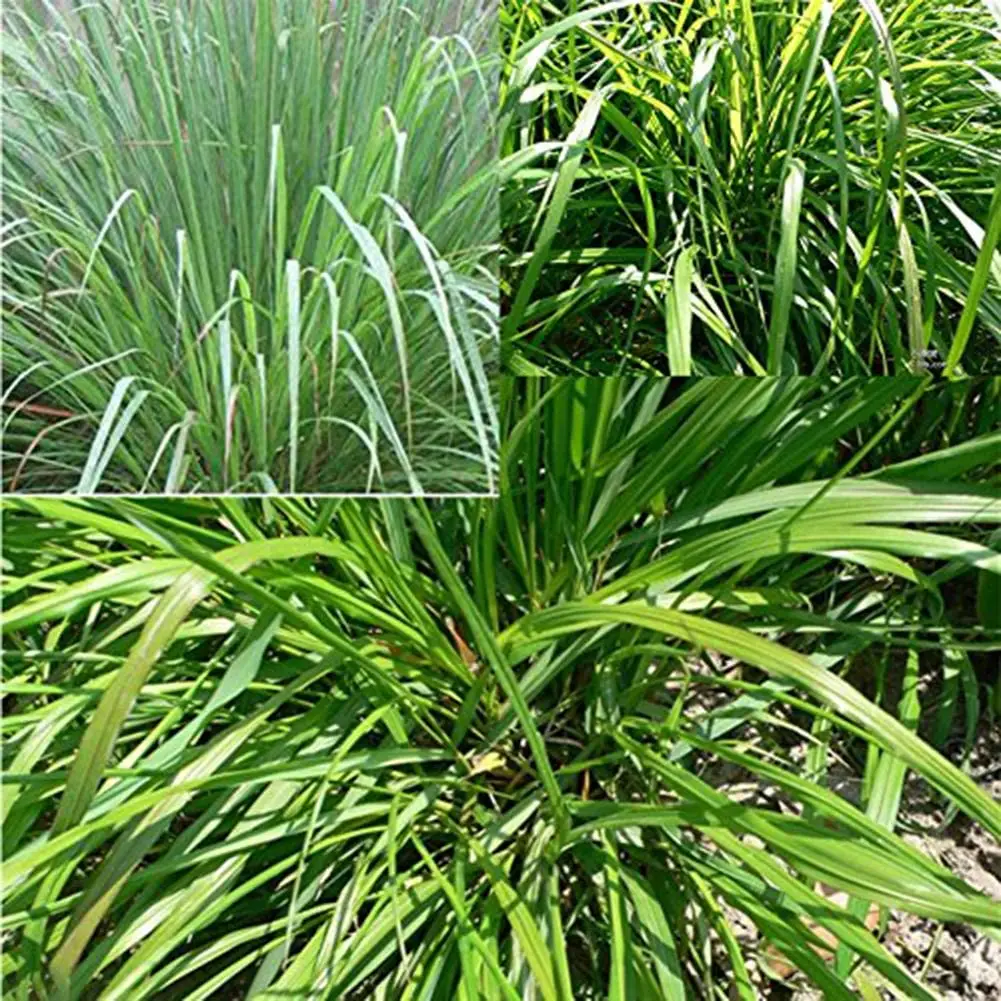
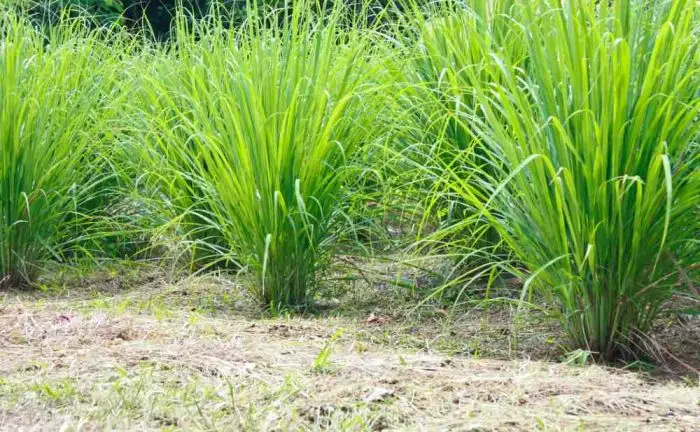
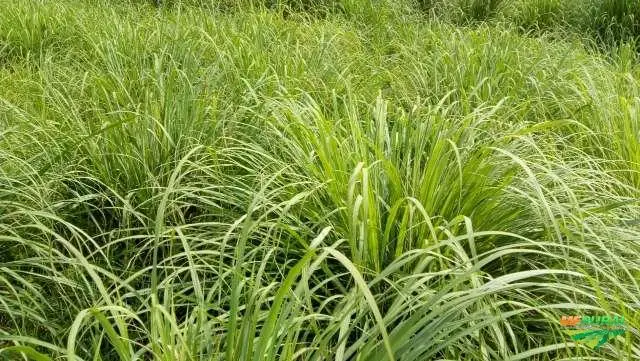
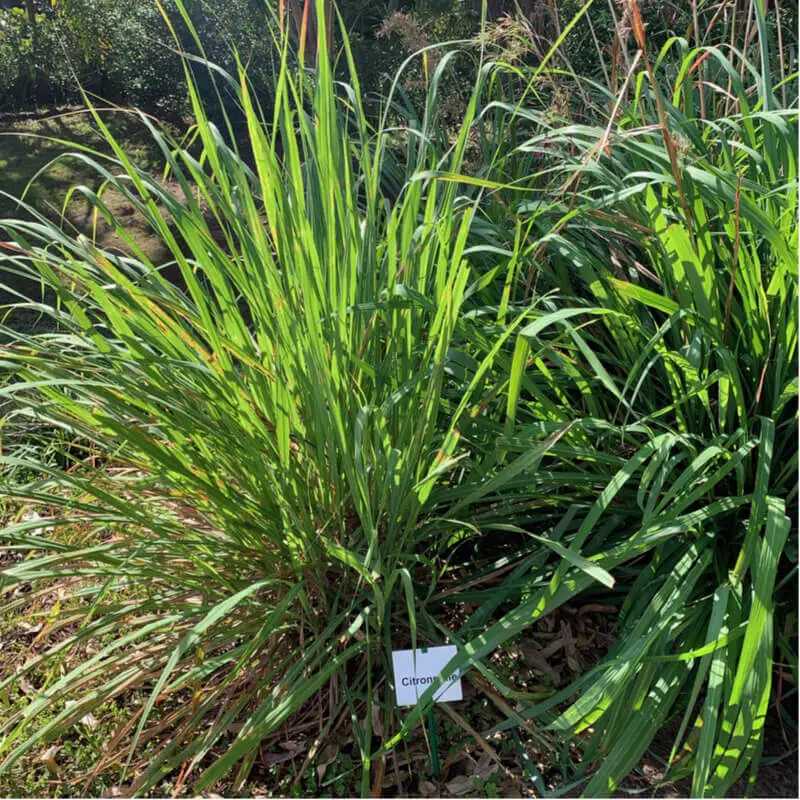
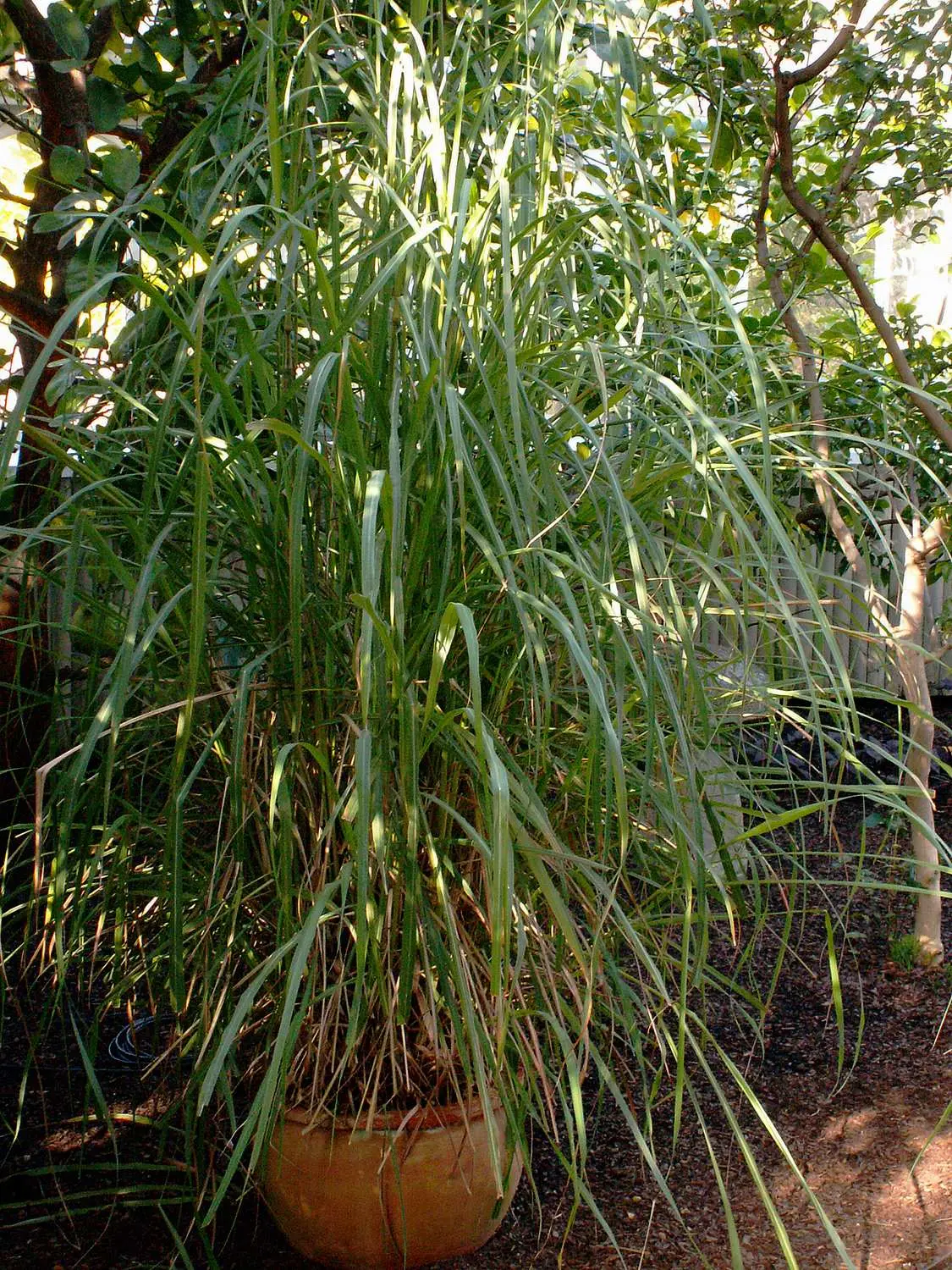
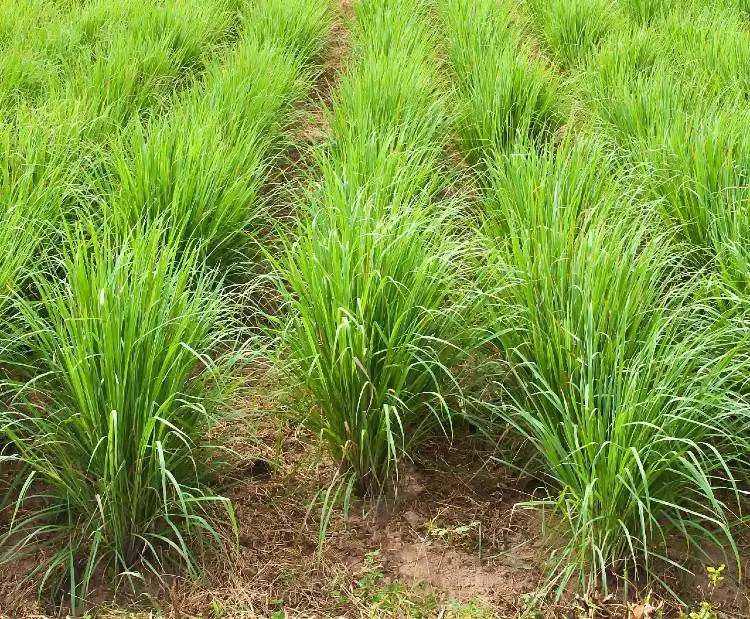
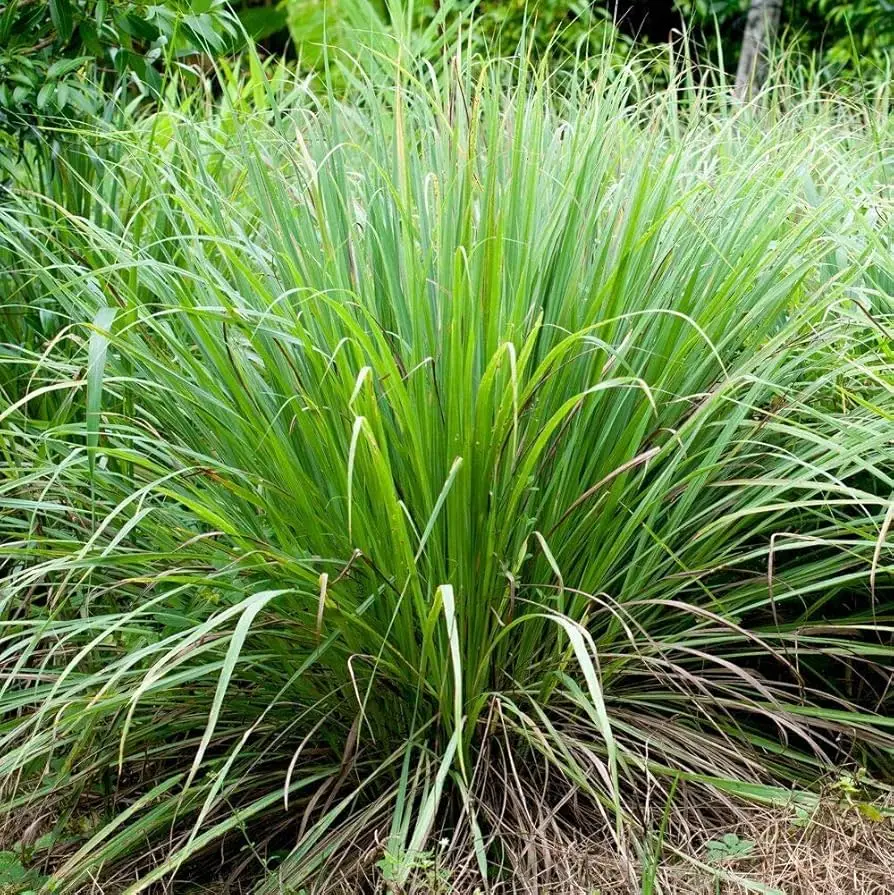
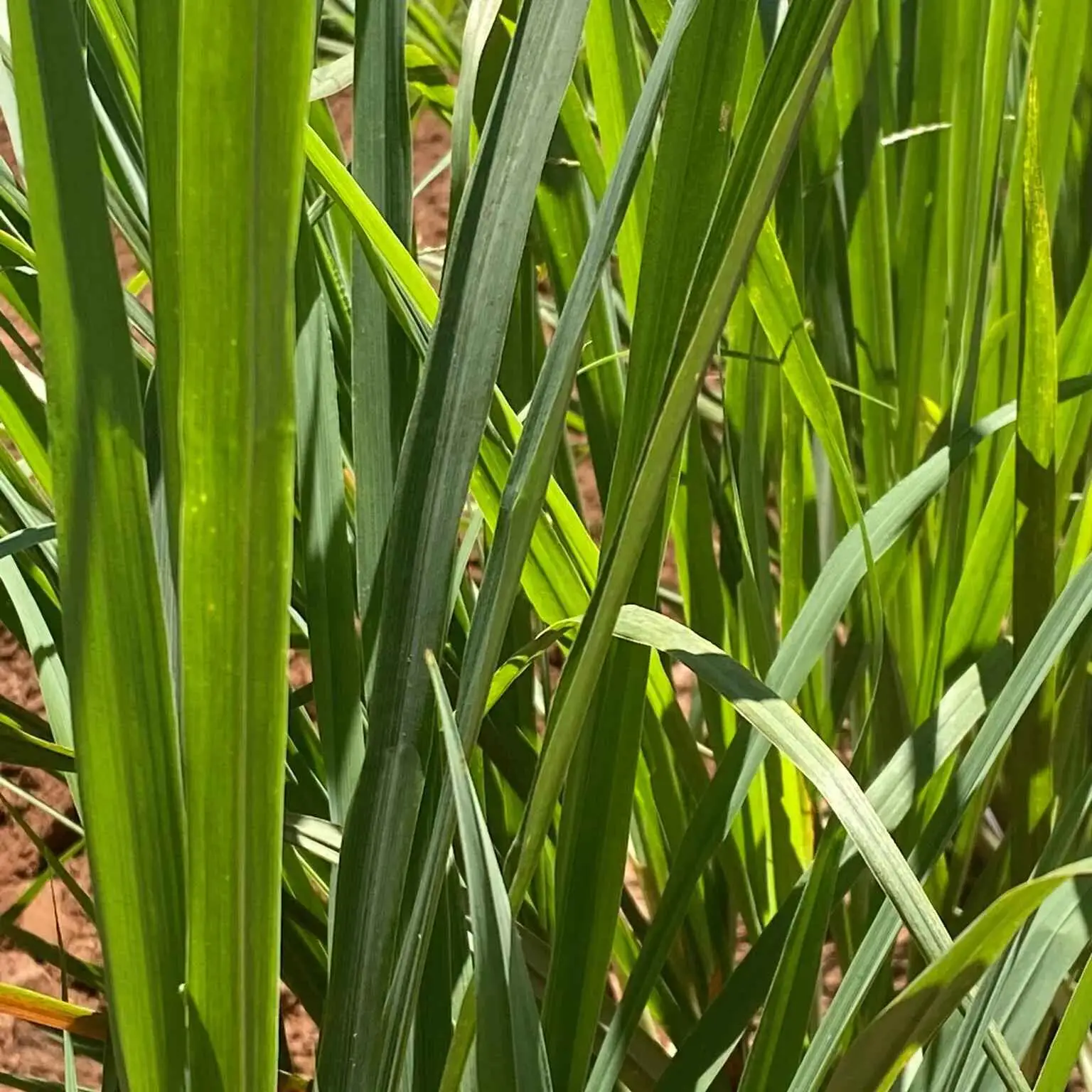
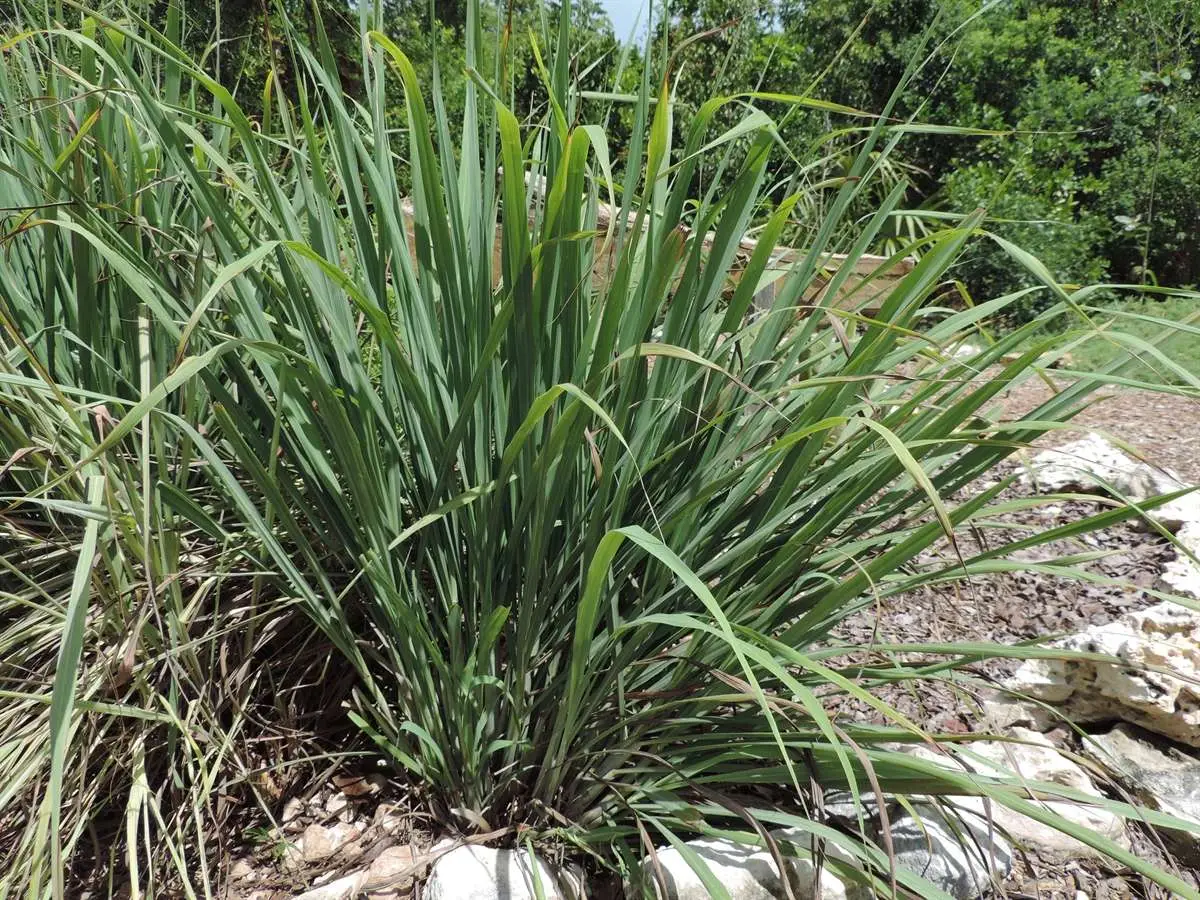
Growing Cymbopogon flexuosus is surprisingly straightforward. The herb grows clump-like with 1-inch strap-like leaves that gracefully arch, and in warmer climates often reaches 2 to 3 feet in height. It requires well-drained, fertile loamy soils with a pH range of 5.0 to 8.0 and performs best in soils rich in organic matter, avoiding waterlogged conditions. Provide 6 to 8 hours of full sun and well-draining soil; if your soil is poor, add organic compost for fertility. Although native to tropical regions, this species will happily grow in temperate climates as well—in cooler climates the plant will die down as winter approaches and regrow from rhizomes as weather warms in spring. It can be started indoors 4-6 weeks prior to last frosts to get a longer growing season in cooler climates. C. flexuosus is said to have some resistance to rust, more than C. citratus. Direct it full sun, water during dry spells, and it thrives with minimal fussing.

This is not merely a kitchen herb—it is a living botanical factory in your garden, a medicine chest on your windowsill, a source of income for the ambitious grower. Imagine harvesting fragrant leaves, crafting your own essential oil, filling your home with the bright, citrusy aura of wellness. Start from seed and within months you’ll have established clumps overflowing with aromatic riches. This is the lemongrass that built an industry. Now build yours.

Germination Guide

🌍 Southeast Asia (India, Sri Lanka, Myanmar, Thailand, Cambodia, Vietnam, Laos)
Easy

Cymbopogon flexuosus, commonly known as East Indian lemongrass or Cochin grass, is a tropical perennial grass native to Southeast Asia. It is prized for its aromatic leaves and stems used in Asian cuisine, traditional medicine, and essential oil production. The species requires warm, consistent temperatures and light to germinate successfully, with seeds typically emerging within 7-40 days under optimal conditions.

Germination
Germination time
Expect germination in

7 – 40 days

Temperature

Min 20°C
Ideal 25°C
Max 30°C
🌡️ Temperature alternation recommended
— Temperature alternation beneficial: 20°C (68°F) at night, 30°C (86°F) during the day enhances germination

Light
☀️ Light required

Substrate moisture
💧💧 High

Sowing depth
Surface

Press seed
👆 Yes

Germination rate
30 %


Substrate & Container
Recommended substrate
high-quality peat-free seed compost, light, porous, well-drained, free of pathogens

Recommended container
transparent plastic container with humidity dome or clear cover


Growing Tips
Ensure seeds are pressed firmly onto the soil surface and barely covered as they require light for germination. Maintain constant high humidity using a humidity dome or clear plastic cover. Keep soil temperature between 20-30°C (68-86°F), ideally with bottom heat. Do not overwater; substrate should be moist but not soggy. Once germinated, provide 12-16 hours of bright light daily. Gradually remove humidity cover after sprouting to acclimate seedlings. Transplant to individual pots when seedlings are large enough to handle. Acclimate to outdoor conditions before transplanting outdoors after all frost danger has passed.

Reviews

There are no reviews yet.

Only logged in customers who have purchased this product may leave a review.

Related Products