
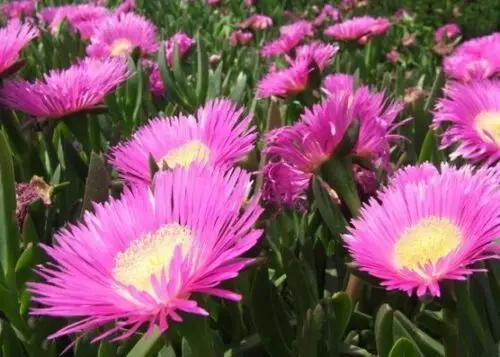

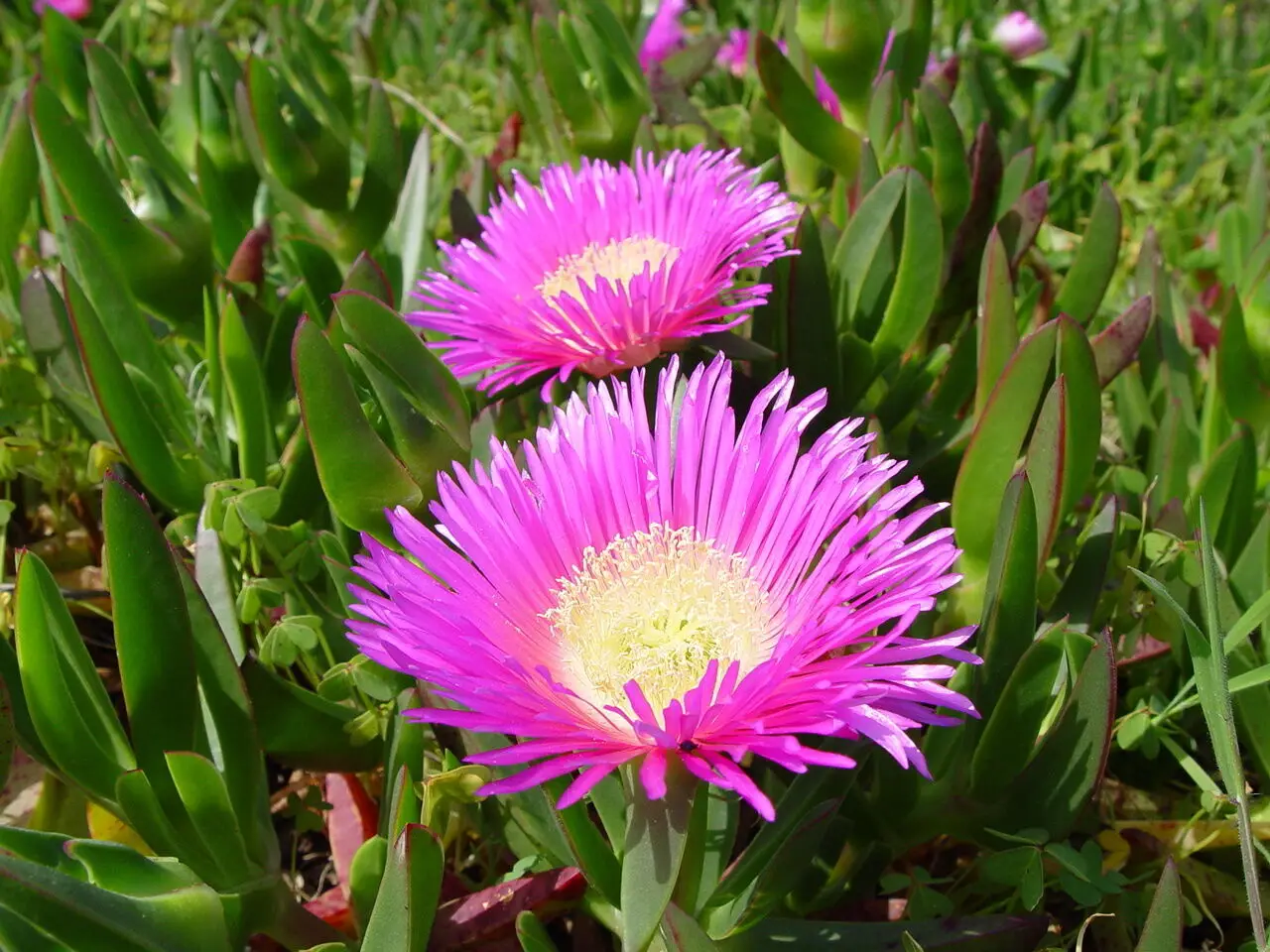
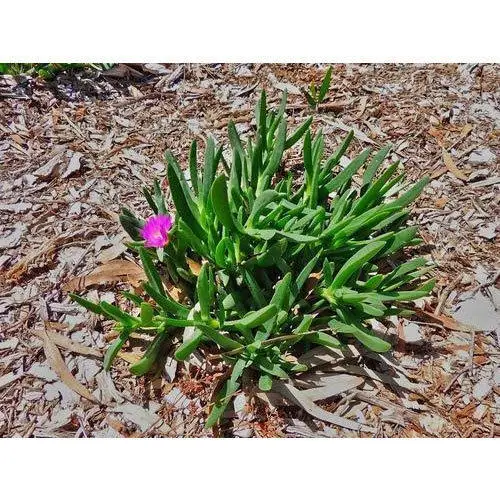
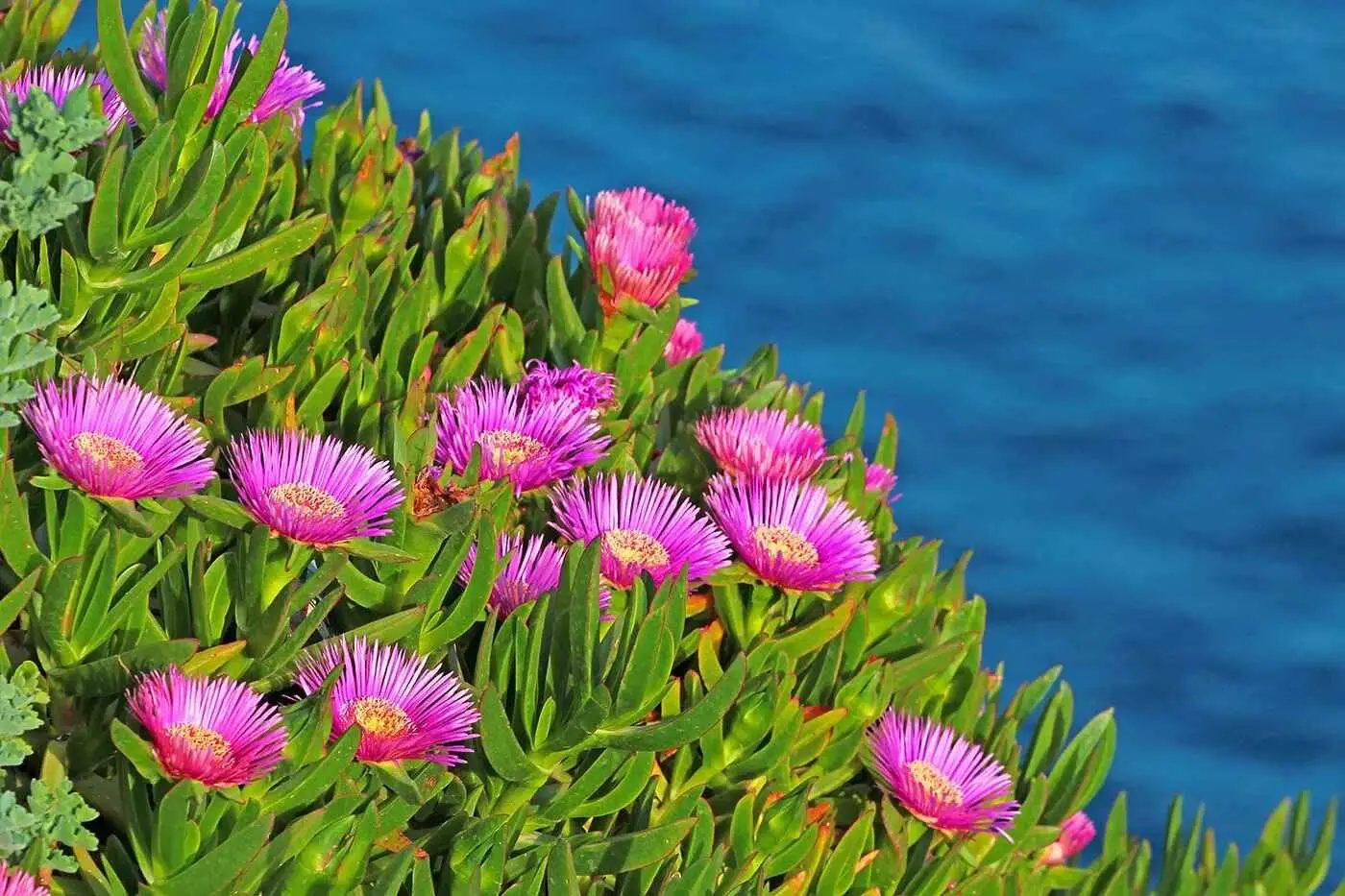
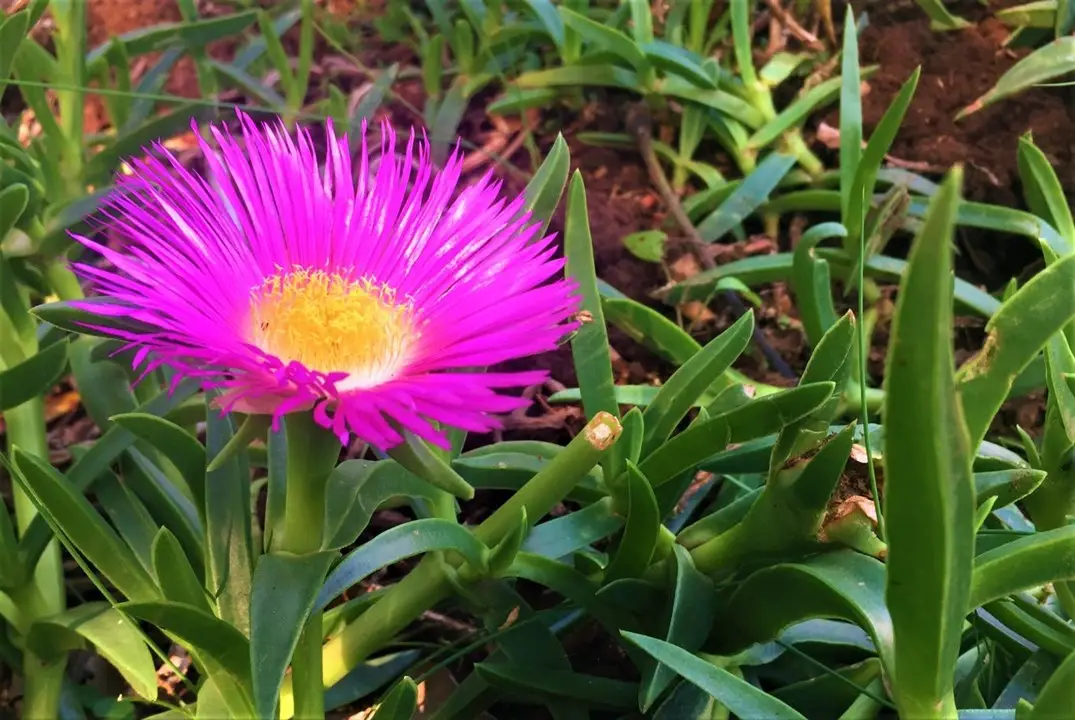
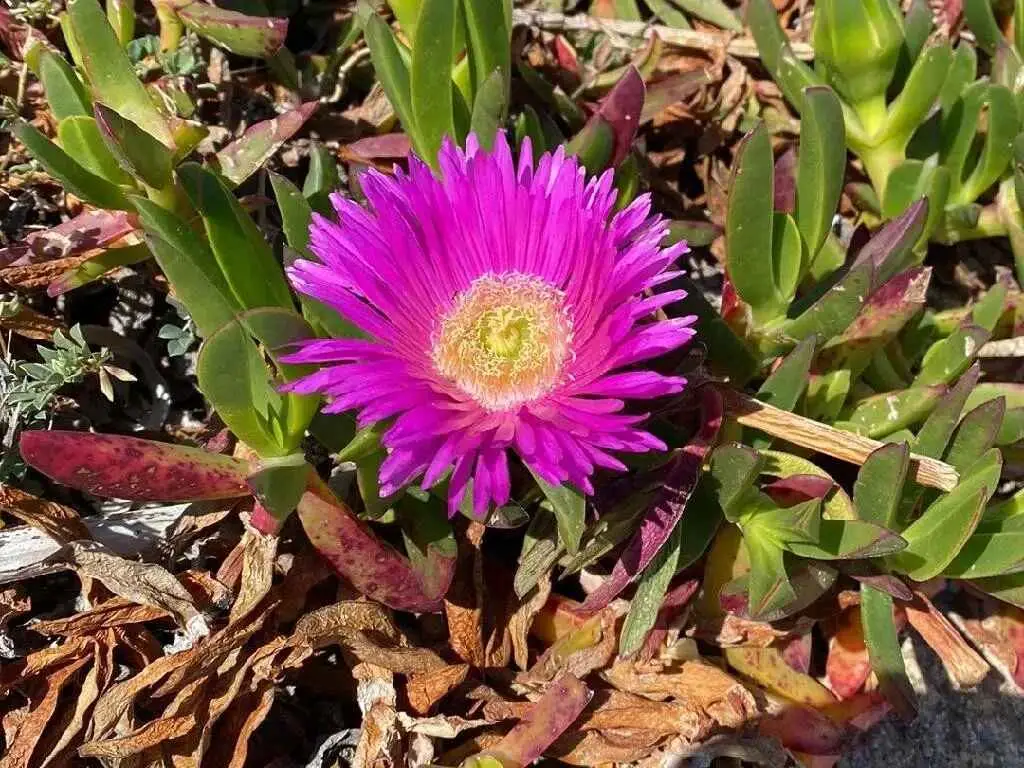
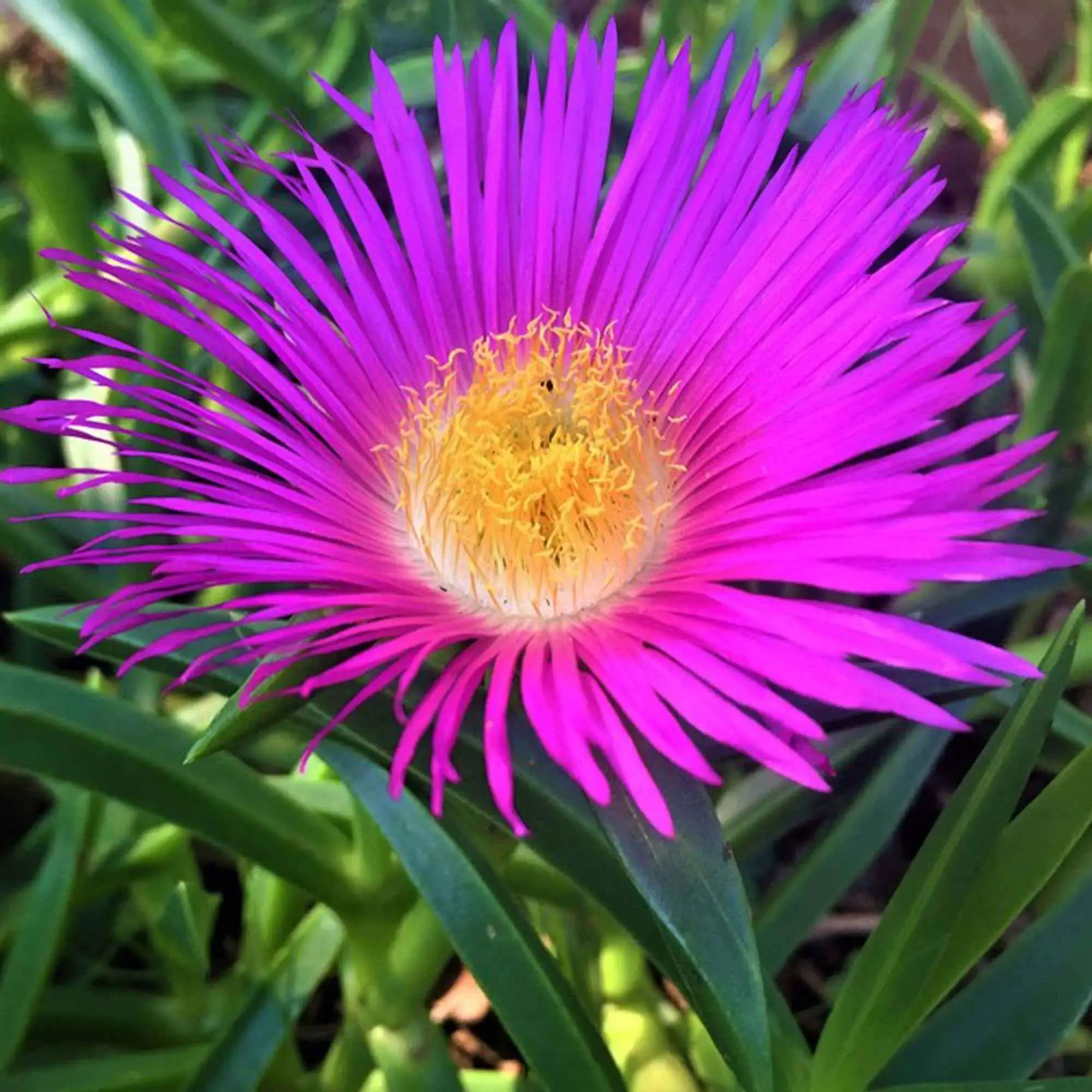
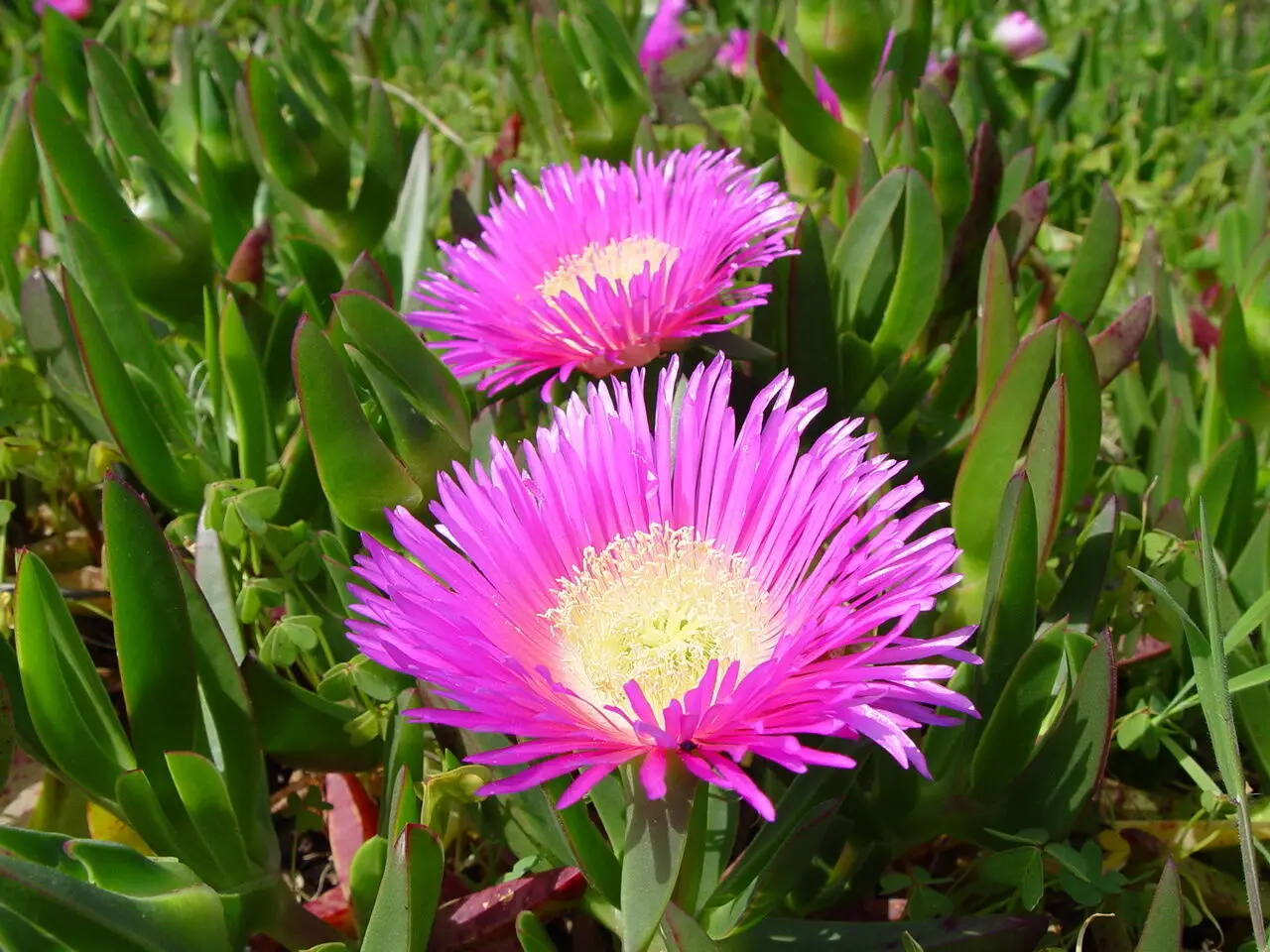
Succulent leaves and fig-like fruits bursting with a salty-sweet flavor that tastes of the coast. This South African treasure is dead-easy to grow—practically thrives on neglect—and produces edible harvests within months. Eaten fresh, pickled, or made into legendary tart jams. Start from seed and own the full growing journey.
€1.92
The moment you taste a ripe Carpobrotus edulis fruit, you’ll understand why the Khoikhoi peoples of South Africa have treasured this plant for centuries.
Native to South Africa’s coastal slopes, the Hottentot Fig was first discovered by European explorers in the Hottentots Holland Mountains. But long before that, indigenous communities recognized its dual magic: a plant that feeds you *and* heals you. The name itself—Carpobrotus—is Greek for “edible fruit,” and that promise runs through every cell of this remarkable succulent.
**The Culinary Magic: Why This Plant Stops Conversations**
Let’s be clear: this is not a ornamental houseplant that sits prettily on a shelf. This is a *producer*. Fully ripe fruit can be made into pickles, chutney, etc. and leaves are edible, used in salads or as a substitute for pickled cucumber. The fruit itself is extraordinary—the flavor is sweet, tangy, and a bit salty since it grows by the coast. That oceanic saltiness isn’t a flaw; it’s a signature. In South Africa the sour fig’s ripe fruit are gathered and either eaten fresh or made into a very tart jam.
The fruit is fleshy and indehiscent, approximately 35 mm in diameter, somewhat fig-shaped, becoming yellow and more fragrant as it ripens. Inside? Seeds are embedded in the sticky, sweet, jelly-like mucilage—pure umami. Whether you’re preserving, pickling, or simply biting into one at peak ripeness, every harvest feels like a coastal victory. The leaves of the ice plant are also edible and can be eaten raw, cooked, or made into pickles or chutney, much like a cucumber. They are commonly eaten in salads when raw.
Beyond the kitchen: the fruits and flowers are eaten raw or cooked for fungal and bacterial infections. The leaves can be ingested orally for digestive problems or the juice can be sucked out to help a sore throat. Recent studies have validated its significant anti-inflammatory and antibacterial properties, earning it recognition as a serious medicinal herb, not just a curiosity.
**How to Grow It: Almost Unfairly Easy**
Carpobrotus edulis is easy to grow, one of those plants that thrive on neglect and can be killed with kindness. This is not hyperbole. It tolerates coastal and saline conditions and strong winds and will resist moderate freezes.
**Light & Position**: It cannot grow in the shade—give it full sun, and it rewards you generously. It prefers dry or moist soil and can tolerate drought.
**Soil**: Suitable for light (sandy) soils, prefers well-drained soil and can grow in nutritionally poor soil. In fact, the poorer the soil, the happier it is. No fancy amendments needed.
**Water**: Less is more. Once established, established plants are very drought resistant. Overwatering is the only real way to kill it.
**From Seed**: Seed can be sown in spring, early summer or autumn. Pigface seeds require some preparation before planting, including soaking in lukewarm water for up to 24 hours. Gently rubbing off the outer seed coat with a piece of fine sandpaper or cloth. Germination usually occurs within 2-3 weeks under these conditions. Then watch it establish itself with almost aggressive enthusiasm.
**Why Grow from Seed?**
When you start Carpobrotus edulis from seed, you’re not just growing a plant—you’re joining a lineage stretching back centuries. You’re participating in the same agricultural magic that sustained coastal peoples in South Africa. You’ll witness the entire life cycle: from germination to those glorious yellow
Only logged in customers who have purchased this product may leave a review.
Reviews
There are no reviews yet.