Description
Imagine a garden where summer peaks in visible, architectural drama—where tall stems rise from a fountain of green to crown themselves with perfect spheres of pure azure blue. That’s the promise of Agapanthus praecox subsp. praecox.
Native to the Eastern Cape Province of South Africa, this species is the foundation of agapanthus cultivation worldwide. Unlike its delicate cousin A. africanus (difficult, rain-dependent), A. praecox subsp. praecox emerged as the workable marvel—versatile, resilient, and utterly theatrical. It’s the species that colonized Victorian conservatories, lined Mediterranean estates, and now graces gardens from Australia to California. Most of the evergreen agapanthus you see cultivated globally are descendants of or hybrids with this very plant.
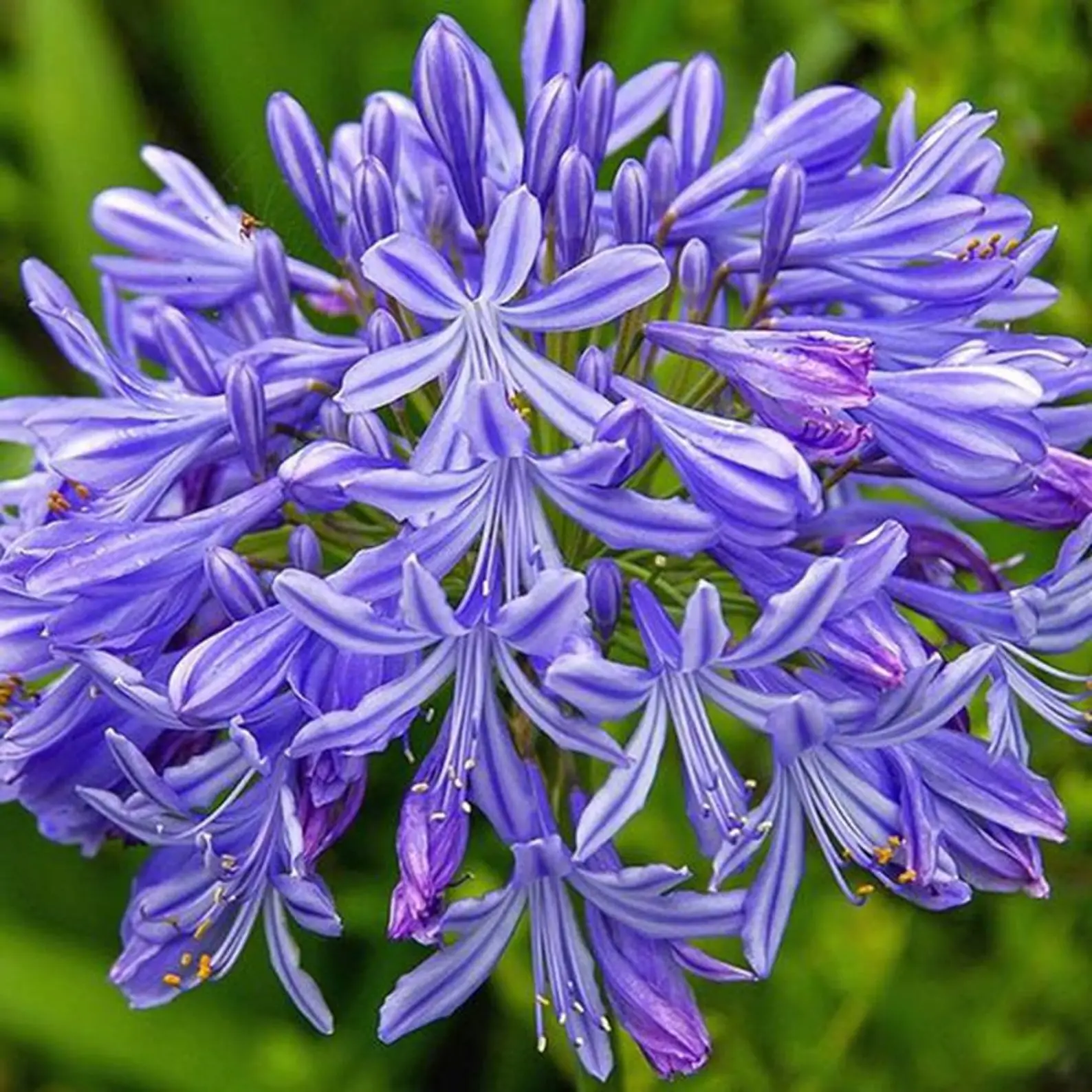
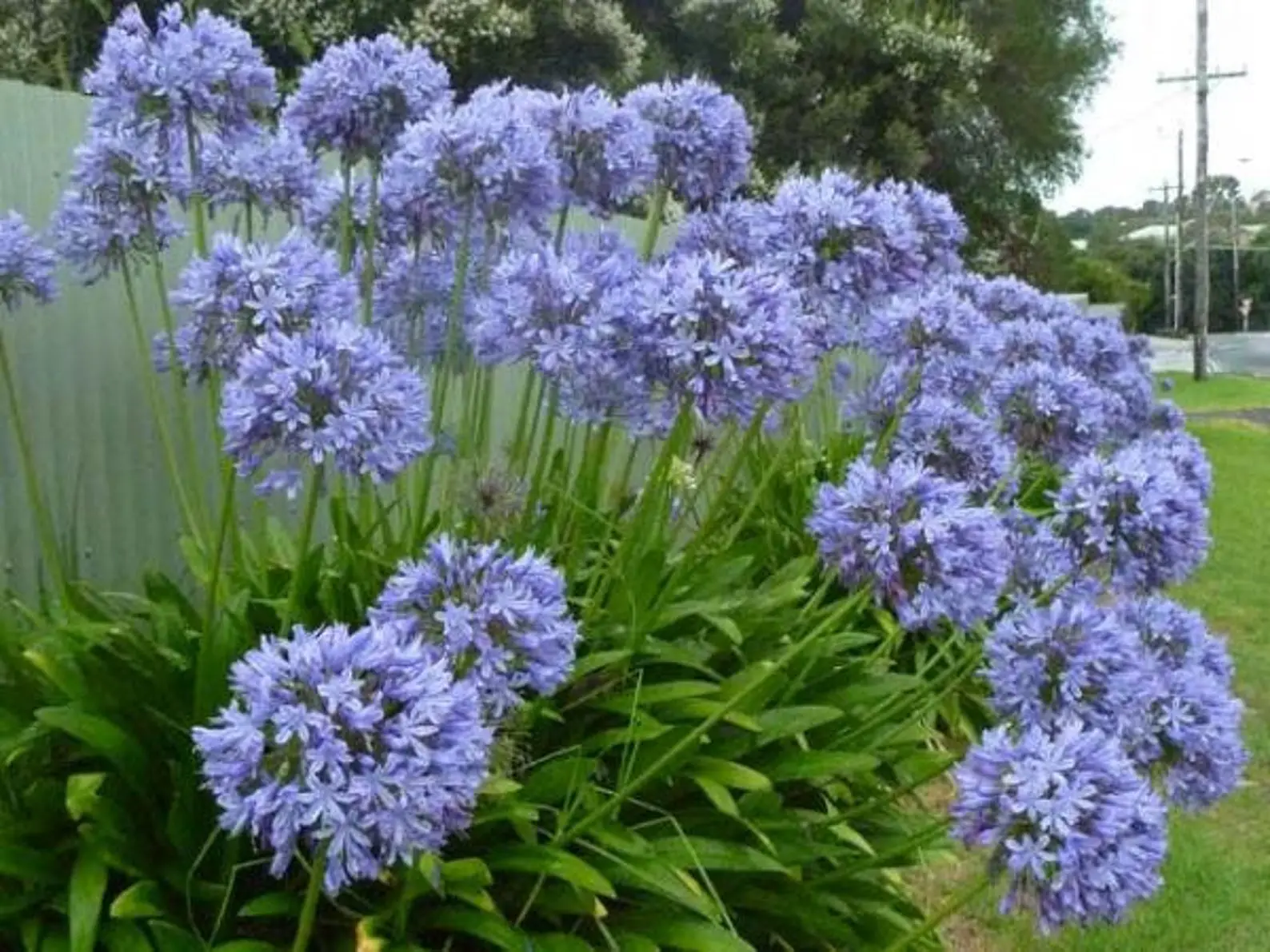
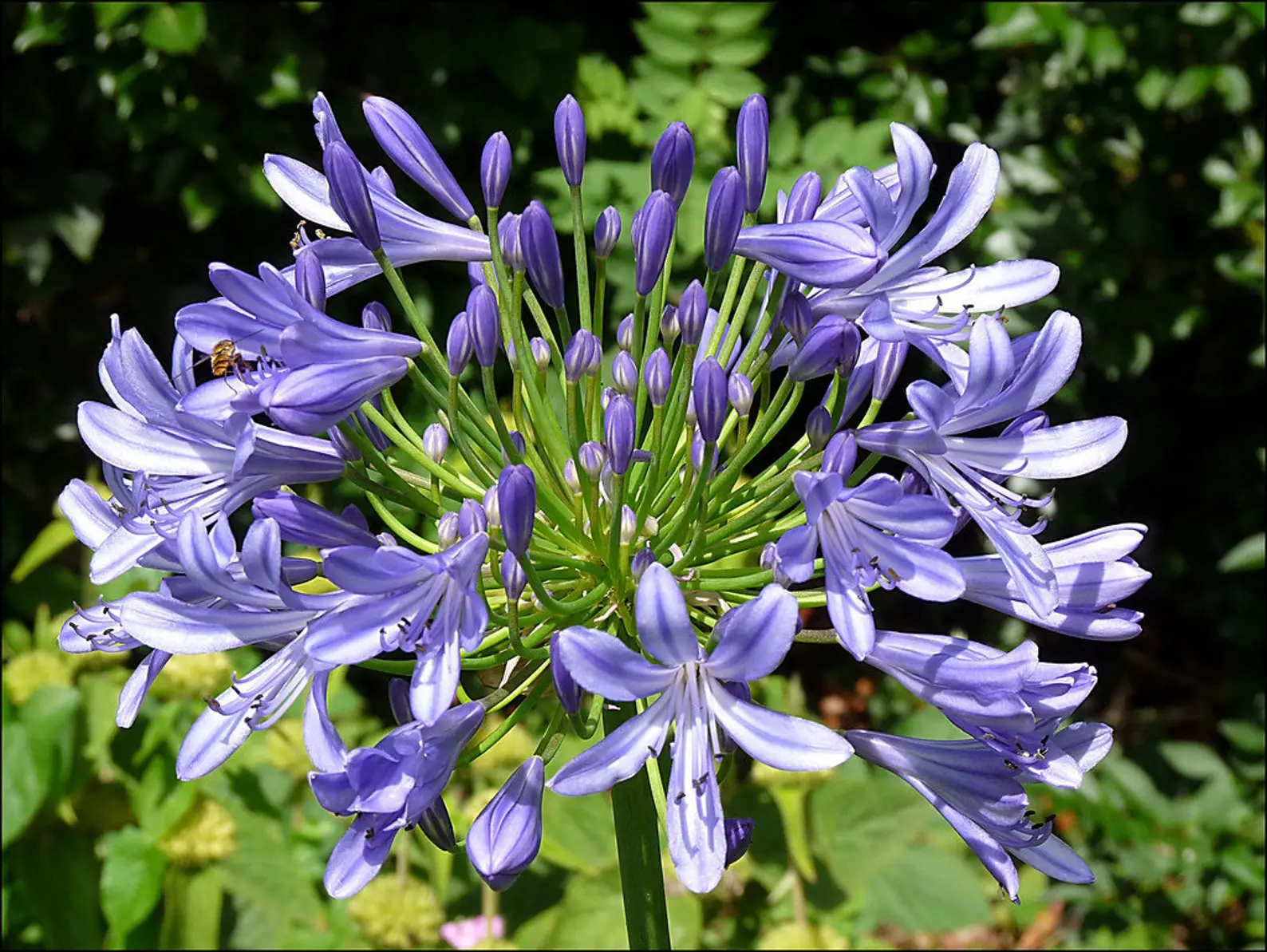
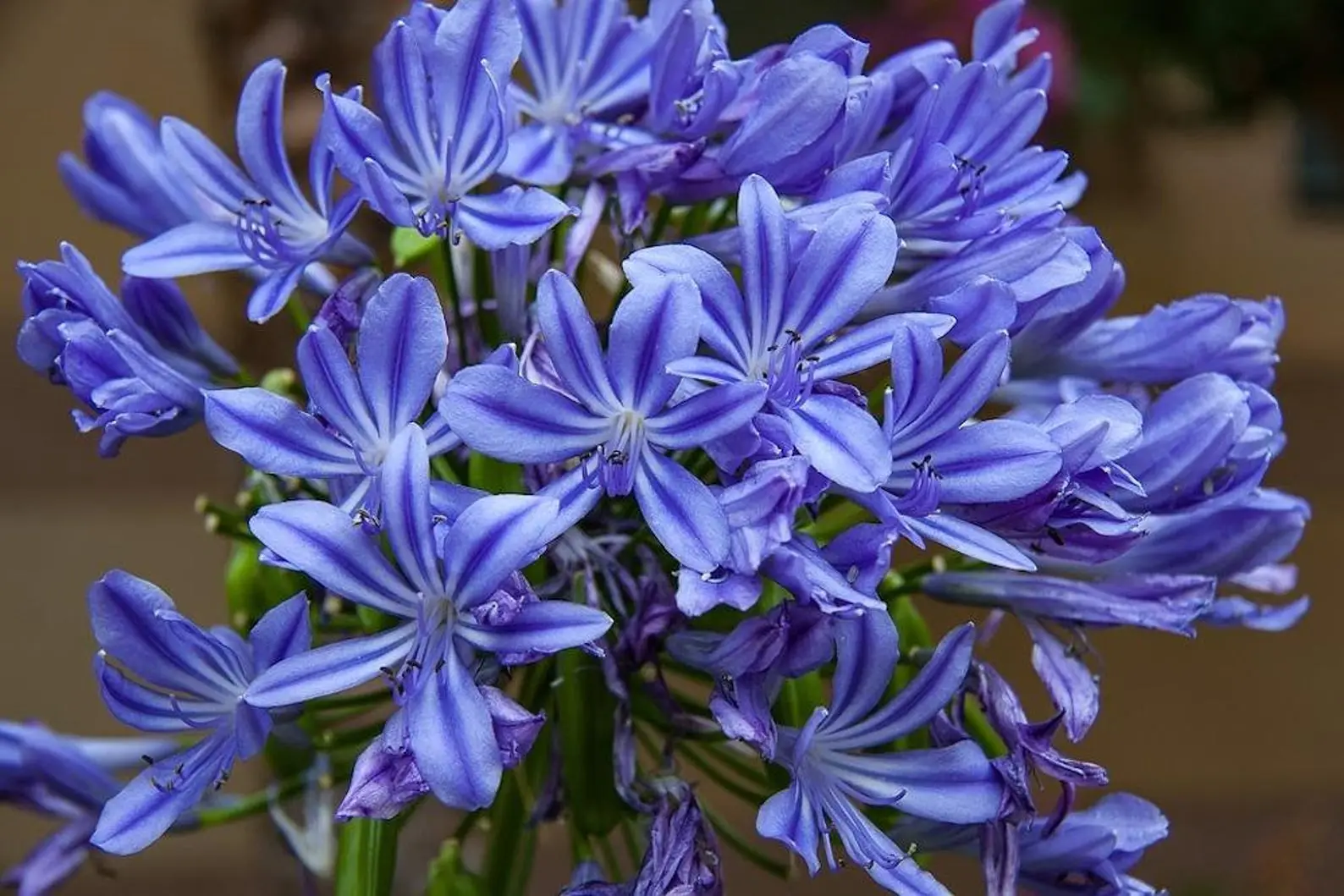
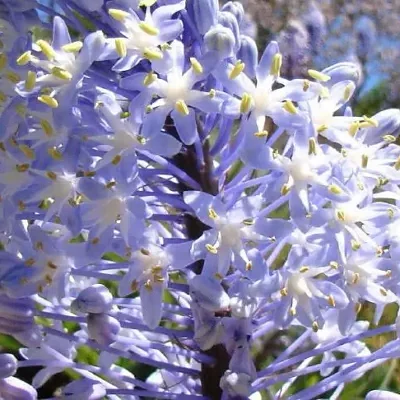
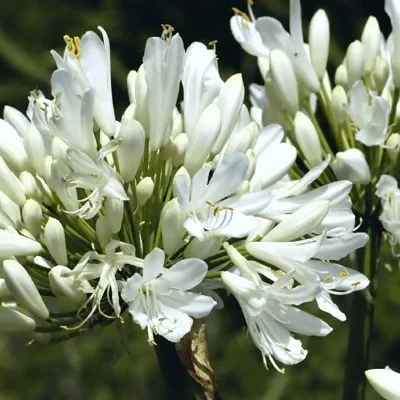
But here’s where A. praecox truly shines: as a specimen for cut flowers and landscape drama. The flowers appear from December to February in the Southern Hemisphere (summer through early autumn in the north), bursting into rounded, glowing umbels—perfect spheres of 20 to 100 individual tubular flowers, each with a darker stripe down its center. These flower heads reach 7+ inches across, held aloft on sturdy, leafless stems that tower 80cm to 1 meter (up to 3.5 feet in cultivars). The flowers transition beautifully—brilliant deep blue to white—and hold their form for weeks. Cut a stem and enjoy blooms lasting 10+ days in water; the architectural presence is unmatched in summer arrangements. Florists and landscape designers prize them for this staying power and visual impact. Beyond the vase, these flowers are an irresistible draw for bees and butterflies, making your garden hum with pollinator activity—a living, breathing ecosystem of color and movement. The dark, glossy, strap-like evergreen leaves form a dense, fountain-like clump that remains beautiful even when the plant is out of bloom, providing year-round structure and textural contrast to any planting scheme.
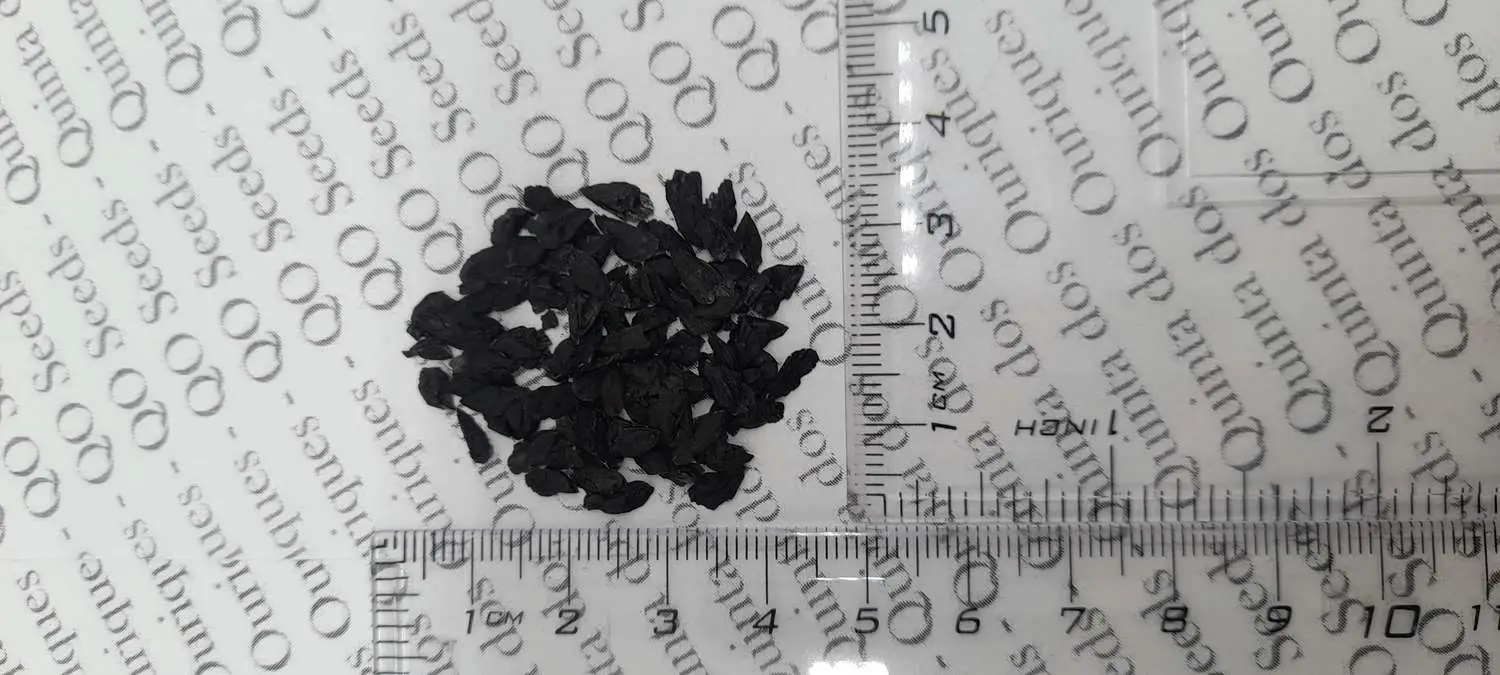
Growing A. praecox subsp. praecox is refreshingly straightforward. It thrives in full sun to light shade, preferring well-drained, fertile soil enriched with compost or organic matter. It adapts to poor soils and established plants are surprisingly drought-tolerant—water deeply during the growing season but allow the soil to dry slightly between waterings. Plant the rhizomes 2-3 inches deep and 8 inches apart in sandy-loam soil. Container cultivation is excellent; the plant actually flowers best when slightly pot-bound, rewarding you with extra blooms. Divide clumps every 3-4 years in spring to rejuvenate flowering. Hardy in USDA Zones 8-11 as a perennial; in colder zones, grow in containers and move indoors for winter (the plant tolerates cold better than many tropical cousins). Germination from fresh seed is reliable, though seed-grown plants take 3-5 years to reach flowering maturity—division is faster if you’re impatient.
This is a plant that will anchor your garden for decades—some specimens thrive for 75 years or more. Grow it from seed and you’ll witness the transformation from tiny seedling to a towering, flower-laden perennial that becomes more robust and floriferous each year. Whether massed in borders, containerized on a deck, or cut for arrangements, A. praecox subsp. praecox delivers the drama, the easy success, and the pollinator love that summer gardens are made of. Let this species remind you why the ancient Greeks called agapanthus the flower of love.


Reviews
There are no reviews yet.