
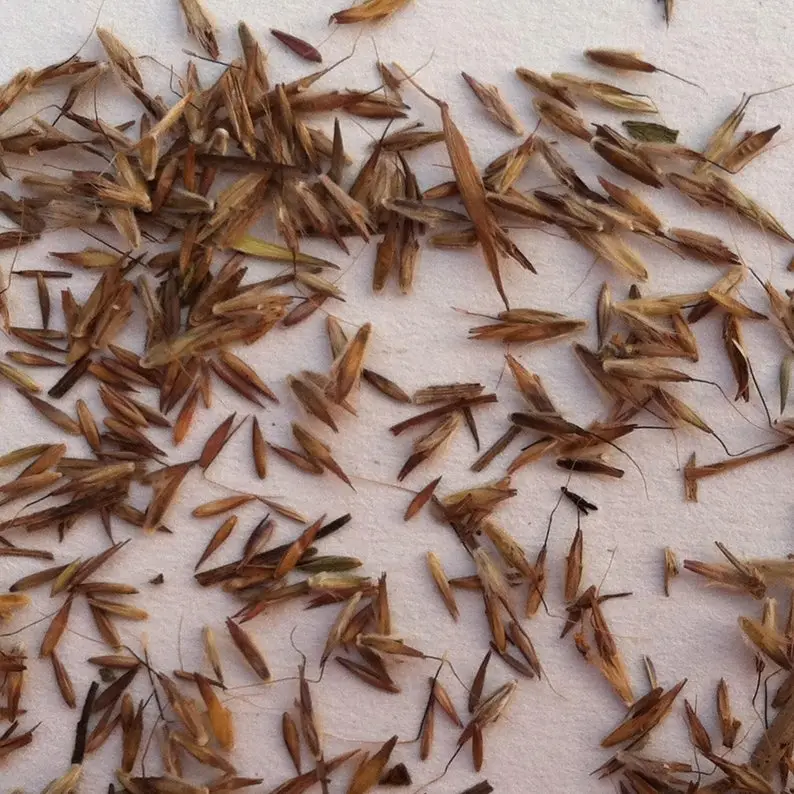
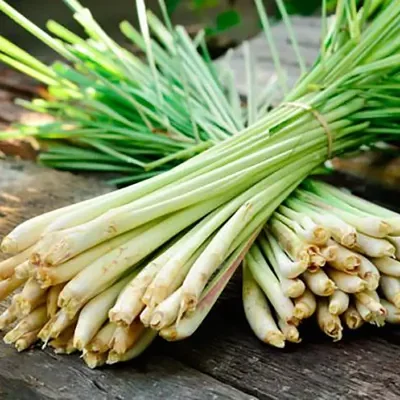
Grow the legendary herb of Southeast Asia from seed. Lemon grass is widely used in Thai and Vietnamese cooking, giving Tom Yum soup its famous taste—now harvest your own fresh stalks whenever you need them. A single touch releases a profuse lemon aroma that transforms soups, curries, marinades, and teas. Easy to grow in warm, humid conditions with full sunlight and moisture. Start
€5.46
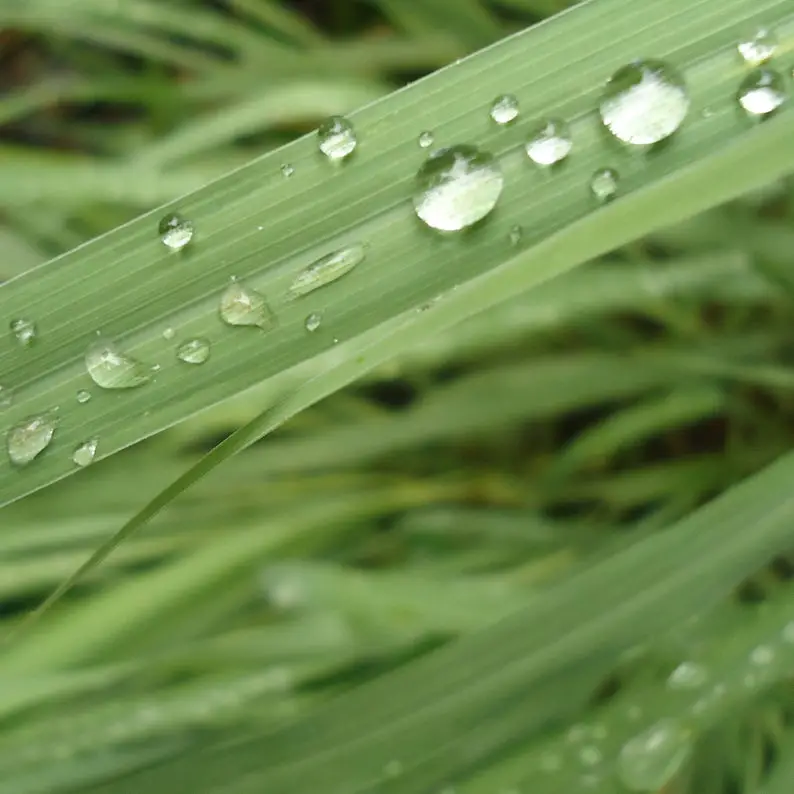
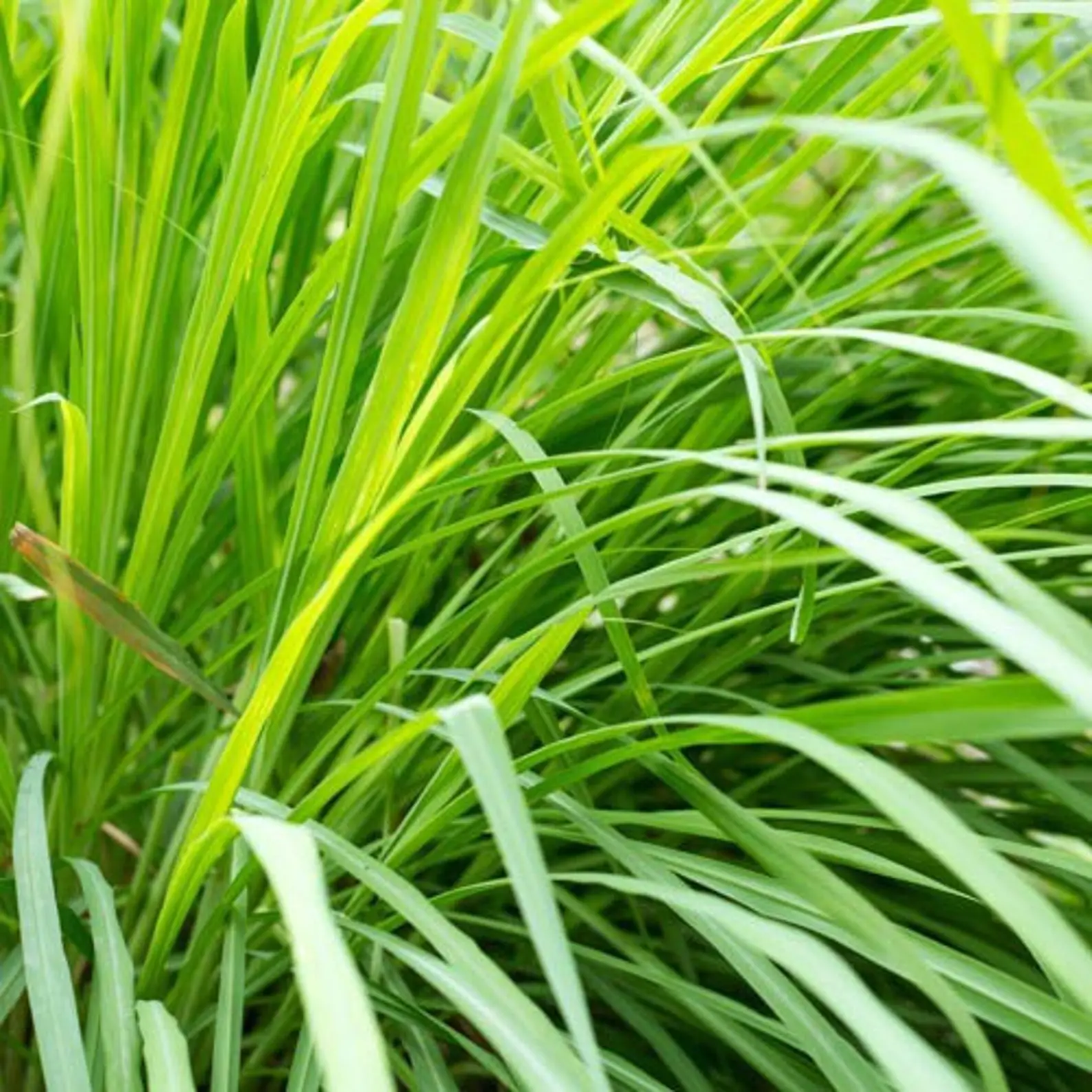
Long skinny leaves of an unassuming green fan out from the stem, yet they release at a single touch a profuse lemon aroma that has made this pungent plant a staple of kitchens across South East Asia.
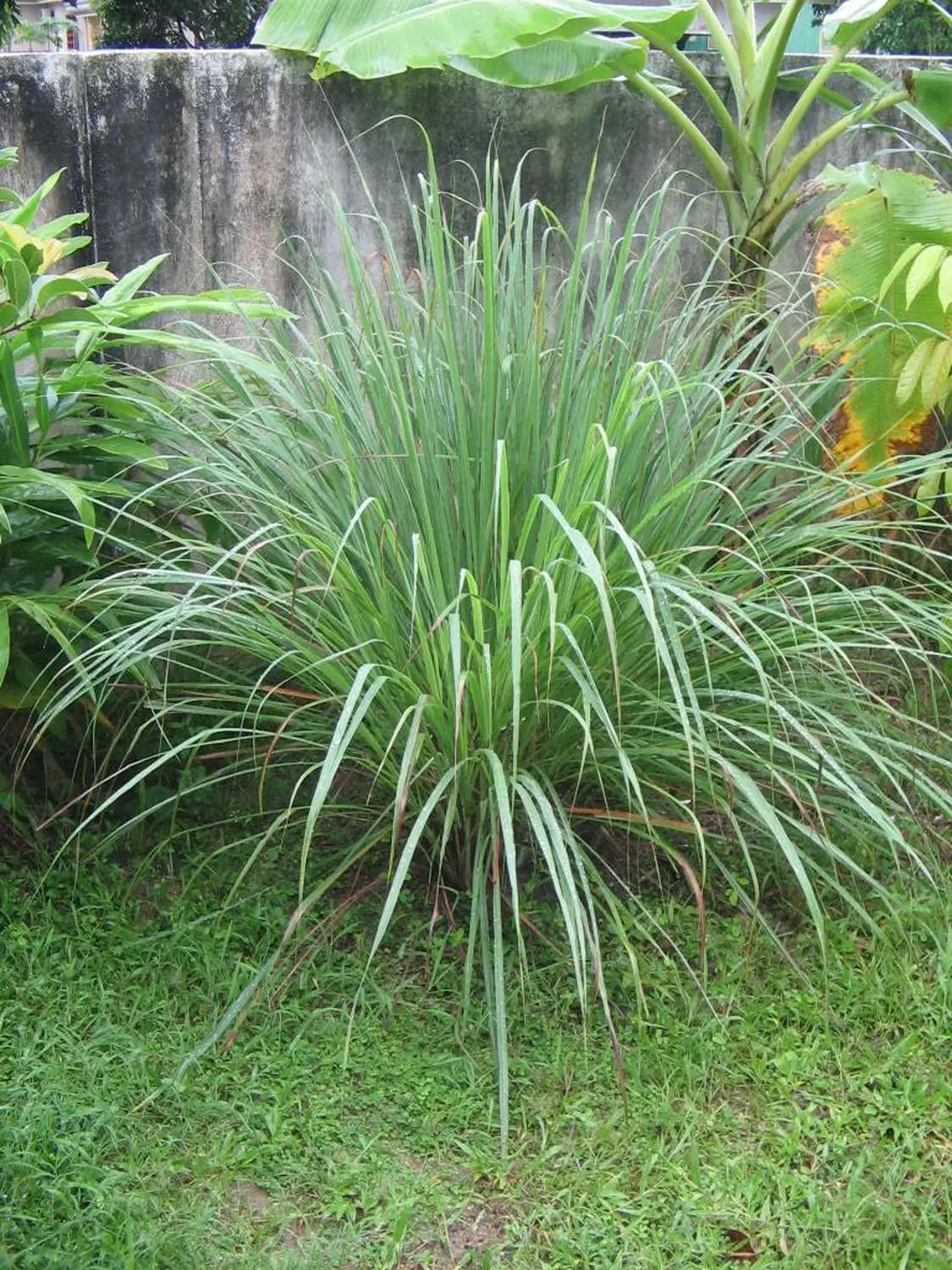
Lemon grass, also known as Cymbopogon citratus, is a small plant native to India. From its tropical origins, it has become indispensable to Thai, Vietnamese, Indonesian, and Filipino cuisines, where it carries the soul of some of the world’s most beloved dishes. It is the essential ingredient of tom yam and tom kha kai—and now you can grow it yourself from seed, experiencing the satisfaction of harvesting your own fresh stalks whenever inspiration strikes. What begins as slender, graceful blue-green leaves becomes a powerhouse of flavor in your kitchen.
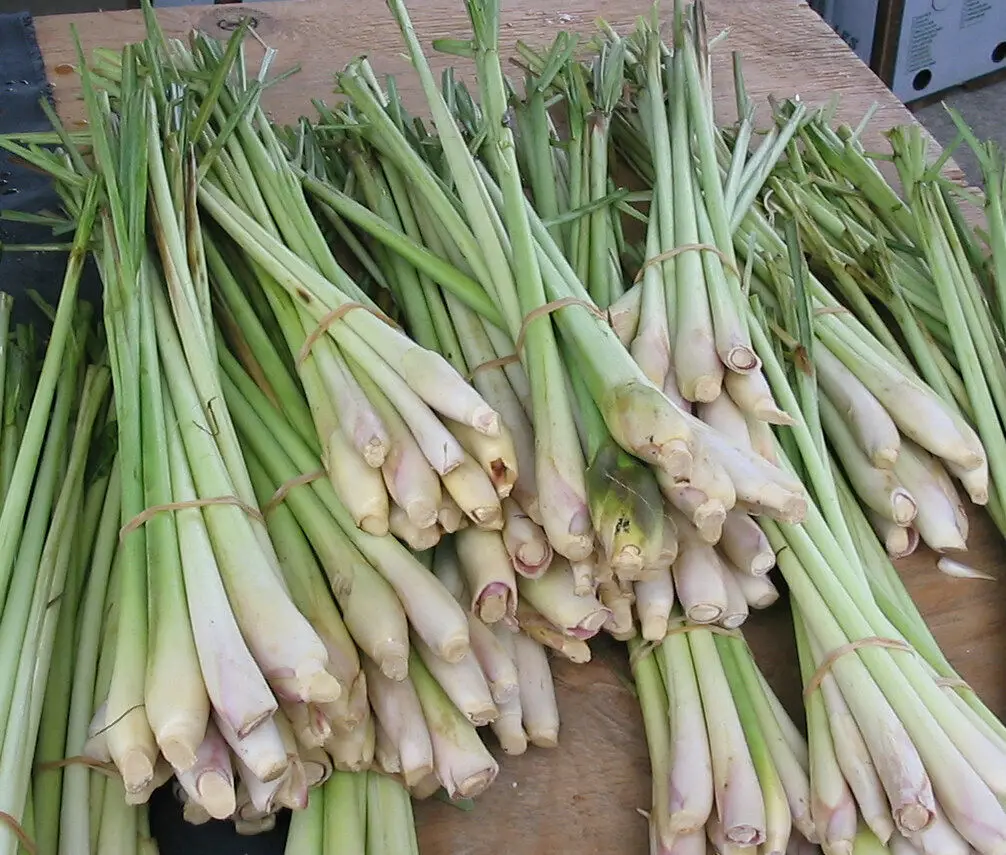
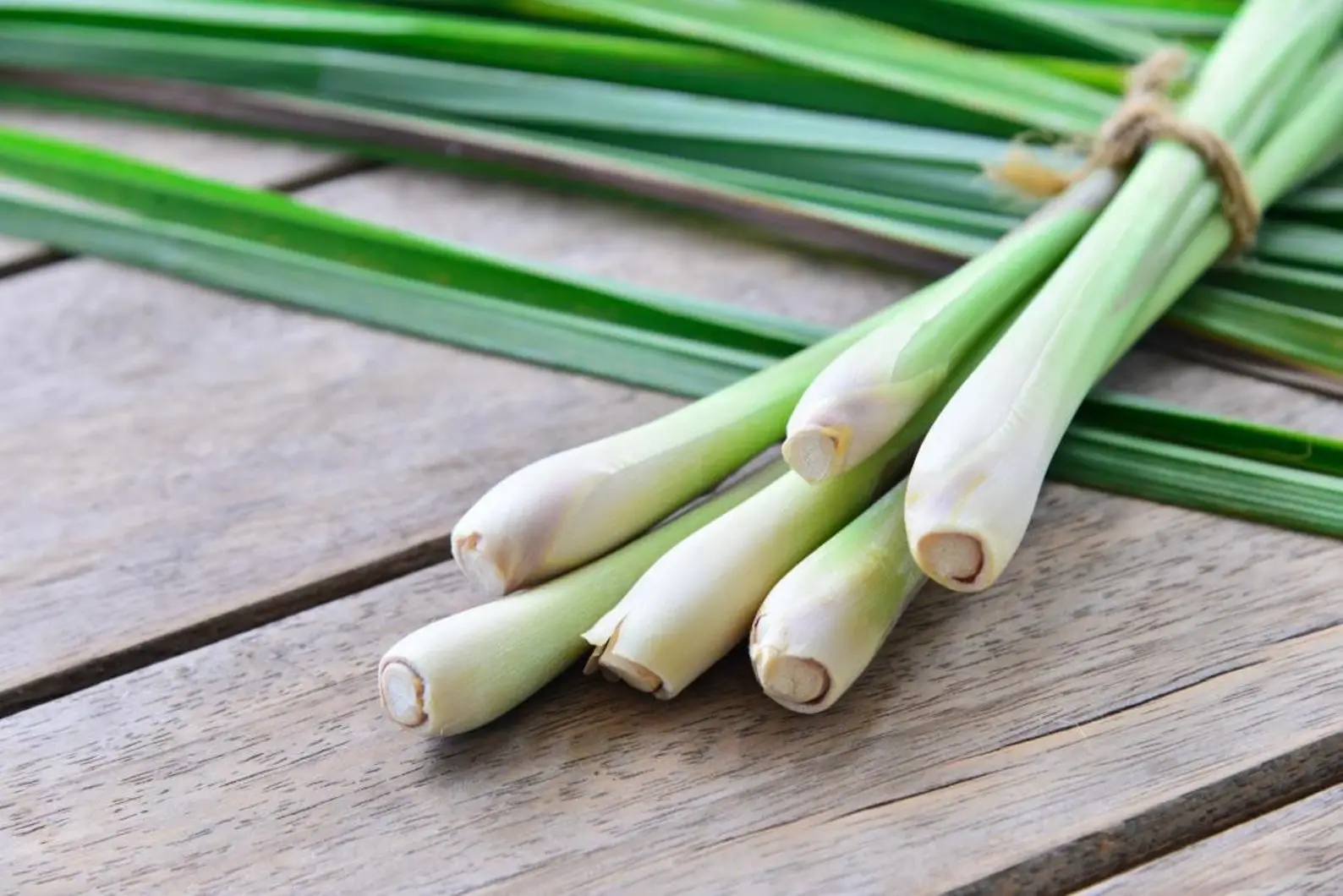
This is where lemon grass truly shines: in the pot, on the plate, in your hands. Lemongrass has a light, refreshing, lemony flavor without the bitterness that lemon rind can have and with a hint of ginger. In Thailand, Laos, and Vietnam, cooks pulverize lemongrass in tall mortars, which releases a lemony flavour, and then combine the grass with garlic, makrut lime leaf, and other herbs to create a thick curry paste that is integral to regional cuisine. Beyond curries, the dried leaves can also be brewed into a tea, either alone or as a flavoring in other teas, imparting a flavor reminiscent of lemon juice, but with a mild sweetness without significant sourness or tartness. Use it in marinades for fish and chicken, steep it for a refreshing medicinal brew, or simply bruise the stalks and simmer them in soups for an authentic Southeast Asian escape. The essential oil extracted from the leaves is commonly used in insect repellents, perfumes and soaps—so you’re growing not just a culinary treasure, but a plant with aromatic and wellness applications that extends to your entire home and garden.
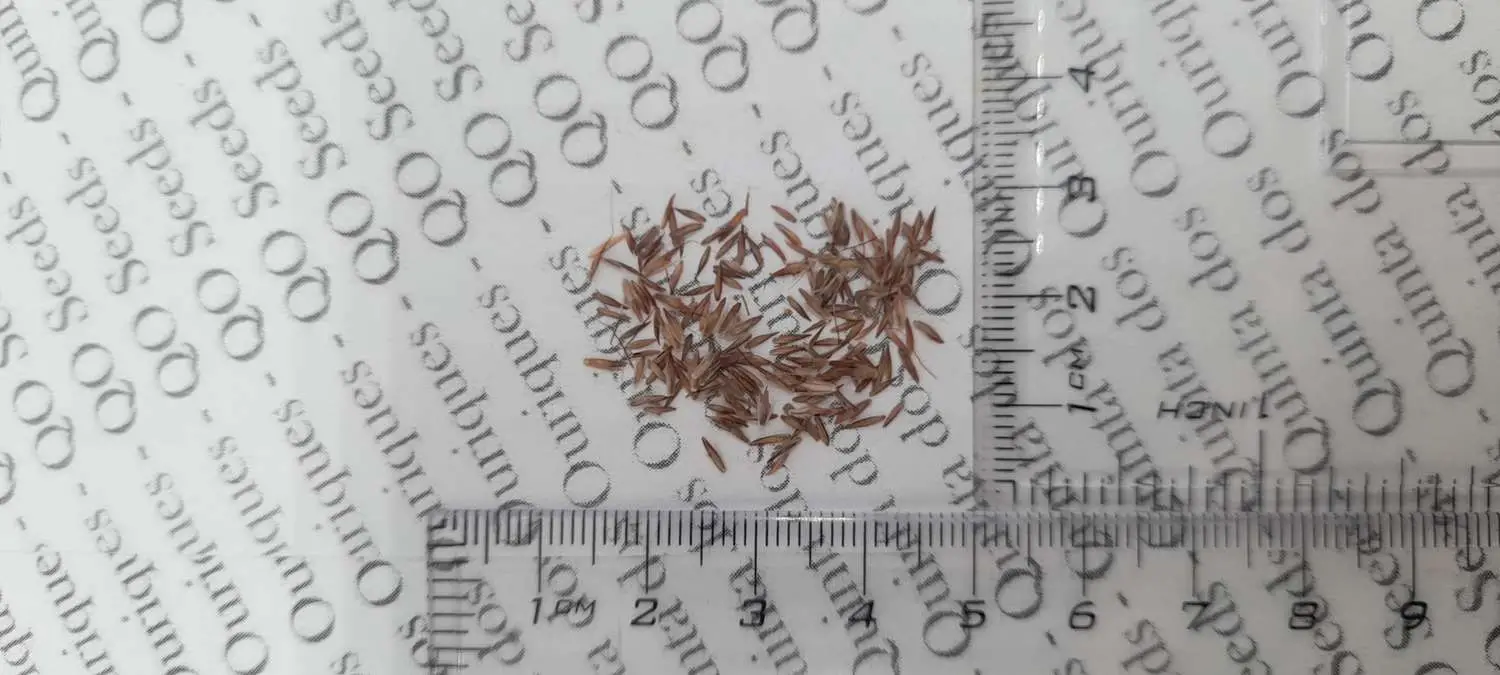
Lemongrass is an easy to grow herb that requires warm, humid conditions, full sunlight and plenty of moisture. They contain simple, bluish-green leaves with entire margins and are linear in shape. The blades tend to be 18–36 inches long. Mature lemongrass plants can reach heights of 2-4 feet (60-120 cm) and spread 2-3 feet (60-90 cm) wide. The warmer the climate, the taller it grows, often 2 to 3 feet in height. In the garden, its appearance rivals that of many ornamental grasses and can easily fulfill a similar role in the landscape. Plant in full sun conditions, requiring at least 6 to 8 hours of sunlight per day. The grass will grow in a wide range of soils but grows best in well-draining, fertile loam with a pH between 5.0 and 8.4. Start seeds indoors 6-8 weeks before the last frost date. Sow seeds in seed trays or pots filled with moist seed-starting mix. Lightly cover seeds with soil and keep the soil consistently moist until germination, which typically takes 7-14 days. Once established, it doesn’t need much in the way of attention. Lemongrass grows slowly until summer’s heat arrives and then grows quickly. In warmer climates, you can grow it outside in the garden all year round; in cooler zones, the easiest way to protect your plants during winter is to grow it in containers. This way, when frost threatens, you can move your containers indoors. When your lemongrass reaches about 12 to 18 inches tall, it should be ready for harvesting. The base of the stalk is where all the flavor is, and it should be about ½ inch thick before harvesting. From seed
Only logged in customers who have purchased this product may leave a review.

Reviews
There are no reviews yet.