
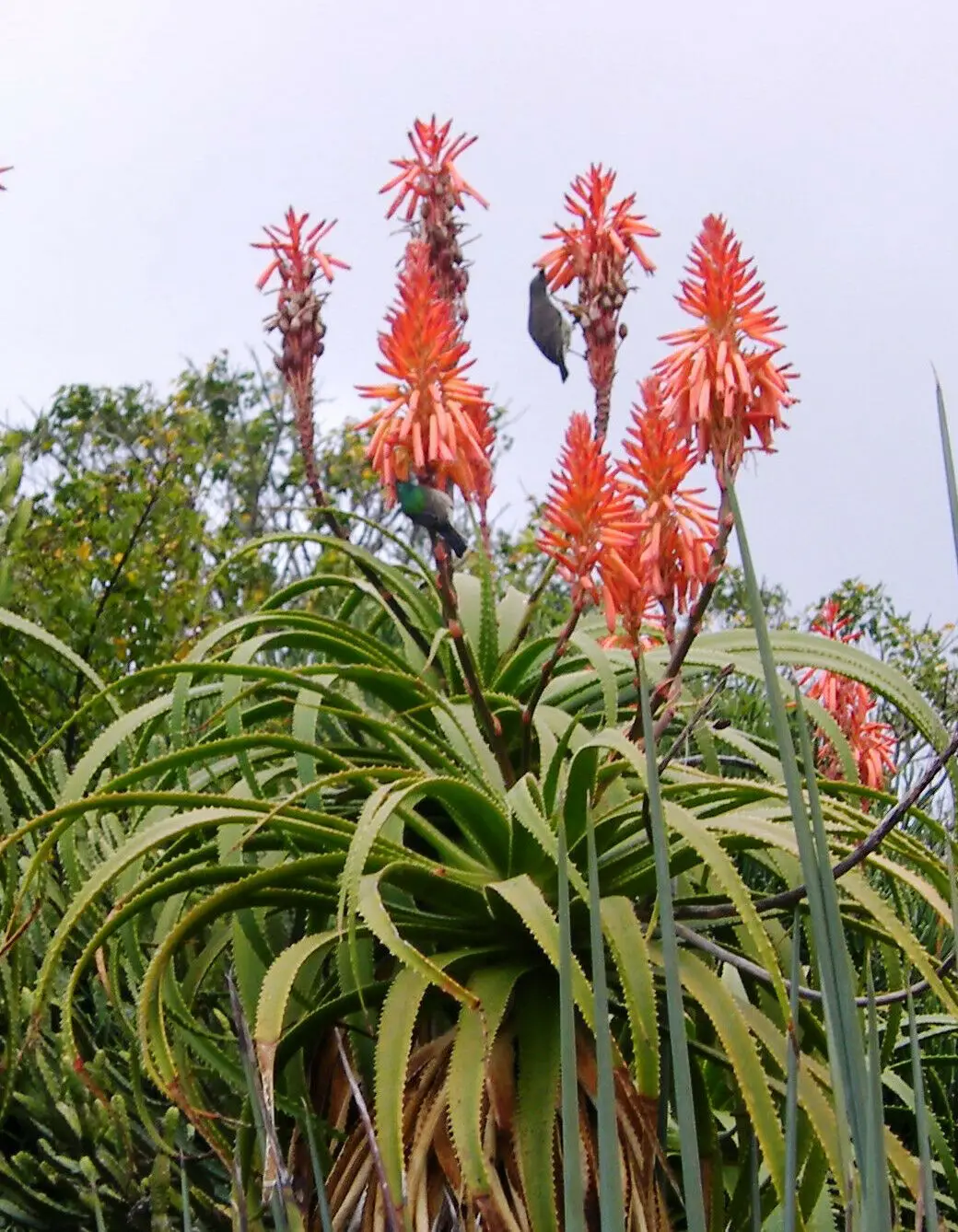
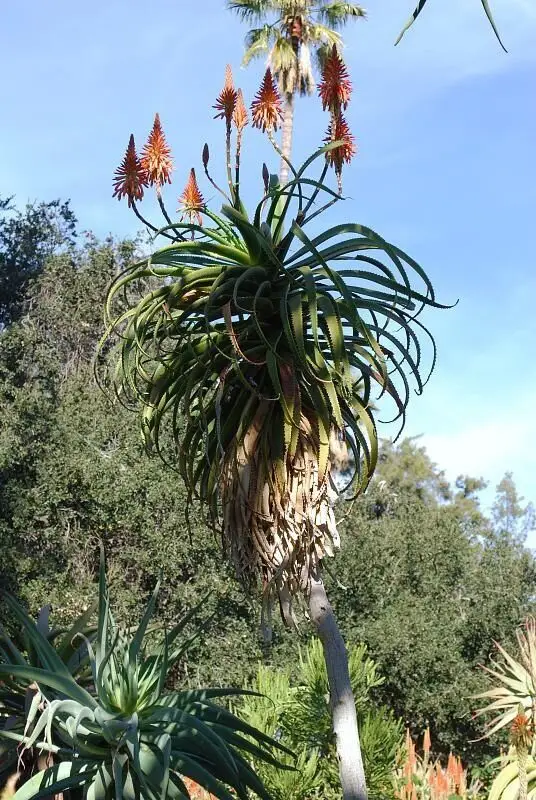

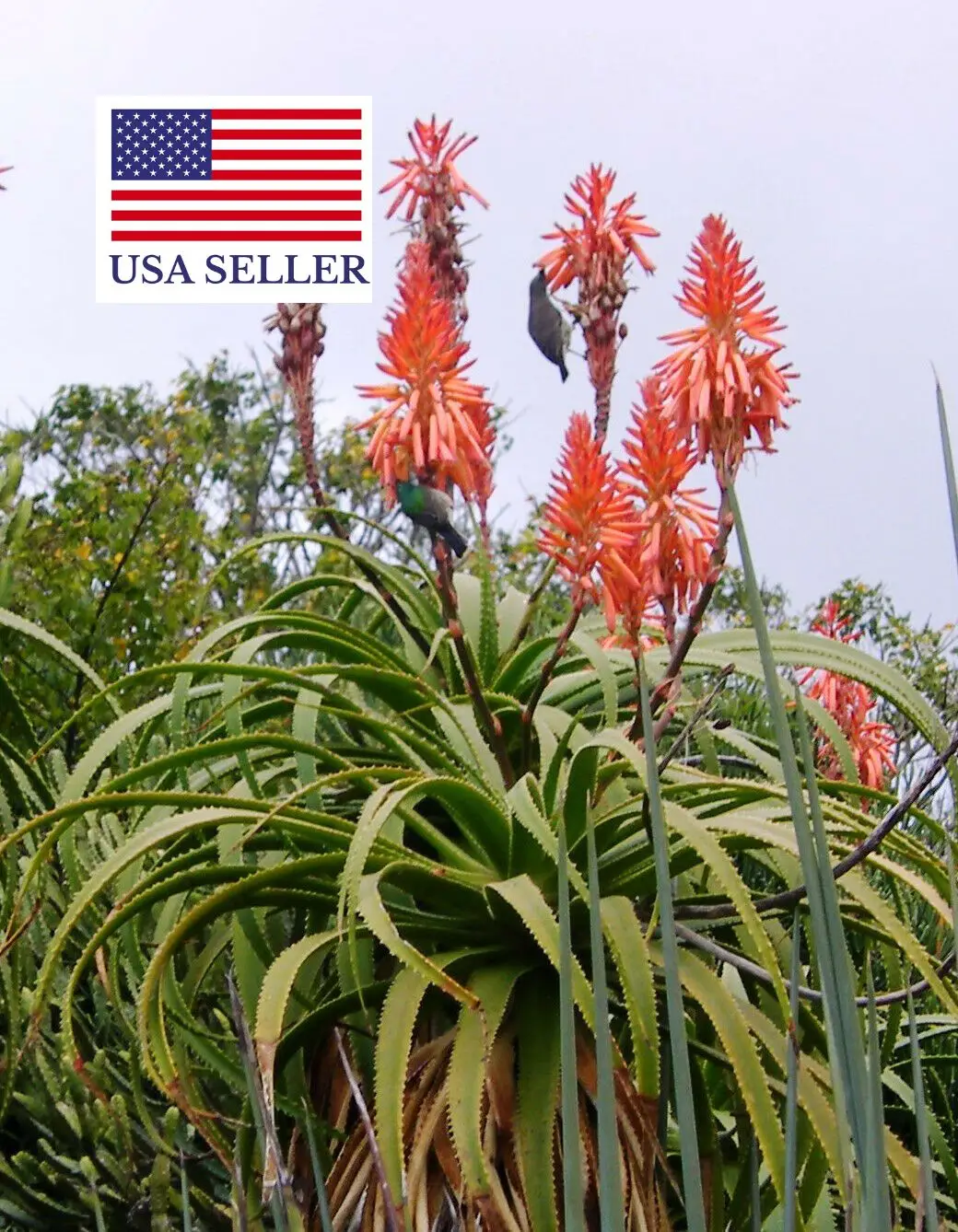
Grow the tree-form aloe that turns heads in any garden. Slender stems crowned with spiraling light-green rosettes—elegantly tall, impossibly graceful. Stunning orange-red summer blooms that hummingbirds and bees adore. Thrives in sun to dappled shade, tolerates drought once established. A living sculpture. Plant from seed and watch coastal beauty unfold.
€2.91
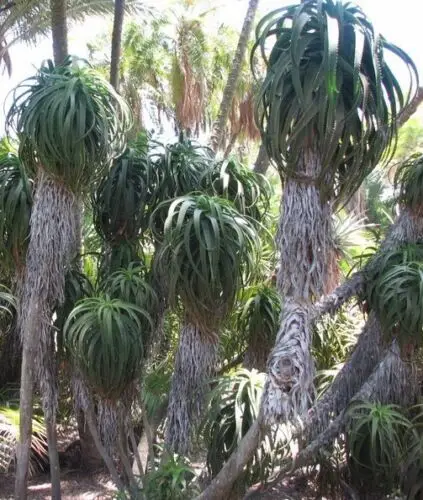
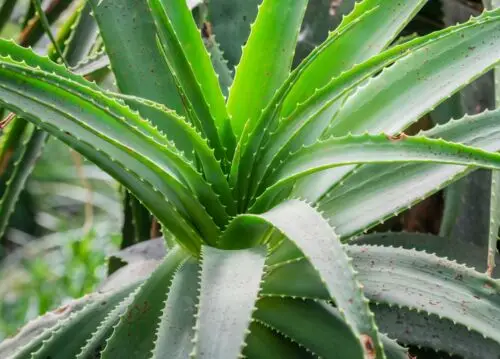
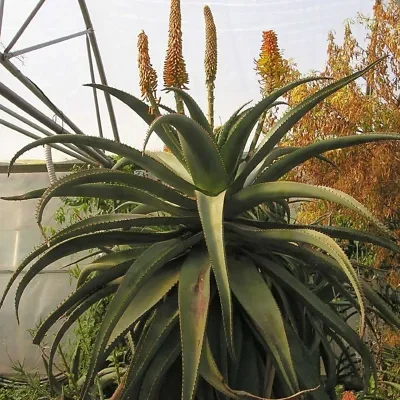
Aloe pluridens is a striking, tree-like succulent distinguished by its tall, slender stems and large rosettes of gracefully recurved leaves. This is the architectural plant you’ve been searching for—one that transforms an ordinary garden into a statement.
Native to South Africa, it thrives in coastal forests and valleys, adapted to both dry and humid conditions, which contributes to its versatility and resilience. This aloe was introduced into cultivation in England in the 1820s by James Bowie, a plant collector for the Royal Botanic Gardens, Kew. What started as a collector’s treasure from the South African coast has become a garden marvel prized worldwide. The species name means ‘many toothed’ and is derived from the Latin pluri meaning ‘many’ and dens meaning ‘teeth’, referring to the toothed leaves.
**A Living Focal Point: The Pollinator Magnet That Commands Space**
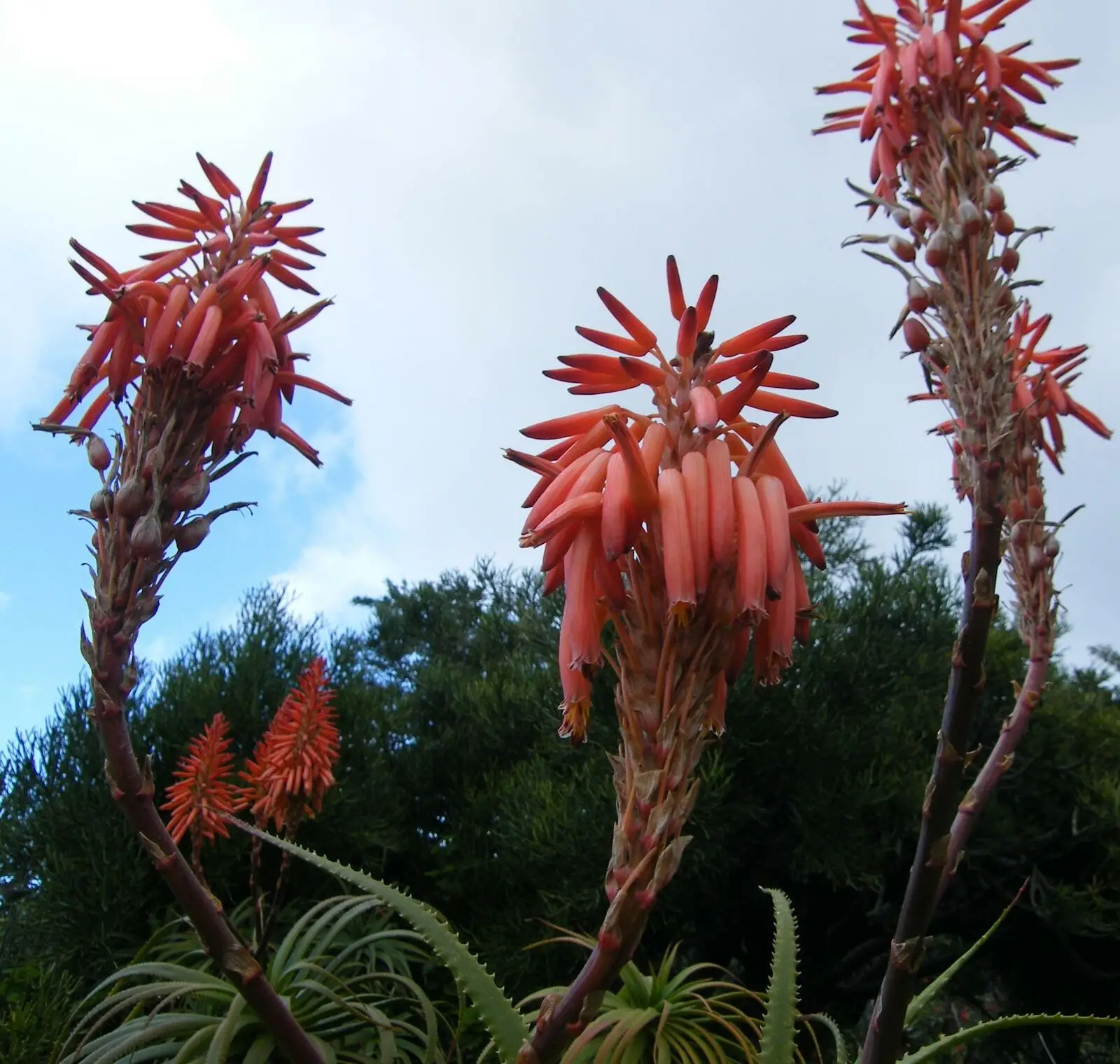
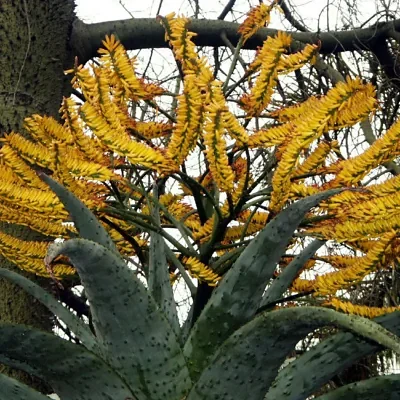
Where Aloe pluridens truly shines is as a pollinator powerhouse. It attracts bees, beneficial insects and hummingbirds, making it an excellent addition to pollinator gardens. Every summer, the flowers are usually orange or pinkish-red, but a yellow form also occurs—spectacular branched inflorescences that rise above the foliage like beacons of nectar. Aloe pluridens is ideal for adding a vertical element to gardens and as an architectural plant in public and private gardens. Its size and striking appearance make it a focal point in landscape designs. In xeriscaping schemes, coastal gardens, or Mediterranean landscapes, it stands alone as a living sculpture. Aloe pluridens has high landscape value both as a feature plant or in extensive mass plantings to create a focal point or define a boundary. Massed plantings provide a brilliant splash of colour during the dry winter months.
**Ease That Lets You Focus on Beauty, Not Fuss**
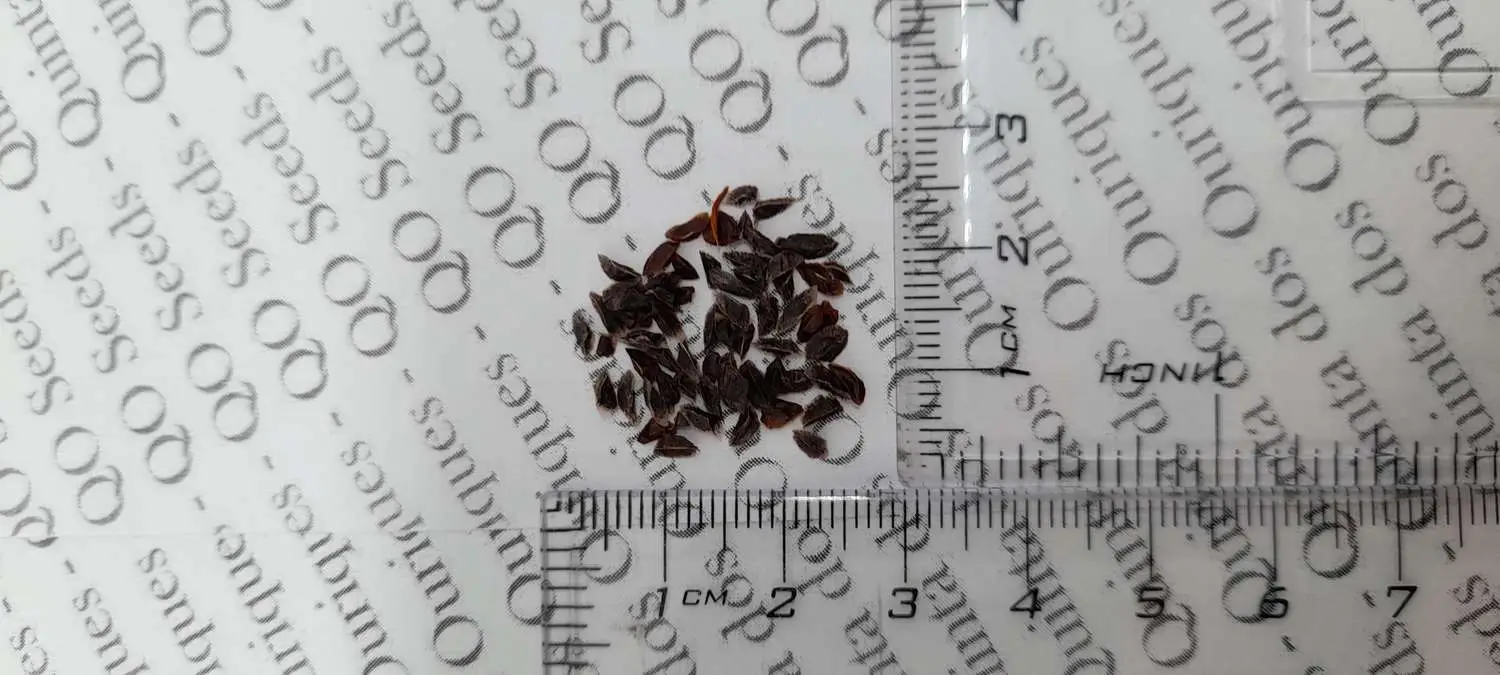
It is relatively easy to grow and tolerates a wide range of soils. It needs a sunny or semi-shaded spot in well-drained soil, and protection from frost. Aloe pluridens is extremely easy to grow, preferring partial shade for the hottest time of day. It will grow in poor soils with little attention but will do much better if planted in a large hole enriched with well-rotted compost. It’s hardy in USDA zones 9-11, preferring warm, dry climates but can tolerate some humidity. It grows well with sun to dappled shade and occasional to low water, and is drought tolerant once established. It is easily propagated by seed sown in spring-summer, or cuttings or truncheons taken in summer. Some plants form plantlets around the stem; these can be detached, placed in damp sand in a cool, semi-shaded spot until they root. Once rooted they can be potted up and grown on, or planted into the garden.
**From Seed to Sky**
Growing Aloe pluridens from seed is rewarding—you’ll witness the entire journey from germination to that breathtaking moment when your young plant finally reaches maturity and produces its first flowers. Aloe pluridens can be grown outdoors in USDA Hardiness Zones 9a-11b. Each seed you sow is a decade-long investment in living architecture, a patient promise of grace and pollinator abundance. Your garden—and the bees—will thank you for every single one.
Only logged in customers who have purchased this product may leave a review.

Reviews
There are no reviews yet.