
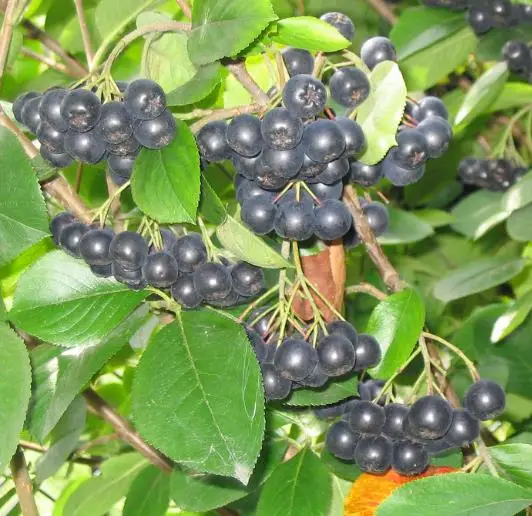
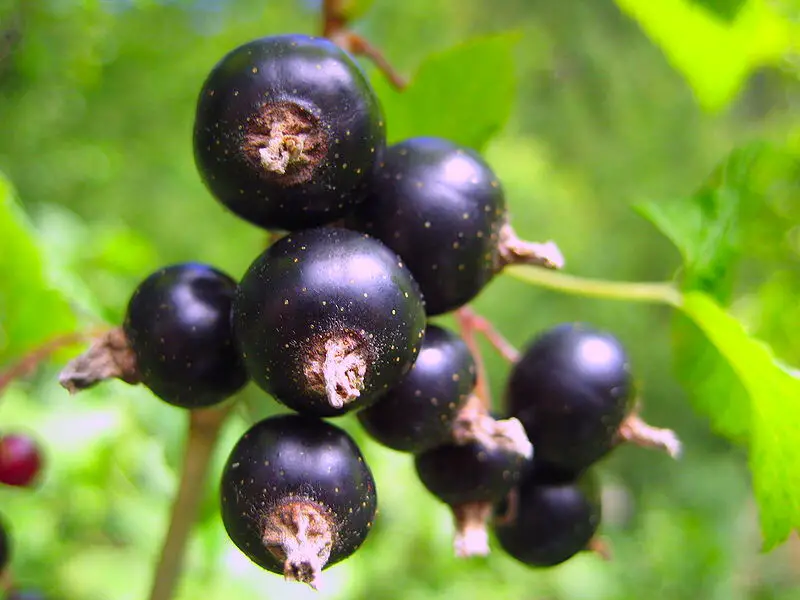
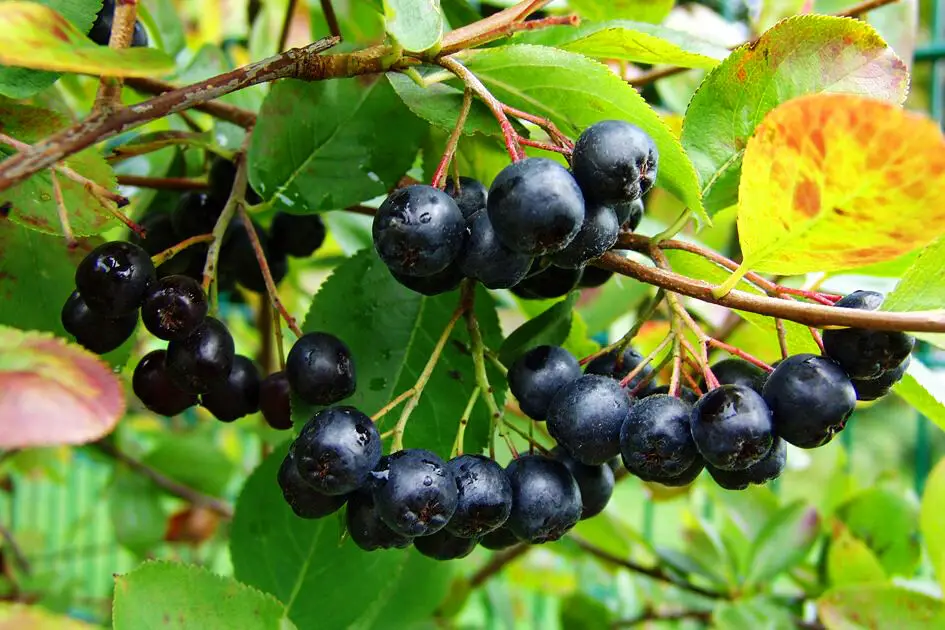
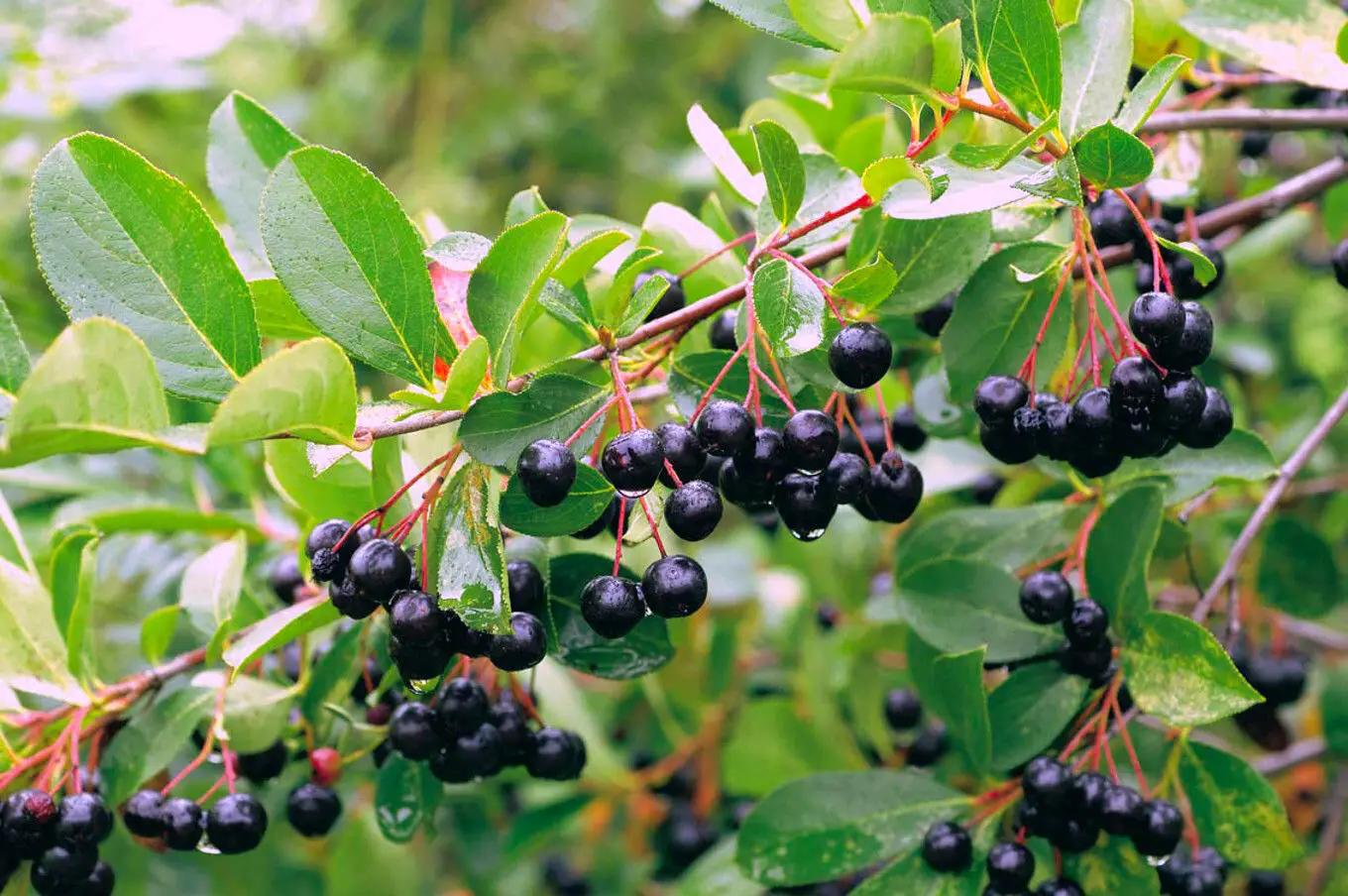
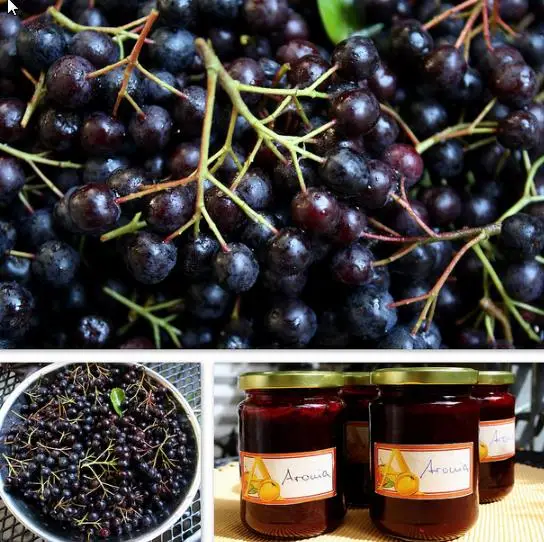
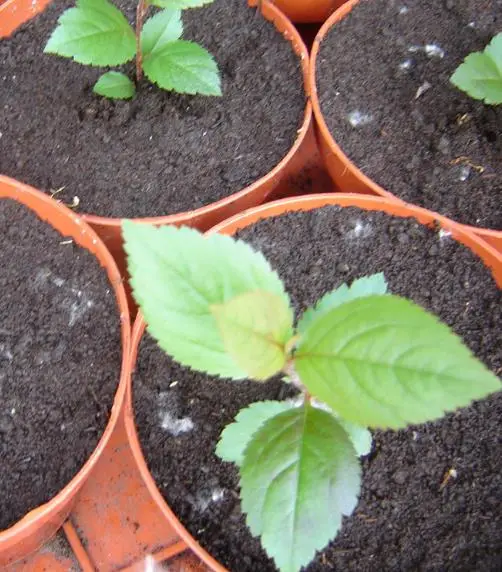
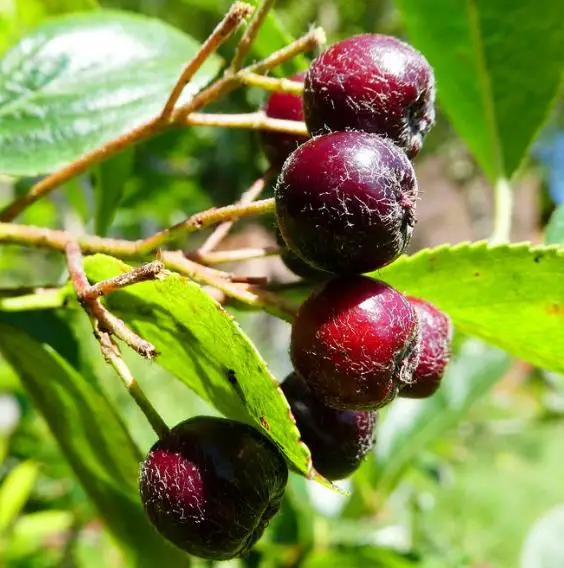
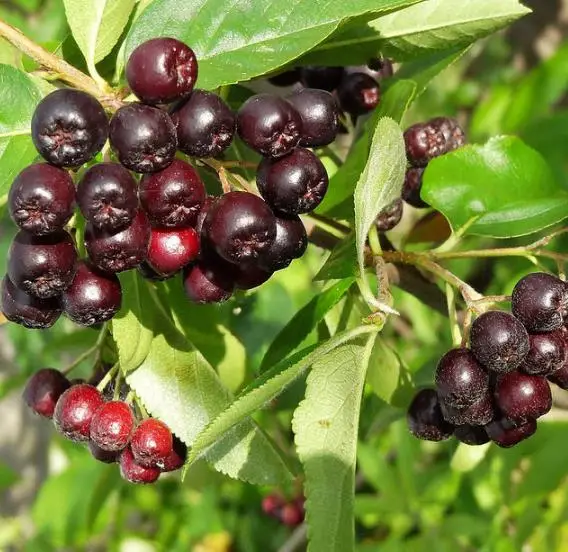
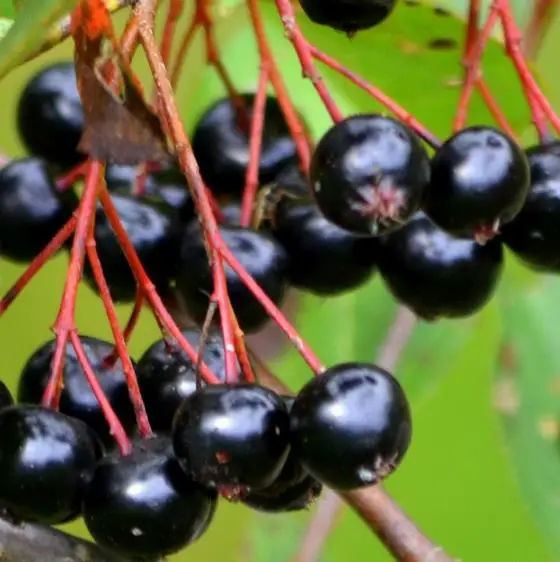
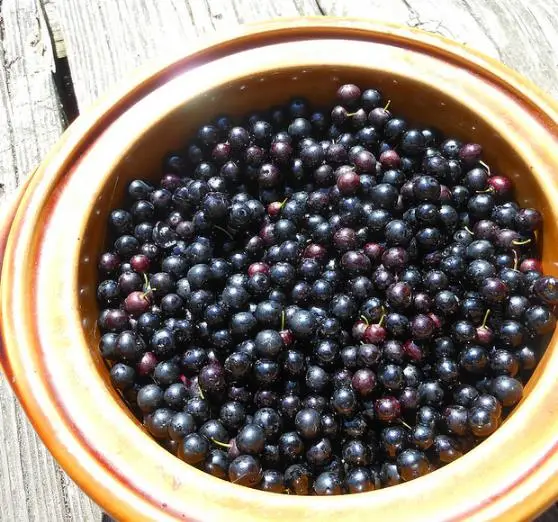
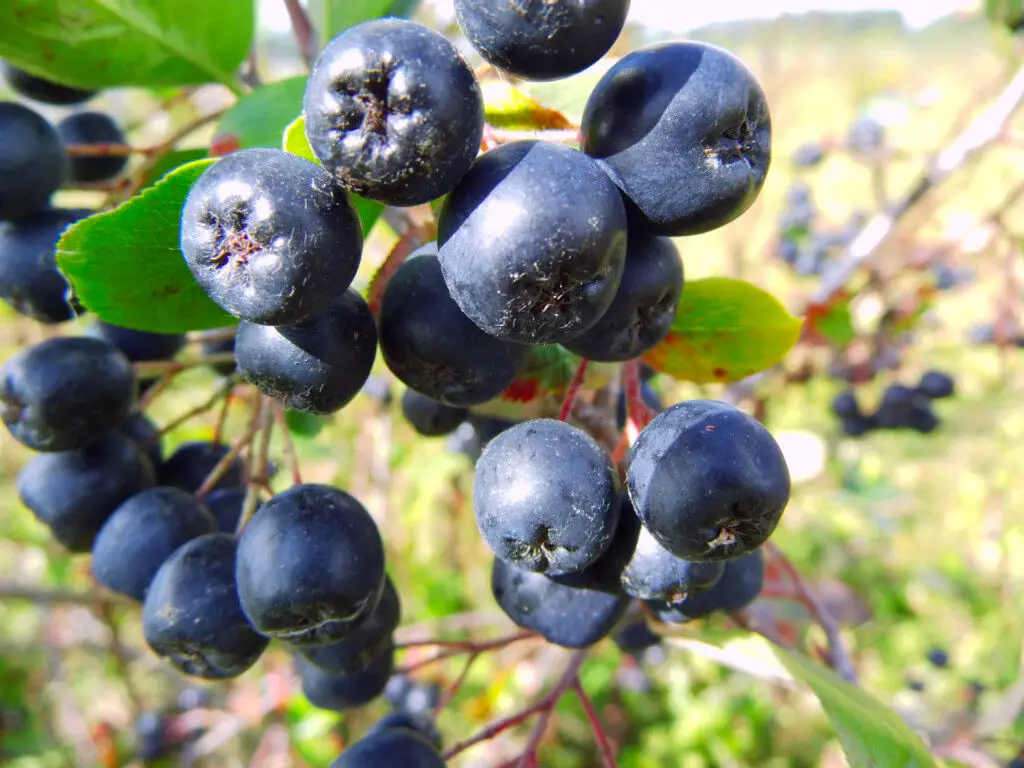

Grow your own superfood. Aronia melanocarpa produces ink-black berries exploding with anthocyanins—the antioxidant powerhouse behind juices, teas, and supplements that support cardiovascular health. Low in calories, high in fiber, vitamin C, and manganese. Highly productive, tolerates a wide range of conditions, and starts bearing in 2-3 years. Grow from seed and harvest your own liquid wellness.
Imagine harvesting berries so nutrient-dense that a single handful contains more antioxidant power than a bottle of expensive supplements—then transforming them into dark, jeweled syrups, ruby teas, and potent juices that glow with health. That’s Aronia melanocarpa, the North American native that conquered Europe and is now becoming the superfood obsession of wellness kitchens worldwide.
Black chokeberry is a perennial shrub of the Rosaceae family, native to eastern North America but introduced to Europe at the beginning of the twentieth century. It originated in North America and eastern Canada. Traditionally, Potawatomi Native Americans used black chokeberry to treat colds, coughs and fever. Today, it’s recognized as one of nature’s most concentrated sources of plant medicine—but to grow it yourself feels like discovering a secret only the healthiest gardeners know.
The magic lies in the berries themselves. Aronia melanocarpa is a rich source of antioxidants and anthocyanins, with fruit low in calories and high in fiber, vitamin C, and manganese. Fresh black chokeberries contain up to 2994 mg/100 g of polyphenol compounds, including flavonoids and phenolic acids. In vitro, in vivo, and clinical studies indicate that Aronia melanocarpa exerts potent antioxidant, anti-inflammatory, antidiabetic, cardioprotective, anti-obesity, and anticancer effects. This isn’t marketing hype—this is biochemistry. Black chokeberry fruits are used in the food industry for the production of juices, preserves, tinctures, fruit teas and dietary supplements. These bioactive compounds position Aronia melanocarpa as a functional food ingredient with significant health benefits, and its deep purple fruits are particularly favored as natural colorants in foods free of artificial additives. Whether you’re crafting midnight-dark syrups to drizzle over yogurt, brewing teas that taste like ancient remedies, or bottling concentrate for year-round wellness—every drop comes from your own garden, charged with your intention.
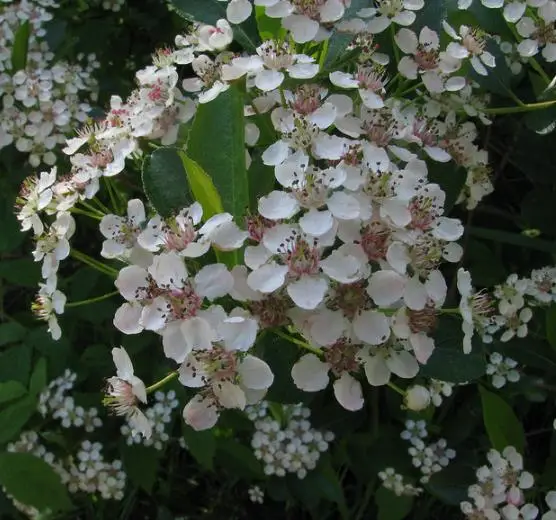
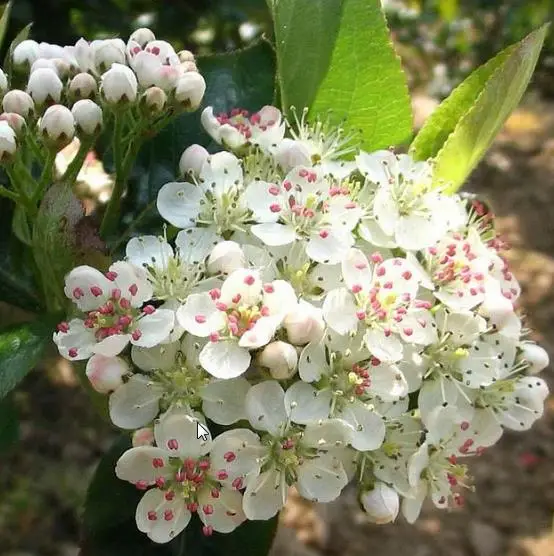
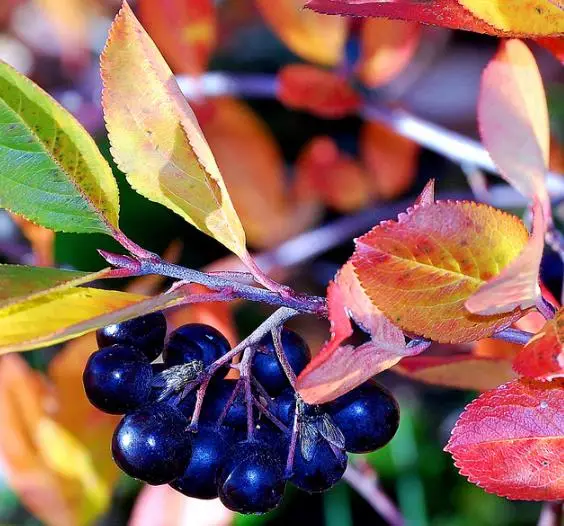
Cultivating Aronia melanocarpa is where this love affair becomes practical. Aronia berries are an attractive perennial crop option that are highly productive, tolerate a wide range of growing conditions, and have few pest and disease issues. Aronia prefers full sunlight but is moderately tolerant of shade, with best growth and fruit production occurring in low, moist, well-drained sites in full sun. Aronia berries are exceptionally low-maintenance native shrubs that rarely require fertilization once established and actually perform better without heavy feeding. Aronia are self-fertile and require no pollinator. Plant in USDA zones 3–8 (hardy down to -40°F), position in 6+ hours of sun, water regularly the first year, then watch it thrive with minimal fussing. Clusters of white flowers appear in early May and fruit ripen beginning in late August, with plants beginning to produce berries in their second or third year. The plant itself is beautiful—emerald foliage in summer, white-starred blossoms in spring, ink-black jewels in late summer, and brilliant fall foliage that burns red as the season turns.
This is more than gardening. This is reclaiming your health, one berry at a time. Grow Aronia melanocarpa from seed and become part of a centuries-old legacy—joining Native healers, European wellness seekers, and modern functional food pioneers who all recognized the same truth: some plants are too precious, too powerful, too alive with purpose to leave to chance. Plant it. Watch it flourish. Harvest your own superfood. Transform your kitchen into an
Only logged in customers who have purchased this product may leave a review.

Reviews
There are no reviews yet.