
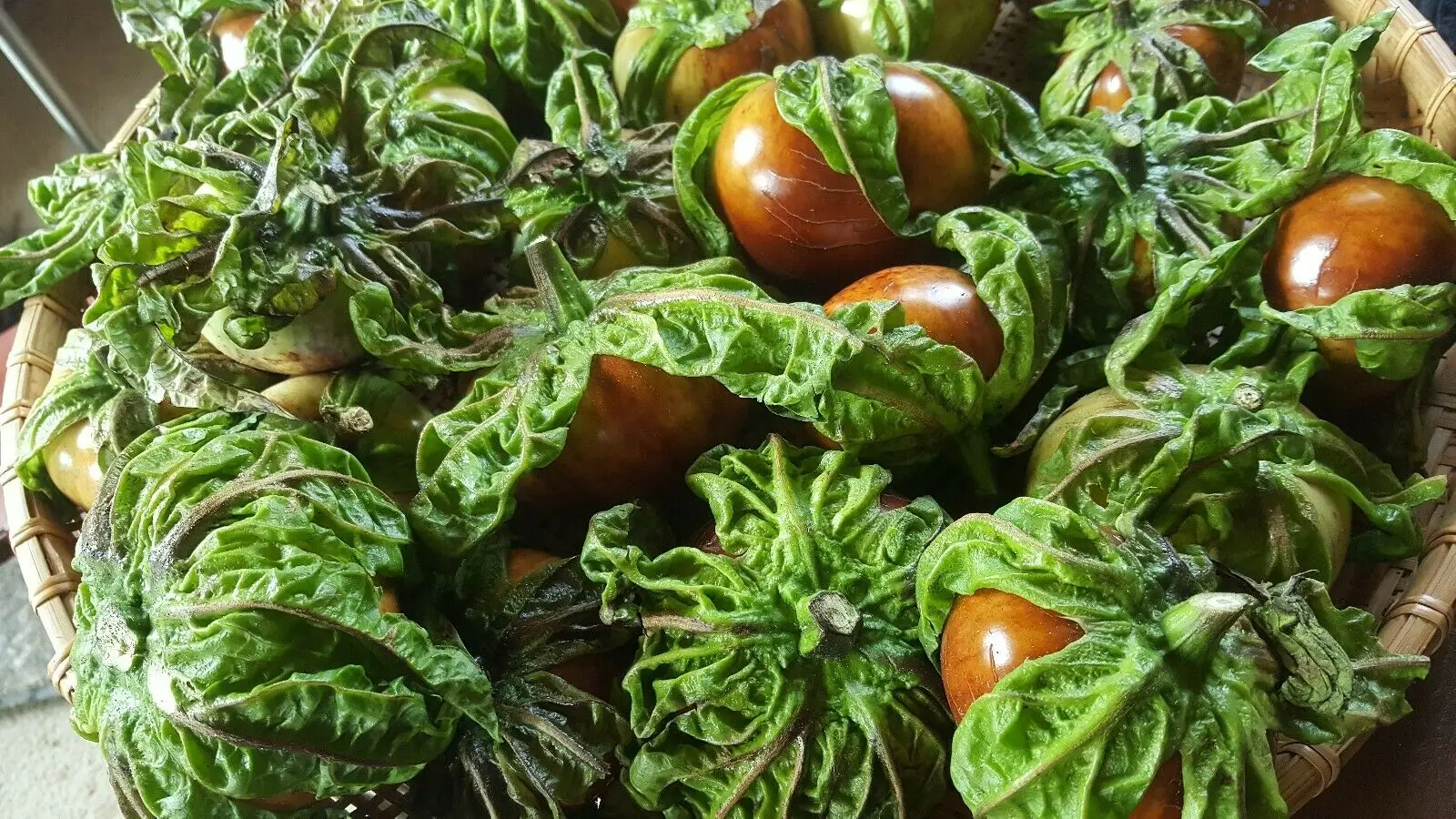
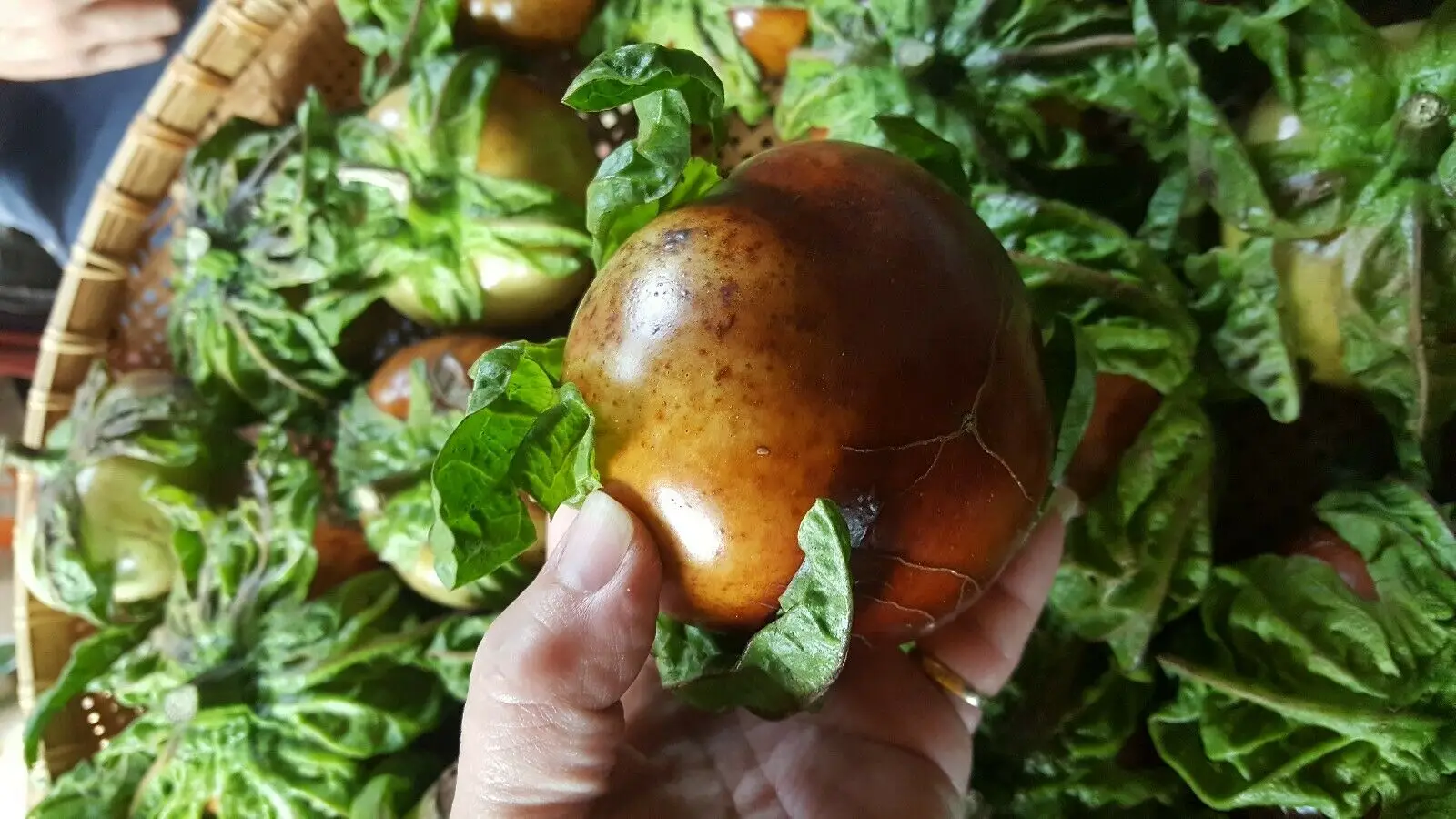
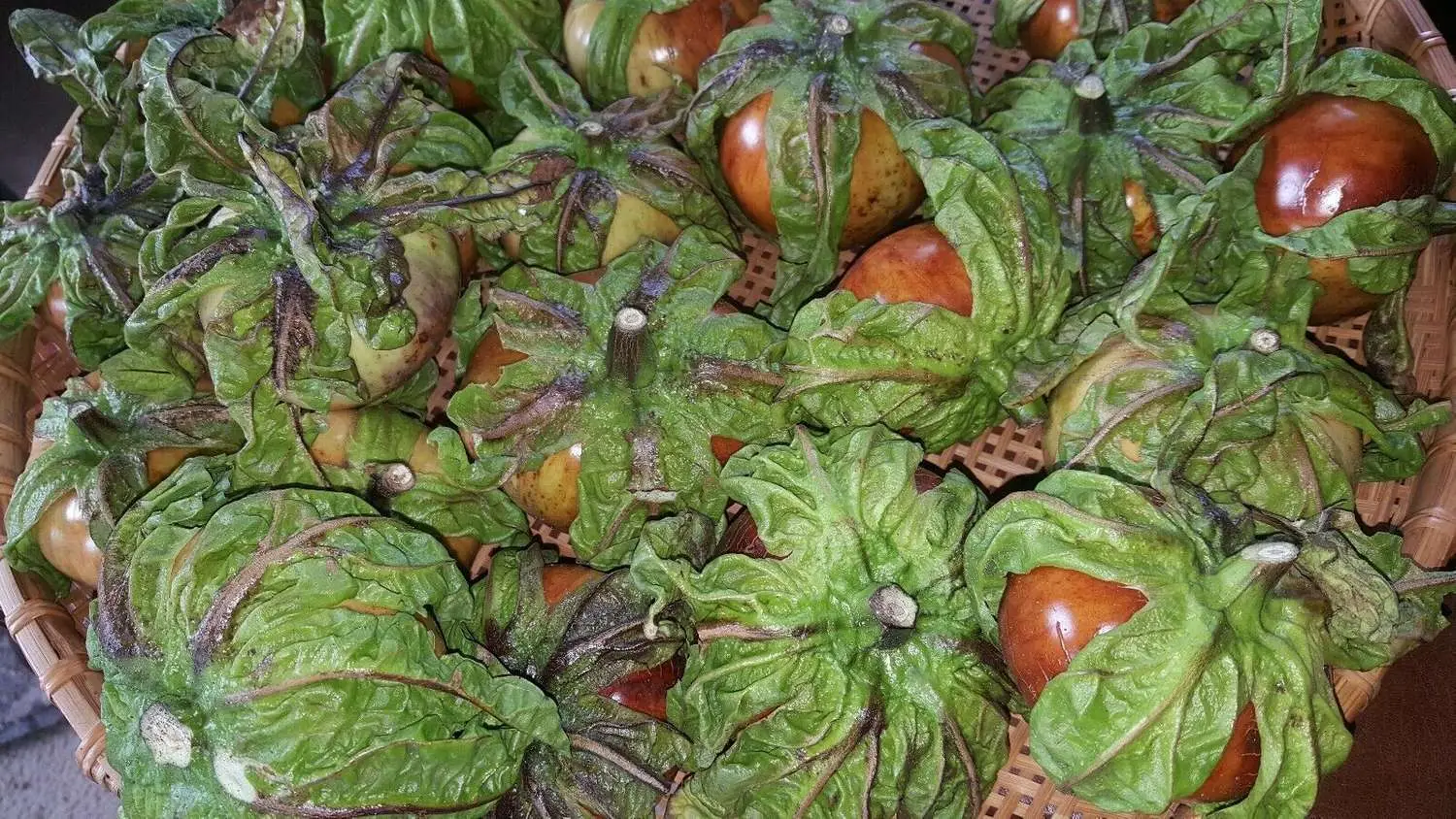
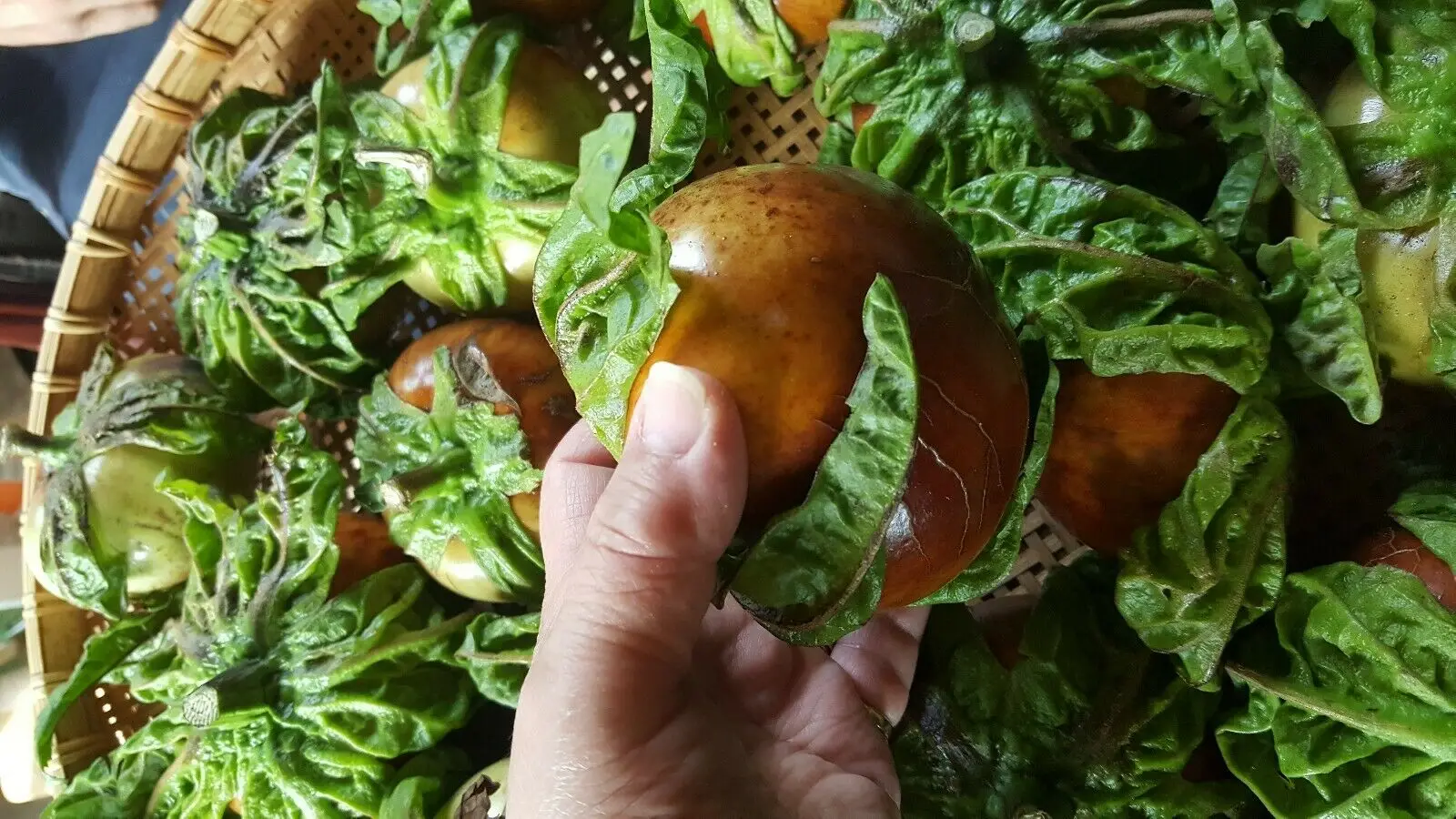

Grow the African eggplant that rewards you twice over—tender, iron-rich leaves for your table AND gorgeous, crunchy fruits bursting with antioxidants. This West African treasure thrives easily from seed in warm climates, producing harvestable leaves in just 6 weeks. Pickled, sautéed, stewed, or raw: every bite is nutrition and tradition in one plant. Start your seeds today.
This is the plant that gets harvested twice—a West African culinary miracle that feeds you from the leaves up, then rewards you with unique, egg-shaped fruits. Solanum macrocarpon isn’t just food; it’s a living pharmacy in your garden.
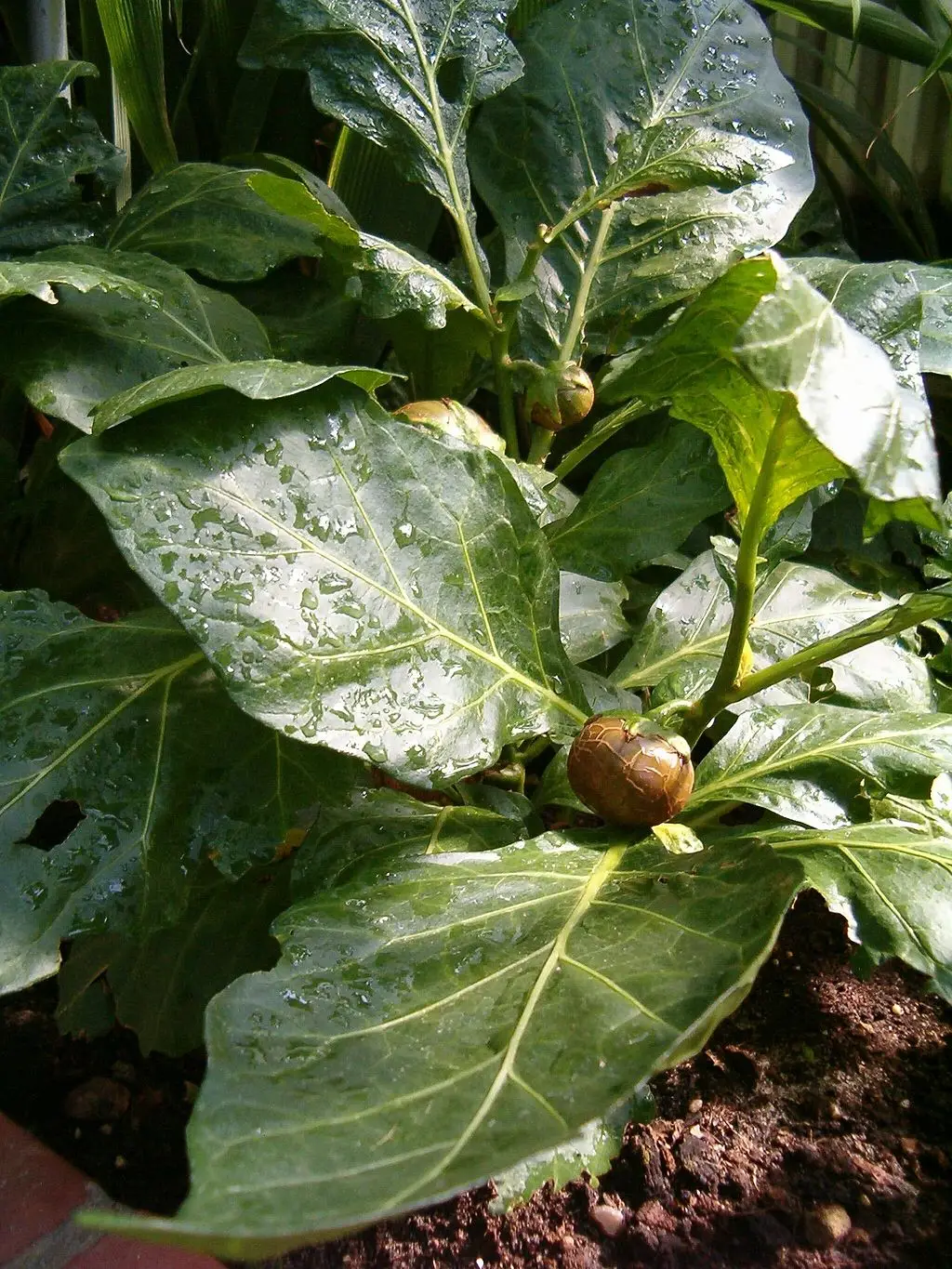
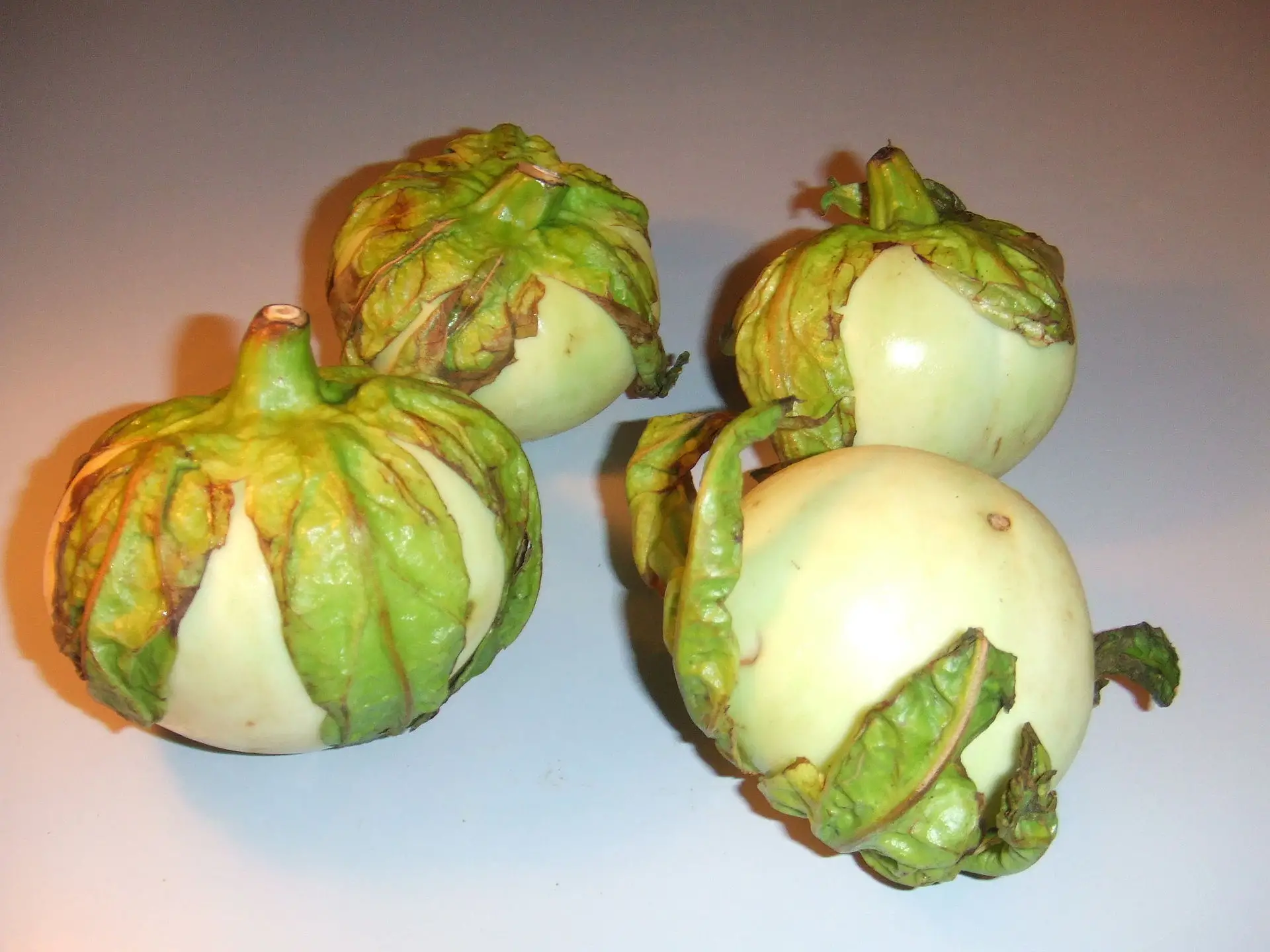
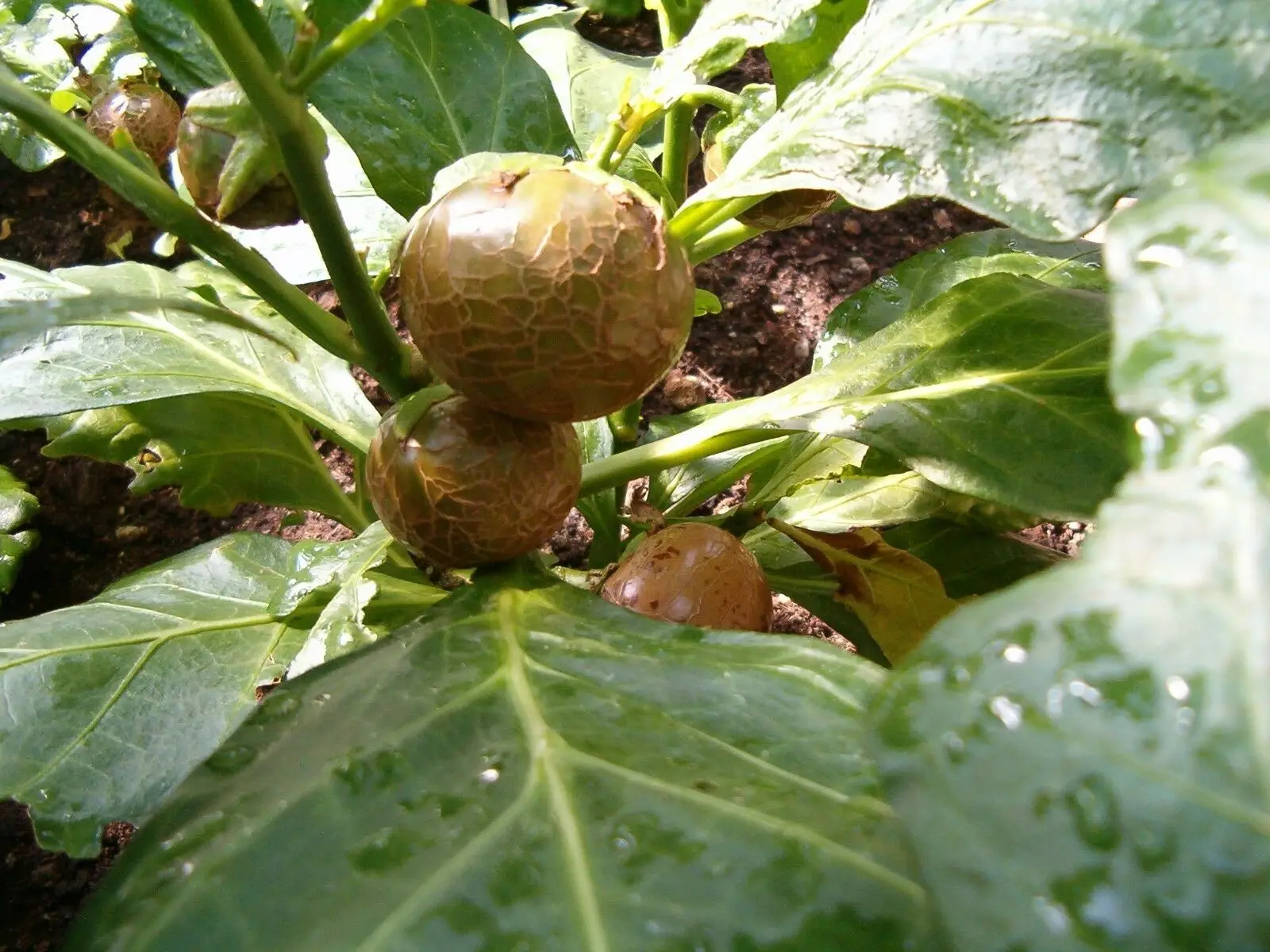
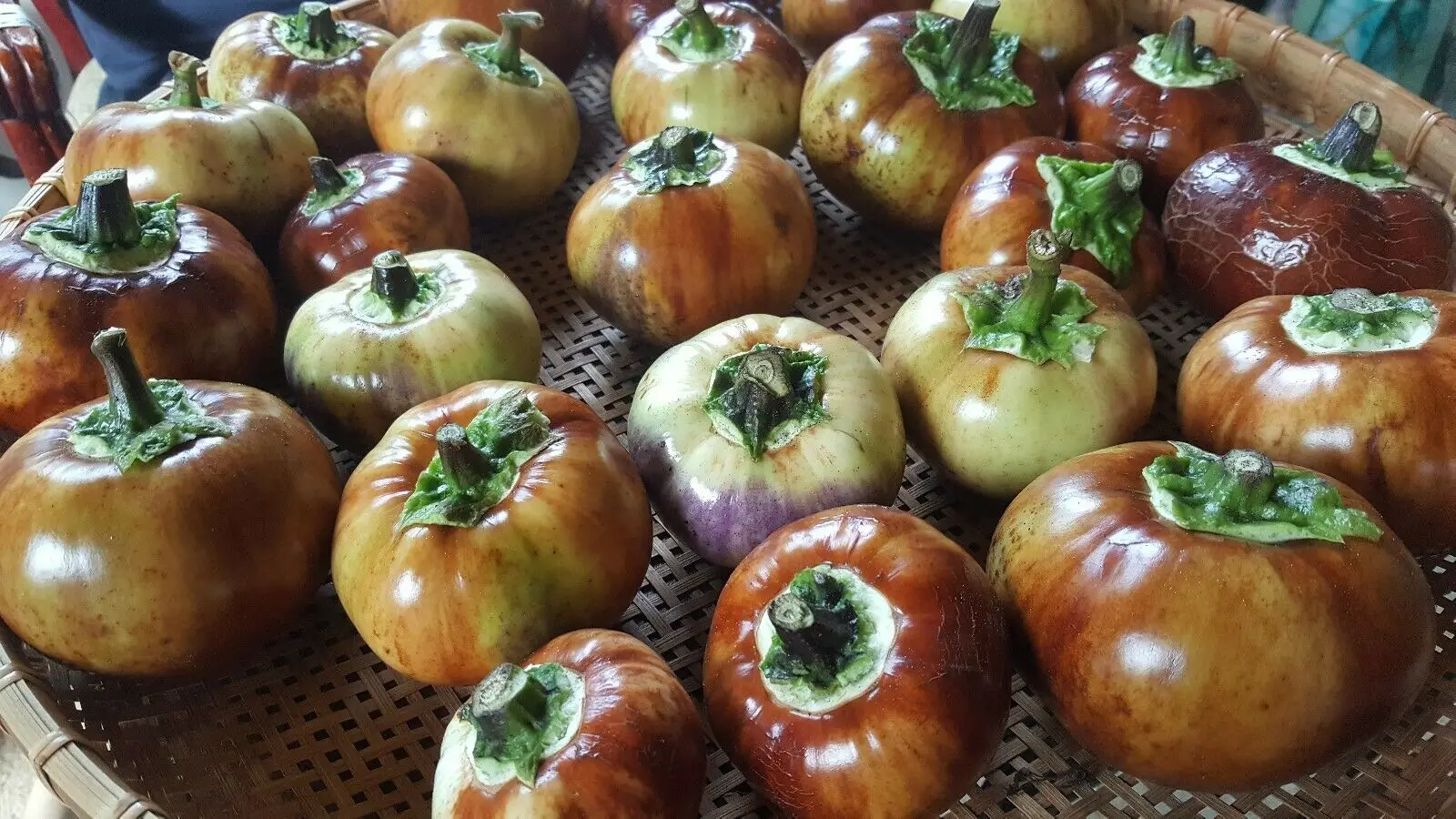
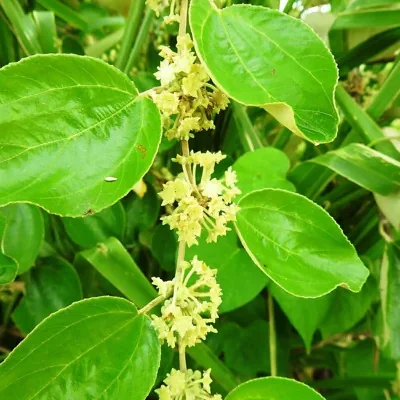
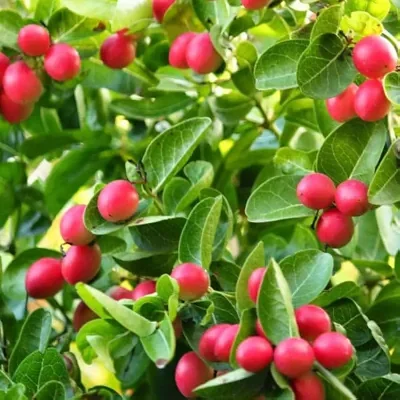
Native to the humid, fertile regions of West Africa, this perennial shrub has quietly fed millions for centuries, yet remains rare in Western gardens. While mainstream gardeners chase common eggplants, you’ll be growing something far more storied, nutritionally dense, and elegant. The plant itself is a beauty: glossy, wavy-edged oval leaves, delicate white-to-purple flowers, and small round fruits that mature through pale green to buttery yellow—a living testament to African agricultural wisdom.
Here’s what makes this species extraordinary as a food and wellness plant: unlike conventional eggplants, every part of Solanum macrocarpon is edible and medicinal. The LEAVES are the true star—harvested young and cooked as a vegetable, they’re packed with vitamins A and C, calcium, and iron, making them essential for anyone serious about plant-based nutrition. Prepare them steamed, fried with onions, or simmered into soups and stews, and you’ll taste why West African cooks consider them non-negotiable in their kitchens. The fruits, meanwhile, offer a crunchy, mild texture you can eat raw or cooked—pickled, boiled, or added to any savory dish. Both leaves and fruit contain powerful phytochemical compounds including tannins, alkaloids, phenols, and flavonoids that act as potent antioxidants, protecting your cells from free radicals and inflammation. Traditional medicine practitioners across Nigeria, Ghana, and beyond have long used this plant to support cardiovascular health, digestion, and overall vitality. Modern science is catching up—research confirms its anti-inflammatory, antioxidant, and stress-relieving properties. You’re not just growing food; you’re cultivating medicine.
Cultivation is refreshingly straightforward. Solanum macrocarpon thrives in warm tropical and subtropical climates with temperatures between 20–30°C (68–86°F). Give it full sun and well-drained soil with a pH between 5.5 and 6.5, moderate watering (avoid waterlogging), and balanced fertilizer every two weeks. The rewards come fast: harvestable young leaves in just 6–9 weeks, and your first fruits in 2–4 months. Plants remain productive for extended seasons and can be grown in containers or garden beds. This is an easy-to-medium difficulty crop—well-suited for both beginners and seasoned growers who want reliable harvests from seed.
Imagine stepping into your garden in late summer, harvesting tender leaves for tonight’s stew, then returning weeks later to pick firm, jade-green fruits for pickling. This is dual-purpose gardening at its finest—two distinct harvests from one intelligent plant. Start your seeds now and join the quiet revolution of gardeners rediscovering Africa’s most underrated vegetables.
Only logged in customers who have purchased this product may leave a review.


Reviews
There are no reviews yet.