
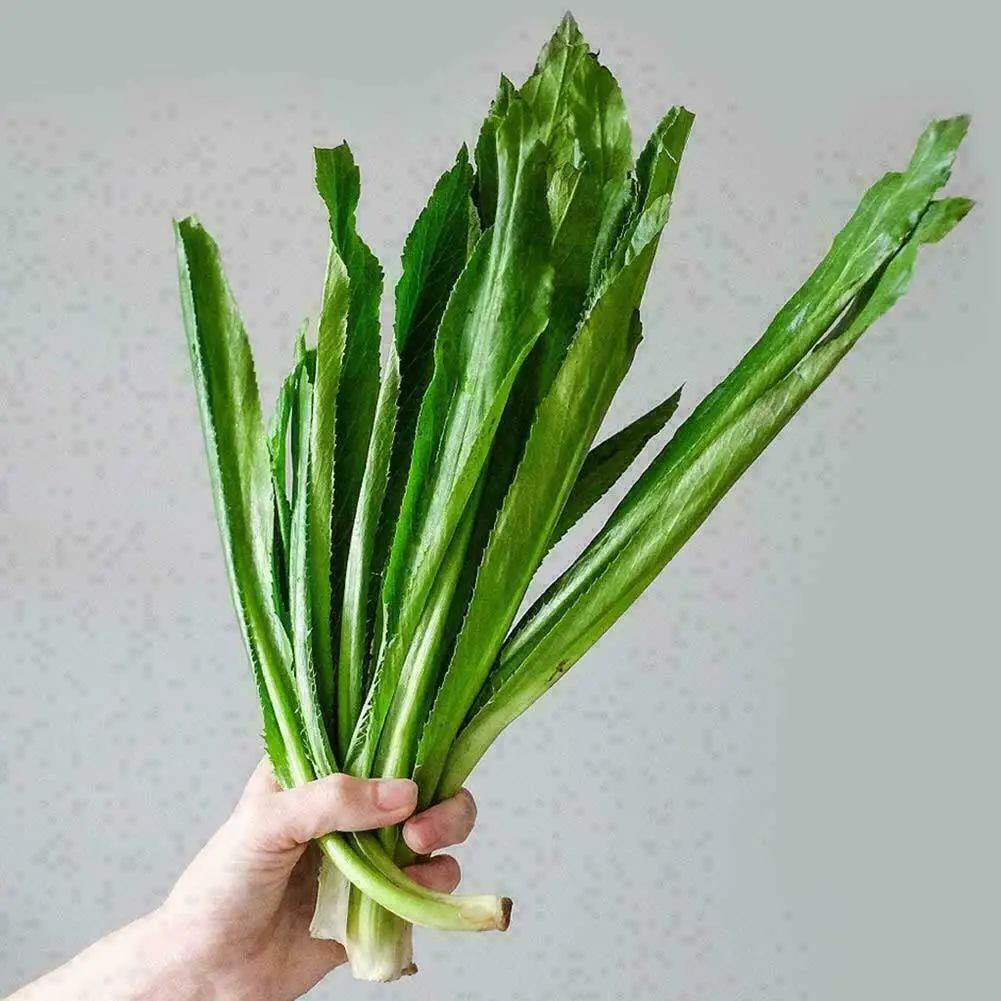
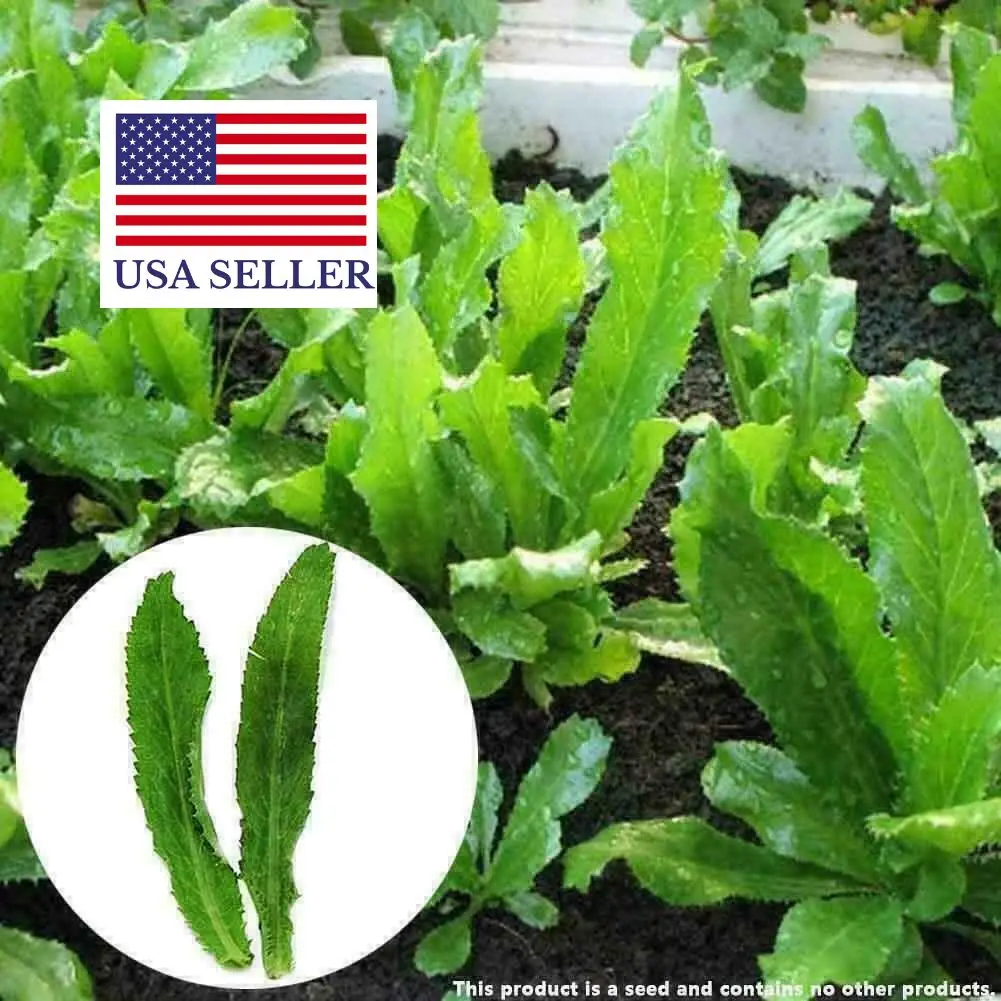
Leaves with a pungent, cilantro-like flavor with hints of citrus, but far more heat-tolerant than cilantro. Unlike coriander, Eryngium foetidum dries well, retaining good color and flavor, making it the culinary herb that won’t wilt on your cutting board. More intense taste that holds up well to cooking and remains productive throughout hot summers without nee
€5.17
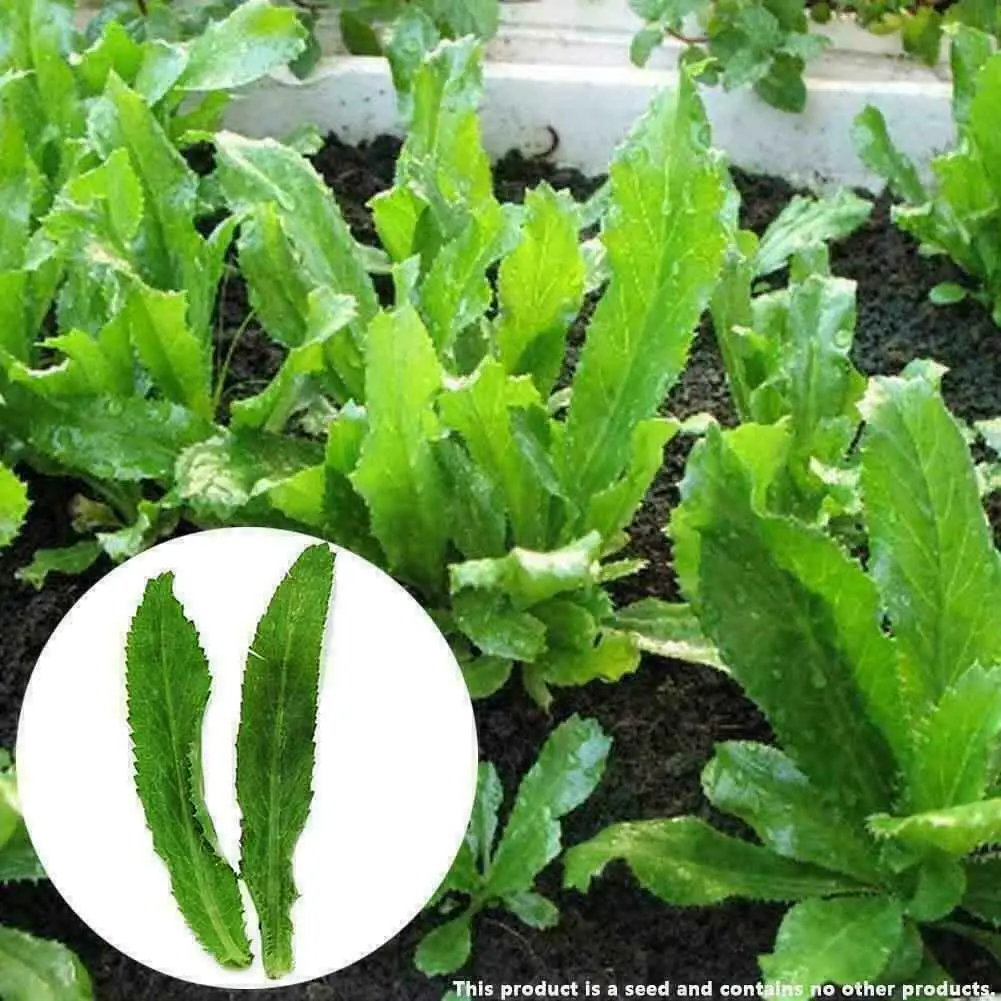
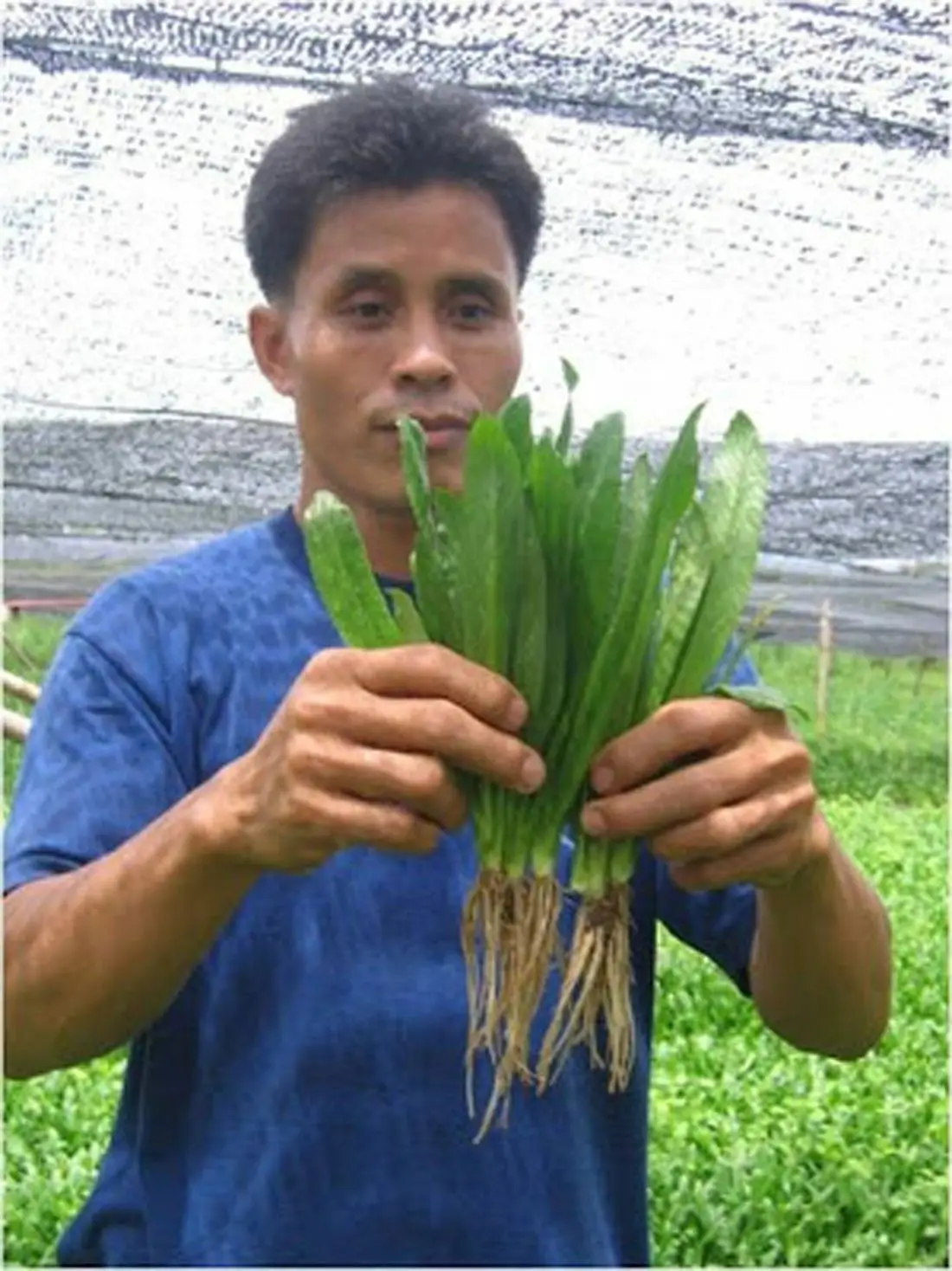
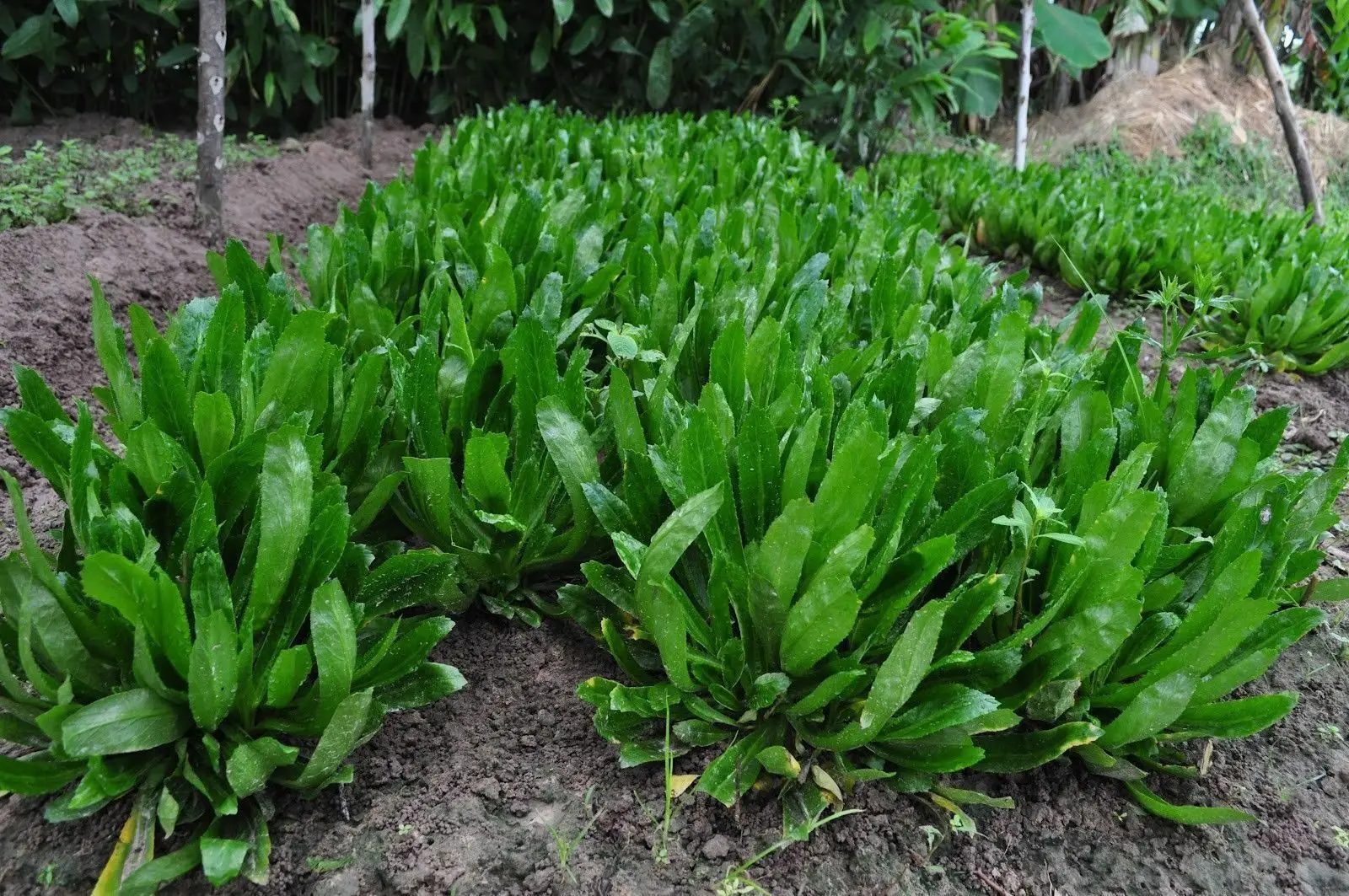
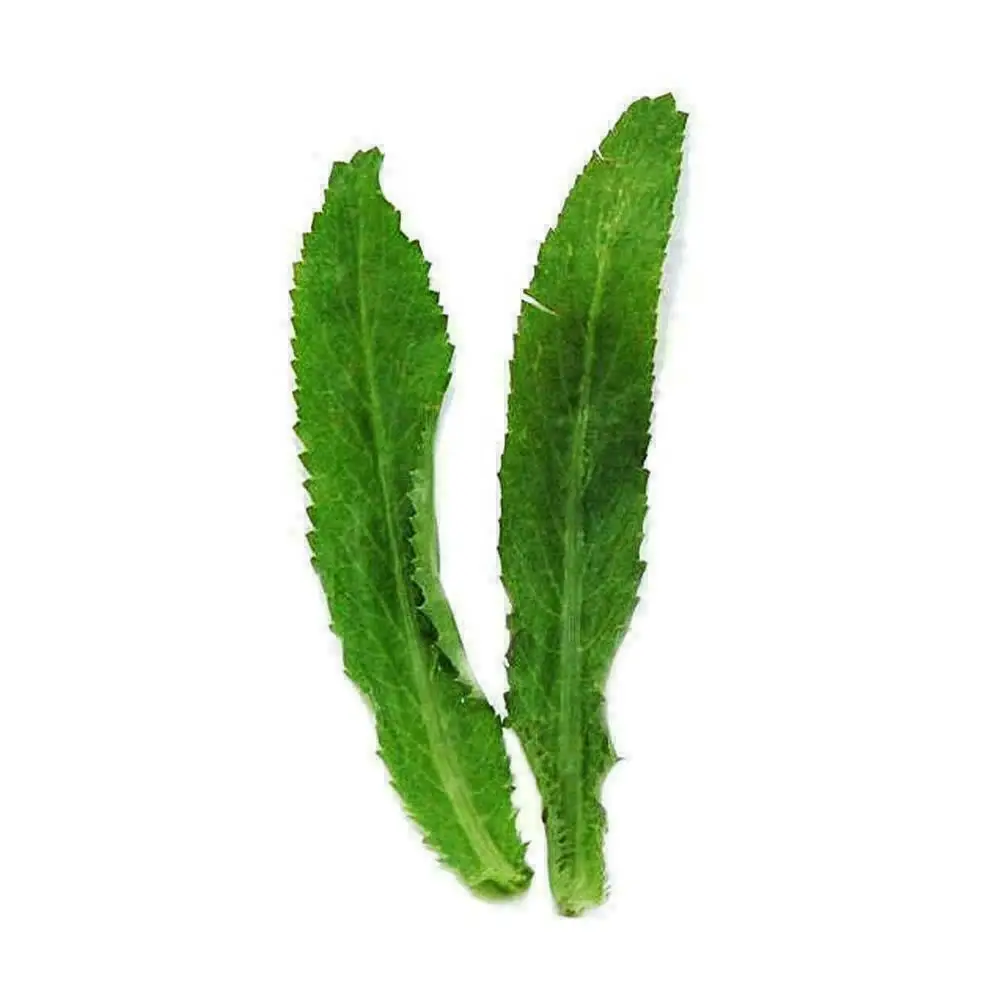
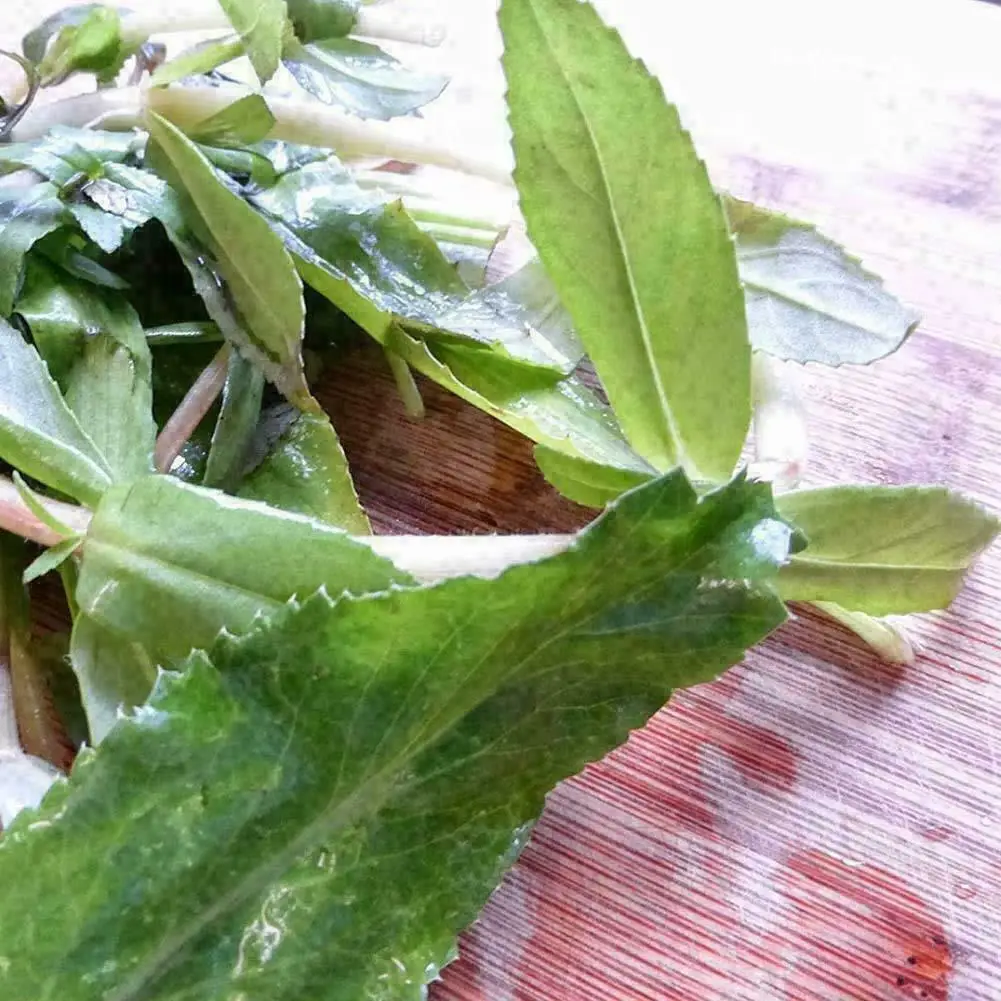
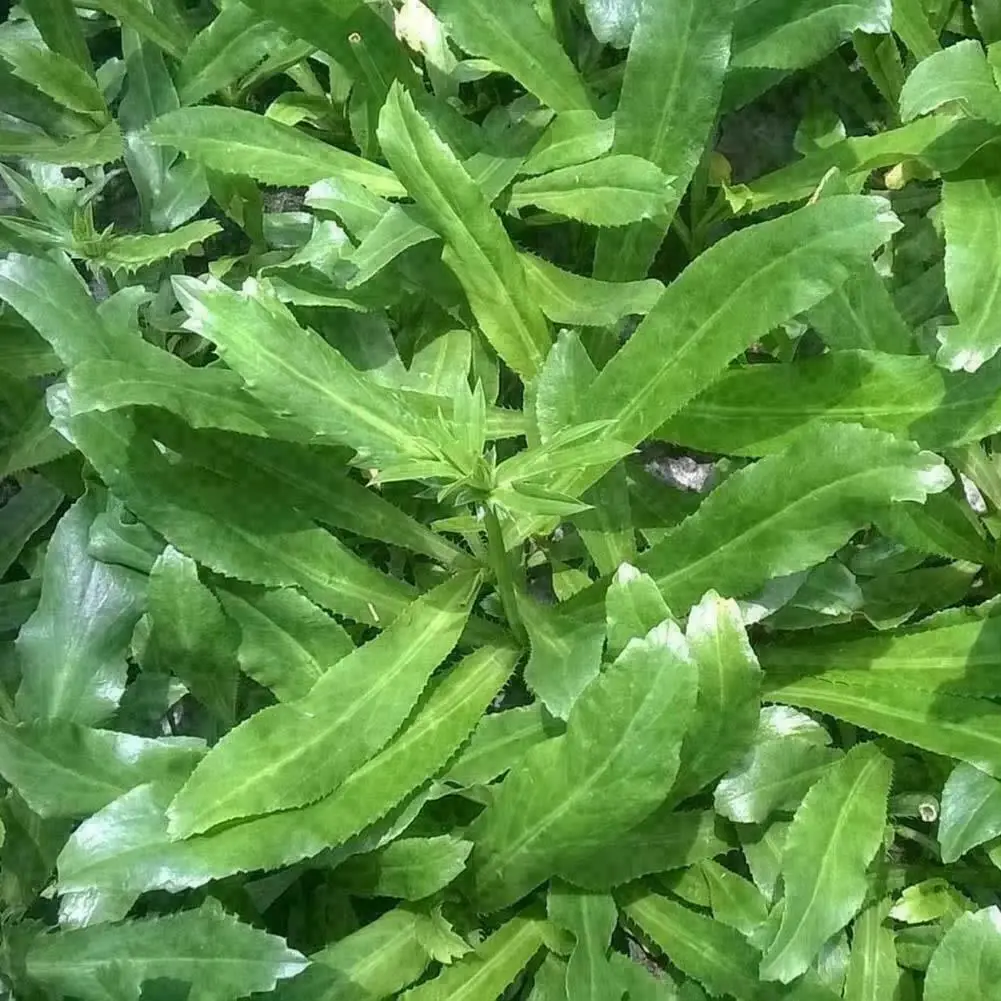
The plant is easily identified by its long, serrated dark green leaves that form a rosette pattern. Every leaf wants to perfume your kitchen: a pungent, cilantro-like aroma released upon crushing the leaves, which is stronger and more persistent than that of true coriander.
Native to Mexico and South America, but is cultivated worldwide, culantro has become a cornerstone of Caribbean, Latin American, and Southeast Asian kitchens. In Puerto Rico and the Dominican Republic, it is a key ingredient in sofrito—that sacred foundation of flavor that builds entire meals. E. foetidum is widely used in seasoning and marinating in the Caribbean. It is also used extensively in Thailand, India, Vietnam, and other parts of Asia as a culinary herb. While cilantro has ruled North American kitchens, culantro has quietly become the secret weapon of chefs and home cooks who demand *reliability*.
Here’s where culantro reveals its true magic: It is sometimes used as a substitute for coriander leaves, but has a stronger, tangier taste. Unlike coriander, Eryngium foetidum dries well, retaining good color and flavor, which makes it valuable in the dried herb industry. Unlike its delicate cousin cilantro (Coriandrum sativum), culantro boasts a more intense taste that holds up well to cooking and remains productive throughout hot summers without needing frequent replanting. It adds a distinctive flavor to salsas, chutneys, curries, soups, stews, and various meat and seafood dishes. Throw it into a simmering pot of beans for an hour? It laughs. Dry the leaves for winter? They’ll taste as vivid as the day you harvested them. Culantro is rich in iron, carotene, riboflavin and calcium; it is better suited to being frozen than the more delicate leaves of cilantro. This is not just flavor—this is resilience.
Culantro thrives in warm, humid environments with plenty of sunlight. It prefers moderate temperatures and should be watered regularly to keep the soil evenly moist. The plant can be grown both indoors and outdoors, making it versatile for various growing conditions. Eryngium foetidum prefers well-draining loamy soil that retains moisture but does not become waterlogged. It can tolerate hotter conditions than Parsley and Cilantro. It’s a perfect plant where summers are hot and humid. Culantro plant care is nominal, as it is relatively pest and disease free. It is said to attract beneficial insects as well as defend against aphids. Culantro grows well in containers. You can either grow a single plant in a 1 gallon container or up to 3 plants in a 5 gallon container. Whether you garden in shade or dappled sunlight, in the ground or a pot on your windowsill, it does not have a dormancy period and can grow year-round in suitable conditions.
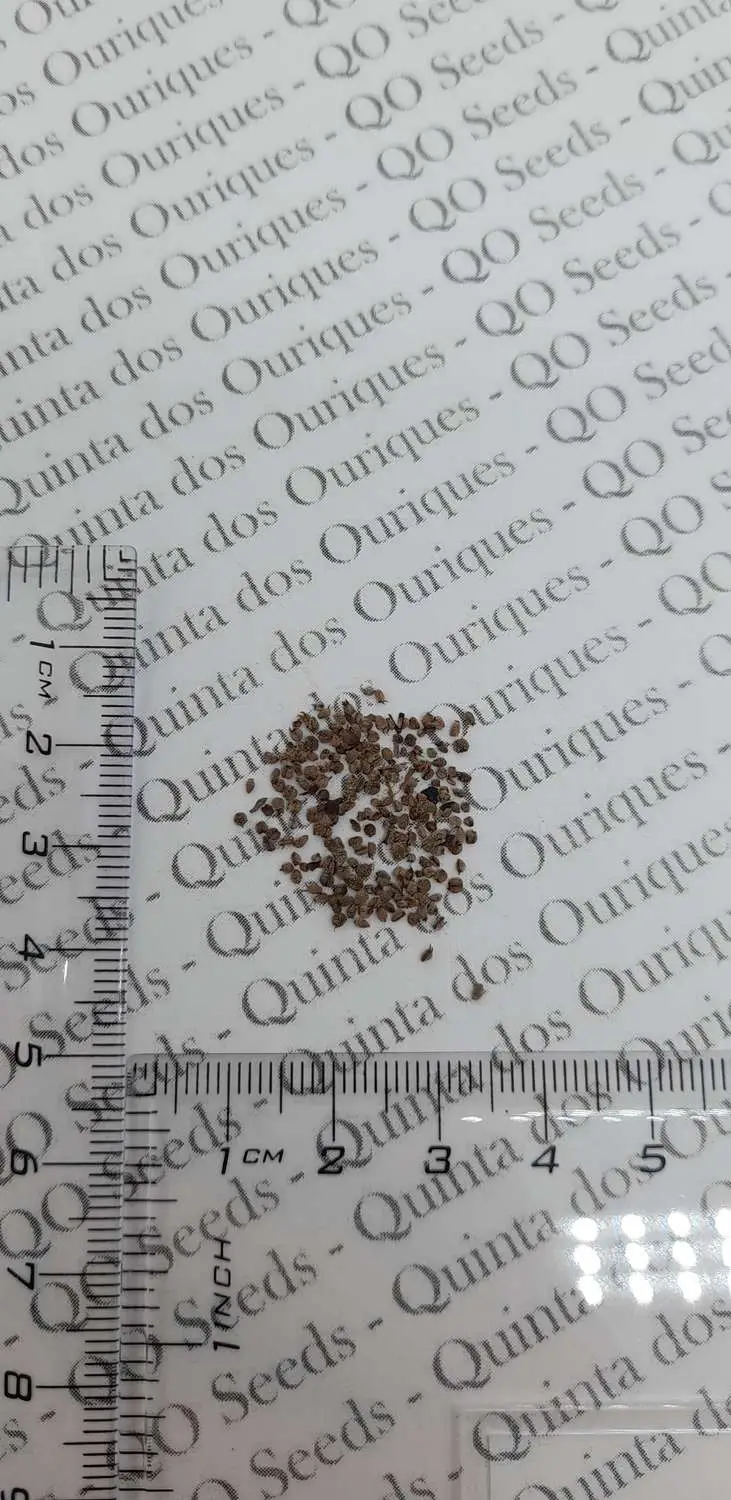
Grow this seed. Let it establish. Then watch: a short-lived perennial, lasting 1-2 years and enabling multiple harvests of 10-15 leaves per plant at 1-2 week intervals for up to 5-10 cycles before flowering. You’ll harvest more leaf from one plant than cilantro will ever forgive you for cutting. This flavor holds up well during cooking, unlike cilantro which is best added fresh. This is the herb that respects your cooking—and your freezer. Culantro doesn’t demand perfection; it demands you plant it once and let it feed your kitchen all season long.
Only logged in customers who have purchased this product may leave a review.

Reviews
There are no reviews yet.