Description
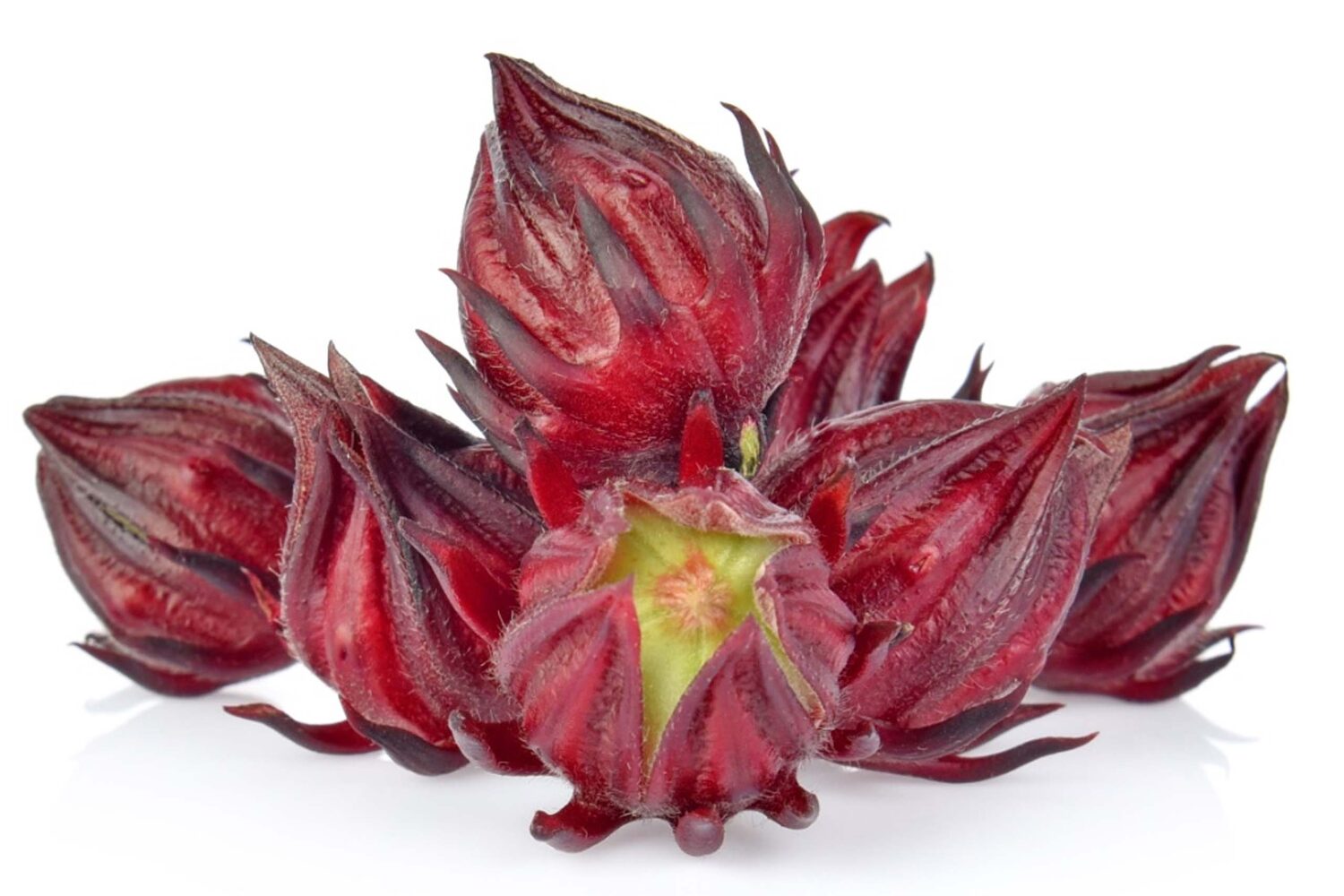
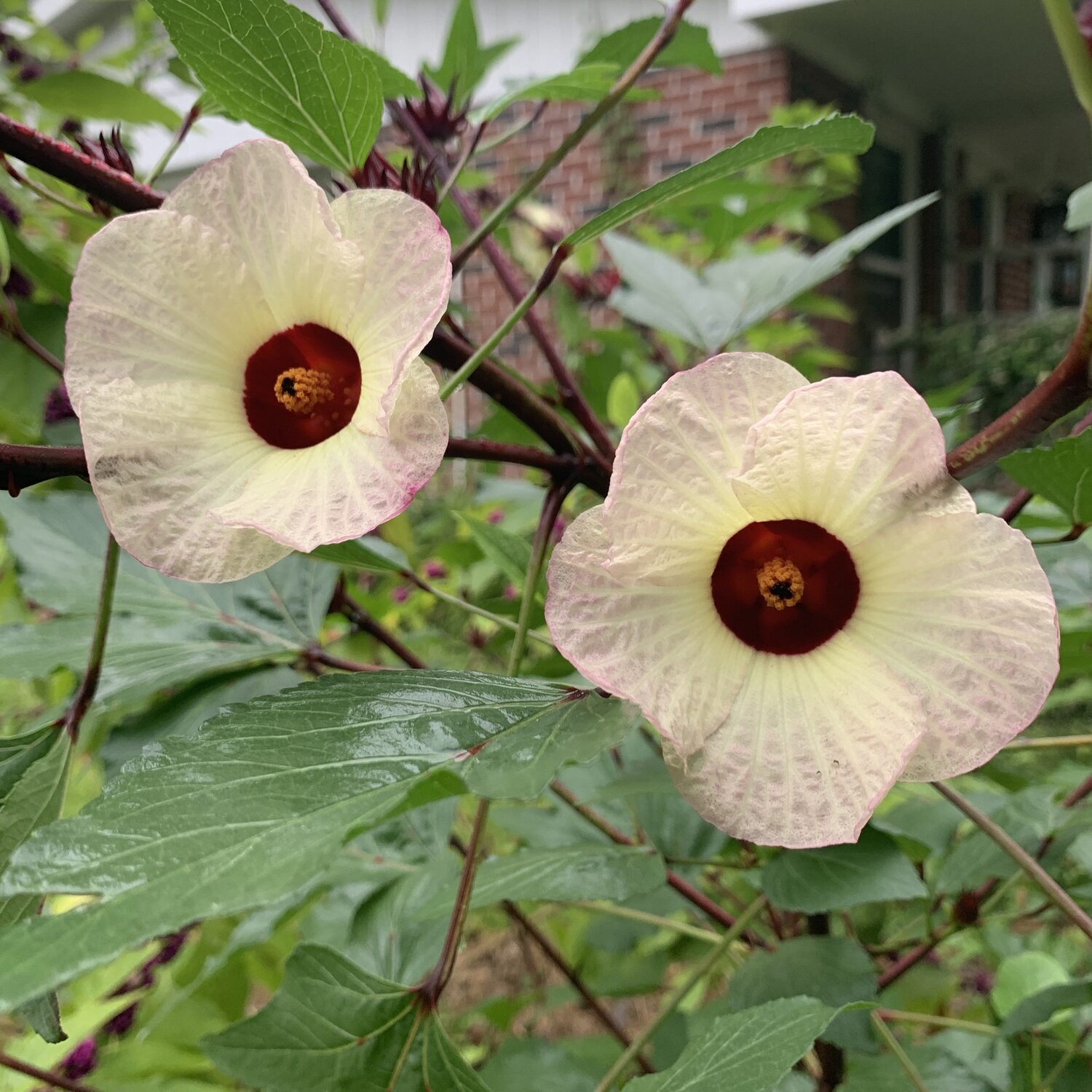
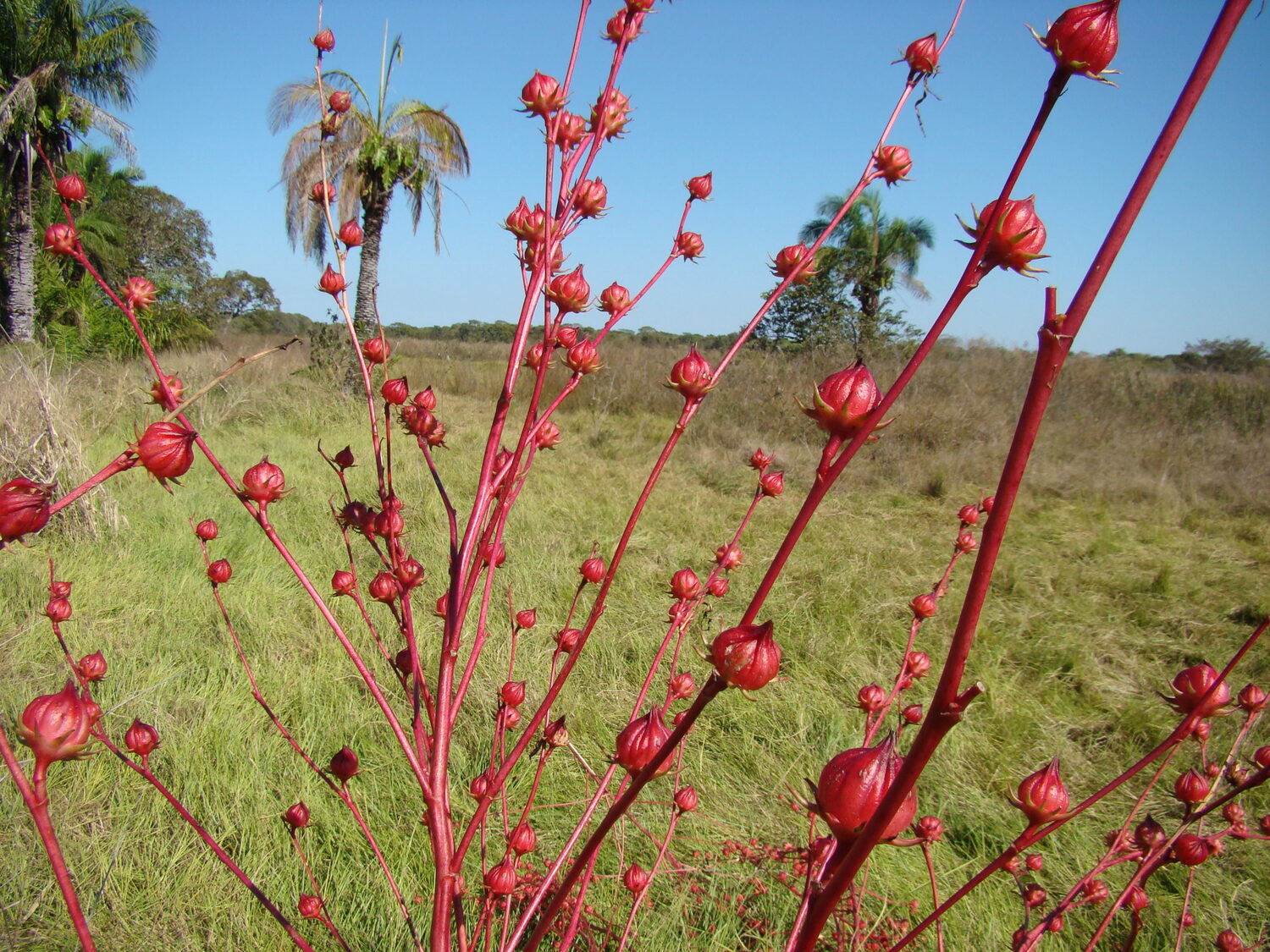
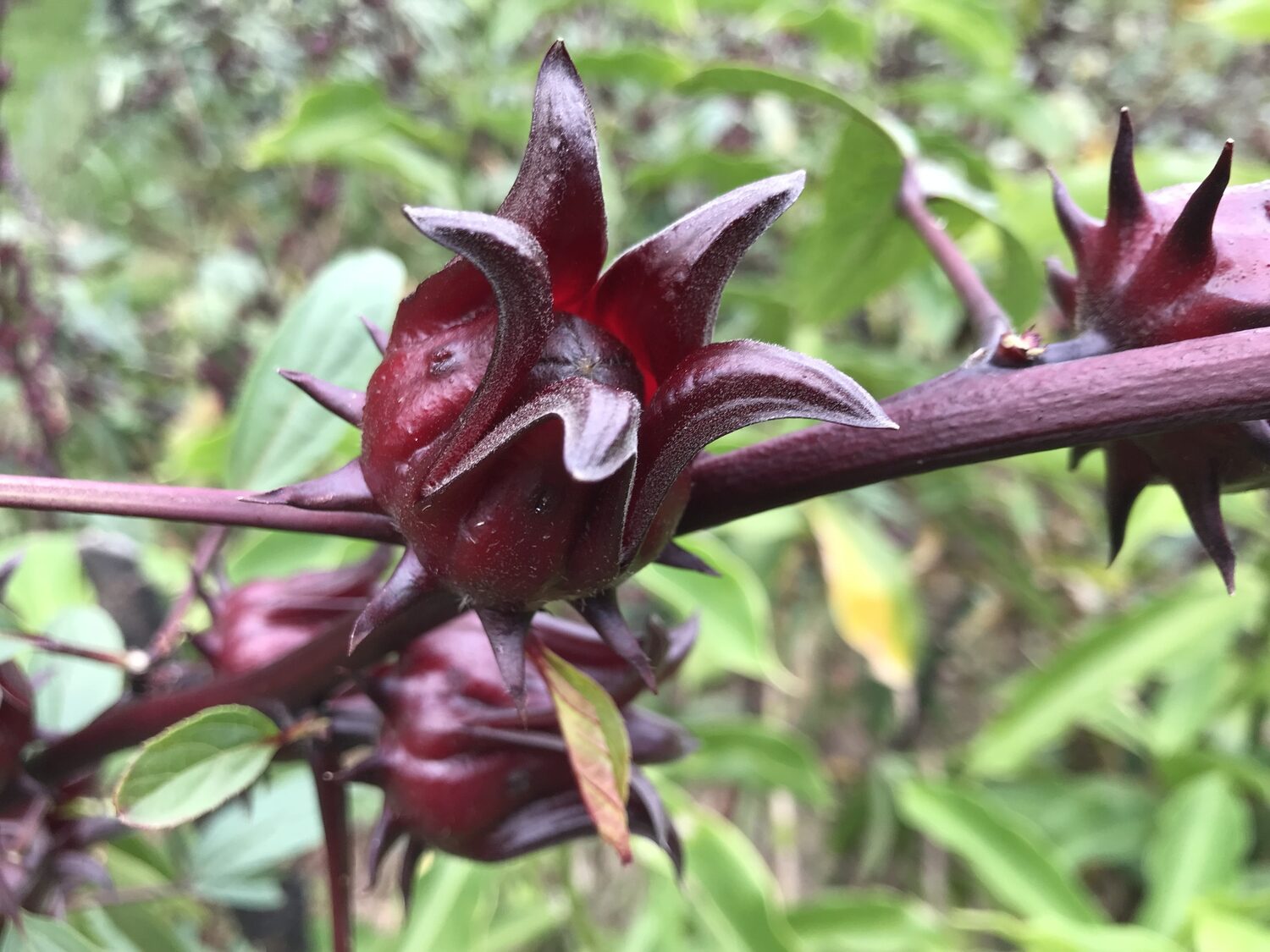
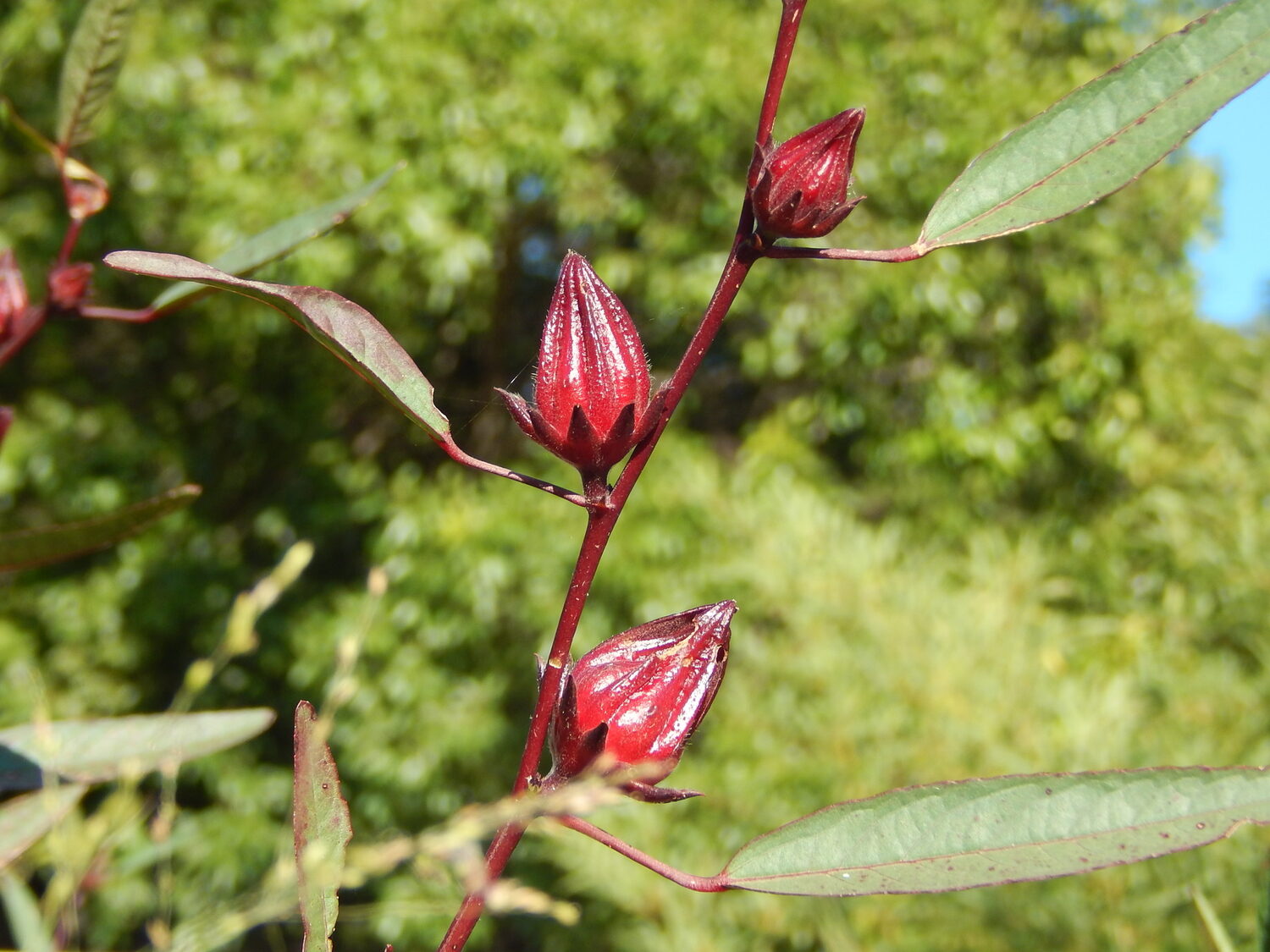
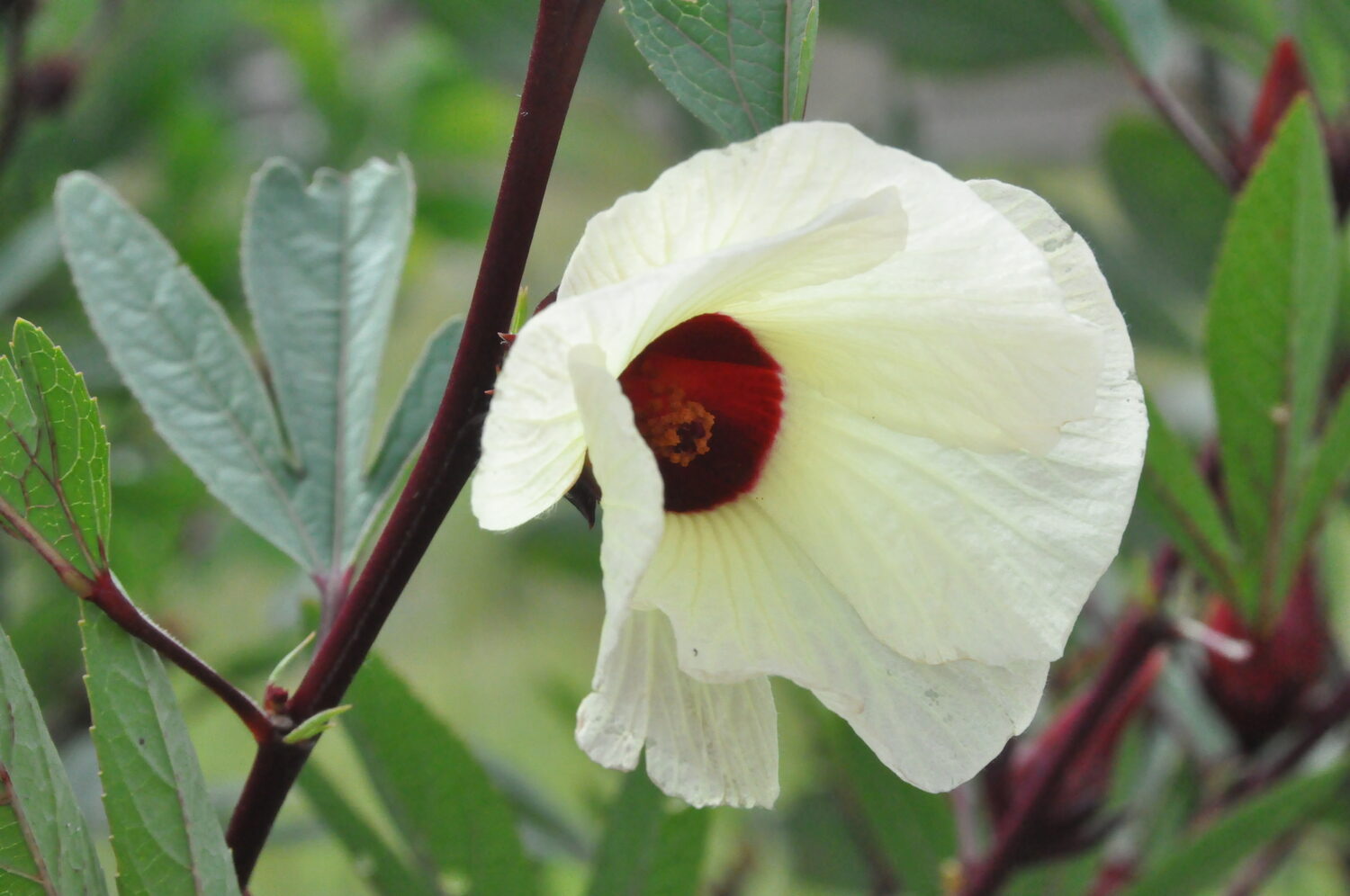
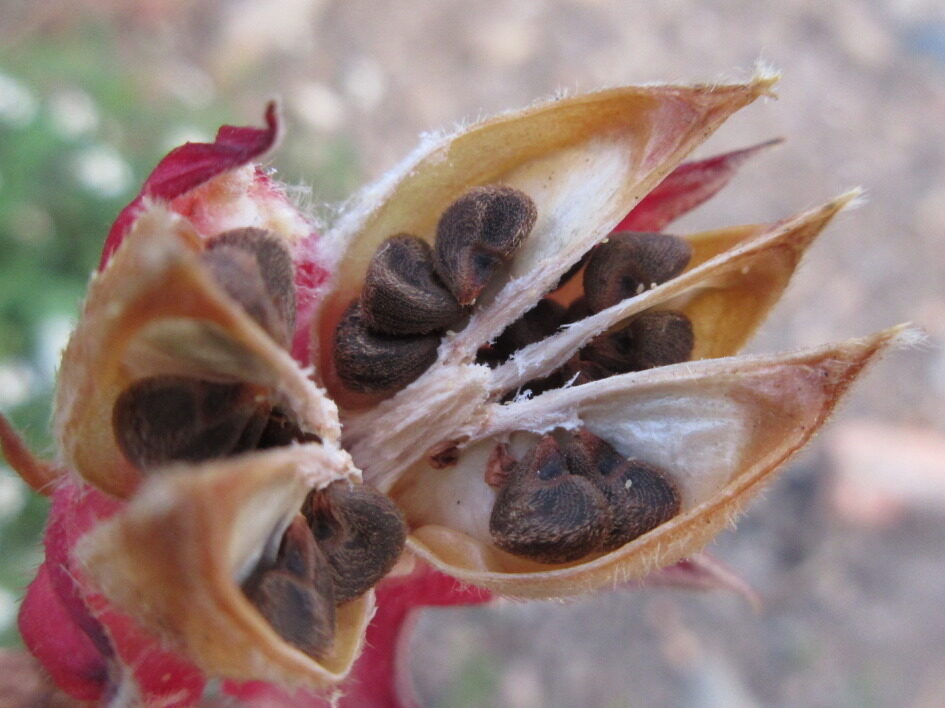
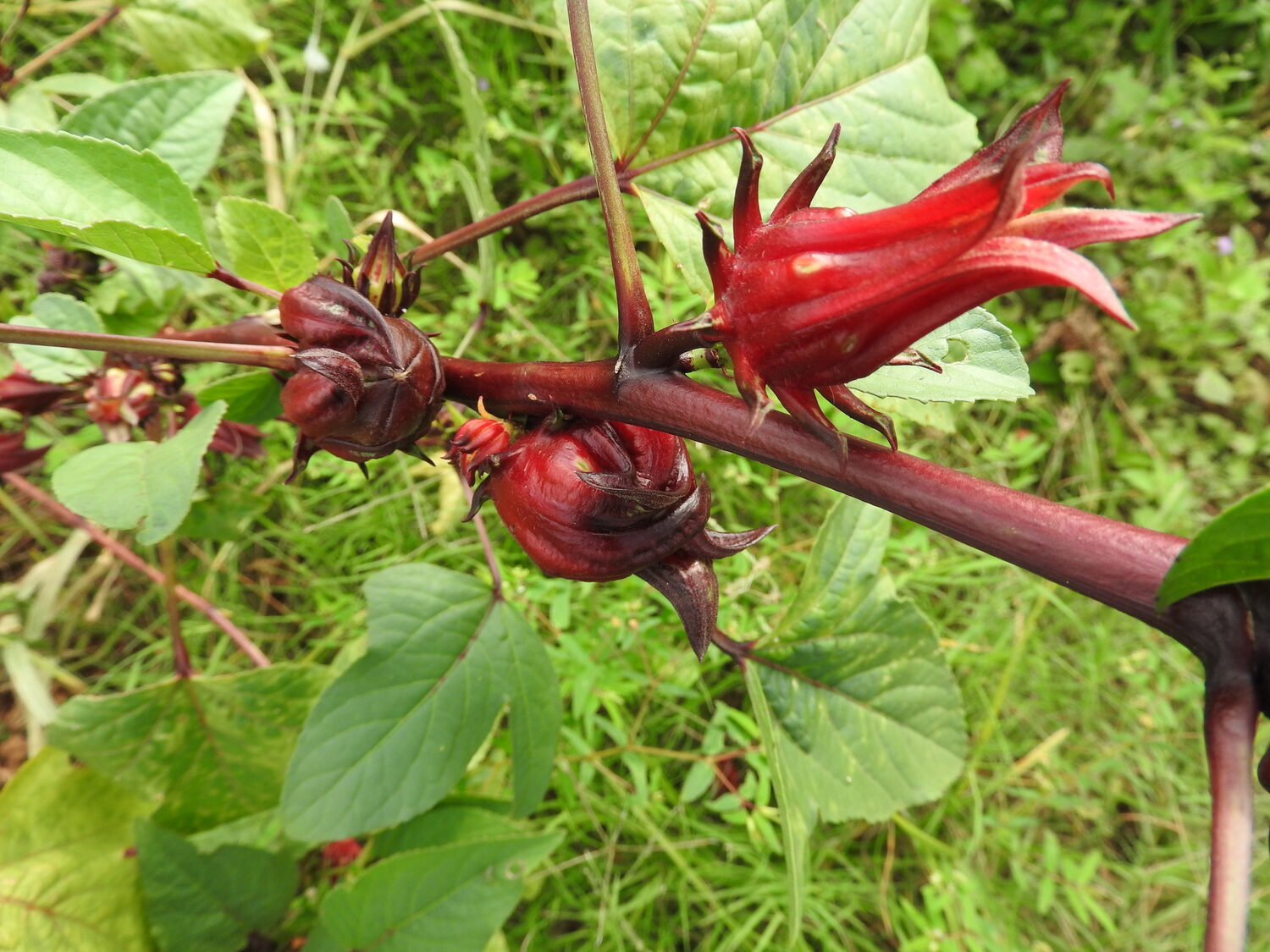
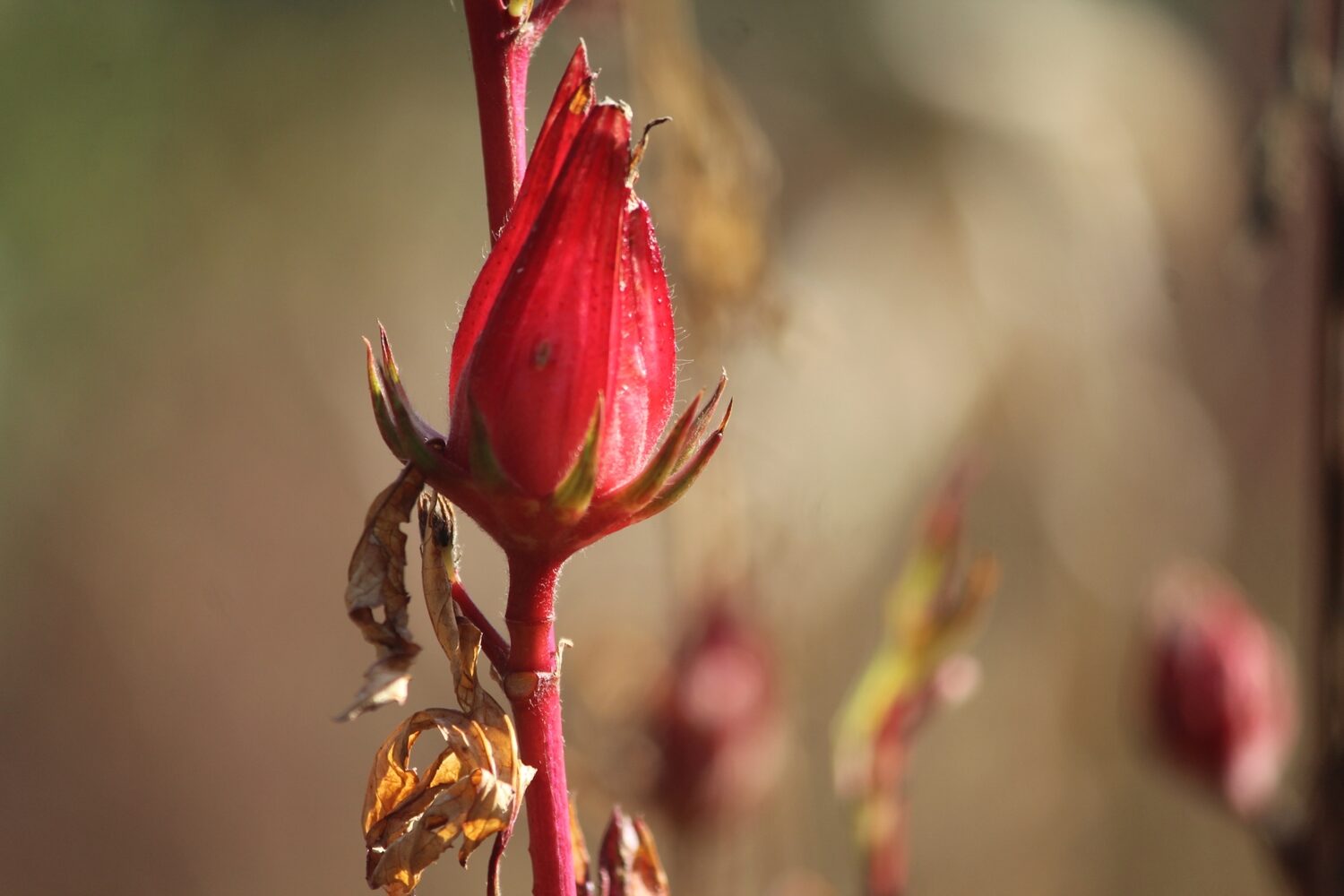
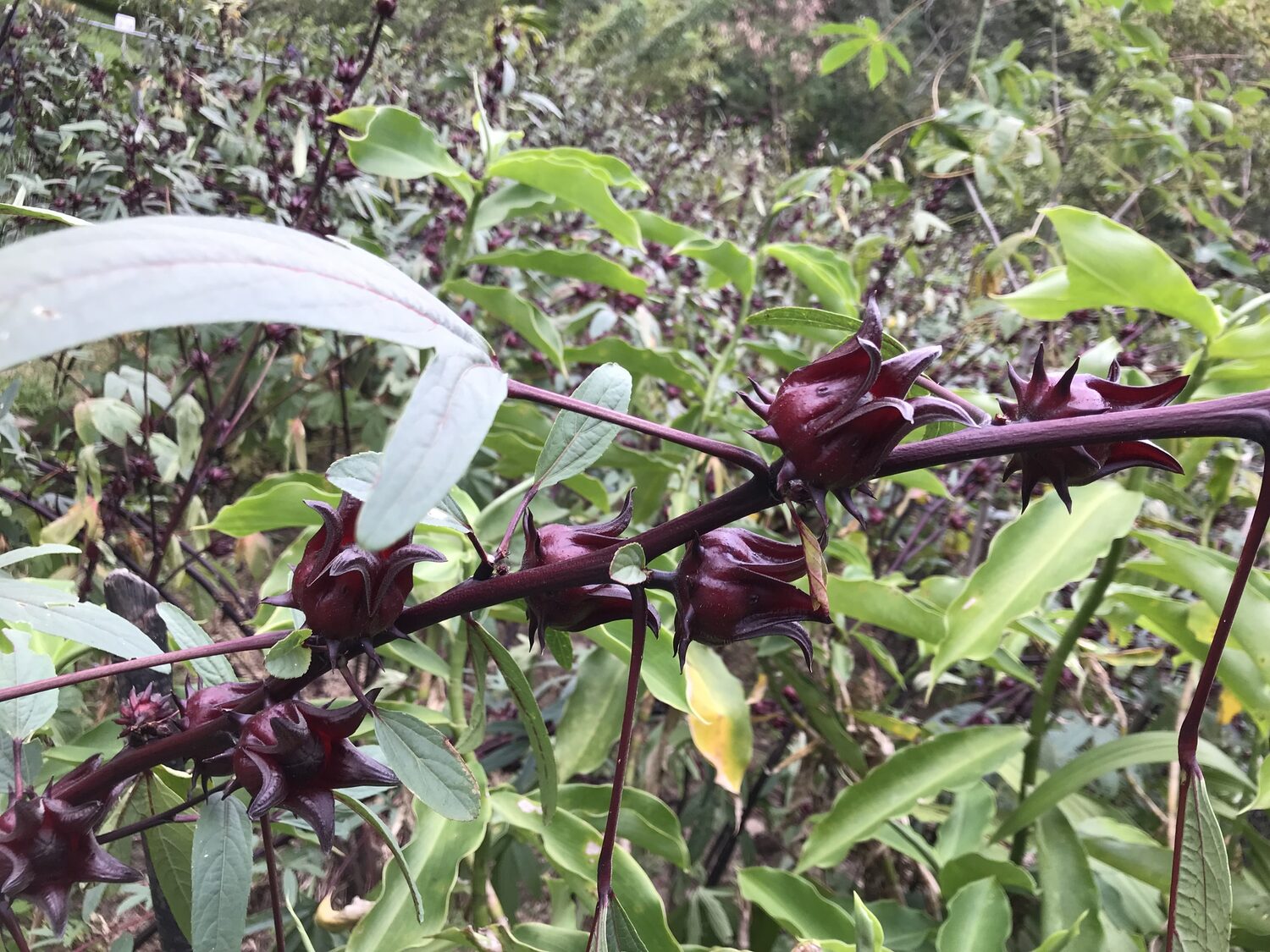
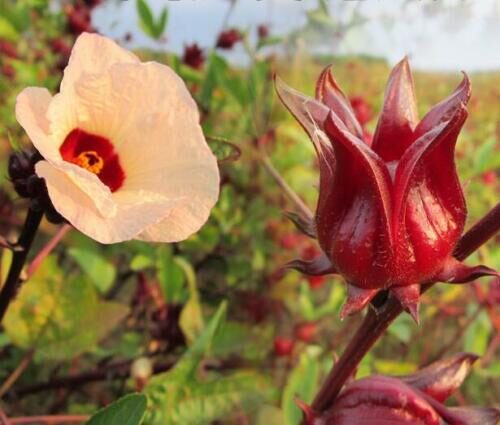
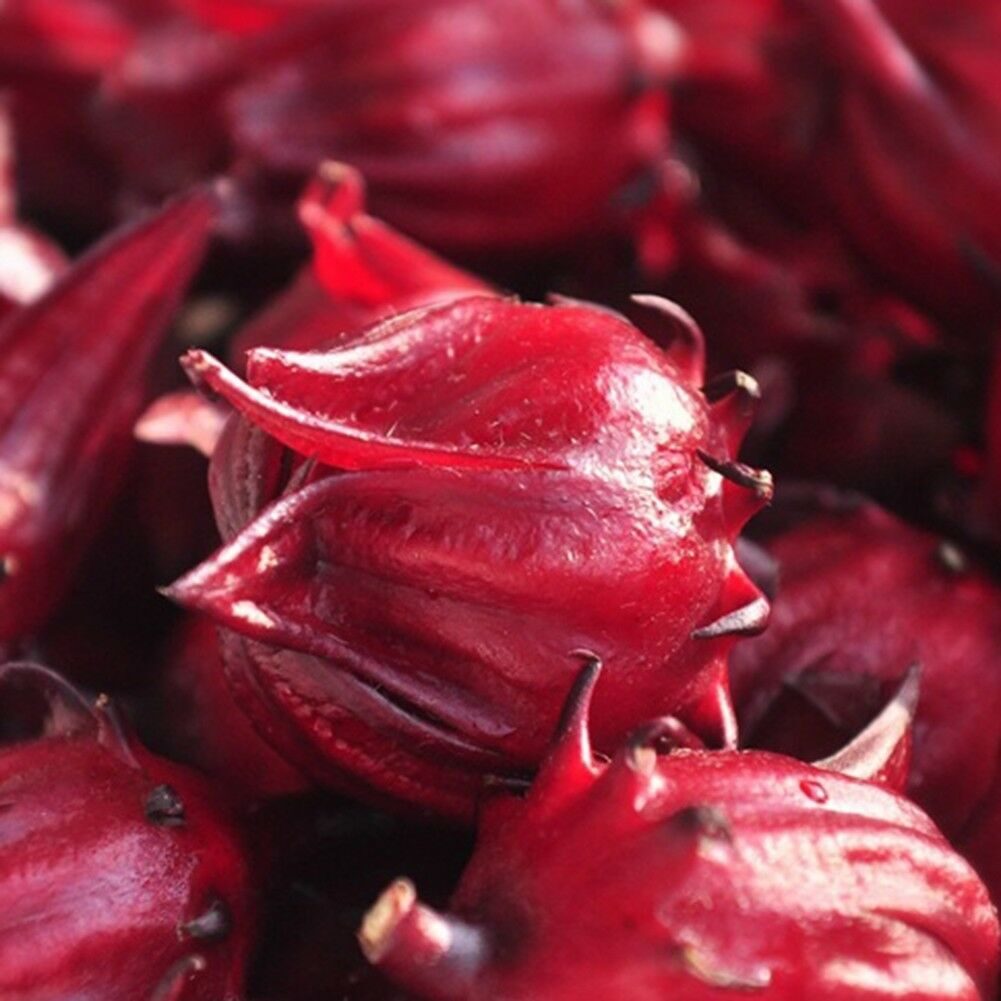
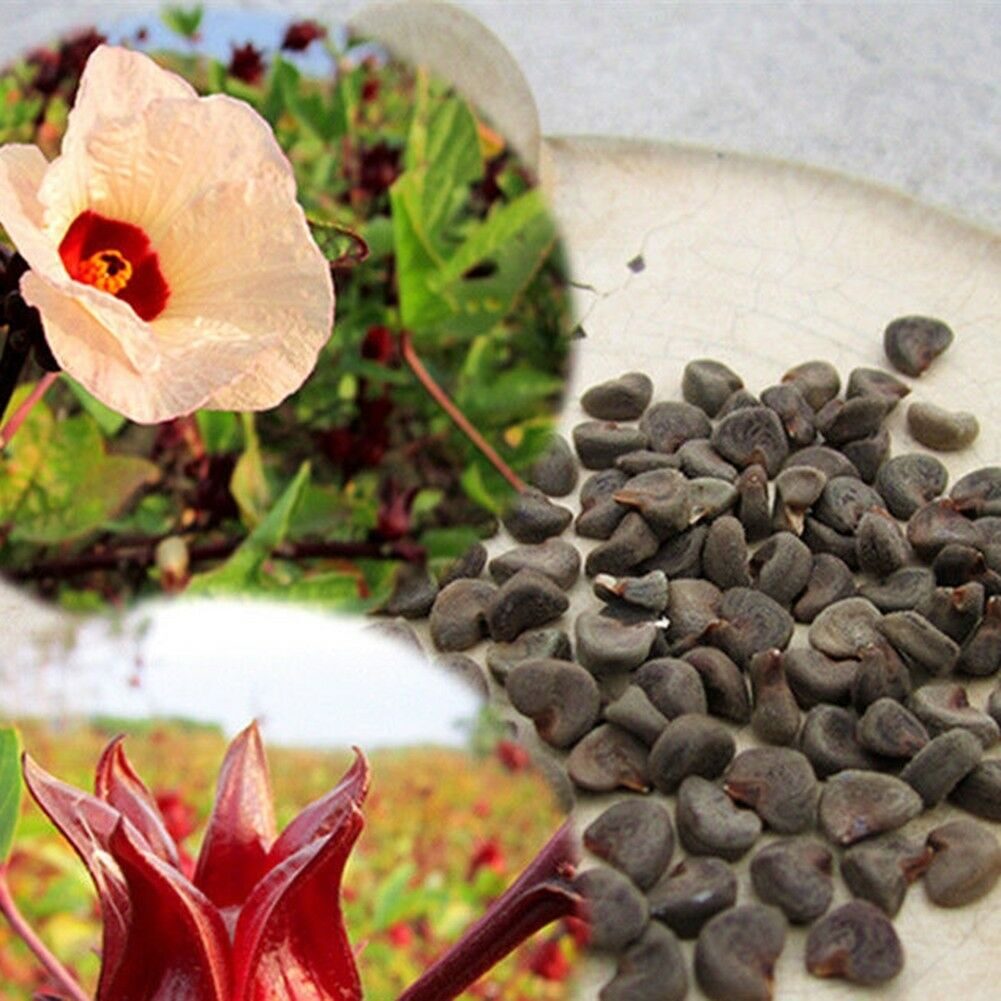
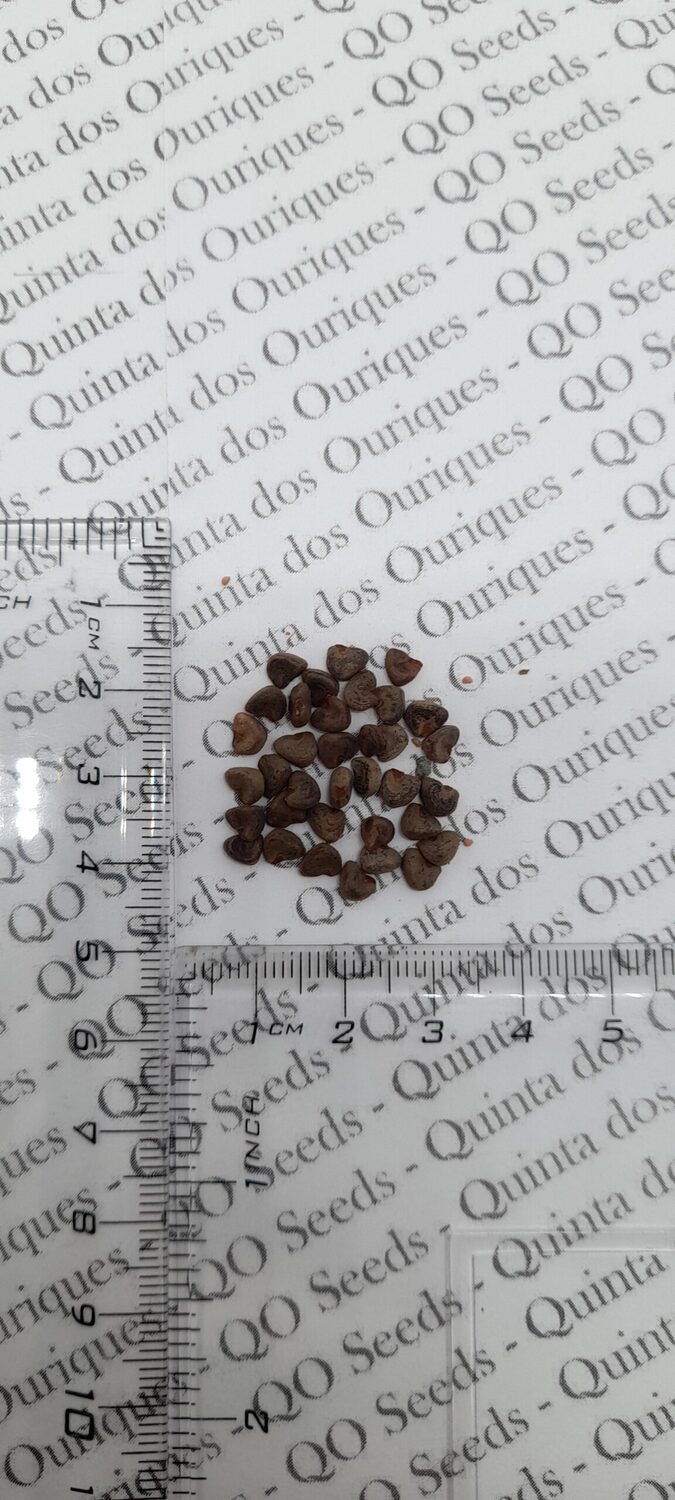
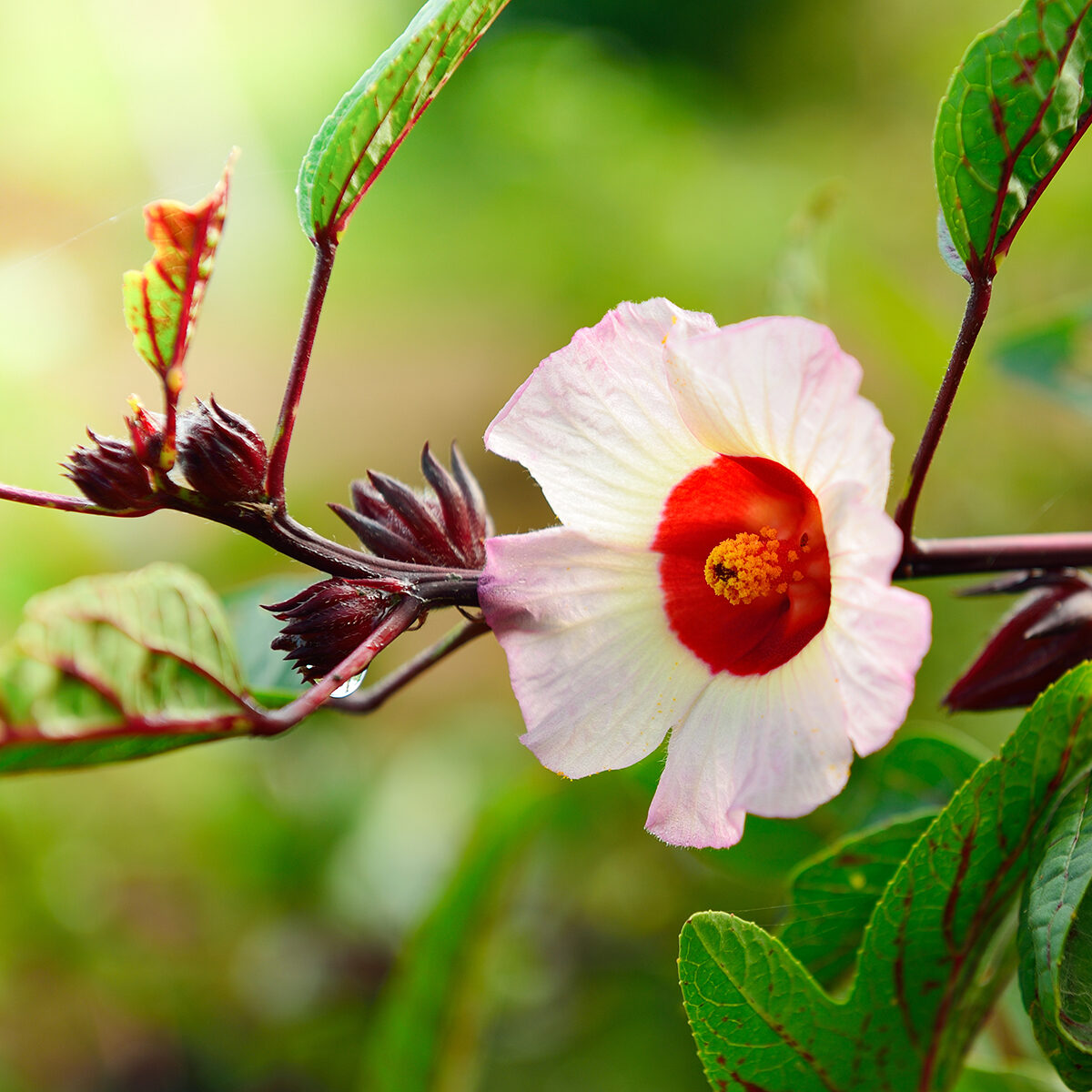
A large subshrub, native to tropical Africa and Asia with dark red stems, white to pink flowers and bright red seed pods. It has a multitude of uses, among them as a source of strong fibers, a food colorant, teas and drinks, a vegetable, jam and for many medicinal applications. Very easy to grow in the tropics.
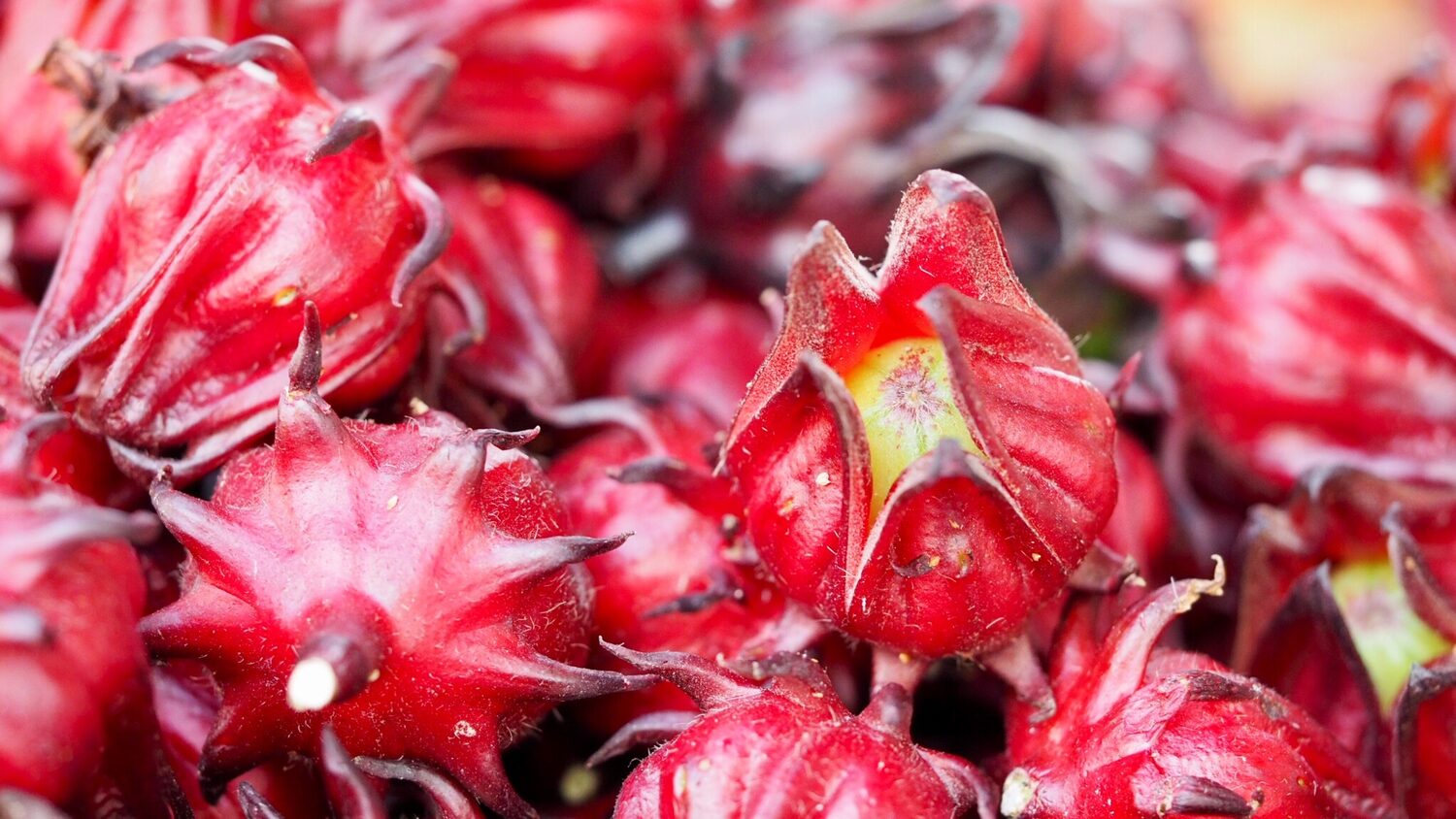
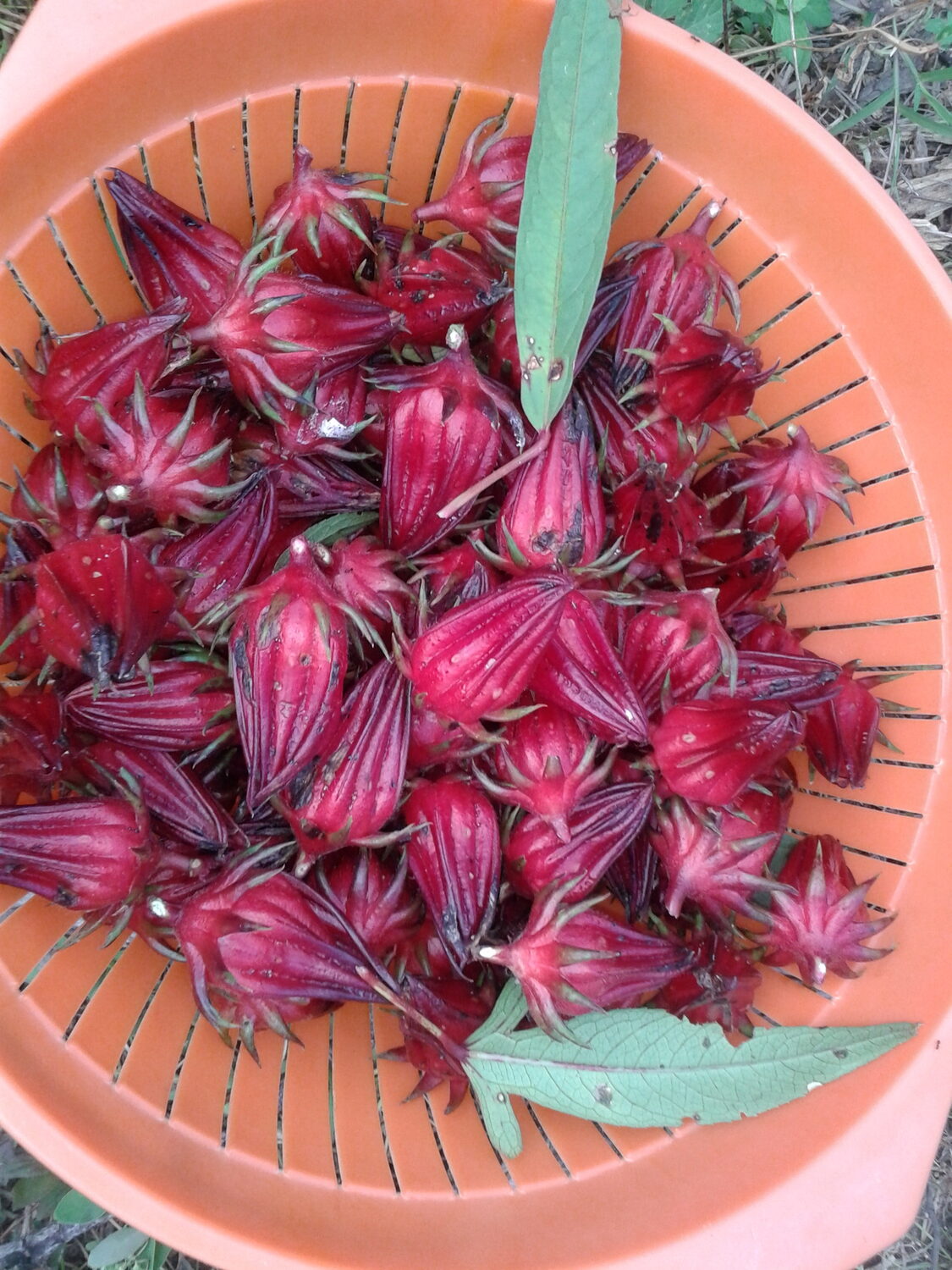
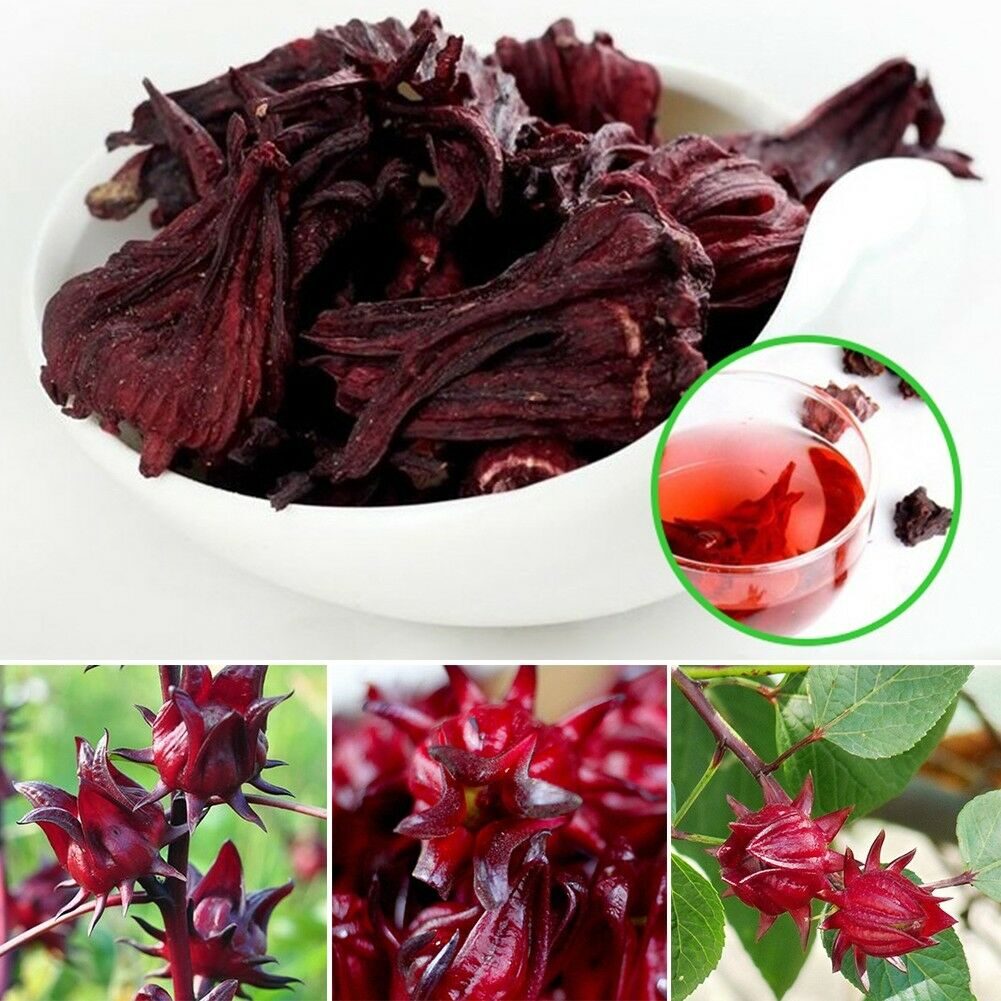
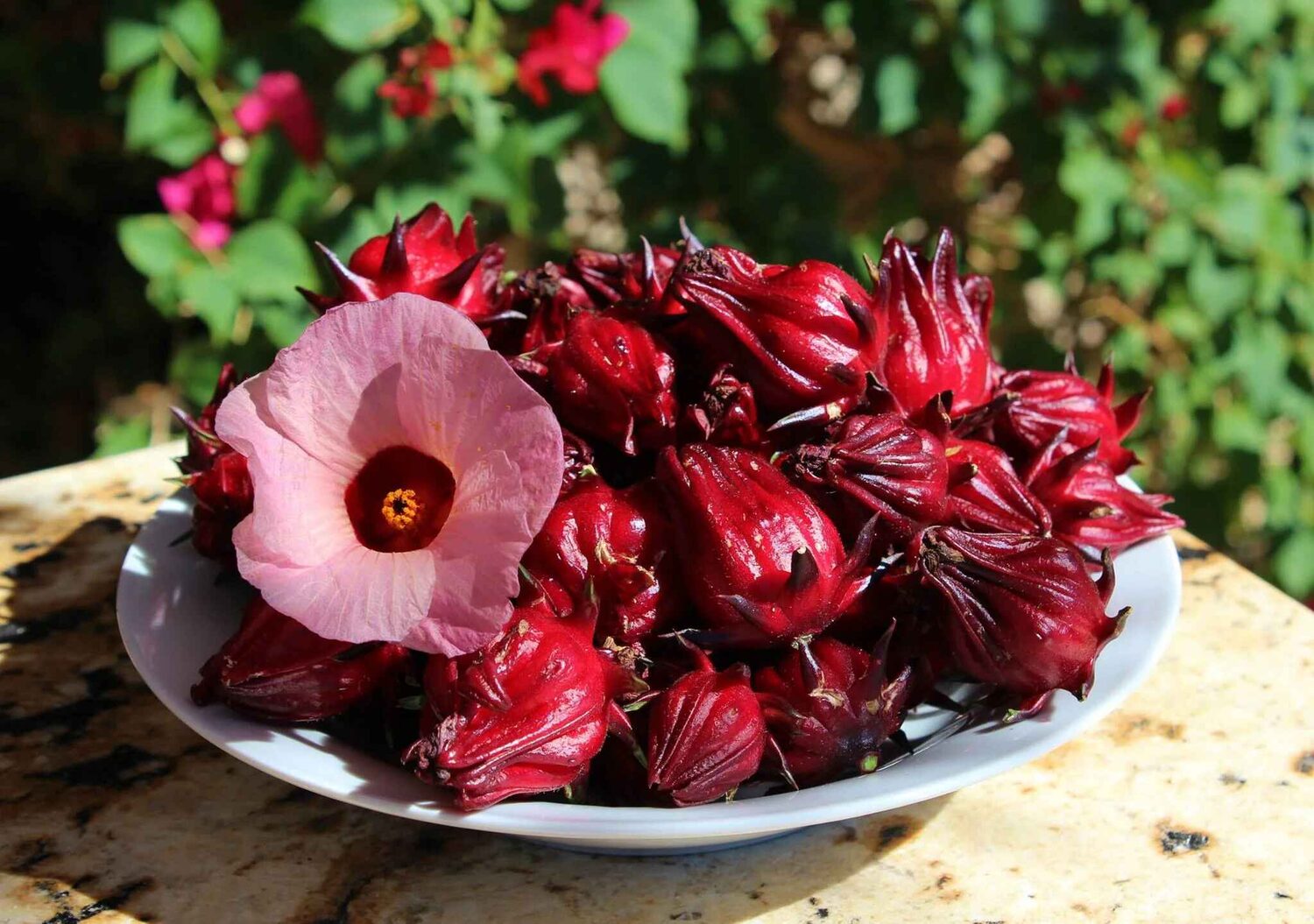
Roselle (Hibiscus sabdariffa) is a species of flowering plant in the genus Hibiscus that is native to Africa, most likely West Africa. In the 16th and early 17th centuries it was spread to the West Indies and Asia, respectively, where it has since become naturalized in many places. The stems are used for the production of bast fibre and the dried cranberry tasting calyces are commonly steeped to make a popular infusion known as carcade.
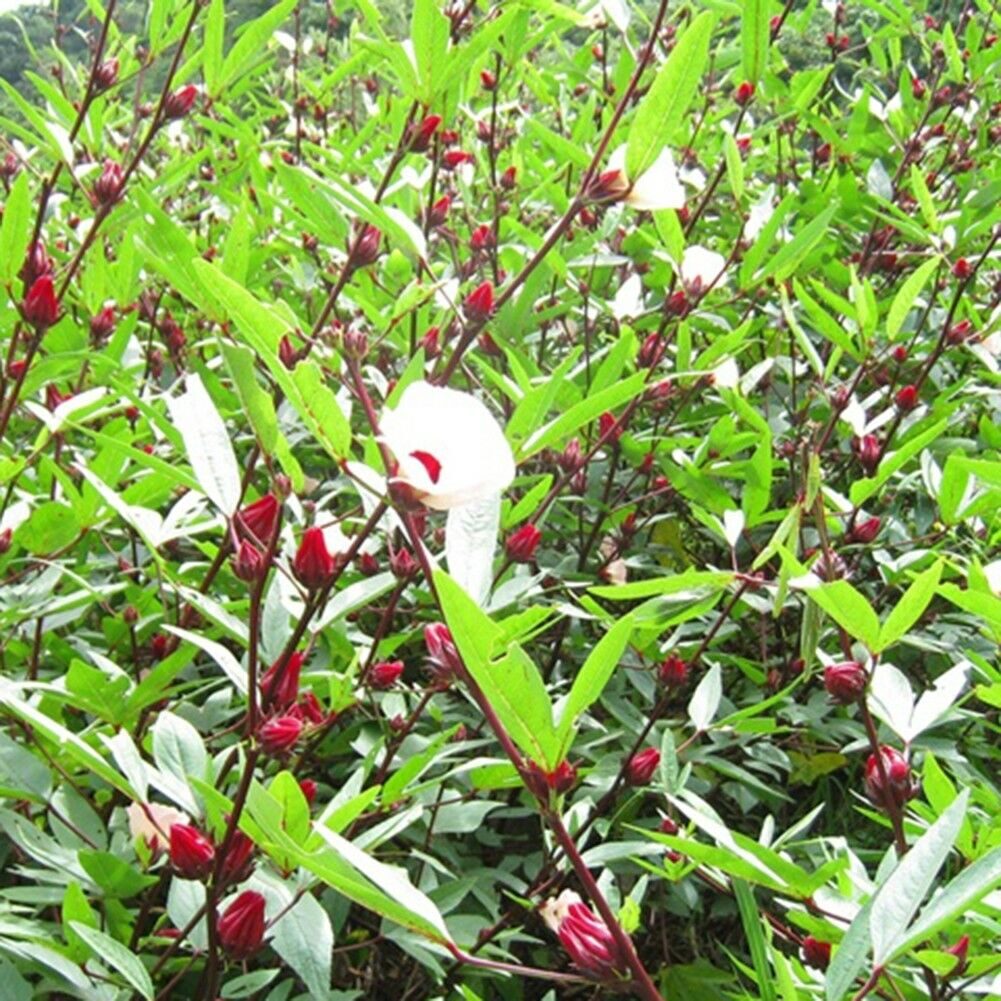
Roselle is an annual or perennial herb or woody-based subshrub, growing to 2–2.5 m (7–8 ft) tall. The leaves are deeply three- to five-lobed, 8–15 cm (3–6 in) long, arranged alternately on the stems.
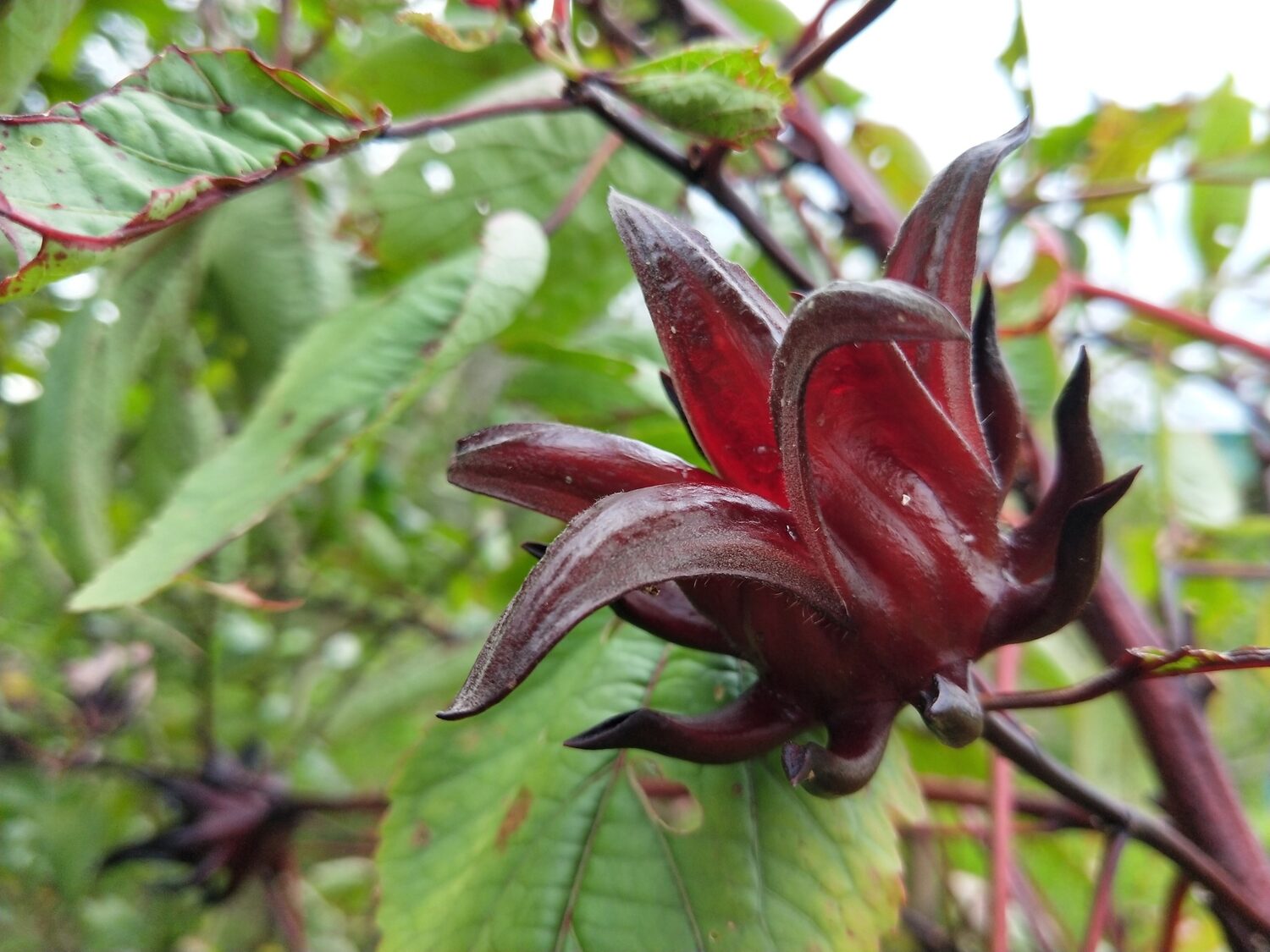
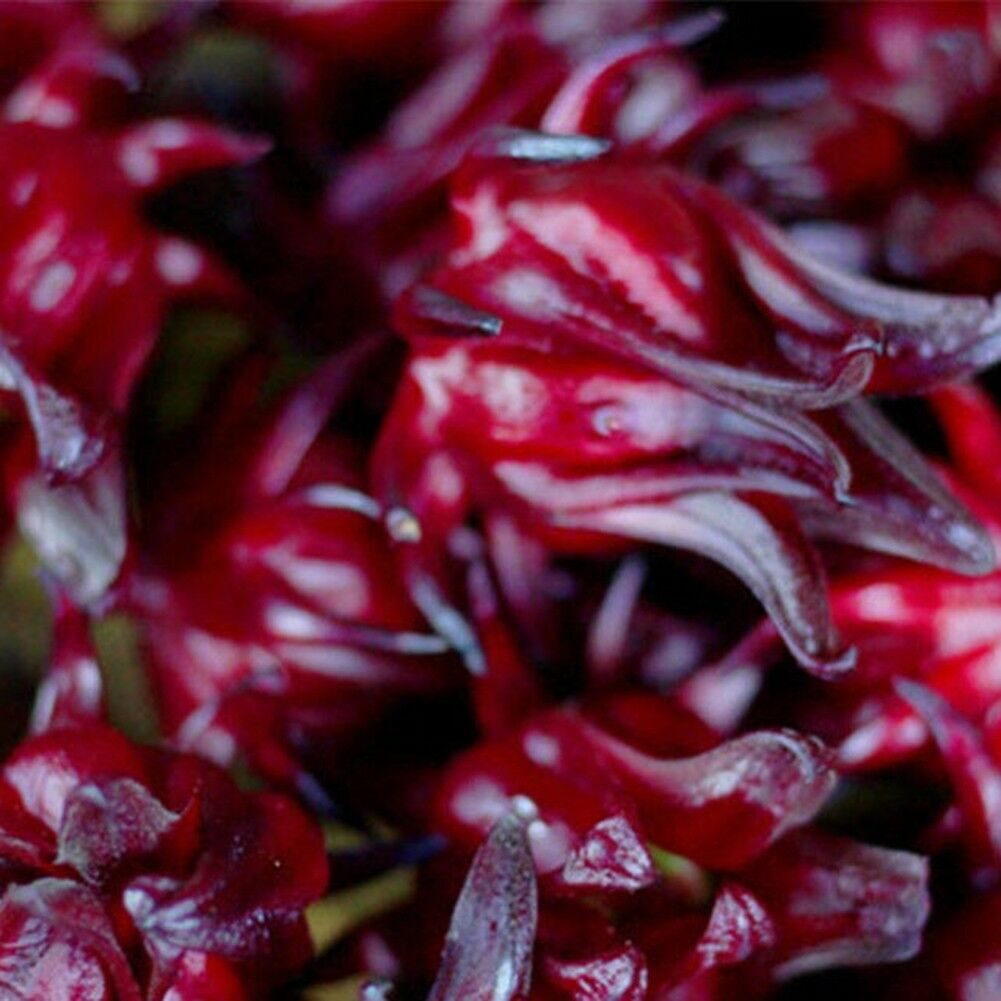
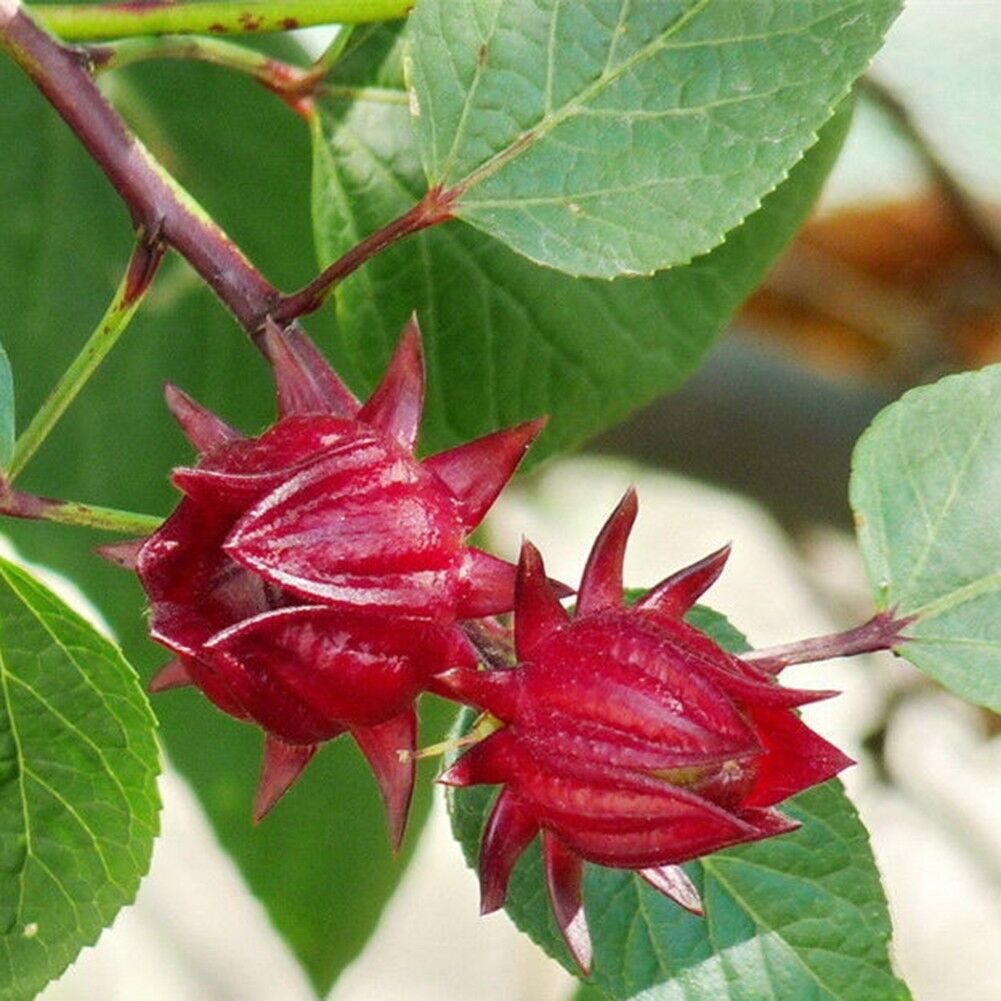
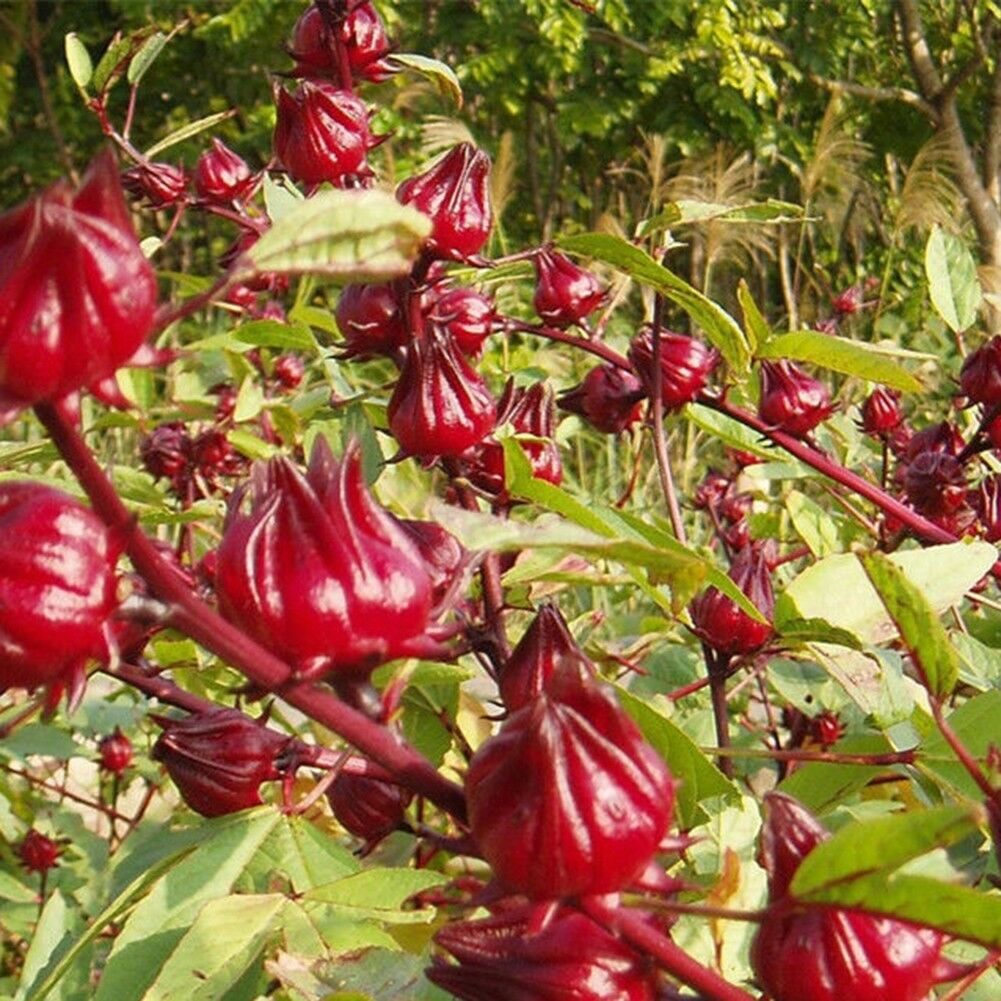
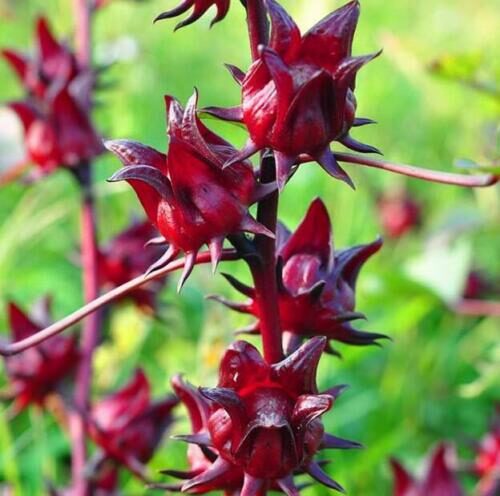
The flowers are 8–10 cm (3–4 in) in diameter, white to pale yellow with a dark red spot at the base of each petal, and have a stout, conspicuous calyx at the base, 1–2 cm (0.39–0.79 in) wide, enlarging to 3–3.5 cm (1.2–1.4 in) and becoming fleshy and a deep crimson red as the fruit matures, which takes about six months.
In India, the plant is primarily cultivated for the production of bast fibre used in cordage, made from its stem. The fibre may be used as a substitute for jute in making burlap. Hibiscus, specifically roselle, has been used in folk medicine as a diuretic and mild laxative.
The red calyces of the plant are increasingly exported to the United States and Europe, particularly Germany, where they are used as food colourings. It can be found in markets (as flowers or syrup) in places, such as France, where there are Senegalese immigrant communities. The green leaves are used like a spicy version of spinach. They give flavour to the Senegalese fish and rice dish thieboudienne. Proper records are not kept, but the Senegalese government estimates national production and consumption at 700 t (770 short tons) per year. In Myanmar their green leaves are the main ingredient in chin baung kyaw curry.
Brazilians attribute stomachic, emollient, and resolutive properties to the bitter roots.
Germination Guide
Hibiscus (English)
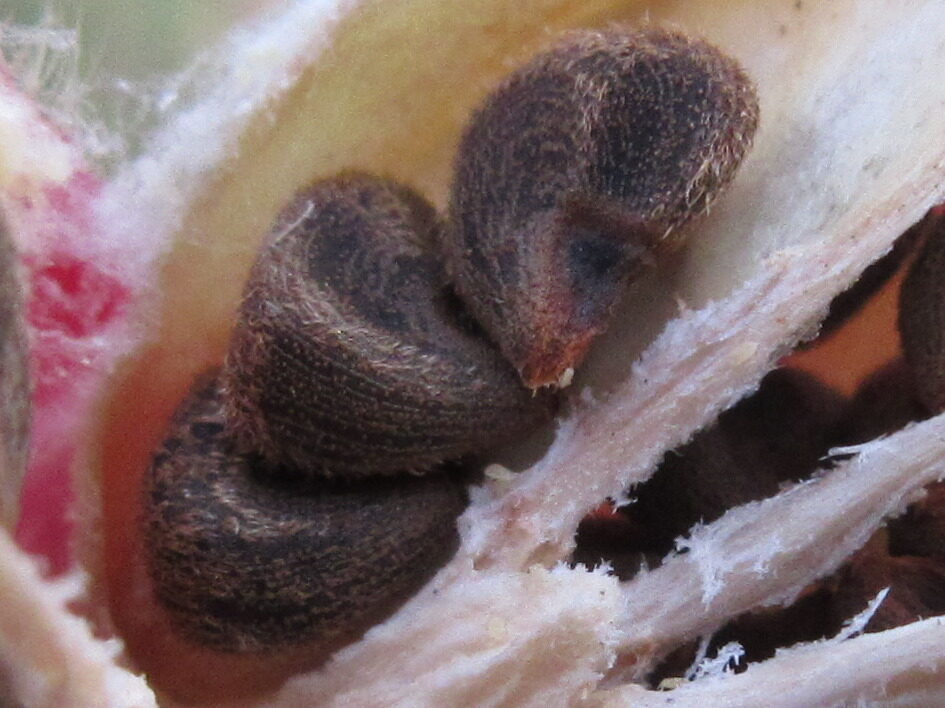
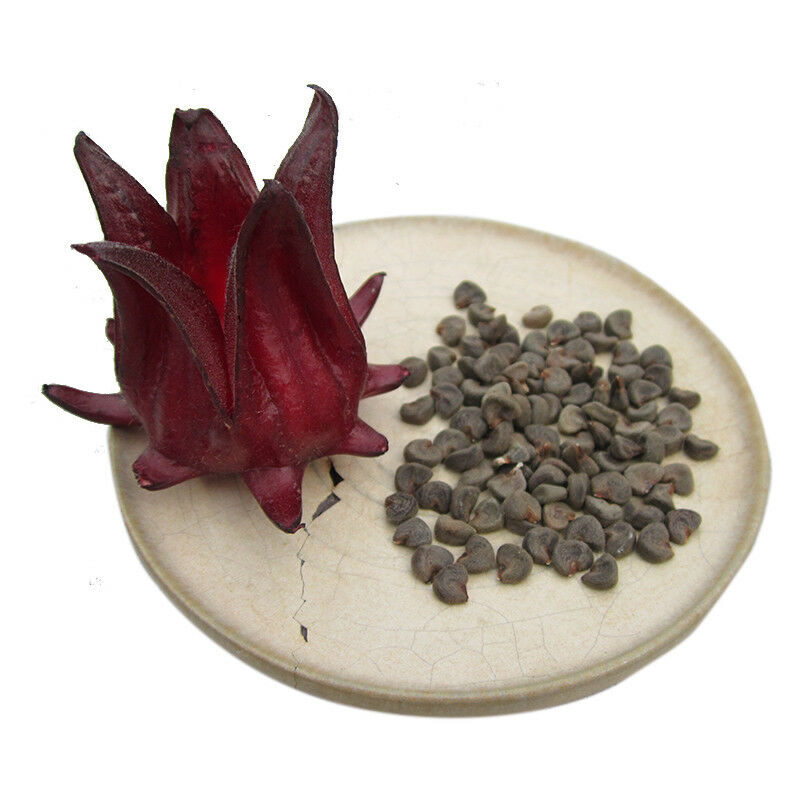
The seeds usually germinate within 30 - 90 days.
Optional: placing the seeds between 2 sandpaper of fine weight and sanding them lightly speeds up the germination process of this species.
Pre-treatment: leave the seeds immersed in warm water for a period of 24 - 48 hours. Replace the water at least 1 - 2 times during the process.
Use good quality substrate, suitable for seed germination, light, porous and free of pathogens.
The seeds of this species need light to germinate, they should be sown on the surface of the substrate and lightly covered, just press the seeds and cover with the substrate that remained around the seeds.
We suggest that the sowing be carried out in a plastic pot with a transparent lid, in a well-lit place, however, without direct sunlight, constant humidity and temperature around 24ºC - 30ºC. The cover over the sowing will help to keep the humidity constant.
Your planting should not receive direct sunlight in any way, if necessary, use artificial lighting over your planting (common fluorescent lamp or led).
Acclimate small seedlings before planting in a permanent location.
Only logged in customers who have purchased this product may leave a review.

Reviews
There are no reviews yet.