
Grow the palm that defines Caribbean elegance. Roystonea regia’s smooth gray trunk and feathery green fronds create instant architectural drama in any tropical garden. This self-cleaning, fast-growing beauty attracts honeybees and bats, rewards your patience with mature majesty—and yes, you can start it from seed. The national tree of Cuba deserves a place in your landscape.
Imagine a towering sentinel rising from your garden—sculptural, serene, undeniably majestic. That’s the Cuban Royal Palm, Roystonea regia, nature’s answer to living architecture.
Native to Cuba and the Caribbean lowlands, this iconic palm carries centuries of cultural weight. In Cuba, it is the national tree, celebrated in art, music, and folklore as a symbol of resilience and pride. Beyond sentiment, R. regia has been exported worldwide and now graces the finest tropical gardens from Florida to Southeast Asia, planted in prestigious parks, private estates, and grand avenues wherever tropical elegance is demanded. Its popularity is no accident: this is a palm built for impact.
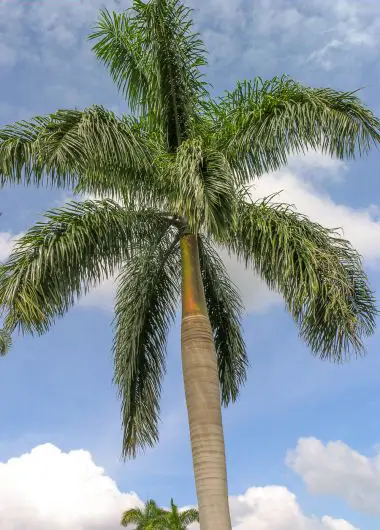
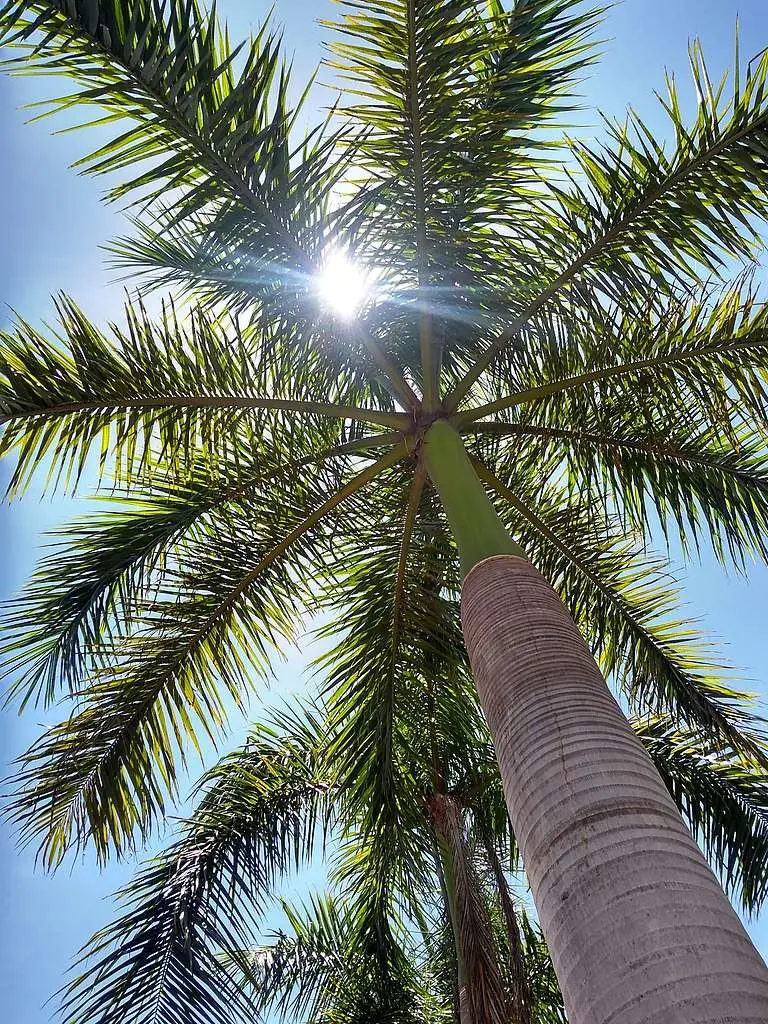
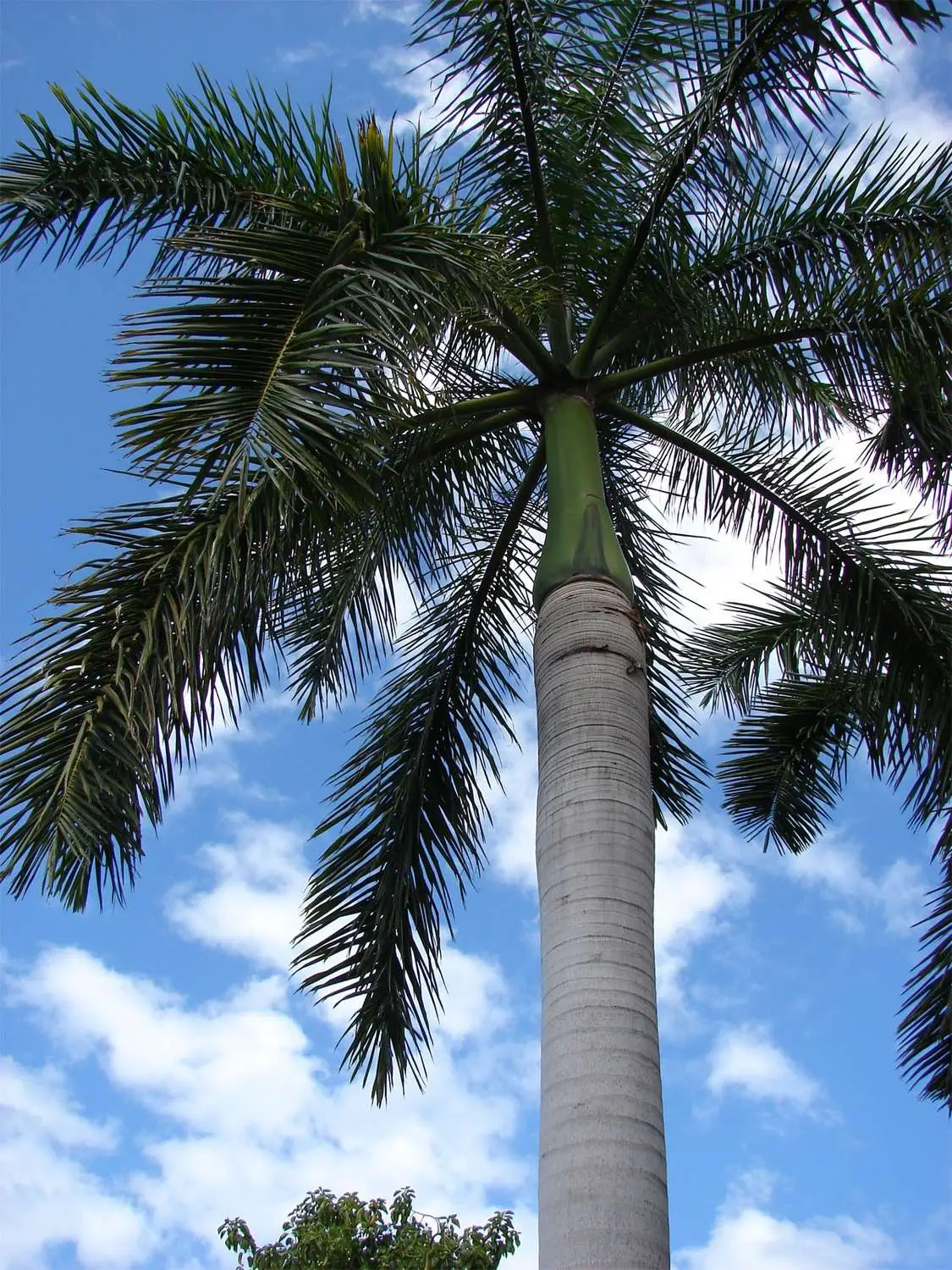
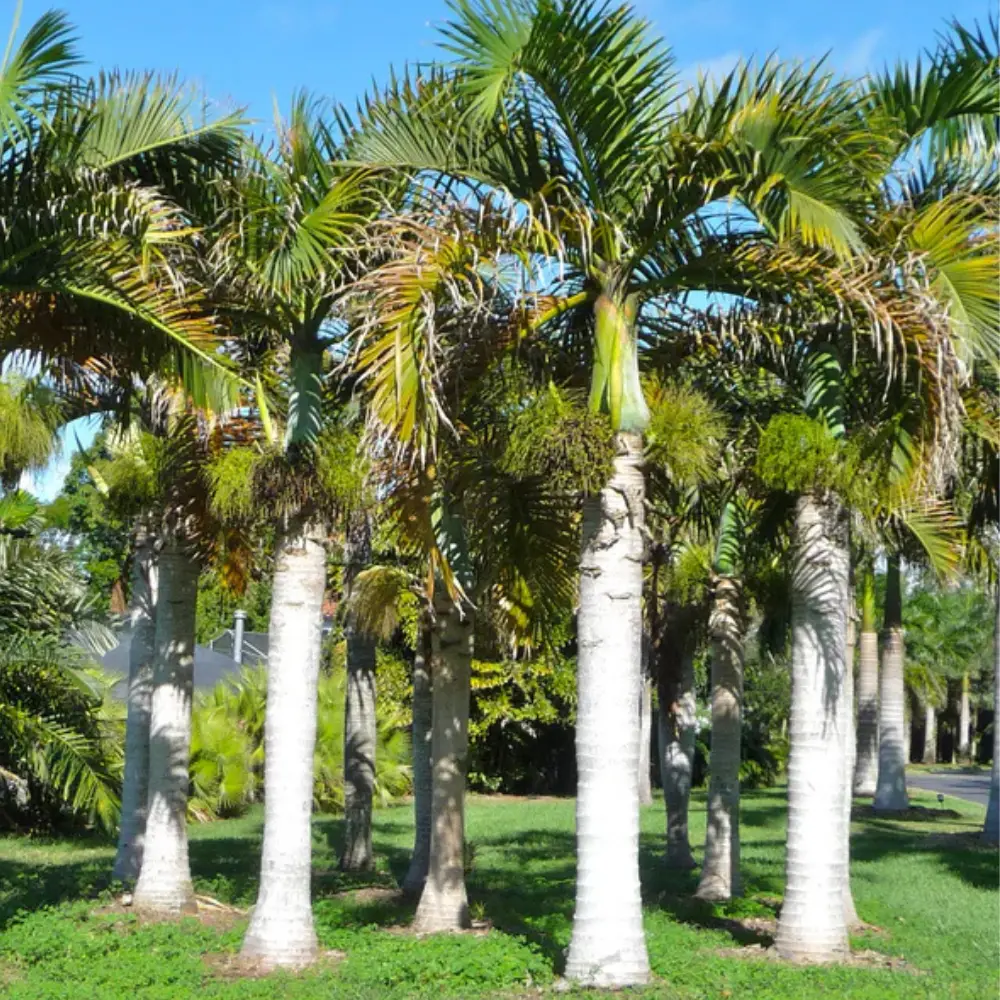
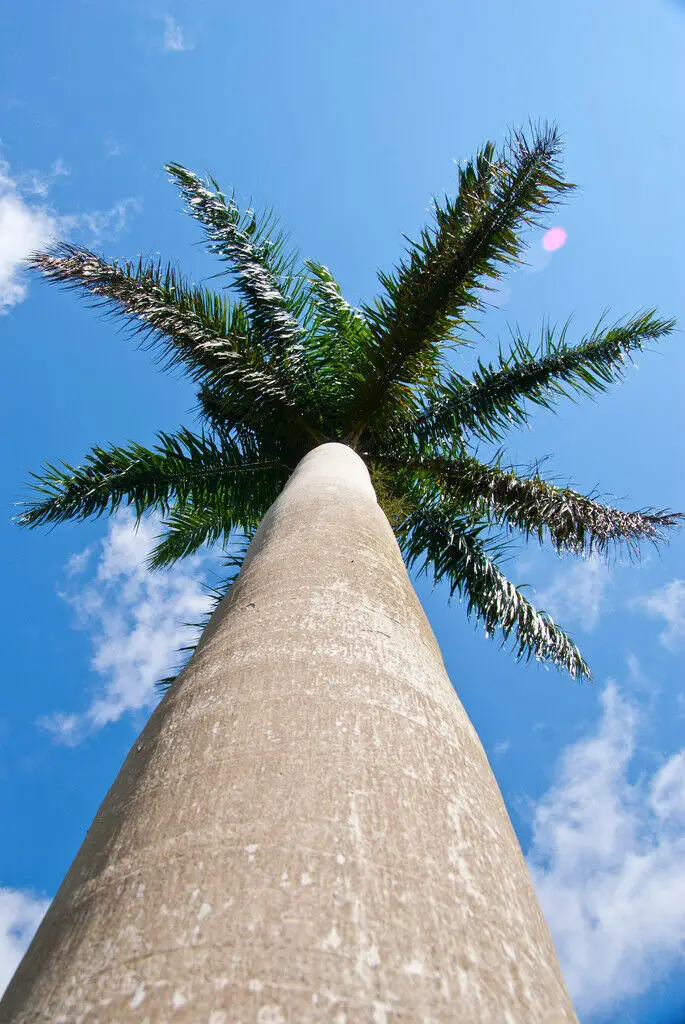
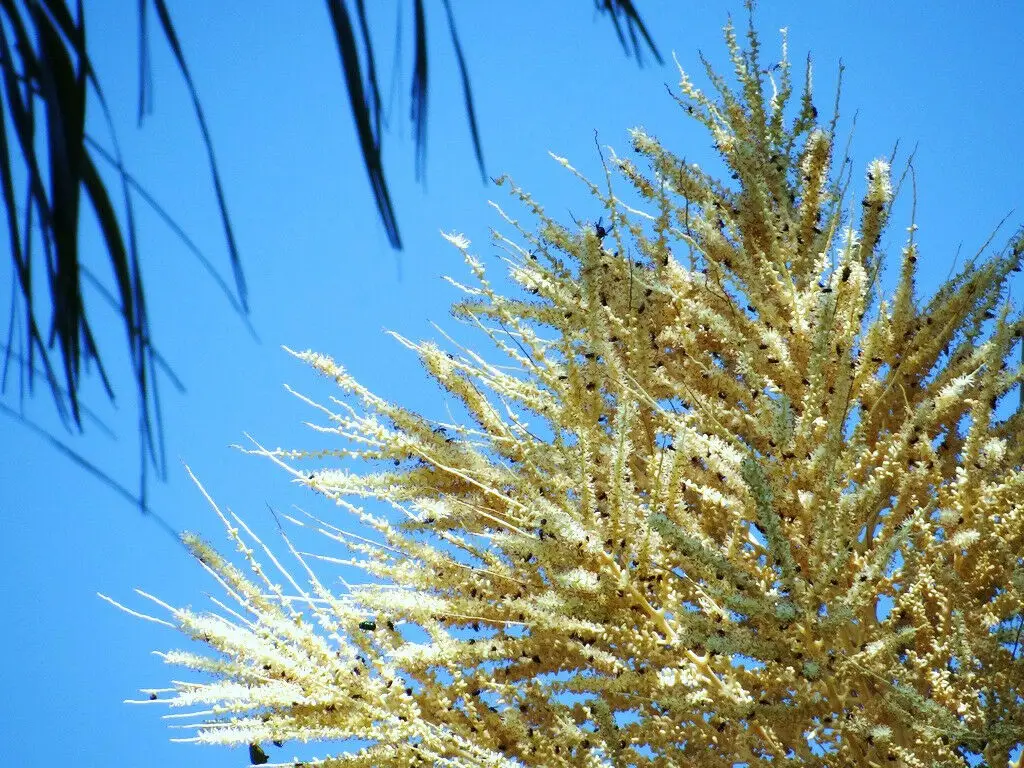
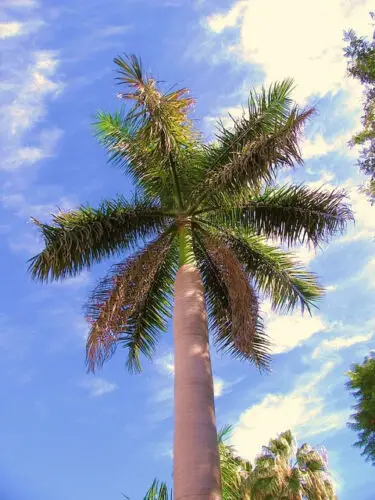
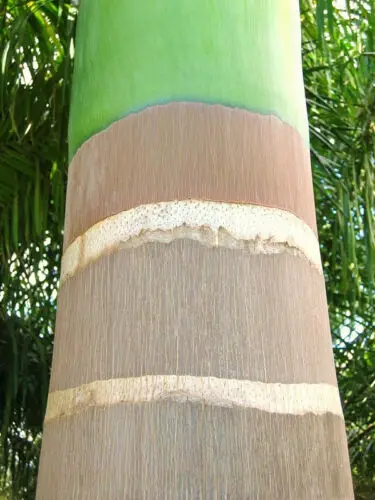
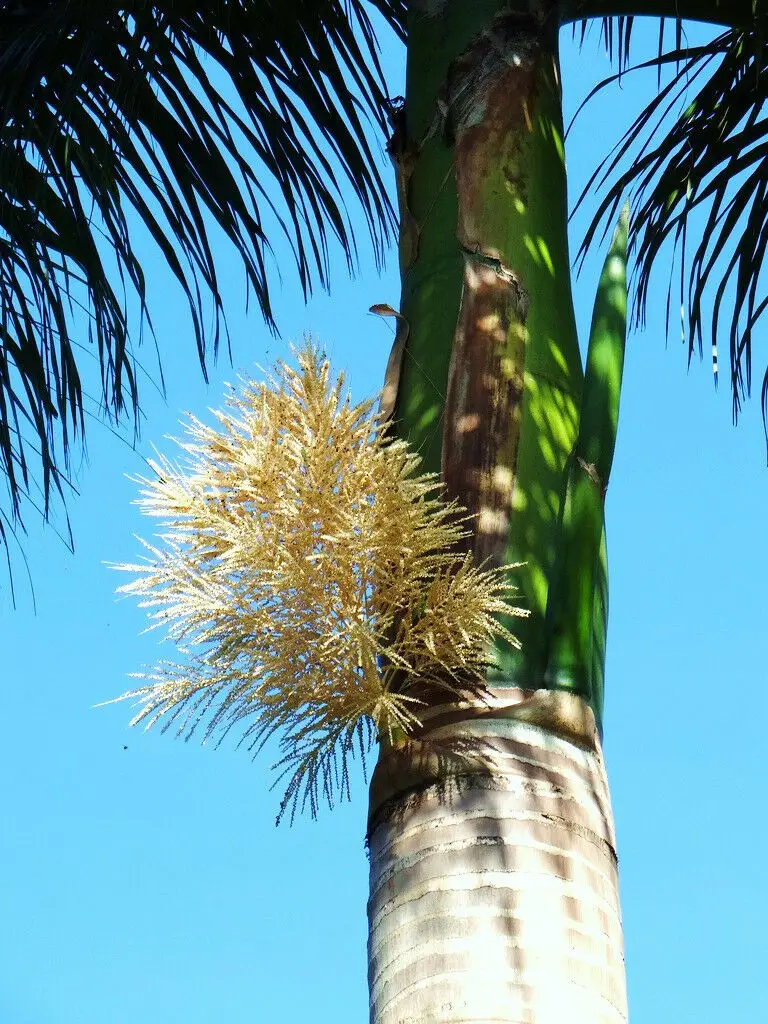
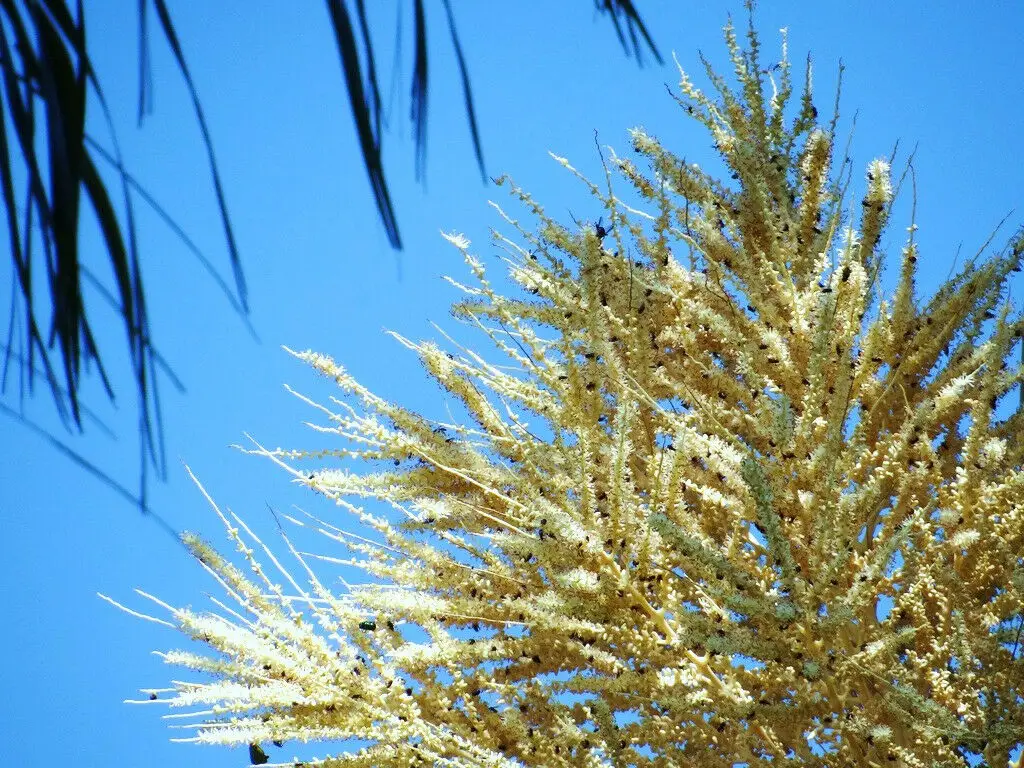
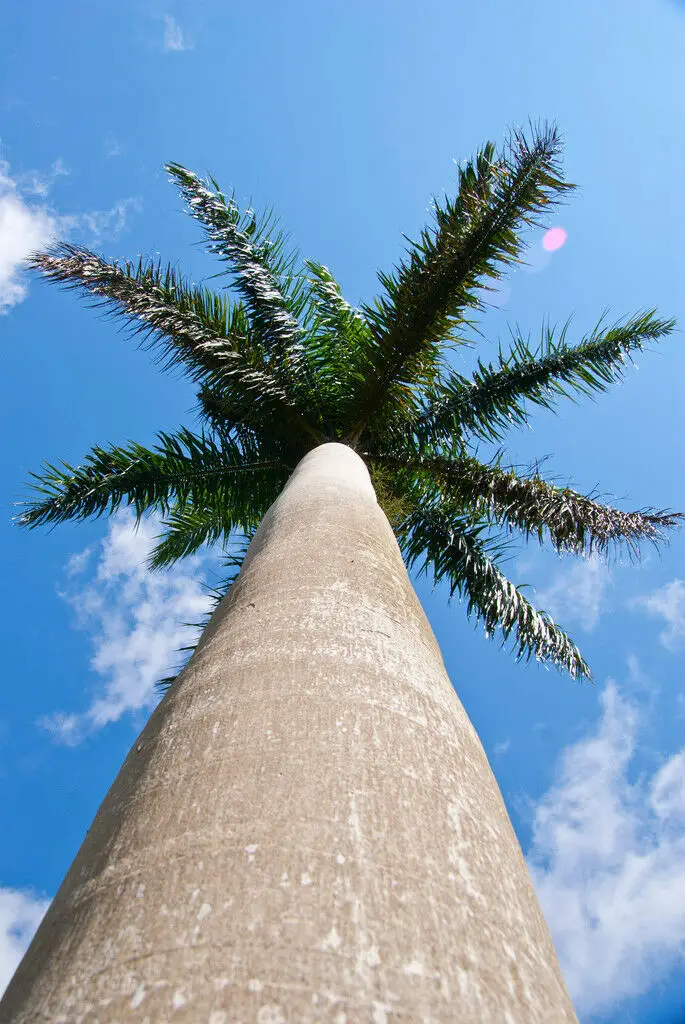
What makes Roystonea regia the ornamental palm choice for serious gardeners? Sheer presence. A mature tree reaches 50–70 feet with a spread of 20–25 feet, dominating the skyline with effortless grace. The trunk is a marvel—smooth, light gray, and tapered like a column, often with a characteristic bulge that adds visual complexity. Crowning this sculptural trunk is a brilliant emerald crownshaft (the leaf base region), which glows against the sky. Fronds stretch 10–15 feet long and are self-cleaning—mature trees naturally shed one leaf per month, eliminating the need for pruning while maintaining that pristine silhouette. In season, it produces fragrant white flowers clustered on panicles that emerge from the trunk itself, followed by small violet-purple fruits. This is a botanical statement piece.
But orchid-like beauty isn’t its only gift. The Cuban Royal Palm is a pollinator magnet. Its flowers are visited by European honeybees and bats, making it invaluable if you care about supporting local ecosystems and pollinators. The fruits feed birds and bats, which naturally disperse the seeds across the landscape. Plant one palm, and you’re hosting an entire micro-ecosystem. Beyond ornament, the leaves have traditional uses in thatching and crafts, and the wood has been valued for construction timber. The seeds contain oils used commercially. This is a tree with utility wrapped in magnificence.
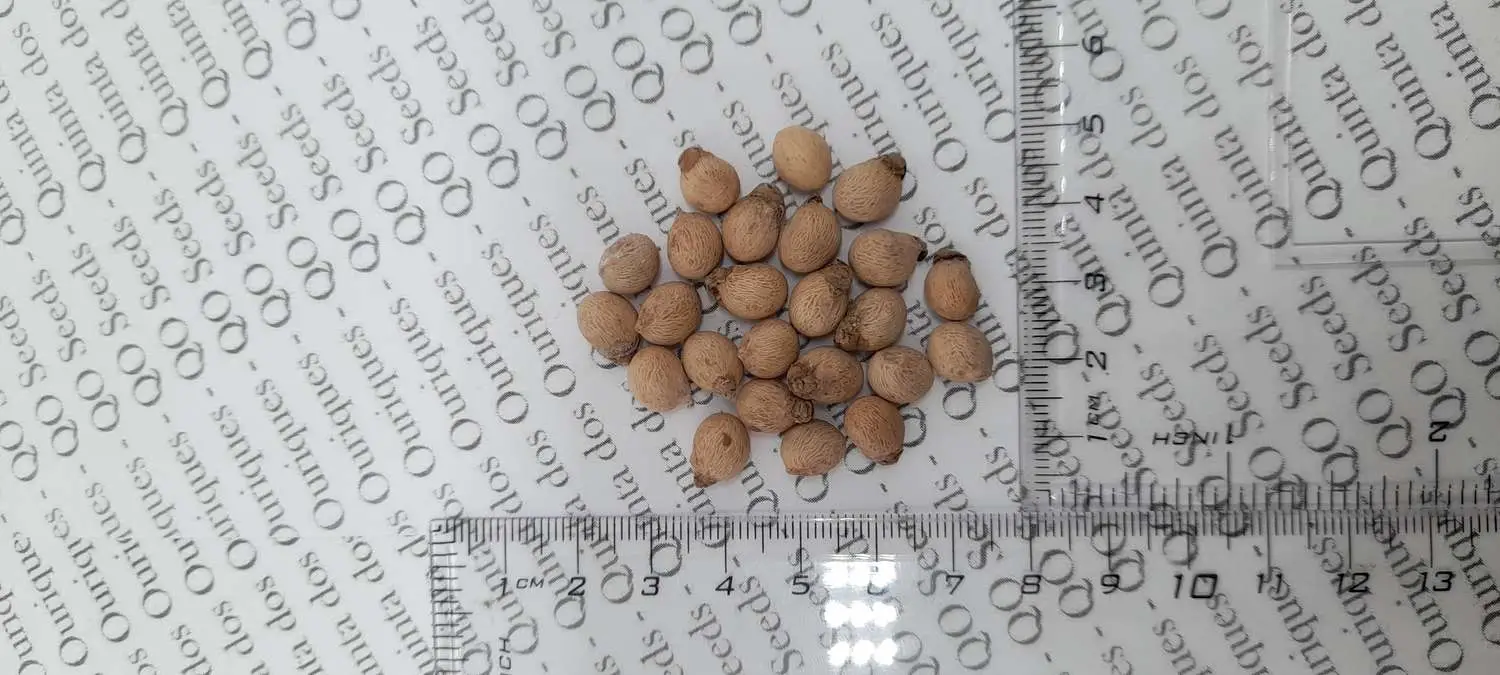
Growing Roystonea regia from seed requires patience but rewards commitment. Choose a warm, frost-free location (USDA Zones 10–11 ideal, though brief cold spells to 28°F are tolerated in mature specimens). Position in full sun for maximum vigor and trunk color. The palm thrives in well-drained, nutrient-rich soil—loamy or sandy-loam is perfect, enriched with compost. Water regularly while establishing; once rooted, it tolerates drought beautifully. Fertilize regularly with a palm-specific formula to prevent nutrient deficiencies. In non-tropical climates, this is strictly a container specimen for summer display and indoor wintering. Seeds require warm, humid conditions (95°F is ideal) and will germinate slowly over 5–8 months—allow time. The wait transforms you into a custodian of tropical legend.
Walk beneath a mature Cuban Royal Palm and feel the shift in atmosphere. Shade pools at your feet. Fronds whisper overhead. The smooth trunk rises like a monument to patience and vision. You’re not just growing a plant; you’re anchoring a landscape to something larger—a piece of Caribbean history, a beacon for pollinators, a living symbol of tropical grace. Start your seeds now. In a decade, you’ll stand in the shade of majesty. This is the palm that changes everything.
Only logged in customers who have purchased this product may leave a review.


Reviews
There are no reviews yet.