

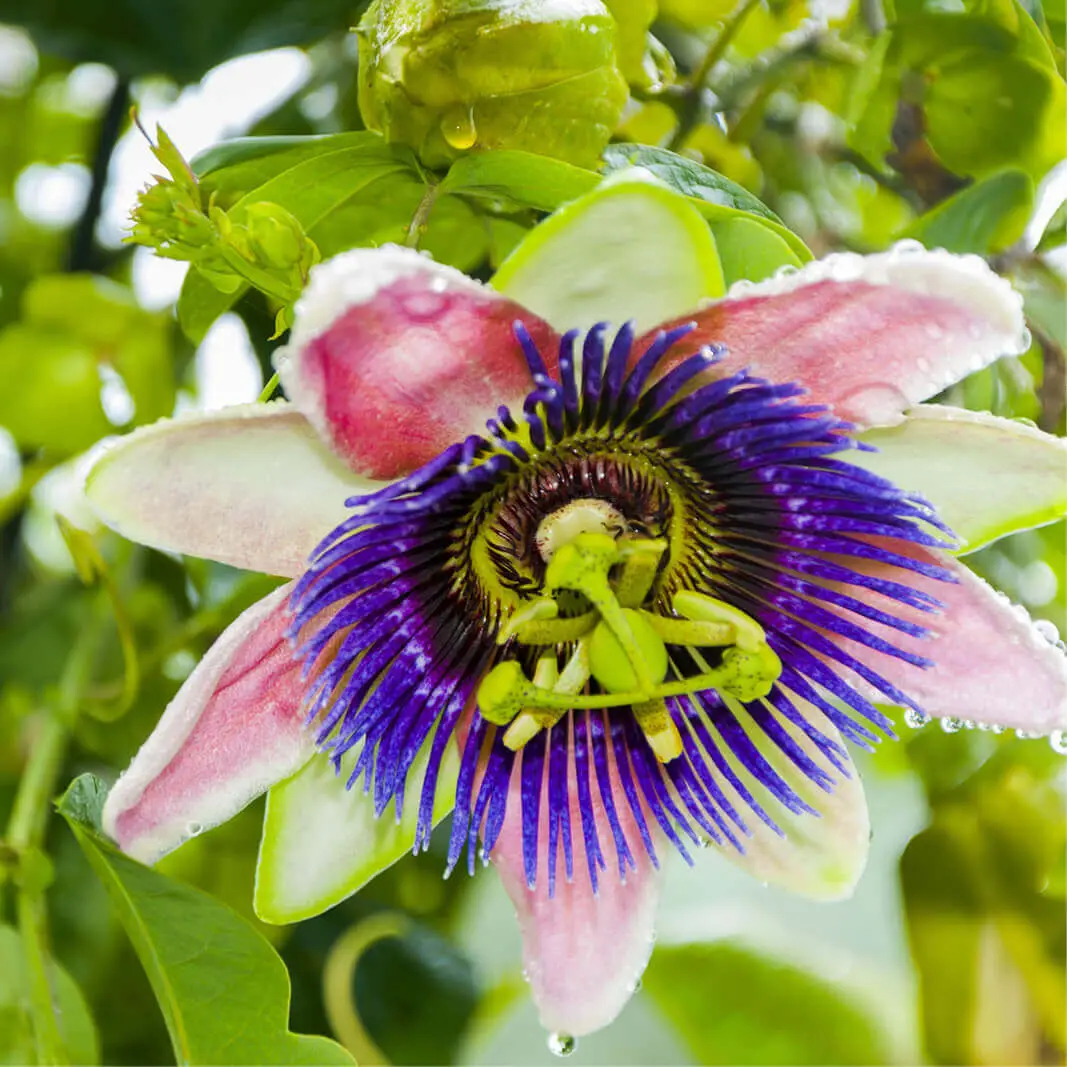
Fragrant, vibrant passion fruits bursting with sweet-tart tropical nectar. This vigorous ‘Tango’ vine produces abundant purple-gold orbs perfect for juicing, desserts, and cocktails—all wrapped in stunning white-violet flowers. Grows fast from seed and fruits abundantly in warm climates. The easiest way to taste paradise.
€5.64
Imagine biting into a passion fruit you grew yourself—that moment when the sweet, musky tropical aroma fills your mouth, the juice coating your tongue with a complex blend of citrus, guava, and pineapple. That’s what Passiflora edulis ‘Tango’ delivers, and it’s closer than you think.
‘Tango’ is a modern cultivar developed by legendary fruit breeder David Peasley, part of an elite lineage of passion fruit varieties (alongside Pearl and Gem) selected specifically for vigor, productivity, and fruit quality. Native to the tropical highlands of southern Brazil, Paraguay, and northern Argentina, passion fruit has traveled the world for centuries—a fruit so prized that it became known as “the king of fruits.” In Brazil, the term maracujá speaks volumes: it comes from Tupi meaning “fruit that serves itself.”
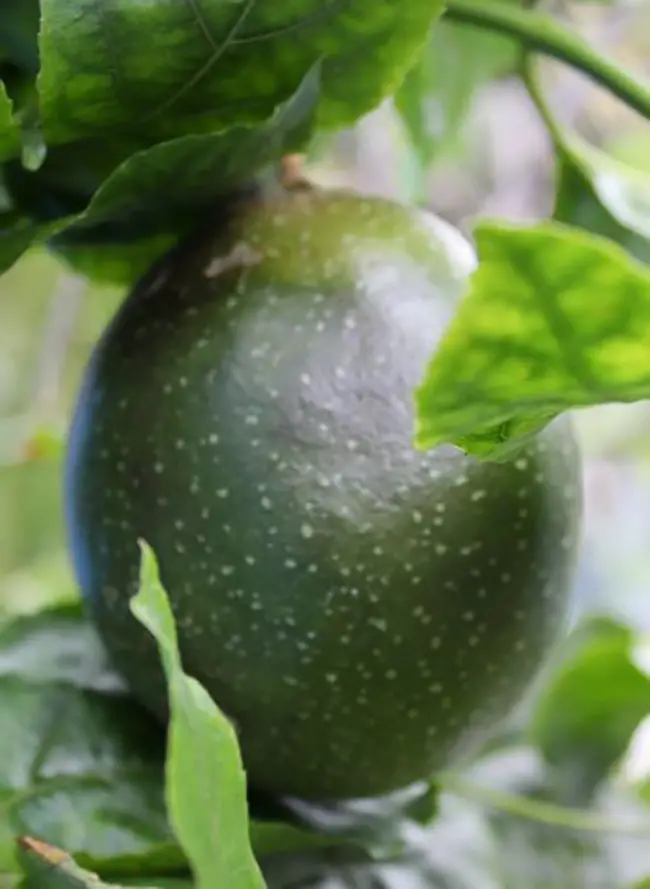
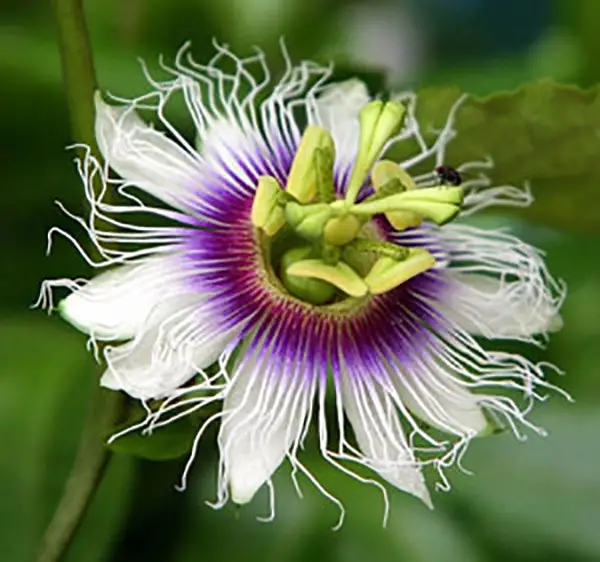
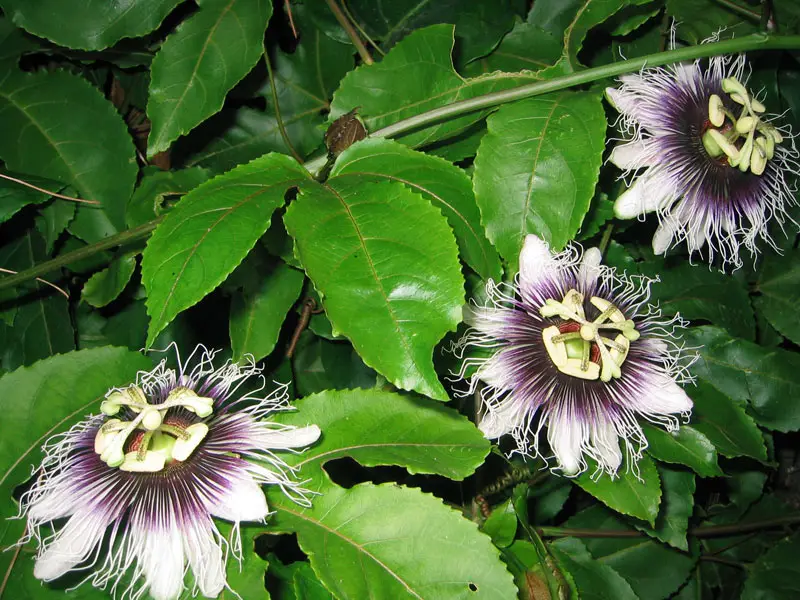
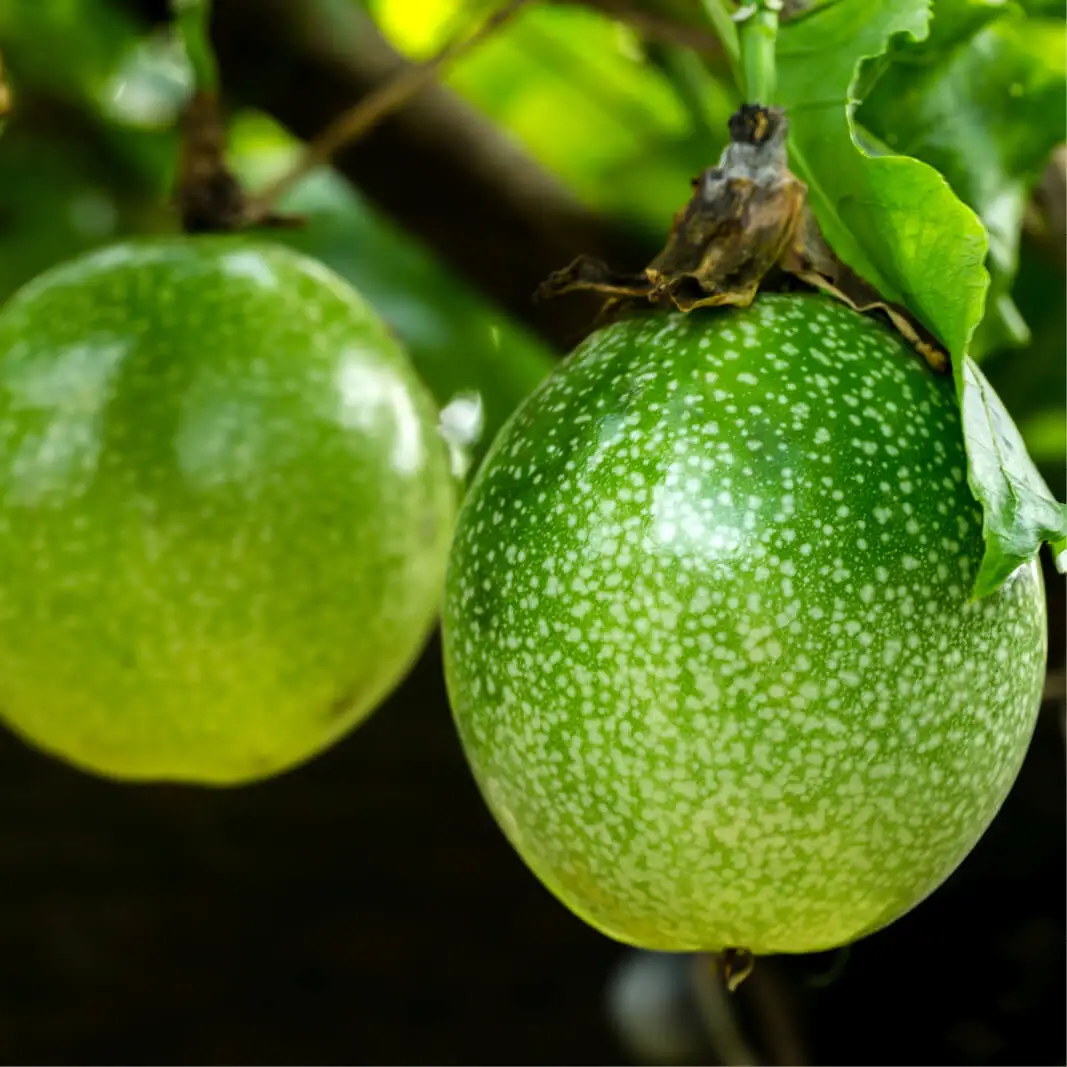
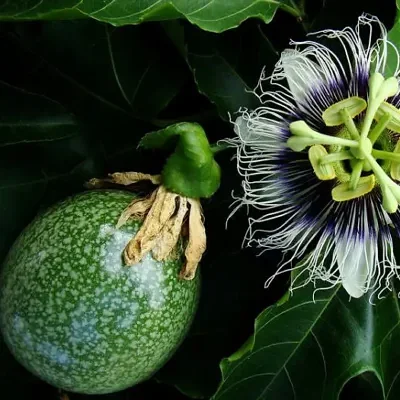
But here’s what makes ‘Tango’ truly special: the FRUIT. This is where passion fruit transcends ornament and becomes pure culinary magic. Inside each round, smooth-skinned fruit lies golden aromatic pulp surrounding edible seeds—the heart of juices, sauces, desserts, and cocktails served in the world’s finest establishments. The pulp is intensely fragrant, with a sophisticated balance of sweet and tart that enhances everything from pavlovas to passion fruit martinis. Unlike the yellow varieties bred for industrial juice production, purple varieties like ‘Tango’ deliver richer, more complex flavor with less acidity—the connoisseur’s choice. Scoop it raw, blend it, cook it into a sauce, layer it into cheesecake: each use reveals new dimensions. The fruit itself is relatively small (35g), intensely aromatic, and so densely flavored that a single fruit flavors an entire dessert or cocktail. And yes, you eat the seeds—they’re the best part, adding a satisfying crunch to the creamy pulp. Beyond the fruit, you gain ornamental beauty: fragrant white flowers with a distinctive corona of deep violet filaments bloom in spring and summer, creating a botanical show that rivals many ornamental vines. Bees and pollinators adore them.
Growing ‘Tango’ is straightforward for a tropical vine. It thrives in full sun (at least 6 hours daily) and well-drained soil with consistent moisture during the growing season. The vine is vigorous and fast-growing, reaching 6-10 meters with proper support on fences, trellises, or pergolas. In warm climates (USDA zones 9-11), it’s almost forgiving. If sown in late winter or early spring in warmth and grown on fast, ‘Tango’ can flower and fruit in its first year—a remarkable return on a tiny seed. The plant tolerates a wide range of soils from sandy to clay, as long as drainage is good. Young growth cannot tolerate frost, but mature dormant plants can survive light frosts. In colder regions, grow it in a large container and move indoors for winter—the slow growth and careful nurturing are worth every minute when you harvest sun-warmed passion fruits in your own garden.
Grow ‘Tango’ from seed and you’re not just planting a vine—you’re planting a tropical dream. From that first delicate tendril unfurling, through the shocking beauty of those violet-and-white flowers, to the moment you cradle a ripe, fragrant fruit in your palm and taste the tropics: this is gardening that rewards all senses. This is the fruit poets write about, chefs treasure, and home gardeners finally get to experience at their own table. Start your seeds now, and by next season, you’ll be serving passion fruit juice you grew yourself. That’s magic.
Only logged in customers who have purchased this product may leave a review.
Reviews
There are no reviews yet.