
For centuries, herbalists swore by this plant’s bright yellow sap to erase warts where modern medicine fails. The sap contains protease enzymes that destroy malignant viruses—apply directly, watch warts vanish in weeks. Thrives in moist soil, sun or shade, self-seeds freely. Grow this vital remedy from seed and harvest your own liquid gold when needed.
€1.92
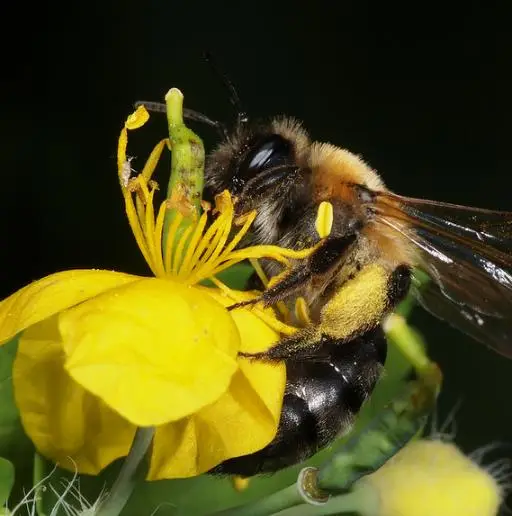
Chelidonium majus, commonly known as greater celandine, is a medicinal plant revered for its powerful ability to remove warts and skin imperfections. This is the plant that herbalists whisper about—the one with a 2,000-year reputation for delivering results where conventional treatments disappoint.
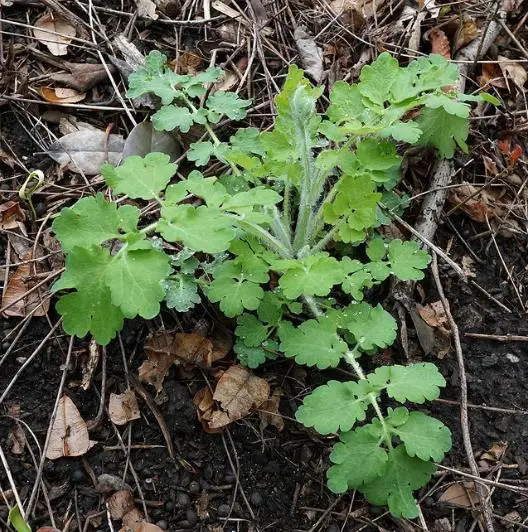
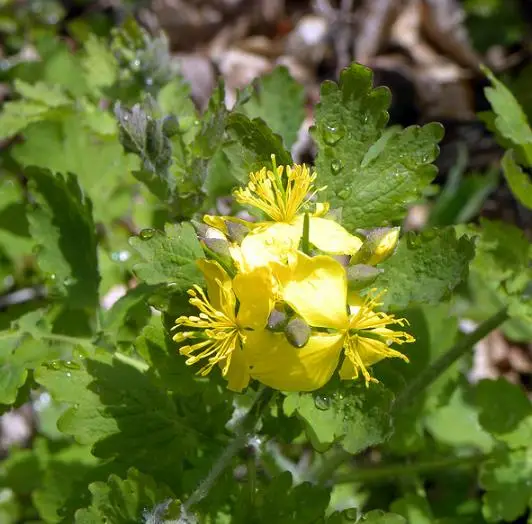
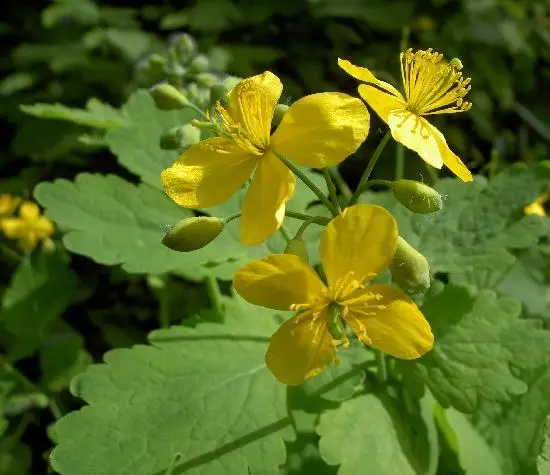
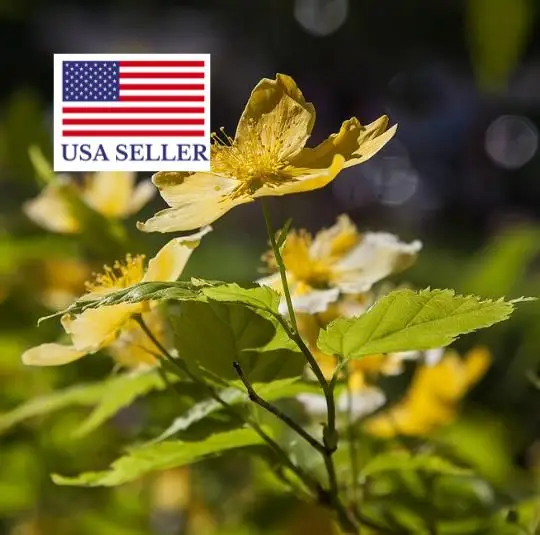
Named after the Greek khelidon, meaning swallow, because ancient writers said the flower bloomed when swallows returned and faded when they left, this European native carries the weight of legend. With blue-green leaves pinnate with lobed and wavy margins, up to 30 cm long, and four yellow petals, each about 18 mm, celandine is a humble beauty that belies its medicinal power. Breaking the stem or root releases a dark orange juice—that luminous sap is your key to transformation.
**The Wart Remover That Actually Works**: Here’s where celandine becomes essential. The sap of Greater Celandine has been valued for treating warts, calluses, and various skin growths thanks to its natural antiviral and keratolytic properties. The sap contains protease enzymes that destroy malignant viruses, and includes sanguinarine, protopine, chelidonine and chelerythrine apart from proteolytic enzymes. The enzymes are able to slowly dissolve away the cellular-level adhesions found in skin tags or warts. This isn’t folklore—dermatologists regularly see patients reporting success. After two weeks of treatment, smaller warts vanished, while large viral warts became flattened by half, and following two months, the lesion was cured. Beyond warts, greater celandine is typically used internally for liver and gallbladder disorders, indigestion, loss of appetite, detoxification, gastroenteritis, and constipation—a secondary treasure trove of wellness waiting in your garden.
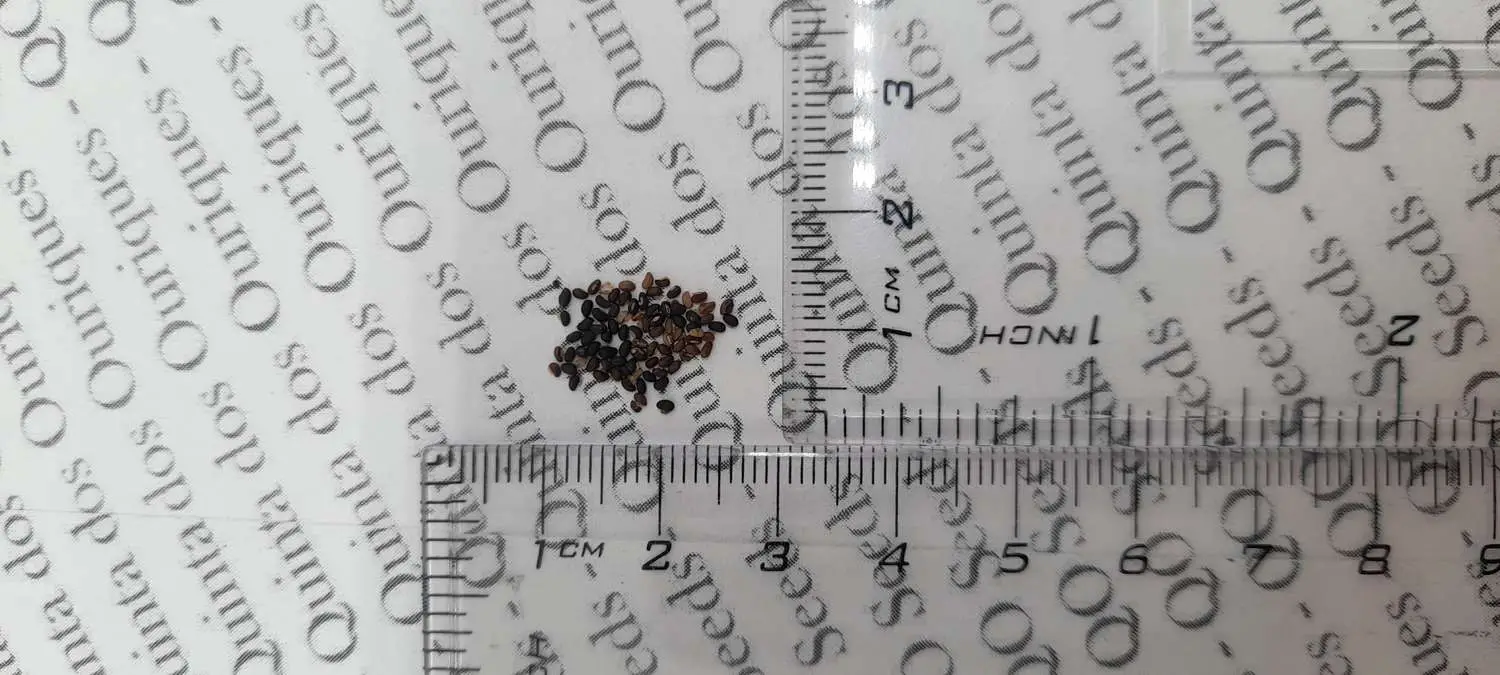
**Effortlessly Grown, Richly Rewarding**: Greater celandine thrives in moist soil and tolerates both sun and shade. This low-maintenance plant self-seeds easily, making it ideal for naturalising in informal garden settings. Sow seeds indoors in spring or direct sow—germination is reliable, growth is vigorous, and within weeks you’ll have a thriving, medicinal garden asset. Flowers appear from late spring to summer, May to September, so harvest your sap when the plant is in bloom and potency peaks.
**Grow This Liquid Gold at Home**: Every gardener dreams of self-sufficiency, and celandine delivers it. From a single packet of seeds grows a perennial ally for life—a plant that regenerates year after year, self-seeding where it wishes, asking little beyond decent soil and water. Imagine breaking a stem on a summer morning, watching that golden-orange juice bead on your fingertip, knowing you hold centuries of herbalist wisdom in your hand. This is herbalism made real. Sow celandine seeds now and step into the garden medicine tradition that spans two thousand years.
Only logged in customers who have purchased this product may leave a review.
Reviews
There are no reviews yet.