Description
The species most commonly known as maca is cultivated as a root vegetable and a medicinal herb. Your ethnomedical properties are connected to fertility and vitality.
The habit of growth, size and maca proportions are approximally similar to the rabanette and rut, to which it is related. Seeds, which are the only reproduction means of the plant, generally generate within 10 to 15 days, provided that the ideal conditions are provided; the same have no sleep. Harvest is made between 8 and 10 months of the seed the plant’s maturity.
For about 2,000 years, the species is traditionally consumed in food and used in local medicine as an aphrodisiac, promotes strength and physical resistance.
Some clinical trials made in men have demonstrated that maca extracts may increase libido and improve sperm quality, and other continue in progress, but confirmed better production of spermatozoids, dimension and diminuation.
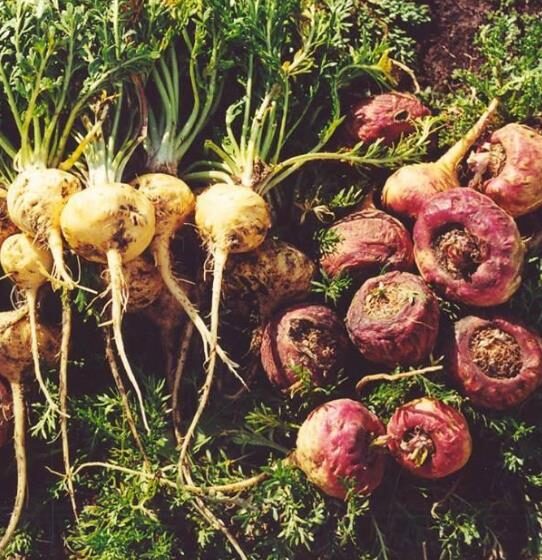
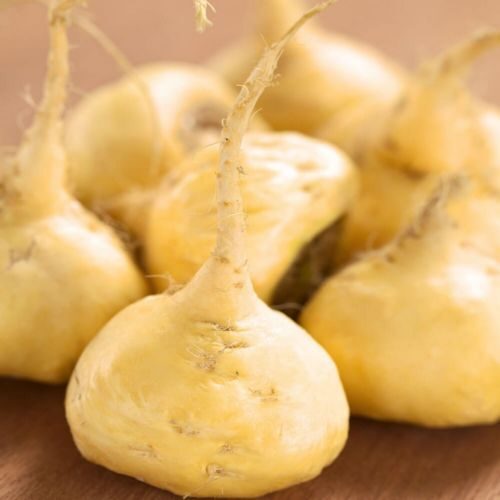
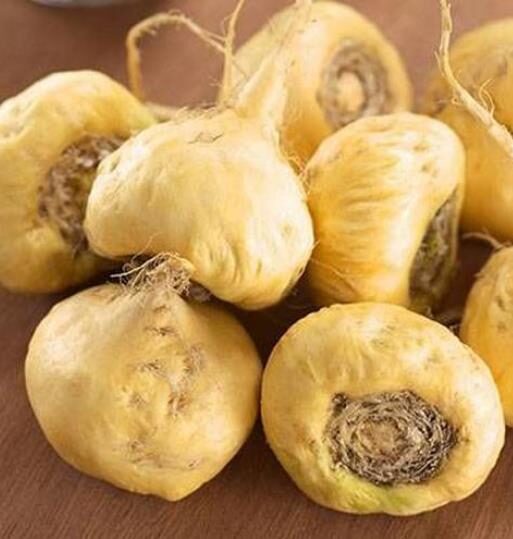
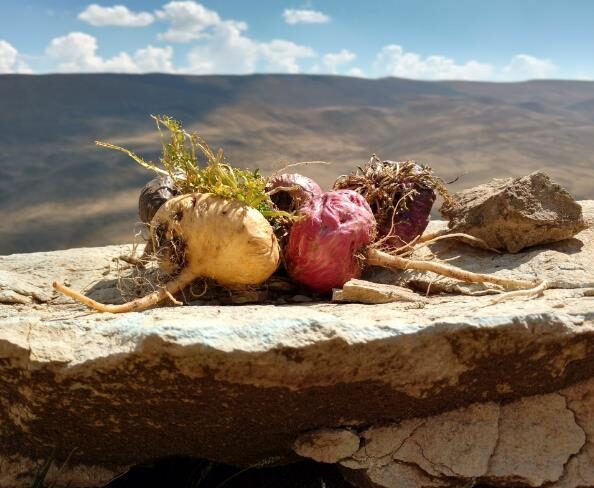
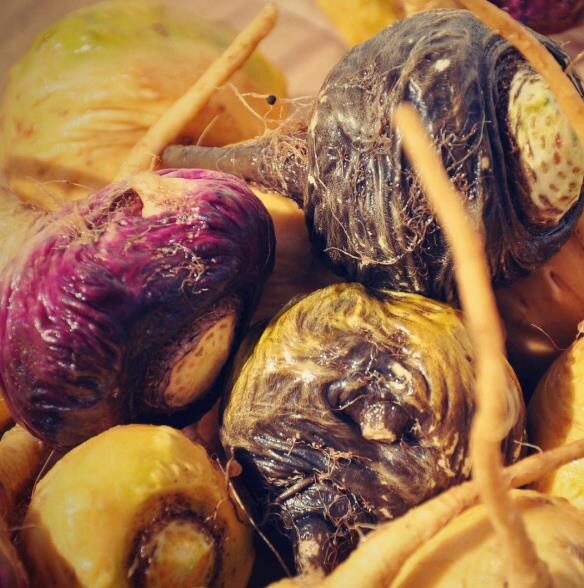
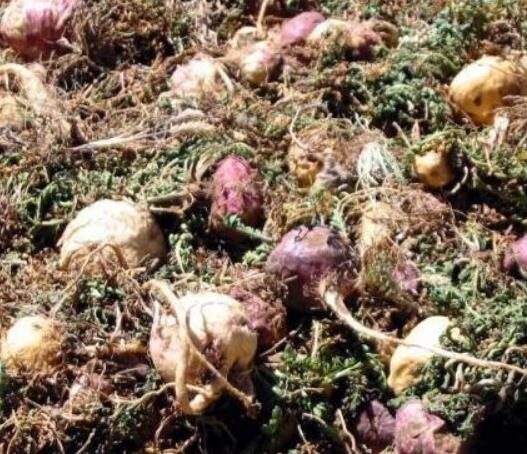
Lepidium meyenii, known as maca or Peruvian ginseng, is an edible herbaceous biennial plant of the family Brassicaceae that is native to South America in the high Andes mountains of Peru. It was found exclusively at the Meseta de Bombón plateau close to Lake Junin in the late 1980s. It is grown for its fleshy hypocotyl that is fused with a taproot, which is typically dried, but may also be freshly cooked as a root vegetable. If it is dried, it may be further processed into a flour for baking or as a dietary supplement. It also has uses in traditional medicine. As a cash crop, it is primarily exported as a powder that may be raw, or processed further by the supplement industry: gelatinized or made into an extract.
Its Spanish and Quechua names include maca-maca, maino, ayak chichira, and ayak willku.
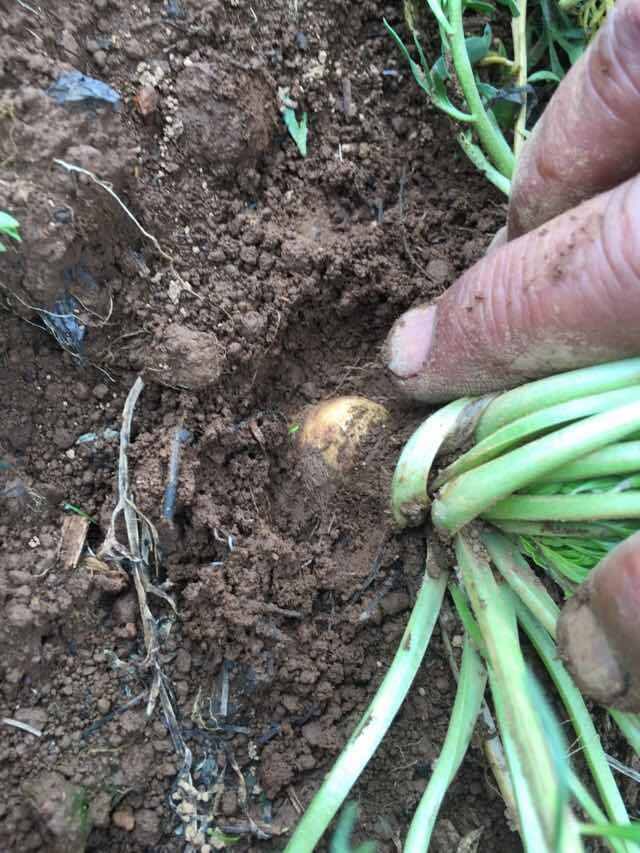
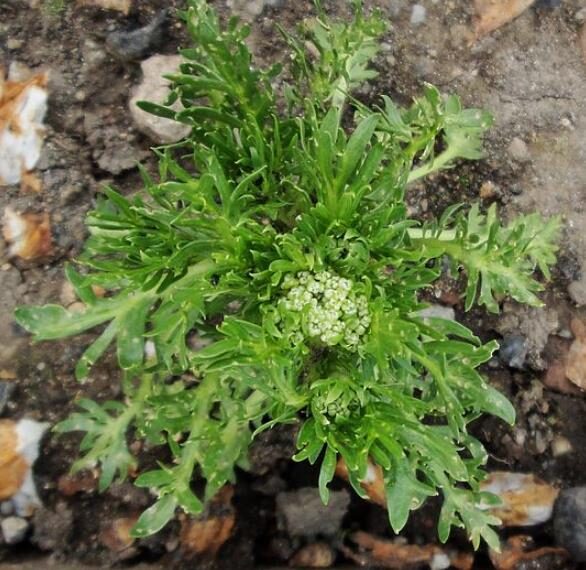
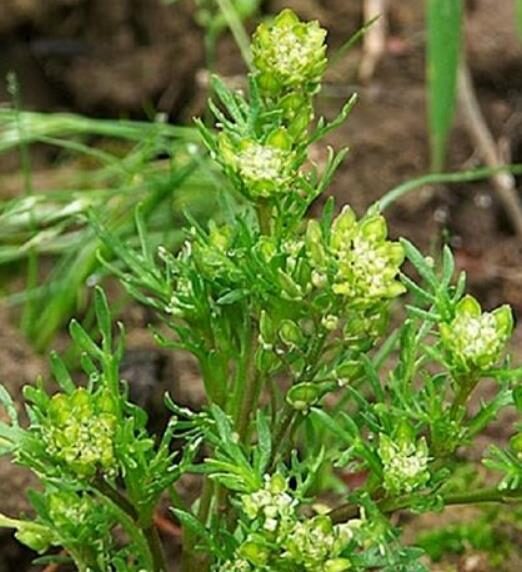
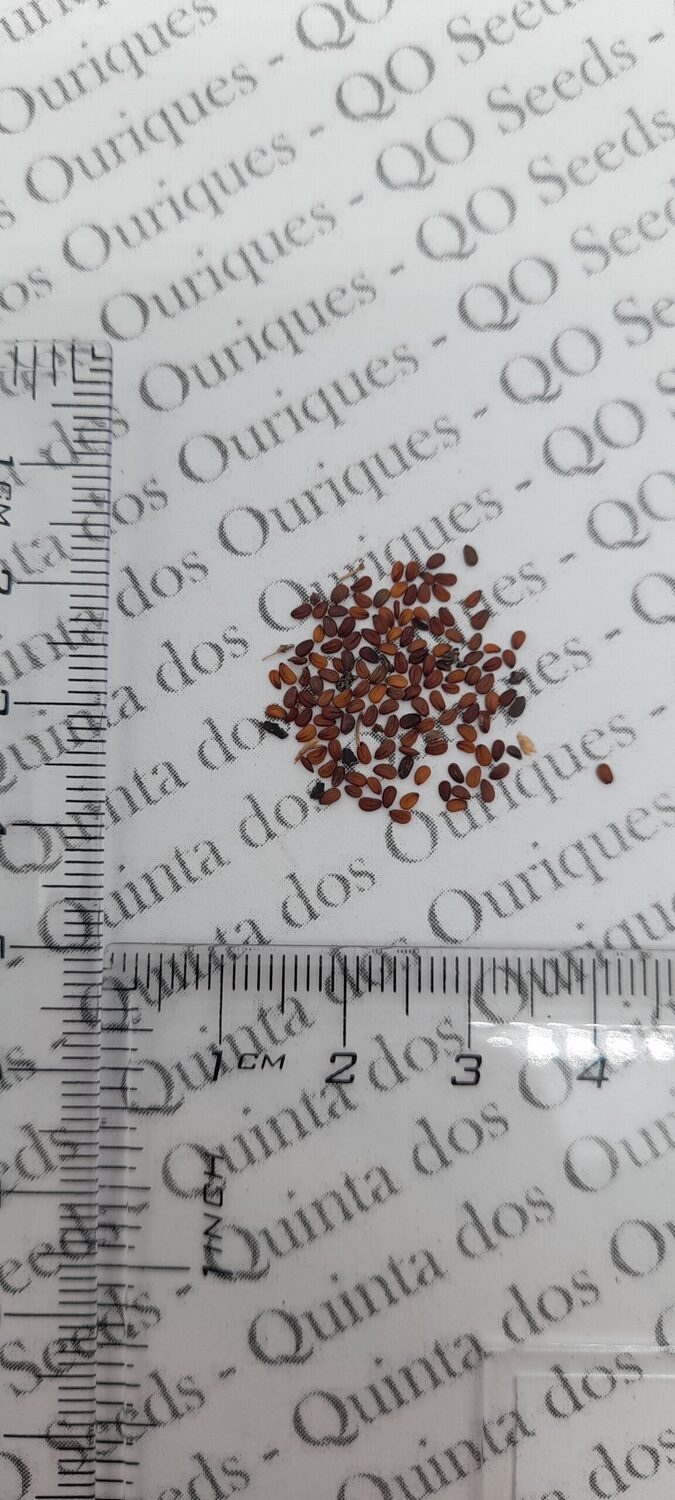
The growth habit, size, and proportions of maca are roughly similar to those of radishes and turnips, to which it is related, but it also resembles a parsnip. The green, fragrant tops are short and lie along the ground. The thin, frilly leaves sprout in a rosette at the soil surface, not growing more than 12–20 cm (4.7–7.9 in) in height. The leaves show a dimorphism according to reproductive stage. They are more prominent in the vegetative phase, and are continuously renewed from the center as the outer leaves die. The off-white, self-fertile flowers are borne on a central raceme, and are followed by 4–5 mm (0.16–0.20 in) siliculate fruits, each containing two small 2.0–2.5 mm (0.079–0.098 in) reddish-gray ovoid seeds. Seeds are the maca’s only means of reproduction. Maca reproduces mainly through self-pollination and is an autogamous species. The genome consists of 64 chromosomes. From experiments with different day lengths, maca is a short-day plant. Some sources consider the maca to be an annual plant, as in favorable years it can complete a lifecycle within a year.
Germination Guide
Basic Instructions - Read me
Our guide for seed germination is only a suggestion between many other forms in the market. It worked for us and so we are passing it on to you, but some knowledge about seed germination is necessary for seed germination, even the easiest.
Most seeds need moisture to germinate, even plants of desert origin need their seed substrate to remain moist until germination.
Most of seeds need oxygen to germ, when buried too long in their growth, or if the growth is too wet, the seeds will not find the oxygen required.
Some seeds need light to germ, must be seed superficially, lightly covered on the soil, other should not receive light, shall be seeded little or no light.
The golden rule is to cover the seeds equal to your own size.
Many seeds germ better at a certain temperature, some will germ in a relatively broad range, and others still need floating temperatures.
Almost all seeds are waiting in a state sleep for some external stimulation to break their sleep, some need only an environment with sufficiently high moisture, others need vernalization and / or scarification.
I hope our guide to germination can be useful to you.
1) Substrate: the substrate must be of good quality and suitable for seed germination. The same should be light and porous, like the cake batter. If it is compacted the seeds will not germinate.
2) Moisture: No seed germinates if it does not have adequate moisture. The substrate should remain moist throughout the process. If soaked, the seeds will rot, it should be just damp.
3) Heat: Most seeds require a suitable temperature range for their germination. When not informed, this temperature usually fluctuates around 24 / 25ºC.
4) Some species require dormancy breaking treatment. Because?
a) Because we are dealing with rare and exotic species. They are often species that inhabit other continents.
b) Because the climate in which they live can, and generally, differs from ours.
c) Because in order to introduce a new species, we need to know and understand its original habitat; and so we may, perhaps, introduce it into our environment, since we know that many have already been introduced in this way.
d) And how will we know the best way to introduce them? Always trying to mimic its original habitat. Always search. Information is the foundation for the success of any endeavor.
Only logged in customers who have purchased this product may leave a review.

Reviews
There are no reviews yet.