
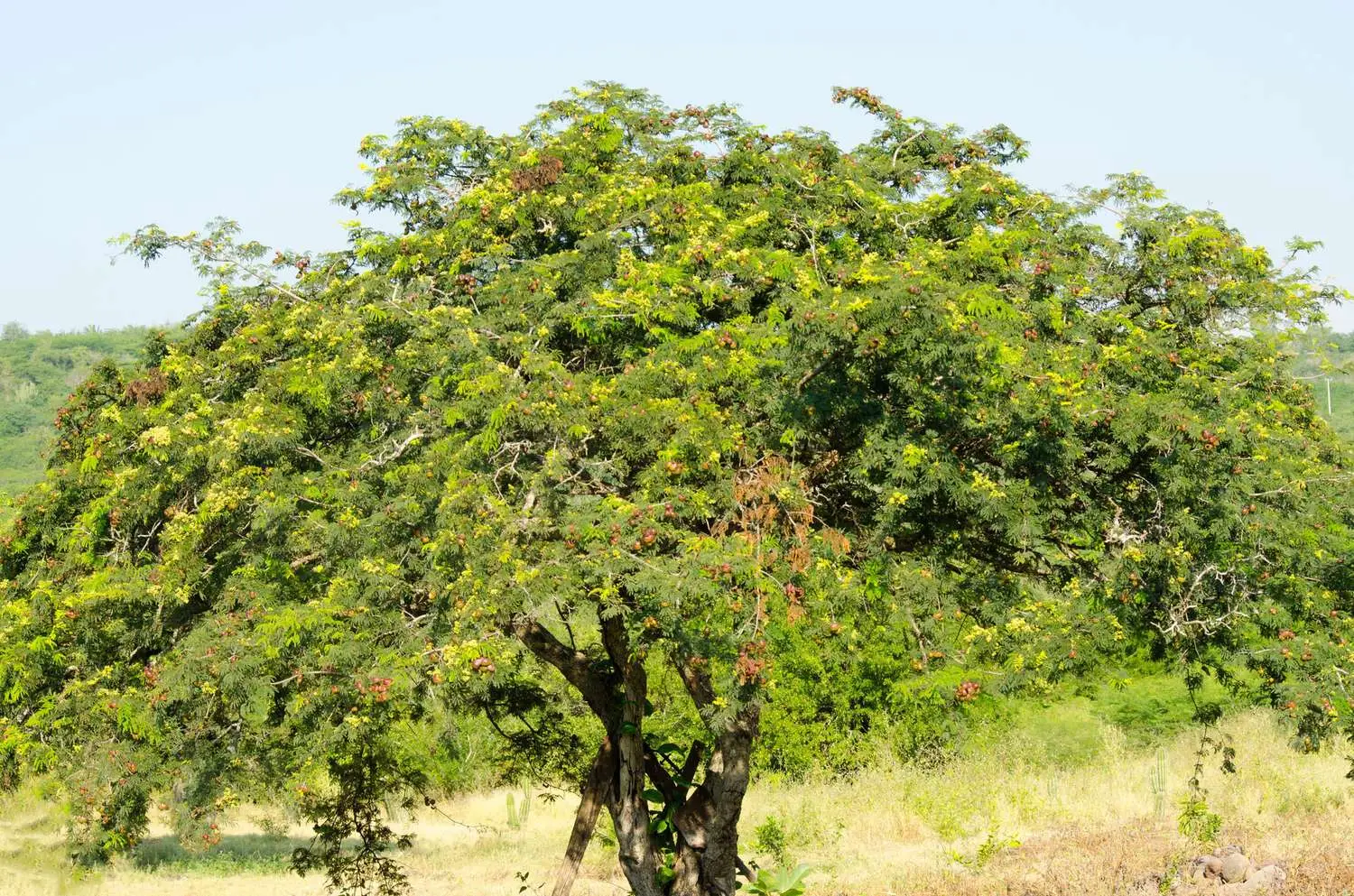
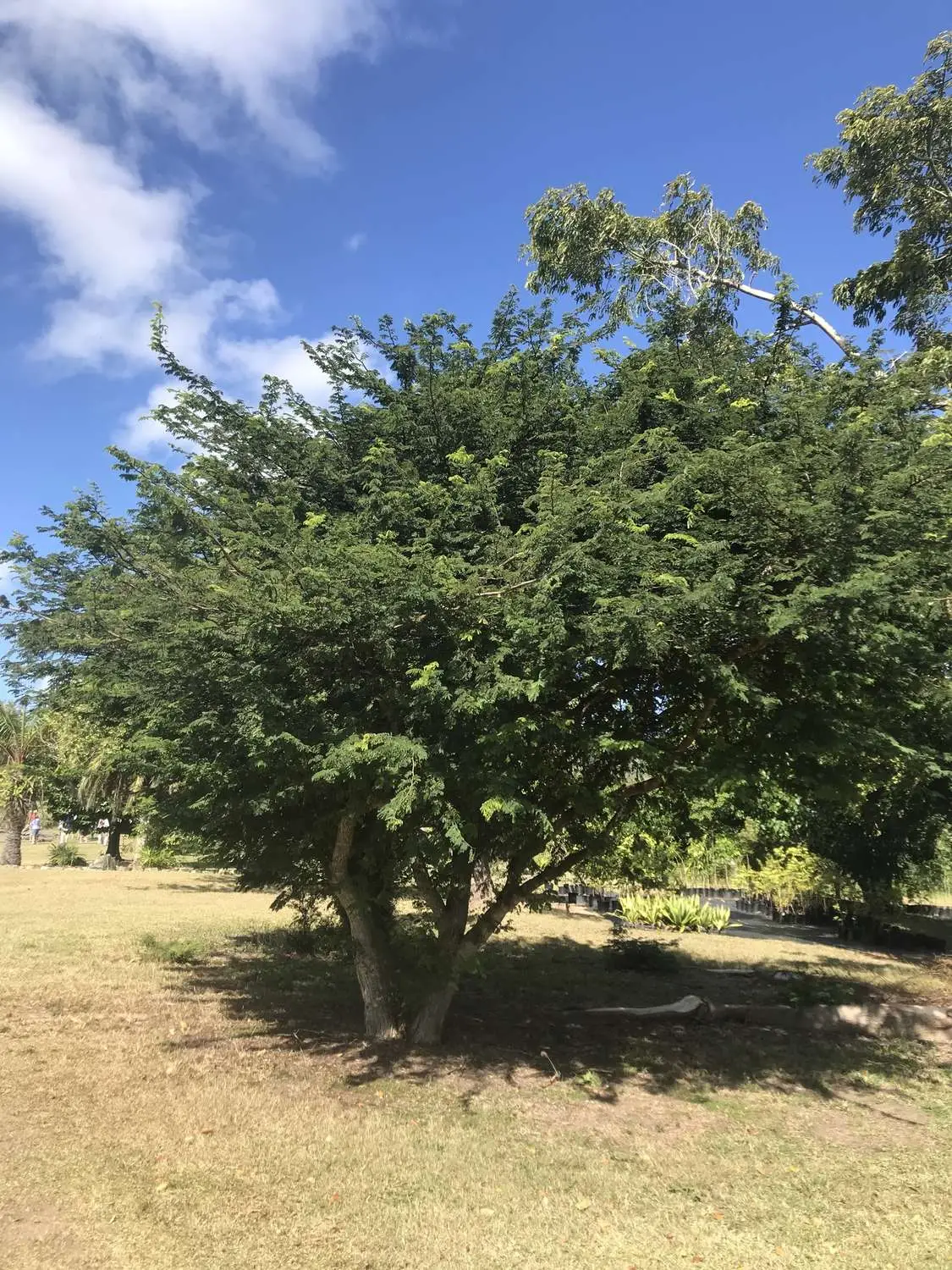
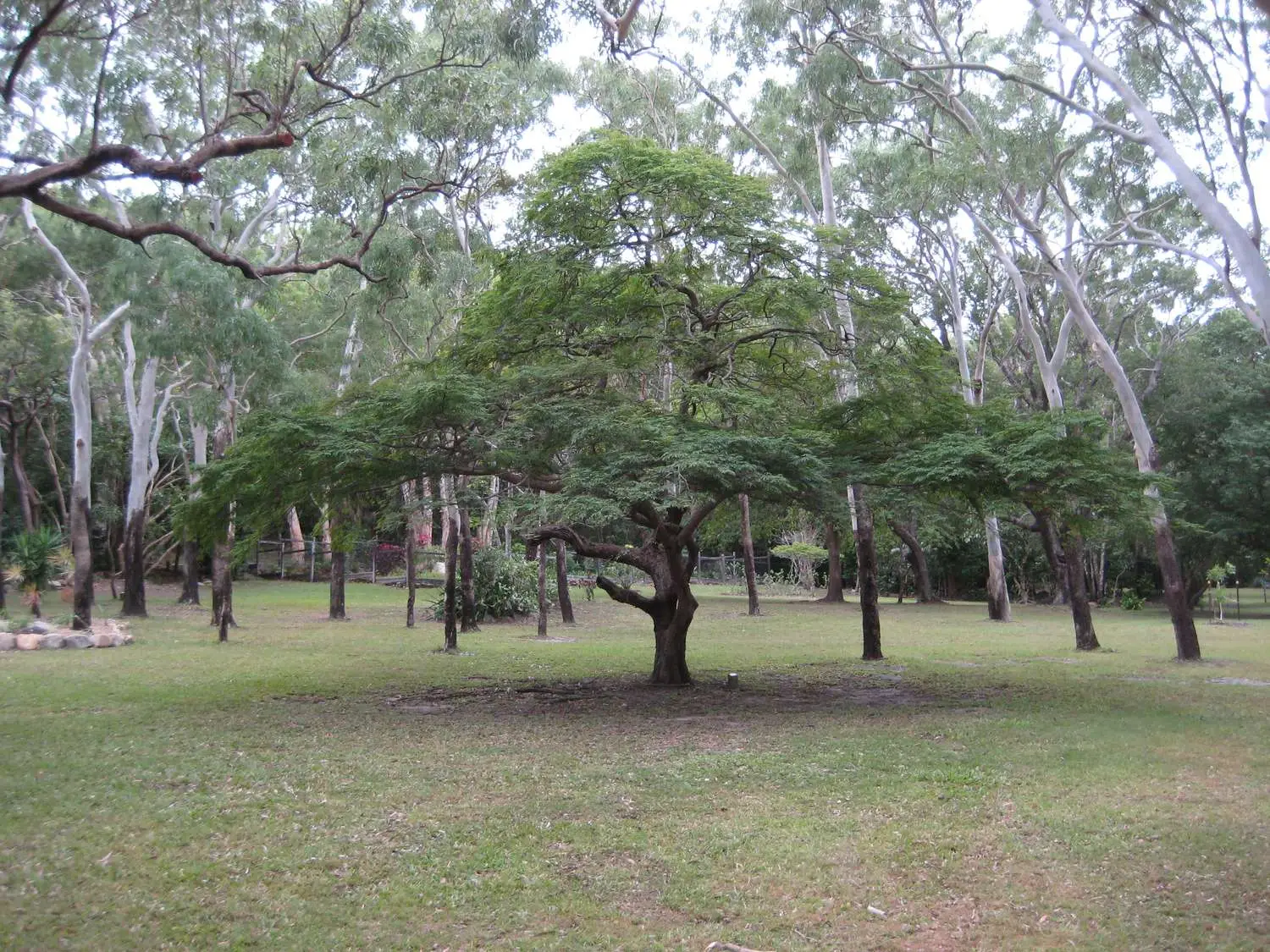
Grow the legendary leather crafter’s tree. Its pods contain up to 50% ellagitannins, prized for centuries in traditional tanning. But this Caribbean beauty is also a sculptural masterpiece—its trunk and branches twist and take on contorted appearance with age in iconic windswept forms. The Divi-Divi is quite easy—there is nothing really special in their care. Grow it from see
€1.92
For centuries, the pods of Libidibia coriaria have been used in leather tanning due to their high tannin content, up to 50% ellagitannins. This is the tree that built empires of craft—the one serious tanners, natural dyers, and textile artisans have been waiting to grow themselves.
Native to the Caribbean, Central America, Mexico, and northern and western South America, Divi-divi is the national tree of Curaçao. It has been traded since pre-Columbian Mesoamerica, where Maya and Aztec healers valued the fruit pods for their tangy pulp and the bark’s binding tannins, with Spanish chroniclers in the 16th century noting Divi-divi pods being carried by merchants along Yucatan trade routes. This tree carries millennia of human craftsmanship in its DNA.
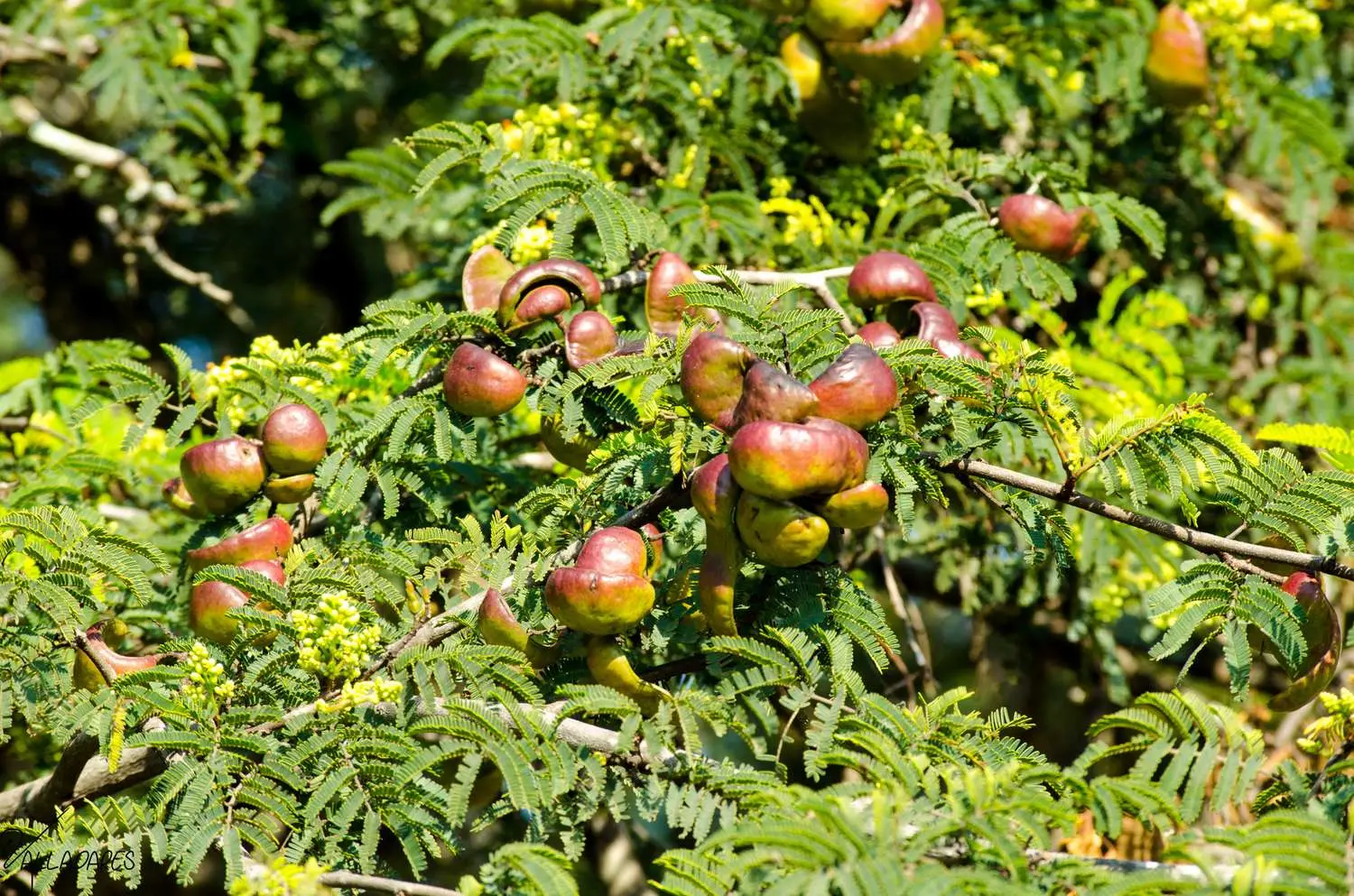
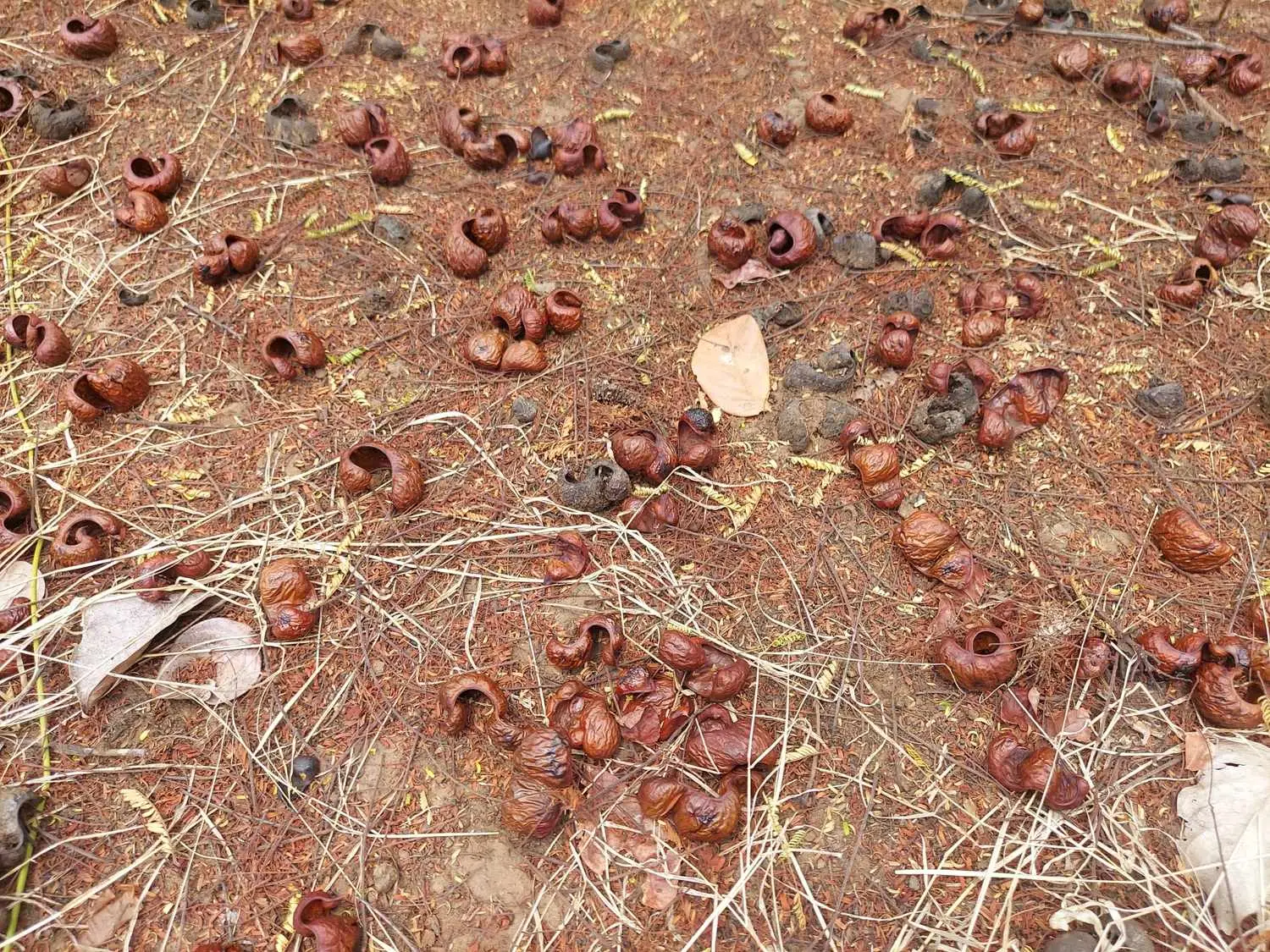
But here’s where it gets electric: Divi-divi is often used in rapid drum tanning of light leathers and in leather dressing. The pods are also used to prepare a blackish or bluish dye for cotton and wool and a black ink, used in the decoration of traditional potteries and gourds in Central America. If you work with leather, natural dyes, or botanical inks, growing your own Divi-Divi transforms you from buyer to cultivator. Trees yield about 45-135 kg pods per tree per year. Imagine harvesting your own tannins. The plant’s various parts exhibit astringent properties due to high tannin content, making them valuable for treating wounds and inflammatory conditions. The bark and leaves are commonly employed as astringents to dress sores and manage skin infections caused by bacteria and fungi. This is multi-purpose wealth on one tree.
Growing Divi-Divi is refreshingly straightforward. With its whimsical, windswept silhouette and vibrant springtime blooms, this hardy tree is praised for its drought tolerance and ability to thrive in coastal conditions. Divi-divi grows best in full sun and needs at least 6 to 8 hours of direct sunlight daily. It thrives in sandy, well-drained soils but can tolerate poor, rocky, or slightly saline soils. Young divi-divi trees thrive in full sun and well-drained soil. They are drought-tolerant once established but benefit from regular watering during their first year. No fussy requirements, no coddling. Site the tree in a full sun location, receiving no less than eight hours of direct sun rays daily. The basic requirements are full to partial sun, average water, and fertilizer. If you can give it sun and decent drainage, you’ve got this.
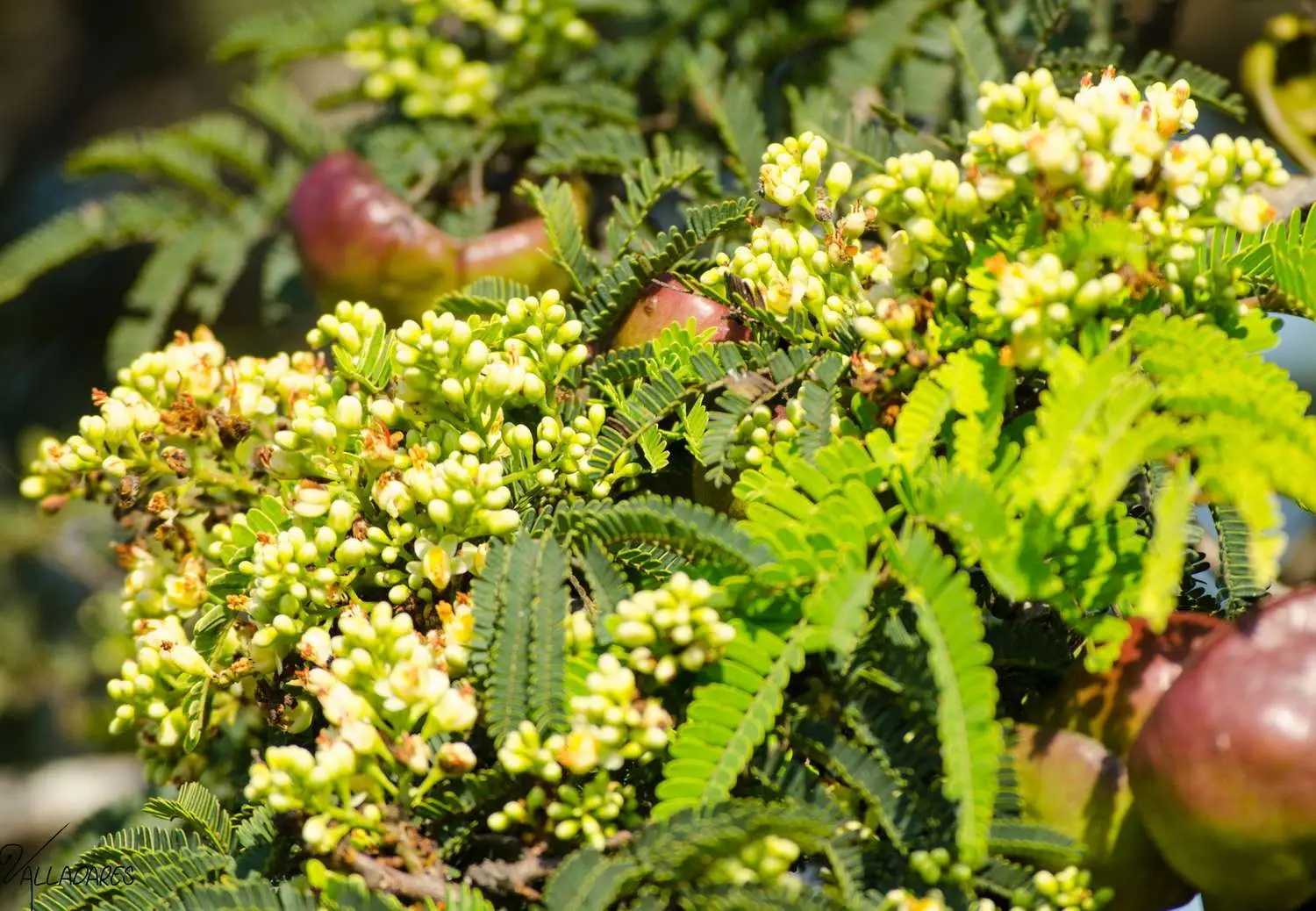
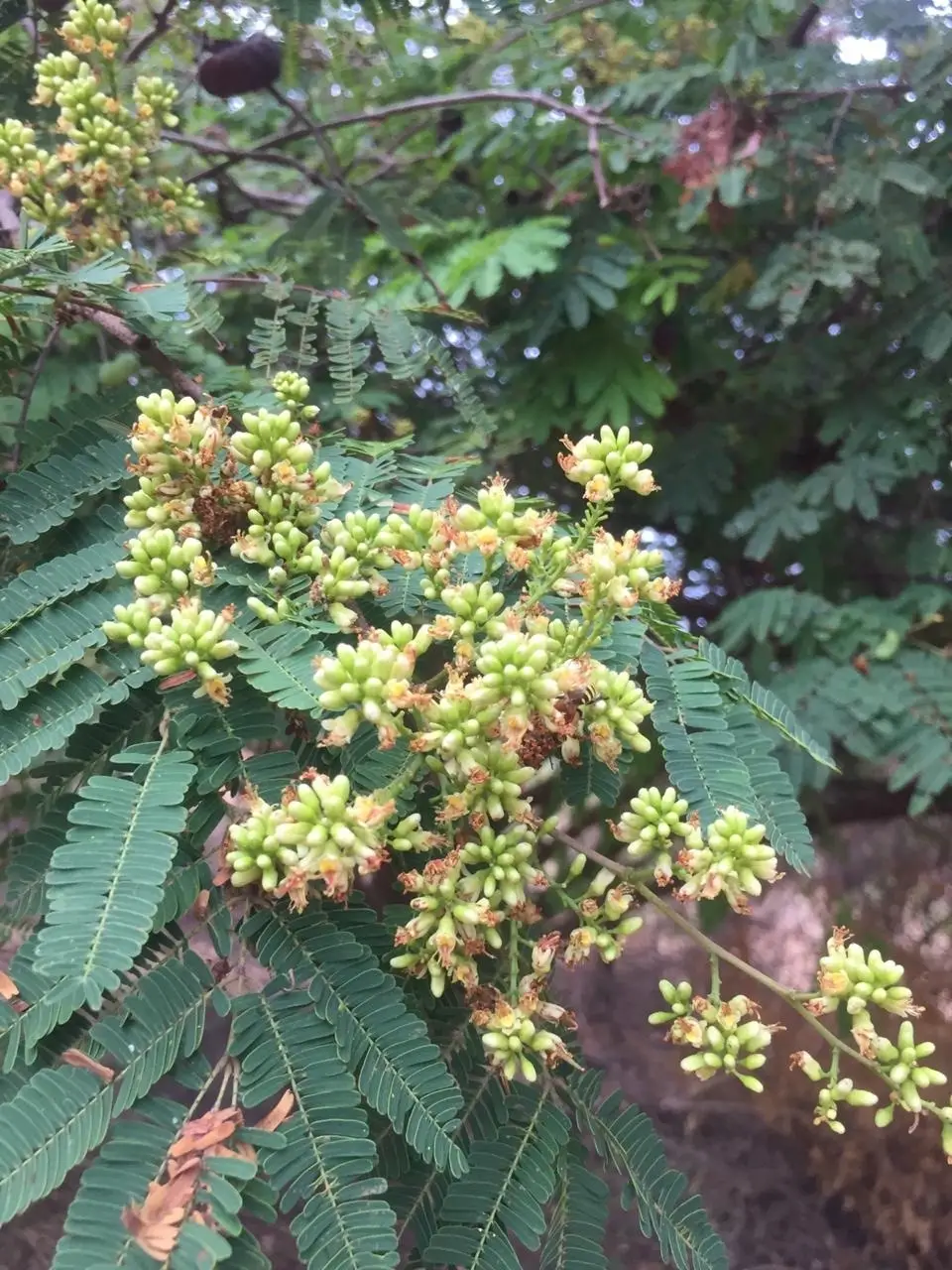
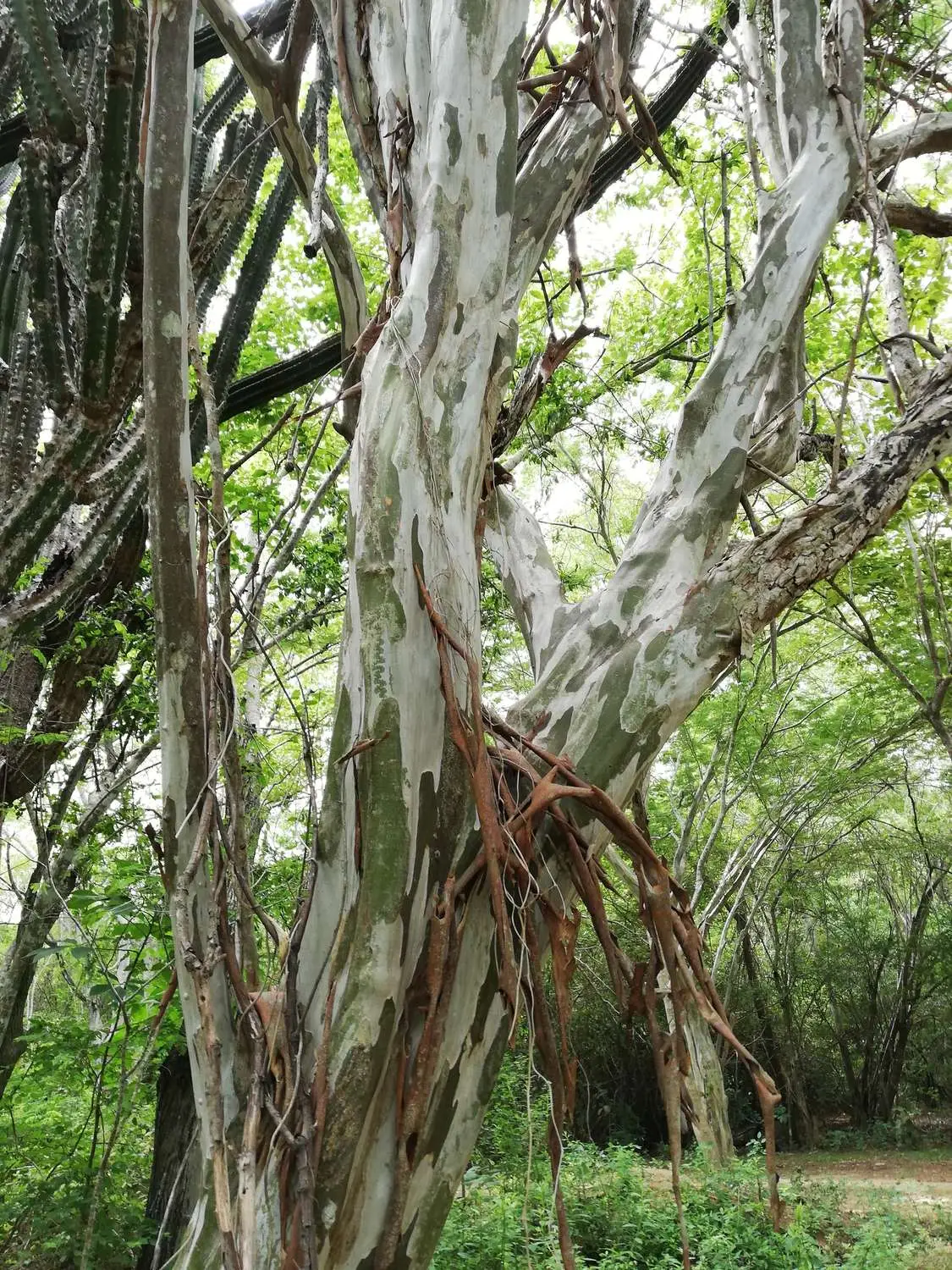
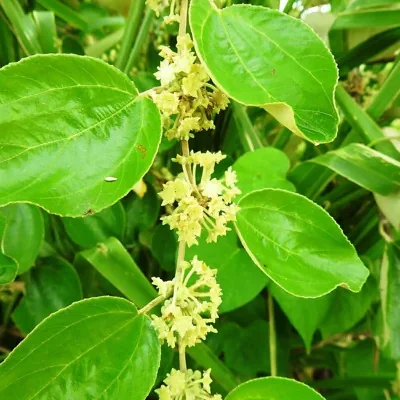
Now, about the ornamental magic. In their native windy, coastal habitats, the main trunk and branches can twist and take on a contorted appearance with age. Every Divi-Divi becomes a living sculpture—forms fantastic shapes of divine windswept, bonsai shapes. Its small pale yellow flowers are fragrant and yield nectar for honeybees. Following the flowering, the tree produces abundant numbers of small, twisting yellowish pods that are filled with black seeds. Even before it gifts you tannins, it gives you art. Grow Divi-Divi from seed and you’re planting centuries of human tradition, industrial value, and sculptural beauty in one slow-growing, drought-proof tree. Your garden—and your craft—will never be the same.
Only logged in customers who have purchased this product may leave a review.
Reviews
There are no reviews yet.