Description
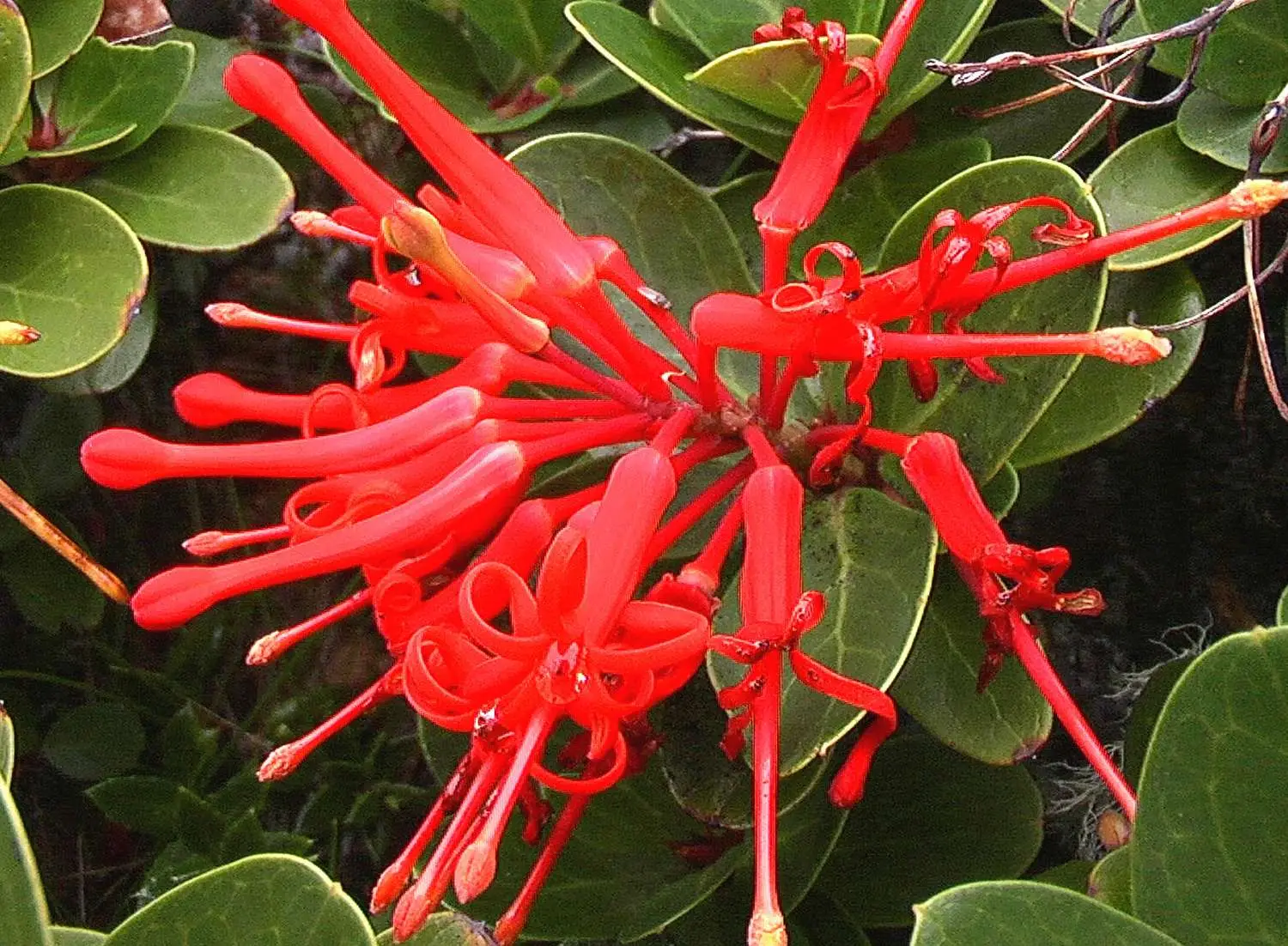
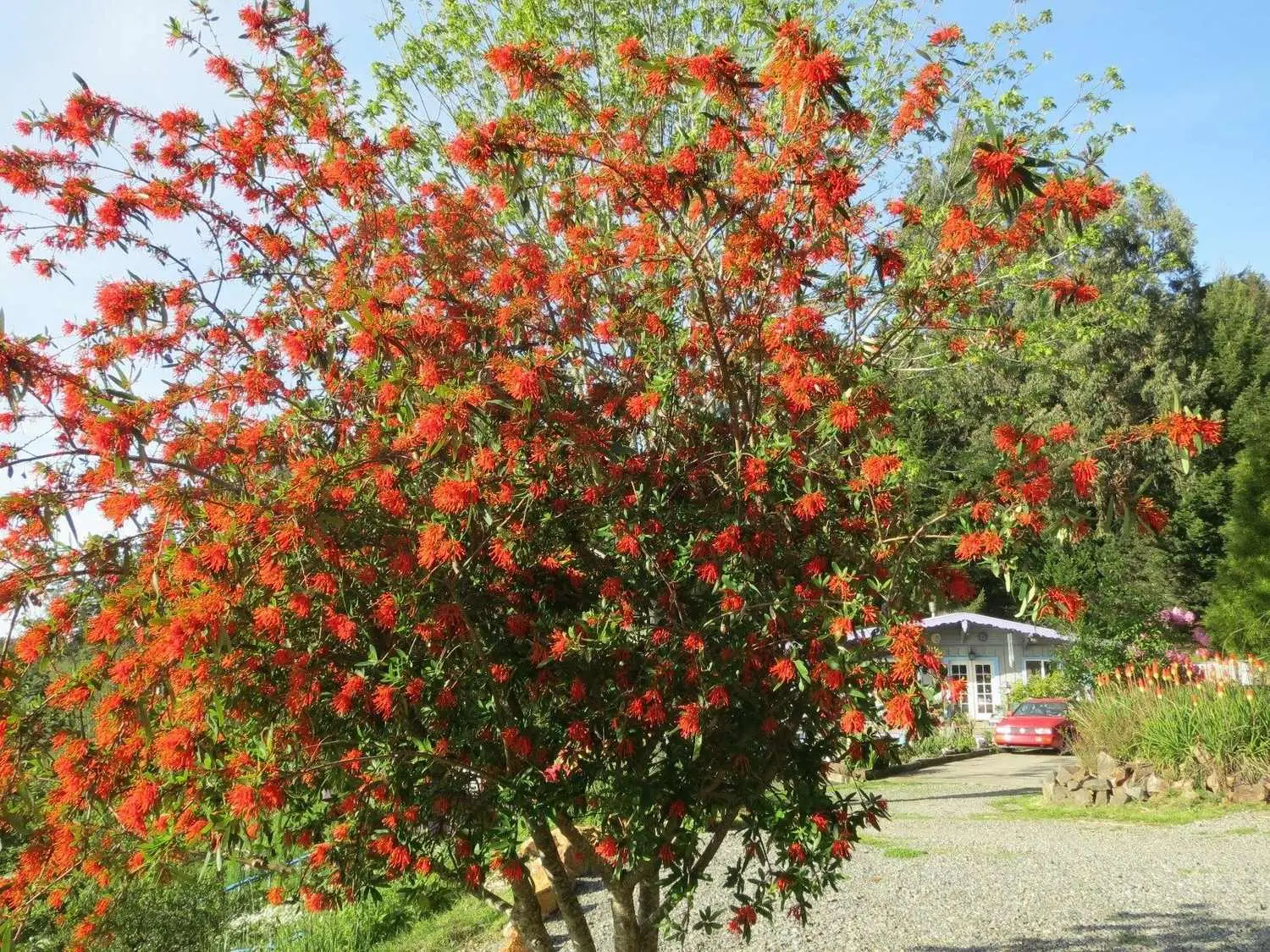
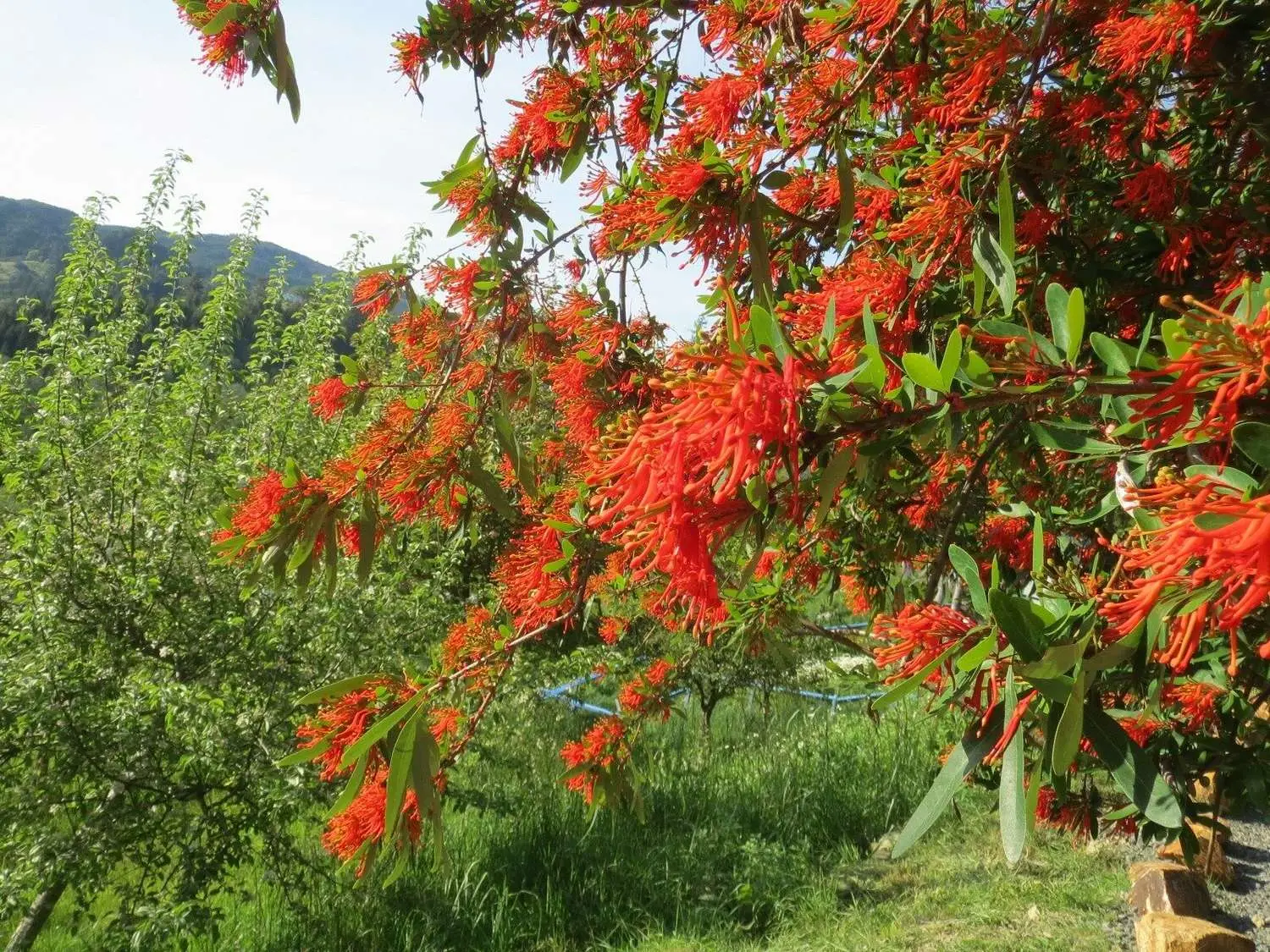
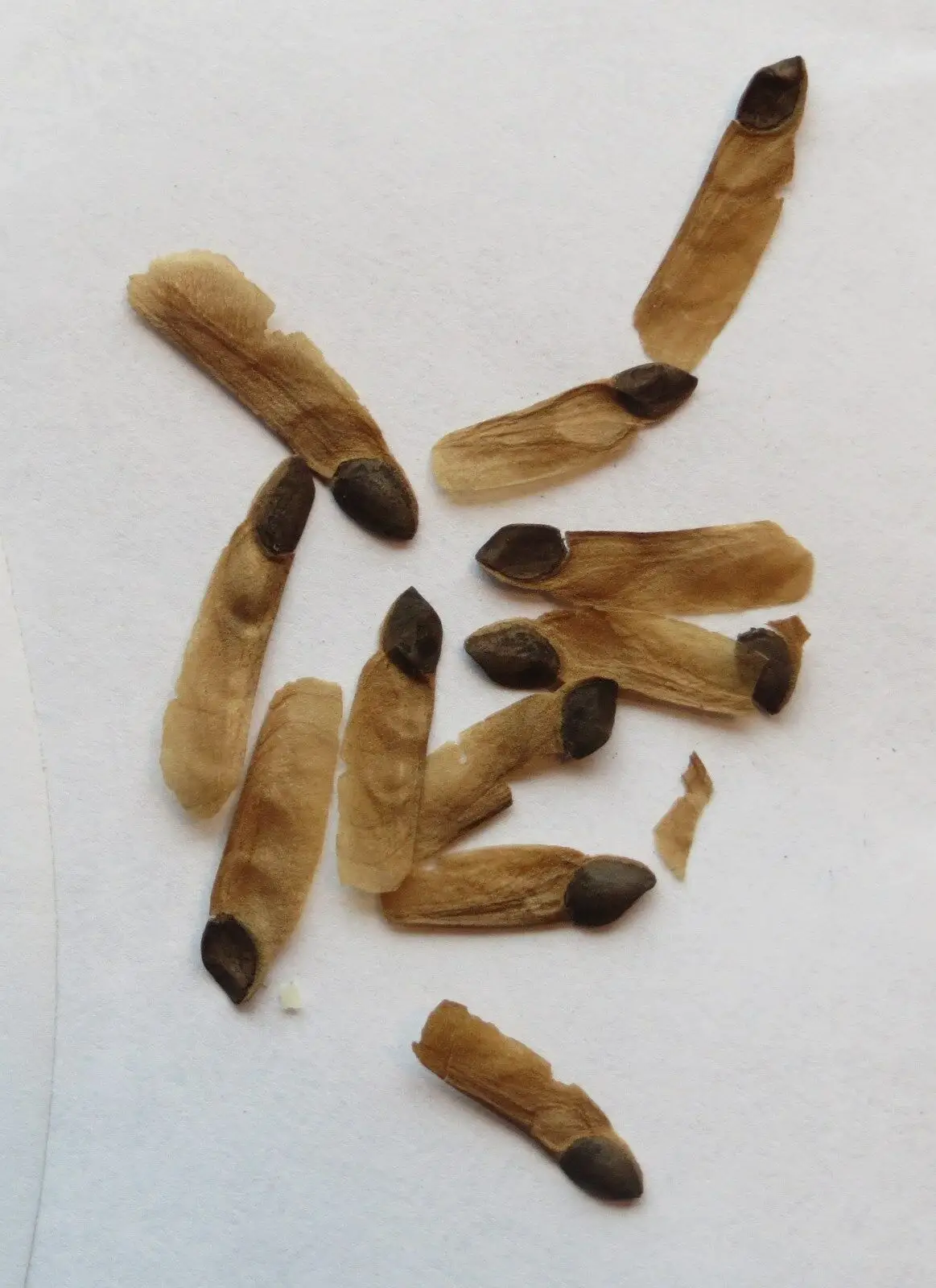
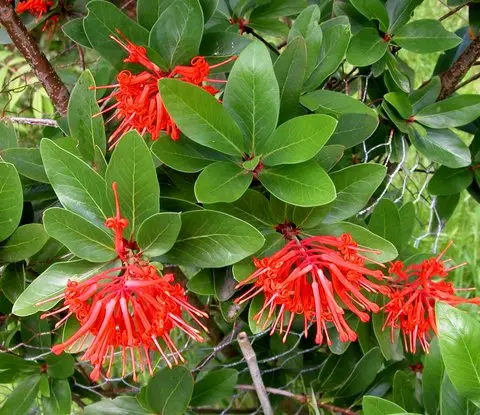
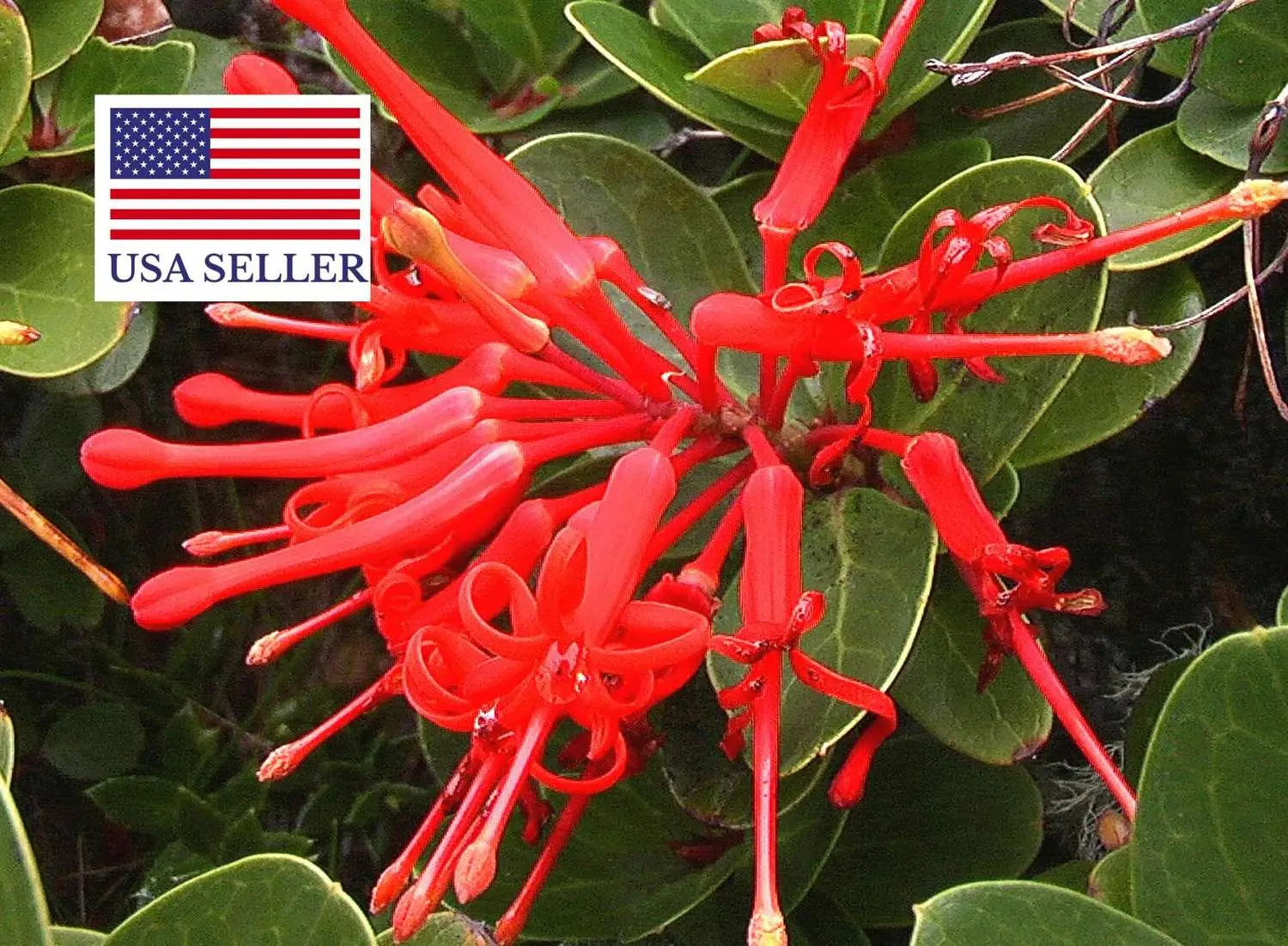
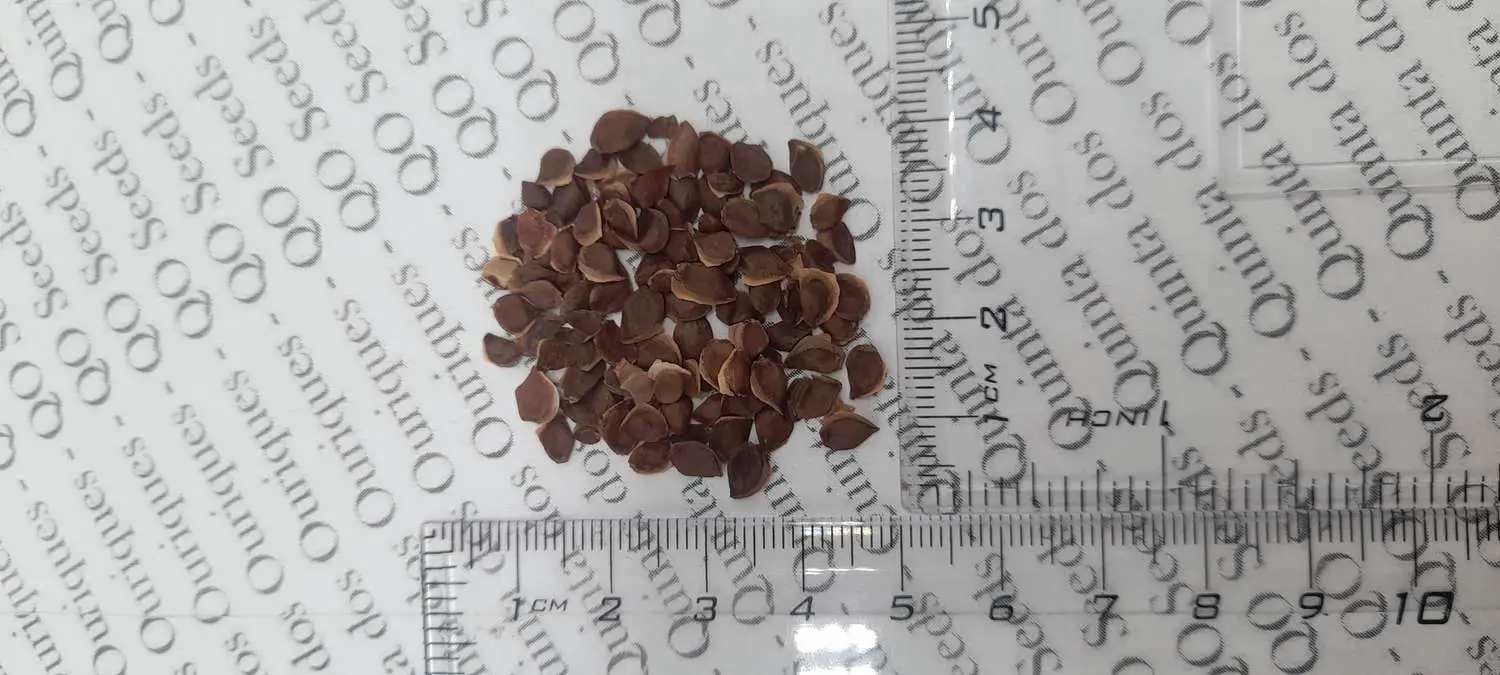
The Chilean firetree grows 4–15 m (13–50 ft) tall and can reach 50 cm (20 in) in diameter. The bark is dark grey with light spots and the wood is light pink in color. It produces clusters of deep red flowers (occasionally pale yellow) and flowering occurs in spring. The fruit is a dry follicle, with about 10 seeds inside.
It is grown as an ornamental in Great Britain and the United States, and as far north as the Faroe Islands at 62° North latitude.
The plant was introduced to Europe by William Lobb during his plant collecting expedition to the Valdivian temperate rain forests in 1845–1848. It was described by Kew Gardens as:
“Perhaps no tree cultivated in the open air in the British Isles gives so striking and brilliant a display as this does.”
The wood being very soft but durable, is used for making spoons, kitchen vessels and other craft articles.
Germination Guide
🌍 Chile and Argentina (temperate rainforests, Curicó Province to Tierra del Fuego)
Difficult
Embothrium coccineum, commonly known as Chilean Firebush, is a striking evergreen shrub native to the temperate rainforests of Chile and Argentina. This Proteaceae family member produces spectacular clusters of scarlet tubular flowers in late spring. Seed germination can be challenging and often erratic, requiring cool stratification followed by warm temperatures to break dormancy.
Germination
Germination time
Expect germination in
14 – 60 days
Temperature
Min 4°C
Ideal 15°C
Max 20°C
🌡️ Temperature alternation recommended
— Best results: cold period (4°C for up to 3 months) followed by warmer period (13-20°C for germination). Seeds germinate in spring after cold chilling.
Substrate moisture
💧 Medium
Sowing depth
Lightly covered
Seed Pre-treatment
-
❄️
Cold then warm stratification — 90 days at 4°C
-
📋
Additional notes
Surface sow on moist, well-drained seed compost. Light is required for germination.
Substrate & Container
Recommended substrate
Well-drained seed compost mixed with vermiculite or perlite
Recommended container
Pots or containers with drainage holes
Growing Tips
Sow seeds on surface of moist, well-drained seed compost in spring. Light is essential for germination. Keep seed trays in cool conditions (around 4°C) for 3 months, then move to warmer location (13-20°C). Germination typically occurs 14-60 days after warmth is applied. Avoid disturbing seeds once sown due to root sensitivity common in Proteaceae. Use pots rather than trays to minimize transplant stress. Do not amend soil with phosphorus-containing fertilizers.
Only logged in customers who have purchased this product may leave a review.

Reviews
There are no reviews yet.