
Grow the rarest pinyon pine alive—home to Earth’s biggest, most luxurious edible seeds. Massive cones yield piñones of legendary flavor and nutritional richness. Striking blue-green juvenile foliage earns admiration for years. A warmth-loving tree with dramatic presence, prized by conifer collectors and food growers alike. Sow your slice of Mexican mountain legend today.
One of the rarest pines in the world, Pinus maximartinezii is a tree of profound desirability and mystery—discovered by accident in 1964 when Mexican botanist Jerzy Rzedowski noticed some unusually large pine nuts piñones sold in the markets of local villages.
This beautiful species is found only in a small area south of Zacatecas, Mexico; where it is part of a dry forest at altitudes between 1500 and 2600 meters. Endemic to a region of the Sierra Madre Occidental spanning just 3–6 square miles, it survived hidden from the world until that fateful market encounter. Today, Pinus maximartinezii, is a pine in the pinyon pine group, native to west-central Mexico. It has unique characteristics: it has 15 to 30 cotyledonous leaves, the largest number recorded for any conifer. The primary leaves persist in juveniles for up to 10 years and appear on the lateral branches of mature trees, sometimes for more than 20 years; and it is the pine with the largest cones and seeds in the world.
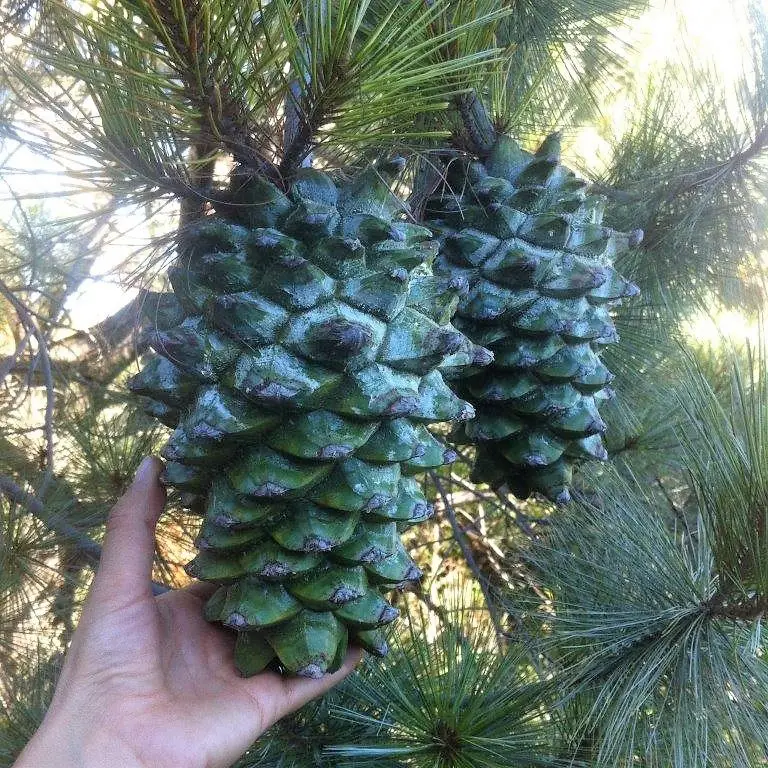
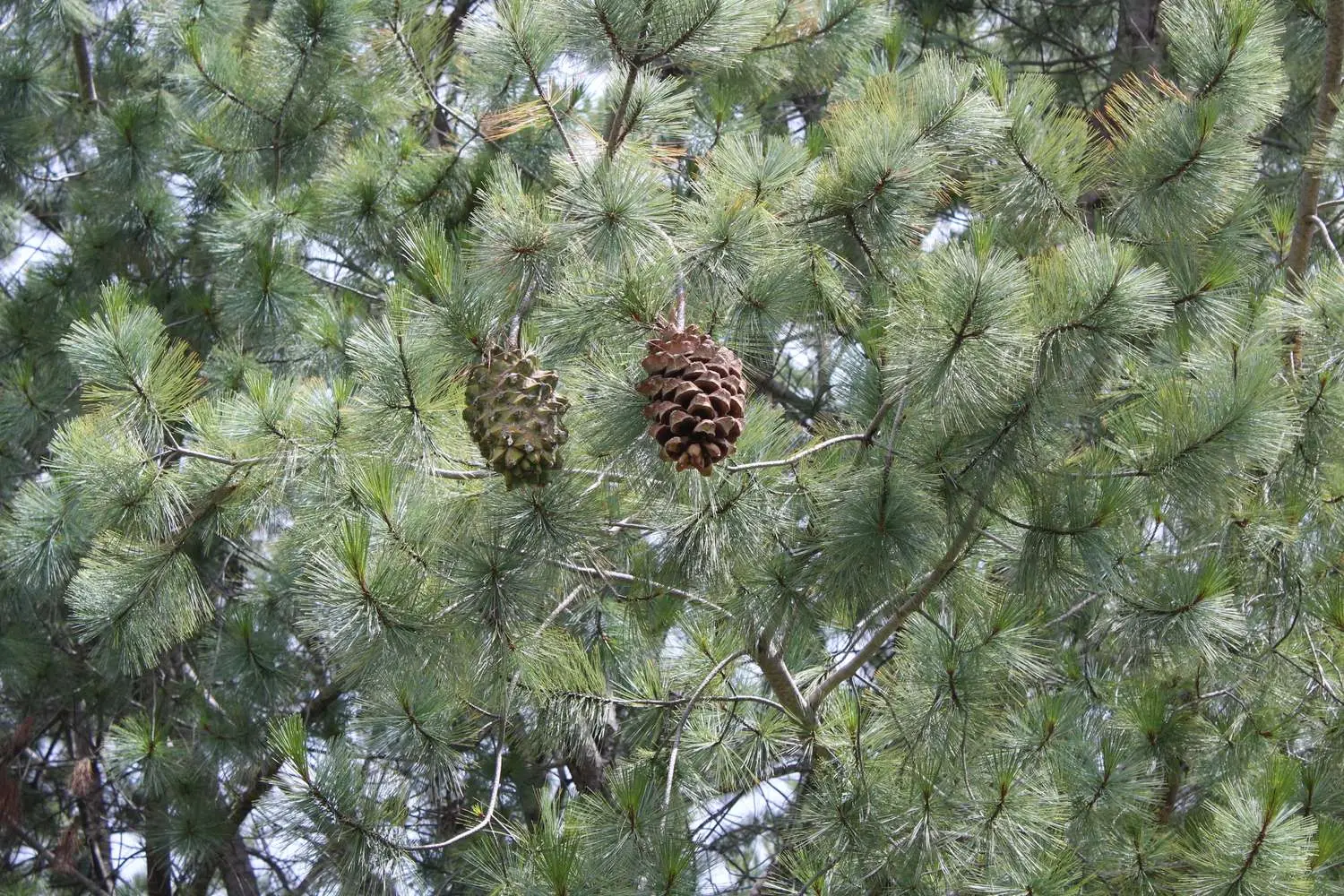
But here is where the magic truly lives: the edible seeds. Its large cones can weigh up to 2 kg. The cones are very large, and the seeds are also very large (about 6 grams each, fresh weight)—piñones of incomparable richness and size. Like other pinyons, the seeds are edible, prized both for their nutritional value and rich flavor. These are not the small pine nuts of commerce; these are the pinnacle, the showstopper, the trophy seeds. For the food gardener, the conifer collector, the culinary adventurer seeking to grow something genuinely extraordinary, this is your holy grail. A significantly smaller pinenut tree that bears very large cones with large pinenuts of nutrional value second only to Pinus pinea. The harvest from a mature tree becomes a celebration—cones so massive they command respect, seeds so generous they justify every moment of care.
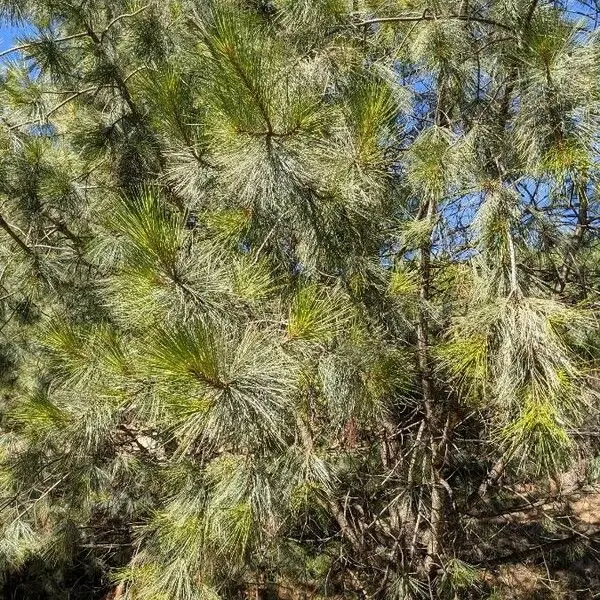
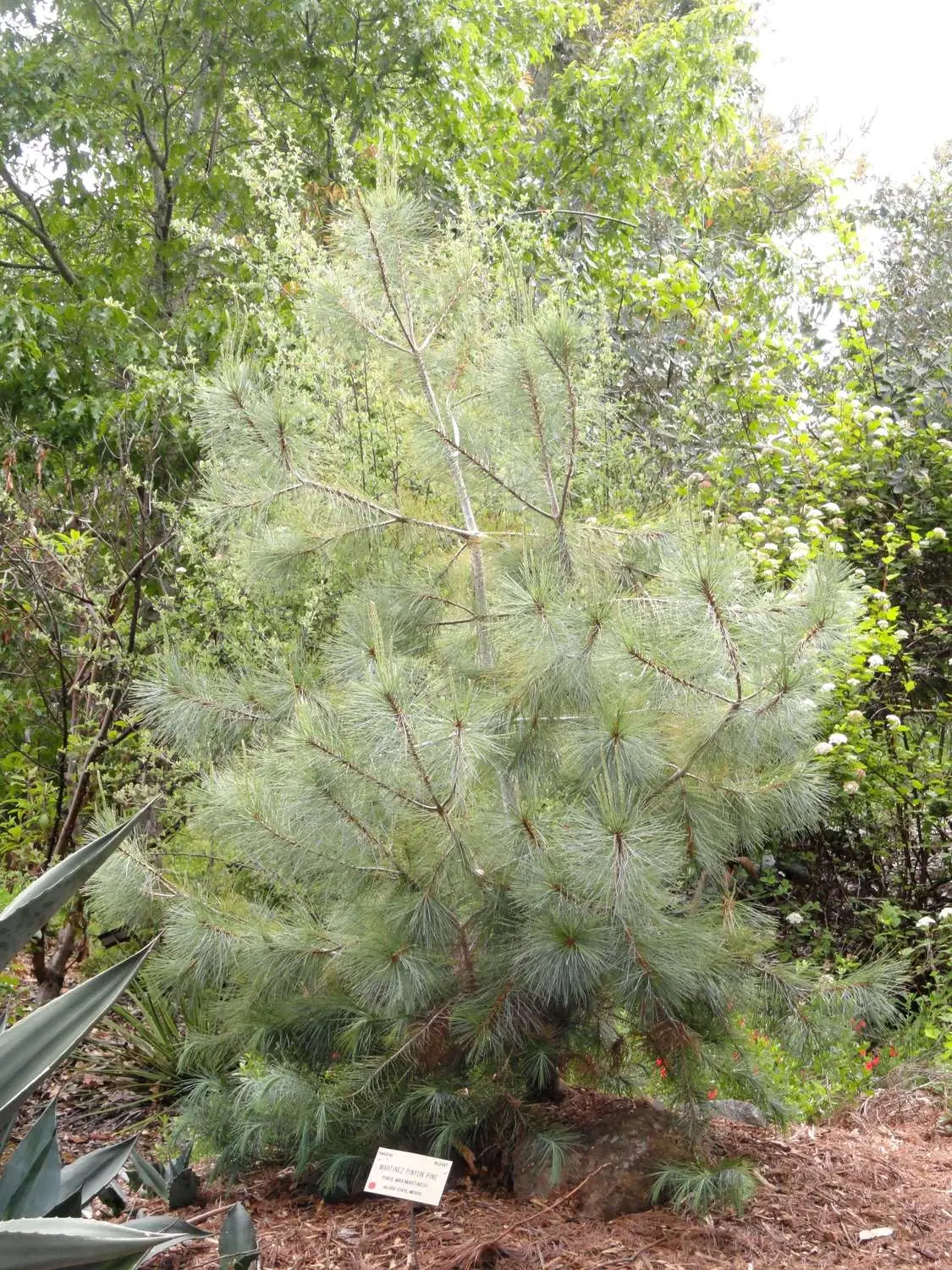
Beyond the seeds, It grows as a small to medium-sized tree, reaching 15 meters in height with a wide crown and a stocky trunk. Its needle-shaped leaves are bluish-green in color. The seedlings of P. maximartinezii have up to 24 cotyledons, more than in any other plant, and as in its closest relative, P. pinceana, juvenile growth with solitary glaucous needles persists for several years—meaning young trees display a fine, ethereal blue-green foliage that gardeners covet for years before the tree matures. It is currently being used as an ornamental crop in some botanical gardens around the world. It has started being cultivated recently and is a very attractive tree as ornamental.
Cultivation demands warmth and honesty—this is not a tree for harsh climates. USDA hardiness zone 9 is its home; It is resistant to drought and temperatures of around -5 to -8°C. Young trees retain an attractive blue juvenile foliage for several years and are grown as ornamentals in Mexico. The tree thrives in rocky soils and shallow water—plant in excellent drainage, full sun, and Mediterranean or warm temperate settings where it can breathe and mature without struggle. Today, it’s gradually becoming a prized ornamental tree due to its aesthetic juvenile blue foliage and ease of cultivation. In warm regions with good drainage and sunshine, this rare pine rewards patience with botanical spectacle: enormous cones that ripen to golden-brown, seeds of legendary abundance and flavor, and foliage that whispers of high Mexican mountains.
To grow Pinus maximartinezii from seed is to participate in the conservation and resurrection of a critically endangered species. The Mexican government has declared this species endangered. Every seedling you nurture becomes a statement of hope—a living bridge between extinction and abundance. Plant it in a warm, sunny corner with excellent drainage, water it through establishment, and watch as it becomes not just a tree, but a living rarity, a producer of the world’s most magnificent pine nuts, a conversation piece that speaks of mountains, survival, and the profound generosity of nature. This is mo
Only logged in customers who have purchased this product may leave a review.
Reviews
There are no reviews yet.