
Botanical Nomenclature: Pinus kesiya / Pinus insularis
Common Name: Khasia Pine, Khasi Pine, Benguet Pine
Family: Pinaceae
Origin: India
Height: Between 30 – 40 meters
Brightness: Full Sun, Partial Shading
Weather: see description
€1.92
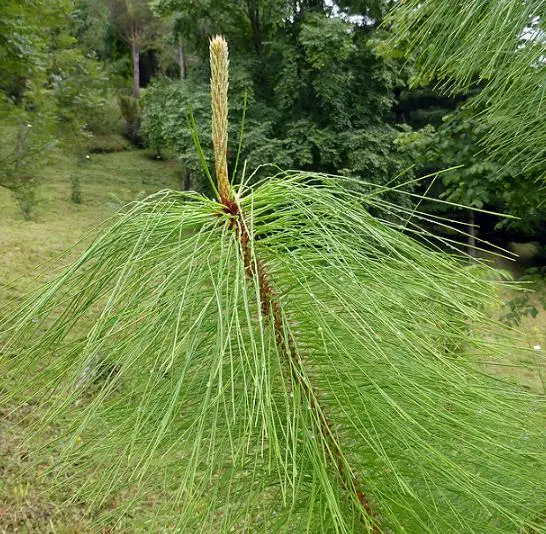
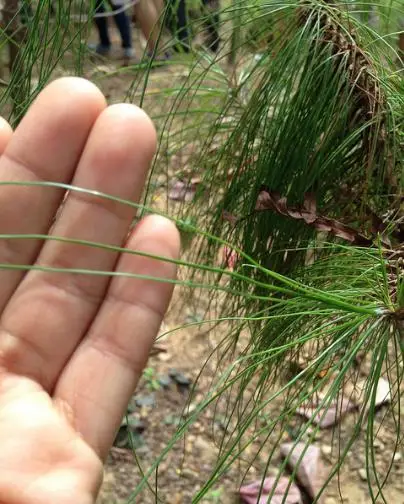
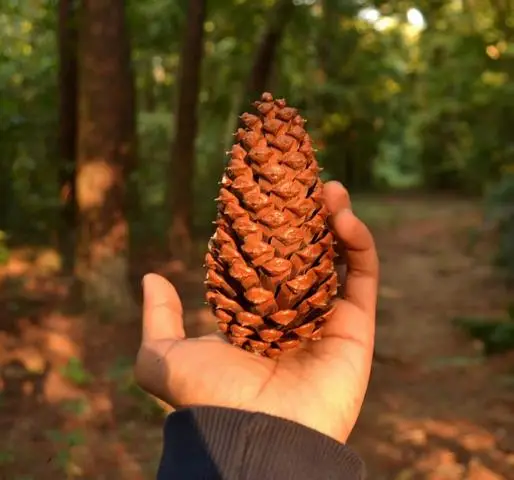
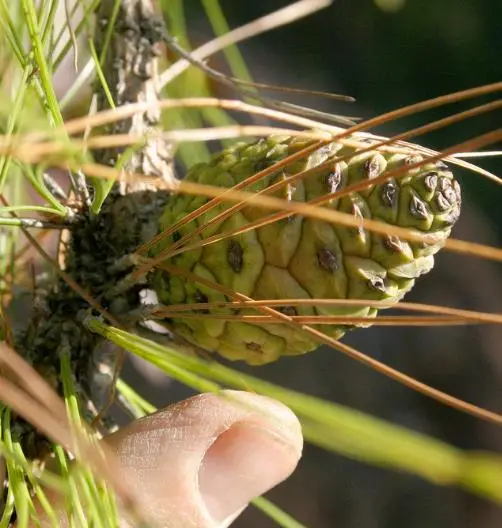
Pinus kesiya is a pine tree from warm regions of Asia, the typically tropical pine tree; It is native to the northeast region of India.
Its common English name (khasi pine) is in reference to its place of origin in India, the khasi mountains. Its natural distribution extends to other Asian countries and can be found in much of Thailand, southern China, Vietnam and also the Philippines, where it is the predominant tree on the island of luzon and most commonly known as (benguet pine). .
In the Philippines, coffee plantations are often established under the natural khasia pine stands.
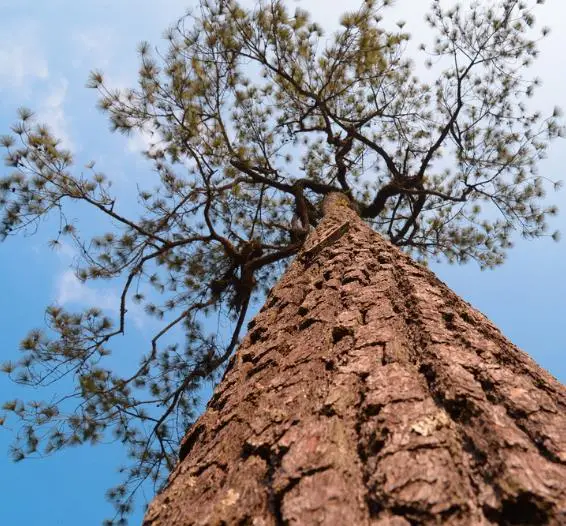
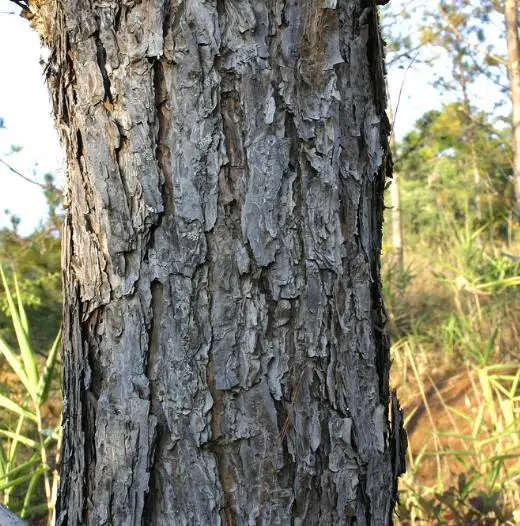
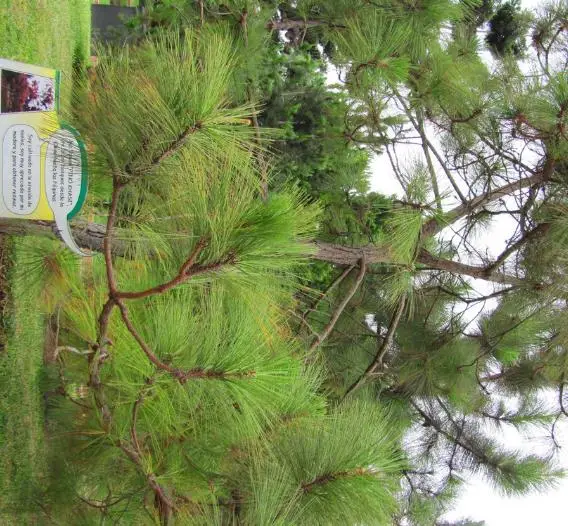
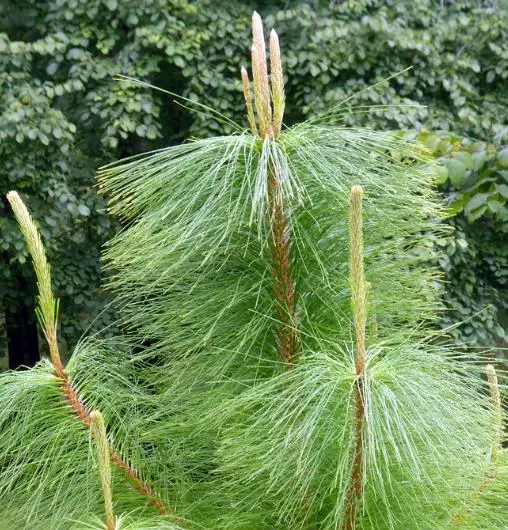
Kesiya pine trees can reach up to 40 meters in height. They have straight, cylindrical and strong trunk. The bark is thick, dark brown with deep longitudinal cracks. The branches are robust and from the second year become reddish.
Khasia pine is an important timber tree in much of Asia and has been planted as a forest tree in many countries of Africa and Oceania (including Australia). It is a very fast growing species and, as a result, the most common use is for pulp in the paper industry (class a kraft paper).
Soft and light wood can be used for a wide range of applications. In addition to the use of treated wood for sawmills, carpentry, firewood, paper production, pulp and furniture, pinus kesiya has high quality resin. But trees of this species do not give in freely, and therefore they are not exploited on a large economic scale. In horticulture, its use is limited to some botanical gardens.
Pinus kesiya occurs in pine savannas, closed canopy neat stands and mixed pine forests, in valleys and along streams. It occupies drier locations in northeastern India, myanmar and thailand, at altitudes usually between 500 and 1,500 meters above sea level, occasionally to 2,000 meters. Further to the east, in Vietnam and the island of luzon in the Philippines, their altitudinal variation is greatest and is found up to 2,800 meters above sea level; in a much wetter climate. The soils are usually sandy and are often the pioneers in deforested secondary vegetation, mainly caused by local fires.
In some parts of its range, repeated burning and overgrazing reduce regeneration and possibly its area of ??occupation. Elsewhere in its range, forests are heavily modified for wood production or for crops such as coffee.
Only logged in customers who have purchased this product may leave a review.
Reviews
There are no reviews yet.