
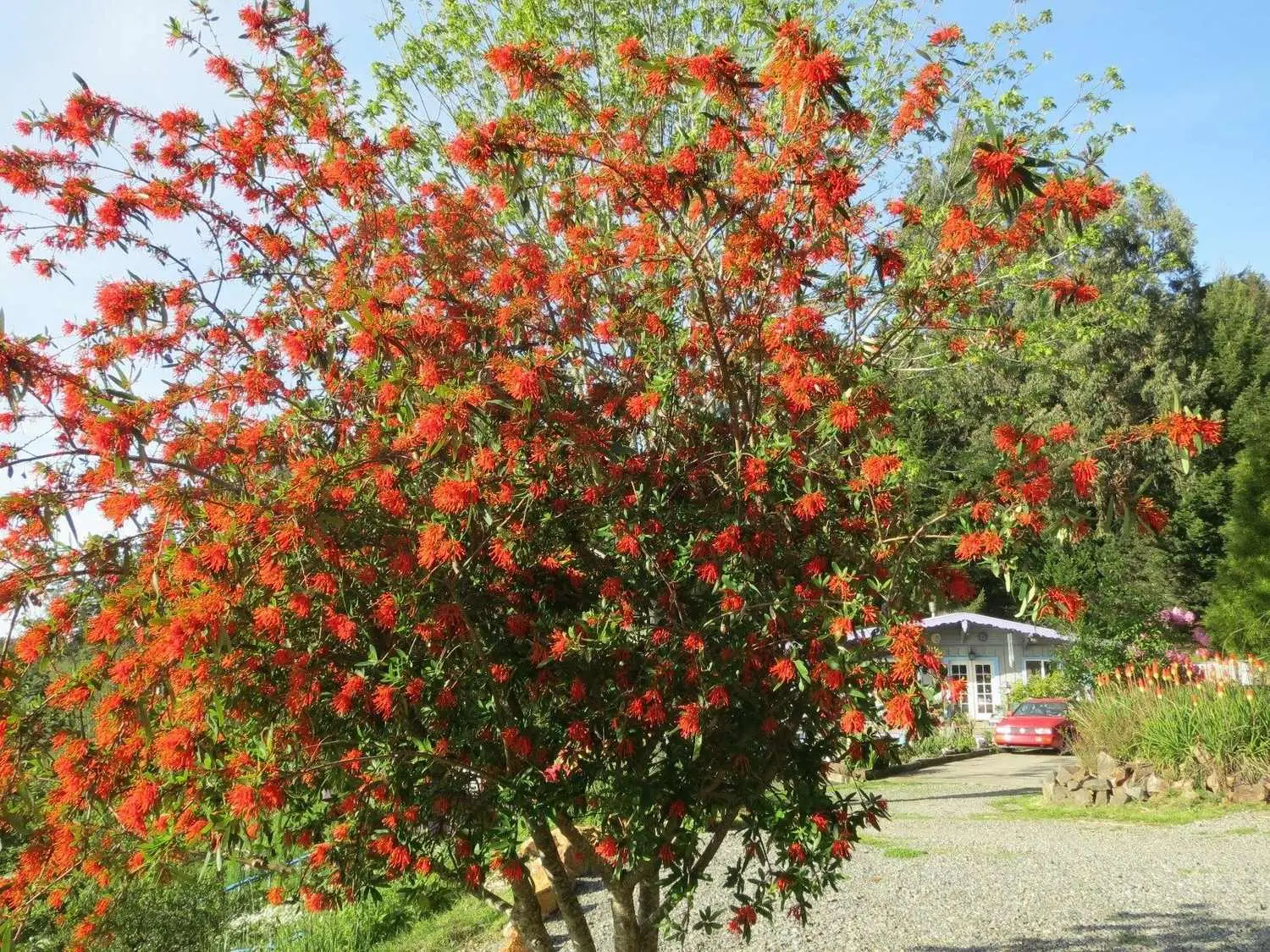
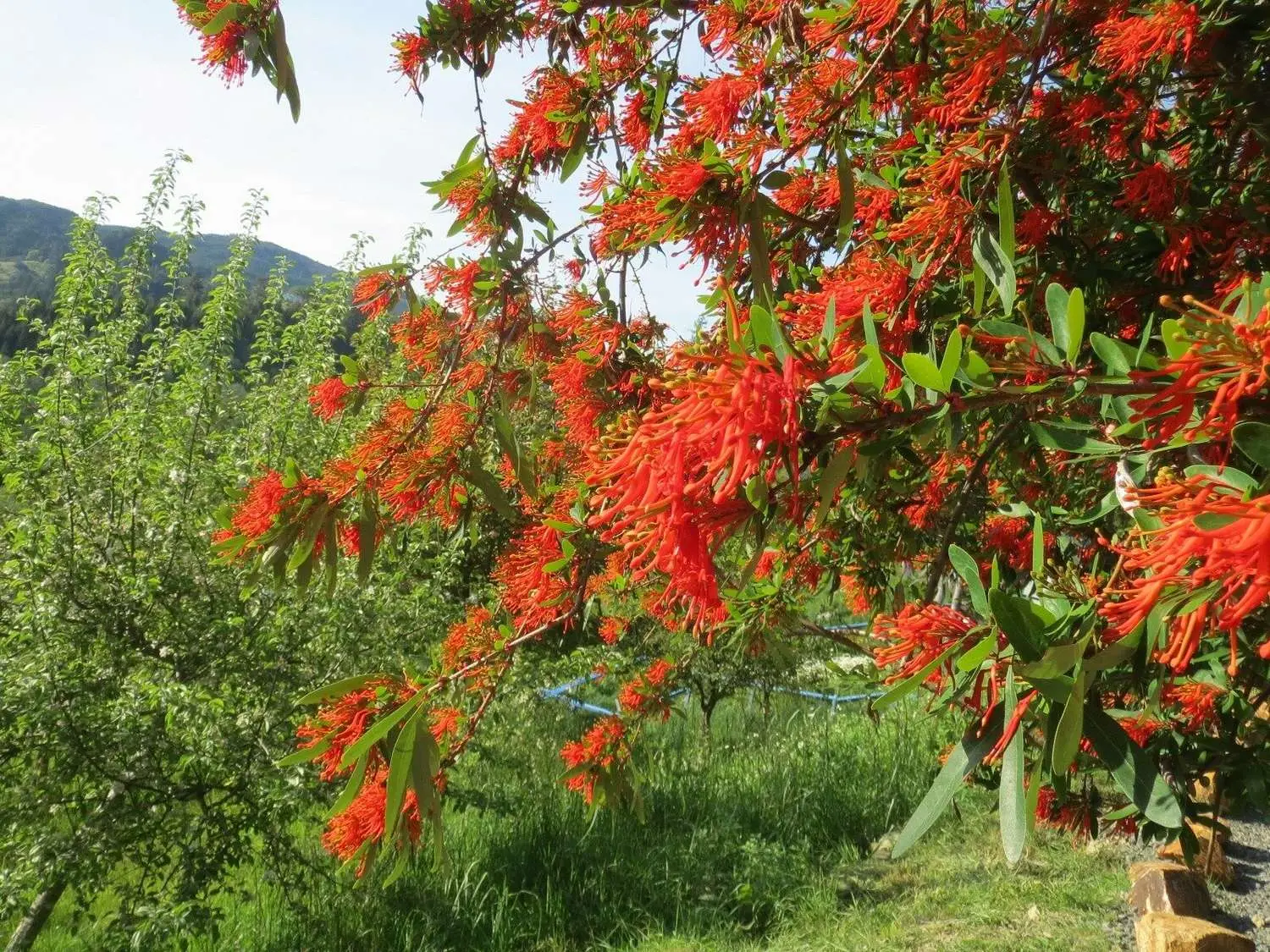
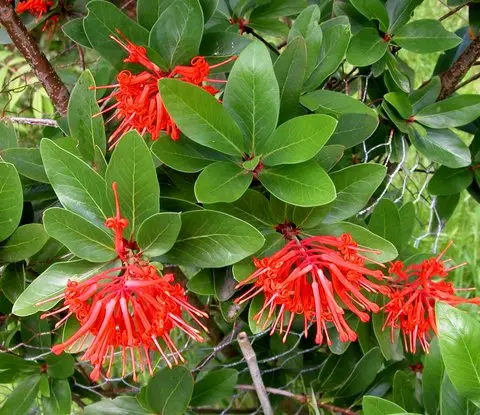
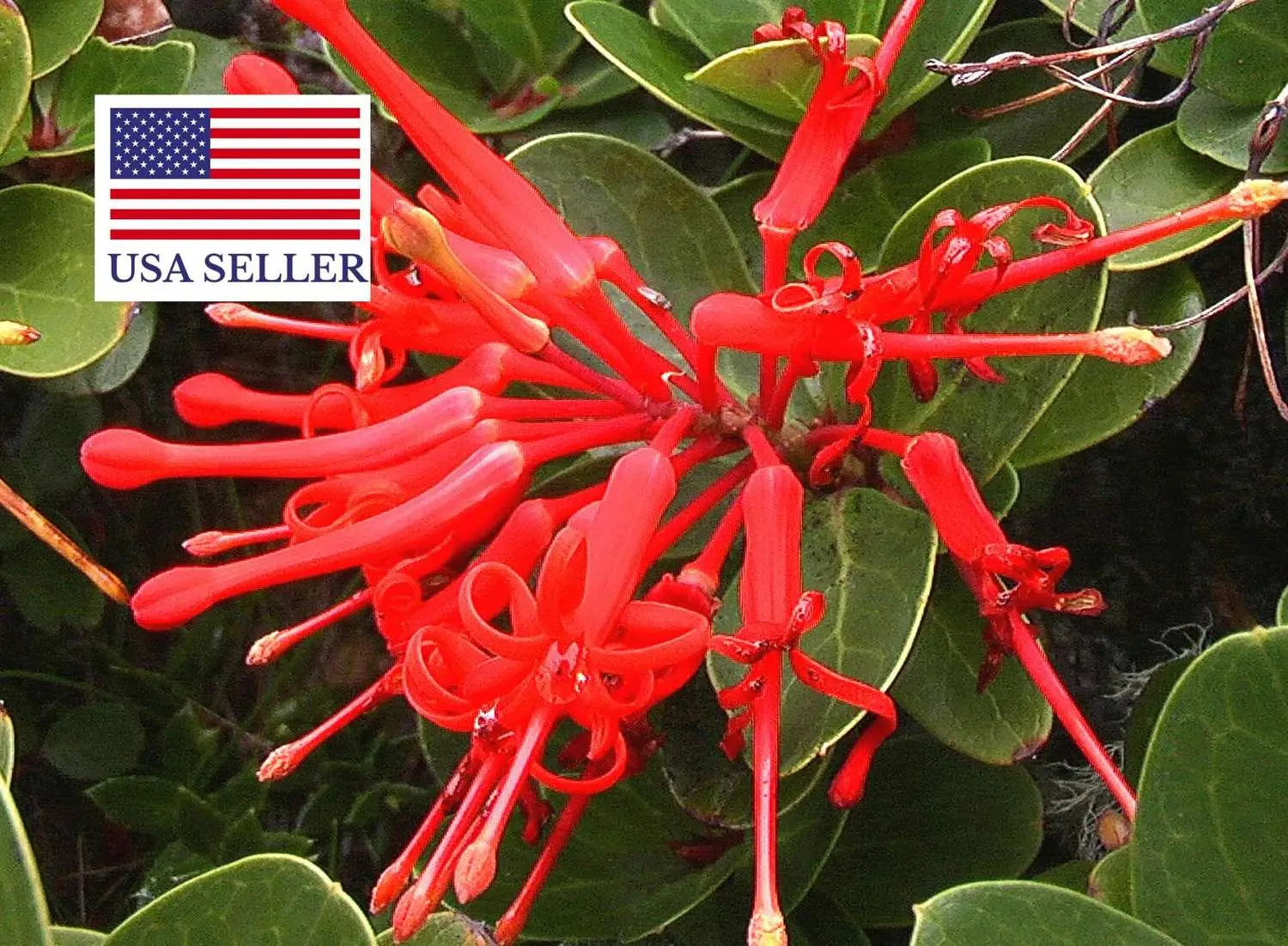

When May arrives, this evergreen stunner ignites into a screaming blaze of scarlet flowers that will make your garden the envy of every gardener for miles. Pollinator paradise that brings hummingbirds to your doorstep. Grow from seed in our premium collection—this is the legendary fire tree that transformed temperate gardens worldwide.
€5.82
Imagine a single tree so stunningly aflame with color that even Kew Gardens called it “perhaps the most striking and brilliant display” in cultivation—that’s Embothrium coccineum, the Chilean Fire Tree that has captivated gardeners for nearly two centuries.
This magnificent evergreen hails from the temperate rainforests of southern Chile and Argentina, where it evolved in cool, misty mountain valleys. When William Lobb discovered it in 1845 and brought seeds back to Europe, the horticultural world gasped. It’s been treasured ever since as one of the few trees that can deliver absolute visual drama year-round—and genuine spectacle during its May-to-June flowering season.
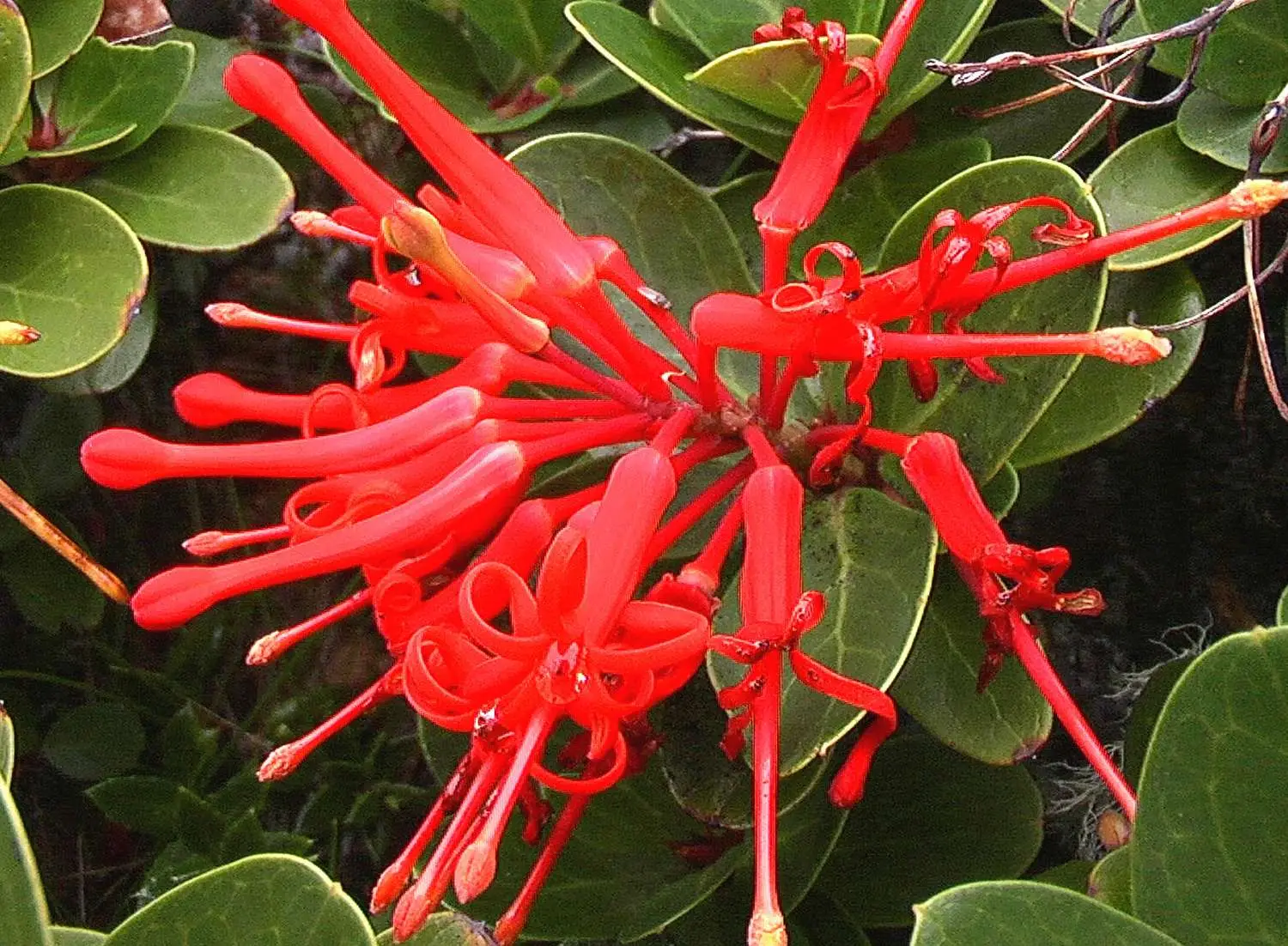
The flowers themselves are nothing short of theatrical: dense clusters of tubular scarlet-red (occasionally deep orange) blooms that clothe the branches like tiny flames held upright. These aren’t timid flowers—they’re insistent, brilliant, impossible to ignore. But here’s what makes this tree truly special: those flowers are liquid gold for pollinators. Hummingbirds cannot resist them. Bees and other insects flock to the nectar source. If you want to witness nature’s pollinator ballet in your own garden, this is the tree to plant. Beyond ornamental grandeur, Embothrium coccineum is ecologically valuable—its specialized root system (called proteoid roots) unlocks phosphorus and other nutrients locked in poor soils, making it a keystone species in reforestation projects and degraded landscapes.
Growing Embothrium coccineum requires honoring its mountain origins, but the reward is incomparable. It thrives in full sun to partial shade and prefers cool, temperate climates—think rhododendron conditions, moist but never waterlogged. The soil should be fertile, humus-rich, and acidic to neutral pH; like other Proteaceae family members, it despises high-nutrient fertilizers and prefers your garden’s natural organic matter. Water regularly during establishment and flowering, then reduce once established. Shelter from harsh, drying winds is important; a woodland setting or protected garden site is ideal. This is not a plant for beginners in hot or arid climates, but for those in maritime temperate zones, cool Pacific Northwest regions, or sheltered British gardens, it rewards patience with pure botanical theater. Container growing is entirely possible—move it under protection during severe frosts.
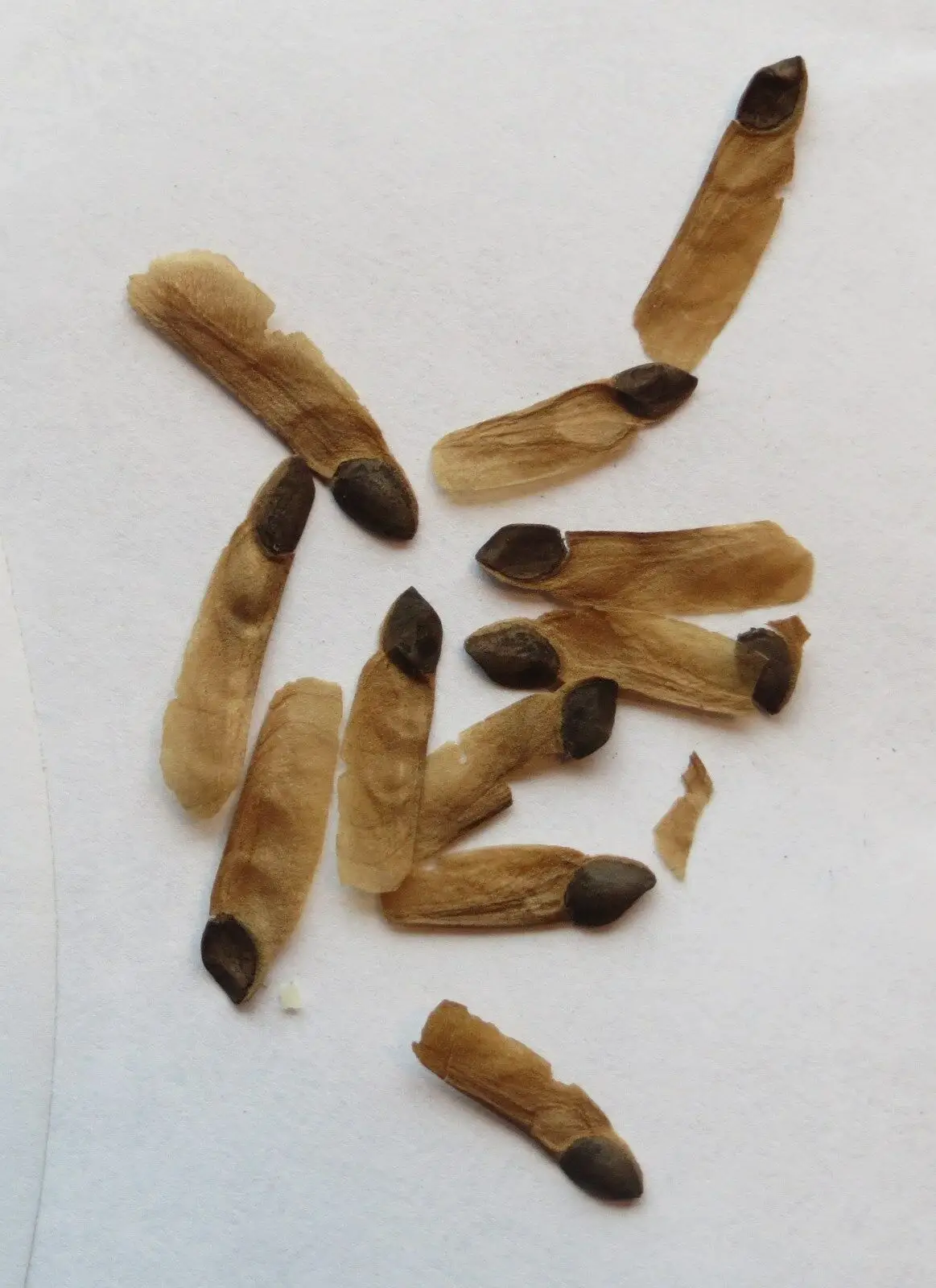
Sow these precious seeds in spring (sow at 13–16°C for best germination) and watch as you raise a tree that will become a living sculpture of spring fire. In 10–20 years, you’ll stand before your own flame—not burning, but blazing with purpose, magnetizing every hummingbird and admiring glance in the neighborhood. This is the tree they speak about in whispers. This is the one you’ll never regret planting.
Only logged in customers who have purchased this product may leave a review.

Reviews
There are no reviews yet.