Description
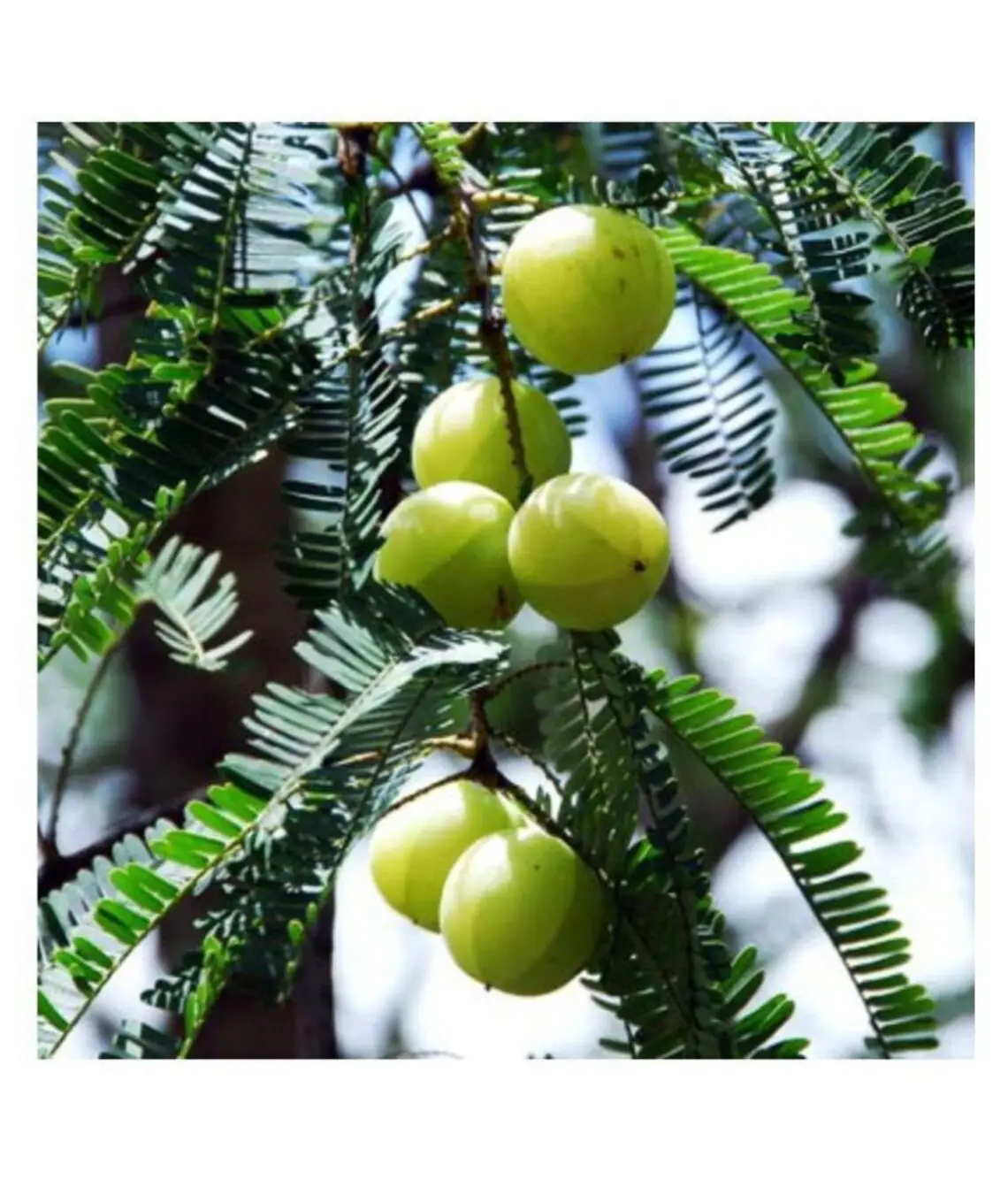
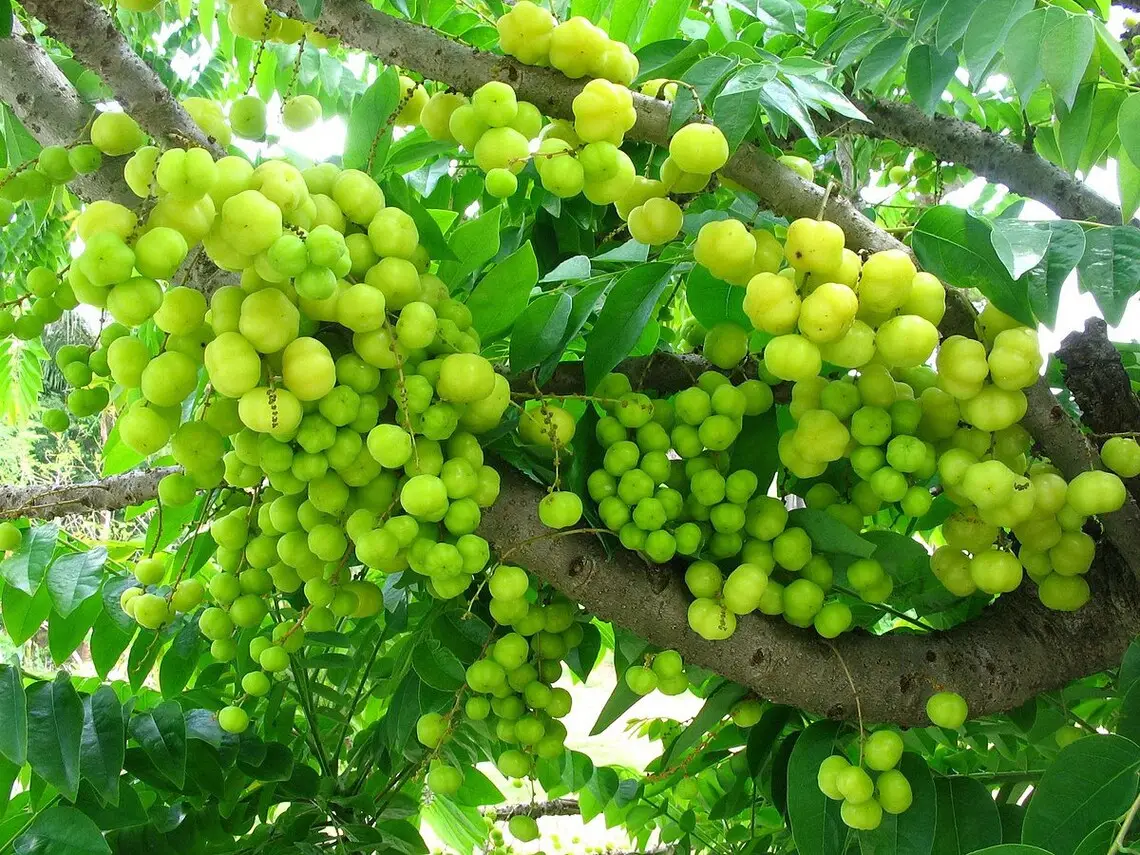
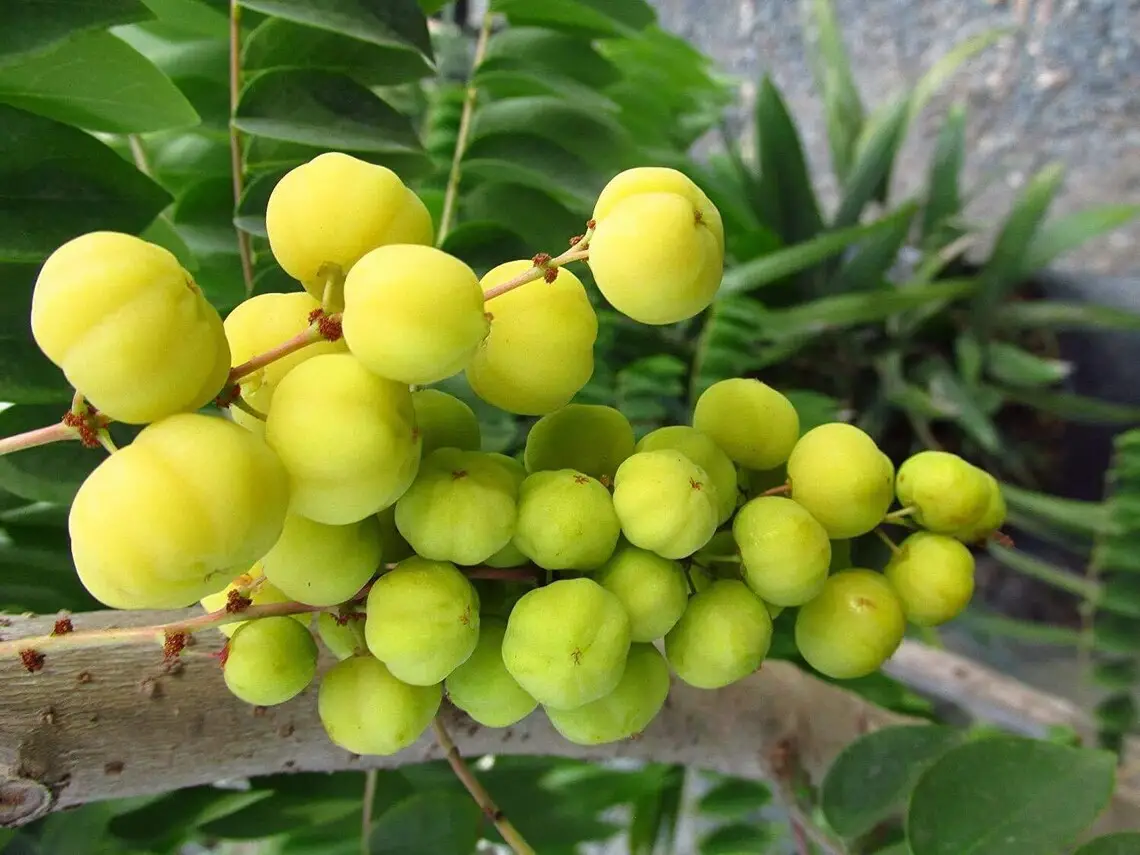
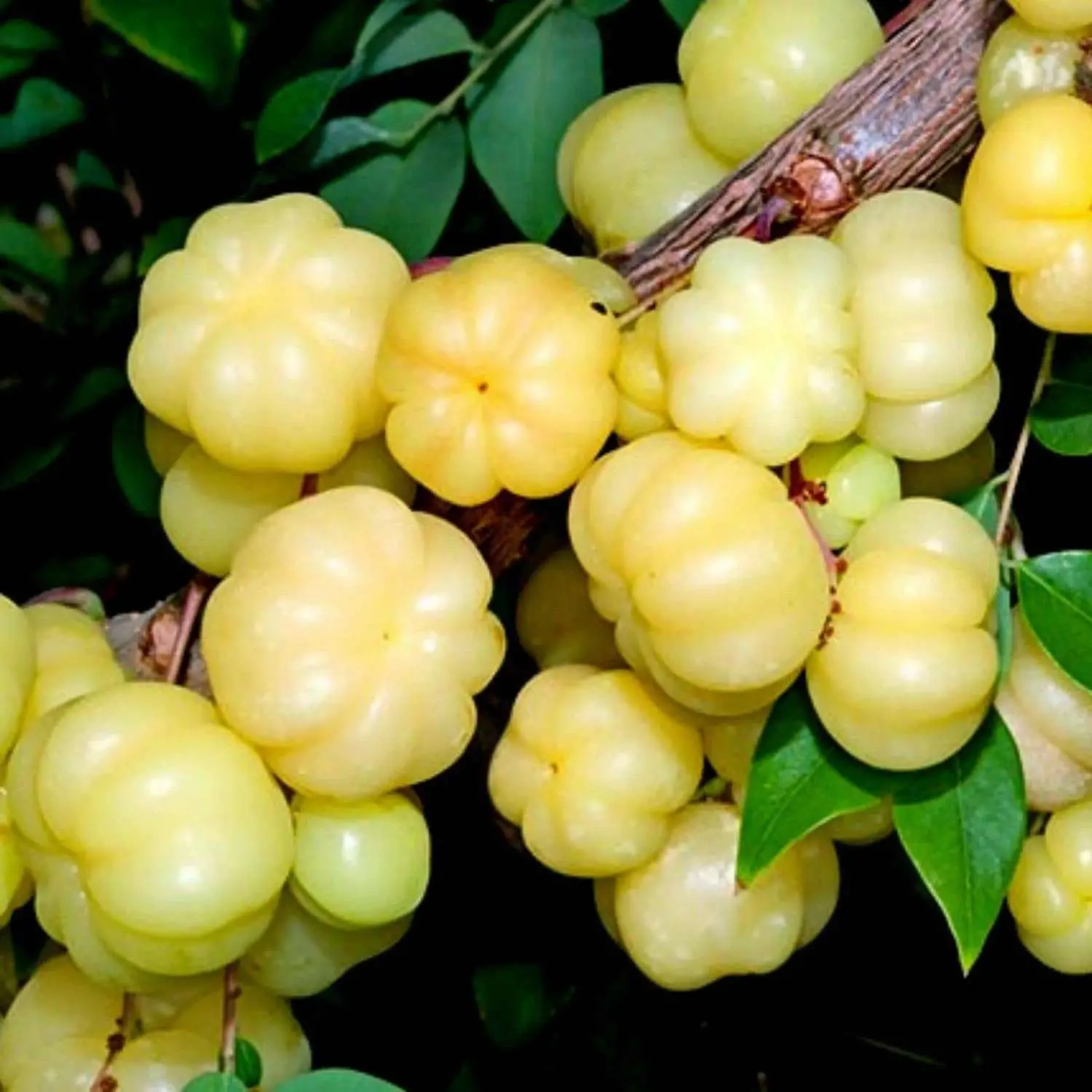
Phyllanthus acidus, known as the Otaheite gooseberry, Malay gooseberry, Tahitian gooseberry, country gooseberry, star gooseberry, starberry, arbari, West India gooseberry, or simply gooseberry tree, is one of the trees with edible small yellow berries.
It has a sharp acidic taste and is usually used to flavor sauces or drunk as a juice after adding sugar.
Best grown in evenly moist, well-draining soils in full sun. Hardy in Zones 10 and above. Easily grown from seed, but can also be propagated by vegetative cuttings or air layering.
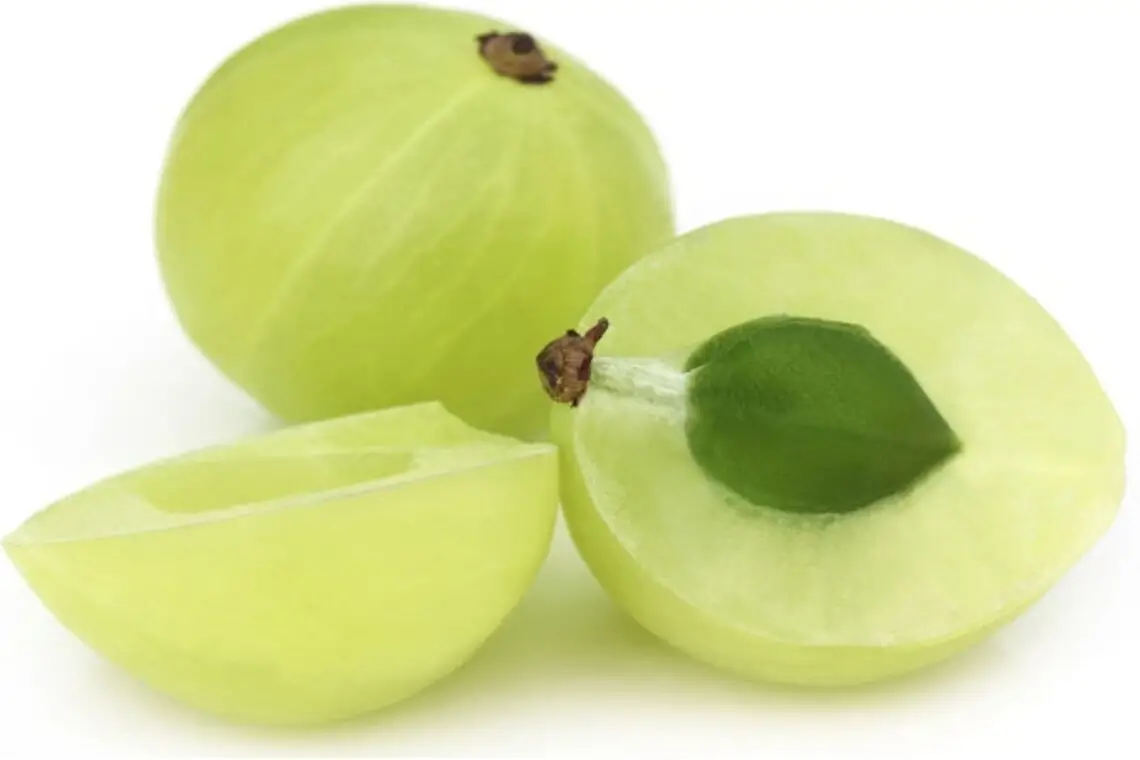
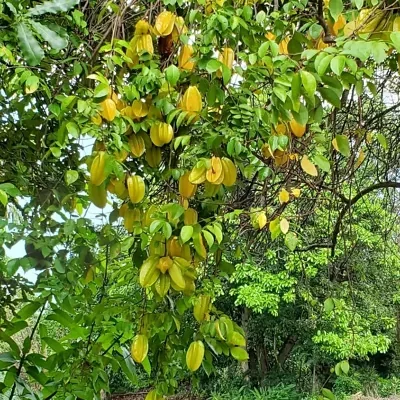
Phyllanthus acidus, commonly called Tahitian gooseberry tree or Otaheite gooseberry, is a small deciduous tree found in moist tropical and subtropical coastal woodlands and disturbed sites. Evidence suggests this species originated in Madagascar but has been cultivated for thousands of years and is now found throughout the tropics and subtropics. Mature trees will reach up to 30′ tall with a 20′ wide, densely-branched, spreading canopy. The ovate to lanceolate leaves (up to 3″ long) have a blue-green bloom on their lower surfaces and are oppositely arranged on terminal clusters of branchlets (up to 12″ long). Both the leaves and branchlets are deciduous. Clusters of small, light pink flowers are held in panicles (up to 5″ long) that hang directly from the main branches. The edible fruits (up to 1″ in diameter) are creamy-white to light yellow-green in color with firm, sour flesh surrounding a hard center stone.
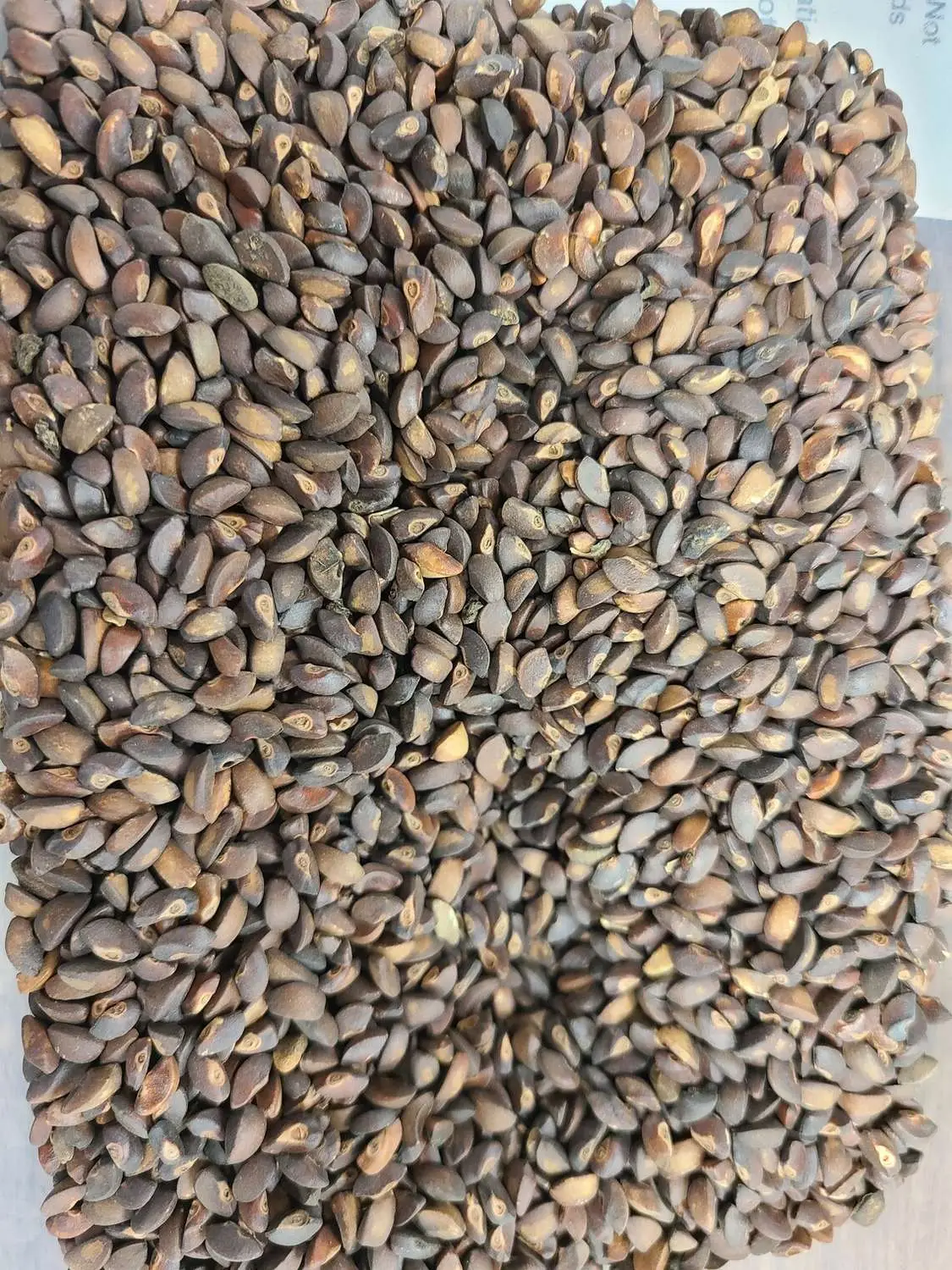
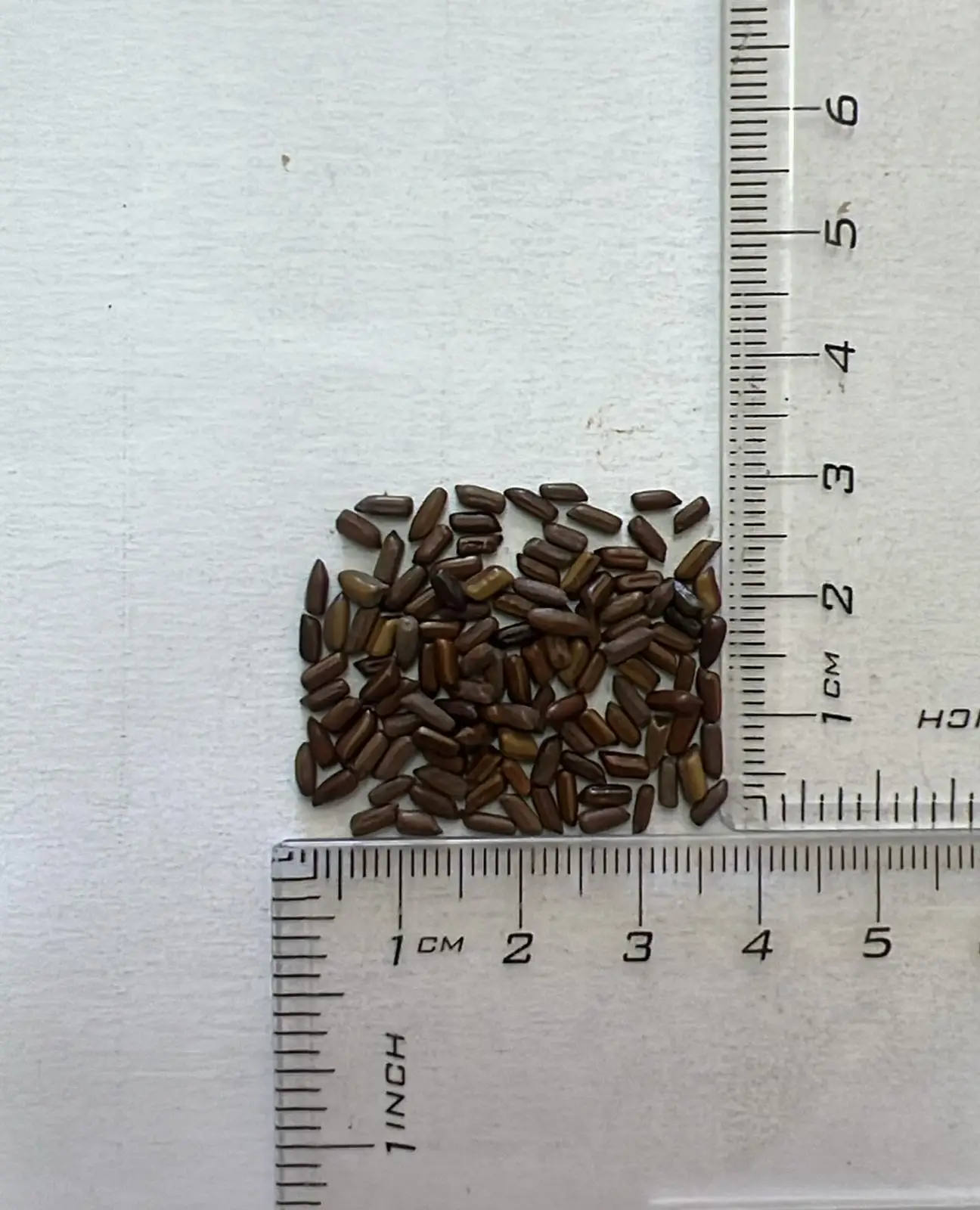
To be sown into a well-drained, sandy compost at any time of the year, and covered thinly with sand or grit and kept moist. Keep at between 20-25 degrees C. Seeds sometimes germinate within 4 to 6 weeks although some may take very much longer so please be patient. Plant out in the open ground in warmer countries or in a large container elsewhere.
Germination Guide
🌍 Madagascar and Southeast Asia
Easy
Phyllanthus acidus, commonly known as Otaheite or star gooseberry, is a tropical tree prized for its sour, vitamin-rich fruits and medicinal properties. Seeds germinate readily and easily, making this species one of the most straightforward tropical fruits to propagate. The species is highly adaptable and seedlings grow rapidly, often producing fruit within 2-3 years.
Germination
Germination time
Expect germination in
28 – 60 days
Temperature
Min 20°C
Ideal 23°C
Max 25°C
Substrate moisture
💧 Medium
Sowing depth
Lightly covered
Substrate & Container
Recommended substrate
Well-draining sandy or porous seed-raising mix
Recommended container
Seed trays or small pots with drainage holes
Growing Tips
Keep seeds in a warm, bright location without direct sunlight during germination. Maintain consistent soil moisture but avoid waterlogging. Use a seed tray with plastic covering to maintain humidity and create greenhouse conditions. Germination typically occurs within 4-6 weeks. Once seedlings develop several true leaves, transplant into larger containers. Seedlings are vigorous growers and tolerate a range of soil types but prefer moist, well-draining conditions. Begin hardening off seedlings after 6-8 weeks before moving to permanent locations.
Only logged in customers who have purchased this product may leave a review.


Reviews
There are no reviews yet.