
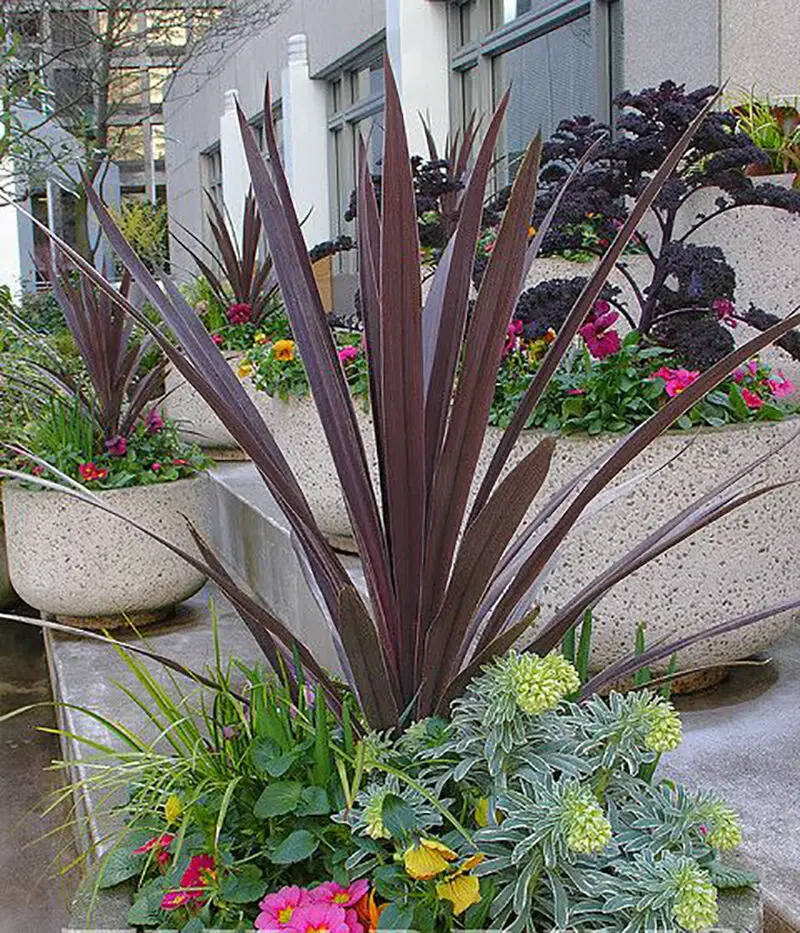
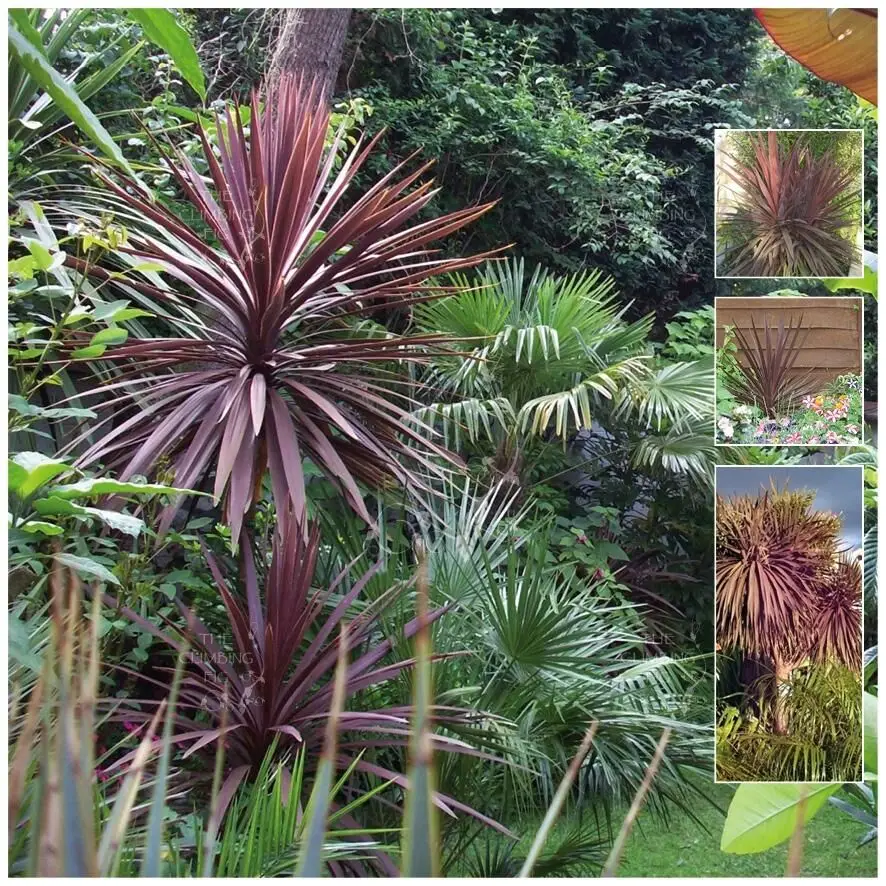
Watch jaws drop. This New Zealand native commands every eye with deep, luminous purple-burgundy foliage and an architectural silhouette so bold it rewrites your garden’s narrative. Summer brings fragrant white panicles that bees adore. Rustically tough, tolerating salt and drought once established. Grow from seed—it germinates eagerly in warm light—and watch your moody masterpiece emerge. Pure drama in every leaf.
€1.92
One plant. Endless theatrical presence. Cordyline australis ‘Purpurea’ is the living sculpture every garden whispers about but few dare to own.
Direct from New Zealand, this architectural evergreen transforms spaces with what green plants simply cannot achieve: deep burgundy to dark purple foliage that refuses to disappear into the garden backdrop. Unlike its green siblings, ‘Purpurea’ grows with a leaner, more slender stem and palm-like presence—imagine a dracaena crossed with pure drama. The leaves, sword-like and gracefully arching, can stretch up to 1 metre long, creating an unmistakable vertical punctuation mark in any landscape.
But here’s where this plant transcends pure ornament. Come mid-to-late summer, it crowns itself with large racemes of delicately fragrant white flowers—and pollinators lose their minds. The whole plant becomes a living beacon for bees and other beneficial insects. After flowering, if conditions favour it, creamy-white and sometimes bluish berries persist, further attracting wildlife. This is ornament that gives back to your ecosystem, beauty with purpose.
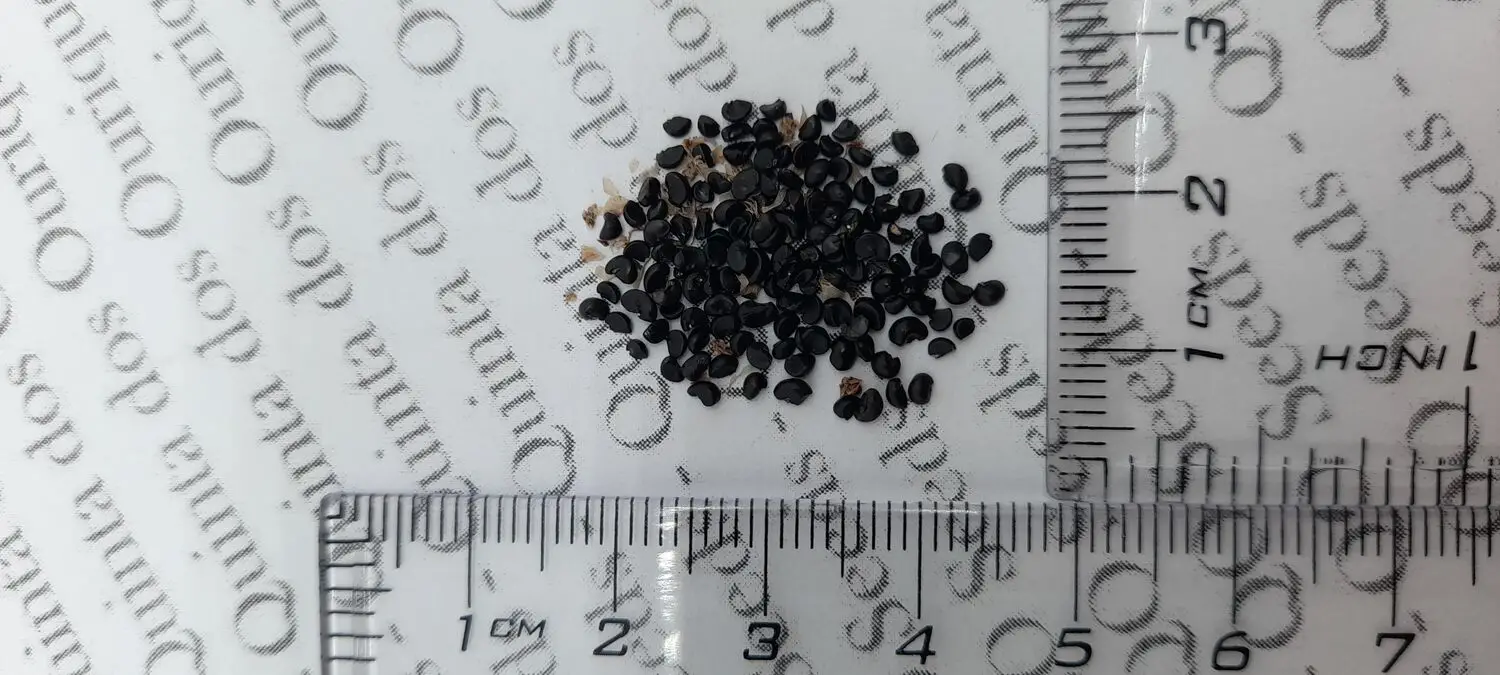
Growing ‘Purpurea’ is neither pretentious nor fussy. Hardy in zones 8b–12, it laughs at drought once established, shrugs off salt spray and coastal winds, and tolerates poor soil that would defeat lesser plants. It germinates readily from seed—just surface sow in a light, well-draining mix, keep moist (not waterlogged), and place in warmth with good light. Germination happens within 4–6 weeks when temperatures hover between 65–75°F. Its first six months growth is surprisingly vigorous; seedlings thrive on bright light, warmth, and humidity. Whether you grow it in containers (perfect for terraces and patios) or eventually in open ground, it adapts with remarkable grace. Full sun brings out the deepest purple tones, though it tolerates partial shade. Just ensure soil drains impeccably—waterlogging is its only real enemy.
When mature, expect a moody, eye-catching specimen reaching 5–10 metres tall with increasingly dramatic branching. Some gardeners in Scotland and northern Britain grow it as their answer to tropical palms they cannot otherwise cultivate. Start your seed today and build something unforgettable: a gateway to botanical courage, a statement that gardens need not whisper.
Only logged in customers who have purchased this product may leave a review.
Reviews
There are no reviews yet.