FREE SHIPPING OVER €30 FREE SHIPPING OVER €30

Rauvolfia serpentina — Sarpagandha | The Heart-Healing Root of Ancient Medicine

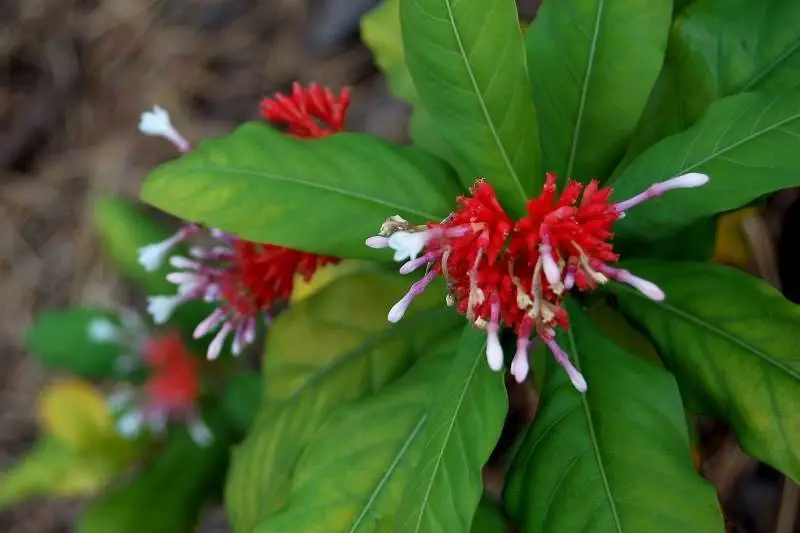
Grow the legendary Indian snakeroot that revolutionized hypertension treatment: reserpine, the potent alkaloid in its roots, was the world’s first major antihypertensive drug. This graceful evergreen shrub with glossy leaves and delicate white-pink flowers holds pharmaceutical gold—cultivate it for its thick, medicinal roots rich in 30+ alkaloids. Thrives in warm, humid climates with rich, well-drained soil. Begin your legacy: grow from seed.

1.92

SKU: P-2087 Category: Tags: , , ,

You May Also Like

Description

Grow the plant that changed medicine forever—Rauvolfia serpentina, the Indian snakeroot that healed thousands and rewrote pharmacology.

For over 2,000 years, Ayurvedic physicians whispered of Sarpagandha’s power. The plant was mentioned in Hindu manuscripts as long ago as 1000 BCE. It gained worldwide attention in the 1940s–1950s when scientists isolated Reserpine, a powerful alkaloid responsible for its antihypertensive and tranquilizing effects. What ancient healers knew in their bones, Western medicine finally proved: this humble forest shrub contains one of nature’s most powerful cardiovascular medicines. This is not ornamental greenery—this is living pharmacy, rooted in millennia of healing wisdom.

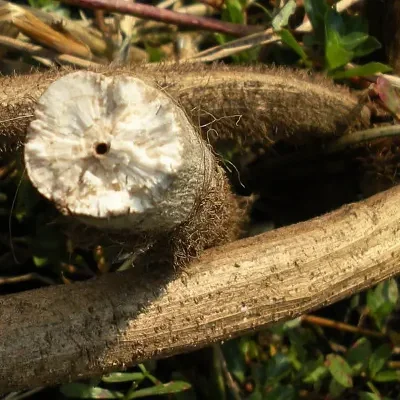
Here is where Rauvolfia becomes irresistible: Rauwolfia is well known for its antihypertensive action. Reserpine depletes catecholamines (like norepinephrine) from nerve endings, leading to relaxation of blood vessels and reduced blood pressure. Before beta blockers and ACE inhibitors dominated medicine cabinets, reserpine was THE drug—the first potent agent that genuinely worked for millions with hypertension. Reserpine was the first potent drug widely used in the long-term treatment of hypertension. This herb has been traditionally used in Ayurvedic medicine to manage anxiety and stress, promoting mental well-being. But the treasure goes deeper: Rauvolfia serpentina contains dozens of alkaloids of the indole alkaloid family, including ajmaline, ajmalicine, reserpine, and serpentine, among others. This is a synergistic botanical pharmacy—grow it, dry its roots after 3 years, and you harvest living history.

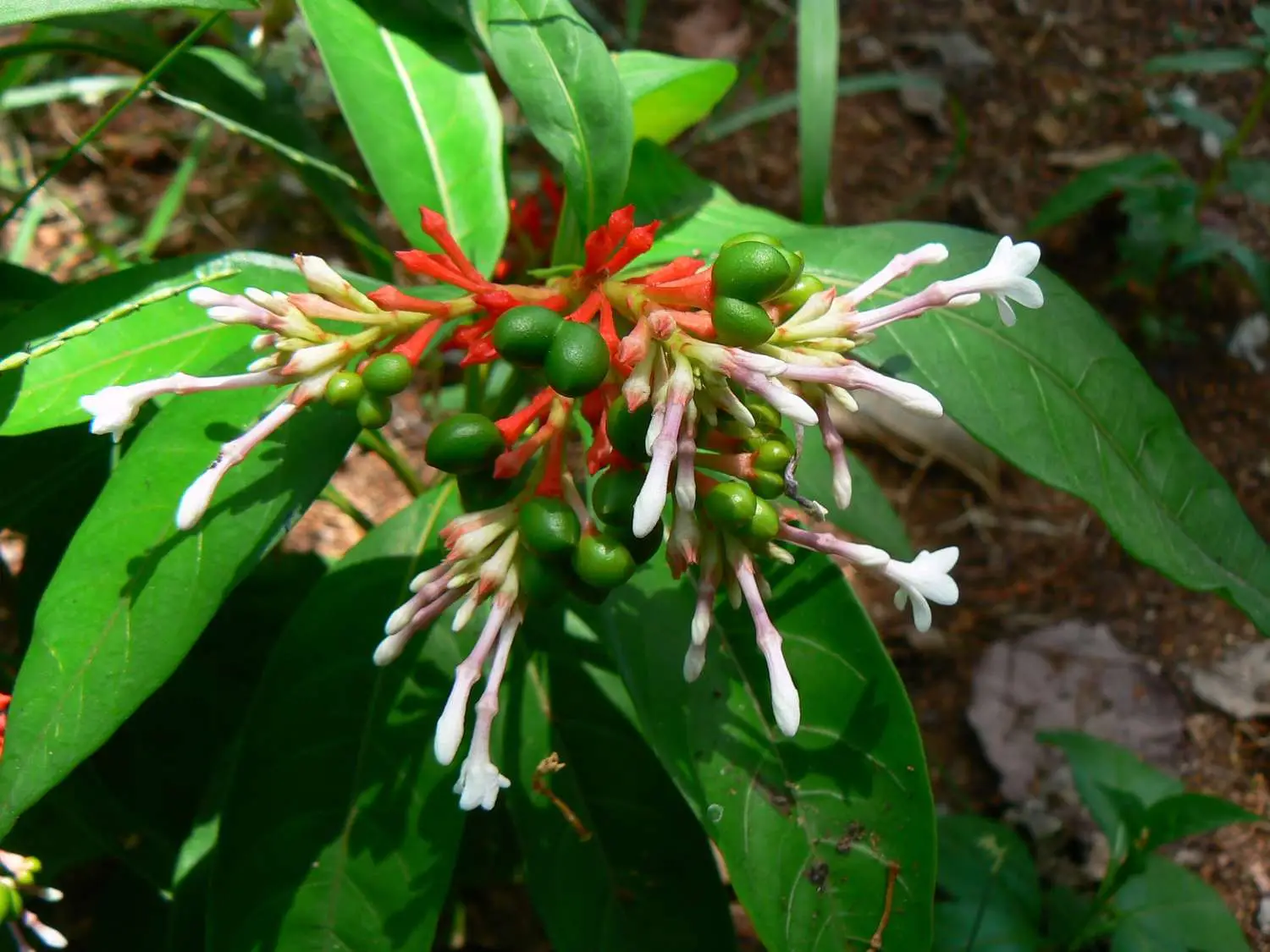
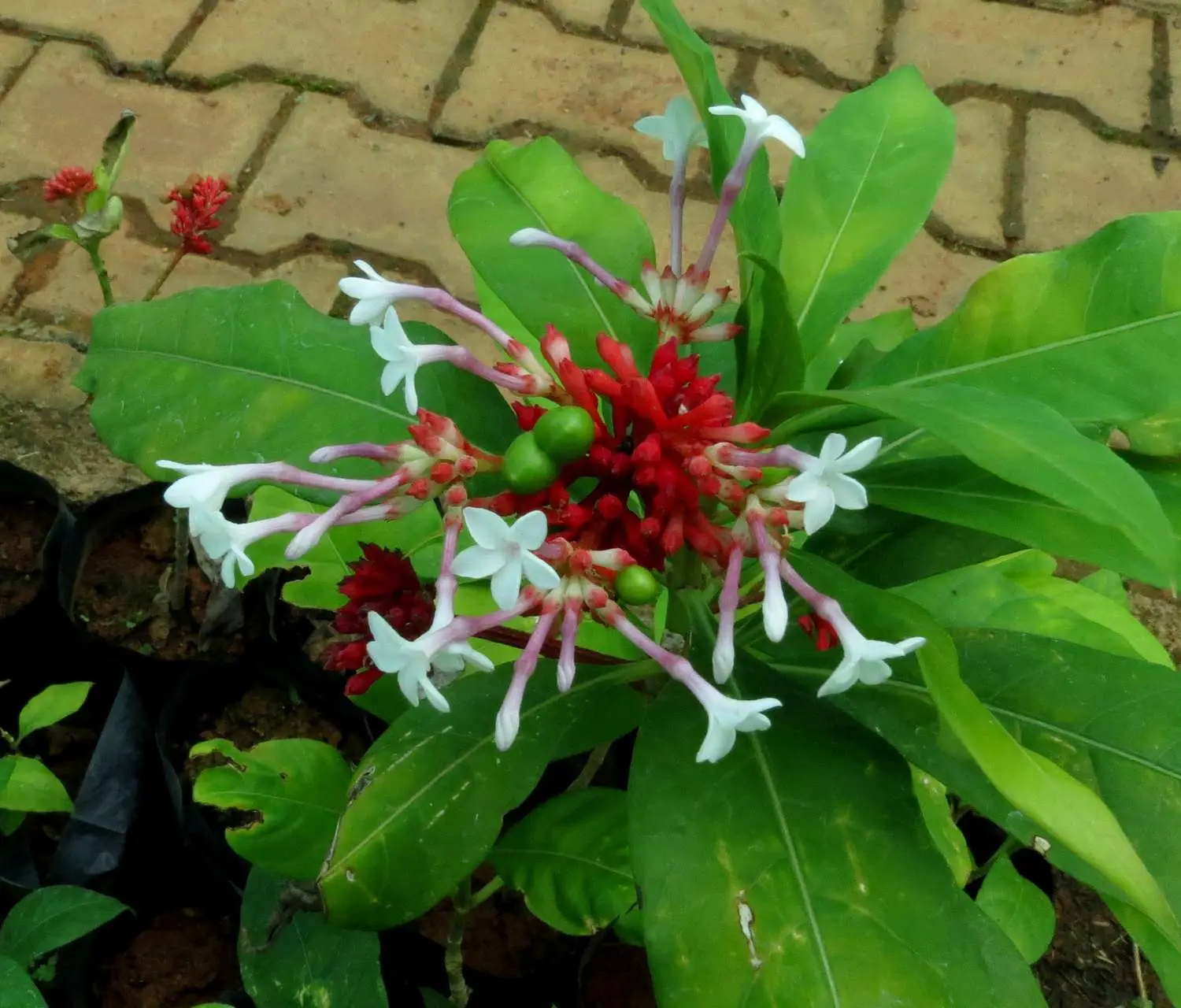
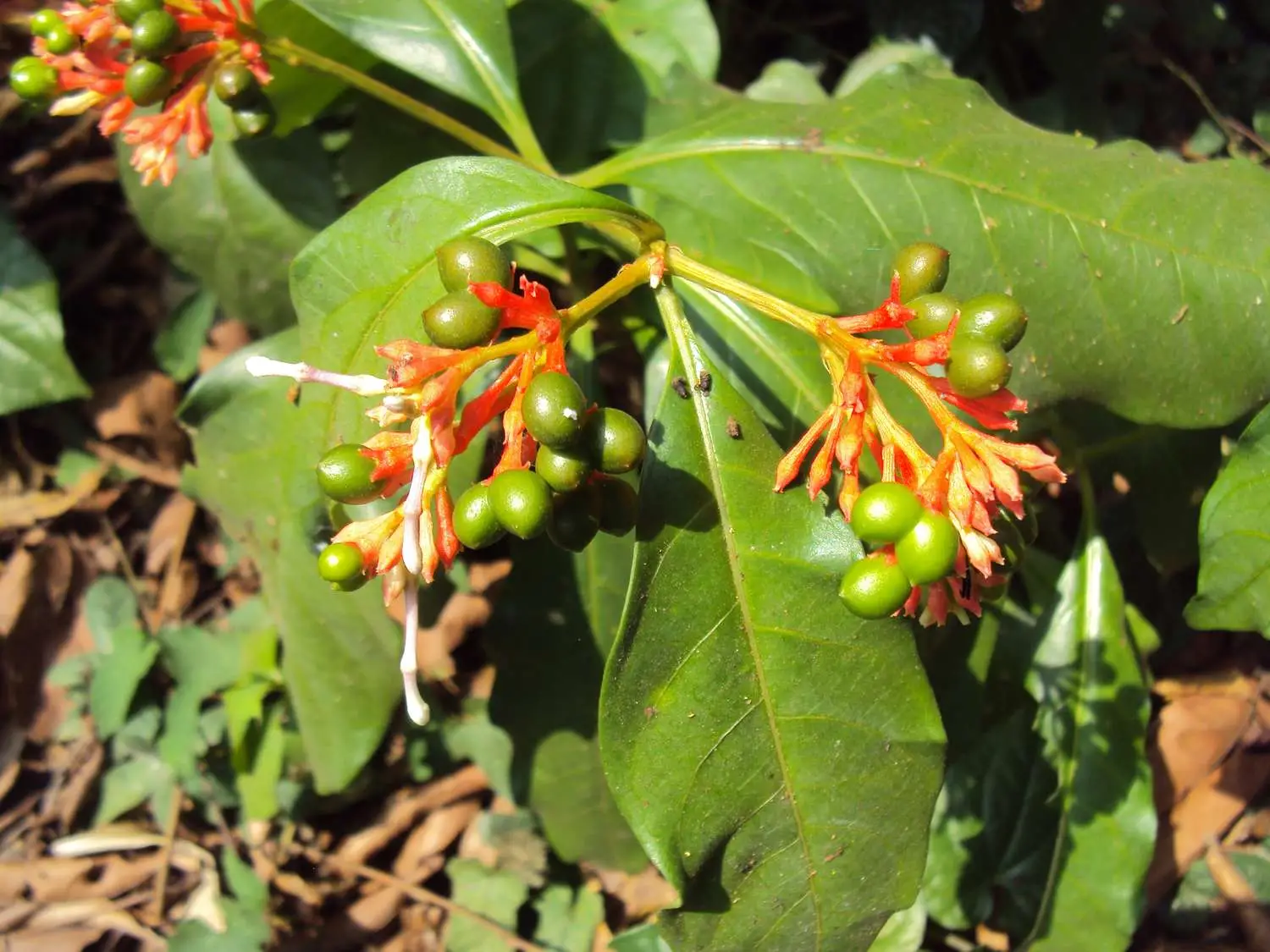
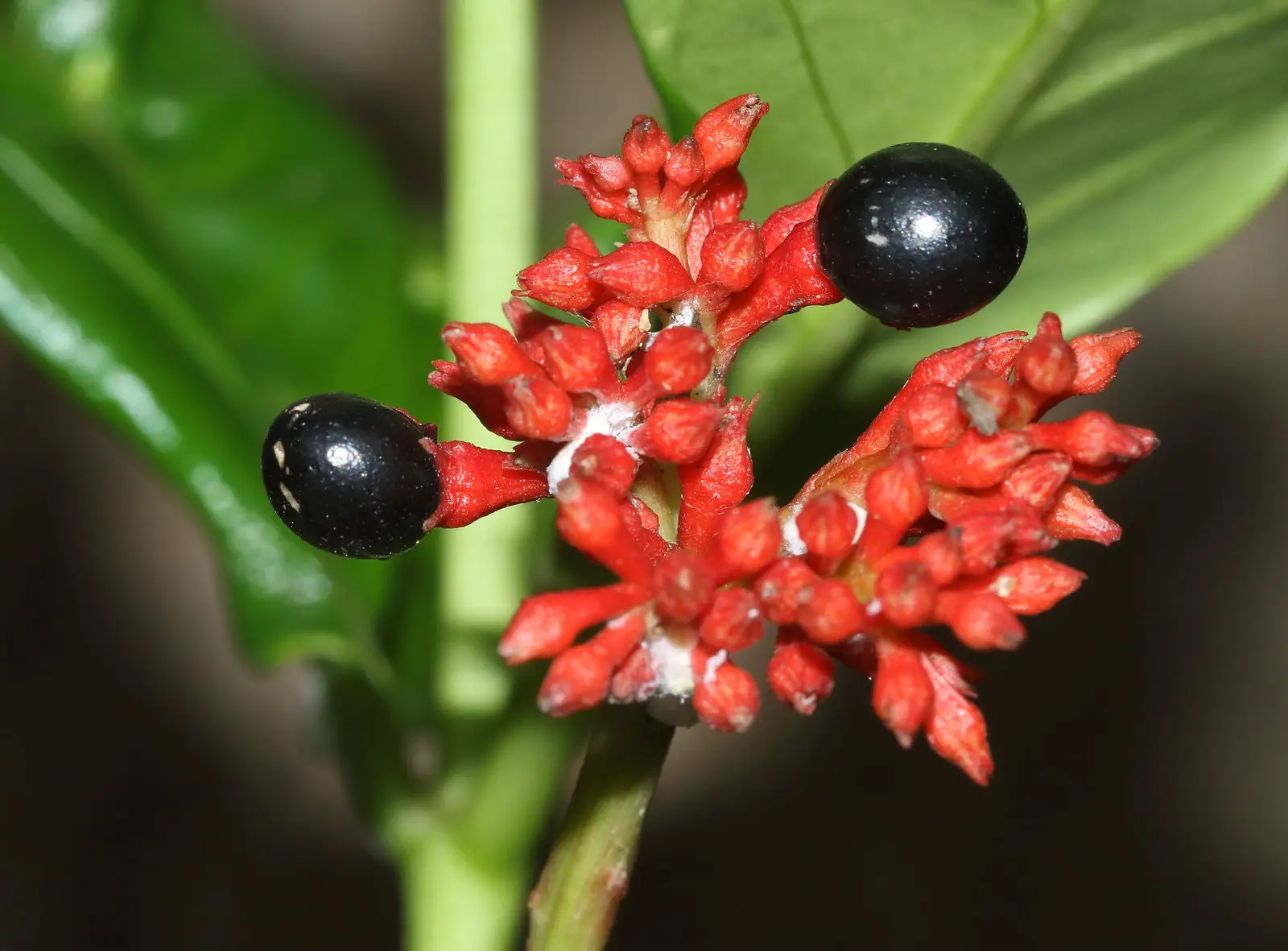
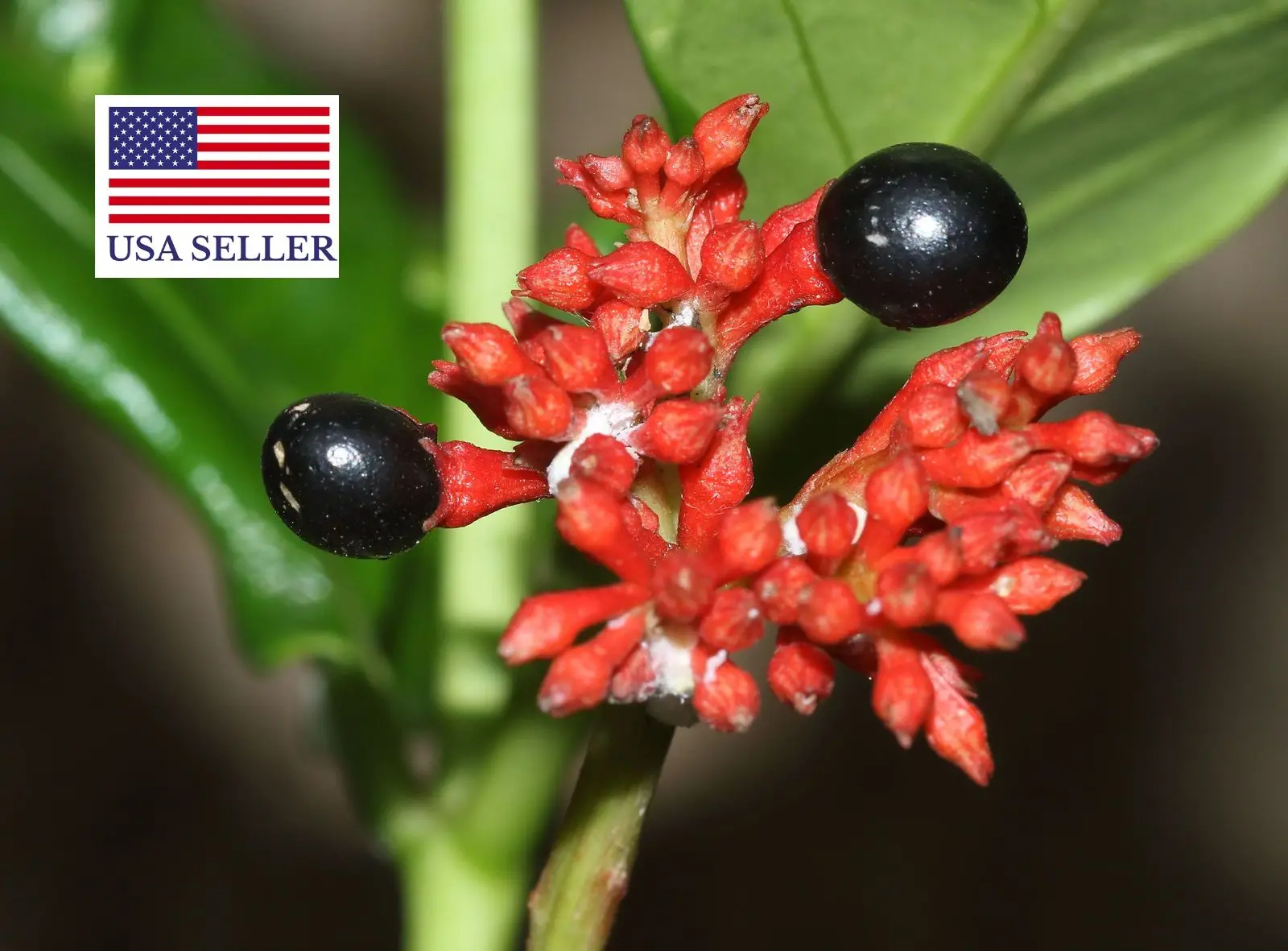
Rauvolfia serpentina typically features a robust and erect stem that can grow up to 1 meter in height. The leaves are dark green, glossy, oval-shaped, and can be quite large, measuring up to 15 cm in length. The plant produces small, tubular, white or pale purple flowers that are arranged in clusters. Beauty meets medicine in a compact frame.

Cultivation is moderate: Rauvolfia serpentina requires bright, indirect light and thrives in warm, humid conditions. It prefers consistently moist soil and should be watered regularly to maintain soil moisture. The plant does well in moderate temperatures and high humidity. It grows best in areas where annual daytime temperatures are within the range 22 – 30°c, but can tolerate 4 – 35°c. It prefers a mean annual rainfall in the range 1,500 – 3,500mm, but tolerates 1,100 – 4,500mm. It prefers soil with plenty of humus and rich in nitrogenous and organic matter with good drainage. Think tropical forest understory—shade-loving, moisture-rich, alive. Rauvolfia serpentina can be propagated through seeds or cuttings. It requires a warm climate and should be planted in well-drained soil.

This is not a plant for casual collectors. This is a plant for those who believe in growing their own medicine, honoring ancient wisdom while participating in modern science. When your roots mature—thick, fleshy, earthy-scented—you’ll hold in your hands what transformed the treatment of hypertension and touched millions of lives. Rauvolfia serpentina is listed as vulnerable due to overharvesting and habitat loss. Conservation efforts are important to maintain its population in the wild. Sustainable harvesting practices and cultivation in controlled environments are being encouraged to ensure its continued availability. By growing from seed, you become a healer, a conservationist, a keeper of botanical medicine. Start today. Grow the

Germination Guide

🌍 Indian subcontinent and Southeast Asia (India to Indonesia), including southern China, Myanmar, Thailand, Malaysia, Vietnam, Laos, Cambodia
Difficult

Rauvolfia serpentina, known as Indian snakeroot or Sarpagandha, is an evergreen medicinal shrub native to the Indian subcontinent and Southeast Asia, valued for over 2000 years in traditional medicine. Seed germination is challenging due to a hard seed coat combined with non-deep physiological dormancy, resulting in naturally low germination rates of 5-30% without treatment.

Germination
Germination time
Expect germination in

15 – 40 days

Temperature

Min 25°C
Ideal 30°C
Max 35°C

Light
☀️ Light required

Substrate moisture
💧💧 High

Sowing depth
Lightly covered

Germination rate
30 %


Seed Pre-treatment
  • 💧

    Soaking — 24 hours
    Soak seeds in warm water for 24 hours to soften the hard seed coat. Hot water treatment at 50°C for 30 minutes can significantly improve germination rates.
  • 🔨

    Mechanical scarification
    Gently rub seeds with fine sandpaper or use a small file to scratch the seed coat. Mechanical scarification is effective for breaking the hard seed coat.
  • 📋

    Additional notes
    Seeds exhibit both coat-induced and non-deep physiological dormancy. Scarification combined with hot water treatment (50°C for 30 minutes) can increase germination by up to 46.67%. Gibberellic acid (GA3) treatment also improves germination significantly. Fresh seeds have higher viability than older stored seeds.

Substrate & Container
Recommended substrate
Well-draining seed-starting mix with good moisture retention, loamy soil rich in organic matter

Recommended container
Plastic pot or seed tray with drainage holes


Growing Tips
Use fresh seeds with high viability (avoid seeds stored longer than 7-8 months). Combine mechanical scarification with 24-hour water soaking and hot water treatment (50°C for 30 minutes) for optimal results. Consider using gibberellic acid (GA3) treatment for significant germination improvement. Maintain high substrate humidity with a transparent plastic cover. Place in warm, bright location with indirect sunlight. Germination is slow and sporadic; patience is required. Remove cover after germination to improve air circulation. Transplant seedlings into individual containers when they develop 2-3 true leaves. Select only heavy, viable seeds for sowing.

Reviews

There are no reviews yet.

Only logged in customers who have purchased this product may leave a review.

Related Products