Description
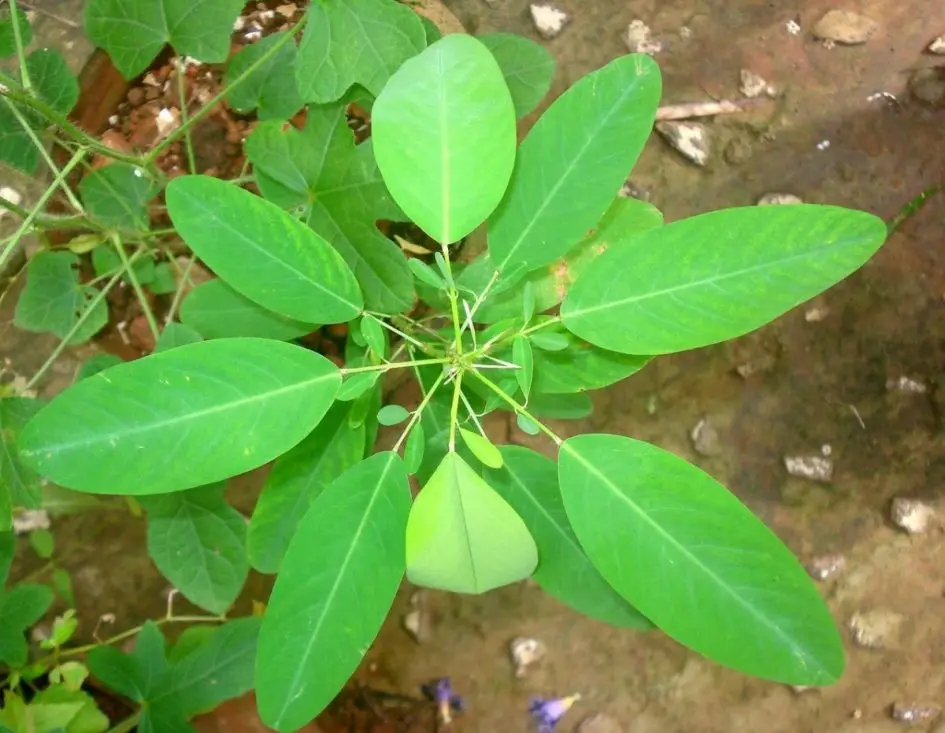
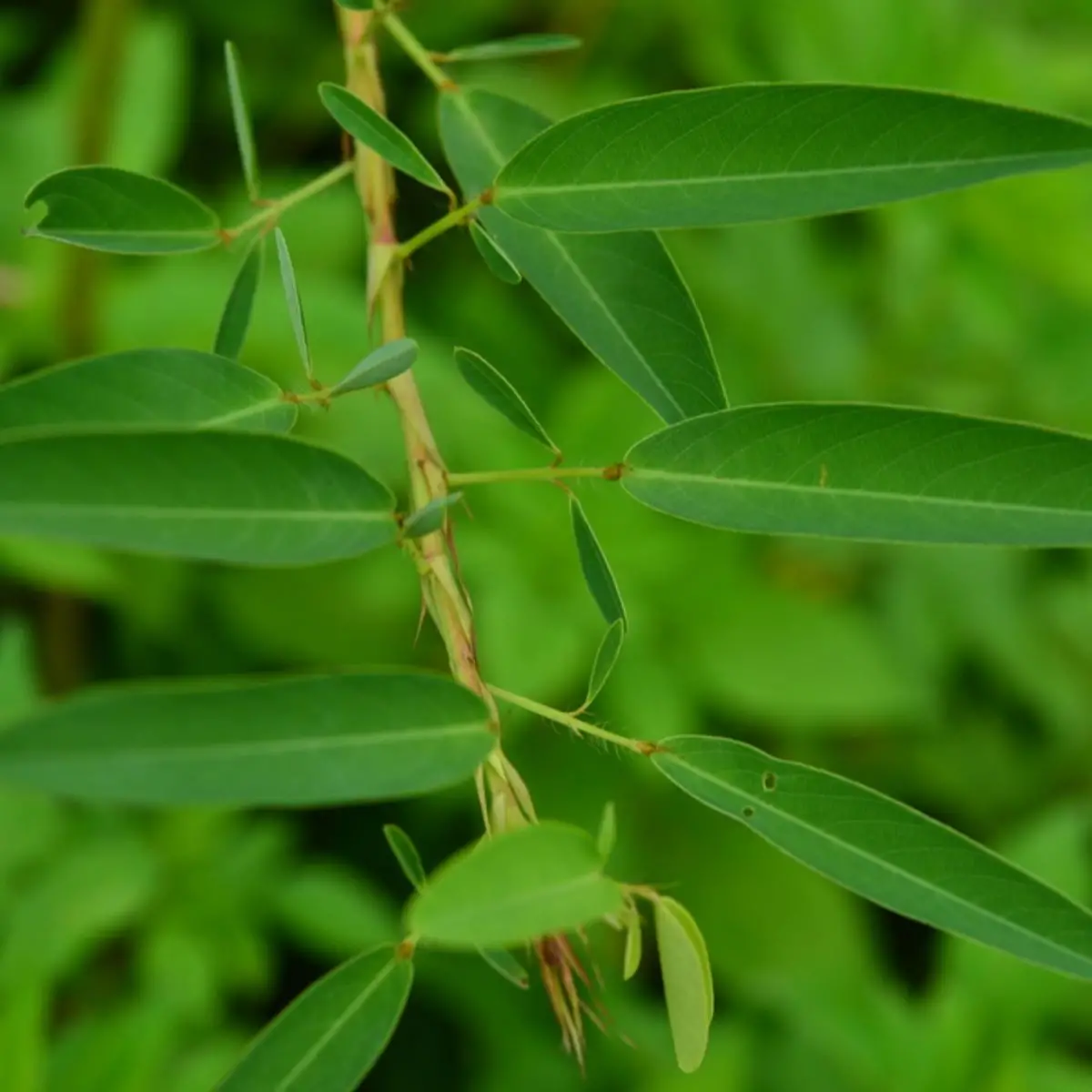
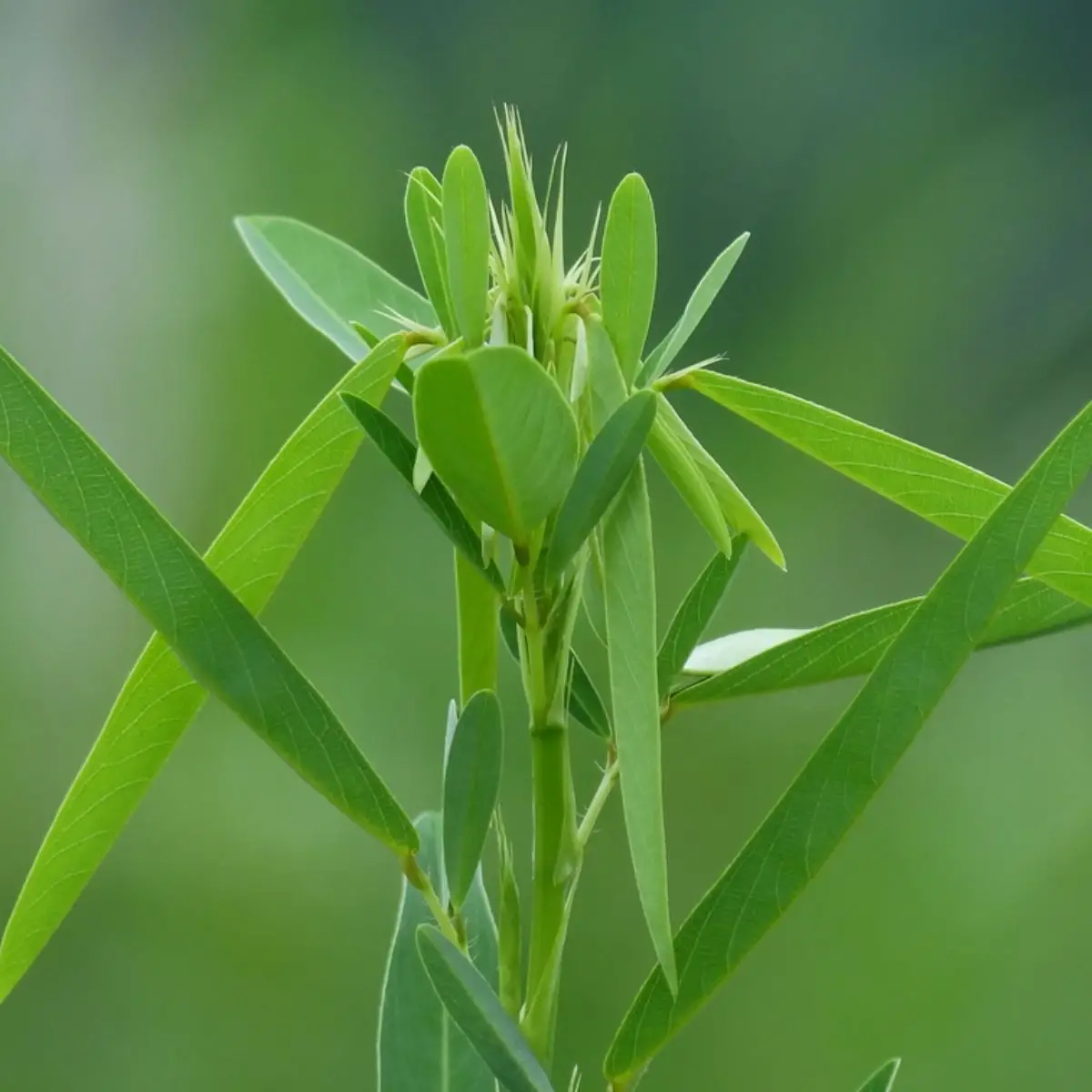
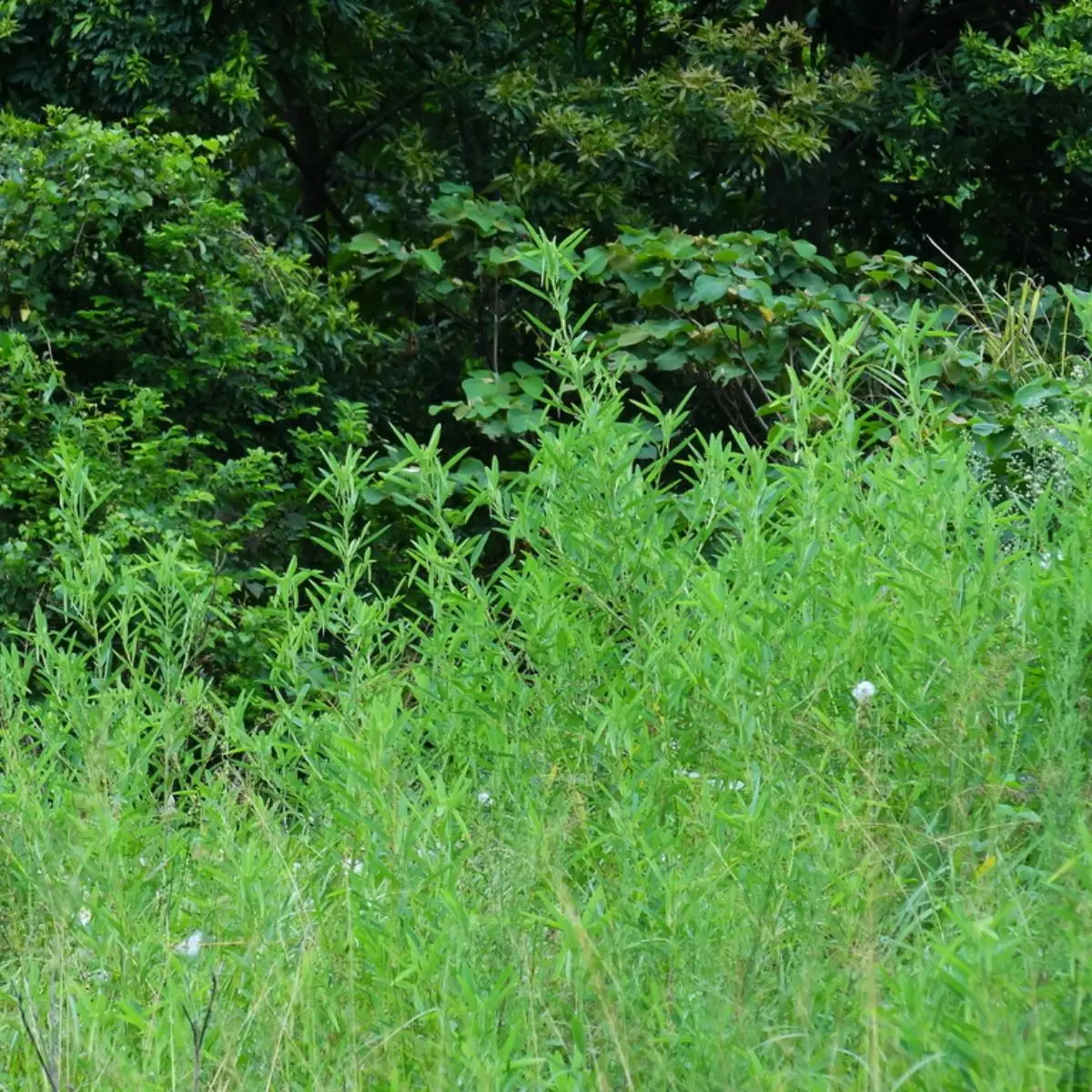
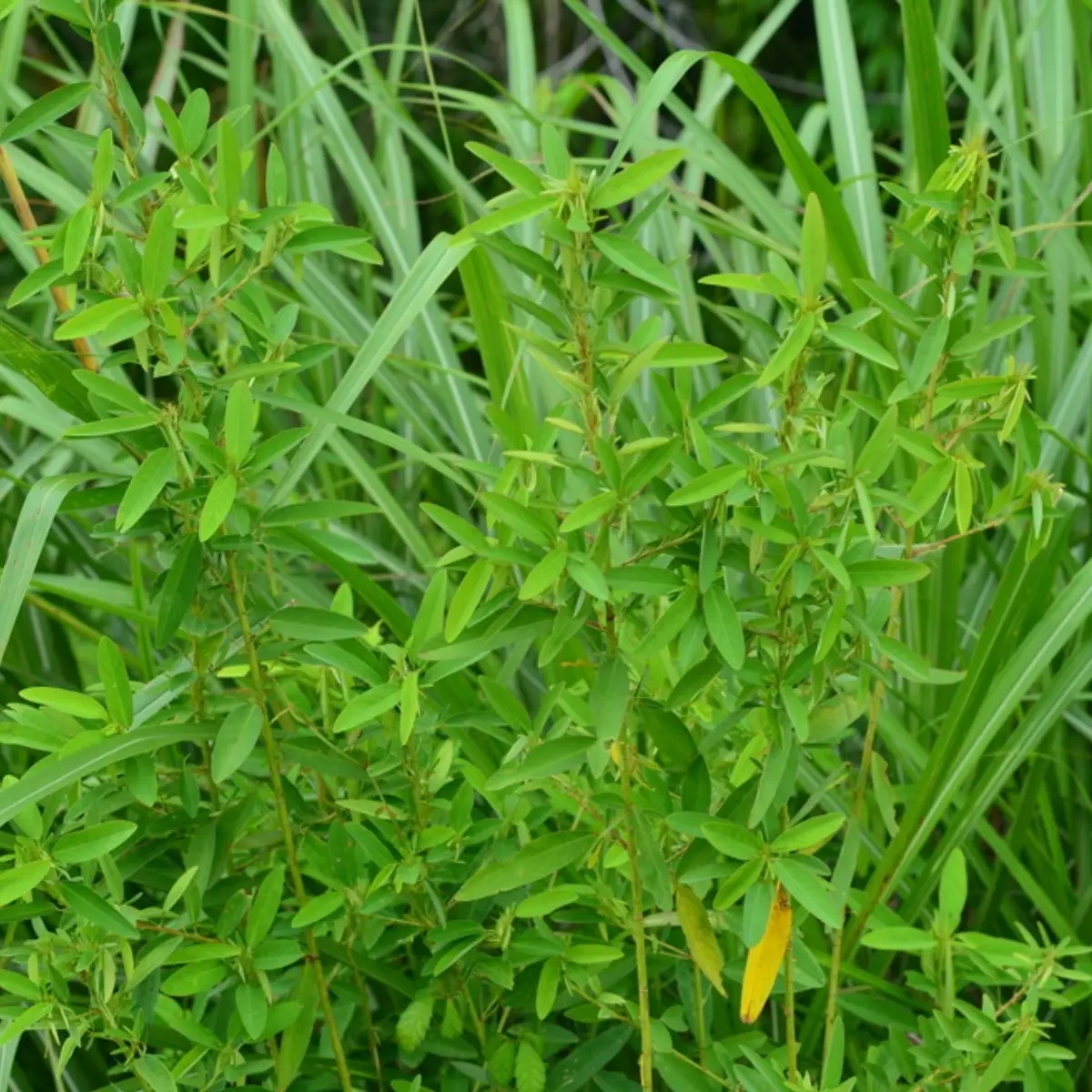
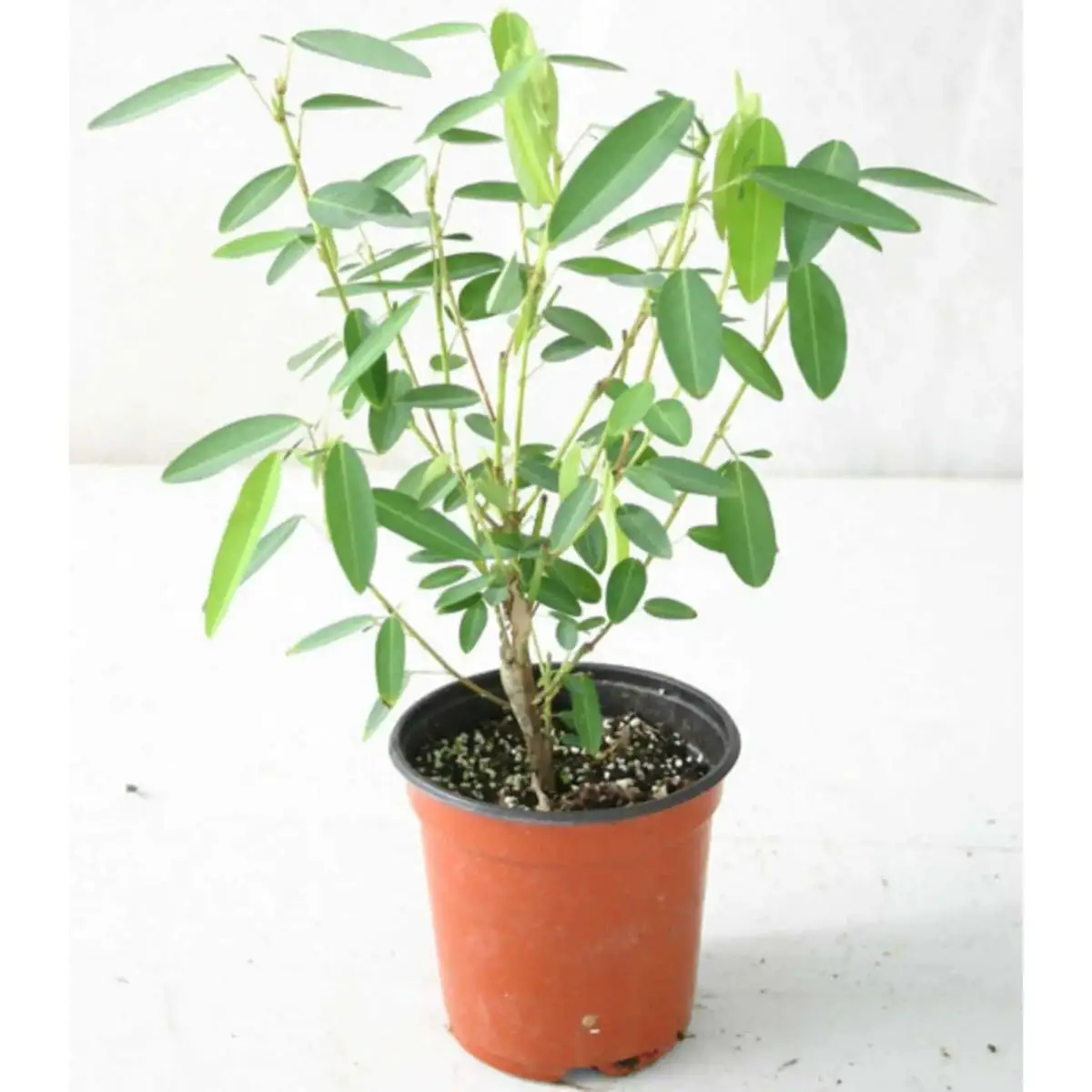
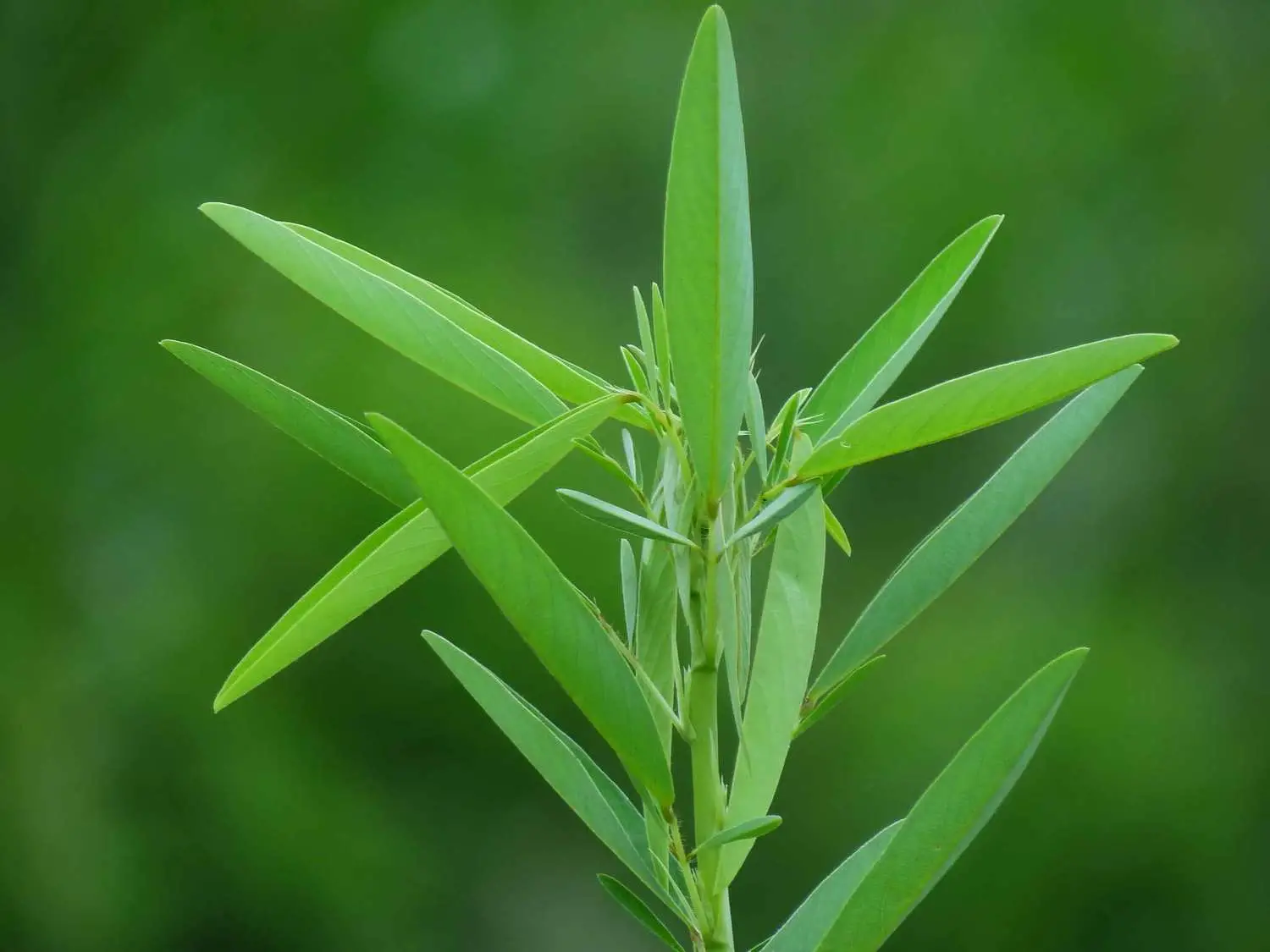
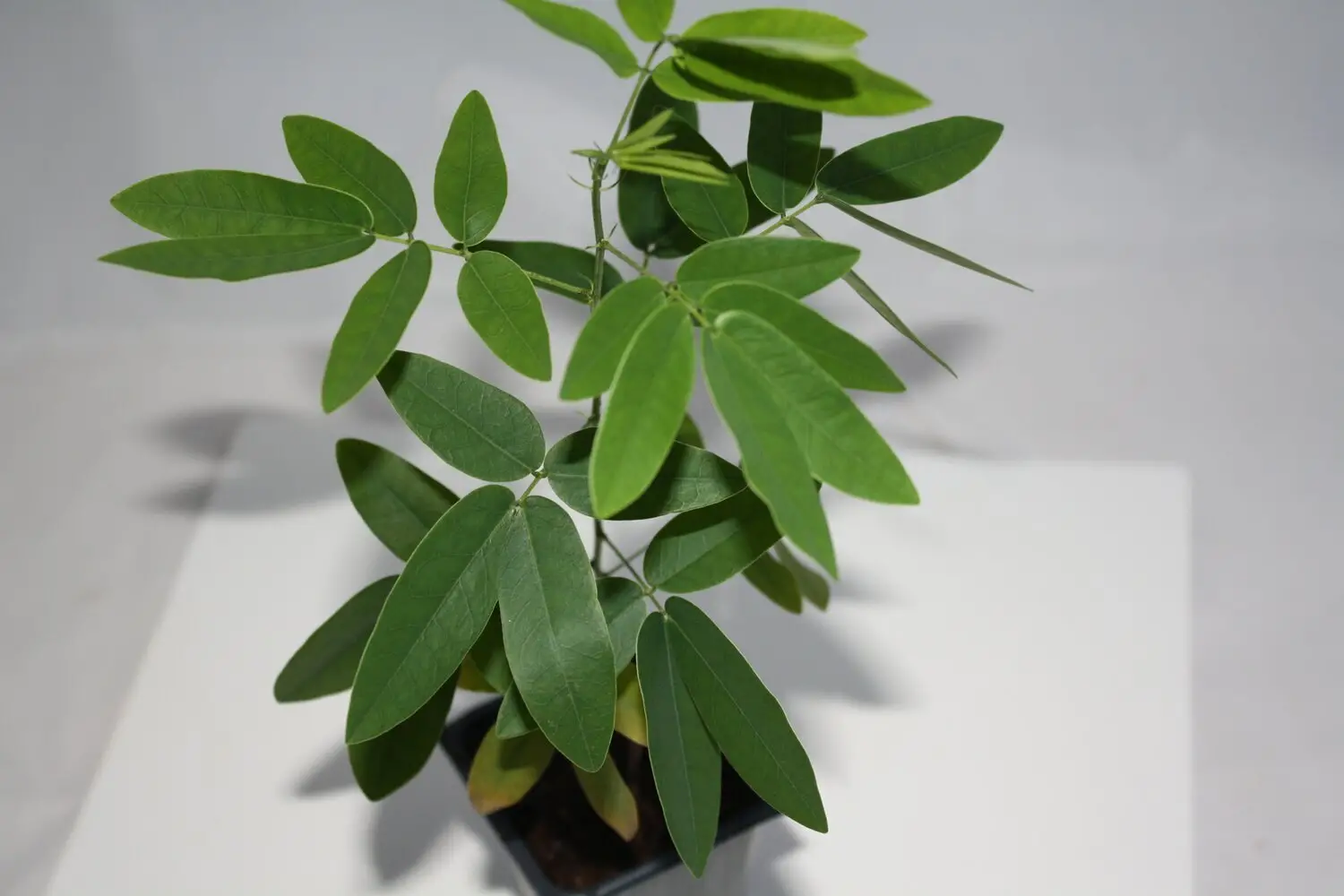
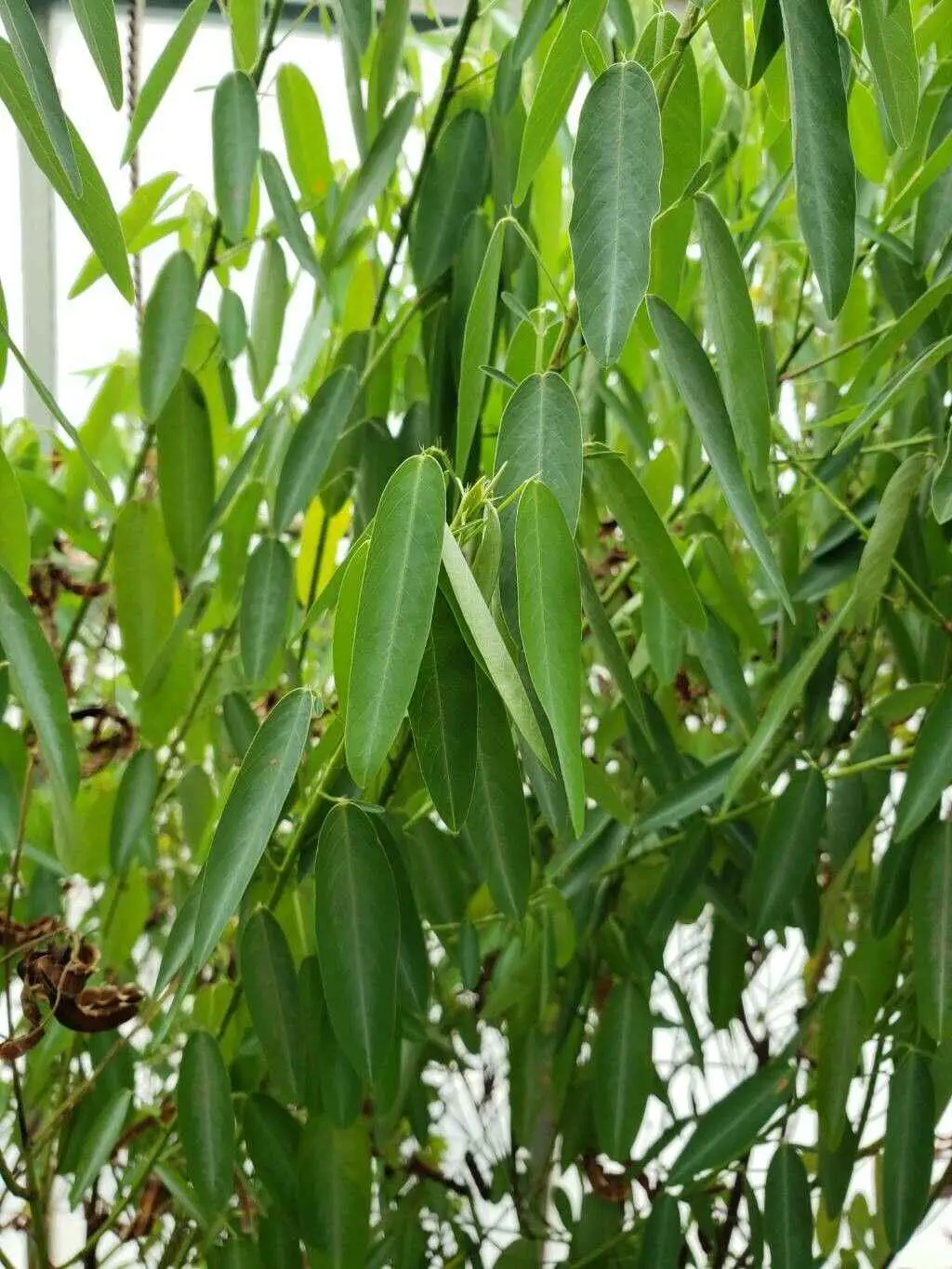
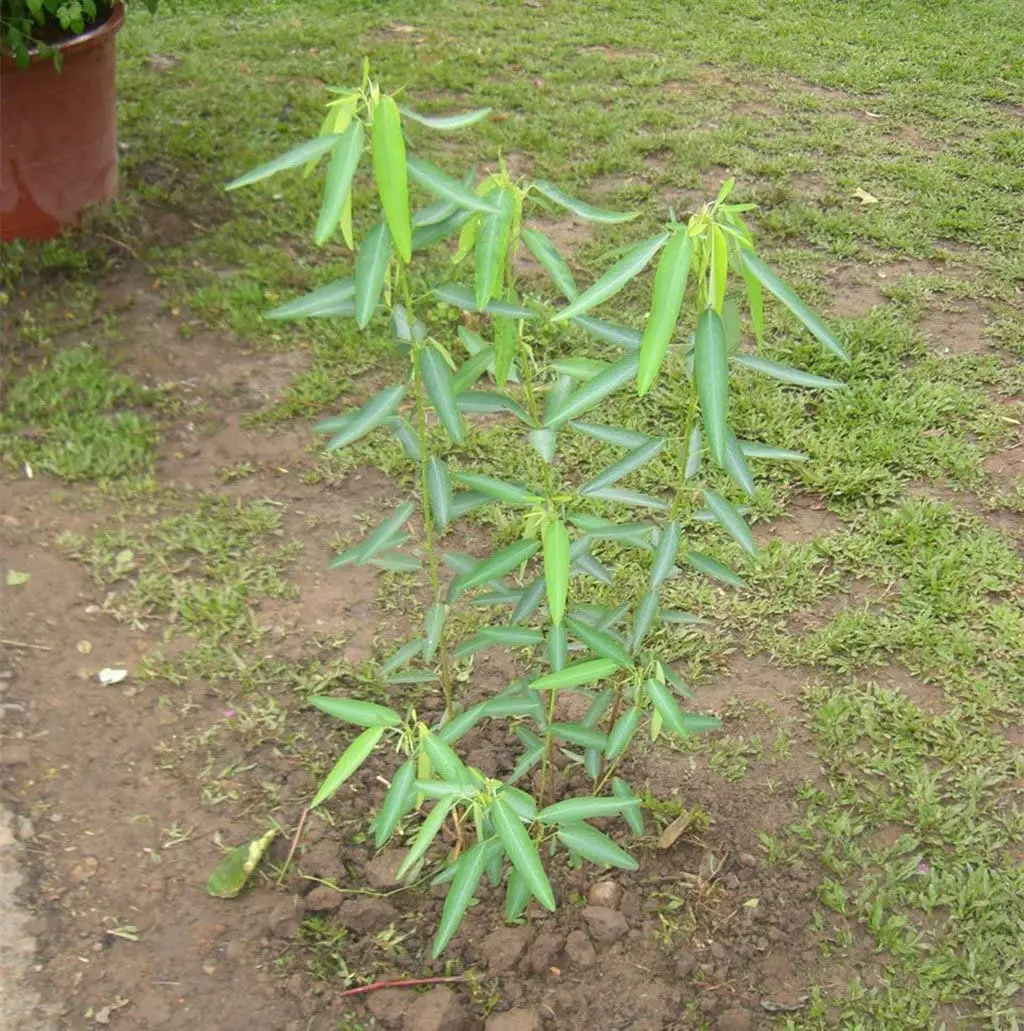
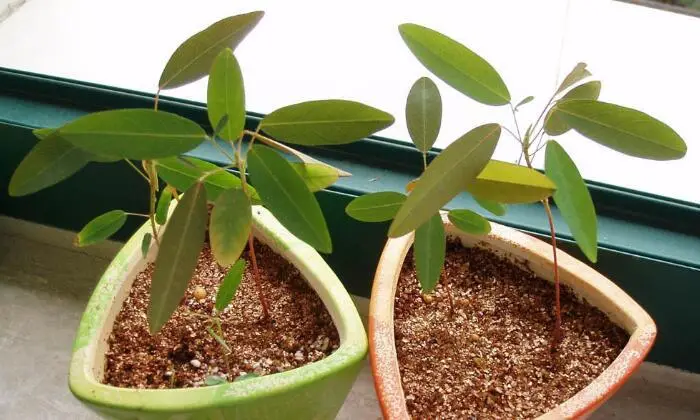
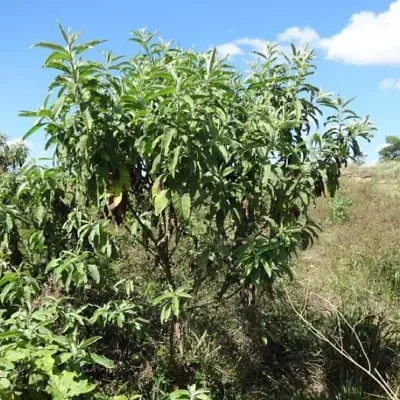
This rather plain looking but nevertheless remarkable small shrub in the pea family is one of the few plants capable of clearly perceptible motion. At night it folds it leaves downwards so that they are fully pendulous while during the day they are spreading and can rotate and appear as if they were dancing, possibly a strategy to maximise light by tracking the sun. Codariocalyx motorius is also widely known by its older name Desmodium gyrans and is widespread in tropical Asia.
The common name is due to the rotation of the leaflets with a period of about three to five minutes; this was likened to a semaphore telegraph, a structure with adjustable paddles that could be seen from a distance, the position of which conveyed a message in semaphore, hence the common names.
Germination Guide
🌍 Tropical and subtropical Asia, including Bangladesh, Bhutan, Cambodia, China, India, Indonesia, Laos, Malaysia, Myanmar, Nepal, Pakistan, Sri Lanka, Taiwan, Thailand, Vietnam, and Society Islands
Moderate
Codariocalyx motorius, commonly known as the Dancing Plant or Telegraph Plant, is a fascinating tropical perennial from Southeast Asia renowned for its remarkable ability to move its small lateral leaflets rapidly and visibly in response to light, heat, and sound. This member of the legume family (Fabaceae) is one of only three known plants capable of such rapid leaf movement, having captivated botanists since Charles Darwin's detailed study in the 1880s. Seed germination is moderately challenging and requires patience, as germination can take 10 to 90 days depending on conditions, with success heavily dependent on maintaining warm temperatures and consistent moisture.
Germination
Germination time
Expect germination in
10 – 90 days
Temperature
Min 20°C
Ideal 23°C
Max 27°C
Substrate moisture
💧 Medium
Seed Pre-treatment
-
💧
Soaking — 24 hours
Soak seeds in warm water for 12 to 48 hours to soften the seed coat before planting
-
🔨
Mechanical scarification
Scarify seeds by gently rubbing with sandpaper or nicking with a knife to break the hard seed coat, improving germination rate
-
📋
Additional notes
Mechanical scarification combined with warm water soaking provides optimal germination results
Substrate & Container
Recommended substrate
Well-draining seed-starting mix enriched with compost and sand, or orchid mix with added perlite
Recommended container
Small pots or seed trays with clear plastic cover to maintain humidity
Growing Tips
Maintain soil moisture but avoid waterlogging to prevent root rot. Use clear plastic covers to maintain high humidity during germination phase, then remove immediately after sprouts appear to prevent mold. Initially germinate in dimly lit, warm conditions (23-26°C is optimal), then gradually introduce seedlings to brighter indirect light as they mature. This tropical species germinates poorly in cool conditions, so consistent warmth is essential. Ensure excellent drainage in substrate to prevent fungal issues. Allow daily air exchange once germination begins. Mechanically scarifying seeds before soaking significantly improves germination success rates.
Only logged in customers who have purchased this product may leave a review.

Reviews
There are no reviews yet.