
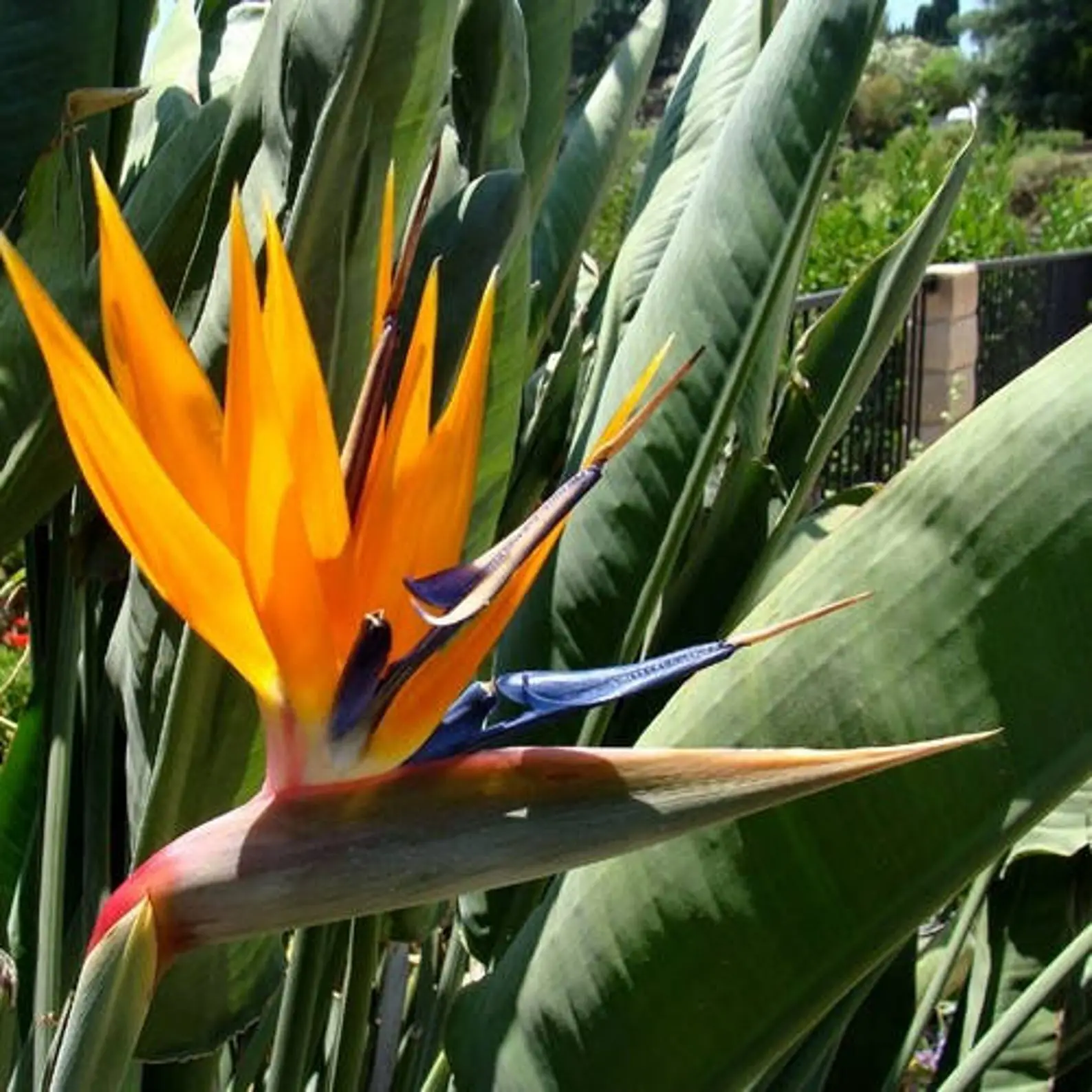
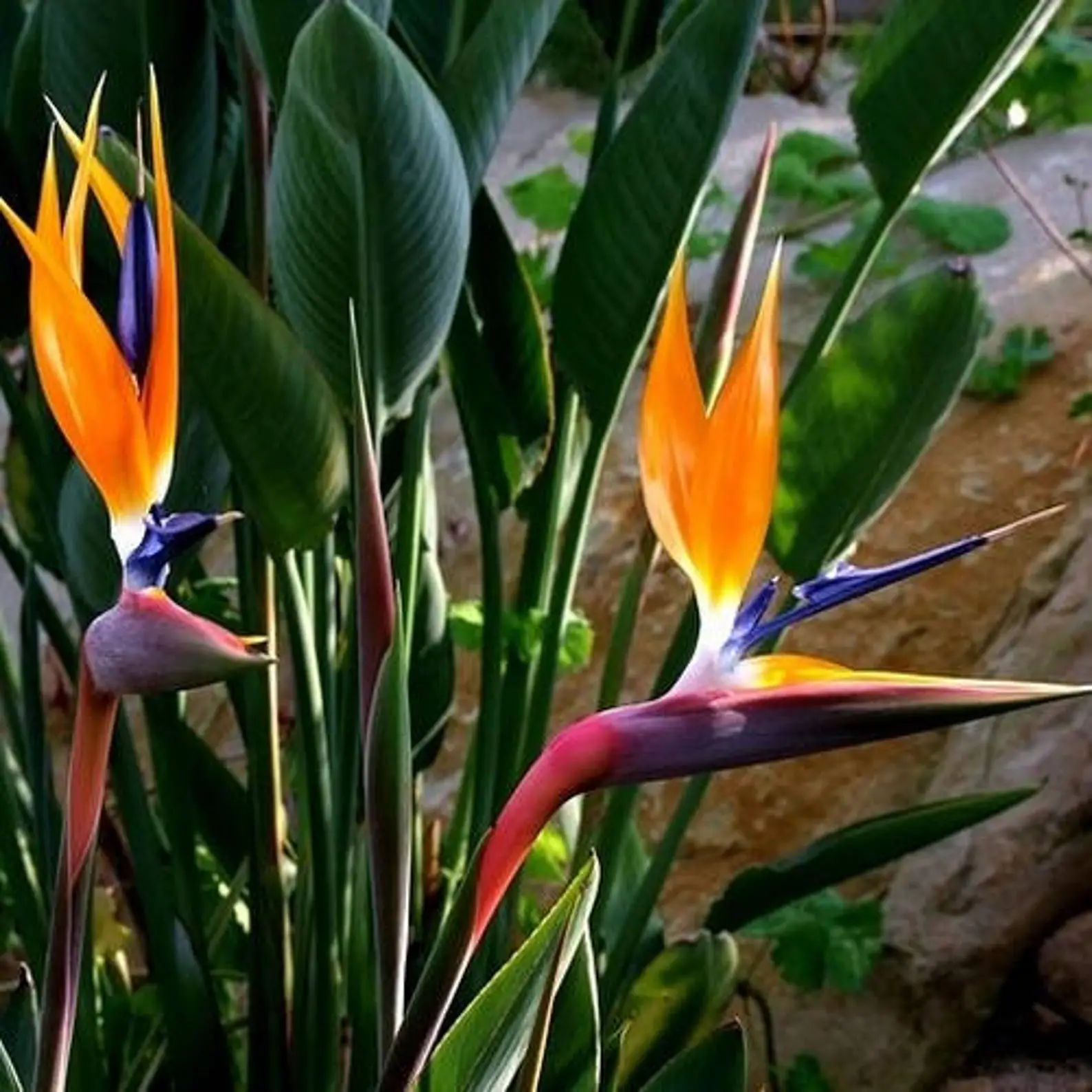


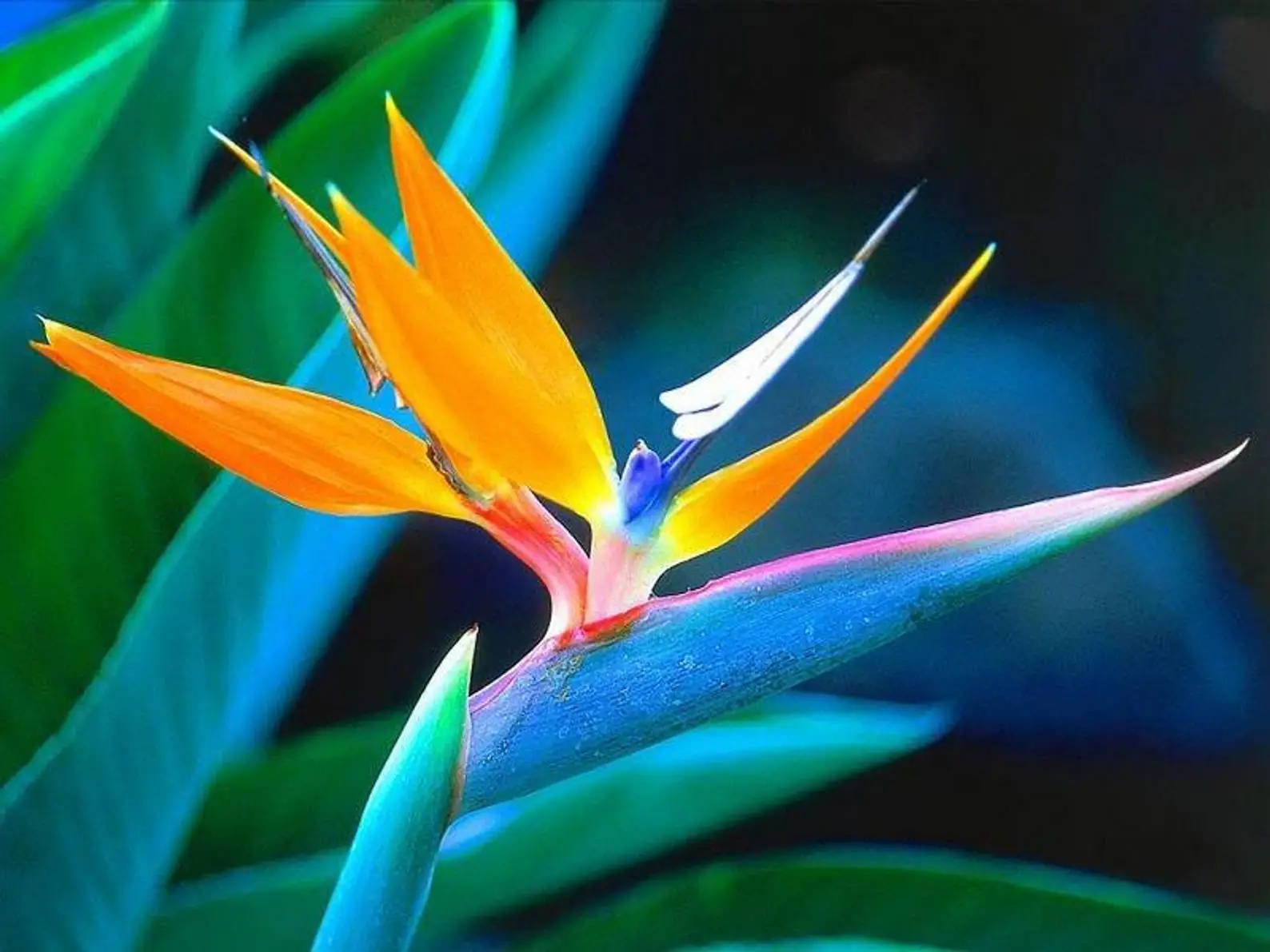
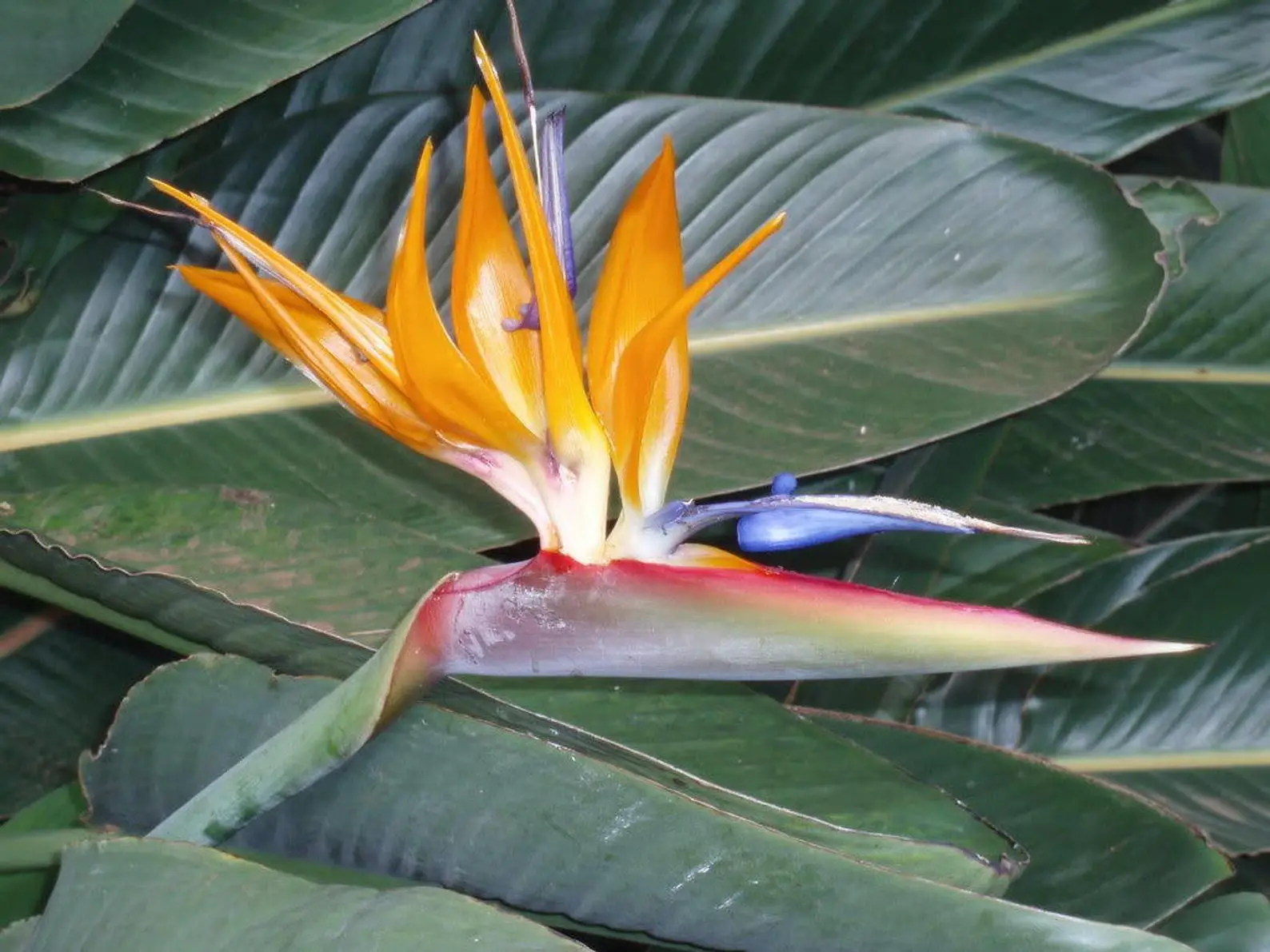
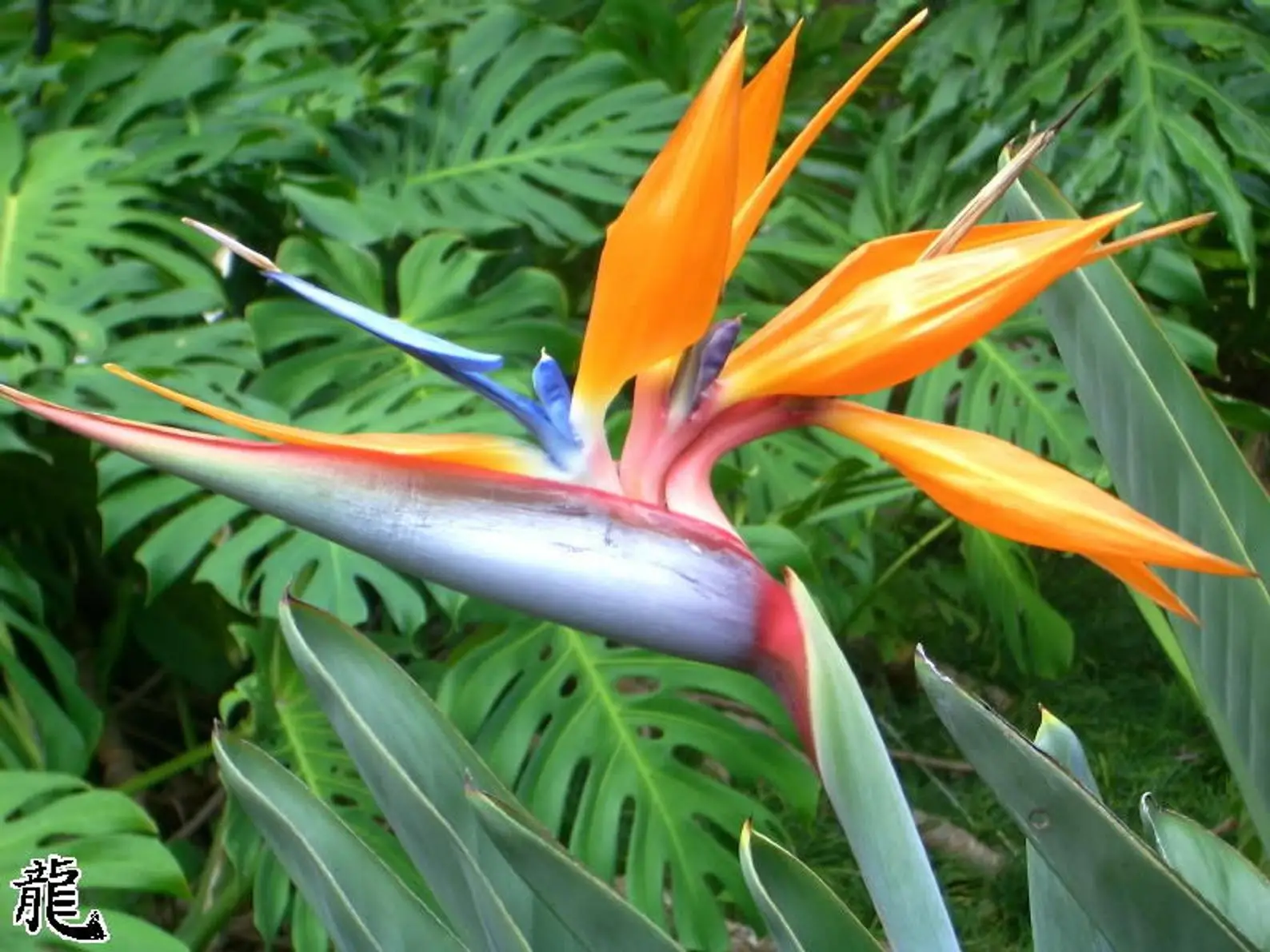
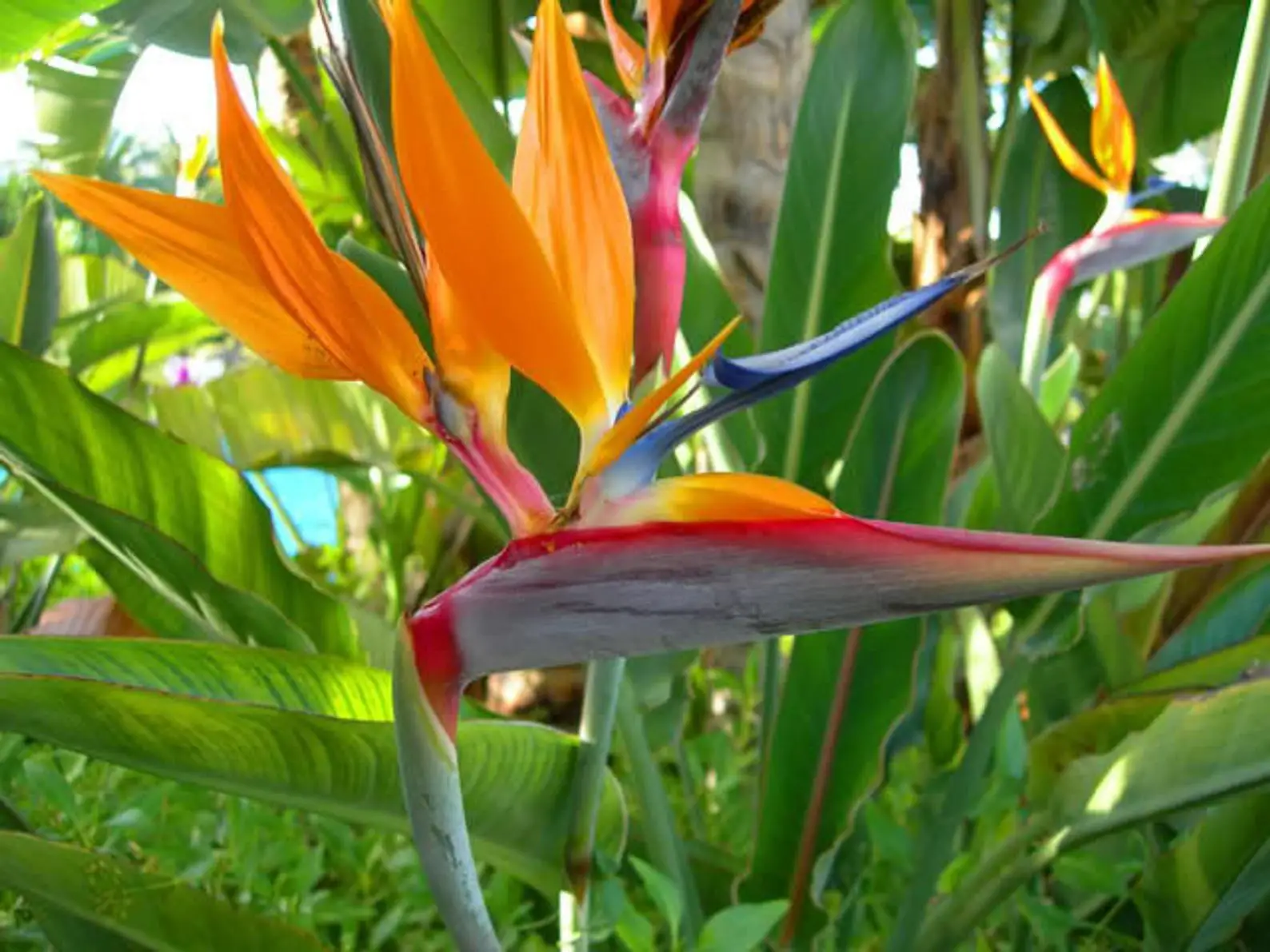

Grow the florist’s most coveted exotic: iridescent orange-and-blue blossoms that last 2-3 weeks in water. Strelitzia reginae produces spectacular, bird-like flowers prized by designers worldwide. Easy to grow from seed in bright light, well-drained soil. Your garden becomes a cutting garden—and a gallery of paradise.
€11.97
There is no flower more commercially coveted, more architecturally stunning, or more transformative to a vase than Strelitzia reginae—the Orange Bird of Paradise.
Native to the coastal regions of South Africa’s Eastern Cape, this genus was named in honor of Queen Charlotte of Mecklenburg-Strelitz, wife of King George III. But its true reign is in the global florist trade: Strelitzia reginae blooms are sold by the million each year, commanding premium prices in flower markets from Tokyo to New York. Since its introduction to Britain in 1773 at the Royal Botanic Gardens, Kew, it has become the botanical export that defines tropical elegance worldwide.
THE ULTIMATE CUT FLOWER — AND THE REASON GROWERS ARE OBSESSED: Individual Strelitzia reginae flowers are among the longest-lasting cut blooms on earth, remaining fresh and vibrant for 2–3 weeks in water. A single mature plant produces flowers sequentially from tall, architectural stems—each bloom emerging one at a time from a dramatic purple-green spathe (a boat-shaped bract that itself resembles a bird’s head or parrot’s beak). The flower itself is a masterpiece of design: three brilliant orange sepals and three vivid blue petals, with the blue petals forming an arrow-like nectary that looks like an exotic bird in mid-flight. Because the plant blooms intermittently throughout the year and can produce multiple successive flowers from a single spathe, a mature clump becomes a renewable source of floristry income. Home growers sell stems to local florists; commercial cultivators have built entire operations around this single species. No other tropical flower offers this combination of longevity, visual drama, and commercial demand. Beyond floristry, these blooms are equally stunning as a living focal point in gardens—architecture you can cut and bring indoors, or simply admire as a 6-foot-tall sculptural statement.
GROWING STRELITZIA FROM SEED IS STRAIGHTFORWARD: Plant seeds in warm (65–70°F), bright, indirect light in well-draining potting mix. Seeds germinate in 4–8 weeks. Once seedlings develop 2–3 leaves, pot them into 6-inch containers using light, fertile, free-draining soil. Mature plants (3+ feet tall) thrive in full sun to semi-shade, rich loamy soil, and consistent moisture during the growing season. The plant is surprisingly forgiving: established plants tolerate drought, poor soils, and even coastal wind. Indoors, position near a large south or west-facing window—light is non-negotiable for flowering. Keep soil moist but never waterlogged (the rhizomes are prone to rot). Fertilize regularly during spring and summer with balanced plant food. The plant flowers best when pot-bound, so resist the urge to repot aggressively. Plants take 4–6 years from seed to first bloom, but the wait is worth every day. Once established, they reward you with years of exotic splendor.
This is not just a houseplant or ornamental—it is your ticket to growing a globally treasured flower, a living work of art that pays for itself in cut stems, and a conversation piece that will stop every gardener who sees it. Start your seeds today. In a few years, you will be cutting paradise from your own garden.
Only logged in customers who have purchased this product may leave a review.
Reviews
There are no reviews yet.