Description
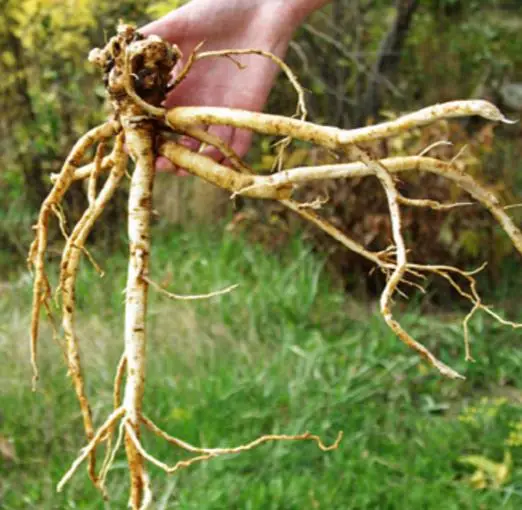
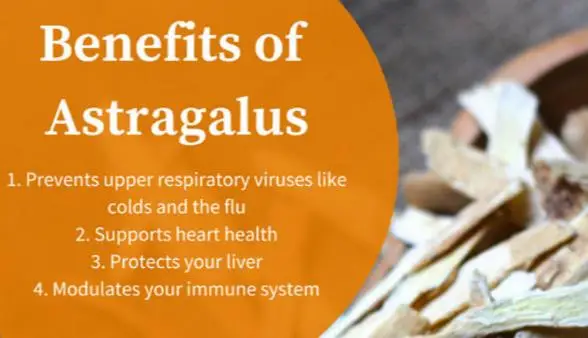
Astragalus membranaceus is a perennial plant of the legume family, with a long history in traditional Chinese medicine, used for a variety of purposes and as a booster of the immune system, helping the body to fight against stress and disease. It has anti-inflammatory effects and is especially beneficial for the kidneys and to prevent senility.
The species has been researched for its cardio-protective, anti-inflammatory, and longevity effects.
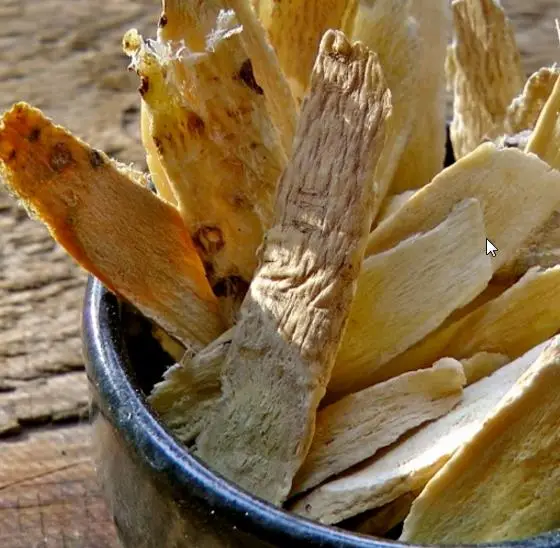
The plant’s constant flowering, is also known as milkvetch root and huang qi, its flavor is slightly sweet and warm when administered as a drink made from the root and can be added in soups, cooked or fried with other foods.
Although astragal supplementation has been shown to reduce the metabolic and physical complications of aging, there are currently no studies showing a real increase in life.
The main mechanism of astragalus is the result of its bio-active ingredients. The main component is iv astragaloside, which has been extracted, isolated and patented under the name of at-65 and marketed as a longevity agent.
Just like resveratrol, astragalus membranaceus is actually a compound that adds life to your years instead of adding years to your life.
The plant has endless indications in combating the diseases of the modern generation and is currently used as an addition in benefit to conventional treatments, however it should not be used as a substitute to them.
The species is demanding in sandy or clayey soil, well drained and planting in full sun or a few hours of direct sun during the day (morning or afternoon), the flowers are hermaphrodite and are pollinated by bees.
Important:
We have tried to limit our information on plants with indications in the area of ??medicine and health, as we believe that such information needs a much more focused and broad study. Many of our species are offered on the premise that they can aid in research and, under certain conditions of use, guidance based on clear knowledge. We are not apt to recommend the use of any plant as medicinal use, the same should be done with the guidance and knowledge of the medical professional.
Germination Guide
🌍 Northern and eastern China, Mongolia
Moderate
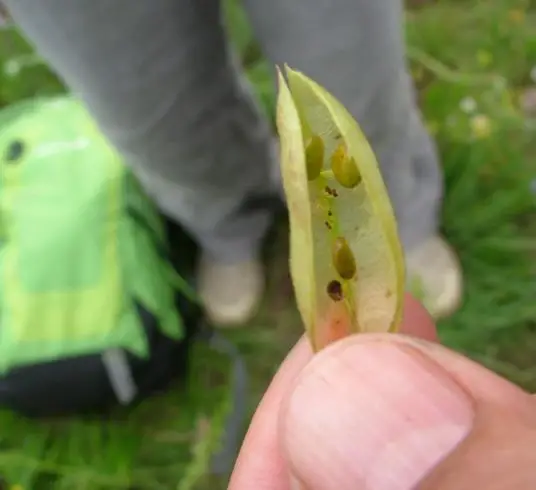
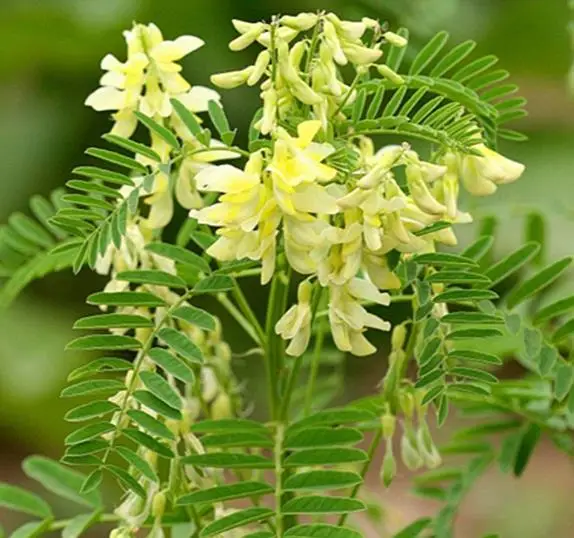
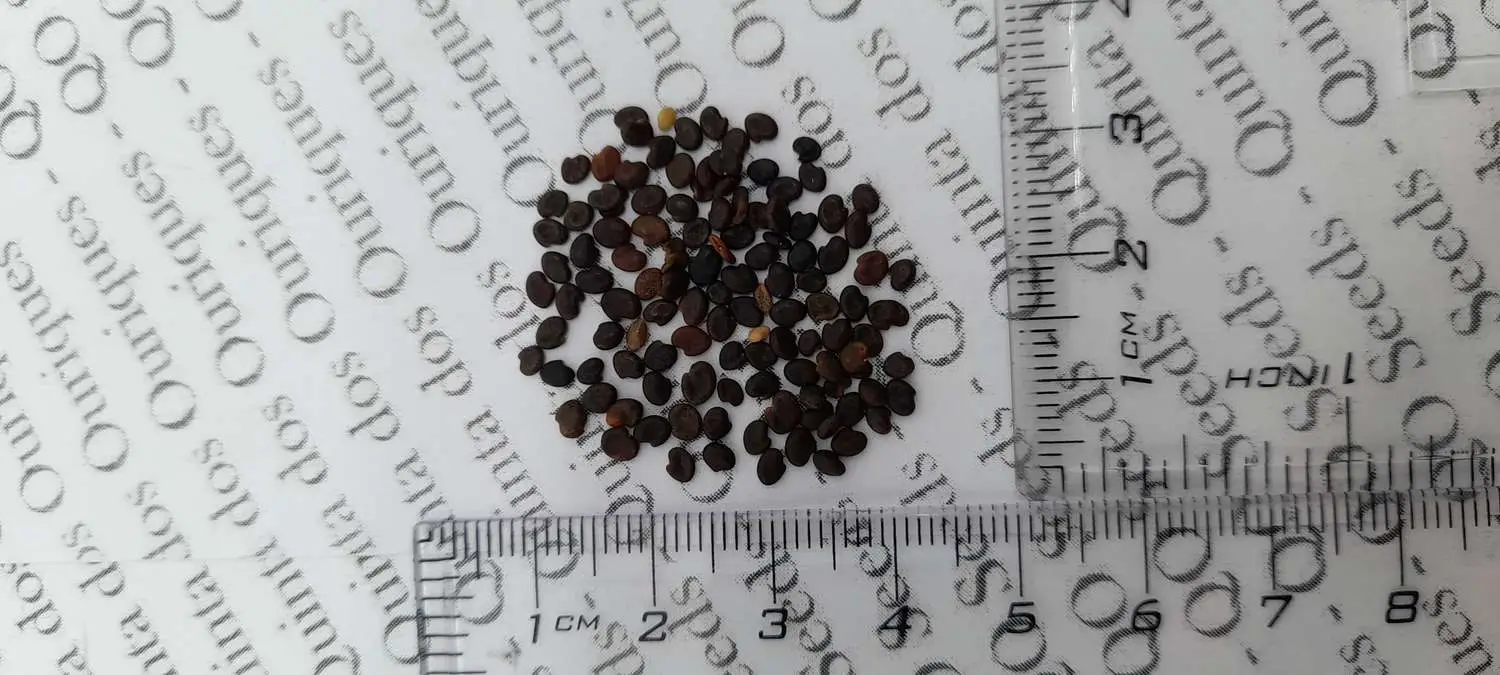
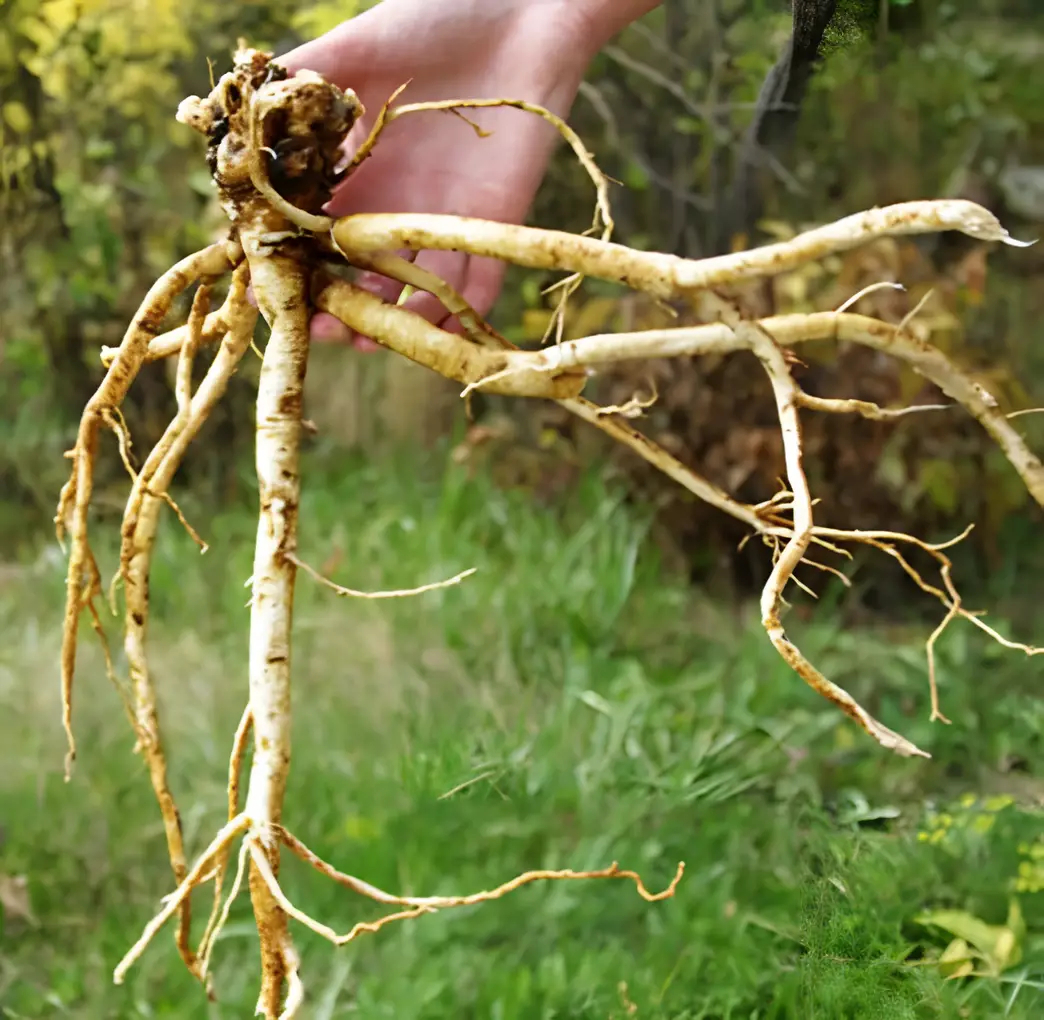
Astragalus membranaceus (Chinese: huang chi, huang qi) is a medicinal perennial herb in the legume family native to northern China and Mongolia, with a documented history of use in traditional Chinese medicine spanning over 2,000 years. The species produces small pale yellow flowers and exhibits deep taproot architecture, making it valued for both its roots (harvested after 3-4 years) and its immune-modulating properties. Seed germination requires careful pre-treatment due to the hard seed coat; cold stratification combined with scarification and hot water soaking significantly improves germination rates to 66-88%.
Germination
Germination time
Expect germination in
3 – 70 days
Temperature
Min 8°C
Ideal 10°C
Max 30°C
Substrate moisture
💧 Medium
Sowing depth
Lightly covered
Seed Pre-treatment
-
💧
Soaking — 24 hours
Soak in hot water (not boiling) for 24 hours in warm or hot water before sowing. Alternative: soak in warm water for 1-2 hours after scarification.
-
🔨
Mechanical scarification
Lightly scarify with fine-grade sandpaper or gently nick the seed coat. Some sources recommend rubbing seeds between two pieces of sandpaper.
-
❄️
Cold stratification — 21 days at 4°C
-
🔥
Smoke/Fire treatment
Smoke-water treatment (1:500 dilution) significantly improves seed germination rates under light conditions.
-
📋
Additional notes
Comprehensive treatment combining warm-water soaking, mechanical scarification, and sand culture provides best results with germination rate up to 87.70%. Seeds have hard seed coat requiring dormancy-breaking treatment.
Substrate & Container
Recommended substrate
Sandy loam, well-draining soil with neutral to slightly alkaline pH (6.5-7.5)
Recommended container
Small pots or seed trays with pre-moistened growing medium
Growing Tips
1) Perform 21-day cold stratification (4°C) after mild scarification to break dormancy. 2) Soak seeds in hot water for 24 hours before sowing; any non-swelling seeds should be carefully pricked with a needle and re-soaked. 3) Germination is slow and variable (3-70 days depending on conditions); maintain consistent moisture without waterlogging. 4) Light and cool temperatures (10°C optimum) strongly enhance germination; smoke-water treatment improves results under light. 5) Start indoors 6-8 weeks before last frost, or direct sow after frost danger passes. 6) Use well-draining sandy loam soil (pH 6.5-7.5); inoculate with Mesorhizobium-containing legume bacteria or mycorrhizal fungi to support nitrogen fixation. 7) Once germinated, grow at moderate warmth (15-20°C); avoid heating mats. 8) Transplant to full-sun locations with excellent drainage to prevent root rot. Established plants are relatively low-maintenance.
Only logged in customers who have purchased this product may leave a review.


Reviews
There are no reviews yet.