
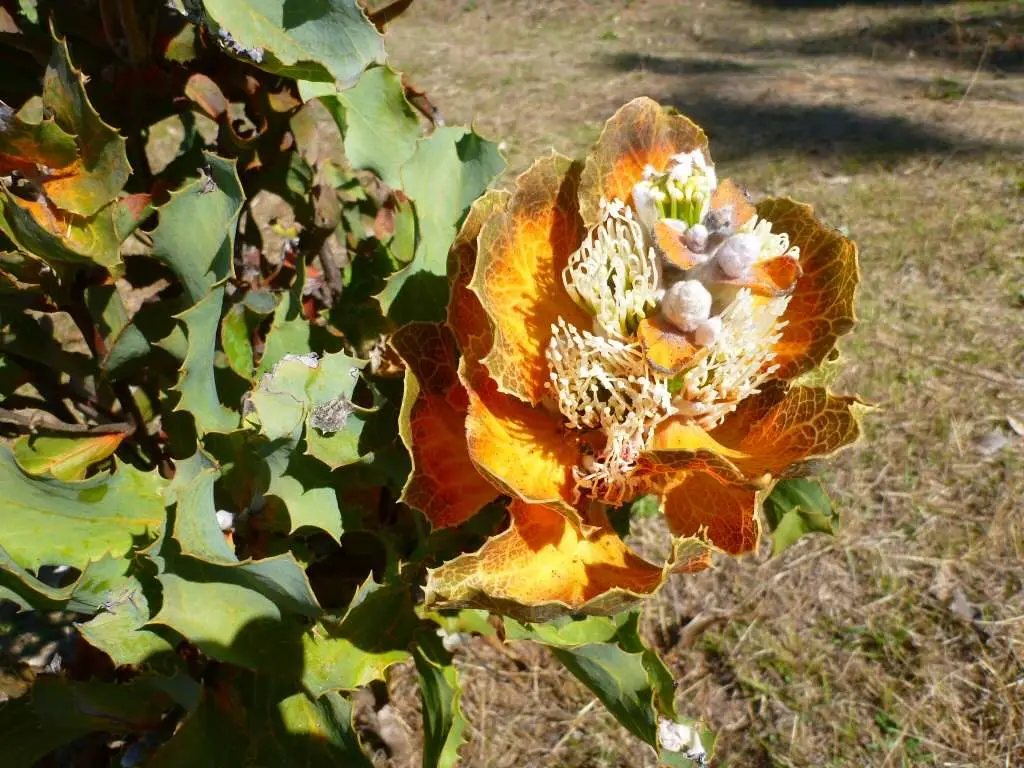
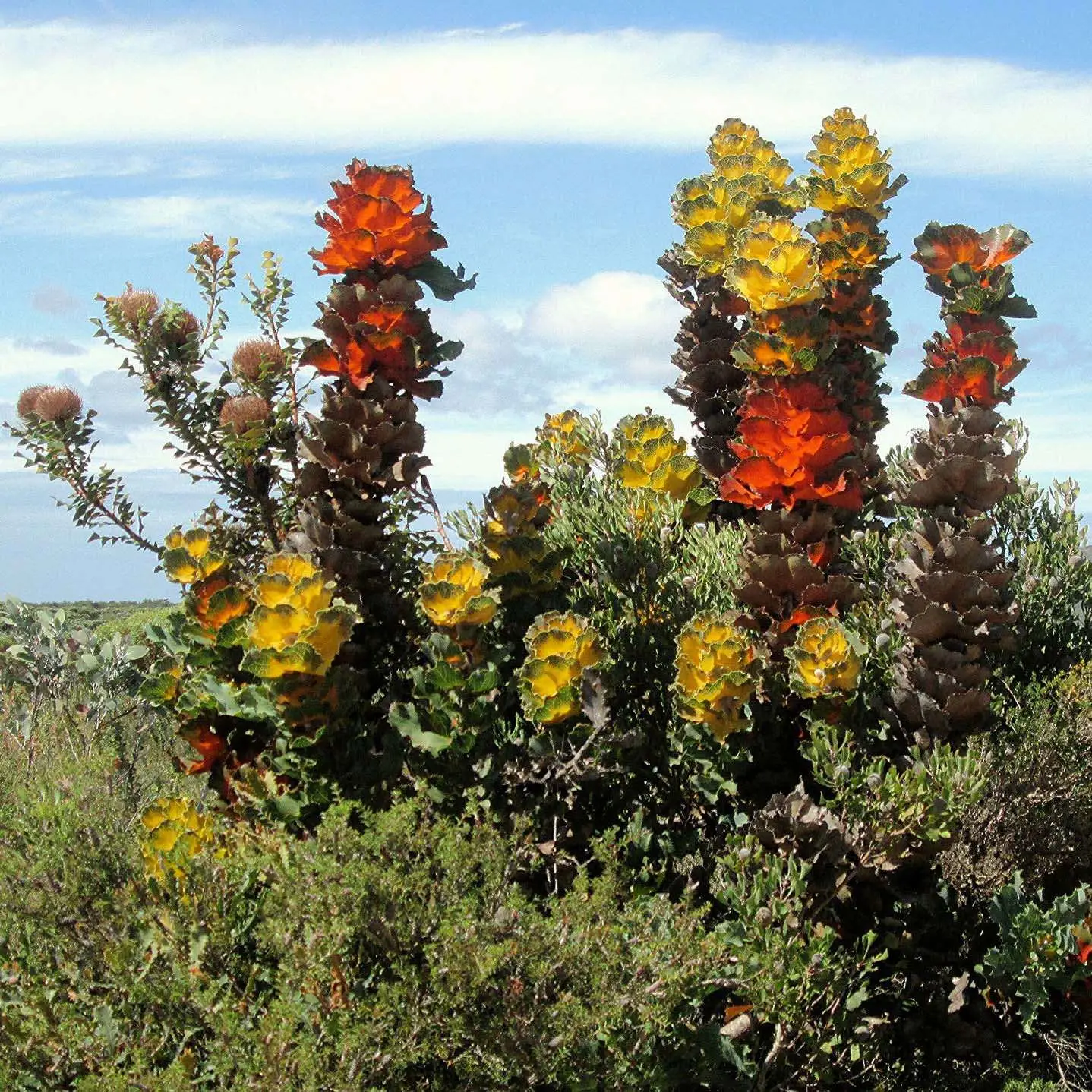
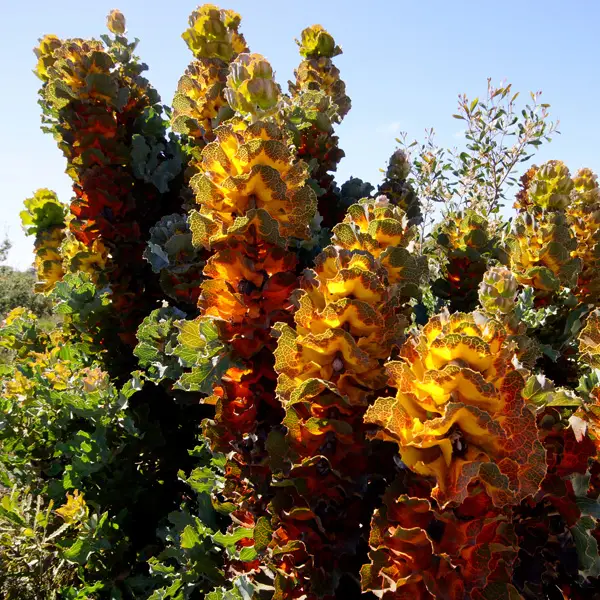
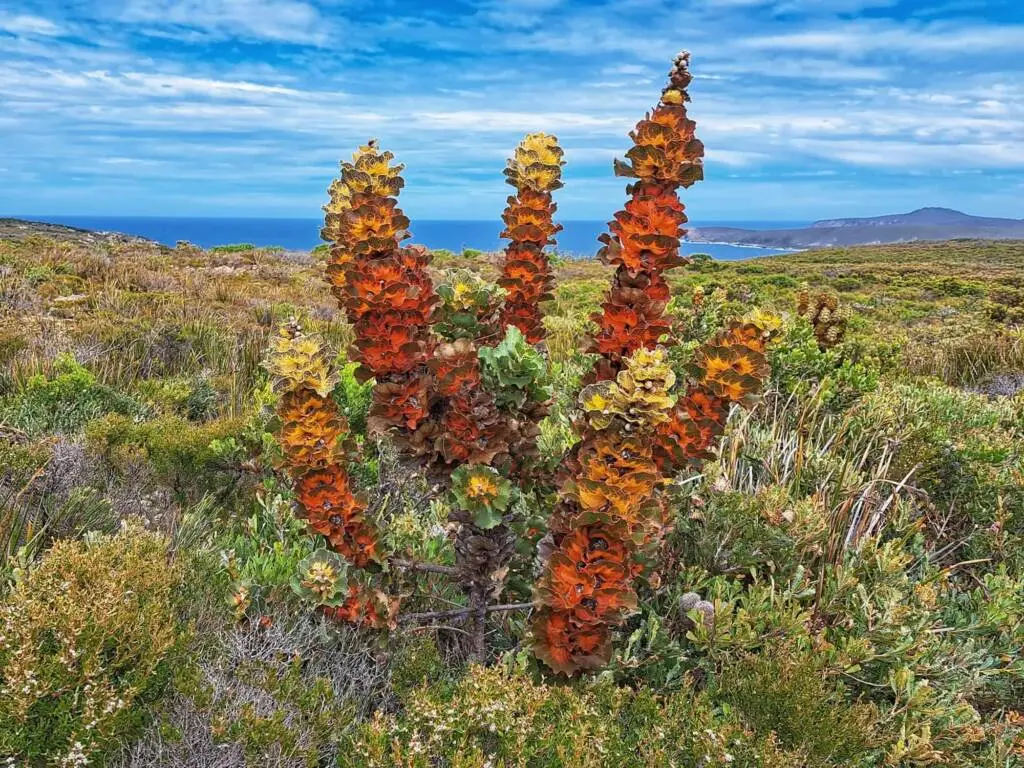
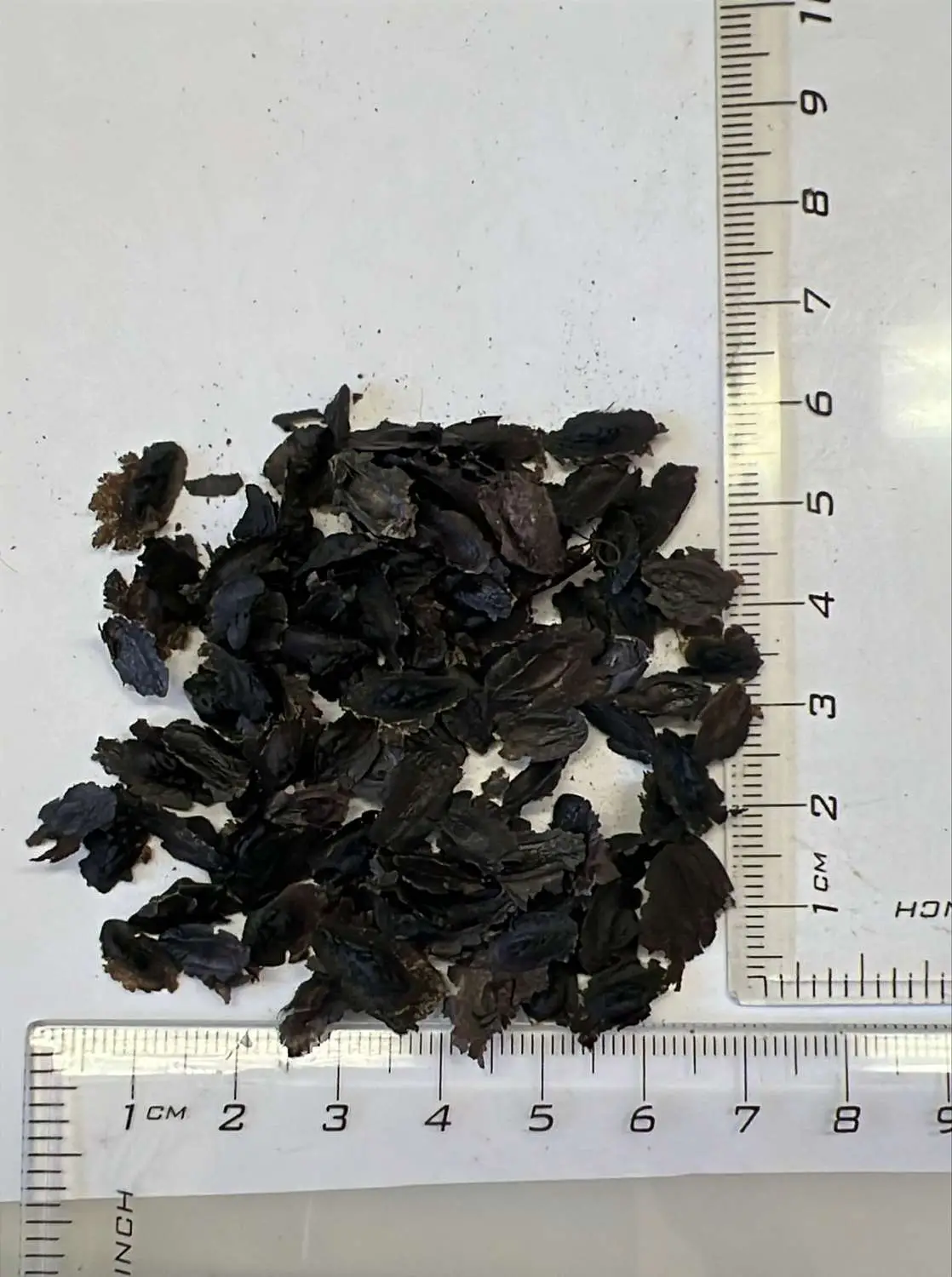
Grow the plant that made botanists speechless: living fire that shifts from brilliant yellow to orange to deep crimson across three years. These sharply serrated leathery leaves create a sculptural masterpiece in dry gardens and elegant pots. Flower arrangers prize it for cutting; coastal gardeners adore its drought-proof nature. Start from seed with ease—this Western Australian treasure thrives in sun and well-drained soil.
€10.37
This is the plant that stopped James Drummond in his tracks in the 1840s—a shrub so visually arresting he named it after a queen, describing it as “the most splendid vegetable production I have ever seen in wild or cultivated state.”
Hakea victoria hails from the windswept coastal heaths of south-western Western Australia, endemic to one of Earth’s most botanically extraordinary regions. Unlike most Hakeas prized for their flowers, H. victoria is all about the foliage—broad, prickly-edged, leathery leaves that transform through an impossible spectrum. The first year shows brilliant yellow; the second year flushs to deep orange; mature foliage burns intense scarlet red. Against the dark green margins, the effect is nothing short of theatrical, like watching a living sunset captured in a single vertical form.
This is where H. victoria truly shines as an ornamental and cut-flower subject. Florists seek it for arrangements—those dramatic variegated leaves add sculptural weight and colour drama impossible to achieve with conventional blooms. In the garden, it functions as a living art installation: a narrow, upright shrub (1–3 m tall) perfect for containers, feature plantings, and coastal gardens where its salt-tolerance becomes another bonus. It attracts birds and butterflies. It tolerates drought effortlessly. And perhaps most importantly: it demands low humidity to achieve its full colour potential—making it ideal for dry-summer climates where other plants wilt and fade. In humid zones, the foliage muddles to mediocre greens; in your dry garden, it becomes a gallery piece.
Growing H. victoria from seed is straightforward and deeply rewarding. Choose a sunny position with well-drained, preferably sandy soil. Water sparingly once established—the plant evolved in impoverished, fast-draining coastal sands and despises wet feet. Full sun is non-negotiable for colour intensity. It tolerates moderate frost, thrives in Mediterranean and warm-temperate climates, and actually prefers poor, gritty soil over rich loam. Pot it up for a statement container specimen; plant it as a windbreak or screen; pair it with other dry-loving natives. Young plants are vigorous and responsive, establishing quickly once their root system finds deep moisture.
Start from seed today and you’re embarking on a multi-year colour transformation—a living reminder that sometimes the most beautiful plants are the ones that demand simplicity and reward authenticity. This is botanical theatre, earned honestly through sun, sand, and patience.
Only logged in customers who have purchased this product may leave a review.
Reviews
There are no reviews yet.