
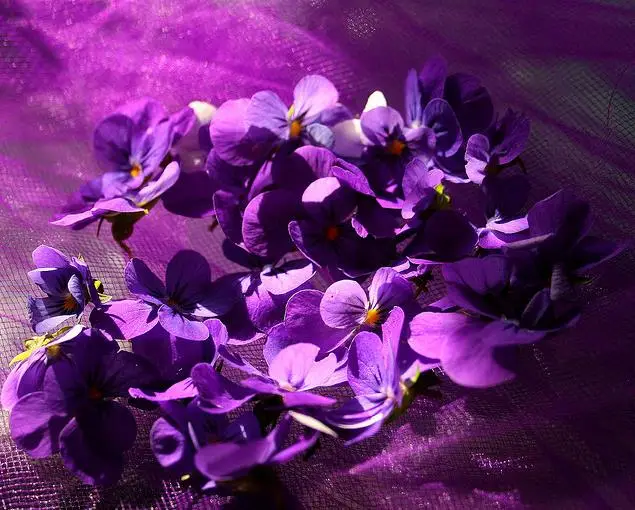
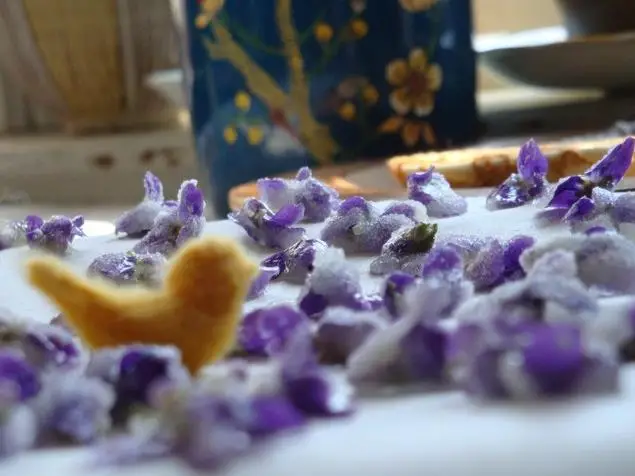
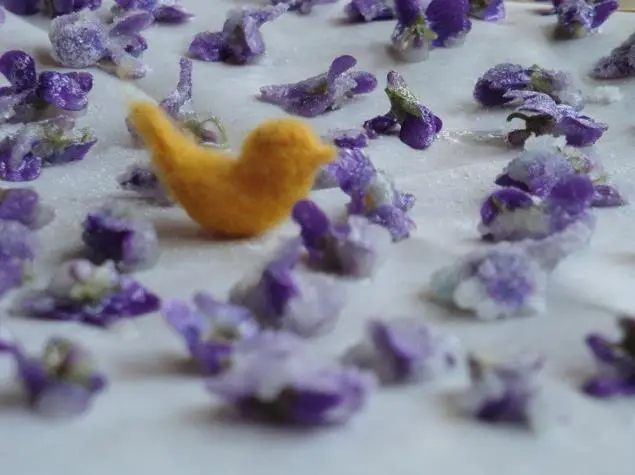
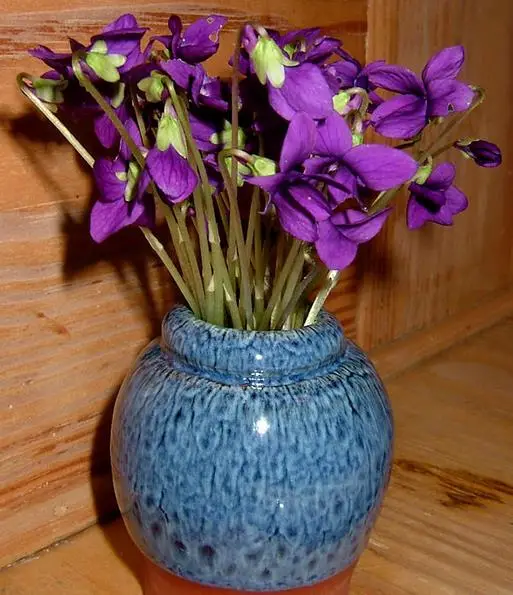
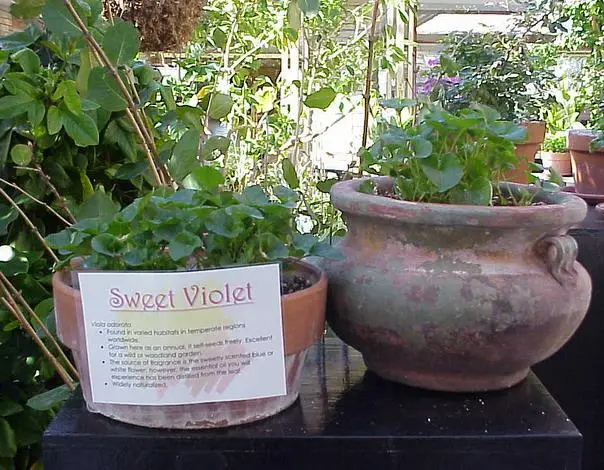
Grow your own candied violets and violet syrup—this legendary heritage flower enchanted Victorian tables and perfumeries alike. Dark purple blooms with intoxicating sweetness, edible petals and leaves bursting with vitamins, plus genuine medicinal properties. Easy-care perennial that spreads to fill shady corners. Begin this sensory journey from seed.
Imagine spring mornings gathering your own fragrant violet flowers to candy or infuse into syrups—a luxury once reserved for Victorian parlors, now within your hands.
Violet odorata hails from Europe and western Asia, where it has captivated gardeners, herbalists, cooks, and perfumers for over two millennia. The ancient Greeks treasured it; by the Middle Ages it was a pillar of the apothecary; Victorian society couldn’t live without it. This is not merely a pretty flower—it’s a living bridge to gardens of legend, carried through time because it genuinely delivers magic on every level.
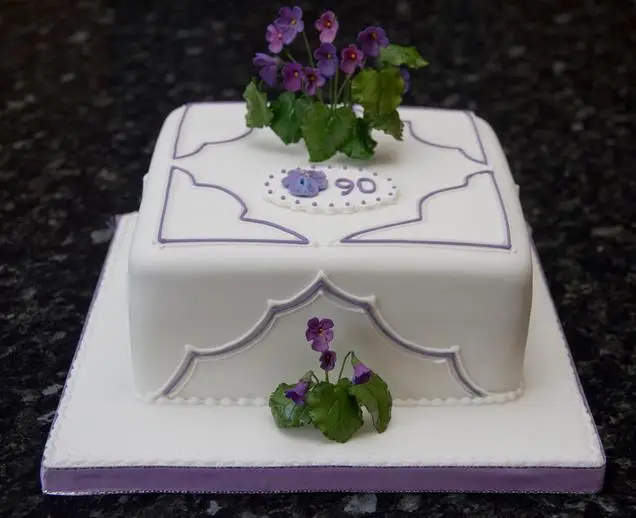
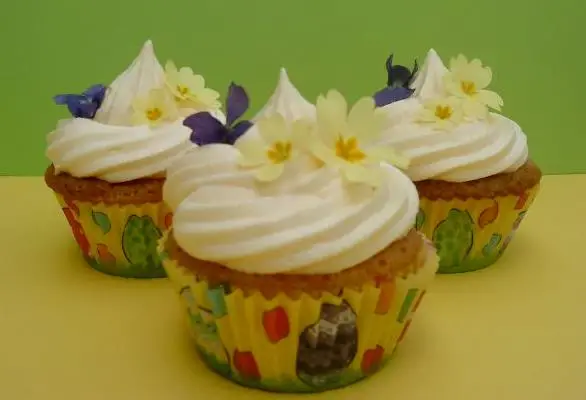
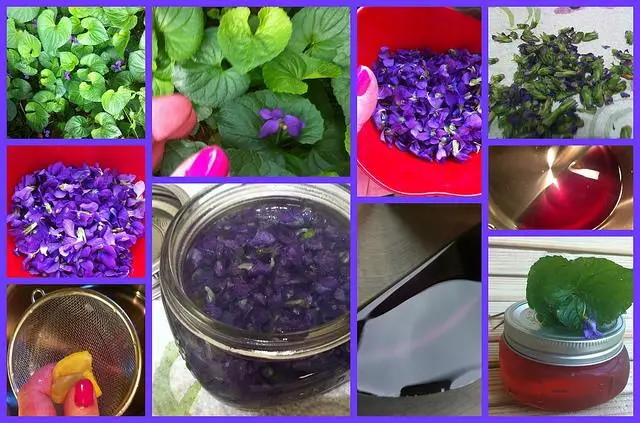
But here’s where Viola odorata becomes irresistible: its flowers and leaves are completely edible, and this is where culinary romance meets wellness. For centuries, cooks have candied the petals as jeweled confections, steeped them into violet syrups (a French tradition still alive), infused them into liqueurs, and scattered them across salads and desserts like fragrant garnish from another era. The leaves are rich in vitamins A and C, minerals, and gentle mucilage—herbalists brew them into soothing teas for coughs and respiratory comfort, make skin-healing salves for eczema, and create lymphatic tonics. The flowers themselves contain beneficial compounds including rutin, which supports vascular health. You’re not just growing a flower; you’re cultivating an edible, medicinal treasure that transforms your kitchen into an apothecary garden. The fragrance alone—distinctive, sweet, slightly powdery—has filled perfumes and cosmetics since before perfumery became an art form. One whiff and you understand why ancient traders coveted it.
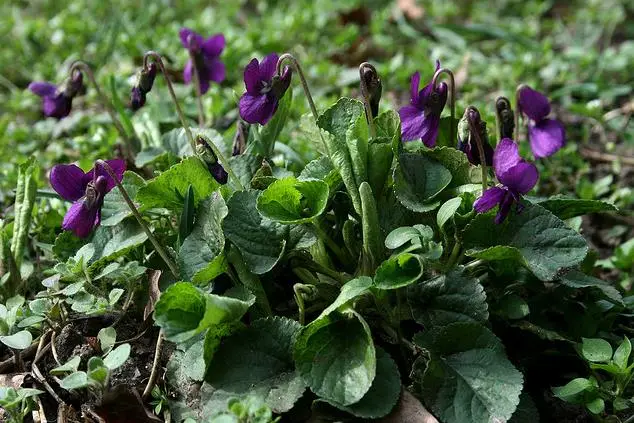
Growing sweet violet is straightforward, even delightful. The plants reach just 6–10 inches tall, forming dense mats of heart-shaped, evergreen foliage that’s attractive in itself. They prefer partial shade to dappled sunlight (full sun is too harsh), and they’re flexible about soil as long as it stays moist and well-drained with some organic matter. They hate waterlogging but love consistent moisture—mulch around them in spring. Late winter and early spring bring the floral show: delicate five-petaled blooms in deep violet or white, sometimes lilac or blush, all radiating that signature intoxicating scent. After the spring flush fades, many varieties reflower in autumn. The plant spreads gently via runners and natural division, perfect for filling shady corners beneath roses, shrubs, or woodland edges. It’s also attractive to fritillary butterflies and other pollinators—you’re inviting wildlife while feeding yourself. Hardiness spans zones 5–9, making it viable across most temperate climates.
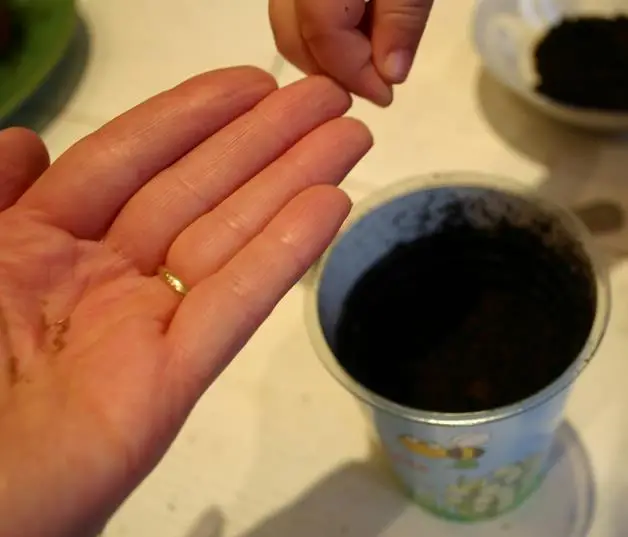
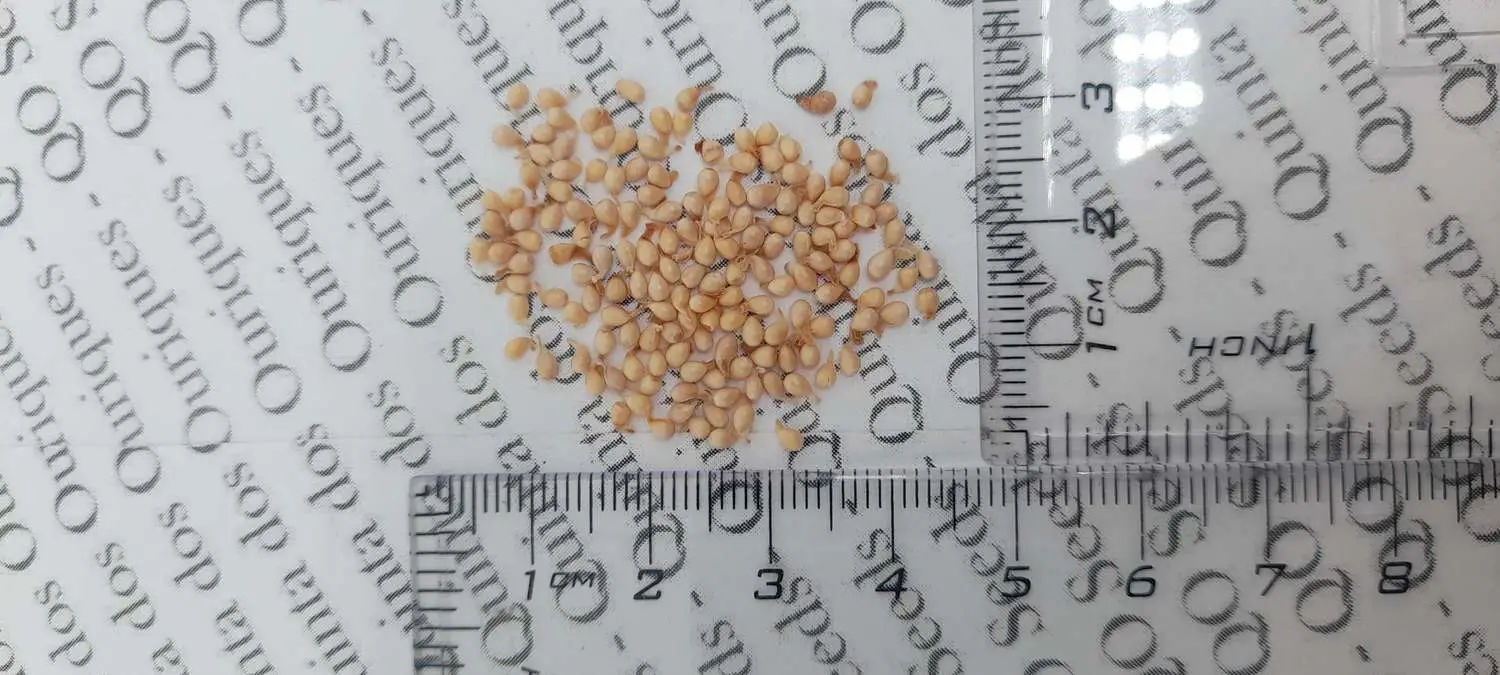
To grow from seed: sow in autumn in flats or cold frames for natural stratification, or scarify seed tips lightly and start indoors in late winter. Seeds germinate in 6–8 weeks. Plant them 8 inches apart in soil enriched with well-rotted manure, keep consistently moist (not soggy), and fertilize lightly in early spring. Once established, this is a low-maintenance perennial that asks little and gives continually. Deadhead spent flowers to extend blooming; cut back to the ground after the spring flush to encourage vigor and a second bloom in fall.
Begin your viola odorata story now. Watch it establish through its first season, then this spring, harvest your first candied petals, sip your first cup of violet-leaf tea, admire the bees and butterflies it attracts, and understand finally why this humble flower has never left the gardens of those who truly love plants.
Only logged in customers who have purchased this product may leave a review.

Reviews
There are no reviews yet.